2027 Best Value Online Aerospace Engineering Degree Programs: Affordable Accredited Options with the Strongest ROI

Co-Founder and Chief Data Scientist
Rising tuition costs and the growing need for flexible online learning options challenge budget-conscious students, working professionals, and military-affiliated learners pursuing aerospace engineering degrees. Accreditation remains critical as employers increasingly require verified credentials, while transfer credit policies and student support services directly impact graduation timelines and career pathways.
Understanding total program cost, including hidden fees and available financial aid, is essential for evaluating ROI and long-term salary potential, especially since aerospace engineers earn a median annual wage of $122,270, with variations by industry and region.
This article examines affordable, accredited online aerospace engineering programs-highlighting factors that influence cost, flexibility, academic quality, and career outcomes to guide informed choices.
Key Things to Know About the Best Value Online Aerospace Engineering Degree Programs
- The best-value online aerospace engineering programs combine affordable tuition, financial aid options, transfer credits, and flexible online formats to minimize overall education costs for diverse learners.
- Comparing accreditation, graduation rates, student support, pacing, and career outcomes ensures assessment of a program's true educational return on investment and professional readiness.
- Students must scrutinize hidden fees, residency rules, credit transfer policies, salary prospects, and employer recognition to secure programs that advance careers and long-term financial stability.
What Are the Best Value Online Aerospace Engineering Degree Programs?
Cost-conscious students and working professionals increasingly seek online Aerospace Engineering degree programs that balance affordability, accreditation, and practical career outcomes.
Rising student debt and employer demand for graduates with strong technical skills drive enrollment in programs emphasizing return on investment. Online options that reduce tuition and offer flexible pacing help adult learners efficiently advance their careers.
Below are key categories defining the best value programs:
- Public Regional Universities: These schools provide regionally accredited aerospace engineering degrees with notably low in-state tuition. Their established online infrastructures accommodate working adults through flexible scheduling and transfer-friendly policies, supporting timely degree completion.
- Competency-Based Education Models: Programs structured around competency-based education let students progress by demonstrating mastery at their own pace, often accelerating graduation and lowering costs. This approach focuses on workforce-aligned skills that boost employability and long-term ROI.
- Military- and Veteran-Friendly Programs: Many accredited public universities offer generous transfer credits and tuition discounts for active military and veterans. These programs emphasize accommodating online formats and strong post-graduation earnings potential.
- Statewide Public University Systems: Uniform tuition rates for online learners regardless of residency enhance affordability. These systems streamline credit transfers from community colleges to reduce time and cost to degree.
- STEM-Focused Private Nonprofit Colleges: Higher tuition is offset by scholarships, cohort-based online programs, and industry partnerships that facilitate strong salary outcomes and reinforce value over time.
Students exploring affordable accredited online aerospace engineering degrees with strong ROI will find these institutional models optimize tuition-to-earnings ratios and online accessibility.
As with other disciplines, such as the cheapest online SLP programs, selecting a degree program with recognized accreditation and proven career outcomes is essential for maximizing investment value.
How Do You Choose an Affordable Accredited Online Aerospace Engineering Degree?
Selecting the right balance of affordability, accreditation, flexibility, and long-term ROI is crucial for students comparing online aerospace engineering degree programs. With the average student debt surpassing $30,000 nationally, choosing a program that offers both academic quality and cost efficiency is more important than ever.
The following factors help budget-conscious students, working professionals, and career-focused adult learners navigate this complex decision:
- Regional Accreditation: Ensure the program is regionally accredited by agencies recognized by the U.S. Department of Education-this validates academic rigor and supports credit transfer. Employers also favor graduates from accredited programs, enhancing career prospects.
- Tuition Transparency and Pricing: Opt for schools that clearly disclose tuition rates and fees. Public universities often provide lower in-state tuition, while some online nonprofits offer flat-rate or competency-based models that accelerate completion and reduce costs, maximizing your investment.
- Transfer-Credit Policies: Flexible transfer policies save time and money-especially for adult learners with prior credits. Programs with generous articulation agreements minimize redundant coursework and tuition expenses.
- Online Learning Flexibility: Fully online programs designed for adult learners prioritize scheduling adaptability. Competency-based degrees reward mastery rather than seat time, allowing students to progress at their own pace while balancing work and life.
- Student Support Services: Robust advising, technical support, and career counseling enhance persistence and graduation rates. Institutions emphasizing these services deliver stronger outcomes and help realize a better return on investment.
Regional accreditation and cost efficiency remain top priorities for anyone seeking affordable accredited online aerospace engineering degree programs that align with long-term career goals.
For detailed options, consider exploring the cheapest accredited online college choices offering best value online aerospace engineering degrees with strong ROI.
Which Online Aerospace Engineering Degree Programs Offer the Highest ROI?
Return on investment (ROI) has become a crucial measure for students choosing online aerospace engineering degrees due to rising tuition costs and growing employer demand.
Recent data indicate that graduates of engineering programs can outpace student debt through higher starting salaries, making the balance between cost and earnings potential especially important.
Below are key factors driving superior ROI in these programs:
- Graduation Rates: Programs with graduation rates above 70% typically offer substantial institutional support and resources that help students finish on time. This reduces total tuition spent and accelerates entry into the workforce, improving overall ROI.
- Affordable Tuition: Schools providing transparent, competitive tuition-especially through state residency discounts or fixed per-credit fees-allow students to better manage costs. This clarity prevents surprise expenses that can increase debt burdens.
- Industry Alignment: Curricula designed to meet current aerospace workforce needs enhance employability. Recognition by regional and programmatic accreditors bolsters employer trust, enabling graduates to secure higher-paying roles faster.
In my discussion with a professional who completed an online aerospace engineering degree while working full-time, he emphasized the importance of program flexibility and cost predictability.
"Balancing work, family, and study was intense," he shared, "but the school's clear tuition structure and strong support networks kept me motivated.
Knowing my degree was respected by employers made every late night worth it." His experience highlights how a carefully chosen online program can yield measurable financial and career benefits over time.
What Is the Average Cost of an Online Aerospace Engineering Degree Program?
Evaluating the total cost of an online aerospace engineering degree program is critical for students comparing flexible online options as tuition rates at public institutions average $300 per credit hour, while private colleges often charge significantly more.
With rising education expenses prompting many to borrow, understanding key pricing models helps identify affordable accredited aerospace engineering degrees online that offer strong value.
Below are major cost factors shaping the overall financial commitment of these programs:
- Per-Credit Tuition: Public universities commonly set tuition between $150 and $400 per credit hour for in-state students, with out-of-state rates typically higher. This pricing structure benefits budget-conscious learners by allowing precise control over course load and expenses.
- Flat-Rate Enrollment: Some schools offer flat tuition fees per term regardless of credits taken, encouraging accelerated study. This model can reduce total costs by enabling motivated students to complete their degree faster.
- Transfer Credits: Many programs accept extensive transfer credits from community colleges or prior learning, cutting both tuition and time to graduation. This pathway suits adults and career changers with existing academic credits.
- Residency Impact: Residency rules often cause out-of-state tuition to double in-state prices, making it vital to assess institutional policies carefully to avoid unexpected fees.
- Additional Fees: Online courses may include technology or course fees ranging from $100 to $500 per term, subtly increasing the total cost beyond base tuition.
For students balancing work and family, programs that combine cost-efficiency with flexible pacing and transfer-friendly policies often deliver the best long-term return on investment. Those interested can also explore related fields, such as the PsyD online, which shares some similar online education cost structures.
Are Affordable Online Aerospace Engineering Degrees Respected by Employers?
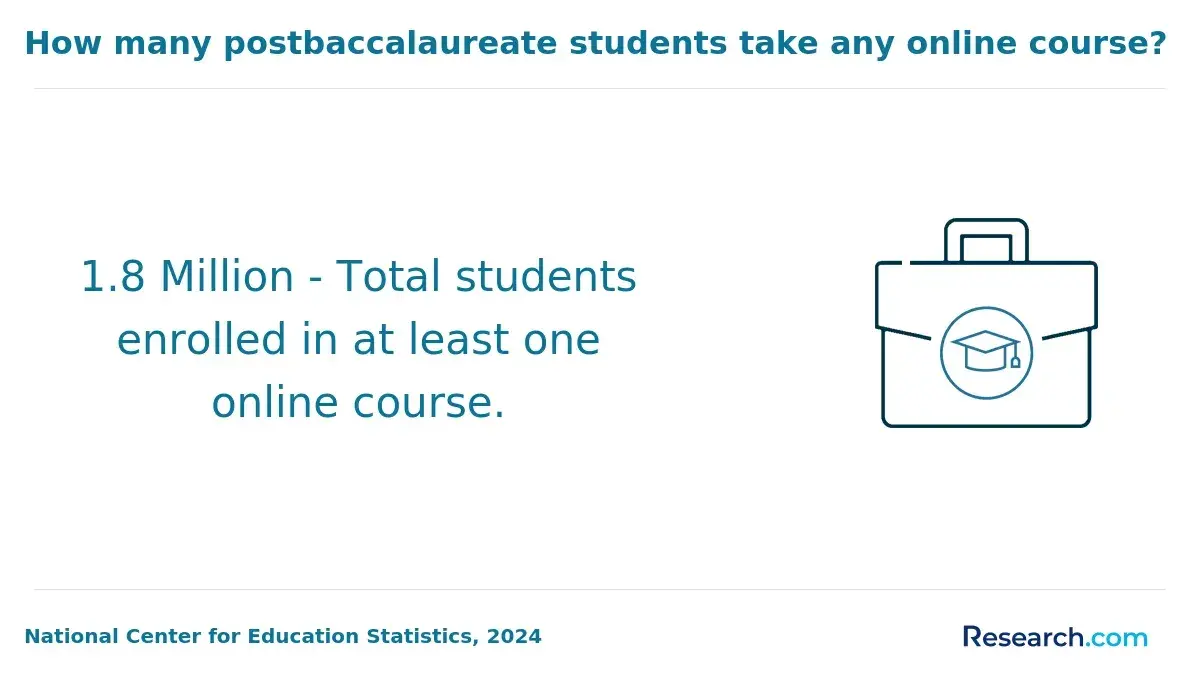
Employer regard for affordable online aerospace engineering degree programs hinges on several key credibility markers, especially as online education expands rapidly, with over 40% of higher education students taking at least one online course.
Accreditation and transparent outcomes play a crucial role in convincing employers of a program's legitimacy. The following factors strongly influence how these degrees are perceived in the workforce:
- Regional Accreditation: Degrees from regionally accredited institutions assure employers that academic standards meet rigorous, recognized benchmarks, increasing confidence in graduates' capabilities.
- Institutional Reputation: Universities known for engineering excellence, particularly those with nonprofit status, help dispel skepticism and highlight a commitment to academic quality rather than profit.
- Workforce Alignment: Programs that report clear employment metrics and maintain partnerships with aerospace industry leaders tend to demonstrate relevant, up-to-date curricula and practical experience opportunities valued by hiring managers.
- Transfer Credit Flexibility: Institutions with accommodating transfer policies enable students to leverage prior learning, signaling student-focused stability and a supportive educational environment.
- Transparency and Support Infrastructure: Open sharing of graduate success data and robust online resources, including faculty engagement and career services, reinforce program credibility and equivalence to traditional pathways.
Reflecting on her journey, a professional who built her aerospace engineering career after earning an affordable online degree recalled initial doubts from recruiters regarding the online format. She emphasized that the program's rigorous curriculum and strong project portfolio ultimately validated her skills.
"Navigating course work remotely was challenging at times, but the consistent faculty support and real-world assignments made it clear I was prepared," she shared. Her story confirms that while affordability matters, solid academic foundations and transparent outcomes shape lasting employer respect.
What Accreditation Should You Look for in an Online Aerospace Engineering Program?
Accreditation remains a critical factor for students choosing an online aerospace engineering degree; over 85% of employers value degrees from accredited institutions when making hiring decisions. Proper oversight ensures programs meet academic standards, maintain faculty expertise, and support students effectively.
Below are key accreditation elements to consider for a credible and valuable online aerospace engineering education:
- Regional Accreditation: This credential verifies that the entire institution meets rigorous quality standards recognized nationwide by employers, graduate schools, and federal agencies. It also facilitates credit transfers and ensures broader acceptance of the degree.
- ABET Accreditation: A specialized validation from the Accreditation Board for Engineering and Technology confirms that the aerospace engineering curriculum aligns with industry and licensure standards, emphasizing practical skills and learning outcomes critical for engineering careers.
- Nonprofit Status: Programs housed within nonprofit institutions generally focus on educational excellence and student success rather than profit generation, often translating into higher transparency and accountability.
- Transfer-Credit Policies: Institutions with strong accreditations usually have clear guidelines allowing students to transfer previously earned credits seamlessly, preserving academic progress and reducing time to degree completion.
- Transparency and Outcomes: Reputable programs share graduation rates and employment history openly, enabling prospective students to evaluate return on investment based on measurable success indicators.
Which Online Aerospace Engineering Programs Are Best for Working Adults?
Working adults increasingly seek online aerospace engineering degree programs that offer scheduling flexibility, accelerated completion options, and strong long-term educational value.
With online education enrollment among adult learners growing by over 30% in recent years, programs tailored for career-focused professionals have become essential.
The following features highlight the best program types to maximize affordability, accessibility, and practical support:
- Asynchronous Learning: This format lets students engage with course materials on their own time—a vital feature for those managing work shifts or family duties. It ensures rigorous academic standards are met without fixed attendance, promoting steady progress amid busy schedules.
- Competency-Based Pathways: Prioritizing mastery rather than time spent in class, these programs allow learners with relevant experience or self-study to accelerate degree completion. This approach can significantly reduce tuition costs while respecting individual pace and expertise.
- Transfer-Friendly Policies: Institutions with generous credit transfer options help returning adults minimize redundant coursework. Accepting prior college credits or technical training shortens time to degree and lessens financial burdens.
- Employer-Aligned Programs: Collaborations with aerospace industry employers keep curricula current and practical, enhancing job placement odds upon graduation. Such alignment supports workforce upskilling that meets evolving sector demands.
- Flexible Scheduling: Part-time enrollment and short-term courses, often 7 to 8 weeks long, offer manageable workloads and frequent start dates. This flexibility helps adult learners balance education with professional and personal responsibilities without burnout.
These program features create accessible, cost-efficient pathways for adults pursuing online aerospace engineering degrees, ensuring strong academic outcomes and long-term career benefits.
What Financial Aid Options Are Available for Online Aerospace Engineering Students?
Financial aid and tuition-reduction strategies are essential for students exploring value-focused online aerospace engineering degree programs, especially as nearly 60% of college undergraduates take on student debt.
Employer tuition assistance programs have also grown in popularity, making education more accessible for working professionals. These financial opportunities help reduce costs while preserving the long-term return on investment of an accredited degree.
Key funding pathways include:
- Federal Aid Eligibility: FAFSA-qualified students can access Pell Grants, federal loans, and work-study options if enrolled in Title IV-participating online aerospace engineering programs. This federal support offers flexible repayment and often does not require payback with grants.
- Employer Tuition Reimbursement: Many aerospace, defense, and engineering firms provide tuition assistance to employees pursuing relevant degrees online. This benefit enables career-focused adult learners to offset education costs without interrupting their work.
- Institutional Scholarships: Accredited schools frequently award scholarships targeting aerospace engineering or STEM majors, including options specifically available to online learners. Proactively researching these scholarships can yield significant tuition discounts.
- Transfer-Credit Optimization: Accepting previously earned credits shortens degree completion time and lowers tuition expenses. Confirming transfer policies with institutions helps maximize this savings strategy-important for budget-conscious students.
- Military and Veteran Benefits: GI Bill and military education programs apply to many accredited online aerospace engineering degrees, assisting active-duty service members, veterans, and their families with tuition support.
Students aiming for affordable, accredited degrees should also explore specialized programs designed to reduce total costs and improve financial accessibility.
Those interested in exploring options beyond aerospace may benefit from reviewing the best online office administration degree programs as a comparative resource for flexible and cost-effective online education pathways.
What Careers Can You Pursue With an Online Aerospace Engineering Degree?
Students increasingly pursue online aerospace engineering degrees to access flexible career pathways and competitive salaries—an industry projected to grow steadily with rising demand for skilled engineers in defense, aviation, and space technology.
According to recent labor data, aerospace engineers enjoy above-average earnings and long-term advancement opportunities.
The following outlines key career options for graduates of affordable, accredited online programs delivering strong long-term ROI:
- Entry-Level Engineering Roles: Graduates often start as aerospace, design, or systems engineers, contributing to the development and testing of aircraft and spacecraft. These positions offer robust starting salaries and a foundation for professional growth that suits working professionals and career-focused learners.
- Specialized Industry Careers: Students may apply their expertise in propulsion, avionics, or structural analysis within defense contracting, commercial aviation, or space exploration sectors. This alignment with specialized markets increases job security and expands potential earnings.
- Leadership & Management Tracks: With experience and additional credentials, professionals can move into project or engineering management roles. Online degree programs that integrate leadership training help prepare students for these higher-responsibility positions.
- Remote & Hybrid Opportunities: As aerospace employers embrace flexible work models, individuals skilled in software simulation and design technologies can pursue remote or hybrid roles-enhancing work-life balance without sacrificing career momentum.
- Advanced Education & Upskilling: Many use online aerospace engineering degrees as stepping stones to graduate studies or industry certifications, strengthening specialization and boosting long-term earning potential.
Choosing the best value online aerospace engineering degree programs in the United States involves evaluating accreditation, employer recognition, and experiential learning options—key institutional factors that greatly influence employability and ROI.
For learners seeking affordable routes to career success, these programs offer flexible formats without compromising quality. To explore related fields, consider the human services degree, which also caters to professionals balancing education with work commitments.
What Is the Salary Potential for Graduates of Online Aerospace Engineering Programs?
Salary potential is a crucial consideration for those choosing online aerospace engineering degree programs, especially for budget-conscious learners aiming to maximize return on investment. Median wages for aerospace engineers often exceed $120,000 annually, reflecting strong demand and wage growth in this technical field.
Several factors shape these earnings and influence long-term career trajectories:
- Industry Specialization: Graduates focusing on areas like propulsion, avionics, or systems integration frequently command higher salaries due to specialized expertise and evolving technological needs in aerospace sectors.
- Geographic Location: Earnings vary significantly by region-states with dense aerospace hubs such as California, Washington, and Texas typically offer elevated wages linked to local market demand and cost of living.
- Experience and Advancement: Entry-level roles offer competitive starting pay, but income grows as professionals acquire experience, certifications, and leadership responsibilities within companies or projects.
- Transferable Skills: Proficiency in project management, advanced mathematics, and CAD tools enhances employability and salary progression by enabling graduates to contribute across multiple engineering domains.
- Accreditation and Outcomes: Graduates from accredited programs with positive employment rates generally receive better salary offers-reflecting employer confidence in the curriculum's relevance and quality.
Assessing these elements can help students and working professionals select affordable, flexible aerospace engineering programs that align with their long-term financial and career goals.
What Graduates Say About Best Value Online Aerospace Engineering Degree Programs
- Eddie: "As a budget-conscious student, finding an online aerospace engineering degree program that balances affordability with accreditation was crucial for me. I was impressed by programs that offer strong financial aid and low tuition without compromising quality or ROI. Ultimately, I chose a program that prepared me well for in-demand roles, ensuring my investment would pay off in the long run."
- Sage: "Working full-time while pursuing an online aerospace engineering degree required me to prioritize programs that offered flexibility alongside the greatest return on investment. I found that accredited options with a robust industry network opened doors to diverse career paths, from design to testing and project management. Reflecting on my experience, opting for a best-value program means considering not just cost but future salaried potential and job security."
- John: "As a career-focused adult learner, I was determined to enroll in an online aerospace engineering degree program that combined affordability and accreditation while boosting my career trajectory. The programs with the highest ROI often included hands-on projects and partnerships with aerospace firms, which helped me transition seamlessly into advanced roles. I recommend researching the career services and alumni achievements tied to each program before committing."
Other Things You Should Know About Aerospace Engineering Degrees
Since aerospace engineering relies heavily on applied sciences, accredited online programs typically incorporate virtual labs, simulation software, or require on-campus residencies to meet practical requirements. Some programs partner with local facilities or industry organizations to facilitate hands-on experiences. It's important for prospective students to assess how these components fit their schedules and geographic location before enrolling.
Reputable online aerospace engineering programs offer dedicated technical support-including access to software tools and simulation platforms critical to engineering disciplines. Additionally, students often receive academic advising, career services, and access to digital libraries tailored to their field. These resources help ensure students can fully participate in their coursework and remain engaged with the academic community despite remote learning.
Many online programs facilitate networking through virtual student organizations, industry guest lectures, and collaborative projects to help students connect with peers and professionals. Some programs also maintain alumni networks and encourage participation in aerospace engineering conferences or webinars. Active engagement in these opportunities can enhance professional growth and access to job opportunities after graduation.
References
- Maple Leaf Schools | World-Class Canadian Education https://www.mapleleafschools.com/schools/best-aerospace-engineering-schools
- Best Online Bachelors in Aerospace Engineering Degree Programs https://www.onlinecolleges.me/engineering-degrees/bachelors/aeronautics/
- Find Programs - ABET https://www.abet.org/accreditation/find-programs/
- Aerospace Engineering - Careers in Aerospace https://www.careersinaerospace.com/roles/engineering/aerospace-engineering/
- Courses for Aerospace Engineering: A Pathway to Success | i GET IT by Tata Technologies https://myigetit.com/business/courses-for-aerospace-engineering/
- Top 7 Online Aerospace Engineering Degrees | NEWENGINEER https://newengineer.com/advice/top-7-online-aerospace-engineering-degrees-1413451
- Study Aerospace Engineering - Experience, Job Opportunities, Salary + Survey https://jobtensor.com/uk/Studies/Aerospace-Engineering
- 2025 Best Online Bachelor's in Aerospace Engineering https://www.onlineu.com/degrees/aerospace-engineering
- Learn aerospace engineering | edX https://www.edx.org/learn/aerospace-engineering
- Best Online Aerospace Engineering Associate Degree Programs, Jobs, and Salaries https://careerkarma.com/blog/best-online-aerospace-engineering-associate-degrees/