
2027 Biotechnology Degree Programs for Career Changers

Co-Founder and Chief Data Scientist
Mid-career professionals seeking a fresh start often encounter steep learning curves when entering biotechnology, a fast-evolving field requiring specialized knowledge. Approximately 26% of biotechnology graduates in the U. S. are adult learners returning to education to switch careers, reflecting growing demand for tailored programs. Many struggle to find degree pathways that balance practical skills with flexible schedules suited to their experiences. This article explores biotechnology degree programs designed for career changers, highlighting options that enable efficient skill acquisition. It aims to guide working adults through informed choices to confidently transition into biotechnology roles aligned with industry needs.
Key Things to Know About Biotechnology Degree Programs for Career Changers
- Many biotechnology programs offer flexible scheduling and online or hybrid formats, accommodating working adults balancing jobs and studies.
- Accelerated degree options enable career changers to enter the biotechnology workforce faster, addressing industry demands for skilled professionals.
- Support services such as academic advising and career counseling enhance success rates for adults transitioning to biotechnology careers, which grow at a 7% annual rate.
What Biotechnology Programs Accept Career Changers?
Certain biotechnology programs are designed with flexible prerequisites and practical curricula, making them well-suited for working adults and professionals seeking a career change. This adaptability helps individuals from nontraditional backgrounds efficiently build relevant skills for the field. Notably, 40% of graduate students in STEM are returning adults or career changers, underscoring the growing presence of biotechnology degree programs for nontraditional students.
- Master's in Biotechnology: These programs often combine theory and hands-on application, allowing career changers to deepen scientific understanding while leveraging past professional experience. Flexible admission criteria typically accommodate varied academic histories.
- Certificate Programs in Biotechnology: Shorter and more focused than degree programs, certificates provide practical training without strict science prerequisites. They offer an efficient route for professionals needing quick reskilling.
- Online or Hybrid Biotechnology Degrees: Designed for balance, these programs support students in managing work, study, and personal commitments. Their flexible format is ideal for adult learners transitioning careers.
- Post-Baccalaureate Biotechnology Programs: Tailored to those requiring foundational science coursework before graduate study, these paths smooth the transition from unrelated undergraduate degrees to advanced biotechnology training.
For further options on flexible study paths similar to biotechnology, consider exploring the shortest DNP program online.
What Biotechnology Specializations Are Best for Career Changers?
Selecting the right biotechnology specialization is essential for career changers to leverage existing skills and access expanding job markets efficiently. Employment in biotechnology-related fields is expected to grow 15% from 2022 to 2032, outpacing the average for all occupations. Below are four top specializations that stand out for professionals switching careers.
- Bioprocessing and Manufacturing: Ideal for those with production or quality control experience, this specialization focuses on scalable biological product development. It emphasizes transferable skills such as process optimization, making it accessible to career changers.
- Regulatory Affairs: Perfect for professionals with backgrounds in law, compliance, or science, this area involves navigating complex government regulations. It offers newcomers a stable path with skills that are highly sought after across the industry.
- Bioinformatics: Combining biology with data analysis, this field suits individuals with computing or analytical skills. It also offers remote work opportunities, which enhances career flexibility and mobility.
- Clinical Research: Designed for those with healthcare or project management experience, this specialization focuses on clinical trials and patient safety. It allows career changers to make a direct impact on medical advancements.
Career changers exploring biotechnology degree specializations for career changers may also find value in accelerated learning options to fast-track their transition. For example, an accelerated MA program offers an efficient route into healthcare-related roles, complementing expertise in clinical research and related fields.
These specializations represent some of the best biotechnology focus areas for professionals switching careers, balancing accessibility, skill transferability, and strong job prospects.
What Are the Admission Requirements for Career Changers Applying to a Biotechnology Program?
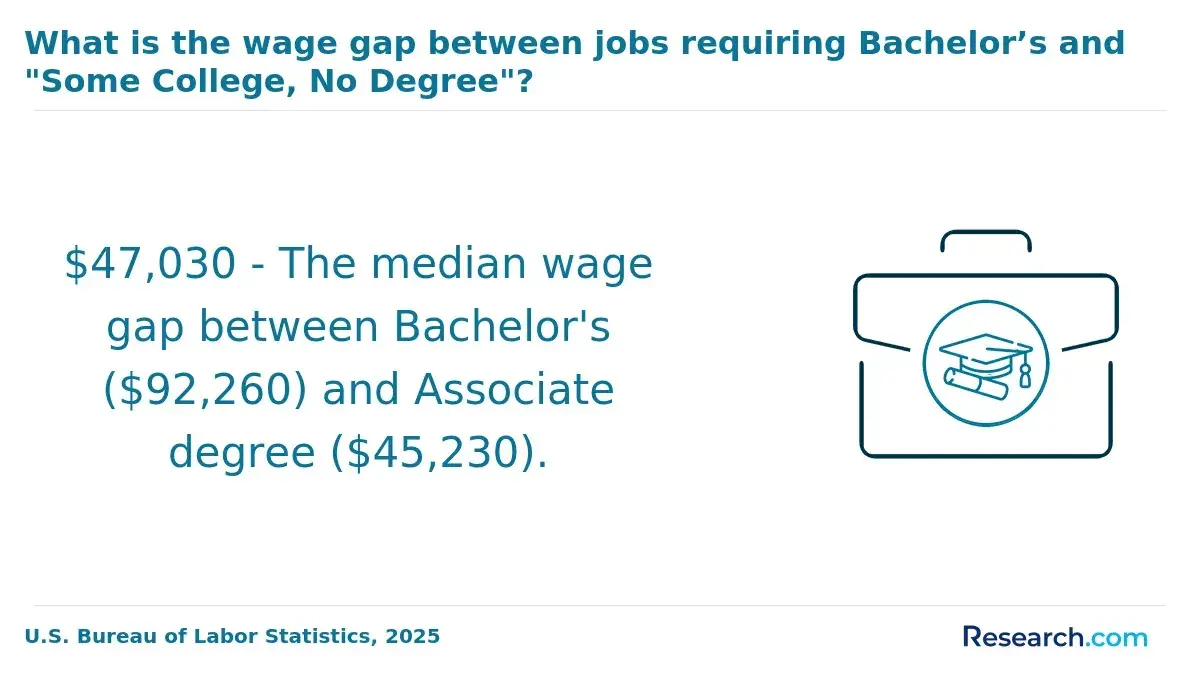
Admission requirements are especially important for career changers transitioning into a biotechnology program, as they often involve unique considerations distinct from traditional student pathways. Nearly 40% of undergraduate students are adult learners, reflecting a significant shift toward accommodating nontraditional admissions. Below are common admission requirements for career changers seeking a biotechnology degree.
- Academic Credentials: A high school diploma or equivalent is typically required, along with college transcripts. Many programs expect some background in science or math, but prerequisite coursework can be completed part-time or online to accommodate working professionals.
- Transferable Experience: Professional skills related to science, technology, or technical fields are often considered. Career changers can leverage relevant work experience to reduce the need for repeating foundational courses, supporting a smoother transition.
- Alternative Pathways: Many programs accept portfolios showcasing relevant work experience or allow completion of bridge courses. These flexible options help career changers demonstrate preparedness for rigorous biotechnology study without traditional prerequisites.
- Application Materials: A clear statement of purpose explaining motivation for career change and how previous experience aligns with biotechnology goals is essential. Strong letters of recommendation from employers or educators familiar with the applicant's skills further strengthen admission chances.
Individuals planning this transition should also explore additional education options such as online medical programs, which can complement or enhance biotechnology degree admission requirements for career changers seeking flexible study arrangements.
What Is the Coursework for a Biotechnology Degree for Career Changers?
For those shifting careers, grasping the structure of a biotechnology degree is key to navigating the transition smoothly and with confidence. The coursework blends foundational knowledge with specialized topics, crafted to accommodate diverse educational histories. Below are core components that often define such programs:
- Foundational Sciences: These courses cover essentials like molecular biology, genetics, and cell biology, reinforcing basic concepts and laboratory methods essential for later studies.
- Applied Biotechnology: Focused on hands-on skills, this includes genetic engineering, bioinformatics, and bioprocessing, with emphasis on real-world applications and data analysis through practical labs or projects.
- Regulatory and Ethical Training: Coursework addresses compliance, quality control, and ethical considerations, preparing students for roles that require adherence to industry standards.
- Flexible Learning Options: Many programs offer evening classes, online formats, or accelerated paths to fit the busy schedules of working adults.
- Career Integration Support: Internships, mentorships, and workshops are often embedded to provide experiential learning and professional networking opportunities.
A professional who completed an online biotechnology degree before switching careers shared that the initial challenge was balancing coursework with full-time work and family obligations. He recounted, "Adjusting to the scientific rigor after years away from academia was tough,but the flexible online schedule really helped me stay on track." He also appreciated the project-based assignments, stating they "simulated real work environments, which made the learning feel relevant and motivating." The access to mentors "gave me confidence to ask questions I never thought I could," easing the uncertainty of starting a new career path in a technical field.
What Biotechnology Program Formats Are Available for Career Changers?
Flexible and varied biotechnology program formats are vital for career changers who need to balance education with professional and personal duties. Data from the National Center for Education Statistics shows that over 40% of U.S. undergraduate students are aged 25 or older, reflecting a significant demand for adaptable learning options. Below are some common program structures suited for those transitioning careers.
- Online Programs: These provide maximum flexibility, enabling students to learn from any location and often on their own schedule. They are ideal for professionals managing jobs or family commitments without compromising program access.
- Evening and Weekend Classes: Targeted at full-time workers, these programs schedule courses outside regular business hours, allowing learners to maintain employment while advancing their studies.
- Part-Time Degree Programs: By spreading coursework over a longer duration, part-time formats reduce the term course load, helping students juggle multiple responsibilities effectively.
- Hybrid Programs: Combining online and in-person learning, hybrid options offer some direct interaction while preserving much of the convenience crucial for career changers.
Selecting the appropriate program format can enhance students' ability to gain relevant skills without disrupting their current career or lifestyle.
What Skills Do Career Changers Gain in a Biotechnology Program?
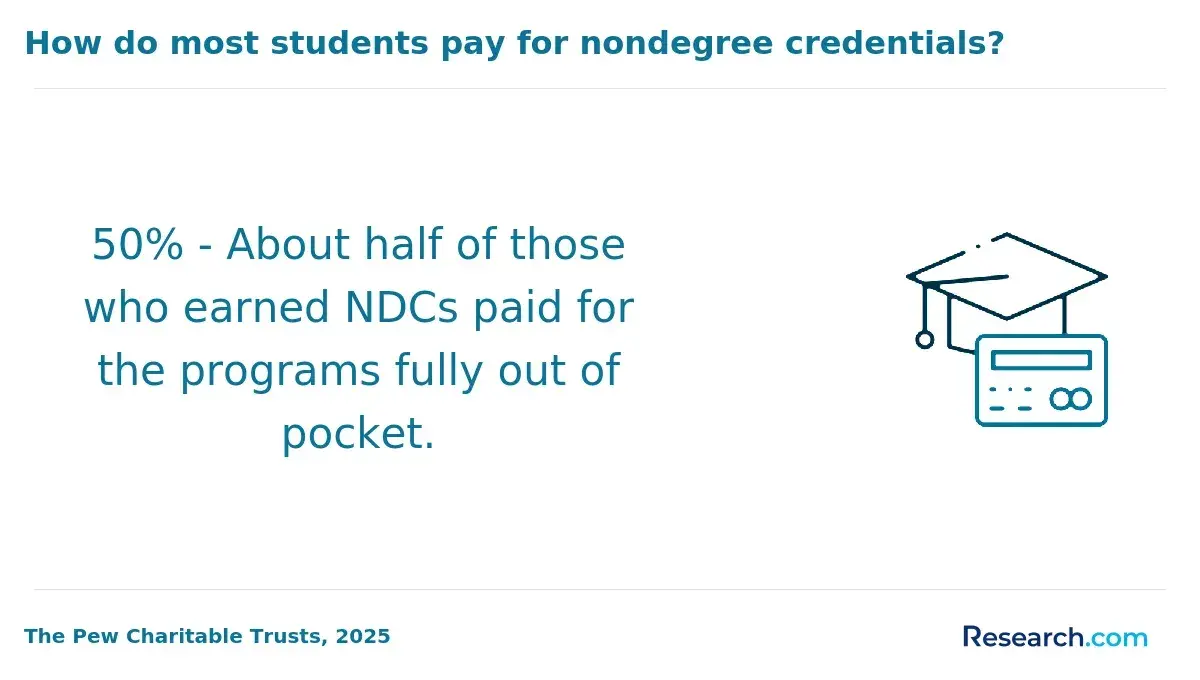
For career changers, developing new skills is critical to staying relevant in a competitive job market where nearly 90% of adult workers recognize the need to reskill. Biotechnology degree programs provide a focused way to acquire both technical expertise and versatile competencies that support seamless role transitions. Below are five essential skills these programs commonly instill.
- Laboratory Techniques: Practical experience with molecular biology, cell culture, and analytical procedures enables students to directly apply scientific principles in real-world research and development contexts, boosting confidence in hands-on environments.
- Data Analysis and Bioinformatics: Gaining proficiency in managing and interpreting complex biological data allows graduates to contribute to genomics research and precision medicine innovations, skills highly sought after in biotechnology sectors.
- Regulatory Compliance Understanding: Learning about FDA guidelines and quality control equips students to navigate the legal and safety requirements essential for product development and approval processes, enhancing their professional reliability.
- Problem-Solving and Critical Thinking: Training to analyze experimental design and troubleshoot outcomes sharpens analytical capabilities that are vital for success in fast-paced industrial and clinical research settings.
- Communication and Collaboration: Emphasizing teamwork and clear communication prepares students to effectively share knowledge and coordinate across multidisciplinary teams, a necessity for managing complex projects.
When asked about her experience, a career changer who completed a biotechnology degree shared that overcoming initial uncertainty was a significant hurdle. She recalled, "At first, the technical jargon and lab work felt overwhelming, but gradually applying what I learned gave me a sense of accomplishment." Navigating coursework alongside work and family responsibilities required careful time management and persistence. Reflecting on the journey, she noted how mastering diverse skills not only enabled her to pivot careers but also increased her confidence in tackling unfamiliar challenges. Her story highlights how these programs do more than teach science-they build resilience and adaptability essential for long-term success.
How Much Does a Biotechnology Degree Cost for Career Changers?
Career changers face unique financial challenges when pursuing a biotechnology degree, often balancing education costs with ongoing work and personal expenses. Graduate education in the U.S. results in an average debt of over $66,000 per borrower, highlighting the need for careful cost management. Several key expenses contribute to the total price of earning this degree.
- Tuition and Fees: This is the largest expense, varying widely by institution and program format. In-state public programs typically cost $10,000 to $40,000 annually, while private institutions can exceed $50,000. Many working professionals opt for part-time or online study options, which can spread costs over a longer period and enable continued income. Flexible payment plans are often available to reduce upfront financial burden.
- Textbooks and Supplies: Essential learning materials, including textbooks and lab manuals, add to the overall cost and may range from several hundred to over a thousand dollars per year. Some programs provide digital materials or inclusive fees to help control these expenses.
- Lab Materials and Equipment: Biotechnology degrees require specialized lab access, which can involve additional fees for consumables and equipment use. These costs vary by program but are a necessary component for hands-on training in scientific techniques.
- Commuting and Technology Expenses: For those attending online or hybrid programs, technology costs such as a reliable computer and internet connection are important considerations. Commuting expenses may also factor in for on-campus attendance, influencing total affordability.
- Financial Support Options: Many working professionals benefit from employer tuition reimbursement or professional development programs, which can significantly reduce out-of-pocket expenses. Additionally, accelerated degree pathways or certificate combinations offer cost-saving opportunities and faster completion times.
Seeking affordable biotechnology degree programs for working professionals involves evaluating these cost components carefully. Some adults also explore an online healthcare administration degree as an alternative or complement when considering flexible career pathways in the health sciences sector.
How Does a Biotechnology Curriculum Support Career Transitions?
Curriculum design plays a vital role in facilitating career transitions, especially for adult learners and working professionals seeking to enter the biotechnology field. Tailored programs bridge gaps in foundational knowledge and emphasize skills that support professional shifts smoothly. The following points highlight key features of a biotechnology degree curriculum for career changers.
- Applied Learning: Laboratory techniques and hands-on experience with industry tools are central, helping students develop practical skills critical for biotechnology roles.
- Transferable Skills: Programs focus on problem-solving, project management, data analysis, and interdisciplinary communication to equip students with versatile abilities for various professional environments.
- Flexible Pacing: Offering part-time, evening, or online study modes accommodates working adults, allowing them to balance education with personal and work commitments.
- Real-World Projects: Internship opportunities and industry-linked projects enable students to apply theoretical knowledge to real challenges, boosting professional readiness and networking.
- Curriculum Support: Personalized academic and career advising helps align learners' progress with their goals, adapting pathways to best suit transition needs.
Such curriculum features are essential for those aiming for smooth professional transitions supported by key skills gained from biotechnology programs for professional transitions. For students also interested in healthcare paths, exploring options like the cheapest BSN programs can provide alternative affordable educational routes.
What Careers Can Career Changers Pursue With a Biotechnology?
For adults shifting careers, knowing potential job prospects is vital to align existing expertise with new skills effectively. The U.S. Bureau of Labor Statistics anticipates a 7% increase in biological science occupations over the next ten years, indicating steady opportunities. Below are common career options available to biotechnology degree holders.
- Biological Technician: Involves supporting scientific studies by preparing experiments and interpreting results. Professionals with technical experience or lab skills can transition smoothly into this role due to its hands-on nature.
- Quality Control Analyst: Focuses on maintaining product standards and ensuring regulatory compliance. This path suits detail-oriented individuals familiar with process oversight and quality assurance.
- Medical Laboratory Technologist: Performs diagnostic tests critical to healthcare decisions, making it ideal for those with clinical backgrounds wanting to expand scientific knowledge.
- Regulatory Affairs Specialist: Handles documentation and communication necessary for product approvals. People with strong organizational and communication abilities can thrive here, especially if accustomed to managing complex information.
- Research Associate: Supports experimental design and data gathering, perfect for those with analytical skills and a drive for innovation looking to engage deeply in scientific research.
What Is the Average Salary After Earning a Biotechnology Degree as a Career Changer?
Salary expectations play a crucial role for professionals shifting careers to earn a biotechnology degree, enabling them to assess the financial benefits of their new path. Studies show that reskilled individuals entering STEM fields, including biotechnology, may experience median salary increases of 10% to 20% compared to their former positions. Below are key salary insights for common roles and factors within biotechnology careers.
- Entry-Level Technician: Annual earnings generally range from $45,000 to $60,000. Compensation at this stage depends largely on foundational skills and entry into the biotech workforce.
- Mid-Level Research Associate: Salaries typically fall between $60,000 and $80,000. Expertise and specific lab experience influence pay within this category.
- Senior Specialist/Analyst: Experienced professionals often earn from $80,000 up to $110,000. Advanced skills and project leadership can drive earnings higher.
- Industry Influence: Jobs in pharmaceuticals and medical device sectors usually offer superior pay compared to positions in academia or government agencies.
- Prior Experience Impact: Career changers with relevant scientific or management backgrounds tend to secure salaries in the upper pay bands due to transferable skills and professional maturity.
What Graduates Say About Their Biotechnology Degrees for Career Changers
- Regina: "Making the leap into a biotechnology degree program was a defining moment for me-I needed a career that challenged me scientifically. While the cost, roughly $40,000 on average, was a significant investment, it was absolutely worth it considering how it opened doors in a rapidly growing industry. Today, I'm thriving in a biotech research role I never imagined possible before this shift."
- Yousef: "I took my time reflecting on a career change and chose biotechnology because of its blend of science and innovation. Admittedly, the tuition fees can be daunting, often hovering near $35,000, but the depth of knowledge and practical skills I gained far outweighed the financial outlay. Completing this degree gave me the credibility and confidence needed to transition successfully into a biotech consulting position."
- Leagan: "Switching careers to pursue a biotechnology degree was a calculated decision rooted in my passion for life sciences and problem-solving. The cost was a concern initially, with many programs averaging around $38,000, but the long-term career benefits made it a sound investment. Since graduating, I've leveraged my degree to advance into leadership within biotech product development, a move that has been professionally rewarding."
Other Things You Should Know About Biotechnology Degrees
Yes, prior work experience can positively influence acceptance into biotechnology degree programs for career changers. Admissions committees often value relevant experience in science, healthcare, or technology fields as it shows a foundation for successful study. However, work experience alone usually does not replace the need for prerequisite coursework or standardized testing required by some programs.
Career changers often face challenges such as adjusting to technical scientific content and balancing study with existing work or family responsibilities. Many biotechnology programs expect a solid understanding of biology, chemistry, and mathematics, which may require additional preparation. Time management and accessing academic support services can help overcome these hurdles.
In 2027, career changers enrolling in biotechnology degrees can access various financial aid options, including scholarships, grants, student loans, and employer tuition assistance programs. Many institutions offer specific financial support to help ease the transition and encourage diverse career pathways.
References
- Complete Guide to Biotechnology Courses and Career Scope https://enrolify.in/blog/biotechnology-courses-careers-scope-skills-job-market
- Making the Move: A Look into the Career Transition from Pharma/Biotech to CRO https://www.bioagilytix.com/blog/making-the-move-a-look-into-the-career-transition-from-pharma-biotech-to-cro/
- FAQ - Getting Started https://biotechbridge.org/faq/
- Exploring Biotechnology: Specializations and Career Prospects https://niituniversity.in/blog/the-world-of-biotechnology-specializations-and-career-prospects
- Biotech for Career Changers: What You Need to Know https://wp.wpi.edu/betc/2020/01/27/biotech-for-career-changers-what-you-need-to-know/
- Master's Degrees Biotechnology - Tuition & Career Paths https://www.medicaltechnologyschools.com/biotechnology/is-a-masters-in-biotechnology-worth-it
- Top Transferable Skills Needed for Biotech and Pharmaceuticals | Evolve Scientific Recruitment https://www.evolvescientific.com.au/news/top-transferable-skills-for-biotech-pharmaceuticals/
- Professional Development Programs | Bioversity https://bioversityma.org/professional-development-programs/
- Career Change to Biotech | Steps for a Successful Transition https://pathwise.io/career-change-to-biotech/
- The Top 5 Questions You’ve Asked About Changing Your Career to Biomanufacturing | North Carolina Biotechnology Center https://www.ncbiotech.org/news/top-5-questions-youve-asked-about-changing-your-career-biomanufacturing


