
2027 Best Biotechnology Degrees for Working Adults

Co-Founder and Chief Data Scientist
Many working adults face the challenge of advancing in biotechnology without pausing their careers. Balancing full-time jobs and education is difficult, yet the biotechnology field expects a 9% growth in employment through 2031, faster than average for all occupations. This surge results from increased demand in pharmaceuticals, agriculture, and environmental sectors. However, traditional programs often lack flexibility, causing many to delay or forgo further education.
The article explores the best biotechnology degrees designed for working professionals, highlighting flexible, accredited options that enable learners to gain necessary skills while maintaining their employment and progressing in their careers.
Key Things to Know About Biotechnology Degrees for Working Adults
- Flexible scheduling and online or hybrid program options allow working adults to balance professional responsibilities with coursework without compromising career progression.
- Many biotechnology degrees are designed with employer-relevant curricula, aligning skills training with current industry demands and improving job placement rates.
- Accelerated pacing and dedicated support services, such as career advising and tutoring, enhance completion rates among working professionals pursuing biotechnology degrees.
What Are the Best Biotechnology Degrees for Working Adults?
The best biotechnology degrees for working adults depend on factors such as schedule flexibility, alignment with career goals, and return on investment. A growing trend is the availability of part-time and fully online biotechnology programs, which enable professionals to balance studying while maintaining full-time employment.
Many employers support continuous learning but need employees to stay productive on the job. Several biotechnology degree options are especially suitable for working adults due to their flexible formats and practical relevance. These programs often offer asynchronous or evening classes, are designed around industry needs, and focus on skills that directly enhance career advancement.
Below are some of the top biotechnology degree programs for professionals:
- Biotechnology with a focus on Molecular Biology: This specialization emphasizes genetic research and hands-on laboratory skills, often incorporating asynchronous online labs and lectures that fit varied schedules.
- Biomanufacturing and Process Technology: Tailored for those interested in production and quality control, these programs frequently provide hybrid or evening classes to accommodate full-time workers.
- Biomedical Technology: Combining biology and technology in healthcare settings, this option offers part-time enrollment and career-relevant projects for pragmatic learning.
- Regulatory Affairs in Biotechnology: Focused on compliance and policy, these degrees are ideal for professionals pursuing leadership roles, typically with flexible online coursework.
Choosing the best online biotechnology degrees for working adults ensures practical content delivery and flexible pacing, crucial for career growth without sacrificing job responsibilities. For those exploring related healthcare education paths, an online pharmacy school can offer similarly flexible options suited to busy professionals.
What Are the Admission Requirements for Working Adults in Biotechnology Degree Programs?
Admission requirements for working adults pursuing biotechnology degree programs often differ significantly from those designed for traditional students. This is partly due to a notable rise in part-time enrollment among graduate students, reflecting an increasing demand for flexible education paths tailored to adults balancing work and study.
Many programs adjust their criteria to better accommodate these learners' unique circumstances.
Key admission considerations for working adults include the following:
- Work Experience: Relevant professional experience in biotechnology or related fields is frequently valued as highly as academic achievements. This experience can demonstrate practical skills and industry knowledge that help offset lower GPA scores.
- GPA Flexibility: Programs often apply more lenient GPA expectations compared to conventional standards, recognizing that working adults may have been away from formal education for a time but bring valuable expertise.
- Test Waivers: Applicants with substantial professional backgrounds may receive waivers for standardized tests, reducing barriers for those who can prove their capabilities through work history.
- Professional Recommendations: Endorsements from supervisors or colleagues highlighting skills and potential are important components of the application, providing insights beyond transcripts.
- Program Flexibility: Options for part-time, evening, or online study are crucial to accommodate working adults, enabling them to pursue biotechnology degrees without sacrificing employment or personal commitments.
Prospective students interested in combining career advancement with quality education can also explore related fields such as online medical billing and coding with financial aid to expand their professional opportunities. Incorporating these admission criteria tailored for working adults ensures greater access to flexible, accredited biotechnology degree programs that perfectly suit their needs.
What Coursework Is Required in Biotechnology Degree Programs for Working Adults?
Biotechnology degree programs for working adults are designed to balance career relevance, practical skills, and flexible learning formats such as evening, weekend, or online classes that accommodate full-time employment.
Approximately 45% of biotechnology adult learners pursue degrees part-time, reflecting the need for adaptable scheduling that supports career growth without interrupting work commitments. Incorporating core biotechnology courses for working adults ensures the curriculum remains applicable to professional environments and skill development.
These typical coursework in biotechnology degree programs focus on areas essential for immediate application and long-term advancement. Common subjects include:
- Molecular Biology: Covers genetic engineering, DNA/RNA analysis, and cell biology to provide foundational knowledge crucial for research and development roles.
- Bioprocessing and Manufacturing: Focuses on techniques for producing biological products at scale, relevant for professionals advancing in pharmaceutical or agricultural biotech sectors.
- Bioinformatics: Introduces data analysis tools and software used in genomics and proteomics, essential for those working in computational biology or personalized medicine.
- Regulatory Affairs and Quality Control: Teaches compliance with FDA regulations and quality assurance protocols, enabling professionals to ensure products meet industry standards.
- Project Management for Biotech: Develops skills in team leadership, budgeting, and timeline management to support advancement into supervisory or managerial positions.
Adult learners seeking flexible, accredited programs should carefully explore options that fit their schedules and career goals. For those interested in healthcare-related certifications with affordability in mind, an affordable medical billing and coding certification could complement a biotechnology education by expanding administrative and clinical knowledge.
How Long Does It Take to Complete a Biotechnology Degree While Working?
Time to finish a biotechnology degree while balancing full-time work varies widely due to individual needs and program structures. On average, working professionals often spend four to six years completing their degrees, reflecting the balancing act between job duties and academic progress.
Several important factors influence how long it may take to earn a biotechnology degree under these conditions:
- Program Format: Online and hybrid formats usually provide the flexibility to study during off-hours, making it easier to juggle classes with professional responsibilities.
- Course Load: Choosing part-time enrollment stretches the timeline but keeps workload manageable, reducing burnout and stress.
- Prior Credits: Having transferable credits from previous studies can shorten the degree path by lowering the number of courses needed.
- Work Schedule: Erratic or demanding hours on the job often slow down academic progress as students must adjust study times accordingly.
- Accelerated Programs: Some options allow faster completion by condensing courses into shorter terms, which suits students able to handle intense study periods.
A professional who completed an online biotechnology degree while working shared that managing deadlines alongside a full-time job was one of the biggest challenges. "There were evenings when I'd be exhausted but still had to focus on assignments and discussion boards," he recounted.
He noted that time management skills became crucial, especially when unexpected work projects arose. Despite setbacks, he appreciated the program's structure for allowing him to pause and resume as needed. "It wasn't a sprint but a steady marathon-balancing priorities kept me motivated to finish."
How Much Does a Biotechnology Degree Cost for Working Adults?
For working adults pursuing a Biotechnology degree, managing expenses is essential due to balancing school costs alongside living and job responsibilities. Nearly 40% of undergraduate students aged 25 and older enroll part-time, which often increases the overall financial commitment over time.
Below are key aspects influencing the total cost of earning a Biotechnology degree for employed learners.
- Tuition Per Credit: Tuition rates vary widely depending on the institution and residency status, commonly ranging from $300 to more than $1,000 per credit hour. Online programs may have different pricing structures, sometimes higher than in-person options.
- Program Length: The number of required credits, typically between 60 and 120, combined with part-time study choices, affects how long students pay tuition and extend the total cost duration.
- Additional Fees: Beyond tuition, students often incur lab fees, technology charges, and costs for textbooks or specialized software. These expenses can add several hundred dollars each semester.
- Delivery Format: Online studies can reduce commuting and housing costs but might have increased per-credit fees. On-campus options might be cheaper per credit but entail additional living expenses.
- Financial Aid Options: Many working adults offset costs through employer tuition assistance, scholarships, or grants targeting adult and STEM students, helping to manage the financial burden effectively.
What Financial Aid Options Are Available for Working Adults in Biotechnology Degree Programs?
Balancing a full-time job, studies, and personal life often places a heavy financial strain on adults pursuing biotechnology degrees. Access to financial aid can significantly ease this pressure, allowing students to concentrate on their academic and career objectives.
The following are some common financial aid options available for working adults in biotechnology programs:
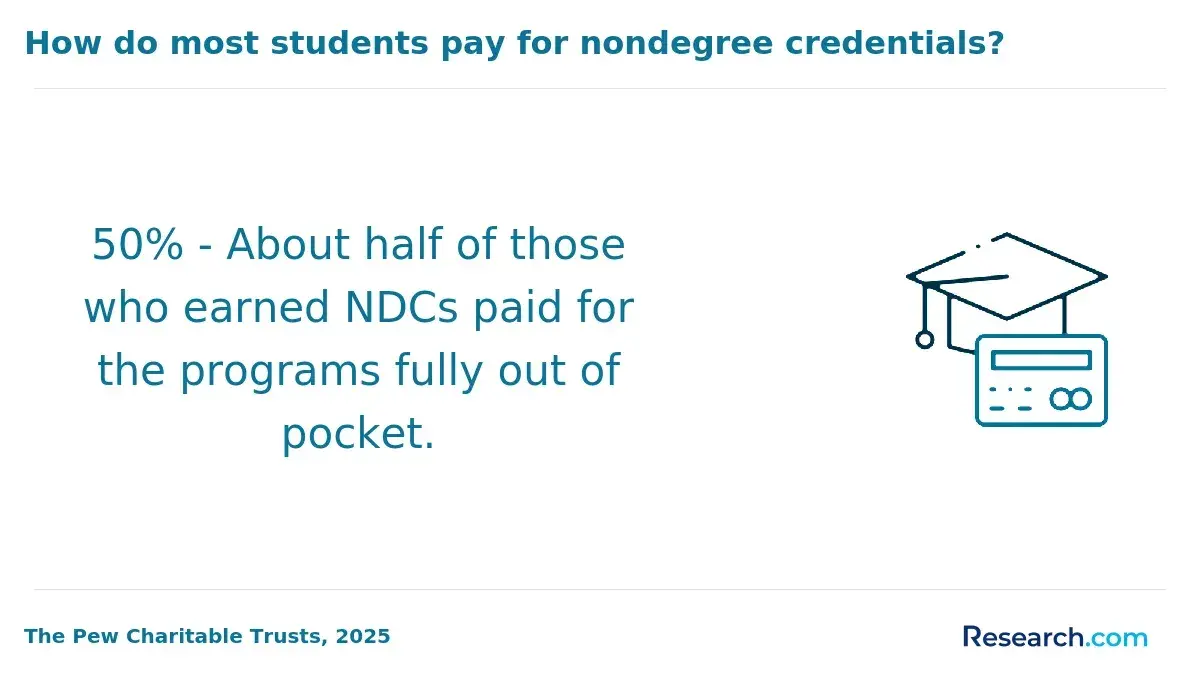
- Federal Financial Aid: This includes Pell Grants and federally backed student loans, which are awarded based on financial need verified through the FAFSA process. These resources provide essential funding to help cover tuition and related expenses.
- Employer Tuition Assistance: Many companies support employees' educational pursuits by offering tuition reimbursement or assistance programs. Eligibility and benefits vary depending on the employer's policies, often requiring a minimum tenure or satisfactory academic progress.
- Scholarships for Adult Learners: Targeted scholarships exist to support non-traditional students returning to education, with criteria often linked to age, career goals, or biotechnology as a field of interest.
- Grants: State and private grants aimed at STEM adult learners do not need to be repaid and usually require proof of enrollment and financial need. These grants help lessen the cost burden for those balancing work and studies.
- Payment Plans and Tax Benefits: Flexible payment options allow tuition to be spread over several months, making costs more manageable. Additionally, tax credits like the Lifetime Learning Credit can provide financial relief by offsetting educational expenses.
When asked about her experience navigating financial aid while completing a biotechnology degree alongside full-time employment, a professional shared that "the initial paperwork was overwhelming, especially trying to keep up with everything after work."
She found that breaking down the process into smaller steps and seeking guidance from financial aid advisors made a big difference. "Employer assistance was a real game-changer, but I also tapped into lesser-known scholarships targeted at adult learners, which helped cover unexpected costs."
Reflecting on the journey, she emphasized that persistence and exploring multiple aid avenues were crucial to making education financially viable without sacrificing work or family time.
What Support Services Help Working Adults Succeed in a Biotechnology Program?
Working adults pursuing a biotechnology degree often face the challenge of balancing their studies with jobs and personal lives, requiring significant time management and resilience. Institutional support services play a crucial role by offering resources that help these students stay organized, engaged, and on path to graduation.
- Academic Advising: Tailored guidance assists students in selecting courses that fit their schedules and career goals, making it easier to manage workloads and meet graduation requirements.
- Flexible Scheduling: Programs offer evening, weekend, and online classes to accommodate busy professionals, enabling them to continue working while pursuing their degree.
- Online Learning Support: Technical help and resources boost students' ability to navigate virtual platforms, ensuring active participation and effective comprehension in remote coursework.
- Tutoring Services: Targeted academic support provides help with difficult biotechnology concepts, reinforcing understanding and building confidence in challenging subjects.
- Mental Health Resources: Counseling and wellness programs address stress and emotional health, which is essential for maintaining balance amid the pressures of work, school, and life.
Are Biotechnology Degrees for Working Adults Accredited?
Accreditation confirms that a biotechnology program meets rigorous academic standards established by recognized agencies, ensuring the curriculum delivers both theoretical knowledge and practical skills essential to the field. For working adults, this validation is vital because employers tend to favor degrees from accredited institutions, viewing them as more reliable and relevant.
Additionally, only accredited programs usually qualify for federal financial aid, which can ease the financial burden for those juggling education with other responsibilities. Recent trends show that over 40% of graduate science and technology students are adults returning to education, highlighting the growing need for flexible, accredited programs that accommodate working professionals.
Accreditation significantly enhances the biotechnology degree's long-term value and credibility for adult learners. It facilitates the transfer of credits between accredited schools, making further education or specialization more accessible.
Moreover, it often qualifies graduates to pursue professional certifications or licensure that are critical for career progression. Employers generally place greater trust in candidates holding accredited degrees, which can lead to better job opportunities and advancement within the industry.
Does a Biotechnology Degree Increase Salary for Working Adults?
Salary growth remains a key motivator for working professionals pursuing a biotechnology degree, with annual earnings typically ranging from $60,000 to $110,000 depending on experience and field specialization. For many adults balancing full-time jobs, a biotechnology degree salary increase can significantly enhance financial stability and career prospects.
- Industry Demand: Expanding sectors such as pharmaceuticals, environmental biotechnology, and agricultural biotech are driving steady growth in job opportunities. This growing demand often translates to higher salaries as companies seek qualified professionals.
- Role Advancement: Obtaining a biotechnology degree can open doors to supervisory or specialized positions. Career advancement with biotechnology degree qualifications frequently leads to increased responsibilities and better pay.
- Employer Support: Various companies offer tuition reimbursement or promotional incentives based on earned degrees, directly influencing salary growth for their employees.
- Experience and Education: Combining years of professional experience with formal education amplifies earning potential. Practical skills paired with advanced knowledge increase an individual's value in competitive job markets.
- Specialization: Focusing on niche areas such as genetic engineering or regulatory affairs often commands premium salaries due to their advanced technical requirements.
Adult learners considering degree programs should seek out flexible, accredited options that fit full-time employment schedules to maximize career advancement with biotechnology degree credentials. For prospective students exploring related fields, the cheapest online healthcare administration degree programs can present alternative flexible pathways for career growth.
What Jobs Can Working adults Get With a Biotechnology Degree?
A biotechnology degree equips working adults to move beyond entry-level roles by qualifying them for higher-level, more specialized, or leadership-oriented positions. It serves as a valuable credential for experienced professionals seeking career advancement in scientific and managerial capacities.
Below are typical upward-mobility job roles for working adults pursuing job opportunities with a biotechnology degree:
- Biotechnology Research Scientist: This role involves designing and conducting experiments to innovate or improve biotech products. It represents a move into advanced research and development, requiring a profound understanding of biological processes that the degree provides.
- Clinical Research Coordinator: Professionals in this position manage clinical trials, ensuring adherence to regulatory standards. It signals a step into leadership within healthcare-related research, combining scientific knowledge with project oversight.
- Regulatory Affairs Specialist: Specialists oversee the compliance and approval processes for biotech products. This career requires expertise in complex legal and scientific frameworks, supporting advancement into regulatory roles.
- Biomanufacturing Manager: This managerial role leads production teams in biotechnology manufacturing facilities. The position highlights progression toward supervisory responsibilities and operational management.
- Product Development Manager: Directing the creation and launch of biotech products, this job blends scientific acumen with business strategy and project management, ideally suited for degree holders aiming to bridge science and commerce.
Each position reflects growth in responsibility and complexity, leveraging the comprehensive education offered by a biotechnology degree. Adults seeking flexible, accredited biotechnology degree programs that fit full-time employment can find suitable options to support career advancement.
For related fields, exploring affordable RN to BSN online programs can also provide pathways for adult learners.
What Graduates Say About Their Biotechnology Degrees for Working Adults
- Reign: "Choosing to enroll in an online biotechnology degree program while working full-time was a game-changer for me. The convenience allowed me to balance my job and studies without sacrificing income, and considering the average cost of around $15,000 to $25,000, it was a reasonable investment in my future. Since graduating, I've secured a more advanced role in research and development, and the flexibility of the program was absolutely worth it. "
- Yousef: "When I started my part-time biotechnology degree, I was concerned about the financial strain, but the overall cost was surprisingly manageable compared to traditional programs, averaging near $20,000. Reflecting on the journey, balancing work and study was challenging but rewarding, as completing the program opened doors for me in regulatory affairs. It gave me the practical knowledge and credentials necessary to advance professionally. "
- Logan: "Undertaking a biotechnology degree online while working presented a valuable opportunity to grow my career without quitting my job. The cost, generally between $15,000 and $25,000, felt justified by the hands-on skills and networking opportunities I gained. Since finishing the degree, I've moved into a leadership position in biotech product management, and the experience truly elevated my professional standing. "
Other Things You Should Know About Biotechnology Degrees
In 2027, several universities offer renowned online biotechnology programs tailored for working adults. Johns Hopkins University provides a flexible Master’s in Biotechnology, while the University of Maryland Global Campus offers a Bachelor’s in Biotechnology that accommodates varying schedules through asynchronous courses ideal for busy professionals.
Yes, many universities offer flexible online biotechnology degree programs tailored for working adults in 2027. These programs often provide part-time schedules and asynchronous courses, allowing students to balance their studies with professional and personal commitments.
Pursuing an online biotechnology degree offers flexibility, allowing working adults to balance their studies with professional responsibilities. It also provides access to a wider range of programs and reduces commuting time. Online programs often incorporate current technology and resources, enhancing the learning experience and catering to diverse learning styles.
References
- Biotechnology & Society Programme https://www.immerse.education/biotechnology-and-society-programme/
- 15 In-Demand Biotechnology Career Paths to Consider https://jobsblog.danaher.com/blog/biotechnology-career-paths/
- Best Biotechnology Courses & Certificates [2025] | Coursera Learn Online https://www.coursera.org/courses
- Adult Career Training | Just A Start https://www.justastart.org/adult-career-training/
- Main navigation https://careersportal.ie/careers/detail.php
- Biotechnology https://rekrutacja.amu.edu.pl/en/studies-cataloge/biotechnology,483
- Top 50 Biotechnology Interview Questions and Answers [2026] https://digitaldefynd.com/IQ/top-biotechnology-interview-questions-and-answers/
- Biotechnology Credentials | InnovATEBIO https://innovatebio.org/biotech-credentials
- Curious About a Career in Biotechnology? Start Here https://www.amrita.edu/blog/career-in-biotechnology-guide/
- Top 15 Highest‑Paying Pharmacy Jobs in the UK 2025 (Including Salaries) https://apexlearning.org.uk/highest-paying-biotechnology-jobs-2025-2026/


