
2027 Is a 2-Year Biotechnology Degree Worth It: Accelerated Bachelor's ROI & Time Trade-Offs

Co-Founder and Chief Data Scientist
Many prospective students face uncertainty when deciding if a 2-year accelerated biotechnology degree justifies the intensive time and financial investment. According to the National Center for Education Statistics, biotechnology-related degrees have seen a 15% growth in enrollment over recent years, reflecting increased industry demand. However, the compressed curriculum raises questions about depth of knowledge and job market readiness. This article examines the true return on investment for accelerated biotechnology bachelor's degrees, analyzing career outcomes, salary potentials, and time trade-offs. Readers will gain a clear understanding of whether this pathway aligns with their professional ambitions and financial priorities.
Key Benefits of a 2-Year Biotechnology Degree
- Biotechnology graduates typically see a 15-25% higher starting salary versus associate degree holders, accelerating ROI within the first 3-5 years post-graduation.
- An accelerated 2-year biotechnology degree reduces time-to-employment, enabling quicker access to industry roles concentrated in pharmaceuticals, research labs, and bioinformatics.
- Students save on tuition and living costs compared to traditional 4-year programs, improving overall cost efficiency without sacrificing essential technical skills.
How Do 2-Year Biotechnology Programs Work?
Two-year biotechnology programs serve as accelerated pathways designed to rapidly prepare students for entry-level positions or further education in the field. These programs compress traditional four-year study into about half the time, making it essential for prospective students to understand how such structures impact their learning experience and career readiness.
Below is an overview of how 2-year biotechnology programs are structured and what students can expect.
- Accelerated Pacing: Courses are offered continuously throughout the year without long breaks, allowing students to complete degree requirements faster than traditional programs. This demanding pace requires consistent effort and effective time management.
- Year-Round Enrollment: Unlike regular academic calendars, these programs often have multiple start dates annually, enabling students to begin their studies at several points during the year.
- Condensed Course Terms: Classes typically run for 6 to 8 weeks instead of the usual 15 weeks, intensifying the workload and the need for focused study.
- Credit Load Expectations: Students face heavier credit loads per term compared to standard semesters, a key feature of accelerated biotechnology degree coursework and workload that ensures faster completion.
- Instructional Format: The curriculum blends online instruction with essential hands-on laboratory work, giving students practical skills in techniques such as DNA sequencing and biochemical analysis.
- Assessment Methods: Regular evaluations include timed exams, lab reports, presentations, and projects designed to assess mastery within a compressed schedule.
- Curriculum Progression: Advisors closely monitor student performance to maintain steady academic pacing through the intensive curriculum, helping learners keep up and succeed.
According to the National Center for Education Statistics, accelerated programs can reduce completion time by about 1.5 to 2 years, resulting in significant tuition savings. Furthermore, biotechnology technicians with associate degrees earn a median annual salary near $46,000, with a steady job growth rate of 7% projected by the U.S. Bureau of Labor Statistics.
Students exploring similar accelerated paths may also consider RN to BSN online programs without clinicals as an alternative model of efficient degree completion.
What Are the Admission Requirements for a 2-Year Biotechnology Degree?
For students weighing the benefits of an accelerated bachelor's in biotechnology, grasping the typical admission requirements helps clarify the academic challenges and preparations needed. Meeting these criteria ensures a smoother transition into the program and helps align educational goals with career opportunities in the biotech field.
Below is a detailed overview of eligibility requirements for accelerated biotech programs and standard 2-year biotechnology degree admission criteria.
- Prior Education: Most programs require a high school diploma or equivalent, with coursework emphasizing biology, chemistry, and mathematics to establish a scientific foundation.
- GPA Expectations: Applicants usually need a minimum GPA ranging between 2.5 and 3.0 on a 4.0 scale, demonstrating readiness for rigorous college-level work.
- Standardized Tests: Tests like the SAT or ACT are less commonly required for associate degrees but might be requested for some accelerated tracks aimed at quicker degree completion.
- Prerequisite Courses: Completion of introductory biology and chemistry classes is often required before admission or during early semesters to prepare students for advanced study.
- Relevant Experience: Some programs value prior laboratory experience, whether through academic coursework or internships, to better equip students for hands-on biotech tasks.
According to the National Center for Education Statistics, completing a 2-year degree can save students up to two years compared to traditional 4-year tracks, reducing tuition and expediting workforce entry. Additionally, given the growth projections for biological technician roles by the U.S. Bureau of Labor Statistics, these admission standards are aligned with labor market demands.
Students interested in a fast-track health sciences credential might also explore options like the medical assistant program that can complement biotech career paths.
What Does a Typical Week Look Like in a 2-Year Biotechnology Program?
Grasping the weekly demands of an accelerated biotechnology program helps prospective students judge if they can manage the workload while meeting their career aspirations. The structure is intensive, blending theory with hands-on practice, so understanding the routine can clarify expectations and support effective planning.
Below is a breakdown of common weekly activities encountered in a typical two-year biotechnology course.
- Class Sessions and Lectures: Students attend daily lectures and labs amounting to 15-20 hours per week, combining scientific concepts with practical experiments to reinforce learning.
- Assignments and Assessments: Regular quizzes, lab reports, and project submissions keep students continually engaged and require disciplined time management to meet tight deadlines.
- Collaborative Group Work: Team-based projects simulate real-world biotech environments, sharpening communication and cooperation skills essential for the industry.
- Independent Study: Outside scheduled hours, students devote significant time to reviewing material, conducting supplementary research, and preparing for exams to deepen their understanding.
- Instructor Interaction: Access to faculty is provided through office hours or online forums, encouraging proactive learner-instructor communication for addressing questions and feedback.
- Time Management Expectations: The accelerated pace demands efficiently balancing academic responsibilities with personal and potential work commitments, often requiring some weekend study.
Are 2-Year Biotechnology Programs Available Online?
Choosing an accelerated biotechnology degree often depends on the delivery format, which influences flexibility, access, and how students manage their time. Online options can be especially important for those balancing work or other responsibilities. Understanding the differences in format and support helps students select a program that fits their needs.
- Fully online vs. hybrid formats: Many 2-year biotechnology programs offer either fully online courses or hybrid models requiring occasional on-campus lab work. This allows students to choose based on their availability and need for hands-on experience.
- Asynchronous and synchronous learning: Online programs typically combine asynchronous lectures accessible anytime with scheduled live sessions for interaction, striking a balance between flexibility and real-time engagement.
- Technology requirements: Students need reliable internet, a modern computer, and sometimes specialized equipment for virtual labs. Schools usually provide technical support to help with these needs.
- Student support services: Remote tutoring, academic advising, and technical assistance are commonly available to ensure online learners receive comprehensive help throughout their studies.
- Impact on pacing and engagement: Online 2-year biotechnology programs often enable accelerated progression, potentially reducing time to completion by 25% or more. Programs with interactive platforms and frequent live sessions tend to boost student participation and satisfaction.
How Much Does a 2-year Biotechnology Degree Cost?
Evaluating the total cost of a 2-year biotechnology degree is essential to determine its return on investment (ROI), especially when comparing accelerated programs to traditional four-year degrees. The condensed timeframe can offer financial advantages, but a comprehensive understanding of all expenses is necessary to make informed decisions about pursuing such a path.
Below is a breakdown of the key components influencing the cost of accelerated biotechnology programs.
- Tuition Structure: The cost of accelerated biotechnology programs often depends on tuition charged per credit hour or per term. Because these programs require taking more credits simultaneously, students may face higher tuition fees in shorter periods, impacting overall expenses compared to traditional programs.
- Mandatory Fees: Beyond tuition, students must budget for mandatory fees like lab access, registration, and technology support, which can add significantly to total costs in biotech studies.
- Textbooks and Learning Materials: Biotechnology courses frequently require specialized and up-to-date textbooks, scientific software licenses, or digital platforms, contributing to substantial expenses for students.
- Laboratory and Technology Costs: Specialized equipment and materials used in biotechnology practical coursework usually lead to higher lab and technology fees than in other disciplines.
- Accelerated Pacing Benefits: By reducing the time to degree completion by 25-50%, accelerated programs can lower indirect costs such as housing and lost wages. However, the intensity demands strong time management and sustained financial resources throughout the shorter duration.
Prospective students seeking information on affordable study options may also explore easy nursing programs to get into as part of their educational research.
The 2-year biotechnology degree tuition costs and overall cost of accelerated biotechnology programs vary widely, so understanding these factors will help align educational investment with career goals effectively.
Can You Get Financial Aid for 2-Year Biotechnology Programs?
For students considering accelerated biotechnology programs, understanding financial aid options is critical to managing education costs effectively. Many weigh the potential savings in time and money against challenges like pacing and eligibility. Below, key financial aid avenues are outlined to help clarify what support may be available for those pursuing a two-year biotechnology degree.
- Federal Student Aid Eligibility: Most accelerated biotech programs qualify for federal aid such as Pell Grants and Direct Loans if the school participates in federal programs and students submit a FAFSA. However, faster term schedules can alter how funds are distributed, sometimes requiring adjustments to planning.
- Scholarships and Grants: Competitive scholarships targeting biotech or STEM students can reduce expenses but often have strict academic criteria. These awards vary widely and frequently require ongoing performance standards.
- Employer Tuition Assistance: Many employers offer tuition reimbursement or assistance to support employee education in biotech fields, especially those tied to workforce development. This can supplement federal aid but may be limited if accelerated courses reduce available work hours.
- Flexible Payment Plans: Some colleges provide payment options that divide tuition costs over several months, easing financial strain without the need for additional loans or interest.
- Impact of Accelerated Pacing: The quicker pace in two-year biotech degrees may affect aid disbursement timing and workload balance, requiring students to be vigilant about eligibility and scheduling to maintain support.
What Jobs Can You Get With a 2-Year Biotechnology Degree?
Evaluating career outcomes is essential when considering the value of an accelerated biotechnology bachelor's degree. Understanding the types of jobs available with a 2-year degree can help students weigh the time commitment against potential entry points into the field. This insight leads naturally into the diverse career paths open to those completing such programs.
- Laboratory Technician: Graduates commonly start as laboratory technicians, supporting research and development by conducting experiments and maintaining equipment. These roles offer practical experience in biological testing and quality control.
- Quality Control Analyst: Entry-level biotechnology careers after associate degree often include work in quality control, where professionals ensure products meet regulatory and safety standards. This role emphasizes attention to detail and adherence to protocols.
- Biological Technician: Positions as biological technicians involve assisting scientific investigations by preparing samples, collecting data, and operating lab instruments. The U.S. Bureau of Labor Statistics projects steady growth in this job category, suggesting ongoing demand.
- Research Assistant: Early-career roles like research assistants provide hands-on involvement in experiments and data analysis, helping build skills for further advancement or graduate study.
- Industry Opportunities: Industries hiring those with biotechnology jobs with 2-year degree credentials include pharmaceuticals, medical device manufacturing, environmental biotechnology, and agricultural biotech. Each sector values applied lab skills and practical knowledge.
- Accelerated Program Benefits: The shorter duration of accelerated programs allows students to enter the workforce sooner, promoting workforce readiness. Curricula often blend theoretical instruction with practical applications, smoothing transitions into technical roles and supporting career growth.
For students considering various educational pathways, exploring options such as cheapest BSN programs online can provide additional context on balancing cost, duration, and career outcomes across related fields.
How Do Salaries Compare for 2-year Biotechnology Degree vs. Traditional Bachelor's Degrees?
Salary outcomes are a critical factor when evaluating the return on investment (ROI) of accelerated versus traditional degree paths in biotechnology. Understanding these differences helps prospective students weigh the financial benefits of completing a 2-year biotechnology degree versus a bachelor's degree.
Below is a comparison that highlights key salary considerations for each route.
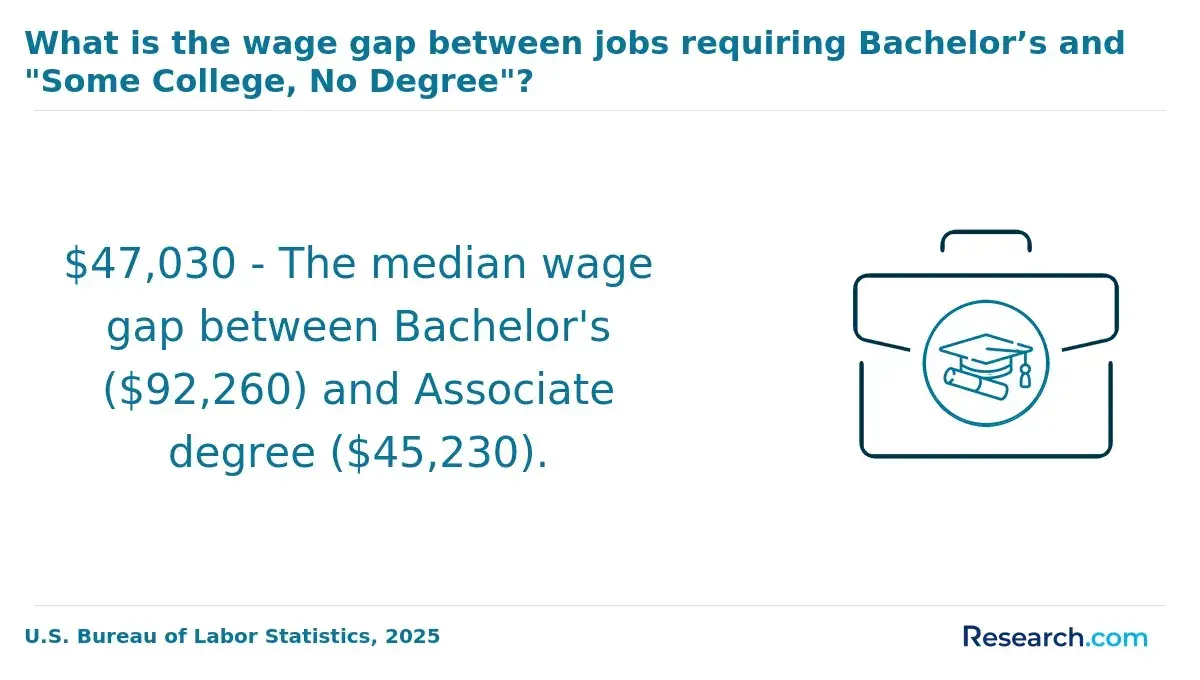
- Early-career earnings: Individuals with 2-year biotechnology degrees typically start with median salaries between $45,000 and $55,000, while those holding bachelor's degrees report median starting salaries ranging from $55,000 to $70,000. This reflects the broader technical training provided by four-year programs.
- Long-term earning potential: Bachelor's degree holders usually experience stronger salary growth, with mid-career median salaries often exceeding $90,000, compared to slower growth and limited advancement opportunities for 2-year degree graduates.
- Employer perception and career progression: Employers generally favor bachelor's degrees for their versatility and suitability for leadership or research roles, which translates into more robust career progression paths and higher salary increases over time.
- Accelerated workforce entry: Faster completion of accelerated bachelor's programs allows students to enter the workforce one to two years earlier than traditional counterparts, potentially enhancing lifetime earnings despite lower initial salaries for some 2-year degree holders.
The differences outlined here are critical for those assessing a 2-year biotechnology degree salary comparison or biotechnology bachelor's degree salary differences. Considering these factors alongside program affordability can help students make informed decisions.
For those interested in affordable pathways to advance within healthcare fields, exploring the cheapest RN to BSN programs may also offer valuable financial insights related to accelerated degree options.
Which Factors Most Affect ROI for Accelerated Biotechnology Degrees?
Evaluating the return on investment (ROI) is essential for students considering accelerated biotechnology degree programs, as it impacts both financial and career outcomes. Since these programs promise a faster path to a degree, understanding the factors that influence ROI helps prospective students make informed decisions.
Below is an overview of the primary elements shaping ROI in accelerated biotechnology studies.
- Time-to-completion: Accelerated programs typically shorten the degree duration to around two years, cutting 1 to 2 years off traditional timelines. This faster completion reduces overall expenses related to tuition, fees, and living costs, providing immediate economic benefits.
- Tuition and total cost: Although per-credit charges can be comparable to standard programs, the condensed format may lower the total number of semesters needed. Nonetheless, additional fees, such as those for summer courses, might offset some savings, so students should review the full cost structure carefully.
- Opportunity cost savings: Entering the workforce earlier allows graduates to avoid lost income years and gain practical experience sooner. This early start can accelerate salary progression and improve long-term earnings potential.
- Employment outcomes and industry demand: Biotechnology is forecasted to grow faster than many other fields, increasing job availability and salary growth opportunities. Strong demand for qualified professionals enhances the value of completing an accelerated degree.
- Transferability of skills: Courses in these programs often emphasize hands-on laboratory techniques, data management, and regulatory knowledge. These versatile skills are highly sought after and enable graduates to adapt across various roles, improving career stability and ROI.
How Do You Decide If a 2-year Biotechnology Degree Is Right for You?
Determining if a two-year biotechnology degree suits your needs involves assessing several personal and academic factors. Consider whether you can adapt to an intensive learning pace and handle an increased workload within a shorter period. Your availability to maintain consistent focus without many outside distractions is vital. Academically, having a solid foundation or relevant experience will help you succeed. Additionally, think about how urgently you want to enter the biotechnology field, as completing the degree in two years can significantly accelerate your career start.
From a practical standpoint, tuition for shorter programs often costs less, which might improve your overall return on investment. The growing biotech sector, projected to expand by 8% through 2031, presents promising job prospects for graduates. It's also important to understand employer requirements for your desired positions and whether a two-year credential meets those standards. Finally, consider if the program allows for future education or certifications to maintain long-term career flexibility.
What Graduates Say About Their 2-Year Biotechnology Degree
- Reign: "Choosing a 2-year degree in biotechnology was a strategic move for me; the accelerated schedule meant I could dive into the workforce faster without sacrificing quality education. Balancing intense coursework with part-time work was challenging but incredibly rewarding, thanks to the program's structured flexibility. Landing a role in a biotech firm within months of graduation affirmed that the investment-well under the average cost of a traditional 4-year degree-was worth every moment."
- Hollis: "I opted for the 2-year biotechnology program because it offered a focused, intensive path to gain practical skills quickly. Managing a rigorous timetable required discipline, but it taught me time management and prioritization, which are invaluable in my current research position. Reflecting on this experience, I see how the accelerated degree not only saved money but also accelerated my career trajectory in the biotech industry."
- Marrix: "The decision to pursue a two-year degree in biotechnology was driven by my desire to rapidly switch careers without incurring high educational costs. I approached the demanding schedule with professionalism, maintaining a strict study routine while staying engaged in internships. This degree has significantly boosted my credibility and opened doors to advanced roles, proving that a condensed yet comprehensive education can make a profound professional impact."
Other Things You Should Know About Biotechnology Degrees
In 2027, an accelerated bachelor's degree in biotechnology can significantly reduce the time spent in school, typically by up to two years. However, this may result in a more demanding schedule. The benefit is entering the workforce earlier, potentially improving overall return on investment by starting your career sooner.
A 2-year biotechnology degree can provide entry-level qualifications for roles such as lab technician or research assistant. However, advancement often requires further education or specialized certifications, as many employers prefer candidates with a bachelor's degree or higher for advanced positions.
Many employers focus on relevant skills, practical experience, and certifications rather than the pace of degree completion. Accelerated bachelor's degrees in biotechnology are generally respected if they come from accredited institutions and include comprehensive coursework. Demonstrating laboratory proficiency and up-to-date technical knowledge remains critical.
References
- What to Do with a Biotechnology Degree | Polygence https://www.polygence.org/blog/what-can-I-do-with-a-biotechnology-degree
- Biotechnology https://rekrutacja.amu.edu.pl/en/studies-cataloge/biotechnology,483
- Careers in Biotechnology | Biotech Careers https://biotech-careers.org/careers
- Two year accelerated degrees https://www.staffs.ac.uk/courses/undergraduate/study-options/two-year-accelerated-degrees
- College ROI | Maximize Your Career Potential with AI Insights https://www.collegeflightpath.com/cfp-blog/college-roi-and-ai-impact
- Links to 803 Entry-Level Biotechnology & Life Science Jobs https://biopharmguy.com/services/entrylevel.php
- Accelerated Bachelor of Science in Biology/Professional Science Master's in Biotechnology (P.S.M.) https://catalog.twu.edu/undergraduate/arts-sciences/biology/accelerated-biology-bs-professional-science-master-biotechnology/
- Two-year degrees https://www.buckingham.ac.uk/study/undergraduate/two-year-degrees/
- Top Strategies for Maximizing ROI in Biotech Investments https://www.ambrosiaventures.co/post/top-strategies-for-maximizing-roi-in-biotech-investments
- Accelerated Degrees at University Centre Farnborough, Hampshire - Farnborough College of Technology https://www.farn-ct.ac.uk/adult-learners/courses/accelerated-degrees/3405/


