
2027 What Does a Personal Injury Paralegal Do: Responsibilities, Requirements, and Salary

Co-Founder and Chief Data Scientist
Personal injury paralegal work is a good fit for people who want a legal career centered on real clients, litigation deadlines, medical evidence, and negotiation support. Unlike office roles that mainly involve internal paperwork, this job sits close to the facts of a claim: what happened, who may be liable, what injuries occurred, what treatment was needed, and what losses can be documented.
This guide explains the role in practical terms for students, recent graduates, and career changers. You will learn what personal injury paralegals do day to day, how the work differs from corporate paralegal jobs, what happens before a lawsuit is filed, which ethical boundaries cannot be crossed, and what education or certification paths can help you qualify. It also reviews salary figures, career progression, job outlook expectations, and transition steps for graduates coming from non-legal majors.
Key Things You Should Know About Being a Personal Injury Paralegal
- A personal injury paralegal manages the case lifecycle, handling client intake, compiling extensive medical records, drafting documents, and supporting trial preparation.
- The median national salary for all paralegals was $61,010 in May 2024, but the average for personal injury specialists is approximately $62,429.
- Although the Bureau of Labor Statistics projects 0% employment growth through 2034, the paralegal field still offers roughly 39,300 annual openings due to high turnover rates.
What are the main duties of a personal injury paralegal?
A personal injury paralegal supports attorneys by managing the factual, procedural, and documentary work behind injury claims. The job is not simply clerical. A strong paralegal helps keep the case organized, the client informed, the deadlines visible, and the evidence ready for attorney review, settlement negotiation, or trial.
The main duties typically include:
- Client intake and ongoing communication: Paralegals often collect the first detailed case information, including how the accident happened, where the client received treatment, whether insurance is involved, and what documents are still missing. They also provide status updates while avoiding legal advice.
- Medical records and billing coordination: Personal injury claims depend heavily on treatment documentation. Paralegals request records and bills, follow up with providers, check for missing dates of service, organize files, and prepare medical chronologies or summaries for attorney review.
- Evidence collection: Depending on the case, the paralegal may help gather police reports, incident reports, photographs, witness statements, video footage, insurance correspondence, employment records, repair estimates, and other proof tied to liability or damages.
- Drafting under attorney supervision: Personal injury paralegals may draft demand packages, pleadings, discovery requests, discovery responses, subpoenas, deposition notices, motions, and client correspondence. The attorney remains responsible for legal judgment and final review.
- Deadline and calendar management: This practice area is deadline-sensitive. Paralegals help track statutes of limitation, court dates, discovery deadlines, medical authorization expirations, insurer follow-ups, and internal case milestones.
- Settlement and trial preparation: Many claims settle, so paralegals often help assemble demand letters and damages documentation. If a case proceeds through litigation, they may prepare exhibit lists, trial binders, witness materials, deposition files, and mediation packets.
The best personal injury paralegals combine organization, accuracy, client service, legal procedure, and enough medical vocabulary to understand injuries, treatment timelines, and billing records.
How do the daily tasks of a personal injury paralegal differ from a corporate paralegal?
Personal injury and corporate paralegal jobs both require precision, confidentiality, and strong document management. The difference is the setting. Personal injury paralegals work in a litigation and claims environment, usually on behalf of injured individuals. Corporate paralegals usually support business entities through contracts, governance, compliance, transactions, and internal legal operations.
| Comparison point | Personal injury paralegal | Corporate paralegal |
| Primary goal | Support a claim for compensation by organizing evidence related to liability, injury, treatment, and damages. | Help a business operate legally, complete transactions, maintain records, and meet compliance obligations. |
| Main contacts | Injured clients, medical providers, insurers, witnesses, court staff, experts, and opposing counsel. | Executives, internal departments, outside counsel, regulators, vendors, shareholders, and business partners. |
| Common documents | Medical records, bills, police reports, photographs, demand letters, pleadings, discovery, deposition materials, settlement documents, and trial exhibits. | Contracts, board minutes, resolutions, entity formation documents, compliance filings, due diligence records, and governance materials. |
| Typical pace | Often fast-moving and deadline-driven because of client treatment updates, court calendars, insurer responses, and settlement negotiations. | Often project-based and business-cycle driven, though transactions, audits, and regulatory deadlines can create high-pressure periods. |
| Best-fit strengths | Client communication, litigation organization, medical-record review, deadline tracking, and emotional steadiness. | Contract administration, business awareness, corporate governance, compliance tracking, and transaction support. |
Personal injury work is usually the better fit if you want direct client contact, litigation exposure, and a case file that develops around facts and evidence. Corporate paralegal work may be better if you prefer business operations, contracts, entity management, and long-term organizational support.
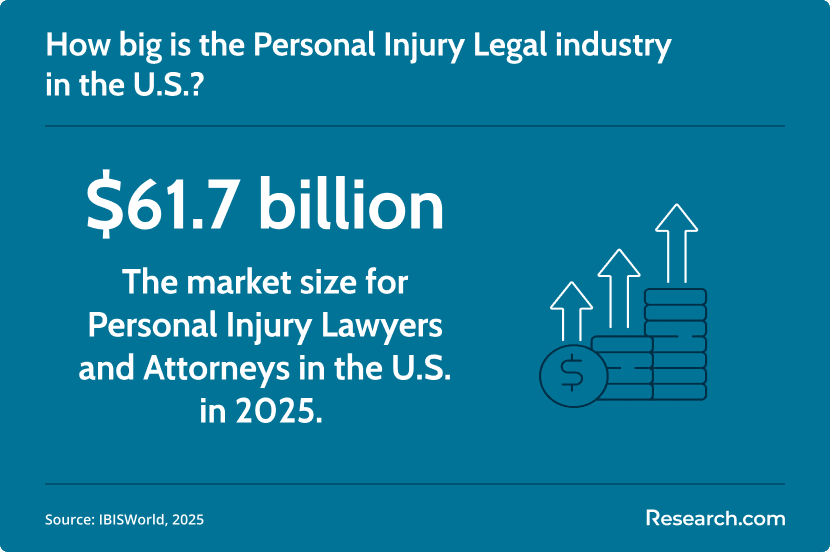
What is the paralegal's main role during the pre-litigation phase of a case?
During pre-litigation, the personal injury paralegal helps build the claim before a lawsuit is filed. The main responsibility is to collect, organize, verify, and track the evidence the attorney needs to evaluate liability, document damages, and decide whether a settlement demand is ready.
Common pre-litigation responsibilities include:
- Opening the file correctly: The paralegal confirms client information, obtains signed authorizations, identifies insurers and providers, sets up the case calendar, and creates a reliable system for tracking missing documents.
- Protecting critical deadlines: The statute of limitations is one of the most important dates in a personal injury file. Paralegals help attorneys maintain calendar systems that reduce the risk of a missed filing deadline.
- Collecting liability evidence: This may include police reports, incident reports, photographs, video footage, witness statements, property records, employment records, and insurance details.
- Documenting damages: Paralegals request medical records, medical bills, wage-loss records, repair estimates, receipts, out-of-pocket expense documentation, and other proof of financial impact.
- Preparing the settlement file: Once the evidence is gathered, the paralegal may help assemble a demand package for attorney review. A strong package usually summarizes the facts, injuries, treatment, losses, and supporting documents.
Pre-litigation work can affect the direction of the entire case. If the file is incomplete, the attorney may have difficulty evaluating settlement value, proving causation, or responding to insurer objections. If the file is well developed, negotiations can be more focused and litigation decisions can be made with better information.
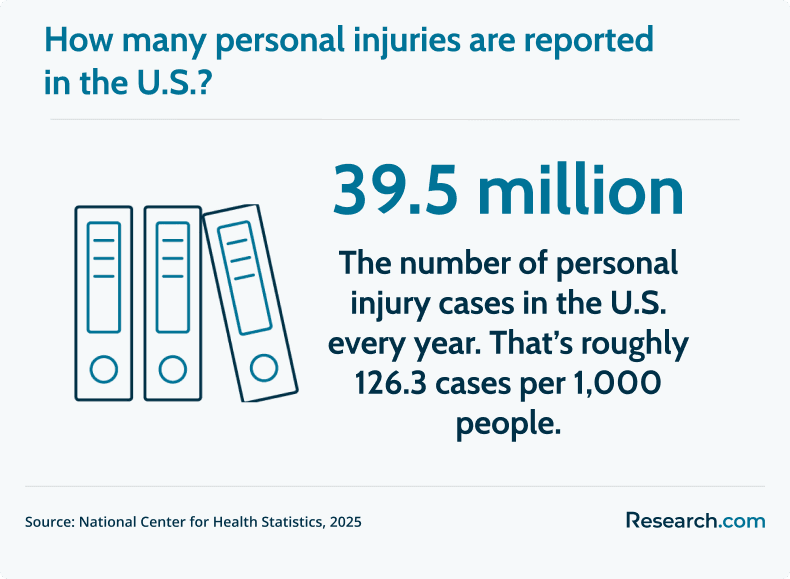
What core ethical rules must a personal injury paralegal always follow?
Personal injury paralegals handle sensitive legal, medical, financial, and personal information. Ethical mistakes can damage a client’s case, expose a firm to risk, and undermine professional credibility. Standards from organizations such as the National Association of Legal Assistants (NALA) emphasize attorney supervision, honesty, confidentiality, and clear role boundaries.
The core ethical rules include:
- Do not engage in unauthorized practice of law: A paralegal cannot accept a case for a firm, create an attorney-client relationship, set legal fees, give legal advice, offer legal opinions, or represent a client in court. Drafting and case preparation must occur under attorney supervision.
- Protect client confidentiality: Personal injury files may include diagnoses, treatment notes, medical bills, insurance details, employment records, family circumstances, and settlement information. These details should be discussed only with authorized people for legitimate case purposes.
- Identify your role clearly: A paralegal must not imply that they are an attorney. This matters when communicating with clients, witnesses, insurers, medical offices, courts, and opposing counsel.
- Disclose possible conflicts of interest: Prior employment, personal relationships, or connections to a party may create a conflict. The firm may need screening procedures to prevent improper access to certain files.
- Be accurate and honest: Demand packages, medical summaries, discovery responses, correspondence, and court filings must not exaggerate injuries, hide known facts, misstate evidence, or create a misleading record.
Ethics in legal practice is distinct from ethics training in technical fields, but the same broad idea applies: professional boundaries define what a trained person may and may not do. Readers comparing ethical standards across fields may also see that boundary-setting matters in programs such as the best online ethical hacking dual certification bootcamps.
A large percentage of Personal Injury and Tort cases actually never reach trial, according to the U.S. Department of Justice. The chart below shows the outcomes of these types of cases.
What types of paralegal education are needed for this role?
Most personal injury paralegal positions require some combination of paralegal education, legal office experience, litigation training, and strong administrative judgment. Exact requirements vary by employer, state, and firm size, but many hiring managers prefer candidates who understand civil litigation and have completed structured legal coursework. Some also value programs approved by the American Bar Association (ABA).
Common education paths include:
- Associate degree in paralegal studies: This two-year route is a direct entry point for students who want formal training before applying to legal support roles. Helpful courses include torts, civil litigation, legal research and writing, evidence, legal ethics, and law office technology.
- Bachelor’s degree plus legal training: Some candidates enter with a bachelor’s degree in another field and then add a paralegal certificate or legal work experience. Degrees in business, psychology, communications, health-related studies, or social science can be useful when the job requires writing, organization, client interaction, and records analysis.
- Post-degree paralegal certificate: This is often the most efficient route for career changers who already hold a degree. Certificate programs typically focus on legal research, legal writing, civil procedure, litigation practice, ethics, and substantive law. Some are structured as accelerated paralegal programs that can be completed in as little as six months.
For personal injury work, choose training that goes beyond general legal vocabulary. Look for tort law, civil litigation, discovery, trial preparation, legal ethics, medical-record handling, case management software, and drafting assignments. If ABA approval matters to employers in your area, compare aba-approved online paralegal programs along with cost, schedule, curriculum, and career support.
Before enrolling, ask whether students complete practical projects such as pleadings, discovery requests, demand letters, medical chronologies, and legal research memos. Those assignments are closer to the documents you may be asked to handle in a personal injury firm.
What national certifications are available for a personal injury paralegal?
National paralegal certifications are voluntary credentials that can help show professional competence. They are not law licenses, and they do not allow a paralegal to practice law independently. However, they can strengthen a resume, support advancement, and signal commitment to employers that prefer standardized credentials.
Major certification options include:
- National Association of Legal Assistants (NALA): NALA offers the Certified Paralegal (CP) credential for general paralegal knowledge and skills. It also offers the Advanced Certified Paralegal (ACP), including options in substantive areas such as personal injury and torts.
- National Federation of Paralegal Associations (NFPA): NFPA offers the CORE Registered Paralegal (CRP) for professionals who meet entry-level requirements and the Registered Paralegal (RP), which requires passing the Paralegal Advanced Competency Exam (PACE).
- The Association for Legal Professionals (NALS): NALS offers the Professional Paralegal (PP) certification for advanced legal professionals and a Specialty Certification (SC) option for focused subject-matter knowledge.
Certification is most useful when it supports the kind of work you actually want to do. For a personal injury role, weigh the exam cost, eligibility rules, renewal requirements, local employer preferences, and whether the credential includes litigation or tort-related content.
Practical skills still matter most. Employers often prioritize candidates who can organize medical records, support discovery, manage deadlines, communicate with clients, use e-filing systems, and work accurately in case management platforms. This differs from broad technical credential paths such as the easiest IT certifications and programs, where a credential may serve as the primary proof of a technical skill set.
What is the average national salary for a personal injury paralegal in 2027?
The median national salary for all paralegals and legal assistants in the United States was $61,010 per year as of May 2024, or $29.33 per hour (U.S. Bureau of Labor Statistics, 2025). For the personal injury specialization, recent data shows the national average annual pay is approximately $62,429.
Reported pay for personal injury paralegals commonly falls between $52,000 at the 25th percentile and $70,500 at the 75th percentile. Top earners at the 90th percentile reach $79,000 annually. These figures show a realistic middle range, but actual pay can vary by location, firm size, caseload, trial exposure, and experience level.
Geography is one of the strongest salary factors. Paralegals in higher-cost or higher-demand legal markets may earn more than the national median. The District of Columbia and California report median wages of $94,290 and $79,210, respectively.
Industry also matters. Paralegals working for the federal government or in finance and insurance typically earn more, with federal roles averaging $77,940. In personal injury firms, compensation may reflect years of litigation experience, trial support ability, bilingual communication skills, eDiscovery knowledge, case management software proficiency, and the capacity to manage a large caseload with limited supervision.
Paralegal pay for the top cities in the nation have very little variation, with only about 6% difference between the 1st and 10th city, as shown in the graph below.
What are the typical career ladder steps for a personal injury paralegal?
Career growth in personal injury paralegal work usually comes from taking on more complex files, managing litigation tasks with less supervision, supporting higher-value cases, and eventually moving into senior, supervisory, or specialized roles. Advancement depends less on title changes alone and more on judgment, reliability, and the ability to reduce risk for attorneys and clients.
- Entry-level paralegal or legal assistant: Early responsibilities may include opening files, requesting records, saving documents, drafting routine correspondence, maintaining calendars, and assisting with intake under close supervision.
- Personal injury paralegal: At this level, the paralegal may manage routine claims more independently, communicate with clients and insurers, prepare medical chronologies, draft demand materials, and assist with discovery after litigation begins.
- Senior litigation paralegal: Senior paralegals often handle complex or high-value cases, coordinate expert materials, prepare deposition and mediation binders, review large document sets, draft more advanced litigation documents, and assist with trial preparation.
- Lead paralegal, supervisor, or paralegal manager: This step adds operational responsibility. Duties may include training junior staff, reviewing workflows, monitoring caseload distribution, improving procedures, and keeping filing or discovery systems consistent.
- Specialized legal operations roles: Experienced paralegals may move into eDiscovery, legal project management, compliance, claims management, risk management, or litigation technology. These roles reward leadership and process improvement in a way that resembles advancement paths in other professions, such as an online MSN in executive nurse leadership degree for nurses moving into executive practice settings.
- Attorney path: Some paralegals later attend law school and earn a Juris Doctor (JD). This is a separate professional route. Only a licensed attorney can give legal advice, represent clients independently, set fees, and assume full professional responsibility for legal representation.
To move up faster, build the skills that make attorneys more effective: accurate case chronologies, dependable deadline systems, clean discovery support, clear client updates, strong technology use, and the judgment to know when an attorney needs to intervene.
What are the job market predictions for paralegal employment growth over the next decade?
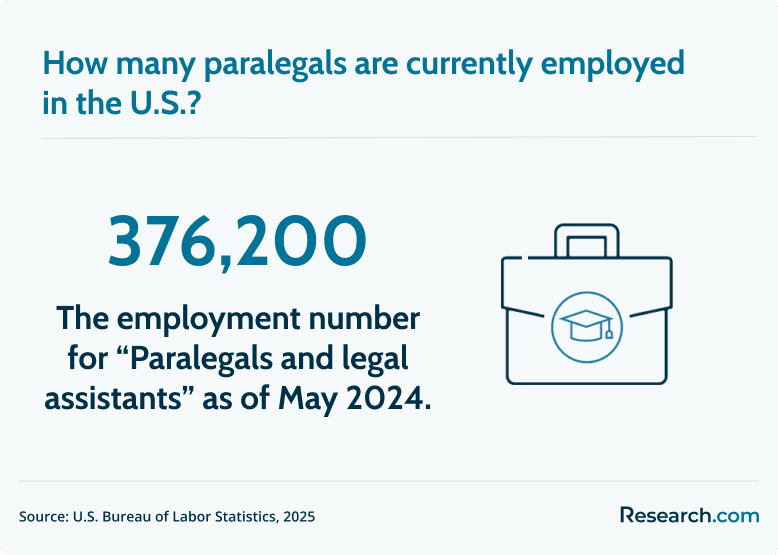
The official outlook for paralegals and legal assistants is stable rather than rapidly expanding. The BLS projects little to no change in job demand from 2024 to 2034, with approximately 39,300 openings each year because employers need to replace workers who retire or transfer to other occupations.
That does not mean personal injury paralegal opportunities will disappear. Litigation firms still need trained support staff to manage case volume, control costs, maintain deadlines, and help attorneys focus on legal analysis, negotiation, and advocacy. The strongest candidates are usually those who can perform substantive case support rather than only general office tasks.
Several trends will shape demand:
- Cost control: Law firms and legal departments continue assigning appropriate legal support work to paralegals when it can be performed efficiently under attorney supervision.
- Litigation complexity: Personal injury cases may involve medical documentation, insurance records, expert materials, digital evidence, and electronic discovery.
- Technology adoption: Artificial intelligence (AI), document automation, e-filing systems, and case management platforms can reduce routine tasks but increase the value of paralegals who use these tools responsibly and accurately.
- Replacement hiring: Even without strong employment growth, openings continue as experienced workers retire, move to other occupations, or shift into different practice areas.
The practical takeaway is that the market rewards adaptability. Candidates with litigation knowledge, technology skills, professional communication, and ethical judgment are likely to be better positioned than candidates who rely only on basic clerical experience.
How can a college graduate with a non-legal major transition into a personal injury paralegal?
A graduate with a non-legal bachelor’s degree can move into personal injury paralegal work by adding targeted legal training and presenting prior experience in terms employers understand. Many non-legal majors already have relevant strengths, such as writing, research, organization, customer service, data tracking, healthcare familiarity, or case coordination.
A practical transition plan includes:
- Complete focused paralegal training: A post-baccalaureate paralegal certificate is often the most direct option for graduates who already have a degree. Prioritize coursework in civil litigation, torts, legal research, legal writing, evidence, ethics, and drafting.
- Connect your major to legal support work: Psychology, social science, healthcare, communications, business, and public administration backgrounds can all be useful in personal injury practice. For example, professionals with social services experience may already understand client communication and case documentation, which is why some people exploring alternative careers for social workers with master’s also consider legal support roles.
- Gain legal office exposure: Apply for internships, legal assistant roles, intake specialist jobs, records clerk positions, or contract legal support assignments. These roles can teach medical-record requests, insurance correspondence, court deadlines, and file organization.
- Learn the tools firms use: Become comfortable with case management software, e-filing procedures, document management systems, spreadsheets, PDF editing, calendaring tools, and secure file-sharing practices.
- Build a targeted resume: Emphasize writing, deadline management, confidentiality, client communication, records handling, research, and software skills. If you completed legal coursework, list concrete projects such as demand letters, discovery requests, legal research memos, or case chronologies.
- Consider certification after foundational training: A credential such as the NALA Certified Paralegal (CP) can help signal commitment and competence, especially if your undergraduate degree was not law-related.
Your goal is to show employers that you understand the workflow of personal injury practice, not just that you are generally interested in law. Firms want candidates who can learn quickly, handle sensitive information, stay organized under deadline pressure, and communicate professionally with injured clients.
Here’s What Graduates Have to Say About Being a Personal Injury Paralegal
- : "My salary progression has been phenomenal since moving from general corporate compliance to personal injury litigation. I hit the senior paralegal tier quickly, and my annual compensation jumped by over $20,000. The firm rewards me for my eDiscovery expertise, which is now mandatory for managing the volume of digital evidence in modern accident cases. — Omar"
- : "I earned my Advanced Certified Paralegal (ACP) in Personal Injury, and it immediately distinguished me in the regional job market. That specialization credential signals to employers that I mastered tort law and advanced procedure, making me an ideal candidate for firms handling medical malpractice and catastrophic injury cases. — Layla"
- : "I started as an intake specialist, but after getting my paralegal certificate, the firm promoted me. My advice is simple: take the initiative, constantly ask to work on more complex projects, and master your firm's case management software. Proving your value is the fastest way to get substantial raises and move up the ladder quickly. — Thomas"
Key Findings
- Personal injury paralegals support litigation by managing intake, medical records, evidence, deadlines, discovery, settlement materials, and trial preparation.
- The role differs from corporate paralegal work because it focuses on injured clients, tort claims, insurance negotiations, medical documentation, and court-driven deadlines.
- Pre-litigation work is critical because it establishes whether the file has enough evidence to support liability, damages, and settlement negotiations.
- Ethical rules are non-negotiable: paralegals must avoid unauthorized practice of law, protect confidentiality, disclose their non-attorney status, identify conflicts of interest, and communicate honestly.
- Common education paths include an associate degree, a bachelor’s degree plus legal training, or a post-degree paralegal certificate, with litigation-focused coursework especially useful.
- National certifications from NALA, NFPA, and NALS can strengthen a resume, especially when paired with practical litigation skills.
- The median national salary for all paralegals and legal assistants was $61,010 per year as of May 2024, or $29.33 per hour, while recent data shows the national average annual pay for personal injury paralegals is approximately $62,429.
- The BLS projects little to no change in job demand from 2024 to 2034, but approximately 39,300 openings are expected each year due to replacement needs.
- Graduates from non-legal majors can transition by completing targeted paralegal training, gaining legal support experience, learning common law office tools, and emphasizing transferable skills.
Other Things You Should Know About Being a Personal Injury Paralegal
In 2027, personal injury paralegals need to develop skills in data analysis, technology-driven legal research, and familiarity with AI tools. Proficiency in case management software and virtual communication platforms will also be crucial as the legal field continues to integrate more digital solutions.
In 2027, personal injury paralegals should hone technological proficiency, including e-discovery and legal research software, sharpen their interpersonal communication, and stay updated on legal procedures and regulations. These skills ensure they support attorneys effectively and improve case management efficiency. Below are four relevant questions from Google's PAA section: 1. **Question** What responsibilities does a personal injury paralegal have in 2027? **Answer** In 2027, personal injury paralegals are tasked with preparing legal documents, managing case files, coordinating communications with clients, and assisting in trial preparation. They ensure an efficient workflow, supporting lawyers in delivering effective legal services. 2. **Question** What are the educational requirements for personal injury paralegals in 2027? **Answer** As of 2027, most employers require personal injury paralegals to hold an associate's or bachelor's degree in paralegal studies. Certificates or diplomas from ABA-approved programs are also advantageous and may enhance employment prospects. 3. **Question** How does experience affect a personal injury paralegal's salary in 2027? **Answer** In 2027, experience significantly impacts a paralegal's salary. Entry-level positions offer lower salaries, while seasoned paralegals with several years of experience and specialization in personal injury law can command higher wages. 4. **Question** What is the expected salary range for personal injury paralegals in 2027? **Answer** In 2027, personal injury paralegals can expect a salary range of approximately $40,000 to $70,000 annually. This range varies based on location, experience, and the employing firm's size and reputation.
A paralegal's earning potential is dynamic and influenced by specialized expertise.
- Geographic Location: Salaries are consistently highest in major metropolitan areas with a high cost of living, such as New York City and Washington, D.C..
- Experience and Seniority: Senior paralegals with more years in the field command higher pay; entry-level salaries often start in the $41,500 to $67,500 range, while senior pay can exceed $100,000.
- Practice Area: Niche fields such as personal injury, corporate law, and intellectual property tend to offer higher compensation than general practice or public interest law.
- Employer Type: Large law firms, corporate legal departments, and government agencies typically offer higher salaries and benefits than smaller firms.
- Education and Certification: Advanced education and holding national credentials like the Certified Paralegal (CP) can lead to higher starting pay and promotional opportunities.
- Billable Productivity: In private practice, efficiency metrics like utilization directly impact the profitability of the firm and influence bonus potential.
References
- Center for Disease Control. (2025). FastStats – Injuries. National Center for Health Statistics. https://www.cdc.gov/nchs/fastats/injury.htm
- Center for Professional Education. (2025). Personal Injury Law Specialist Certificate Program. https://professionaled.utexas.edu/s/program/a1Wcs00000075b2EAA/personal-injury-law-specialist-certificate-program
- Hammack Law Firm. (2025). What Does a Paralegal Do for My Personal Injury Case?. https://hammacklawfirm.com/blog/what-does-a-paralegal-do-for-my-personal-injury-case/
- IBISWorld. (2025). Personal Injury Lawyers & Attorneys in the US - Market Size (2005–2031). https://www.ibisworld.com/united-states/market-size/personal-injury-lawyers-attorneys/4812/
- Kleiner, M. &. (2025, May 7). Settlements vs. Trials in Personal Injury Cases. Metzger &Amp; Kleiner Personal Injury Attorneys. https://lgmdeklaw.com/settlements-vs-trials-in-personal-injury-cases/
- Lawyers Mutual. (2025). Paralegal Pointers: Avoiding the Dangers of Unauthorized Practice of Law. https://lawyersmutualnc.com/article/paralegal-pointers-avoiding-the-dangers-of-unauthorized-practice-of-law/
- Naegeli Deposition and Trial. (2024). The Role of a Paralegal: Skills, Duties, and Value to Legal Teams. https://www.naegeliusa.com/blog/the-role-of-a-paralegal-skills-duties-and-value-to-legal-teams/
- NALA. (2022). NALA Code of Ethics and Professional Responsibility. https://nala.org/wp-content/uploads/2022/03/NALA-Code-of-Ethics-and-Professional-Responsibility_Final_030522.pdf
- National Federation of Paralegal Associations. (2025). Paralegal Certification. https://www.paralegals.org/page/paralegal-certification
- On The Map Marketing. (2025). Personal Injury Cases and Industry Trends: Statistics 2025. https://www.onthemap.com/blog/personal-injury-stats/
- Paralegal Assistants. (2024). What Does a Personal Injury Paralegal Do?. https://paralegalassistants.com/blog/what-personal-injury-paralegal-do/
- Paralegal-Bootcamp.com. (2020). The Personal Injury Paralegal Role Can Vary Greatly. https://paralegal-bootcamp.com/personal-injury-paralegal-role-can-vary-greatly/
- Robert Half. (2024). Take Your Paralegal Career to the Next Level. https://www.roberthalf.com/us/en/insights/career-development/climb-the-ladder-drive-your-paralegal-career-to-the-next-level
- U.S. Bureau of Labor Statistics. (2024). Lawyers: Occupational Outlook Handbook. https://www.bls.gov/ooh/legal/lawyers.htm
- U.S. Bureau of Labor Statistics. (2024). Paralegals and Legal Assistants: Occupational Outlook Handbook. https://www.bls.gov/ooh/legal/paralegals-and-legal-assistants.htm


