
2027 Return on Investment (ROI) of a Biotechnology Degree Program

Co-Founder and Chief Data Scientist
Many prospective students face uncertainty when deciding whether to invest in a biotechnology degree. With tuition costs rising, questions about job availability and salary growth dominate consideration. The U.S. Bureau of Labor Statistics projects a 7% growth in employment for biological technicians, which includes many biotechnology graduates, through 2032, signaling moderate demand.
However, regional variations and specialized roles complicate career planning. This article examines the financial and professional returns of earning a biotechnology degree, helping readers weigh educational investments against potential salary outcomes and industry trends to make informed decisions about their futures.
Key Things to Know About Biotechnology Degree ROI
- Biotechnology graduates earn a median salary approximately 20% higher than average STEM fields, reflecting strong earning potential and specialized skill demand.
- Career advancement opportunities are robust, with 15% projected industry growth through 2030, enabling long-term professional development and leadership roles.
- Job stability is enhanced by biotechnology's cross-industry applications in healthcare, agriculture, and environmental science, offering flexible work environments and diverse employment sectors.
How Is ROI Calculated for a Biotechnology Degree Program?
Return on investment in higher education measures the financial benefits a student gains from earning a degree compared to the total costs invested over time. It helps prospective students compare the value of a biotechnology degree program against its cost, time commitment, and potential career outcomes.
Several key factors influence the calculation of ROI for biotechnology degrees, shedding light on the balance between program expenses and future earnings. These factors include:
- Tuition and Fees: This covers all direct expenses such as tuition, textbooks, lab equipment, and other program-related costs. These upfront payments establish the baseline investment needed before any financial returns can occur.
- Opportunity Cost: Time spent studying often comes at the expense of wages that could have been earned working full-time or in alternative fields. Accounting for this lost income is essential when evaluating biotechnology degree program cost versus earnings.
- Time to Completion: The length of the program affects both the total cost and when a student can enter the workforce. Longer programs may increase expenses and delay salary gains, thus impacting overall ROI.
- Post-Graduation Salary: Starting salaries and average income in biotechnology roles significantly influence how quickly educational costs are recouped. Higher pay rates improve the financial return of the degree.
- Career Advancement and Long-Term Earnings: Potential for promotions, salary increases, and specialization opportunities throughout a career enhance the long-term financial benefits far beyond initial earnings.
For those comparing investment choices in education, it's also valuable to understand similar considerations in related fields such as DNP programs online. Analyzing and calculating return on investment for biotechnology degrees requires careful attention to all costs and future salary prospects to make informed decisions.
How Much Does a Biotechnology Degree Program Cost?
Accurately assessing the return on investment for a biotechnology degree requires a clear view of its total cost. Over the last ten years, graduate tuition at public universities in the U.S. has risen steadily by about 3% per year, significantly impacting student debt and overall affordability.
Several key expenses shape the financial commitment and ultimate value of pursuing this degree:
- Tuition and fees: The main financial burden varies greatly depending on whether the program is at a public or private university and if students attend full-time or part-time, influencing the overall cost substantially.
- Books and materials: Costs for specialized textbooks and laboratory supplies often add up quickly, sometimes surprising students who underestimate these ongoing expenses.
- Living and relocation expenses: Housing, meals, and transportation must be factored in, especially for those moving to a new city or state to attend their chosen program.
- Opportunity cost: Time dedicated to coursework means fewer hours earning income, which can be a significant consideration for working adults or those changing careers.
- Hidden or indirect costs: Additional fees for technology access, healthcare, and lab usage may not be immediately obvious but contribute to the total investment.
I spoke with a recent graduate of a biotechnology degree program to get a firsthand perspective. He described juggling intense coursework with part-time work, saying, "Budgeting was tougher than I imagined because the cost of lab kits and reagents added up fast."
He also shared the challenge of relocating without knowing local living costs well in advance. "I didn't fully anticipate how much commuting and housing fluctuations would affect my budget." His experience underscored that the financial commitment involves more than tuition alone and that careful planning is essential to maximize the degree's ROI.
What Financial Aid Is Available for Biotechnology Degree Programs?
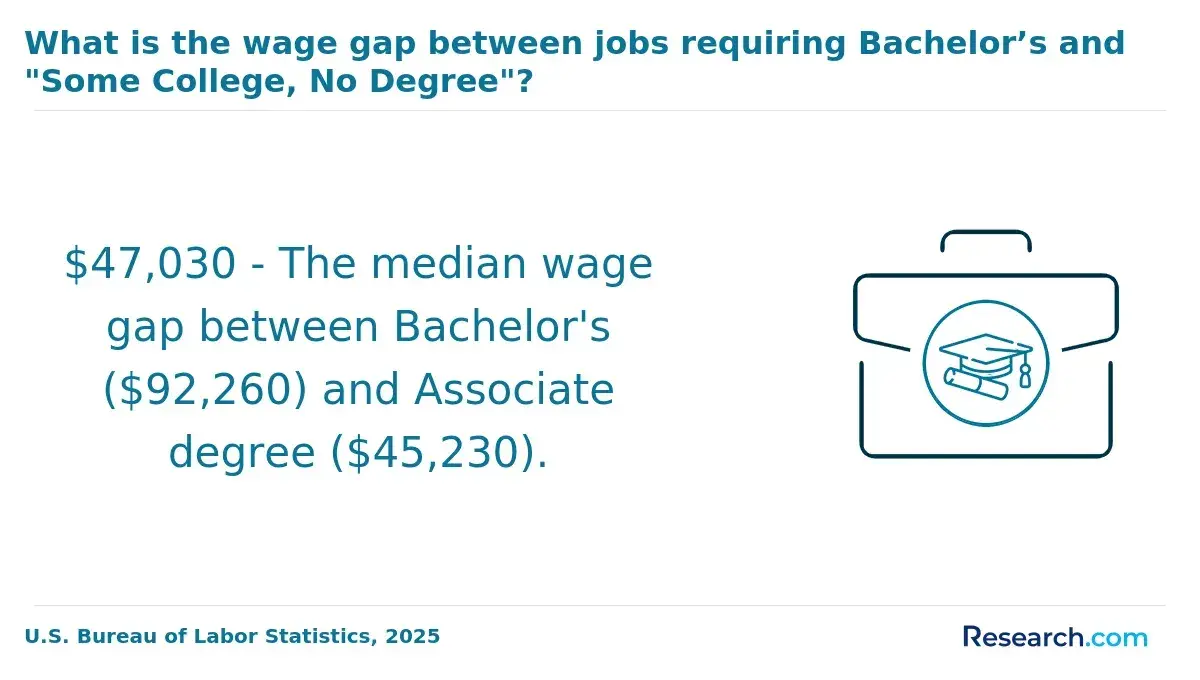
Financial aid can substantially reduce the initial expenses associated with pursuing a biotechnology degree, thereby enhancing the long-term return on investment by lowering overall student debt. Nearly 60% of graduate students currently depend on financial support to manage their educational costs, highlighting the vital role these resources play.
Several key financial aid options commonly available to biotechnology students include:
- Scholarships: Awarded based on merit, scholarships decrease the total tuition owed without the need for repayment, directly lowering the debt burden and improving financial outcomes after graduation.
- Grants: Typically granted based on financial need, grants provide funds that do not have to be paid back, reducing reliance on loans and contributing to better debt management.
- Fellowships: Often aimed at graduate students, fellowships may offer stipends or tuition waivers, facilitating greater focus on academic research and lowering educational expenses.
- Employer tuition assistance: Available to working professionals, this support helps offset education costs, making career advancement more affordable and mitigating student loan debt.
- Federal student loans: While loans increase debt, federal loans generally feature lower interest rates and flexible repayment plans, enabling manageable borrowing that supports achieving a positive ROI.
Utilizing these financial aid sources effectively can lead to reduced immediate costs and minimized post-degree debt, ultimately strengthening the financial benefits of a biotechnology education.
How Long Does It Take to Complete a Biotechnology Degree?
The length of time required to complete a biotechnology degree plays a critical role in determining its return on investment by affecting opportunity costs, the timeline for earning potential, and the total expenses accrued. Programs that take longer to finish can increase financial burdens due to extended tuition payments and delayed entry into the workforce, reducing overall ROI.
Several factors notably influence how long it takes to earn a biotechnology degree and its financial impact on the student, including:
- Enrollment status: Full-time students generally progress faster through their coursework compared to part-time learners who often juggle jobs, resulting in quicker degree completion and earlier career earnings.
- Program format: Online or accelerated degree options can speed up learning by offering more flexible pacing, lowering costs associated with prolonged study.
- Transfer credits: Credits from previous coursework or related programs can shorten the time needed to graduate, enhancing the degree's value by reducing time and tuition.
- Internship or thesis requirements: While adding hands-on experience and research skills, these obligations may extend total program duration, potentially affecting timelines to income.
- Scheduling flexibility: Programs that allow adaptable class schedules enable students balancing work and life commitments to maintain steady progress and potentially shorten completion time.
When asking a biotechnology degree graduate about the time it took to finish her program, she reflected on the balancing act involved. "Managing a part-time job alongside lab work stretched my studies longer than I hoped," she shared, "but the internships I completed gave me confidence and connections that paid off later."
She described moments of frustration with tight deadlines yet found the flexible evening classes helpful. Ultimately, she emphasized that despite the challenges, finishing the degree provided a tangible boost to her career trajectory and earnings, making the extended timeline worthwhile in the end.
Is ROI Higher for Online or On-Campus Biotechnology Programs?
The return on investment in biotechnology degree programs can be shaped significantly by whether the program is online or on-campus, as these delivery formats differ in cost, flexibility, and career outcomes.
Online enrollment in higher education has grown steadily, increasing by 6% in recent years, reflecting wider acceptance of remote learning options. This growth influences how prospective students weigh the financial and professional benefits of their education.
Key factors affecting the ROI of biotechnology degrees online versus on-campus include the following:
- Tuition and fees: Online programs generally have lower upfront costs, which reduces total tuition and fees, making them more accessible for many students.
- Opportunity cost: The flexibility of online programs allows students to maintain employment while studying, minimizing lost wages and supporting a stable income during their education.
- Time to completion: While variable depending on the program, time to degree completion is often comparable between online and campus options, allowing students to enter the workforce without significant delay.
- Networking and career services: On-campus programs typically offer stronger in-person networking and access to career support services, which can enhance job placement and long-term earning potential.
- Employer perception: Although some employers still prefer traditional, on-campus degrees, this gap is narrowing as online biotechnology education gains credibility and acceptance across industries.
When evaluating online versus on-campus biotechnology degree ROI, prospective students should also consider exploring easiest online DNP programs as examples of how online degrees can balance accessibility and career advancement. Comparing ROI of biotechnology programs online and on-campus requires weighing these nuanced factors to select the best fit for one's financial situation and career goals.
What Is the Average Salary After Earning a Biotechnology Degree?
Post-graduation salary is a primary factor driving the return on investment of earning a biotechnology degree, as it directly impacts the financial benefits graduates receive relative to their education costs.
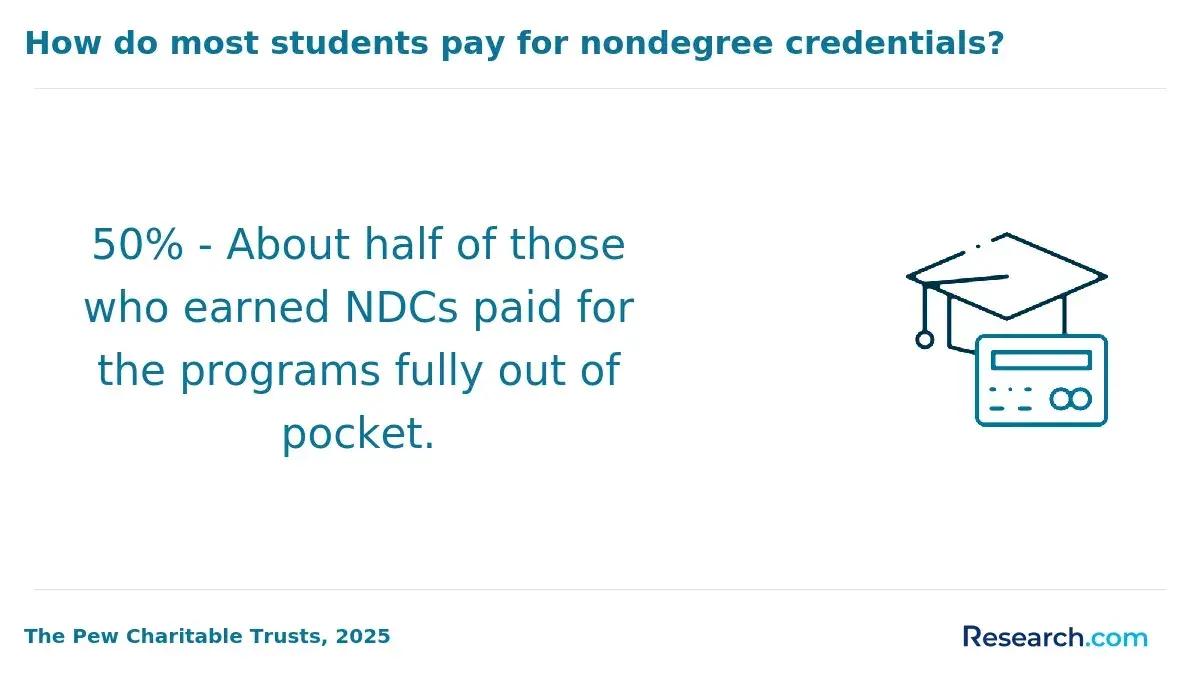
Typical earnings after biotechnology graduation in the United States vary widely, with entry-level salaries typically ranging from $50,000 to $70,000 annually. Experienced professionals can see salaries rise to between $80,000 and $120,000 or more, depending on several factors that influence earning potential.
Key factors shaping biotechnology degree average salary in the US include:
- Industry: Different sectors like pharmaceuticals, medical devices, or agricultural biotech offer varied compensation due to the complexity and innovation demands inherent to each field.
- Geographic location: Urban centers and established biotech hubs often provide higher salaries compared to rural or less developed regions.
- Prior experience: Internships, research roles, or relevant work experience can lead to higher starting salaries and faster career growth.
- Specialization: Skills in niches such as genetic engineering or bioinformatics can significantly increase earning potential.
- Career level: Advanced degrees and leadership roles usually correspond with higher pay, enhancing overall ROI.
Prospective students evaluating a biotechnology degree's value might also explore options similar to nursing schools with high acceptance rates as part of their broader education and career planning.
Does a Biotechnology Degree Lead to Promotions?
Promotions are a major factor affecting the ROI of earning a biotechnology degree, as they often lead to higher salaries, expanded job responsibilities, and increased career mobility.
These outcomes significantly enhance the financial and professional value of the degree over time. A notable workforce trend is the growing preference for credential-based promotions, where formal degrees and certifications are increasingly required for leadership and senior roles.
Several key factors explain how a biotechnology degree can influence promotion opportunities and improve ROI:
- Credential Requirements: A biotechnology degree meets many organizations' credential standards for mid- to senior-level positions, making graduates more competitive for promotion and career advancement.
- Leadership Preparation: Specialized coursework within biotechnology programs often includes leadership and management training, equipping graduates with skills needed to transition into managerial roles effectively.
- Employer Support: Many companies offer tuition assistance for employees pursuing biotechnology education, which encourages educational advancement and supports internal promotion strategies.
- Internal Promotion Policies: Organizations frequently prioritize candidates with advanced educational qualifications alongside experience, positioning those with a biotechnology degree ahead in promotion considerations.
- Experience Plus Education: Combining practical work experience with a biotechnology degree creates a strong profile favored by employers, accelerating career advancement and higher earnings.
For professionals evaluating the impact of a biotechnology degree on career advancement, considering this degree alongside other affordable options can be beneficial. Some may also explore the cheapest online acute care nurse practitioner programs as alternative pathways to healthcare leadership roles and better ROI.
Ultimately, biotechnology degree career advancement is largely driven by the degree's ability to open doors to promotions and leadership positions. Promotions with biotechnology degree credentials translate into tangible ROI through boosted salaries, enhanced responsibilities, and broader professional opportunities within the evolving job market.
Which Industries Offer the Best ROI for Biotechnology Graduates?
Return on investment (ROI) for biotechnology graduates varies significantly across industries due to differences in salary levels, career progression opportunities, and demand for specialized skills. Graduates can increase their biotechnology career ROI by industry by aligning with sectors that provide strong financial and professional rewards.
Several industries commonly offer biotechnology degree graduates high ROI:
- Pharmaceuticals: This sector provides high starting salaries and robust career growth potential. The demand for expertise in drug development and regulatory affairs ensures compensation growth fueled by innovation and expanding healthcare needs.
- Biotechnology Research and Development: Focused on pioneering scientific advances, this field rewards specialized skills in genetics, molecular biology, and bioinformatics. Job stability improves with experience along with opportunities for promotion.
- Healthcare and Diagnostics: Roles in clinical research and diagnostics enjoy stable demand and competitive pay. Opportunities for lateral moves and upward mobility contribute to a solid long-term ROI.
- Agricultural Biotechnology: Driven by challenges in food security, this growing niche offers attractive compensation and the chance to impact crop science and bioengineering projects meaningfully.
- Industrial Biotechnology: Applying biology to manufacturing and sustainability allows for diverse positions with stable outlooks and promising salary trends as green technologies expand.
Choosing industries with sustained growth and high skill demand helps balance educational investment against career rewards. Those considering the financial aspects of a biotechnology degree can compare opportunities to specialized training or alternative pathways such as cheapest RN to BSN programs to optimize returns.
Does Accreditation Affect ROI for a Biotechnology Degree?
Accreditation for biotechnology degree programs signifies official approval by an authorized entity that the curriculum and training meet rigorous quality standards. This validation ensures that the program content aligns with industry expectations and academic benchmarks, which is critical for maintaining educational value.
A notable trend is that employers show a strong preference for candidates graduating from accredited programs, as it provides assurance of relevant skills and knowledge. Additionally, accreditation often opens doors for graduates to pursue necessary certifications or state licenses that require completion of an approved curriculum.
Accreditation also contributes to enhanced long-term ROI by building employer confidence during hiring decisions, which can improve job prospects and salary potential. Students enrolled in accredited programs are typically eligible for federal financial aid, reducing upfront education costs and financial burden.
Furthermore, credits earned from accredited degrees are generally more easily transferable if students choose to continue their education, increasing flexibility and reducing redundant coursework. This recognition supports improved career mobility, as qualifications from accredited programs tend to be accepted by employers and licensing boards across different regions.
Is a Biotechnology Degree Worth It?
The return on investment for a biotechnology degree hinges on several financial and professional factors. Tuition fees and program length, often ranging from two to four years, affect overall costs and delay entry into the workforce, potentially impacting early earnings.
Graduates typically earn between $50,000 and $80,000 annually in the initial stages of their careers, with opportunities for salary growth in specialized fields. Career advancement depends on the chosen path, as roles in research, manufacturing, and regulatory sectors offer varying compensation and growth potential.
Industry demand for biotechnology professionals is strong, with job growth anticipated at about 7% over the next decade, slightly exceeding average occupational expansion. The ROI improves with flexible program formats such as part-time or online options that can accommodate working students, alongside financial aid like scholarships or employer assistance that reduce upfront costs.
Personal career objectives also play a crucial role since fields with higher market demand may yield better returns, while alternative certifications or associate degrees might be more cost-effective for others. Evaluating these elements is essential to determine if investing in a biotechnology degree aligns with long-term goals.
What Graduates Say About The ROI of Their Biotechnology Degree
- Lisa: "Choosing to pursue a biotechnology degree as a traditional student was a clear investment in my future. While the average cost of attendance can be high, I found that the long-term ROI, especially in terms of career advancement and salary potential, made it absolutely worth it. Completing the program opened doors in research labs and biotech firms that I hadn't imagined possible."
- Renee: "As an online biotechnology student, affordability was a major factor for me. The flexibility allowed me to work while studying, which eased the financial burden considerably. Given that the cost was manageable and the industry demand remains strong, earning this degree was a strategic decision that has significantly boosted my career opportunities."
- Estelle: "Balancing work and studies as a part-time biotech degree student was challenging, but the investment paid off. I considered the tuition fees thoughtfully against the potential salary gains, knowing the biotech sector values specialized skills. Graduating has definitely enhanced my credibility and career stability in the pharmaceutical industry."
Other Things You Should Know About Biotechnology Degrees
In 2027, work experience significantly impacts the ROI of a biotechnology degree. Graduates with internships or research experience are more likely to secure higher-paying positions. This experience enhances employability, thereby increasing the ROI by facilitating quicker entry into the workforce and advancing career growth.
Geographic location can greatly influence ROI for biotechnology graduates. Areas with a high concentration of biotech companies, such as certain metropolitan hubs or biotech clusters, typically offer higher salaries and more job openings. Conversely, graduates in regions with fewer industry opportunities may face lower wages and limited advancement, affecting the overall return on their degree investment.
Biotechnology graduates have the option to pursue alternative career paths outside traditional lab roles, such as regulatory affairs, patent law, scientific writing, or sales in biotech sectors. These alternatives can offer varied salary ranges and job stability, potentially increasing or decreasing ROI depending on the sector and role chosen. Diversifying career options can also improve long-term financial returns from the degree.
References
- Biotechnologist | Explore Careers | National Careers Service https://nationalcareers.service.gov.uk/job-profiles/biotechnologist
- Master's Degrees Biotechnology - Tuition & Career Paths https://www.medicaltechnologyschools.com/biotechnology/is-a-masters-in-biotechnology-worth-it
- The Return On Investment “ROI” of Accreditation: More Than a Badge it’s A Strategic Investment https://aaa-accreditation.org/the-return-on-investment-roi-of-accreditation-more-than-a-badge-its-a-strategic-investment/
- What Can You Do with a Biotech Degree? Career Options to Consider https://www.scuhs.edu/bshs-article/what-can-you-do-with-a-biotech-degree-career-options-to-consider/
- High-Paying Careers in Biotechnology: Best Job Opportunities — Biotech United https://www.biotechunited.com/blogs/high-paying-careers-in-biotechnology-opportunities-you-cant-miss
- Biotechnology in English - Warsaw University of Life Sciences https://www.sggw.edu.pl/en/kierunki-sggw/biotechnology-in-english/
- Why ROI Matters https://agb.org/trusteeship-article/why-roi-matters/
- ROI of Ag-Biotech vs Traditional Methods https://www.labmanager.com/roi-of-ag-biotech-vs-traditional-methods-34620
- Which Biotech Specialisations Have the Fastest-Growing Jobs? https://shooliniuniversity.com/blog/which-biotech-specialisations-have-the-fastest-growing-jobs/


