
2027 Business Administration Degree Programs for Career Changers

Co-Founder and Chief Data Scientist
Changing careers into management, operations, marketing, finance, human resources, or entrepreneurship often requires more than motivation. Employers may value your prior experience, but they also look for evidence that you understand core business functions, financial decision-making, team leadership, and strategy. A business administration degree can help close that gap by translating your existing strengths into business-ready skills and a recognized credential.
This guide is for working adults, second-career professionals, and nontraditional students comparing business administration programs. It explains which formats tend to fit career changers, which specializations may be most useful, what admissions teams usually review, how coursework supports a transition, what costs to plan for, and what career and salary outcomes may look like. Approximately 45% of adult learners enrolled in business administration degree programs report career advancement within two years of graduation, which shows why program choice matters: the right degree should not only teach business concepts but also help you reposition your experience for a new role.
Key Things to Know About Business Administration Degree Programs for Career Changers
- Flexible scheduling and online or hybrid formats allow working adults to balance career, family, and studies, with over 60% of programs offering these options for career changers.
- Accelerated pacing in many business administration programs enables degree completion in 12-18 months, supporting faster workforce reentry and minimizing income disruption.
- Employer-relevant curricula combined with dedicated support services, such as career coaching and networking, enhance job placement rates and practical skills for transitioning adults.
What Business Administration Programs Accept Career Changers?
Many business administration programs accept career changers, especially those built for working adults, online learners, and applicants who did not major in business as undergraduates. Over 40% of graduate business students in the U.S. are adult learners or professionals pursuing second careers, so many schools now evaluate applicants through a broader lens than prior coursework alone.
The best fit depends on your current education level, work history, schedule, and target role. Career changers should look for programs that recognize transferable experience, offer foundational business courses, and provide flexible pacing without weakening academic quality.
- Online MBA Programs: Online MBA programs often work well for professionals who already have a bachelor's degree and want to move into management, consulting, entrepreneurship, operations, or strategic roles. Many programs emphasize applied assignments, team projects, and case studies rather than assuming every student has a formal business background.
- Executive MBA Programs: Executive MBA programs are usually designed for experienced professionals who want senior leadership training. They may be a good option for career changers with substantial work history, although they are typically less suited to applicants who are early in their careers or need basic business preparation.
- Accelerated BSBA Programs: Accelerated Bachelor of Science in Business Administration programs can help students who do not yet hold a business degree build core knowledge quickly. These programs may be especially useful for adults with transfer credits, military experience, or prior college coursework.
- Hybrid Business Administration Degrees: Hybrid programs combine online coursework with scheduled in-person meetings. This format can help career changers who want flexibility but also value face-to-face networking, faculty access, and structured classroom discussion.
When comparing programs, review admission requirements, accreditation, transfer credit policies, career services, internship or capstone options, and whether the curriculum includes beginner-friendly courses in accounting, finance, economics, and analytics. Career changers should also ask whether the program has experience advising adult learners and whether graduates move into the types of roles they want. For alternative degree areas, individuals may also consider the cheapest online slp programs that offer affordability and flexibility for adult learners.
What Business Administration Specializations Are Best for Career Changers?
The best business administration specialization for a career changer is the one that connects prior experience to a realistic next role. A specialization should not simply sound marketable; it should help you build evidence for the job you plan to pursue. The U.S. Bureau of Labor Statistics reports that fields like project management are growing at a 9% rate, which makes targeted business expertise especially valuable for professionals repositioning themselves.
- Project Management: Project management is a strong choice for professionals who have coordinated people, deadlines, budgets, events, products, or operations in any field. It can support transitions into roles that require planning, risk management, stakeholder communication, and cross-functional execution.
- Human Resources: Human resources may fit career changers with experience in teaching, healthcare, customer service, administration, team supervision, training, or conflict resolution. It can lead toward recruitment, employee relations, learning and development, benefits, or organizational development roles.
- Marketing: Marketing works well for professionals with communication, writing, design, sales, research, social media, or customer-facing experience. It can help career changers build skills in market analysis, brand strategy, campaign planning, and consumer behavior.
- Operations Management: Operations management is useful for people who enjoy improving systems, workflows, logistics, quality, and efficiency. It often appeals to professionals from manufacturing, retail, healthcare, supply chain, hospitality, and technical environments.
A practical way to choose is to map your background against employer needs. If you have managed deadlines and teams, project management may be the shortest bridge. If you have trained or supervised employees, human resources may be a natural fit. If you have worked with customers or messaging, marketing may be more credible. If you have improved processes, operations management may give your experience a business framework.
These top business administration concentrations to transition careers combine accessible entry points with competencies employers can recognize. Professionals interested in social impact may also consider related options such as a social work degree fast track, which complements leadership skills developed in business studies.
What Are the Admission Requirements for Career Changers Applying to a Business Administration Program?
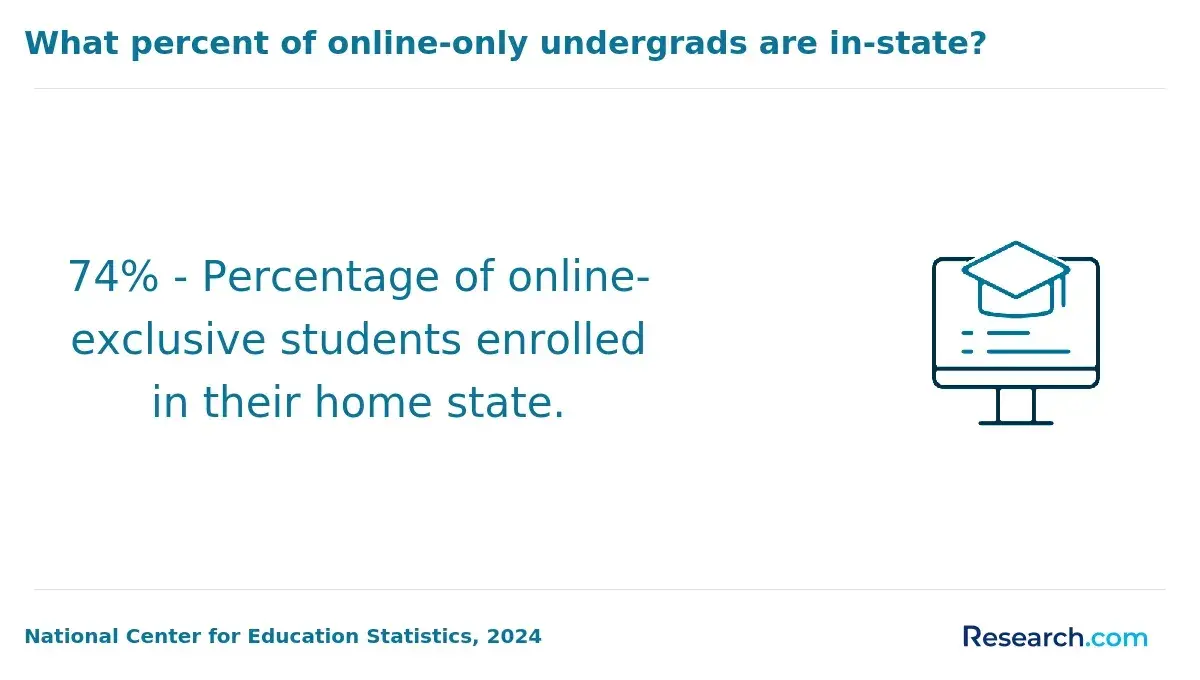
Admission requirements for business administration programs vary by degree level, school, and format, but career changers are often evaluated on both academic preparation and professional potential. Nearly 40% of undergraduate students in the U.S. are adult learners, which has encouraged many institutions to create more flexible admissions pathways for nontraditional applicants.
Most programs will still require clear documentation. The difference is that career changers can often use work history, leadership experience, military service, industry credentials, or professional achievements to strengthen an application, especially when their academic background is not directly business-related.
- Application and Fees: Applicants typically submit an online application and pay any required fee. This step collects basic academic, professional, and personal information for admissions review.
- Official Transcripts: Schools usually require transcripts from prior colleges or universities. Undergraduate business programs may review transfer credits, while graduate programs may evaluate whether applicants have completed a bachelor's degree and any prerequisite coursework.
- Resume or Portfolio: A resume is especially important for career changers because it shows transferable skills, promotions, leadership duties, projects, measurable results, and industry knowledge. Some applicants may also submit a portfolio if their experience includes marketing, analytics, consulting, entrepreneurship, or operations work.
- Letters of Recommendation: Recommendations often come from supervisors, managers, clients, professors, or professional mentors. The strongest letters describe how the applicant solves problems, leads teams, communicates, learns quickly, and handles responsibility.
- Personal Statements: A personal statement should explain why the applicant is changing careers, why business administration is the right next step, and how the program connects to specific goals. Generic essays are weaker than statements that show a clear plan.
- Standardized Tests: Some graduate programs may request GRE or GMAT scores, but many programs waive them for experienced professionals. Applicants should confirm waiver rules early because requirements can differ by school and program format.
Career changers should contact admissions before applying to ask about prerequisite courses, transfer credit, test waivers, prior learning assessment, cohort schedules, and online or part-time options. For those interested in alternative credentials, exploring fields like a library science degree shows similar flexibility in admission standards. Understanding prerequisites for nontraditional students in business administration programs can improve application quality and reduce delays.
What Is the Coursework for a Business Administration Degree for Career Changers?
Coursework in a business administration degree gives career changers a structured foundation in how organizations operate, make decisions, manage money, reach customers, and compete. The strongest programs do not treat adult learners as blank slates. Instead, they help students connect prior experience to business concepts through cases, projects, simulations, presentations, and applied problem-solving.
- Fundamentals of Management: Students study organizational behavior, leadership, motivation, decision-making, and management structures. This helps career changers understand how teams and departments function inside businesses.
- Accounting and Finance: Coursework typically covers financial statements, budgeting, cash flow, cost analysis, and financial performance. These courses are important even for students who do not plan to become accountants because business roles often require financial judgment.
- Marketing: Marketing courses introduce market research, customer behavior, segmentation, branding, pricing, and promotional strategy. Career changers learn how organizations identify demand and communicate value.
- Business Law and Ethics: These courses examine contracts, compliance, corporate responsibility, employment issues, and ethical decision-making. They help students understand the legal and reputational risks that affect business choices.
- Operations Management: Students learn about supply chains, process improvement, quality control, capacity, logistics, and project execution. This is especially helpful for professionals moving into roles focused on efficiency or service delivery.
- Strategic Planning: Strategy courses focus on competitive analysis, goal setting, organizational positioning, and long-term planning. Students practice making decisions when information is incomplete and business conditions are changing.
A professional who completed an online business administration degree shared that balancing coursework with daily responsibilities felt overwhelming at first, particularly when adapting to group projects and case simulations without face-to-face interaction. He noted, "The real challenge was juggling my full-time job with studying, but the program's flexibility made it manageable."
He also valued assignments tied to realistic business problems, explaining, "Seeing how theories translate into actual business decisions gave me confidence as I prepared for a career shift." His experience reflects what career changers should look for: coursework that is rigorous enough to build credibility but practical enough to apply immediately.
What Business Administration Program Formats Are Available for Career Changers?
Business administration programs are available in several formats, and the right one depends on how much structure, flexibility, networking, and speed you need. Nearly 40% of undergraduate students are now adult learners, so many schools offer options designed for people who are working, caregiving, relocating, or managing other commitments while studying.
- Online Programs: Fully online programs allow students to complete coursework remotely. They are often the most flexible option for full-time workers, frequent travelers, parents, and students who do not live near a campus. Career changers should check whether online courses are asynchronous, synchronous, or a mix of both.
- Evening and Weekend Classes: Evening and weekend programs can work well for students who want in-person instruction but cannot attend during standard work hours. These formats may provide stronger local networking, although commuting and fixed class times can be challenging.
- Part-Time Study: Part-time study reduces the course load per term and can make a degree more manageable. The trade-off is that completion may take longer, so students should consider how quickly they need the credential for a career transition.
- Hybrid Programs: Hybrid programs combine online learning with scheduled campus sessions. This model can offer a useful balance: flexibility for routine coursework and in-person interaction for presentations, networking, labs, residencies, or team-based projects.
Before choosing a format, ask how courses are delivered, how group work is handled, whether career services are available to online students, and whether internships or capstone projects can be completed locally. The most convenient format is not always the best fit if it limits networking, advising, or employer connections in your target field.
What Skills Do Career Changers Gain in a Business Administration Program?
A business administration program helps career changers develop skills that apply across industries and job functions. This matters because employers may not immediately understand how a teacher, technician, service worker, healthcare professional, military member, or creative professional fits into a business role. By 2025, nearly half of the workforce will require reskilling to meet evolving business demands, making adaptable business skills especially useful.
- Strategic Thinking: Students learn to evaluate markets, competitors, organizational goals, and growth opportunities. This skill helps career changers move beyond task execution and contribute to broader business decisions.
- Financial Literacy: Coursework in accounting and finance teaches students how to read budgets, interpret financial statements, assess performance, and understand resource constraints. Financial literacy can make a career changer more credible in management conversations.
- Leadership and Team Management: Programs often build skills in delegation, motivation, conflict resolution, coaching, and team performance. These abilities are valuable for students moving from individual contributor roles into supervisory or management positions.
- Data-Driven Decision-Making: Students practice using data to identify problems, compare options, measure outcomes, and support recommendations. This is useful in operations, marketing, finance, human resources, and project-based work.
- Communication and Negotiation: Business programs strengthen professional writing, presentations, persuasion, stakeholder communication, and negotiation. These skills help career changers explain their value and operate effectively across departments.
When asked about her experience, a career changer who completed a business administration degree reflected on the practical impact these skills had on her transition. She described initial anxiety about entering a completely new industry and emphasized how the program's broader business training gave her confidence. "The leadership and communication training were game-changers," she noted, explaining that they helped her navigate team dynamics and present ideas persuasively.
She also highlighted the value of financial literacy, which made budgeting and performance analysis less intimidating. For career changers, this combination of leadership, finance, communication, and analytical training can turn prior work experience into a clearer business profile.
How Much Does a Business Administration Degree Cost for Career Changers?
The cost of a business administration degree depends on the school, degree level, delivery format, transfer credits, residency status, and pace of study. Career changers should calculate total cost rather than focusing only on advertised tuition, because fees, materials, lost work time, and financing costs can change the real price of enrollment. Graduate education expenses in the U.S. typically range from $20,000 to $60,000, and nearly 40% of graduate students rely on loans.
- Tuition: Tuition is usually the largest expense and generally ranges from $300 to $1,200 per credit hour. Depending on the program and institution, total tuition expenses can amount to between $15,000 and $50,000 for a full business administration degree.
- Fees: Registration, technology, student services, graduation, online learning, and resource fees can add several hundred to a few thousand dollars to the total cost. Ask for a full fee schedule before committing.
- Textbooks and Materials: Course materials typically average about $1,000 per year, though costs vary by program. Some schools use digital materials, open educational resources, or bundled course fees.
- Flexible Payment Options: Installment plans, employer tuition reimbursement, and income share agreements may help career changers manage cash flow while studying. Employer reimbursement can be especially valuable, but students should confirm grade requirements, annual caps, and repayment rules if they leave the company.
- Cost-Saving Pathways: Choosing an accelerated bachelor's degree online, transferring prior credits, enrolling part time while working, or selecting a lower-cost public or online option can reduce total expenses.
When comparing options, build a simple budget that includes tuition, fees, books, commute or technology costs, exam fees, and expected time to completion. Students evaluating online options can also review how much does it cost to get a business degree online to better understand affordability across programs. The lowest-price program is not automatically the best value; accreditation, completion support, career services, and employer recognition should also factor into the decision.
How Does a Business Administration Curriculum Support Career Transitions?
A business administration curriculum supports career transitions by giving students a business framework for skills they may already have and filling gaps that can limit advancement. For example, a career changer may know how to lead people but lack financial vocabulary, or may understand customers but need stronger analytics and strategy training. A well-designed curriculum connects those pieces.
- Applied Learning: Simulations, case studies, consulting-style assignments, and capstone projects help students practice business decisions in realistic settings. This allows career changers to build examples they can discuss in interviews.
- Transferable Skills: Courses in leadership, communication, analysis, finance, and operations help students reframe past work experience in terms employers understand across industries.
- Flexible Pacing: Many curricula offer part-time and customizable schedules, allowing working adults to progress without stepping away from employment completely.
- Strategic Focus: Strategy and project management coursework prepares students to think beyond daily tasks and understand how business units, markets, budgets, and people fit together.
- Collaborative Projects: Group projects help students practice teamwork, negotiation, accountability, and problem-solving. They can also expand professional networks, especially in cohort-based programs.
Career changers should look for programs that include career coaching, resume support, interview preparation, employer connections, alumni access, and projects aligned with their target field. Business administration programs that combine applied learning and flexibility can shorten the adjustment period when students enter new roles. Those interested in further credentials might explore the best online certificate programs to complement their degree and add targeted skills for a specific career path.
What Careers Can Career Changers Pursue With a Business Administration?
Career changers with a business administration degree can pursue roles in management, operations, finance, marketing, human resources, project coordination, and business analysis. The best opportunities usually depend on how the degree pairs with prior experience. The U.S. Bureau of Labor Statistics forecasts an 8% increase in management roles from 2022 to 2032, signaling continued demand for professionals who can lead teams and improve organizational performance.
- Operations Manager: Operations managers oversee daily business functions, improve workflows, coordinate teams, and monitor performance. This role can fit professionals with experience in logistics, service delivery, healthcare, retail, manufacturing, hospitality, or administration.
- Financial Analyst: Financial analysts evaluate financial information to support budgeting, forecasting, investment, and planning decisions. Career changers with strong quantitative, technical, research, or analytical backgrounds may be well positioned for this path.
- Marketing Coordinator: Marketing coordinators help plan campaigns, analyze market data, support content and promotional strategies, and track results. Communication, sales, design, customer service, and media experience can transfer well into this role.
- Human Resources Specialist: Human resources specialists work on recruitment, onboarding, employee relations, benefits, training, and compliance. People-focused professionals with coaching, teaching, supervision, or administrative experience may find this transition especially natural.
- Project Manager: Project managers guide work from planning through completion, managing timelines, budgets, resources, risks, and stakeholders. Experience coordinating complex tasks in any industry can be a strong foundation for project management.
Career changers should avoid assuming that the degree alone guarantees a new role. Employers often want a clear story: what you did before, what business skills you added, and how both prepare you for the target position. Internships, capstone projects, volunteer leadership, certifications, and industry networking can help make that transition more convincing.
What Is the Average Salary After Earning a Business Administration Degree as a Career Changer?
Salary after earning a business administration degree as a career changer varies by role, industry, location, prior experience, degree level, and how directly the new position uses the student's earlier background. Data shows reskilled workers typically see a 15-20% salary boost within two years of completing a business administration degree, but individual outcomes can differ.
- Entry-Level Management: Annual pay for those starting in management roles usually ranges from $50,000 to $65,000. Career changers may enter at this level if they are new to the function, even if they have years of experience in another field.
- Mid-Level Analysts and Managers: Business analysts and project managers with some experience often earn between $70,000 and $90,000. Prior experience can help if it aligns with the industry or role requirements.
- Senior Leadership: Advanced positions in finance, marketing, or operations tend to command salaries from $95,000 up to $130,000 or more. These roles usually require demonstrated leadership, measurable results, and deeper functional expertise.
- Industry Variation: Sectors like technology and healthcare generally provide higher salaries than nonprofit or government roles. However, lower-paying sectors may offer mission alignment, stability, or relevant entry points for some career changers.
- Transferable Experience: Backgrounds in areas such as sales or engineering can enhance negotiation leverage, especially when the new role benefits directly from prior technical, customer, or industry knowledge.
To evaluate return on investment, compare expected salary growth with total program cost, time to completion, debt, employer reimbursement, and the likelihood of entering your target role. A realistic salary plan should include both the first job after graduation and the next step after gaining business experience.
What Graduates Say About Their Business Administration Degrees for Career Changers
- Armando: "Deciding to switch careers was daunting, but enrolling in a Business administration degree program was a pivotal choice. Although the average cost hovered around $20,000, the investment felt manageable given the career opportunities it unlocked. Today, I'm thriving in a management role I never thought possible before."
- Damien: "Reflecting on my career change, pursuing a business administration degree was essential for gaining credibility and skills in a new field. The typical program costs were a concern, yet the structured curriculum and networking benefits made it worthwhile. Completing the degree truly accelerated my professional growth and opened doors that had been closed to me for years."
- Aiden: "I approached a business administration degree program with cautious optimism, aware that costs around $25,000 could be a barrier but necessary for serious change. This program gave me both confidence and practical tools to transition smoothly into corporate leadership. Looking back, the degree was a crucial step in redefining my career path and professional identity."
Other Things You Should Know About Business Administration Degrees
In 2027, most Business Administration degree programs designed for career changers do not require prior work experience or professional credentials. They often focus on building essential business skills and knowledge from the ground up, enabling individuals from various backgrounds to successfully transition into new careers.
Yes, career changers with non-business backgrounds can succeed in Business Administration degree programs. These programs often include foundational courses to help bridge gaps in knowledge, along with resources such as academic advising, peer tutoring, and networking opportunities to support students from diverse backgrounds.
Many universities offer specialized resources such as career counseling, mentoring, and networking events tailored for adult learners and career changers. Academic support services like workshops on time management and study techniques are common. Additionally, some programs provide access to internships or practicum experiences to bridge academic learning with practical application.
References
- Doctorate of Business Administration Salary: An Overview https://lsmt.org.uk/blog/doctorate-of-business-administration-salary-an-overview
- Top Online Business Degrees That Pay Off in 2026: A Smart Investment in Your Future - Swiss School of Business and Management Geneva https://www.ssbm.ch/top-online-business-degrees-that-pay-off-in-2026-a-smart-investment-in-your-future/
- MBA Career Switcher - MBA & Beyond https://www.mbaandbeyond.com/blog/mba-career-switcher
- The Beginner’s Guide to Different Types of Business Degrees | Rasmussen University https://www.rasmussen.edu/degrees/business/blog/types-of-business-degrees/
- Online Specialization in Business Administration | Colorado State University Global https://csuglobal.edu/academic-programs/undergraduate-specializations/undergraduate-specialization-business-administration
- Careers in Business Administration: Roles, Pay, Outlook https://pathwise.io/careers-in-business-administration-2/
- Ten Types of Business Degree Specializations | AIU https://www.aiuniv.edu/degrees/business/articles/10-types-of-business-degree-specializations-you-can-pursue
- IS A DEGREE IN BUSINESS ADMINISTRATION STILL WORTH IT? https://urbeuniversity.edu/blog/is-a-degree-in-business-administration-still-worth-it
- What Is Business Administration? Degree, Requirements, Careers https://shorelight.com/student-stories/what-is-business-administration
- The Best Degrees for Career Changers in 2025 (No Starting from Scratch) https://www.nexford.edu/insights/the-best-degrees-for-career-changers-in-2025-no-starting-from-scratch


