2027 Can a Communication Disorders Degree Lead to Remote Jobs?

Co-Founder and Chief Data Scientist
A Communication Disorders degree can lead to remote work, but not every role in the field translates cleanly to a home-based job. The key question is whether your target career depends on hands-on assessment, in-person equipment, school-based collaboration, or direct clinical supervision. Speech-language pathology, audiology support, early intervention, research, assistive technology, and program coordination each offer different levels of remote flexibility.
Remote work has become more visible in this field because telepractice platforms, digital documentation systems, secure video tools, and virtual assessment workflows are now part of many clinical and educational settings. Degree programs may include exposure to speech-language pathology EHRs, virtual therapy simulations, digital case documentation, and team-based online communication, all of which can help graduates prepare for hybrid or remote service models.
According to a 2024 Bureau of Labor Statistics report, over 30% of speech-language pathologists now engage in partial or fully remote roles. That does not mean remote jobs are guaranteed, but it does show that service delivery is changing. This guide explains where remote opportunities exist, which roles are realistic for new and experienced professionals, what salary tradeoffs to expect, and how students can improve their odds of being hired for remote Communication Disorders work.
Key Points About Communication Disorders Degrees That Lead to Remote Jobs
- Remote speech-language pathology roles often require certification and supervised clinical hours, limiting entry speed; this tradeoff affects when graduates can start telepractice careers despite increasing demand.
- The rising prevalence of telehealth means employers prioritize candidates with telecommunication skills in addition to clinical expertise, influencing hiring preferences and digital competency standards in communication disorders.
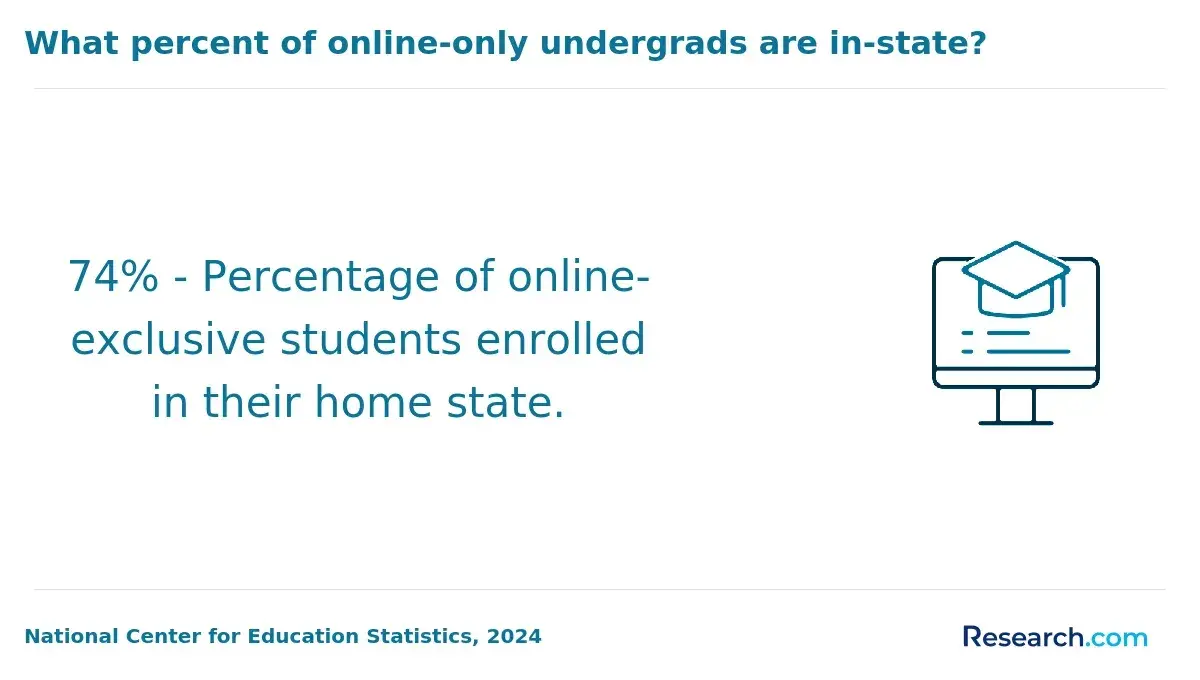
- According to the National Center for Education Statistics, growth in online communication disorders programs expands access for adult learners balancing cost and timing, but practical clinical experience remains a crucial barrier to full remote credentialing.
Is it possible for Communication Disorders graduates to work remotely?
Yes, Communication Disorders graduates can work remotely, but remote options are uneven across the field. Roles that rely on conversation-based intervention, coaching, documentation, consultation, research, or digital product support are more likely to support remote work. Roles that require specialized equipment, physical observation, diagnostic procedures, or school- or clinic-based supervision are more likely to be hybrid or on site.
Speech-language pathology is the most common remote pathway because many therapy sessions, parent consultations, progress reviews, and school-based services can be adapted to telepractice when regulations, client needs, and employer policies allow it. Audiology-related work is more constrained because many assessments and device-related services require in-person equipment, although counseling, follow-up education, research, and administrative tasks may still be remote-friendly.
Graduates should think of remote work in Communication Disorders as a spectrum rather than a single job type.
| Work model | Best fit | Typical limitation |
| Fully remote | Teletherapy support, research coordination, documentation, technology support, consultation | May have fewer entry-level clinical options and stricter privacy requirements |
| Hybrid | School services, clinic follow-ups, early intervention coaching, program coordination | May require periodic site visits, testing sessions, or team meetings |
| Mostly on site | Hands-on diagnostics, audiology support, intensive clinical care, equipment-based assessment | Remote work may be limited to paperwork, meetings, or follow-up communication |
The best approach is to evaluate each job by service type, supervision requirements, licensure rules, employer technology, and client population. A role may be advertised as remote but still require state-specific credentials, scheduled in-person evaluations, or availability during school or clinic hours.
What are the typical entry-level remote positions for new Communication Disorders graduates?
Entry-level remote jobs for Communication Disorders graduates are usually support, coordination, research, or technology-facing roles. New graduates who are not yet fully licensed should expect fewer independent clinical opportunities, but they can still build relevant experience in teletherapy operations, client communication, documentation, and digital service delivery.
- Teletherapy Assistant: Teletherapy assistants help licensed clinicians prepare digital materials, schedule virtual sessions, manage online therapy rooms, and track client progress. This role is a practical entry point for graduates who understand communication goals but are not yet qualified to provide independent clinical services.
- Speech-Language Pathology Aide: SLP aides may assist with documentation, therapy preparation, platform setup, family communication, and session coordination. Some tasks can be remote, especially for employers using secure digital records and virtual therapy platforms, but duties are typically limited by state rules and supervisor policies.
- Remote Clinical Research Assistant: Research assistants in speech, language, hearing, or developmental science may collect data, schedule participants, code responses, manage records, and support literature reviews. These jobs are often remote-friendly because much of the work is documentation, communication, and data management.
- Early Intervention Support Specialist: Some early intervention teams use virtual visits to coach caregivers on communication strategies. Entry-level graduates may support scheduling, family education materials, progress tracking, and care coordination under appropriate supervision.
- Customer Support Representative: Assistive technology companies, communication device vendors, and educational software providers may hire graduates to support users, troubleshoot products, explain features, and gather feedback. This path can be especially useful for graduates interested in accessibility, augmentative and alternative communication, or edtech.
New graduates should read job descriptions carefully. A remote title does not always mean clinical independence, and many employers distinguish between administrative support, supervised service delivery, and licensed practice. Applicants who can show comfort with secure video platforms, digital documentation, asynchronous communication, and privacy rules will usually be stronger candidates.
Graduates who want adjacent allied-health support skills can compare healthcare training options, including accelerated medical assistant programs, to understand how administrative, documentation, and patient-support skills transfer across care settings.
Are there senior-level remote positions for Communication Disorders professionals?
Yes, but senior-level remote positions in Communication Disorders are usually less about routine direct care and more about leadership, oversight, training, research, compliance, and program design. Experienced professionals are better positioned for these roles because employers need evidence that they can make independent decisions, manage risk, supervise others, and maintain quality without constant in-person oversight.
- Clinical Program Director: Clinical program directors oversee service models, staffing, documentation standards, quality improvement, and clinician training. Much of the work can be handled through virtual meetings, dashboards, and written protocols, though occasional in-person collaboration may still be expected.
- Research Scientist in Speech and Language Disorders: Senior researchers may lead studies, supervise project staff, analyze data, write grants, and publish findings. Remote work is often feasible when projects do not require daily laboratory access or in-person participant testing.
- Telepractice Coordinator: Telepractice coordinators manage virtual service workflows, train clinicians on platforms, monitor compliance, troubleshoot service delivery issues, and standardize documentation. This is one of the most naturally remote-aligned senior roles in the field.
- Consultant for Communication Disorders Services: Consultants advise schools, clinics, nonprofits, technology companies, or public agencies on service design, compliance, accessibility, and program improvement. Deliverables often include virtual presentations, written reports, audits, and implementation plans.
- Senior Speech-Language Pathology Educator: Experienced clinicians and educators may develop online courses, mentor clinicians, teach continuing education, or train teams in telepractice methods. These roles can be remote or hybrid depending on the employer and audience.
Senior remote roles generally reward professionals who combine clinical credibility with management, technology, documentation, and communication skills. A strong candidate can explain not only how to deliver services remotely, but also how to measure quality, train teams, protect client data, and adjust workflows when telepractice is not clinically appropriate.
Professionals comparing broader healthcare leadership paths may also review affordable online nurse practitioner programs to understand how related healthcare fields structure advanced practice, telehealth, and leadership preparation.
Which industries hire the most remote workers with Communication Disorders degrees?
Remote Communication Disorders jobs are concentrated in industries where services, records, training, or products can be delivered digitally. Healthcare and education remain the most obvious employers, but technology, research, and nonprofit organizations can offer stronger remote flexibility for graduates who are open to nontraditional roles.
- Healthcare: Hospitals, clinics, rehabilitation providers, home health organizations, and telehealth companies may hire Communication Disorders professionals for therapy, consultation, follow-up education, care coordination, documentation, or program support. Fully remote roles depend on licensure, client needs, and employer telehealth infrastructure.
- Education: School districts, virtual schools, special education providers, and education service companies use remote professionals for student support, IEP-related collaboration, teletherapy, teacher consultation, and family communication. These roles may follow school calendars and can be affected by state credential requirements.
- Technology: Companies that build assistive communication tools, speech software, accessibility products, learning platforms, or therapy apps may hire graduates for user support, product testing, training, content development, and user experience research. These roles are often more remote-friendly than traditional clinical jobs.
- Research and Academia: Universities, labs, institutes, and grant-funded projects may offer remote work in data coding, literature review, participant communication, project coordination, grant support, and research administration. Some positions remain hybrid when studies require lab access or in-person assessments.
- Nonprofit Organizations: Advocacy groups, disability service organizations, public health nonprofits, and community programs may hire remote staff for outreach, education, program management, policy support, and family navigation. These roles can appeal to graduates who want to expand access rather than provide direct therapy full time.
The best industry depends on the graduate’s goal. Those seeking clinical licensure usually benefit from healthcare or school-based experience. Those prioritizing remote flexibility may find more options in technology, research, program coordination, or nonprofit work.
How do salaries differ for remote vs on-site roles in Communication Disorders?
Remote and on-site salaries in Communication Disorders can differ because employers price jobs based on licensure needs, service setting, geographic pay policies, experience, and how difficult the role is to fill. Remote work does not automatically mean lower pay, but entry-level remote jobs are often support-oriented and may pay less than on-site clinical positions that require direct service delivery.
Many employers use geographic pay tiering for remote staff, which can reduce compensation when employees live in lower-cost regions. Entry-level remote positions often encounter a 5-15% salary reduction relative to on-site jobs. However, experienced professionals in high-demand specialties, telepractice leadership, clinical supervision, compliance, or audiology and speech-language pathology consulting may receive pay closer to on-site equivalents, and in some cases may compete well with traditional roles.
| Factor | How it can affect remote pay |
| Licensure and credentials | Roles requiring independent clinical authority usually pay more than general support roles. |
| Employer type | Schools, clinics, telehealth companies, universities, and technology firms may use different pay models. |
| Geographic pay policy | Some employers adjust remote salaries based on the worker’s location. |
| Caseload or productivity expectations | Higher pay may come with tighter scheduling, documentation, or client-volume requirements. |
| Remote flexibility | Some workers accept lower pay for location flexibility, while specialized experts may negotiate stronger compensation. |
When comparing offers, candidates should evaluate total compensation, not just salary. Remote work may reduce commuting costs, but it can also shift costs for workspace, internet, equipment, or unpaid administrative time. Benefits, supervision quality, licensure support, caseload expectations, and promotion pathways matter as much as the headline wage.
Students weighing remote healthcare careers can also review related compensation tradeoffs through resources such as whether medical billing and coding is worth it, since many remote healthcare jobs involve similar questions about flexibility, pay ceilings, and advancement.
What are the common challenges of working remotely with a Communication Disorders degree?
Remote work in Communication Disorders can be rewarding, but it creates real clinical, operational, and career-management challenges. The work often depends on subtle observation, rapport, accurate documentation, privacy protection, and coordination with families, schools, or healthcare teams. Moving those tasks online requires more planning than many new graduates expect.
- Restricted access to clinical equipment: Some assessments and interventions require in-person tools, controlled environments, or direct observation. Remote clinicians may need modified protocols, caregiver assistance, or referral pathways for in-person evaluation when virtual methods are not sufficient.
- Data security and privacy compliance: Remote professionals handle sensitive client information through digital platforms, email, video, and electronic records. They must follow applicable privacy rules, use secure systems, and avoid informal workarounds that expose client data.
- Reduced visibility with supervisors and teams: Remote workers can be overlooked if they do not communicate progress clearly. Proximity bias may affect mentorship, performance reviews, and promotion opportunities when on-site colleagues have more informal access to decision-makers.
- Slower communication loops: Questions that would be resolved quickly in a clinic or school can take longer through messages, shared documents, or scheduled calls. Delays can affect care coordination, documentation, and decision-making.
- Harder rapport building: Trust can be more difficult to establish through a screen, especially with young clients, families under stress, or clients who need high levels of support. Remote professionals must be intentional about pacing, visual engagement, caregiver involvement, and follow-up.
One Communication Disorders professional who completed an online bachelor's program and moved into a fully remote role described assessment planning as the biggest adjustment. “I had to really rethink how I gather information,” he said, explaining that he prepares more thoroughly before each session and builds in backup plans when a virtual activity does not work. He also noted the professional isolation: “Without casual office interactions, it's harder to stay connected and pick up on informal guidance.”
The lesson for students is clear: remote success depends on more than being comfortable on video calls. Strong remote professionals document carefully, communicate proactively, know when virtual care is not enough, and build structured ways to stay connected with supervisors and peers.
Are there certifications that can improve remote hiring outcomes for Communication Disorders graduates?
Certifications can improve remote hiring outcomes when they match the role and confirm skills that employers cannot easily evaluate at a distance. For clinical roles, credentials tied to licensure, supervised practice, ethics, and specialty competence carry the most weight. For nonclinical remote roles, credentials in data, compliance, behavior, technology, or program management may help depending on the job.
Communication disorders and speech sciences are often considered strong preparation for people-oriented healthcare and education careers, and students comparing academic directions may also review Research.com’s guide to the best college majors to pursue. However, major choice alone is not enough for remote hiring. Employers want evidence that candidates can work independently, protect client information, use digital tools, and meet professional standards.
- Certificate of Clinical Competence in Speech-Language Pathology: Issued by ASHA, this credential signals clinical and ethical competence in speech-language pathology. It is often important for SLP roles, including telepractice roles, because it reflects academic preparation, supervised clinical experience, and examination requirements.
- Board Certified Behavior Analyst: The BCBA credential can support roles involving behavioral intervention, consultation, and telehealth-related behavior support. It requires graduate-level coursework in behavior analysis, supervised fieldwork, and a certification exam.
- Certified Fluency Specialist: A fluency-focused credential can strengthen a candidate’s profile for remote work involving stuttering treatment or fluency consultation. It is most useful when the job specifically serves clients with fluency disorders.
- Registered Dietitian Nutritionist: The RDN credential may be relevant in multidisciplinary work involving swallowing, nutrition, dysphagia-related education, or coordinated care. It requires accredited nutrition education, supervised practice, and a national exam.
- Health Information Management Certification: Health information management training can help graduates pursue remote documentation, compliance, records, quality assurance, or administrative roles. It is not a substitute for clinical credentials, but it can complement Communication Disorders training for nonclinical remote work.
Students should avoid collecting credentials without a plan. Before investing time or money, compare the certification requirements with job postings, state rules, supervision expectations, and the type of remote work you want. A well-chosen credential can make a candidate more credible; an unrelated one may add little value.
How can Communication Disorders degree students increase the chances of landing remote roles?
Students who want remote Communication Disorders jobs should build proof of remote readiness before graduation. Employers are not only evaluating academic knowledge; they are asking whether a candidate can manage confidential information, communicate clearly online, work without constant supervision, and adapt services to digital settings.
- Build a practical digital portfolio: Include de-identified case-style examples, sample therapy materials, telepractice session plans, documentation samples, caregiver education resources, and evidence-based treatment rationales. The goal is to show how you think and communicate, not to disclose private client information.
- Seek telepractice exposure during training: If available, choose practicum, internship, observation, or simulation experiences that involve virtual service delivery, digital documentation, or remote client communication. Students comparing graduate options can also review fully online slp master's programs to understand how online pathways may structure clinical preparation and flexibility.
- Use targeted job boards and professional networks: General job boards can be useful, but remote healthcare, education, assistive technology, and teletherapy employers may also post through professional associations, LinkedIn groups, alumni networks, and niche communities.
- Practice asynchronous hiring tasks: Remote employers may ask candidates to review a case scenario, respond to a video prompt, draft a treatment plan, or explain how they would handle a documentation or privacy issue. Practice producing clear, organized responses under time limits.
- Find mentors who already work remotely: A remote SLP, research coordinator, telepractice manager, assistive technology specialist, or online educator can explain what daily work actually looks like, which tools matter, and which job postings are realistic for new graduates.
- Align coursework with remote healthcare operations: Courses or experiences in telehealth, health systems, documentation, supervision, program evaluation, and digital communication can strengthen an application. Students exploring broader healthcare administration paths may compare options such as fast online MHA programs to see how management-focused programs frame remote operations and service delivery.
The most common mistake is applying to remote roles with a generic resume. A stronger application uses the language of remote work: secure platforms, caseload tracking, virtual collaboration, documentation accuracy, caregiver coaching, accessibility, and measurable outcomes.
How do remote Communication Disorders roles impact long-term career trajectory and promotions?
Remote Communication Disorders roles can support long-term career growth, but advancement works differently than it does in a clinic, school, or office. Because supervisors may not see daily effort in person, remote professionals need to make their value visible through outcomes, documentation, responsiveness, and leadership in virtual settings.
Promotion decisions often depend on measurable performance: client progress, documentation quality, caseload management, compliance, team communication, training contributions, and the ability to solve problems independently. Remote workers who quietly complete tasks may be valued but overlooked. Those who provide concise updates, track results, mentor others, and improve workflows are more likely to be seen as promotion-ready.
Remote work can also shape career direction. Some professionals move from direct service into telepractice coordination, clinical training, product development, compliance, research management, or program leadership. Others may find that fully remote work limits access to hands-on mentorship, advanced diagnostics, or leadership visibility and may choose hybrid roles to keep developing.
To protect long-term mobility, remote professionals should document accomplishments, request regular feedback, participate in professional communities, maintain licensure and continuing education, and volunteer for projects that show leadership. In remote careers, career growth is rarely automatic; it must be managed intentionally.
Is a remote career in Communication Disorders sustainable for the next decade?
A remote career in Communication Disorders can be sustainable for the next decade, especially for professionals who remain adaptable. Telepractice, digital records, virtual collaboration, and technology-supported intervention are now established parts of many healthcare and education systems. At the same time, fully remote practice will continue to be limited by licensure rules, payer policies, employer requirements, clinical appropriateness, and the need for in-person assessment in some cases.
The most sustainable remote careers are likely to be those that combine clinical knowledge with additional strengths: telepractice competence, compliance awareness, documentation quality, caregiver coaching, assistive technology, research methods, program coordination, or leadership. Professionals who depend on one narrow remote service model may be more vulnerable if reimbursement, state rules, or employer policies change.
A Communication Disorders professional who completed an online bachelor's program described remote sustainability as both promising and demanding. He valued the autonomy and geographic flexibility but emphasized the learning curve of state regulations, technology reliability, and trust-building. “It took months to build trust with supervisors and patients without face-to-face interaction,” he said. Over time, professional networking, skill upgrades, and deliberate communication helped him feel more prepared for remote work’s changing demands.
For students, the practical takeaway is to prepare for flexibility rather than assume every future role will be fully remote. Hybrid experience, strong supervision, credible credentials, and comfort with telepractice tools can make a Communication Disorders career more resilient as service models continue to evolve.
What Graduates Say About Communication Disorders Degrees That Lead to Remote Jobs
-
: "After earning my degree in communication disorders, I found that landing a remote role depended heavily on the hands-on experience I gained through internships rather than just licensure. Working remotely as a teletherapy clinician has been a mixed bag—flexibility is great, but I've noticed some salary growth limits without getting fully licensed. Still, the ability to support clients from various locations has expanded the types of cases I can handle and accelerated my entry into the workforce.
Mordechai"
-
: "The program gave me a solid theoretical background, but breaking into remote roles required building a digital portfolio showcasing my practical skills. Many employers prioritized candidates with remote workflows experience or relevant certifications over those exclusively with licensure. In my current job in a remote speech therapy platform, balancing the lack of in-person cues with client progress tracking has been challenging, but it's taught me to adapt quickly and communicate effectively through virtual tools.
Casen"
-
: "I decided early to pursue remote work after graduation because it offered more immediate opportunities in the communication disorders field without the lengthy licensing process. The trade-off has been fewer chances for advancement in some settings, which do emphasize licensure. However, working remotely in a counseling capacity for a specialized nonprofit has honed my skills in asynchronous client engagement and broadened my understanding of how telehealth continues to reshape patient access and professional collaboration.
Walker"
Other Things You Should Know About Communication Disorders Degrees
Program structure plays a critical role in preparing graduates for remote roles. Degrees with strong components of telepractice training, technology use, and asynchronous learning tend to generate candidates better equipped for remote supervision and patient interaction. Programs focused solely on traditional, in-person clinical experience may leave graduates less adaptable to remote workflows, increasing onboarding time and adjustment challenges. Prioritizing programs that integrate virtual clinical simulation or remote internship options offers clearer pathways to remote employability.
Students face a practical tradeoff between broad foundational knowledge and specialization aligned with remote service delivery, such as teletherapy platforms or digital assessment tools. While a broad skill set ensures versatility across settings, specializing in technology-enhanced therapy may yield faster access to remote positions. Given employer expectations for immediate remote competency, prioritizing programs or certifications that emphasize digital literacy and telehealth protocols is advisable if remote flexibility is a primary career goal.
Employer attitudes toward remote work often influence workload distribution, which can affect work-life balance. Some organizations may require greater caseloads or increased documentation for remote clinicians to justify virtual service delivery, resulting in work intensification. Understanding these tradeoffs is crucial: remote work in communication disorders does not automatically mean reduced hours or stress. Candidates should investigate employer policies on caseload expectations and support structures before committing to remote roles to avoid burnout.
Research on graduate outcomes helps students evaluate the effectiveness of online versus hybrid communication disorders programs. These studies can reveal the employability, salary prospects, and skill readiness of graduates, guiding potential students in choosing a program that aligns with their career goals, including opportunities for remote work.
References
- Remote Work Challenges & Solutions | Hire Overseas Guide https://www.hireoverseas.com/blogs/remote-work-challenges
- 4 Challenges of Working Remotely (And How to Overcome Them) | Otter.ai https://otter.ai/blog/challenges-of-working-remotely
- Remote Communication Jobs https://www.workingnomads.com/remote-communication-jobs
- Should Remote Workers Be Paid Less? https://figures.hr/post/should-remote-workers-be-paid-less
- 5 Challenges of Working Remotely and How to Overcome Them - Black Piano https://www.blackpiano.co.uk/post/remote-work-challenges
- 8 Remote Flexible Non Clinical Roles for SLPs https://www.alternativehealthcarecareers.com/blog/8-remote-flexible-roles-for-slps
- The Future Career Outlook for Speech-Language Pathologists https://shccares.com/blog/allied-health/the-future-career-outlook-for-speech-language-pathologists/
- Communication Sciences and Disorders-Pre-req or SLP-A Certificate https://www.esu.edu/academics/undergraduate-programs/certificate-slp-a-prerequisites.php
- Career growth for remote workers: build visibility https://goalsandprogress.com/career-growth-remote-workers/
- 5 Remote Work Communication Challenges | Calamari https://www.calamari.io/blog/communication-in-remote-work-5-difficulties-and-how-to-overcome-them