2027 Can a Data Science Degree Lead to Remote Jobs?

Co-Founder and Chief Data Scientist
The surge in remote roles within the Data Science sector reflects a growing shift in how organizations leverage talent beyond traditional office hubs. Degree programs emphasize hands-on proficiency with tools like Python, R, and cloud platforms, often integrating virtual lab environments that mirror collaborative industry workflows.
Accreditation standards increasingly require practical projects that align with Agile or CRISP-DM delivery frameworks, which are essential for remote team success. According to the U.S. Bureau of Labor Statistics in 2024, over 45% of Data Science-related roles are accessible remotely, underscoring employer confidence in graduates' digital readiness. This article examines how a Data Science degree translates to remote job viability and its fit with diverse career strategies.
Key Points About Data Science Degrees That Lead to Remote Jobs
- Data analyst, machine learning engineer, and BI developer roles dominate remote data science careers; employer demand prioritizes proven project experience over generic certifications, signaling a need for portfolio-driven applications.
- High workforce growth predictions by the U.S. Bureau of Labor Statistics reflect long-term remote viability, yet competition intensifies as more graduates vie for limited flexible positions.
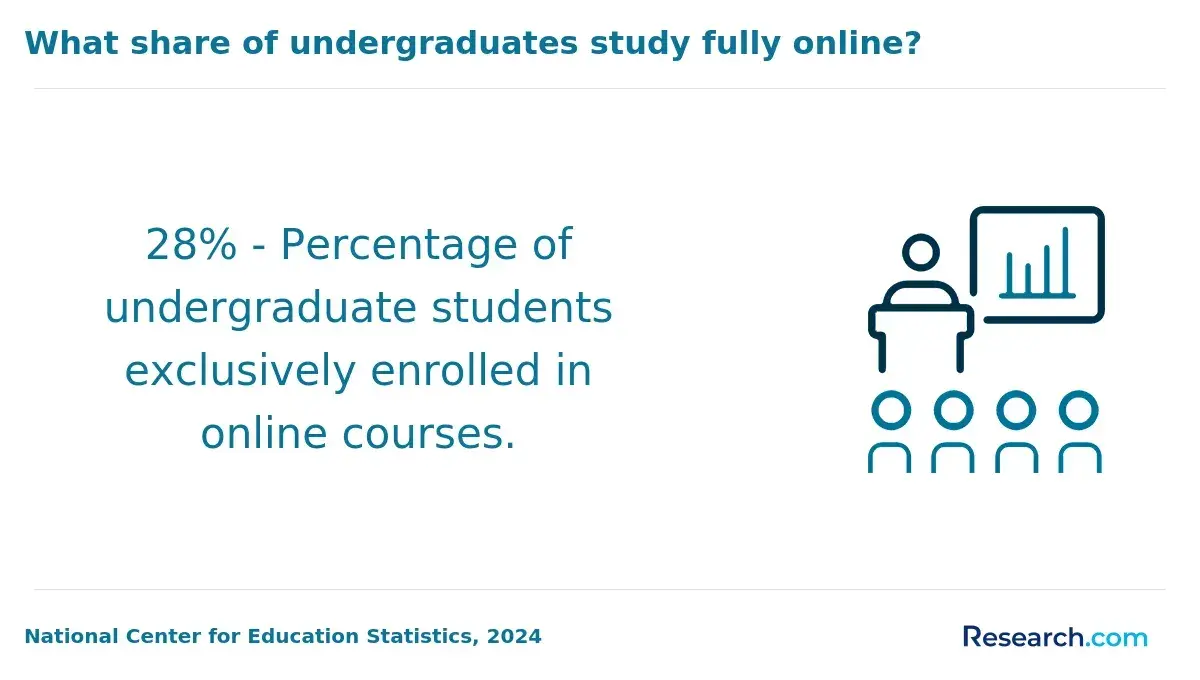
- Rising online course enrollments reveal increased accessibility, but longer program durations and costs challenge adult learners balancing work, indicating strategic timing is crucial for effective career transitions.
Is it possible for Data Science graduates to work remotely?
Remote work opportunities for data science graduates have become increasingly viable as many roles focus heavily on computational analysis and digital collaboration. Positions such as data analyst, machine learning engineer, data engineer, and business intelligence developer frequently accommodate remote or hybrid work structures due to the nature of their tasks.
However, these opportunities depend on employer expectations, requiring candidates to be adept at self-directed work, virtual communication, and the use of cloud-based technologies. Success in remote roles also often hinges on flexibility, as coordinating across time zones demands adaptable schedules and disciplined time management.
While remote options are growing, they are not equally prevalent across all industries or company sizes. Graduates looking to optimize their remote job prospects should develop hands-on experience with remote collaboration tools and build portfolios that demonstrate independent problem-solving and project ownership.
What are the typical entry-level remote positions for new Data Science graduates?
Many entry-level remote data science jobs exist for new graduates, though these roles typically require proficiency with digital tools and asynchronous communication. The following list outlines common positions that align well with remote workflows and offer realistic opportunities for recent entrants into the field.
- Data analyst: This role centers on cleaning, structuring, and interpreting datasets using tools like SQL, Python, and Excel. Since the core tasks are data-focused and deliverables can be presented via dashboards or reports, many data analyst positions accommodate fully remote arrangements.
- Business intelligence analyst: BI analysts transform raw data into visualizations and reports that support decision making. The digital nature of reporting allows these jobs to fit remote work environments, with coordination often occurring through virtual meetings and collaboration platforms.
- Data engineer: Junior data engineers typically build and maintain data pipelines and workflows. Although some may require periodic access to on-premise systems, a substantial portion of the work is code-driven and feasible remotely, especially when aligned closely with data science and IT teams.
- Junior machine learning engineer: Increasingly adopted in remote-friendly companies, this role involves implementing and validating machine learning models. The computational focus, combined with cloud resource access, facilitates remote execution of duties without heavy reliance on physical infrastructure.
- Research assistant: For data-intensive projects, research assistant roles often include data gathering, preprocessing, and literature reviews that can be handled from home. Remote participation depends on effective use of research databases and communication tools, making these positions viable for new graduates.
These entry-level remote jobs share dependencies on coding, analytical software, and clear digital deliverables. While some employers may prefer hybrid setups to ease onboarding, most roles are accessible off-site if candidates demonstrate strong communication skills.
Graduates pursuing these roles should evaluate programs not only for technical training but also for exposure to remote collaboration practices, which increasingly factor into employer expectations for remote data science roles for new graduates. For those interested in intersecting social services with data, combining such analysis with broader skill sets like an MSW degree may open complementary remote opportunities in healthcare analytics and community research.
Are there senior-level remote positions for Data Science professionals?
Senior-level remote positions for data science professionals are increasingly accessible, though these roles rarely suit recent graduates without substantial experience. Many employers expect proven skills in project leadership, technical breadth, and independent work, making these positions typical targets for individuals with several years in the field.
The following roles often appear as remote or hybrid opportunities, capitalizing on responsibilities that emphasize strategy, design, and mentorship over hands-on hardware interaction.
- Data Science Manager: Responsible for overseeing teams and coordinating complex projects, this position demands strong communication and strategic planning abilities. Its focus on leadership rather than onsite data handling makes remote work viable.
- Senior Machine Learning Engineer: This role centers on developing and refining machine learning models through coding and experimentation. Given appropriate infrastructure, engineers can perform these tasks effectively from remote settings.
- Lead Data Scientist: Emphasizing project direction, methodology selection, and mentoring junior staff, this position often thrives in environments that reduce onsite distractions, fitting well with remote or hybrid arrangements.
- Data Science Architect: Focused on designing scalable data frameworks and pipelines, this role requires detailed planning and collaboration that remote tools can support efficiently.
- Principal Data Scientist: Serving as a senior technical authority and global stakeholder liaison, this role benefits from the flexibility of remote work, which accommodates collaboration across multiple time zones.
Employers increasingly recognize the advantages of remote leadership roles for data science professionals, especially as these jobs revolve around analysis, modeling, and strategic oversight rather than physical data center presence. Candidates aiming for such positions must demonstrate disciplined communication skills and familiarity with virtual collaboration technologies.
For those assessing educational paths, integrating remote work readiness into career planning is essential, particularly considering practical workforce demands. Interested students exploring affordable options might also consider a cheapest accredited online college to reduce costs while preparing for this evolving job landscape.
Which industries hire the most remote workers with Data Science degrees?
Remote positions for data science graduates exist across a variety of industries, each with distinct expectations and operational realities. The following sectors stand out for their consistent recruitment of remote talent with data science skills:
- Technology: This sector leads in offering remote roles, particularly within software development firms, cloud computing companies, and AI startups. These organizations leverage the digital-native nature of their work to enable fully remote or hybrid models, emphasizing flexibility without compromising collaboration on complex analytics projects.
- Financial Services: Investment firms, fintech companies, and insurers frequently hire remote data scientists to conduct risk analysis, fraud detection, and customer behavior modeling. While remote work is common, these roles often come with strict data security protocols and require occasional on-site coordination.
- Healthcare: Remote data science roles are growing in medical research and health informatics, focusing on analytics that support clinical decision-making and population health studies. Though some duties require physical presence due to regulatory constraints, many modeling and data interpretation functions can be effectively performed remotely with compliant data-sharing infrastructures.
- Marketing and Advertising: Agencies increasingly operate distributed teams to analyze consumer trends and optimize digital campaigns. Remote data scientists in this field must navigate fast-paced, client-driven environments where timely insights and cross-team communication are critical.
- E-commerce and Retail: These sectors depend on remote data scientists to refine supply chain management, personalize customer experiences, and forecast sales. The adoption of cloud-based data platforms facilitates remote contributions, though some strategic roles may involve hybrid collaboration aligned with business cycles.
How do salaries differ for remote vs on-site roles in Data Science?
Remote data science salaries generally trail those of on-site roles, reflecting employer strategies that adjust pay based on geographic location and local cost of living. Companies employing geographic salary differences for remote data science roles often use tiered compensation to control labor expenses while remaining competitive, particularly for non-specialized positions.
This means graduates entering remote positions can expect slightly reduced salaries compared to their on-site peers within the same organization. That said, specialized data science roles in machine learning or big data engineering frequently avoid such deductions due to talent scarcity. Employers aiming to secure expertise in niche areas offer remote workers pay close to that of on-site counterparts, regardless of location.
Candidates should weigh these salary structures carefully, especially when considering remote work options aligned with skill specialization. For those exploring educational routes, programs focused on durable, industry-relevant skills help ensure alignment with evolving compensation patterns, including those reflected in the cheapest online data science master's and related offerings.
What are the common challenges of working remotely with a Data Science degree?
Working remotely can present several challenges for professionals in different degree fields. Common difficulties include communication barriers, limited collaboration, reduced access to specialized tools or resources, and maintaining productivity in a virtual environment. These challenges can affect work performance, teamwork, and overall professional development.
- Communication Gaps in Collaboration: Remote settings limit spontaneous discussions and quick feedback loops essential for troubleshooting complex data tasks. Data science professionals must proactively structure meetings and leverage asynchronous tools to maintain alignment and reduce errors.
- Securing Sensitive Data Remotely: Handling proprietary and regulated datasets remotely increases vulnerability to breaches. Strict adherence to encryption protocols and multi-factor authentication, combined with awareness of home network risks, is necessary to uphold compliance without sacrificing workflow speed.
- Proximity Bias and Visibility Issues: Being physically distant from management can lead to reduced recognition and fewer opportunities for informal mentorship. Remote workers have to deliberately build virtual presence through regular updates and active participation in team forums to counteract this bias.
- Managing Distractions and Self-Discipline: Remote environments often blur boundaries between professional and personal time, impacting focus on iterative data modeling and validation tasks. Implementing disciplined schedules and dedicated workspaces helps sustain concentration and meet project deadlines.
- Technical Infrastructure Limitations: Variability in internet reliability and hardware capability at home may hinder large-scale data processing or access to cloud platforms. Planning for contingencies, such as offline data preparation or access to coworking spaces, can mitigate these constraints.
When asked about his experience, a data science professional who graduated from an online bachelor's program shared that adapting to remote collaboration was initially challenging. "It's less about the data skills and more about navigating the slower back-and-forth communication," he noted, adding that his team relied heavily on detailed documentation to avoid repeated clarifications.
He also mentioned stresses around securing sensitive client information without direct IT support and the subtle challenge of staying "visible" during virtual meetings. Despite these difficulties, he found that structured daily check-ins and proactive communication helped ease many of the hurdles over time.
Are there certifications that can improve remote hiring outcomes for Data Science graduates?
Certifications can play a pivotal role in improving remote hiring outcomes for data science graduates by providing concrete proof of specialized skills relevant to distributed teams. Below are five key certification programs that many employers recognize for remote data science roles, explaining their focus and typical credential criteria.
- Certified Analytics Professional (CAP): This vendor-neutral credential highlights expertise in analytics process, ethics, and decision-making, which are critical for remote teams relying on sound data interpretations. Candidates generally need relevant work experience and to pass a rigorous exam overseen by INFORMS.
- Microsoft Certified: Azure Data Scientist Associate: This certification validates skills in applying machine learning on the Azure cloud platform, a common environment for remote data science projects. It requires passing a practical exam demonstrating the ability to implement models using Azure services.
- IBM Data Science Professional Certificate: This certificate is offered through online platforms and covers foundational concepts like Python, data visualization, and machine learning. It's beneficial for candidates who want a broad, vendor-specific credential to boost remote hiring visibility without prior extensive experience.
- Google Professional Data Engineer: Focused on designing and managing data processing systems on Google Cloud, this certification is favored by employers who prioritize cloud engineering capabilities in remote hires. It demands passing a comprehensive exam and often correlates with improved job placement and salary prospects in cloud-intensive roles.
- Cloudera Certified Associate (CCA) Data Analyst: Targeting big data tools and SQL querying within Cloudera's platform, this certification suits graduates aiming for remote roles that involve managing large datasets. Candidates must demonstrate hands-on skills through practical exams.
Deciding among these certifications depends on which technologies and skills align best with a graduate's target remote job functions. Vendor-neutral credentials like CAP are valued for ethical analytics frameworks, while cloud-specific certificates emphasize platform proficiency. Graduates should weigh both program focus and hiring market demand when exploring data science certification programs for remote job seekers.
Exploring the best organizational development master's programs online also offers context on complementary skills that can enhance remote work effectiveness in analytical roles.
How can Data Science degree students increase the chances of landing remote roles?
Securing remote roles in data science requires more than technical knowledge; strategic preparation aligned with employer expectations enhances chances significantly. Effective strategies for data science degree students to secure remote positions include targeted portfolio development and engagement with remote-focused job networks.
Below are key approaches that improve visibility and readiness for remote opportunities.
- Develop a comprehensive portfolio: Assemble projects that showcase end-to-end problem-solving skills with clear documentation. Highlight work that reflects autonomy and remote collaboration to illustrate practical capabilities relevant to distributed teams.
- Leverage remote-specific job platforms: Direct engagement with job boards and communities centered on remote data science roles offers access to employers who prioritize location-flexible hiring. Platforms like specialized Slack groups provide networking vital to understanding evolving market needs.
- Prepare for asynchronous assessments: Many hiring processes for remote data jobs use trial tasks simulating real-world scenarios with minimal supervision. Practicing clear communication and independent project management sharpens abilities critical for success in these evaluations.
- Maintain active participation in digital forums: Consistent involvement in online professional networks builds visibility and referral potential. Engaging with forums allows for ongoing learning and alignment with emerging remote work practices.
- Highlight proficiency with remote collaboration tools: Tailor applications to emphasize experience using platforms and workflows common in distributed teams. Demonstrating competence in these tools reassures employers of a candidate's readiness for remote work environments.
Students aiming to grasp the practical implications of their educational choices might also consider options such as an accelerated master's in counseling when evaluating interdisciplinary skill sets that can complement data science expertise in growing sectors.
How do remote Data Science roles impact long-term career trajectory and promotions?
Remote data science roles shift career progression dynamics by reducing opportunities for spontaneous interaction and informal visibility common in traditional offices. Advancement processes still emphasize performance metrics like code quality, model accuracy, and business impact, but remote workers must rely on explicit documentation and asynchronous communication to demonstrate value.
Without face-to-face contact, demonstrating leadership requires independent project management, effective remote mentoring, and proactive problem-solving. Visibility in remote settings depends heavily on clear, consistent updates shared across platforms that track contributions, replacing casual check-ins and hallway conversations.
Building influence necessitates intentional relationship-building beyond immediate teams and regular feedback exchanges with managers to align expectations. This structured communication compensates for the lack of organic networking, which can otherwise limit promotion opportunities.
The criteria for moving up often hinge more on tangible outputs and collaborative skills expressed through written and verbal communication than on presence or office politics. Remote data scientists who excel develop routines for cross-time-zone coordination, maintain extensive work transparency, and take initiative without close supervision.
Is a remote career in Data Science sustainable for the next decade?
The sustainability of remote careers in data science hinges on ongoing technological advances and evolving employer expectations. Cloud computing, automated machine learning, and enhanced virtual collaboration tools have collectively reshaped the feasibility of distributed work by enabling seamless data handling and team interaction regardless of physical location.
However, these shifts also impose new demands: while some routine tasks become automated, employers increasingly prioritize strategic insight, communication skills, and cross-functional influence. Maintaining effectiveness remotely requires not only technical proficiency but also the ability to translate complex analyses into business impact without face-to-face interaction.
Economic pressures and regulatory attention on data security further influence remote data science roles. Organizations are adopting stricter privacy frameworks that necessitate specialized knowledge and vigilance, influencing hiring preferences and operational constraints.
This creates a layered skill set challenge for remote practitioners who must juggle domain expertise, updated toolsets, and compliance considerations. Thus, the long-term viability of remote data science depends on continuous learning, adaptability to emerging technologies, and proactive networking to stay aligned with fast-moving industry expectations.
When I spoke with a data science professional who completed an online bachelor's, he described the remote path as "rewarding but demanding." He noted early struggles around isolation and the need to be "extra deliberate in communication" to avoid misunderstandings on virtual teams.
Transitioning from academic projects to workplace complexity involved ramping up skills in cloud platforms and privacy regulations faster than expected. Still, he emphasized that forging genuine professional connections remotely required consistent effort, including seeking mentorship outside formal channels. His experience illustrated that remote data science careers are sustainable but require intentional growth and relationship-building to thrive over time.
What Graduates Say About Data Science Degrees That Lead to Remote Jobs
- Yeshua: "After completing my degree in data science, I found that employers in the remote job market prioritized portfolios and practical experience far more than formal licensure. Leveraging projects from internships during my studies, I secured a role analyzing customer behavior for a tech startup. Working remotely has allowed me to balance collaboration across multiple time zones, but I've also had to adapt to the challenge of proving my value without face-to-face interactions."
- Hugh: "My transition into a remote data science role was driven by both a desire for flexibility and the reality of a highly competitive field. Although the degree was essential for getting interviews, it was the additional certifications and volunteering on open-source analytics projects that set me apart. The remote setting requires strong self-discipline, and while salary growth can plateau quickly without certain industry licenses, the trade-off for work-life balance has been worth it for me."
- Atlas: "I entered the data science workforce somewhat cautiously, knowing that landing a remote position meant facing stiff competition and rigorous hiring processes. My degree helped me pivot from an unrelated background and demonstrate technical skills, but I soon realized employers often valued experience and internships over academic credentials alone. Remote work has its perks, but staying connected to team dynamics virtually demands intentional communication and ongoing learning to stay relevant."
Other Things You Should Know About Data Science Degrees
Beyond core analytics and coding abilities, proficiency in cloud computing platforms, version control systems, and collaborative data tools is increasingly critical. Employers hiring remote data scientists expect candidates to manage data workflows independently and communicate findings clearly through digital channels. Prioritizing these skills during education enhances employability and reduces onboarding friction in remote settings, whereas neglecting them can delay productivity and stall career advancement.
Traditional degrees often leverage in-person networking and campus recruitment, which can be less accessible in remote job markets. Students who rely solely on offline connections may find fewer opportunities in fully remote positions where digital presence and professional online branding are key. Consequently, actively building virtual networks and participating in remote-friendly communities should be prioritized to bridge this gap and align career development with remote hiring practices.
Remote data science roles sometimes come with blurred boundaries between work and personal life, leading to unpredictable workloads. Degrees that include training on time management, self-discipline, and remote collaboration tend to better prepare graduates to handle these challenges without burnout. Selecting programs that integrate these soft skills development alongside technical training can improve long-term work-life balance and career sustainability in remote positions.
References
- Top Remote Senior Level Data Science Jobs in Chicago, IL https://www.builtinchicago.org/jobs/remote/data-analytics/data-science/senior
- Remote Entry Level Data Science Jobs | Working Nomads https://www.workingnomads.com/remote-entry-level-data-science-jobs
- Best Data Analytics Certifications to Boost Your Career – Dataquest https://www.dataquest.io/blog/best-data-analytics-certifications/
- Remote Data Science Jobs Online - Work From Home | Remote.co https://remote.co/remote-jobs/data-science
- 400+ Remote Data Scientist Jobs in 2025 - Turing https://www.turing.com/jobs/remote-data-scientist
- Data Scientist salary in Remote https://builtin.com/salaries/us/remote/data-scientist
- 53 Best Data Science Certification Programs, 27 Online https://www.discoverdatascience.org/programs/data-science-certification/
- Best Remote Senior Data Science Jobs in NYC, NY 2026 | Built In NYC https://www.builtinnyc.com/jobs/remote/data-analytics/data-science/senior
- Remote Work Challenges & Solutions | Hire Overseas Guide https://www.hireoverseas.com/blogs/remote-work-challenges
- The data scientist's guide to thriving in a remote work world https://www.airswift.com/blog/remote-data-scientist