2027 Can a Music Education Degree Lead to Remote Jobs?

Co-Founder and Chief Data Scientist
The rise in remote work for educators extends into specialized fields such as Music Education, where graduates increasingly engage in virtual instruction, curriculum design, and digital performance coaching. Degree programs often embed training with industry-standard software like Sibelius, GarageBand, and digital audio workstations, alongside virtual ensemble simulations to build technical proficiency critical for remote roles.
Licensing requirements still mandate supervised practical experience, which presents hybrid or asynchronous scheduling challenges. According to the National Center for Education Statistics in 2024, 25% of music teachers report remote or hybrid employment, highlighting a growing acceptance of distance-based teaching. This article examines how these evolving dynamics affect the feasibility and fit of remote positions for Music Education graduates.
Key Points About Music Education Degrees That Lead to Remote Jobs
- The surge in online learning options, highlighted by a 2024 National Center for Education Statistics report, expands access for music education students but delays hands-on ensemble experience necessary for remote instructional roles.
- Remote careers like curriculum design or virtual tutoring require tech proficiency alongside pedagogy, increasing employer demands yet creating niche opportunities for graduates with certification in digital tools.
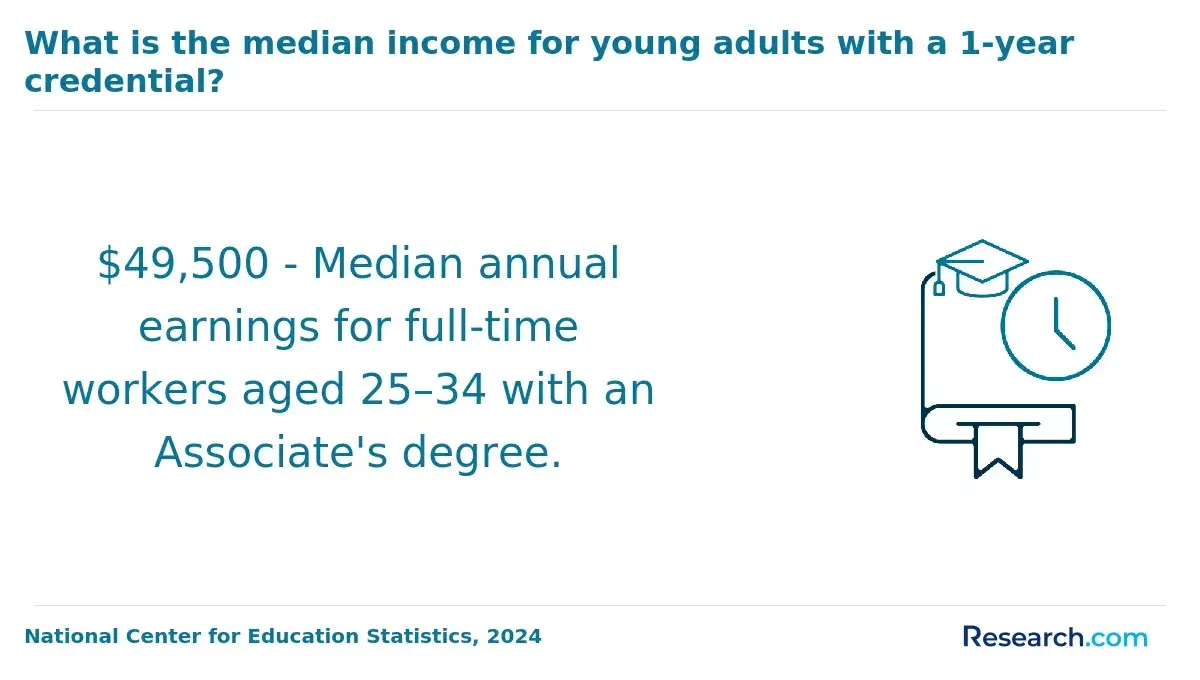
- Employment growth projections emphasize demand in adaptive music therapy and digital content creation, but delayed credentialing can limit early-career earning potential, pressuring strategic timing for certifications.
Is it possible for music education graduates to work remotely?
Remote work options for music education graduates are relatively limited due to the inherently interactive and hands-on nature of music teaching. Most traditional roles, such as classroom instructors or private lesson teachers, demand direct, in-person engagement with students. Nonetheless, advancements in digital platforms have opened selective remote or hybrid opportunities, particularly for those with skills in technology and virtual communication.
Typical remote roles include online music instructors delivering lessons via video calls, curriculum developers creating digital educational resources, consultants supporting remote learning integration, and positions within companies that develop music education software. These alternatives require adaptability to nontraditional work environments and often a broader skill set beyond standard pedagogical competencies.
Despite growth in remote possibilities, these positions still represent a minority in the field, with most employment concentrated in physical settings. Graduates pursuing flexible or remote music education careers must weigh the tradeoffs of reduced personal interaction and the need for digital proficiency against potential benefits, such as geographic flexibility and diversified income streams.
What are the typical entry-level remote positions for new music education graduates?
Entry-level remote teaching positions in music education are accessible though limited by the need for both subject expertise and digital adaptability. New graduates often find that remote roles require flexibility in delivering content and collaborating virtually, with varied employer expectations.
Below are typical entry-level remote jobs for new music education graduates that reflect the practical realities of this evolving work environment.
- Online Music Tutor: In this position, educators provide individual or small group lessons through video conferencing tools. Remote delivery is standard, emphasizing communication skills and the ability to tailor traditional teaching methods for effective virtual interaction.
- Curriculum Content Developer: This role focuses on producing instructional materials, multimedia lessons, or digital resources for music education platforms. It is generally remote-friendly because content creation can be scheduled independently and reviewed asynchronously by supervisors.
- Music Therapy Assistant (Remote Support): While direct therapy is mostly in-person, some assistant roles involve managing virtual session logistics, tracking client progress, or offering supplementary materials, enabling partial remote work under professional guidance.
- Community Program Coordinator (Virtual): Graduates in this role plan and promote online community music events such as workshops and concerts. Remote work allows coordination across geographic boundaries, requiring strong organizational and outreach capabilities.
- Educational Technology Support Specialist: Specialists in this field assist users of music education software or apps, troubleshoot technical issues, and contribute to product usability improvements. Given the digital nature of the work, most positions are fully remote.
These typical remote jobs for new music education graduates depend heavily on digital platforms and communication rather than physical presence. They demand adapting conventional instructional strategies to virtual contexts and mastering relevant technologies.
Although compensation may reflect entry-level and remote work tradeoffs, these roles provide foundational experience and flexibility useful for long-term career development in music education or related sectors. For individuals exploring broader educational paths, resources like the top 10 best majors for the future can offer relevant comparative insights.
Are there senior-level remote positions for music education professionals?
Senior-level remote positions specifically for recent music education graduates are uncommon, largely because such roles demand advanced expertise and leadership developed over time. Nonetheless, there are established senior-level jobs in music education that operate remotely or in hybrid formats.
The following examples illustrate typical positions, highlighting why they accommodate remote work and what responsibilities they carry.
- Director of Online Music Programs: Responsible for managing virtual music education curricula and coordinating instructors spread across locations. This position suits remote work due to its focus on digital content and managing faculty through online platforms.
- Music Curriculum Specialist: Tasked with creating and updating instructional materials tailored for e-learning environments. Collaboration with educators and technology teams is largely conducted via digital communication, allowing for flexible remote engagement.
- Senior Music Technology Consultant: Advises educational organizations on implementing music technology tools and solutions. Consulting work typically involves virtual meetings and workshops, making remote arrangements practical and effective.
- Remote Music Therapist Program Manager: Oversees teams delivering music therapy through telehealth services, ensuring program compliance and quality. Managing a remote team and virtual client sessions makes this position inherently suited to telework.
- Online Community and Outreach Manager for Music Education: Develops and maintains digital networks for educators and students, curating content and organizing online events. The inherently virtual nature of this role demands continuous remote operation.
These senior roles emphasize strategic planning, digital content management, and leadership skills over direct classroom instruction, facilitating their compatibility with remote work. However, fully remote opportunities at this level remain relatively scarce and often incorporate some in-person components. Candidates aiming for advanced remote career opportunities in music education must demonstrate proficiency with educational technology and remote communication tools.
Those considering pathways should evaluate the long-term value of acquiring these skills within degrees or certifications known for aligning with workforce demands, especially given the complexity of securing such specialized roles. Awareness of broader labor market trends related to college degrees that pay well can also inform realistic expectations and strategic planning.
Which industries hire the most remote workers with music education degrees?
Remote opportunities for music education graduates have expanded across multiple industries beyond traditional classroom roles. Below are five sectors that commonly engage music educators in remote capacities, reflecting a range of job functions and flexible work arrangements.
- Online education industry: This sector frequently offers remote positions for music educators to deliver virtual lessons, lead group workshops, and contribute to curriculum design. Flexibility in location and schedule is a key feature, allowing educators to reach diverse student populations without geographic limits.
- Technology and multimedia: Music education graduates find roles here as e-learning content developers, instructional designers, and audio production specialists. Their background supports the creation of engaging, pedagogically sound multimedia resources for remote distribution and digital platforms.
- Media and entertainment: Remote work in this area includes sound editing, podcast production, and consulting on music-related content. Positions may be hybrid depending on project requirements, blending creative expertise with evolving digital media formats.
- Nonprofit and arts organizations: Many such groups run virtual community programs and outreach initiatives that depend on music educators working remotely to facilitate workshops, events, or educational activities aimed at broad audiences.
- Corporate training and wellness: Emerging roles involve designing music-based wellness programs and creative employee training modules. These positions merge music education knowledge with corporate goals, supporting remote work initiatives within organizational culture.
How do salaries differ for remote vs on-site roles in music education?
Salaries for remote music education roles generally trail those for on-site positions, reflecting employer priorities tied to physical presence. On-site educators often receive higher base pay, as institutions associate in-person work with stronger student engagement and community impact. This dynamic contributes to a consistent difference in average annual salaries when comparing remote music education salaries comparison versus on-site counterparts.
Compensation for remote music education positions frequently incorporates regional cost of living adjustments, leading to geographically tiered salaries that may reduce pay for employees in lower-cost areas. Despite this, remote roles focused on specialized skills, such as curriculum design for digital platforms or expertise in niche instruments, can maintain or exceed typical on-site salary levels due to talent scarcity.
This nuanced structuring of pay highlights the complexity behind on-site versus remote salary differences in music education and the influence of employer strategies on remuneration. For those assessing options, exploring pathways like a fast track construction management degree can offer comparative insight into how remote-oriented fields shape salary expectations.
What are the common challenges of working remotely with a music education degree?
Working remotely as a music education professional involves layered challenges that affect the delivery and quality of instruction. These obstacles often stem from the unique demands of synchronizing live performances and maintaining engagement in a virtual setting.
Below are five critical challenges commonly encountered:
- Technical latency and quality problems: Music lessons demand precise audio and video synchronization, yet remote platforms frequently introduce delays and inferior sound quality. These issues hamper real-time feedback and dynamic interaction, requiring educators to invest in specialized equipment and test connectivity rigorously to sustain lesson effectiveness.
- Delayed and less nuanced communication: The absence of immediate nonverbal cues slows down feedback loops and complicates error correction. Remote educators must develop explicit communication strategies and increase verbal clarity to compensate for the diminished immediacy in collaborative settings.
- Protecting intellectual property and data privacy: Digital transmission and storage raise serious concerns over copyrighted material misuse and unauthorized access to student information. Music educators must be diligent in selecting secure platforms and enforcing strict access controls to mitigate these risks.
- Visibility and engagement bias: Remote roles often cause professionals to be overlooked for leadership or special projects, as physical distance can limit networking and informal recognition. Intentional proactive outreach and participation in online communities are essential to maintain presence within educational networks.
- Complex logistics in coordinating group activities: Scheduling and running ensemble rehearsals or group lessons remotely involves intricate timing and technical coordination. Effective remote educators embrace asynchronous tools and detailed planning to overcome these barriers.
One music education professional who completed an online bachelor's reflected on these difficulties, noting how "the biggest hurdle has been replicating the immediacy of in-person lessons, especially when technological glitches disrupt the flow." He described the extra effort required to prepare lesson materials that anticipate technical delays and maintain student engagement remotely. Despite these challenges, he emphasized learning to "develop clearer verbal instructions and setting precise expectations with students" as critical adaptations for sustained remote teaching success.
Are there certifications that can improve remote hiring outcomes for music education graduates?
Certifications can play a critical role in improving remote hiring outcomes for music education graduates by confirming skills that extend beyond traditional musicianship into online pedagogy and technology use.
Below are five certifications particularly relevant for candidates seeking remote job opportunities in music education remote teaching certifications.
- Certified Music Educator (CME): Offered by the National Association for Music Education (NAfME), the CME credential verifies comprehensive expertise in music teaching standards. It remains valued by employers prioritizing foundational teaching skills while also serving as a recognized professional benchmark, typically requiring a degree and demonstrated teaching experience.
- Orff Schulwerk Certification: This certification emphasizes a creative, integrative teaching method combining music, movement, and speech. Ideal for educators seeking to engage remote learners interactively, applicants usually complete specialized training workshops focused on applying Orff principles in diverse settings.
- Certificate in Online Teaching and Learning: Designed to enhance proficiency in virtual instruction, this certificate is increasingly favored for remote roles. Programs typically cover technology tools, course design, and student engagement strategies, requiring candidates to complete coursework demonstrating effective digital pedagogy.
- Technology Integration Certification: Accredited by bodies like the International Society for Technology in Education (ISTE), this certification helps educators incorporate digital tools efficiently. It is crucial for remote music educators adapting to virtual classrooms and usually involves completing projects showing practical technology use.
- Music Therapy Certification (MT-BC): For graduates combining pedagogy with therapeutic practice, this credential qualifies professionals to serve in healthcare or community settings. It demands clinical experience and passing a national exam, reflecting growing demand across healthcare systems offering remote therapy services.
Organizations such as NAfME and the International Society for Music Education shape the criteria influencing these certifications. For those weighing options on credentials tied to remote teaching, investing in skill sets emphasized by online teaching certificates often yields better employment outcomes.
This aligns with hiring managers' increasing focus on technology fluency and the ability to adapt traditional music education to online platforms. Graduates interested in exploring the broader impact of education and communication credentials might consider an online communications degree to complement their skill set.
How can music education degree students increase the chances of landing remote roles?
Increasing the chances of landing remote roles with a music education degree involves focused skill-building and strategic networking tailored to virtual environments. Candidates must also demonstrate competencies specifically sought after by employers in remote teaching settings.
Below are five key strategies to enhance prospects for remote teaching jobs in music education.
- Build a diversified portfolio: Develop detailed case studies that showcase lesson plans, virtual teaching methods, and integration of digital tools for remote learning. Including examples of managing asynchronous classes or creating interactive digital content highlights adaptability, a critical skill for remote educators.
- Leverage remote-focused job platforms: Use specialized job boards like WeWorkRemotely and FlexJobs tailored to education and the arts sectors. These platforms aggregate remote openings that align better with music education expertise, improving chances of encountering relevant opportunities.
- Engage with professional digital networks: Participate in online communities such as the Music Educators Network or EdTech groups on Slack. These spaces offer insights into industry trends and access to employers who prioritize remote hires, which can be invaluable for targeted outreach and staying current.
- Showcase independence through practical submissions: Hiring managers often require asynchronous trial tasks like designing multiple lessons or producing tutorial videos. Successfully completing and presenting these projects signals readiness for the realities of self-directed remote work.
- Seek feedback from remote recruitment specialists: Tailored critiques on communication, application materials, and demonstration of autonomous work capabilities help refine approaches. This feedback addresses common pitfalls and aligns candidate presentations with employer preferences in the remote music education market.
For those weighing broader educational investments, exploring online masters programs for counseling can sometimes complement remote teaching skills with added expertise in student support and engagement enhancement.
How do remote music education roles impact long-term career trajectory and promotions?
Remote music education roles shift the criteria for advancement by emphasizing measurable results over informal influence or presence. Without the daily interpersonal cues present in onsite settings, music educators working remotely must communicate leadership and instructional impact through documented outcomes such as student engagement metrics, curriculum innovations, and the management of virtual classrooms. This creates a more explicit and data-driven framework for evaluation, often aligned with clearly defined performance targets.
The absence of face-to-face networking requires deliberate efforts to maintain visibility and professional relationships, relying heavily on structured communication channels like regular reporting, video meetings, and digital portfolios. Success in such environments depends on proactive documentation of achievements and a consistent, transparent output of work rather than spontaneous or incidental recognition.
Remote music educators improve their career trajectory by developing strong digital communication skills, leveraging technology to enhance instructional design, and seeking virtual mentorship. Initiatives that contribute to program development or online community engagement demonstrate leadership in a context where informal networks are limited. Career progression often follows project-based evaluations, making adaptability to objective criteria essential for those pursuing promotions in distributed music education settings.
Is a remote career in music education sustainable for the next decade?
Remote roles in music education show promise but face complex sustainability challenges shaped by evolving technology and market expectations. Advances such as high-quality video platforms and AI-driven instruction tools improve accessibility and personalized learning, yet they also raise the bar for digital literacy and adaptive teaching methods. Employers increasingly expect remote educators to navigate these tools adeptly while fostering student engagement without the benefit of physical presence, which restricts tactile methods crucial to music training.
Economic shifts and institutional priorities influence demand for remote positions, often contingent on how schools and studios integrate hybrid models or prioritize hands-on experiences. The tension between flexibility and the need for live interaction means remote career paths may suit certain niches better than others, such as individualized lessons or supplementary tutorials rather than comprehensive program delivery. Long-term viability depends on a candidate's ability to evolve alongside technological advances, secure ongoing professional development, and cultivate broad networks across digital and in-person communities.
A music education professional who completed an online bachelor's program shared that early on, transitioning from traditional teaching to virtual instruction was daunting. He described struggling with technical glitches and the challenge of calibrating feedback without physical presence, noting, "It felt isolating at times because the usual classroom energy was missing."
Over time, he adapted by integrating interactive apps and scheduling smaller, focused sessions. He emphasized the importance of building relationships remotely and said, "Sustainability in this field means constantly learning new tools and finding creative ways to connect beyond just video calls." This ongoing adjustment, he believes, will define the next phase of remote careers in music education.
What Graduates Say About Music Education Degrees That Lead to Remote Jobs
- Aries: "After completing my degree in music education, I quickly realized that remote roles favored candidates with solid portfolios and real-world experience over formal teaching licensure. My internship with a digital music program played a crucial role in landing my position as an online curriculum developer. Working remotely allows me to collaborate with diverse educators while balancing creative input with structured lesson planning, though advancement often requires additional certifications beyond the degree itself."
- Massimo: "Pursuing a music education degree offered me flexibility to explore remote opportunities early in my career, which proved invaluable during the hiring process. I transitioned into an online private instructor role, where managing virtual lessons demanded a blend of technical savvy and pedagogical skills. Remote work in this field broadens access but can limit salary growth compared to traditional school settings, so I continuously seek professional development to remain competitive."
- Angel: "When I graduated with a music education degree, I faced stiff competition for licensed teaching positions, which led me to pivot towards remote roles in music program coordination. Employers emphasized practical experience and digital proficiency, which I built through freelance projects and certifications. While working remotely has offered me greater schedule autonomy, I've found that career advancement hinges on building a diverse skill set beyond the classroom focus of my degree."
Other Things You Should Know About Music Education Degrees
A master's degree may open doors to remote roles involving curriculum design, educational content development, or administrative leadership, which often have more flexible schedules. However, the degree alone won't guarantee remote flexibility unless paired with relevant skills in digital pedagogy or education technology. Those aiming for remote work should weigh the added time and cost of graduate study against whether it focuses specifically on competencies valued in virtual music education settings.
Specializations such as music technology, educational technology integration, or online pedagogy tend to align more closely with remote job requirements. While traditional specializations centered on performance or classroom teaching may limit remote opportunities, those targeting tech-savvy competencies provide practical advantages in the evolving labor market. Prioritizing these specializations helps students develop marketable skills that employers actively seek in remote hiring scenarios.
In 2027, specialization areas such as music technology, online music teaching methods, and digital music production can significantly enhance remote job prospects for music education graduates. These specializations align with current trends and demand in remote education and online platforms, offering more tailored skills for online teaching and collaborative musical projects.
References
- Music education boosts skills for ‘any career path’, says study - Arts Professional https://www.artsprofessional.co.uk/news/music-education-boosts-skills-for-any-career-path-says-study
- Harmonizing Passion and Profession: A Journey to a Music Degree - UNCF https://uncf.org/the-latest/harmonizing-passion-and-profession-a-journey-to-a-music-degree
- 2026 Music Teaching Jobs Outlook: Stats, Growth, and Pro Application Tips https://mooz.pro/blog/understanding-the-music-teaching-job-market-in-2026.html
- Should Remote Workers Be Paid Less? https://figures.hr/post/should-remote-workers-be-paid-less
- The Growth of Remote Music Education Jobs - Wisseloord https://wisseloord.org/academy/the-growth-of-remote-music-education-jobs
- Remote Music Teaching Jobs https://www.virtualvocations.com/q-remote-music-teaching-jobs.html
- Remote Entry Level Music Jobs | Working Nomads https://www.workingnomads.com/remote-entry-level-music-jobs
- Empowering music education with technology: a bibliometric perspective - Humanities and Social Sciences Communications https://www.nature.com/articles/s41599-025-04616-2
- Music Education Jobs | Music Mark https://www.musicmark.org.uk/jobs/
- Virtual Music Educator – Flexible Remote Opportunities (Entry-Level | £20-£40/hr) at [Hidden Company] https://dailyremote.com/remote-job/virtual-music-educator-flexible-remote-opportunities-entry-level-20-40-hr-4838973