2027 Can an Environmental Science Degree Lead to Remote Jobs?

Co-Founder and Chief Data Scientist
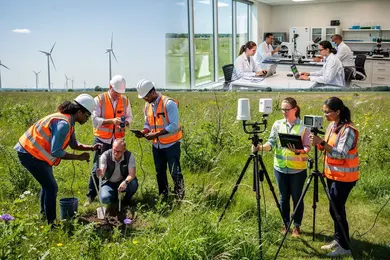
The Environmental Science field increasingly integrates remote and hybrid work arrangements, driven by advances in geographic information systems (GIS), remote sensing software like ENVI, and cloud-based data platforms that graduates often master during their studies. Programs incorporating digital lab simulations and tools such as ArcGIS provide essential technical fluency, equipping graduates for distributed team collaborations and virtual project management typical in consulting and research sectors.
According to a recent report from the U.S. Bureau of Labor Statistics, about 18% of environmental scientists engage in remote work, reflecting a cautious but growing shift. This trend signals that while digital skills are crucial, fieldwork and licensing requirements often constrain full-time remote roles. This article examines the suitability of remote Environmental Science jobs relative to degree curricula and career ambitions to aid informed professional decisions.
Key Points About Environmental Science Degrees That Lead to Remote Jobs
- Remote data analysis roles in environmental consulting demand advanced GIS and statistical skills; employers expect verified certifications, posing a barrier for those lacking focused technical coursework or project experience.
- Environmental policy advising remotely benefits from practical experience and networking, as real-time collaboration drives hiring priorities; this limits entry for graduates without internships or industry contacts.
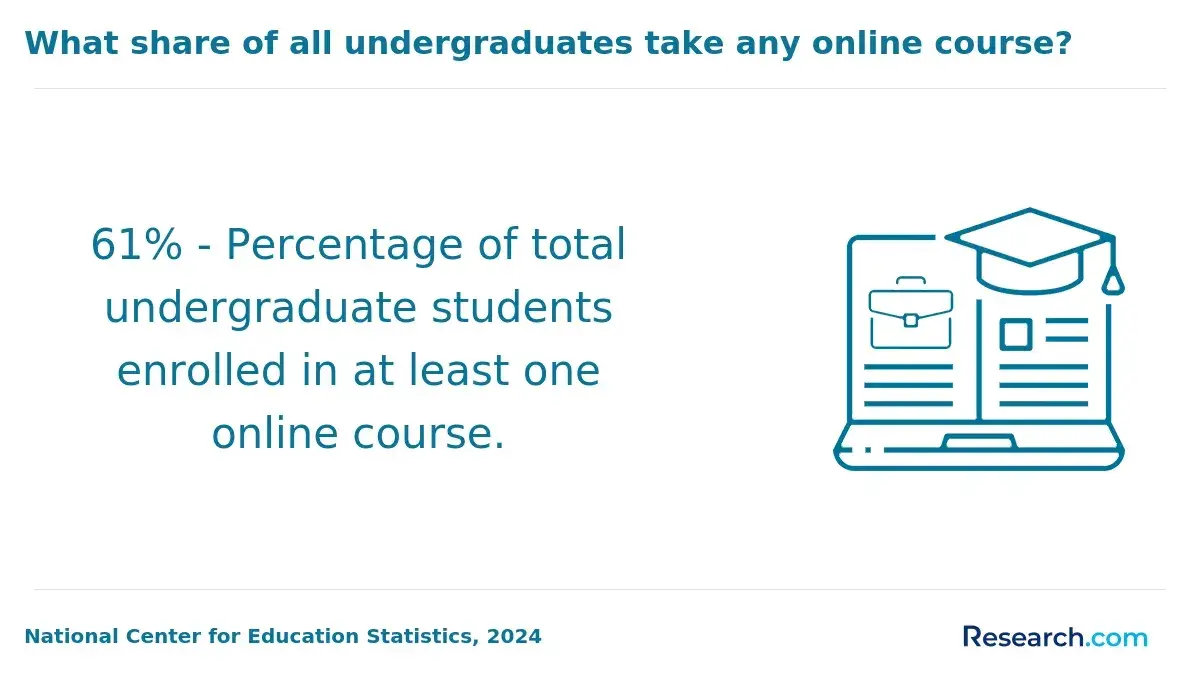
- Growing online environmental education enrollments, according to a 2024 National Center for Education Statistics report, improve access but increase program variability, requiring students to strategically assess curriculum rigor for long-term career growth.
Is it possible for Environmental Science graduates to work remotely?
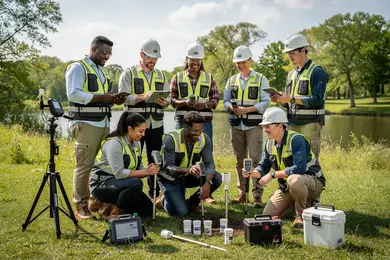
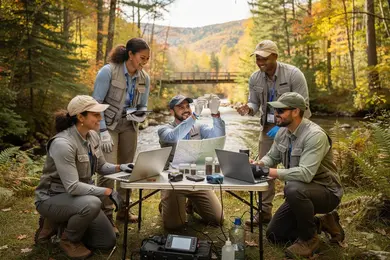
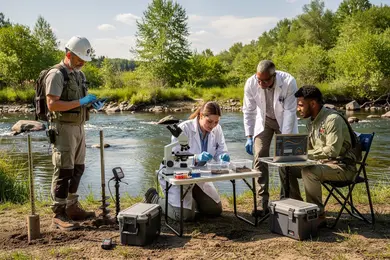
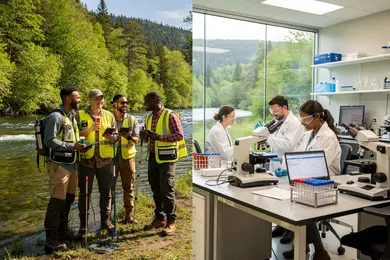
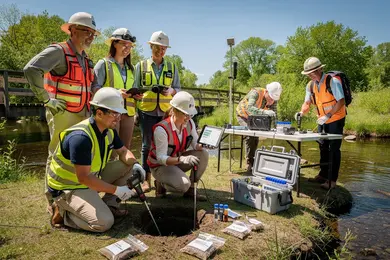
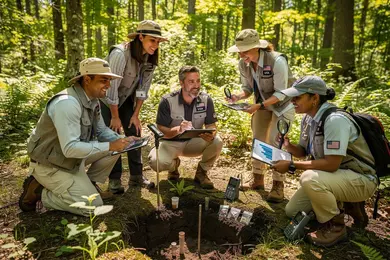
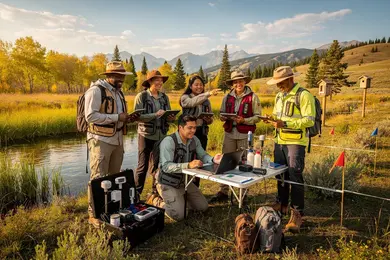
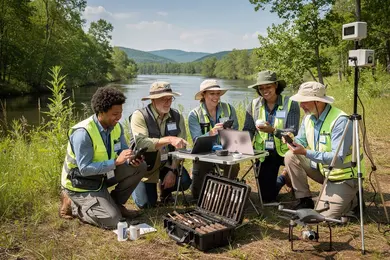
Remote work options for environmental science graduates depend heavily on job functions and employer practices. Roles requiring hands-on fieldwork, laboratory experiments, or on-site environmental assessments typically offer limited remote flexibility. However, the expansion of digital tools and data-driven tasks has created pockets of remote or hybrid opportunities, especially where independent analysis and reporting are central.
Positions suited to remote or hybrid formats often include environmental consulting focused on data interpretation, policy research involving document preparation, GIS specialist roles leveraging spatial software, and education or outreach jobs using virtual platforms. These jobs emphasize computer-based skills and independent project management but may involve periodic in-person collaboration or field visits.
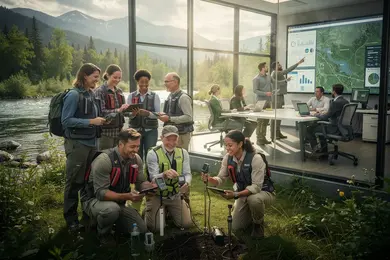
Graduates should anticipate a need for adaptability in managing mixed work settings that blend remote, office, and field components. While remote opportunities are increasing, especially in analytical and communication-heavy areas, the field's collaborative and experiential demands mean purely remote positions remain relatively rare. Navigating these tradeoffs is crucial for aligning career goals with employer expectations and the evolving environmental sector landscape.
What are the typical entry-level remote positions for new Environmental Science graduates?
Entry-level remote environmental science jobs do exist for recent graduates, though these roles often revolve around desk-based analysis, digital communication, and project coordination rather than extensive fieldwork. The following examples illustrate typical entry-level remote positions for environmental science graduates, highlighting roles that blend technical skills with virtual collaboration.
- Environmental Data Analyst: This position focuses on gathering and interpreting environmental datasets using software such as geographic information systems (GIS) or statistical tools. Since it involves working extensively with digital data platforms, it suits remote work environments that demand analytical expertise.
- Environmental Consultant Assistant: Supporting senior consultants with research, report writing, and client communications often occurs remotely, relying on digital document management and virtual meetings to maintain flexible collaboration with teams and stakeholders.
- Regulatory Compliance Coordinator: Entry-level coordinators assist in reviewing regulatory documents and tracking project compliance, tasks that fit well within remote or hybrid setups due to their emphasis on document review and agency communication conducted online.
- Environmental Outreach Coordinator: Managing outreach initiatives, creating educational content, and organizing virtual community events leverages digital platforms, making this role adaptable to remote arrangements while requiring strong communication skills.
- Remote Research Assistant: Assisting with literature surveys, synthesizing environmental research, and preparing reports typically offers flexible scheduling and location independence, with remote supervision supporting independent project contributions.
These roles reflect a recurring theme where entry-level remote positions depend primarily on software proficiency, written communication, and self-direction rather than frequent site visits. While many employers offer remote positions, some degree of hybrid engagement including occasional in-person meetings remains common to facilitate practical learning and networking.
Success in remote positions often hinges on mastering relevant environmental software and developing disciplined work habits. For those exploring online programs that pay well as a pathway to these roles, selecting degree options with robust digital components can enhance readiness for remote environmental science work.
Are there senior-level remote positions for Environmental Science professionals?
Senior-level remote roles specifically tailored for new Environmental Science graduates remain limited, as these positions generally demand substantial experience and proven leadership in managing complex projects or regulatory requirements. However, those progressing into remote leadership roles for environmental science professionals will find several career paths that balance offsite work with occasional site engagement.
Below are five senior-level jobs frequently available in remote or hybrid formats:
- Environmental Data Scientist: This role emphasizes analyzing extensive environmental datasets such as climate models or pollution metrics. Most tasks are computer-based, involving statistical methods and predictive analytics, which are well suited for remote work. Professionals support decision-making by translating technical data for stakeholders without needing physical presence.
- Senior Environmental Consultant: Senior consultants lead client advisory services and environmental assessments, often coordinating with both remote teams and onsite staff. Their responsibilities combine virtual communication with occasional field collaboration, providing flexibility while ensuring comprehensive project oversight.
- Environmental Compliance Manager: Compliance managers track regulatory developments, direct evaluation processes, and implement sustainability initiatives, typically working remotely. Although inspections and audits may require on-ground representatives, strategic direction and reporting are largely offsite functions.
- Climate Change Policy Analyst: Concentrated on policy research and strategy formulation, these analysts draft reports and engage with agencies or NGOs mostly through digital channels. Their document- and discussion-heavy workload lends itself to remote arrangements without significant field involvement.
- Director of Sustainability Programs: This executive role demands broad program oversight, interdepartmental coordination, and stakeholder engagement. Many organizations allow these leaders to operate remotely or in hybrid settings to balance strategic planning with periodic in-person meetings.
While fully remote senior-level environmental science roles often combine digital fluency with independent work capacity, practical limitations such as site visits or stakeholder interaction still influence job structures. Individuals aiming for senior remote positions should weigh these operational tradeoffs carefully. For those considering educational paths, researching the cheapest online university options can facilitate acquiring credentials compatible with remote job expectations.
Which industries hire the most remote workers with Environmental Science degrees?
Environmental science graduates find remote positions across various sectors where their skills in data analysis, reporting, and advisory work are highly applicable. The following industries represent the most active employers of remote environmental science professionals:
- Consulting and Advisory Services: Environmental scientists in this sector frequently perform remote regulatory compliance reviews, environmental impact assessments, and client consultations, leveraging digital communication and modeling tools.
- Government and Policy Agencies: Numerous state and local government roles now blend remote work with occasional field duties, focusing on environmental program management, monitoring, and policy reporting.
- Research and Academia: While hands-on lab and fieldwork remain site-based, most data interpretation, grant writing, and collaboration tasks have transitioned to remote settings.
- Environmental Technology and Software Development: This industry hires environmental science experts for remote roles that involve interpreting environmental data and contributing to the design and development of monitoring and GIS software solutions.
- Non-Governmental Organizations (NGOs) and Advocacy: Many NGOs depend on remote work for research, campaign coordination, and policy drafting, enabling flexible geographic arrangements for environmental scientists.
Consulting and technology companies lead in creating fully remote teams due to the largely digital nature of their workflows. Government positions often require balancing desk-centric responsibilities with field verification. Meanwhile, NGOs typically offer flexible arrangements that accommodate research and advocacy functions. Even with this rise in remote availability, candidates must assess job specifics closely since certain roles continue to demand significant in-person fieldwork or laboratory presence.
How do salaries differ for remote vs on-site roles in Environmental Science?
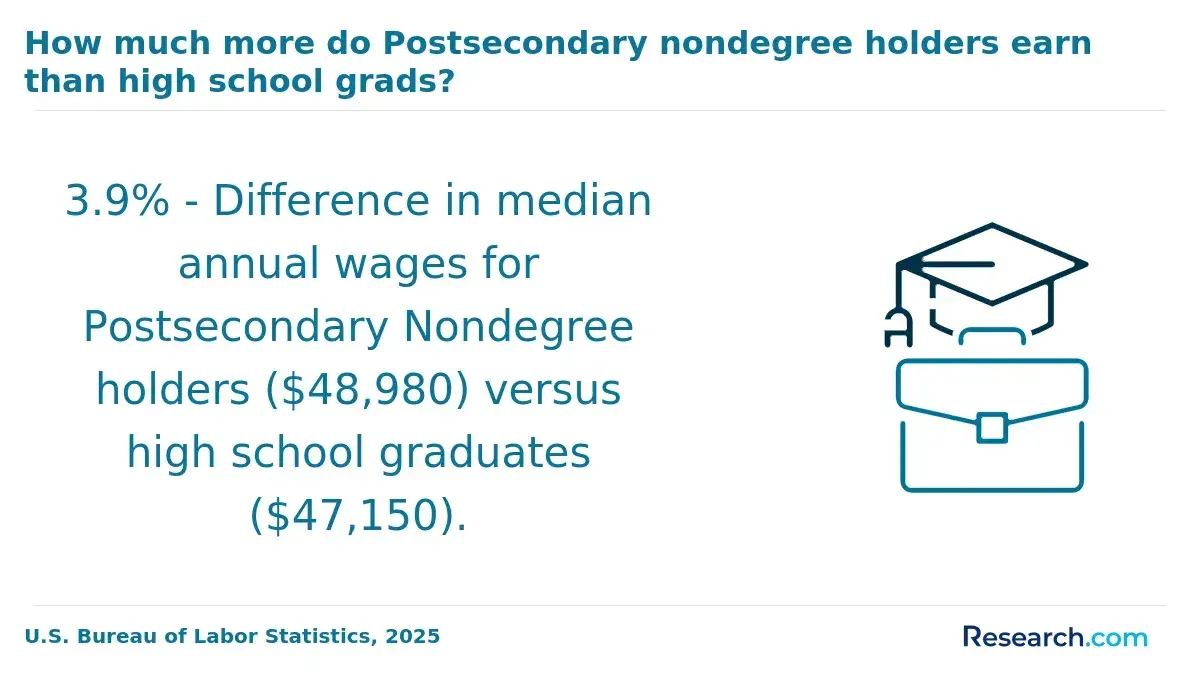
Salary differences between remote and on-site environmental science jobs often reflect geographic cost-of-living adjustments. Employers typically offer slightly lower base salaries for remote positions, particularly when workers reside in lower-cost regions compared to metropolitan centers where on-site roles are based. This pay tiering aligns compensation with local market conditions rather than applying uniform rates regardless of location.
Specialized roles such as climate modelers, GIS analysts, and environmental data scientists defy some of these trends due to talent scarcity and high demand. In these cases, remote environmental science salaries comparison reveals that companies may maintain or even increase pay to secure qualified candidates, minimizing the typical penalty for flexible work. Larger organizations adopting hybrid models also show varied salary patterns, balancing remote allowances with on-site premiums.
Those exploring remote career options should consider how salary structures embed regional wage scaling and skill-specific premiums. Understanding these employer strategies is crucial when evaluating the financial implications of remote work in environmental science, alongside practical considerations of job function and expertise.
For related educational pathways offering flexible learning formats, exploring online PsyD programs highlights the growing acceptance of remote modalities across professional fields.
What are the common challenges of working remotely with an Environmental Science degree?
Remote work for environmental science graduates entails multiple inherent difficulties linked to the nature of the discipline and workplace dynamics. Below are five key challenges that often shape the remote work experience, along with strategies professionals might consider to mitigate these issues.
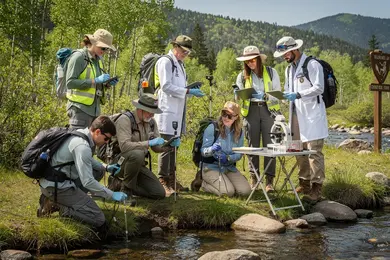
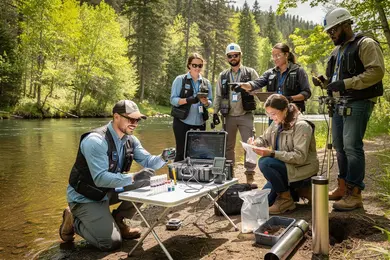
- Restricted Field and Lab Access: Much of environmental science relies on hands-on data collection and laboratory analysis, which is challenging to perform remotely. Professionals may need to coordinate hybrid schedules or access shared facilities periodically to maintain data quality and project integrity.
- Slower Collaboration and Higher Error Risk: Environmental projects often require rapid interpretation of complex data, and remote communication can delay feedback and heighten misunderstandings. Using synchronous collaboration tools and scheduled real-time meetings can partially offset these drawbacks.
- Data Security Concerns: Handling sensitive ecological or geographic information remotely raises vulnerabilities in data protection. Investing in secure, encrypted IT systems and strict access controls is essential to uphold confidentiality and compliance.
- Proximity Bias in Career Development: Being physically distant from office environments can reduce visibility in informal networks, impacting performance reviews and mentorship opportunities. Proactively engaging in virtual networking and regular updates with supervisors can help to counteract this bias.
- Technical Infrastructure Variability: Disparities in employer-provided technology and remote work support create uneven experiences for environmental science workers. Professionals should advocate for adequate resources and maintain adaptable workflows to stay productive despite infrastructure gaps.
The environmental science professional I spoke with after graduating from an online bachelor's program shared how fieldwork setbacks and communication delays often led to frustration. He noted, "Coordinating sample collection schedules remotely was tricky, and sometimes I felt out of sync with my team's faster decisions at the office."
He also emphasized how managing data security required constant vigilance and additional training. Despite these issues, he adapted by setting firm check-in routines and leveraging local facilities when possible. "Remote work demanded more upfront planning and networking effort, but it also pushed me to develop stronger self-management skills," he reflected.
Are there certifications that can improve remote hiring outcomes for Environmental Science graduates?
Obtaining certifications can significantly enhance the prospects of environmental science graduates seeking remote work, especially as employers often prioritize validated expertise alongside practical skills. Below are key certifications that improve hiring outcomes for remote roles by aligning with industry demands and remote work functions.
- Certified Environmental Professional (CEP): This credential validates expertise in environmental regulations and project management, making candidates more competitive for remote positions involving compliance and oversight. Applicants typically need a mix of education, work experience, and a comprehensive exam.
- Registered Environmental Manager (REM): REM focuses on regulatory compliance and operational excellence, commonly required for remote consulting or environmental auditing positions. Eligibility usually includes verified professional experience and passing a certification exam.
- Leadership in Energy and Environmental Design (LEED): LEED accreditation is critical for remote consultancy roles related to sustainable design and green building standards. Candidates usually undergo training and must pass a specialized exam from the U.S. Green Building Council.
- Certified Hazardous Materials Manager (CHMM): Targeted at professionals working with contamination and remediation, CHMM supports remote opportunities in environmental health and safety sectors. Certification prerequisites include relevant professional experience and passing a national exam.
- Geographic Information System Professional (GISP): GISP certification benefits those utilizing spatial data and remote sensing, skills in growing demand for environmental analysis. Requirements involve a combination of education, work experience, and professional contributions verified by the GIS Certification Institute.
While pursuing these certifications, environmental science graduates should weigh costs and preparation time against the remote job market's practical demands. Many employers value these credentials as strong indicators of certified remote work skills for environmental science graduates, yet experience remains a vital complement.
For those exploring diverse career paths, understanding certificate relevance within specific remote roles is essential. Further strategic guidance for career development can be found by exploring programs like an accelerated business administration degree online to enhance cross-disciplinary competencies.
How can Environmental Science degree students increase the chances of landing remote roles?
Environmental science degree students aiming for remote positions must align their skills with what remote employers prioritize, emphasizing self-guided work and clear communication. Practical steps improve how candidates present their qualifications. Below are key strategies to increase hiring prospects:
- Develop Digital Portfolios with Real Projects: A strong online portfolio showcasing case studies, data analyses, and field research summaries demonstrates applied knowledge and problem-solving skills relevant to remote environmental roles. Including repositories with Python or R scripts signals technical competence with data processing, a core demand from employers.
- Master Remote Collaboration Tools: Proficiency in platforms like GitHub, Trello, and Slack is essential since these shape daily workflows for dispersed teams. Familiarity with these tools supports efficient communication and project management without direct supervision.
- Leverage Niche Networking Channels: Engaging in specialized groups on Slack or LinkedIn tailored to environmental consulting and sustainability helps candidates connect with recruiters and industry peers, expanding access to remote job listings beyond general boards like We Work Remotely or FlexJobs.
- Practice Asynchronous Screening Exercises: Preparing for timed virtual simulations or project-based tests is critical. These assessments evaluate candidates' technical skills alongside their capacity to manage deadlines and communicate findings independently, reflecting common remote work scenarios.
- Build a Strong Online Professional Presence: Active participation in relevant remote internships, freelance projects, and maintaining an updated profile on platforms such as LinkedIn aligns with what employers seek. This visibility enhances the chances of being noticed and hired in remote environmental science roles.
Environmental science degree students can increase their chances of landing remote roles by focusing on developing relevant remote work skills, such as proficiency in data analysis software and virtual collaboration tools. For those exploring educational paths, programs highlighted among environmental engineering degrees online can offer accessible routes to gain these competencies.
How do remote Environmental Science roles impact long-term career trajectory and promotions?
Remote environmental science roles shift the focus from physical presence to measurable results, altering traditional career growth models. Without face-to-face interaction, supervisors increasingly rely on digital tools to assess performance, emphasizing outcomes, communication clarity, and self-directed project management. Advancement is less tied to tenure and more to demonstrated impact and effective use of collaboration platforms.
Environmental science professionals working remotely must proactively communicate accomplishments and leadership capabilities in documented, accessible ways. Building visibility requires active participation in cross-functional initiatives and mastering digital workflows that replace informal office interactions.
Networking in remote settings depends heavily on virtual engagement through specialized forums and online workshops, demanding a deliberate approach to maintain professional relationships. The absence of spontaneous, in-person recognition means individuals must consistently articulate contributions and initiative.
This dynamic necessitates strategic adaptation: success hinges on visibility through digital presence and a capacity to lead projects independently while navigating distributed team environments. Understanding these nuances enables environmental science workers to manage the tradeoffs of remote employment without sacrificing long-term career momentum.
Is a remote career in Environmental Science sustainable for the next decade?
Remote careers in environmental science face mixed prospects due to the field's operational demands and evolving technology. While cloud computing, GIS, and remote sensing increasingly enable data analysis and team collaboration from afar, many roles still require hands-on fieldwork or on-site environmental assessments.
Employers often expect environmental professionals to be flexible, balancing remote responsibilities with periodic travel or hybrid schedules to meet project needs and regulatory requirements. Emerging technologies like advanced drones, AI-enhanced data processing, and integrated cloud platforms suggest that remote capabilities will continue expanding. However, these tools do not fully replace the necessity for direct environmental interaction.
Economic fluctuations and variable corporate approaches to remote work further influence job availability and structure in this sector. Consequently, environmental science graduates pursuing remote roles must stay current with technical skills and be prepared for operational complexities that limit fully remote arrangements.
When asked about the sustainability of remote environmental science careers, a professional who completed an online bachelor's program reflected on the practical challenges encountered. He shared that despite strong digital skills acquired during his studies, "the real test was adapting to roles demanding site visits and regulatory inspections, which can't be done remotely."
He emphasized the emotional strain of shifting between remote data work and unpredictable field assignments, noting, "It requires constant planning and flexibility, not just academic knowledge." His experience underscores the need for resilience and multifaceted competence to thrive in this evolving landscape.
What Graduates Say About Environmental Science Degrees That Lead to Remote Jobs
- Louie: "My environmental science degree was essential in landing a remote role focused on data analysis for a consulting firm. Early on, I realized employers prioritized real-world experience and robust portfolios over formal licensure, which pushed me to complete multiple internships. Working remotely has its challenges, like managing cross-time-zone communications, but the flexibility allows me to balance continuous learning with client projects."
- Zamir: "After graduating with a degree in environmental science, I aimed for remote roles to stay adaptable and broaden my opportunities. The hiring process was tough, especially competing against candidates with field certifications, but my coursework and a well-curated portfolio helped me stand out. Remote work in this field can slow salary growth without certain credentials, yet it offers a faster path into the workforce and the chance to pivot into related areas like sustainability consulting."
- Matthew: "Landing a remote position post-degree in environmental science required more than just academic success-it was about demonstrating practical skills through internships and project work. I've found that employers value hands-on experience and the ability to troubleshoot environmental data remotely. While the role demands a high degree of self-motivation, the reduced commute and access to diverse projects across regions have made my career progression uniquely rewarding."
Other Things You Should Know About Environmental Science Degrees
Programs with mandatory fieldwork or lab components can limit flexibility in attending fully remote classes and may affect how well students adapt to remote work culture. While hands-on experience is critical in environmental science, those aiming for remote roles should seek programs offering virtual labs or blended course options. Prioritizing curricula that integrate remote collaboration tools and data analysis software better prepares students for the digital workflows common in remote environmental positions.
Employers often weigh program reputation heavily, especially for remote candidates without in-person networking opportunities. Graduates from well-known, properly accredited institutions tend to face fewer credibility obstacles when applying for remote roles, as credentials can serve as a proxy for validated skills and knowledge. Prospective students considering remote career paths should prioritize accredited schools with strong alumni networks in sectors offering virtual work, since this can significantly shorten job search times and improve hiring outcomes.
Remote environmental roles often demand self-motivation and excellent time management, as supervision is minimal and project deadlines remain strict. Without clear boundaries, employees risk burnout or decreased productivity. Students must develop strong organizational skills during their education, perhaps through remote internships or project-based courses, to succeed long-term. Choosing a program that integrates remote teamwork and independent research can simulate the real-world demands of remote environmental careers and build critical self-management habits.
References
- Remote Working Environment Challenges in the Context of the Covid-19 Pandemic | Journal of Asian Business Strategy https://archive.aessweb.com/index.php/5006/article/view/4353
- Ultimate Guide to Sustainability Certifications for Job S... https://scale.jobs/blog/ultimate-guide-to-sustainability-certifications-for-job-seekers
- 17 Benefits and Challenges of Remote Working from Workplaceless https://www.workplaceless.com/blog/benefits-and-challenges-of-remote-working
- Onsite vs Remote vs Hybrid Jobs: Salary, Pros & Cons | Blog https://www.ttecjobs.com/en/onsite-vs-remote-vs-hybrid-jobs-salary-differences-pros-and-cons
- Remote Climate Jobs - Find remote environmental & sustainability jobs! https://www.remoteclimatejobs.com/
- Environment Career Profiles Research - 2025 https://www.environmentaljobs.com.au/environmental-career-paths
- Remote Environmental Jobs | Working Nomads https://www.workingnomads.com/remote-environmental-jobs
- Remote Environmental Jobs https://www.virtualvocations.com/q-remote-environmental-jobs.html
- Where could a career in Environmental Science take you? https://eo-cdt.org/where-could-a-career-in-environmental-science-take-you/
- Certification Guide for Young Professionals - Board for Global EHS Credentialing https://gobgc.org/professional-environmental-certifications-professionals/