
2027 Can You Complete an Online Sports Analytics Degree Program While Working Full-Time?

Co-Founder and Chief Data Scientist
Working full-time while pursuing an online sports analytics degree presents significant challenges, including managing work responsibilities, family time, and demanding coursework. Nearly 40% of online students in the U.S. are adults balancing jobs and studies, highlighting the prevalence of this effort. With sports analytics programs requiring data analysis and statistical skills, time management becomes crucial for success.
This article will help busy professionals assess whether an online sports analytics degree fits their lifestyle by examining program flexibility, time requirements, and practical strategies to juggle commitments effectively, all grounded in current educational research and student experiences.
Key Benefits of Completing an Online Sports Analytics Degree Program While Working Full-Time
- Flexible scheduling lets full-time workers study during evenings or weekends, fitting coursework around busy jobs in sports analytics roles.
- Online programs often offer recorded lectures, enabling students to review complex data modeling techniques crucial for in-game performance analysis.
- Real-world projects mimic analytics tasks like player performance tracking, helping professionals apply new skills directly to careers in sports management or coaching.
How Long Does It Take to Complete an Online Sports Analytics Degree While Working Full-Time?
The duration of an online sports analytics degree for working professionals varies widely depending on enrollment status, course structure, prior academic credits, and specific program demands. How long to finish sports analytics degree while working full-time depends largely on managing study alongside job commitments and program flexibility.
Key factors influencing completion time include:
- Enrollment Status: Full-time study typically enables degree completion in about one year, while part-time enrollment extends the duration to around two years. Part-time schedules are common for professionals balancing one or two courses per term.
- Course Format: Asynchronous and accelerated options, such as eight-week sessions, provide flexibility to fit coursework around a full-time job. However, these formats still require a consistent weekly study commitment.
- Transfer Credits or Waivers: Some programs accept prior academic work or professional experience for credit, reducing required coursework and accelerating completion.
- Weekly Study Commitment: Most working students report spending 10-15 hours per week on studies. Maintaining this balance along with full-time work demands strong time management.
- Program-Specific Requirements: Capstone projects, practicums, or internships often add to the overall time needed, particularly if flexible scheduling is limited by work obligations.
For those seeking programs designed with busy professionals in mind, the University of Mississippi's online Master of Science in Sport Analytics, for example, can be finished in one year full-time or two years part-time. Lasell University also offers eight-week asynchronous sessions and allows up to six credits to be waived for prior coursework.
Those interested can explore more options in 1 year masters degrees tailored to working students, helping estimate the practical duration of online sports analytics degree for working professionals.
Is an Asynchronous or Synchronous Online Sports Analytics Program Easier for Students Working Full-Time?
Asynchronous online sports analytics programs are generally easier for students working full-time because they provide flexible scheduling, allowing learners to complete coursework at their own pace. This flexibility is essential for managing both professional duties and personal commitments, ensuring students can meet deadlines without attending real-time sessions.
The course format significantly impacts a full-time worker's ability to balance studying with job demands, making the best online asynchronous sports analytics programs for working professionals a practical choice for many.
In contrast, synchronous programs require attendance at scheduled live classes, which can be challenging for full-time employees with unpredictable hours. However, synchronous formats offer advantages of synchronous sports analytics degree for full-time employees, such as immediate interaction during real-time sports data analysis and collaborative projects.
Asynchronous courses allow professionals to review game footage or coding exercises outside business hours, enhancing time management. Synchronous programs foster engagement through live Q&A and simulations but may limit flexibility. For those exploring options, understanding these differences is key to finding a path aligned with their schedule and learning style, especially if seeking certified jobs that pay well.
What Time Management Strategies Help Online Sports Analytics Students Working Full-Time?
Effective time management is essential for online sports analytics students who maintain full-time employment, as juggling both demands can easily lead to overwhelm and missed academic goals. Below are several proven strategies to help maintain balance and productivity.
- Prioritize Tasks: Develop a daily or weekly to-do list highlighting assignments, work projects, and personal duties. Focus first on high-impact responsibilities to minimize pressure from last-minute deadlines.
- Consistent Study Schedule: Allocate regular study blocks aligned with your peak focus periods. This steady routine fosters discipline and cuts down procrastination tendencies.
- Use Productivity Tools: Employ digital planners like Trello or Google Calendar to monitor coursework and set reminders, ensuring tasks are tracked and deadlines met efficiently.
- Chunk Assignments: Break large analytics projects into smaller, manageable parts with clear deadlines. Incremental progress prevents burnout and sustains motivation.
- Utilize Downtime: Turn short breaks or commutes into opportunities to review concepts, watch lectures, or catch up on readings, making the most of limited free time.
What Are the Biggest Challenges Full-Time Workers Face in Online Sports Analytics Programs?
Balancing a full-time job with the rigorous requirements of an online sports analytics degree can be demanding for many professionals. The combination of work pressures and the need for focused academic effort often creates significant hurdles. Here are three main challenges full-time learners frequently encounter:
- Time management and scheduling conflicts: Managing a full-time job alongside fixed assignment deadlines and collaborative projects can be overwhelming. Limited flexibility during peak work periods makes it difficult to stay on top of coursework, which may adversely affect learning and academic success.
- Technical skill acquisition: Sports analytics programs require mastering programming, data analysis, and statistical techniques. Full-time workers might struggle to allocate uninterrupted time needed to develop these specialized skills, essential for competing effectively in the evolving sports analytics job market.
- Networking and professional engagement: With limited chances to attend live events or interact with peers, online students working full-time may miss out on valuable networking opportunities. Building industry connections is crucial for career growth in sports analytics, making this a significant challenge for those balancing work and study.
How Do Online Sports Analytics Programs Handle Internships for Full-Time Workers?
Internships remain a vital component of many online sports analytics degrees, providing practical experience crucial to career growth. However, full-time workers often struggle to meet these requirements due to limited time and conflicting schedules.
To ease this challenge, programs offer several adaptive internship models tailored for working professionals.
- Flexible Scheduling: Internships often provide remote tasks that can be completed outside standard working hours. This allows students balancing full-time jobs to manage responsibilities without sacrificing their education or employment.
- Remote and Project-Based Work: Many internships focus on data analysis and reporting projects that don't require physical presence. Students contribute asynchronously, making it easier for those with demanding work schedules to participate fully.
- Customizable Internship Portfolios: Students can often design internship projects aligned with their individual career goals. This flexibility enables them to highlight relevant skills without following rigid, traditional internship formats.
- Credit for Prior Experience: Professionals with substantial industry roles sometimes earn academic credit for equivalent work tasks. This option helps accelerate degree progress by acknowledging applicable real-world experience.
- Mentorship and Career Placement Support: Assigned mentors assist students by offering guidance, feedback, and networking opportunities. This support is critical for working learners who may have less time to independently seek career development resources.

What Technology Do You Need for an Online Sports Analytics Degree While Working Full-Time?
Balancing full-time work with an online sports analytics degree demands reliable and efficient technology to maintain productivity and engagement. The right tools ensure smooth access to coursework, facilitate interaction with instructors and peers, and support the complex analytical tasks involved.
Below are the key technology requirements for online sports analytics students aiming to succeed while managing job responsibilities.
- High-Performance Computer: A capable laptop or desktop is essential for running resource-intensive software like R, Python, and specialized sports data platforms. Adequate processing power and memory enable multitasking and smooth handling of large datasets common in sports analytics assignments.
- Stable High-Speed Internet Connection: Consistent internet access is critical to stream live webinars, participate in virtual discussions, and download or upload large files without disruption. This supports working professionals who often study during flexible or unconventional hours.
- Statistical and Data Analysis Software: Familiarity with and access to tools such as R, Python, and Tableau are necessary since they are the best software tools for sports analytics students. These programs help analyze player performance data and develop predictive models essential for coursework and real-world applications.
- Cloud Storage and Collaboration Tools: Platforms like Google Drive, Dropbox, and Microsoft OneDrive offer secure, anywhere access to files, helping students balance work and study environments. Communication tools like Slack and Microsoft Teams facilitate collaboration on group projects and instructor feedback.
- Virtual Learning Platform Access: Programs typically use platforms such as Canvas or Blackboard to host assignments, lectures, and discussion forums. These support asynchronous learning, enabling busy professionals to review content and complete coursework at their own pace.
For those considering an accelerated path, exploring a fast track associates degree can be an efficient option in building foundational skills toward a sports analytics career.
Can You Qualify for Financial Aid If You Study Online and Work Full-Time?
Financial aid is a crucial consideration for full-time professionals pursuing an online sports analytics degree, as balancing tuition costs alongside a demanding work schedule can be challenging. Knowing whether you can qualify for financial aid while working full-time is key to managing expenses and planning your education effectively.
Below are key factors that impact financial aid eligibility for working students in this field:
- Federal Financial Aid (FAFSA) Eligibility: Most accredited online sports analytics degree programs allow students to apply for federal financial aid by completing the Free Application for Federal Student Aid (FAFSA). Eligibility depends on enrollment status (usually at least half-time), citizenship, and financial need rather than employment status, meaning full-time workers can still qualify. For example, the University of Mississippi offers federal grants and loans to students who submit FAFSA.
- Program Type and Accreditation: Only degree programs such as bachelor's or master's in sports analytics generally qualify for federal aid. Certificate or continuing education programs, like NYU's Certificate in Sports Analytics, usually do not. Choosing an accredited degree program ensures eligibility for federal financial aid.
- Employer Tuition Assistance: Many employers offer tuition reimbursement or education benefits that can significantly reduce the cost of accredited online programs for full-time workers. Some universities also provide employee tuition discounts, such as the University of Mississippi's staff benefits, helping students balance work and study expenses.
- Enrollment Status and Flexibility: Although federal aid often requires at least half-time enrollment, many online programs cater to working professionals with part-time study options. However, enrolling part-time may reduce the amount or type of aid available, so it's important to verify specific program and aid requirements.
- External Scholarships and Grants: Working professionals may also access scholarships and grants from industry groups or foundations focused on sports management and analytics careers. These external funds can supplement federal aid or employer support, easing financial burdens while advancing your education.
For those evaluating the financial aspects of online degrees, exploring options like quick degrees that pay well may also provide insight into programs that balance cost, flexibility, and career outcomes effectively.
Do Employers Support Employees Pursuing Online Sports Analytics Degrees in 2027?
Employer support has become a crucial factor for full-time professionals considering an online sports analytics degree, as balancing academic demands with job responsibilities is often challenging. Workplace policies such as tuition assistance and flexible scheduling greatly influence whether employees can successfully complete their degrees while maintaining productivity.
Below are key insights into how employers typically support or hesitate to support employees pursuing online sports analytics programs.
- Tuition Assistance: Many employers provide tuition reimbursement or educational stipends, which ease the financial burden on working students. This form of employer tuition assistance for online sports analytics degrees signals a company's commitment to professional skill development.
- Flexible Work Schedules: Flexible hours, remote work options, and compressed workweeks help employees manage synchronous classes and assignments without conflicting with peak workload periods. Such policies make online learning more accessible alongside demanding job responsibilities.
- Career Advancement Incentives: Some organizations offer clear promotion paths or new responsibilities contingent on degree completion. Incentives encourage employees to develop specialized knowledge, like advanced data modeling or analytics software, making them valuable assets to their teams.
- Project-Based Learning Opportunities: Employer partnerships with sports analytics graduate programs sometimes allow employees to apply coursework directly to company data or projects. This hands-on integration helps blend academic knowledge with real-world challenges, benefiting both the employee and the organization.
- Concerns About Job Performance: Despite benefits, some employers hesitate to provide extensive support due to fears that academic commitments might reduce productivity or cause burnout, especially during intense sports seasons or deadlines.
For professionals balancing work and study, understanding employer support options is essential. Those seeking well-supported pathways may also explore jobs you can pursue after trade school as part of a broader career strategy.
Does Completing an Online Sports Analytics Degree While Working Full-Time Improve Your Salary?
Completing an online sports analytics degree can enhance your earning potential, influenced by several key factors. High industry demand, especially within professional sports leagues and betting sectors, has pushed salaries upward. The degree level plays a significant role; advanced qualifications like a master's often attract better compensation.
Employer attitudes toward online degrees vary, but those recognizing combined education and relevant work experience tend to offer higher pay. Practical experience alongside formal education further strengthens salary prospects by demonstrating applied skills in the field.
Continuing full-time employment while studying offers multiple benefits. It increases chances for promotion by showcasing dedication to both career and education, improves job security as employers value upskilling, and allows immediate application of new analytics techniques to current responsibilities, providing tangible workplace results.
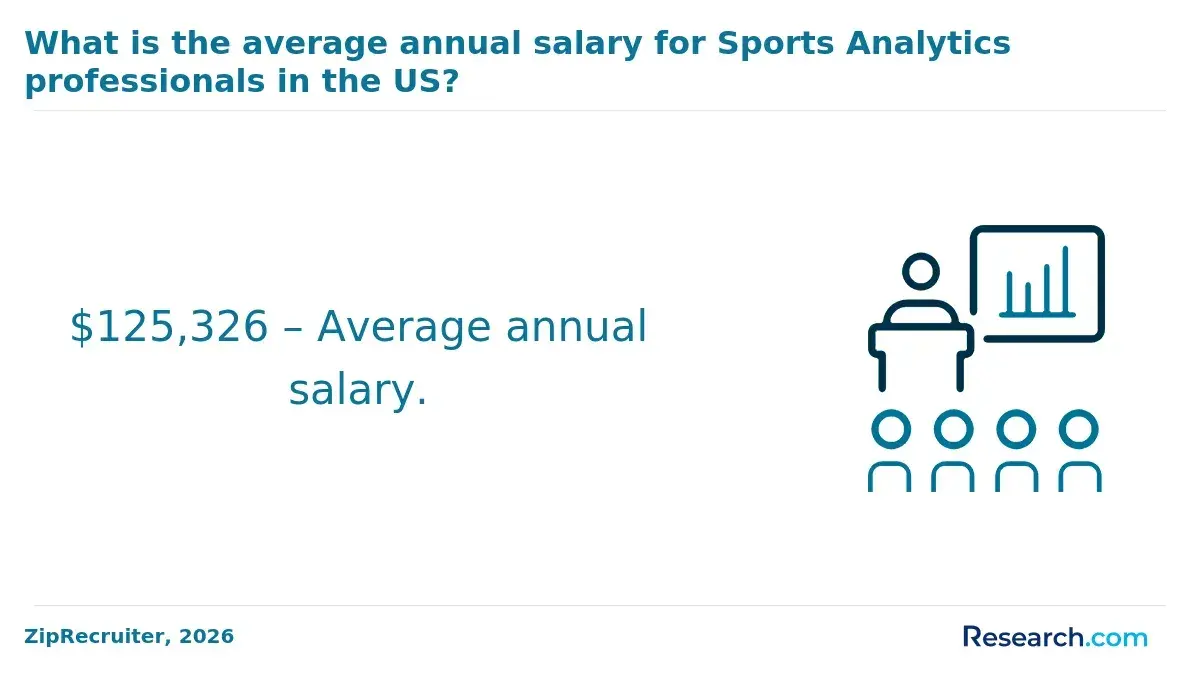
Nevertheless, salary improvements and career advancement depend heavily on factors such as the employer's policies, the specific sports industry segment, and broader economic conditions. For instance, professionals in major markets may earn average salaries around $125,000, with top salaries nearing $165,000 annually, but these figures vary widely based on location and employer valuation of ongoing education and experience.
What Should Full-Time Workers Look for When Choosing an Online Sports Analytics Program?
Choosing the right online sports analytics program is crucial for full-time workers, as the program's design directly impacts their ability to juggle professional and academic demands. A well-structured program can enable timely completion and reduce stress, improving the overall learning experience.
Key factors to consider include:
- Flexible Scheduling: Programs offering asynchronous classes and condensed terms, like 8-week sessions, allow students to study without disrupting their work schedules. This flexibility helps accommodate varying work hours, travel, and peak job seasons.
- Career-Relevant Curriculum: Coursework should emphasize practical skills such as data visualization, R and Python programming, and advanced analytics techniques tailored to real-world sports analytics applications.
- Support Services: Access to dedicated academic advising, technical help, and networking opportunities enhances the online learning experience and helps maintain motivation and progress.
- Admissions Considerations: Programs valuing professional experience might waive certain standardized tests, easing the application process for busy professionals.
- Program Reputation and Outcomes: Successful placement rates, alumni outcomes, and industry partnerships indicate strong program quality and career benefits.
What Graduates Say About Completing an Online Sports Analytics Degree While Working Full-Time
- Kaysen: "Balancing full-time work with an online sports analytics degree was challenging but incredibly rewarding. The flexibility allowed me to set my own pace, and the cost was much more manageable compared to traditional programs. This degree has significantly boosted my confidence and opened up new career opportunities in the sports industry. "
- Charles: "Enrolling in an online sports analytics program while maintaining a full-time job demanded discipline, but the experience deepened my understanding of data-driven sports management. Reflecting on the affordable tuition, it truly feels like an investment that has paid off through both personal growth and professional advancement."
- Frima: "Pursuing a sports analytics degree online while working full-time was a strategic move that fit my busy schedule perfectly. The program's design helped me apply what I learned in real-time at work, which was priceless. Considering the reasonable cost of attendance, I consider this education invaluable for my career development. "
Other Things You Should Know About Sports Analytics Degrees
Yes, balancing a full-time job and an online sports analytics degree in 2027 is possible with effective time management strategies. Prioritize tasks, create a structured schedule, and communicate openly with your employer and academic advisors to align responsibilities.
Yes, most online sports analytics programs include group projects and often use collaboration platforms like video conferencing and shared workspaces. Working full-time may limit synchronous meetings, but programs often provide flexible options to coordinate with peers asynchronously. Communication and time management remain crucial to successfully completing group assignments.
References
- How to Become a Sports Analyst: What to Know https://news.miami.edu/uonline/stories/2025/09/how-to-become-a-sports-analyst.html
- What Is a Sports Statistician? And How to Become One https://www.coursera.org/articles/sports-statistician
- Postgraduate Diploma in Sports Analytics & Innovation | TU Dublin https://www.tudublin.ie/study/postgraduate/courses/sports-analytics---tu345/
- Time Management Skills for Young Athletes: A Guide for Success https://www.scholarsacademy.us/time-management-skills-for-young-athletes-a-guide-for-success
- How To Launch a Career in Sports Analytics https://www.workinsports.com/resourcecenter/jobseeker/pages/how-to-launch-a-career-in-sports-analytics
- What Jobs are Available in Sports Management? https://www.allbusinessschools.com/sports-management/online-degree/
- Can I Work Full-Time While Earning an Online Degree? https://www.athens.edu/online-degree-completion-programs-working-adults/can-i-work-full-time-while-earning-an-online-degree/
- Advice to aspiring sports analytics professionals - Posit https://posit.co/blog/advice-to-aspiring-sports-analytics-professionals/
- New Sport Data Analytics Program Meets Growing Market Demand | Canisius University - Buffalo, NY https://www.canisius.edu/news/new-sport-data-analytics-program-meets-growing-market-demand


