
2027 Can You Complete an Online Web Design Degree Program While Working Full-Time?

Co-Founder and Chief Data Scientist
Many full-time professionals wonder if they can successfully pursue an online web design degree while managing demanding work schedules and family commitments.
According to the National Center for Education Statistics, nearly 40% of undergraduate online students in the U.S. juggle full-time jobs, highlighting the growing need for flexible education options tailored to busy adults.
This article explores key factors affecting the feasibility of completing an online web design program while working full-time. By examining workload management, course structure, and time commitment, full-time professionals will gain practical insights to decide if this path fits their lifestyle and career ambitions.
Key Benefits of Completing an Online Web Design Degree Program While Working Full-Time
- Flexible scheduling enables full-time workers to access coursework anytime, fostering steady progress without sacrificing job commitments, crucial for mastering evolving web design tools like Adobe XD or Figma.
- Online interaction with peers and instructors supports networking and collaborative projects, mirroring real-world web design teamwork, enhancing learning while balancing professional deadlines.
- Immediate application of learned skills at work boosts retention and portfolio development, helping full-time employees advance in web design roles and competitive job markets efficiently.
How Long Does It Take to Complete an Online Web Design Degree While Working Full-Time?
The time it takes to complete an online web design degree while working full-time varies significantly based on several key factors. Most full-time students finish in about four years, but part-time students often require additional years to complete the program.
Here are the main factors affecting completion time for working professionals pursuing an online web design degree:
- Enrollment Status: Part-time enrollment, typical for full-time workers, usually involves taking 1-2 courses per semester rather than 4-5. This often doubles the usual completion time to five or six years.
- Course Format: Asynchronous online classes offer flexibility for evenings and weekends, while accelerated or year-round courses may shorten the program duration. Traditional semester pacing follows standard academic calendars and can extend completion time.
- Prior Credits/Transfer Courses: Students who transfer previous academic credits or relevant work certifications can significantly reduce their degree duration. This is a valuable option for those wanting to shorten the duration of online web design degree programs in the United States.
- Work Schedule and Study Hours: The ability to dedicate 15-20 hours weekly to coursework impacts progress. Balancing a full-time job with these study hours is essential for timely completion.
- Program Requirements: Capstone projects, internships, and practicum components may add extra time, especially when they require sequential completion or specific term scheduling.
Overall, most working students can expect to complete an online web design degree in 5-6 years, though highly motivated students leveraging accelerated options and transfer credits may finish sooner.
Those interested in efficient pathways might explore the best 6 month associate online programs as a potential stepping stone toward faster degree completion.
Is an Asynchronous or Synchronous Online Web Design Program Easier for Students Working Full-Time?
For students working full-time, an asynchronous online web design program is generally easier to manage than a synchronous one. This is because asynchronous courses offer greater flexibility, allowing students to access lectures and complete assignments on their own schedules.
Time management is crucial for balancing work and study, and asynchronous formats support this by accommodating irregular hours or last-minute work demands. Thus, asynchronous programs often better suit full-time professionals seeking an online web design degree flexibility for working professionals.
Asynchronous online web design programs enable learners to watch pre-recorded tutorials, engage in interactive design modules, and participate in discussions at convenient times, helping balance personal and professional responsibilities.
In contrast, synchronous programs require attendance at live sessions, which fosters real-time interaction and immediate feedback but demands strict adherence to scheduled class times.
This can prove challenging for full-time employees but benefits those who thrive on live collaboration, such as participating in live coding workshops or receiving instant critiques.
Choosing the best online web design program format for full-time employees depends on one's needs for flexibility versus live engagement. For more insight into related options, consider exploring what is the easiest masters degree to get.
What Time Management Strategies Help Online Web Design Students Working Full-Time?
Balancing a full-time job with an online web design degree demands strong time management to avoid stress and missed deadlines. Employing effective strategies can streamline study routines and maintain motivation.
Five research-backed approaches proven helpful include:
- Time-Blocking: Reserve consistent daily periods, like early mornings or late evenings, for focused work to combat distractions and optimize creativity during peak energy times.
- Task Batching: Combine similar activities such as coding or reviewing design concepts to minimize cognitive switching and enhance sustained productivity.
- Pomodoro Technique: Work in 25-minute intervals followed by breaks to sustain concentration on technical assignments while reducing burnout risks.
- Digital Productivity Tools: Use apps like Google Calendar or task managers to organize deadlines, prioritize tasks, and track progress systematically.
- Breaking Down Projects: Split large design tasks into smaller segments with mini-deadlines to keep momentum and prevent procrastination.
A student who completed her online web design degree while working full-time described how she initially struggled juggling unpredictable work hours and coursework. She emphasized that setting strict "study hours" and treating them like non-negotiable appointments was crucial.
Using task batching helped her switch less often between creative and technical tasks, preserving mental energy. Despite occasional exhaustion, she found that dividing major projects into manageable parts kept her motivated and on schedule.
Reflecting, she shared, "It wasn't easy, but those strategies didn't just help me finish the degree-they taught me discipline I now apply professionally."
Breakdown of Private Fully Online Nonprofit Schools

What Are the Biggest Challenges Full-Time Workers Face in Online Web Design Programs?
Balancing a full-time job while pursuing an online web design degree can be demanding due to the intense workload from both commitments. The combination of professional duties and academic expectations often leaves little room for rest or flexibility.
Here are the primary challenges faced by working professionals in online web design programs:
- Time Management: Coordinating work responsibilities with course deadlines requires strategic planning. Web design coursework often involves complex projects and learning new software, which can consume significant hours, making it difficult to maintain a healthy work-life balance.
- Continuous Learning Curve: The web design field evolves quickly, requiring students to constantly update skills in programming languages, design tools, and trends. Full-time workers may struggle to stay current while fulfilling job demands, slowing their progress in the program.
- High-Pressure Deadlines: Both professional and academic environments impose strict deadlines, with web design courses demanding regular project submissions and participation. Managing these overlapping pressures can lead to compromised quality or increased stress without proper time allocation.
How Do Online Web Design Programs Handle Internships for Full-Time Workers?
Completing an internship can be difficult for those balancing full-time employment, as these experiences often require substantial hours that overlap with regular workdays. Yet, internships remain vital in many online web design programs because they offer practical experience that strengthens portfolios and skills employers value.
To accommodate working students, programs often implement flexible internship models such as the following:
- Remote or Virtual Internships: These allow students to work on real projects from home according to their own schedule, which is ideal for managing full-time job responsibilities alongside internship tasks.
- Part-Time and Custom Scheduling: Students can usually spread internship hours over weeks or months or choose shifts during evenings or weekends, reducing conflicts with traditional work hours.
- Credit for Relevant Work Experience: Those already employed in related roles may apply their current job duties toward internship requirements if they align with learning goals and receive program approval.
- Summer and Intensive Options: Some schools offer concentrated internship periods during breaks, allowing students to focus solely on their internship when work demands are lighter.
- Portfolio-Based Alternatives: Experienced professionals can sometimes substitute an internship with a comprehensive portfolio or capstone project, demonstrating their applied skills without taking on extra placements.
When I spoke with a student pursuing an online web design degree while working full-time, he shared that the program's flexibility was crucial. He found juggling project deadlines and his day job stressful but appreciated that remote internship tasks could be completed late at night or weekends.
"It felt empowering to tailor my schedule, but it required discipline," he said. His employer's recognition of the skills he was building also helped ease the challenge, as he could sometimes integrate work tasks into his internship credits. Despite the occasional fatigue, he viewed the experience as a rewarding investment in his career transition.
What Technology Do You Need for an Online Web Design Degree While Working Full-Time?
Having the right technology is crucial for full-time professionals pursuing an online web design degree, as it enables seamless engagement with coursework alongside busy job schedules.
Without reliable devices and software, managing assignments, virtual classes, and projects becomes challenging, risking delays and reduced learning efficiency. To navigate the demands of both study and work, certain technological tools are essential.
Below are the key technology requirements to support working professionals studying web design online, highlighting the essential software and hardware for online web design degree success.
- Modern Computer (PC or Mac): A laptop or desktop with at least Windows 10 or macOS 12 is necessary to run industry-standard web design software and multitask efficiently. Full-time workers should select a portable, high-performance device to move smoothly between work, study, and personal responsibilities.
- High-Speed Internet Connection: Stable and fast internet is vital for streaming lectures, uploading projects, and participating in live discussions without interruptions. This connectivity is especially critical when using cloud platforms for file sharing and version control in web design workflows.
- Design and Development Software: Access to programs like Adobe Photoshop, Illustrator, and Dreamweaver is important for creating graphics, layouts, and prototypes. Additionally, familiarity with code editors such as Visual Studio Code or Sublime Text and frameworks like Bootstrap or Vue.js is often required for practical coursework.
- Collaboration and Productivity Tools: Platforms like Slack, Trello, or Microsoft Teams facilitate communication with peers and instructors while helping manage tasks and deadlines. Utilizing cloud storage services like Google Drive or Dropbox ensures secure access to files from anywhere, crucial for students balancing full-time jobs.
- Updated Web Browsers: The latest versions of Chrome or Firefox ensure compatibility with online course systems and enable effective testing of website projects. Keeping browsers current also protects against security risks and provides access to modern web design features.
Choosing the best laptop and tools for working professionals studying web design involves focusing on hardware and software that offer both reliability and flexibility.
For those exploring future career options, understanding how technology supports academic success ties into broader decisions about education paths, such as pursuing some of the best paying master's degrees in related fields.
Can You Qualify for Financial Aid If You Study Online and Work Full-Time?
Financial aid is a vital factor for full-time professionals pursuing an online web design degree, as it helps mitigate tuition costs while managing a career. Balancing work and study can strain finances, making a clear understanding of financial aid eligibility for online web design degree programs essential.
Several key considerations impact whether full-time workers can get financial aid for online college.
- Accreditation of the Online Program: Eligibility for federal financial aid requires enrollment in an accredited institution recognized by the U.S. Department of Education. This ensures access to grants, loans, and scholarships but excludes many unaccredited online courses.
- FAFSA and Federal Aid: The Free Application for Federal Student Aid (FAFSA) opens the door to federal grants, including the Pell Grant, loans, and select scholarships. Working full-time doesn't disqualify applicants, though income levels influence need-based aid eligibility.
- Employer Tuition Assistance: Nearly half of U.S. employers provide tuition reimbursement or educational assistance, which can cover portions of online web design coursework. This benefit supports working professionals who want to advance their skills without bearing the full financial burden.
- Private Scholarships and Grants: Various private scholarships target online learners or those in technology fields. These often consider employment status and study focus, offering full-time workers opportunities to secure non-repayable aid that reduces dependence on loans.
- Enrollment Status and Aid Type: Aid eligibility may vary based on full-time or part-time enrollment. While federal loans are available to part-time students, grants like Pell are prorated relative to credit load. Full-time employees might prefer part-time study to balance work demands, so knowing how enrollment affects aid is critical.
Additionally, exploring options for accelerated education, such as 2 year doctoral programs, can help professionals optimize their time and financial aid benefits more efficiently.
Do Employers Support Employees Pursuing Online Web Design Degrees in 2027?
Employer support has become a crucial factor for full-time professionals pursuing online web design degrees, as balancing academic work with job responsibilities can be challenging. Workplace policies, such as flexible scheduling and tuition assistance, play a significant role in enabling employees to manage both roles effectively.
The following points highlight common ways employers support-or sometimes limit-online web design students.
- Tuition Assistance: Many companies provide employer tuition reimbursement for online web design degree programs, reducing financial barriers for employees. For example, some tech firms offer up to $5,250 annually to help cover program costs, promoting skills aligned with business needs.
- Flexible Scheduling: Employers often allow flexible work hours or remote arrangements to help students accommodate class times and study sessions. This flexibility is especially valuable during critical academic periods, helping employees maintain productivity while advancing their education.
- Career Advancement Incentives: Degree completion can be tied to eligibility for promotions or specialized roles within digital teams. Earning an accredited online degree often opens doors to salary increases and career growth in web design and related fields.
- Recognition of Skills: Employers appreciate technical, project management, and collaboration skills gained through online programs. These competencies enhance workplace efficiency and innovation, benefiting both employees and their teams.
- Performance Concerns: Some managers remain cautious about supporting online studies, fearing that coursework might reduce job performance. They may require employees to complete education outside business hours or limit financial support to prioritize company productivity.
Overall, employer support for online web design students varies but is increasingly viewed as mutually beneficial. For employees seeking growth, understanding these policies can be as important as evaluating the academics.
Professionals can also explore best trade school jobs that pay well to align their skills and career goals with high-demand opportunities.
Does Completing an Online Web Design Degree While Working Full-Time Improve Your Salary?
Completing an online web design degree while working full-time can impact salary growth, but several factors influence outcomes. Industry demand for web design remains strong, with median salaries around $98,090 in 2024 for web and digital interface designers.
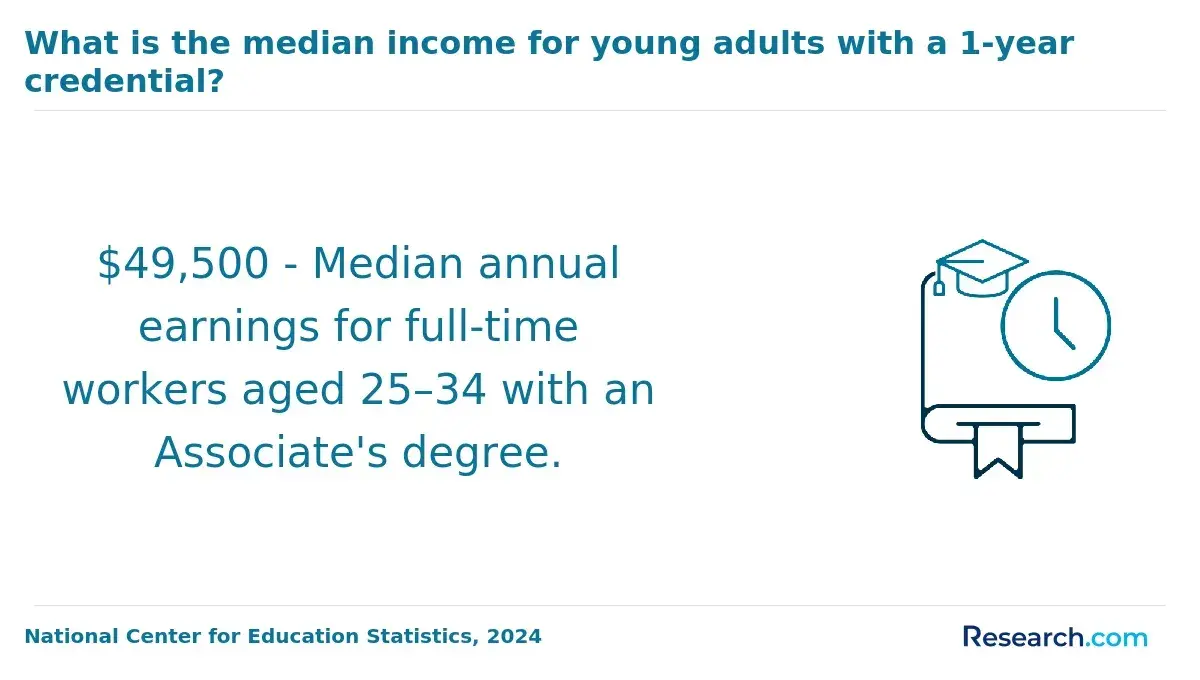
Higher degree levels, like a bachelor's compared to an associate degree, typically increase earning potential. Employers often value candidates who balance job and study commitments, viewing them as motivated and capable.
Additionally, previous work experience plays a key role in salary differences; entry-level designers average $71,000, while seasoned professionals may earn between $89,000 and $129,000 depending on their expertise and role.
Continuing full-time employment while studying provides advantages such as applying new skills directly on the job, which can accelerate promotions and expand responsibilities. Job security may also improve due to ongoing tenure and workplace relationships.
Some companies offer benefits like tuition reimbursement or raises after degree completion. However, outcomes vary widely based on employer policies, economic factors, and web design specializations. Not all workers will see salary increases immediately, especially where pay scales are fixed or advancement opportunities are limited.
What Should Full-Time Workers Look for When Choosing an Online Web Design Program?
Balancing full-time work with online education requires careful program selection, as the right format can prevent burnout and boost completion rates. A web design program that adapts well to a busy schedule significantly enhances a student's chance to succeed.
Consider these critical factors when choosing an online web design program.
- Flexible Scheduling: Opt for programs offering self-paced or asynchronous courses to study during off-hours without fixed logins. This flexibility helps working adults juggle job responsibilities and coursework more effectively.
- Industry-Relevant Curriculum: Ensure the coursework includes current technologies and tools like HTML, CSS, JavaScript, and Adobe Creative Suite. Project-based learning assists in creating a strong portfolio that employers value.
- Accelerated and Customizable Options: Look for programs that allow faster completion or tailored course selections to address specific skill gaps or leverage prior experience.
- Evening or Synchronous Sessions: Scheduled live classes outside standard hours provide opportunities for real-time interaction and networking without disrupting work.
- Career Support and Recognition: Prioritize programs with reputable credentials and career services that enhance job placement prospects and professional growth.
What Graduates Say About Completing an Online Web Design Degree While Working Full-Time
- Nancy: "Balancing a full-time job while pursuing my online web design degree was challenging, but the flexible pacing made all the difference. The program was affordable compared to traditional colleges, and it truly opened doors for me in the tech industry. I'm now confidently working on freelance projects thanks to what I learned. "
- Tatum: "Enrolling in an online web design degree program while working full-time gave me a chance to reflect deeply on my career goals. The steady pace allowed me to absorb complex concepts without feeling overwhelmed, and the cost was manageable, especially considering the value I gained. It's been a transformative experience that's reshaped my professional outlook. "
- Kendrick: "As a working professional, I appreciated how the online format of my web design degree fit seamlessly with my schedule. The ability to study at my own speed and the reasonable tuition fees made this an investment I'm proud of. This program has significantly enhanced my skills and confidence in the evolving digital landscape. "
Other Things You Should Know About Web Design Degrees
In 2027, balancing a full-time job and an online Web Design degree may impact the quality of work due to time constraints. Effective time management and prioritizing tasks are crucial for maintaining academic performance while meeting job responsibilities.
Group projects can be challenging for full-time workers due to differing schedules and time zones. Online programs often use collaboration tools like shared documents and communication platforms to help coordinate efforts.
Full-time students need to communicate proactively with teammates and manage their time carefully to contribute effectively.
To balance full-time work with an online Web Design degree program in 2027, create a structured schedule, prioritize tasks, utilize time management tools, and leverage flexible study hours. Seeking employer support or adjusting work hours can also improve performance and prevent burnout.
References
- Master’s title https://www.ecpi.edu/blog/do-employers-care-if-you-have-an-online-degree
- 10 Web Designer Requirements | North Central College https://www.northcentralcollege.edu/news/2022/11/11/10-web-designer-requirements
- Asynchronous vs. Synchronous: How to Design for Each Type of Learning - Dr. Catlin Tucker https://catlintucker.com/2020/08/asynchronous-vs-synchronous/
- How employees can boost their careers through online learning | University Canada West (UCW) https://www.ucanwest.ca/blog/education-careers-tips/how-employees-can-boost-their-careers-through-online-learning
- 5 of the Best Part-Time, Online Web Design Bootcamps https://selfmadewebdesigner.com/5-of-the-best-part-time-online-web-design-bootcamps/
- 7 Paid Web Development Internships For College Students In February 2025 https://pwskills.com/blog/7-paid-web-development-internships-for-college-students-in-february-2025/


