2027 Can You Get a Health Sciences Degree Master's Without a Related Bachelor's Degree?

Co-Founder and Chief Data Scientist
Many prospective students wonder if they can enter a health sciences master's program without an undergraduate degree directly related to the field. Consider a career changer with a bachelor's in business aiming to pivot into health management; uncertainty about eligibility can stall this important transition. Recent data shows that over 35% of online health sciences master's candidates come from non-related academic backgrounds, reflecting growing flexibility in admissions.
This article examines typical prerequisites, bridge pathways, and program types accessible to those without traditional preparation. It aims to guide readers through admissions options, academic challenges, and strategies for success in pursuing a health sciences master's from a non-traditional starting point.
Key Benefits of Getting a Health Sciences Degree Master's Without a Related Bachelor's Degree
- Health sciences master's programs offer career changers and interdisciplinary professionals flexibility through bridge courses and online formats, easing nontraditional admissions barriers.
- Accelerated curricula enable rapid skill acquisition in public health, policy, and research methods, preparing graduates for emerging healthcare challenges.
- Students gain access to global alumni networks and industry partnerships, enhancing professional opportunities and cross-cultural collaboration post-graduation.
What is a health sciences master's degree, and what does it cover?
A health sciences master's degree is an advanced program typically lasting one to two years that builds expertise in research methods, healthcare policy, epidemiology, public health, and clinical practice management. The curriculum offers a broad overview and includes core subjects such as health promotion, disease prevention, healthcare ethics, and biostatistics.
Specializations within the health sciences master's degree curriculum overview often cover areas like healthcare administration, global health, occupational health, rehabilitation sciences, and informatics, giving students the flexibility to tailor their education.
Graduates commonly pursue roles requiring comprehensive knowledge of health systems rather than direct patient care, such as health program coordination, policy analysis, research assistance, and management in public or private health organizations. This degree stands apart from shorter professional certificates that focus on narrow, practical skills and from doctoral degrees focused on original research and contributions through dissertations or extensive projects.
Some candidates pursue a medical assistant course prior to or alongside their studies to strengthen practical healthcare skills. For those wondering what to expect in a health sciences graduate program, the academic rigor combines scientific terminology and methodologies, and programs may offer bridge pathways or online formats to accommodate students from non-related undergraduate backgrounds.
Is a related bachelor's degree typically required for a health sciences master's program?
Prospective students considering a health sciences master's degree often wonder if a related bachelor's degree is necessary for admission. Admissions requirements differ widely by institution and program type, influencing whether applicants with unrelated backgrounds can qualify and succeed.
- Definition of Related Bachelor's Degree: Programs typically define a related degree as one with undergraduate coursework in health sciences, biology, public health, or closely aligned fields. Some programs extend this to adjacent disciplines like psychology, social sciences, or statistics, focusing on foundational skills rather than exact major matches.
- Strict Versus Flexible Programs: Certain graduate programs-especially clinical or research-focused ones-require strict alignment with specific prerequisites. Conversely, many professional or online health sciences master's programs accept students lacking a directly related bachelor's degree if they demonstrate quantitative or analytical competencies.
- Role of Prerequisites and Experience: Foundational courses in anatomy, physiology, or epidemiology are often required either before enrollment or during the program. Relevant professional or volunteer experience can sometimes compensate for academic gaps, making the admissions process more holistic.
- Statistical Insight: Approximately 35% of U.S. health sciences master's programs admit students without directly related undergraduate degrees, reflecting a flexible approach through holistic evaluation.
- Advice for Non-Traditional Applicants: Preparing by completing prerequisite courses, gaining relevant experience, or enrolling in bridge programs enhances admission prospects and academic success. For those interested in the administration side, exploring bachelors in health administration can provide a valuable foundation.
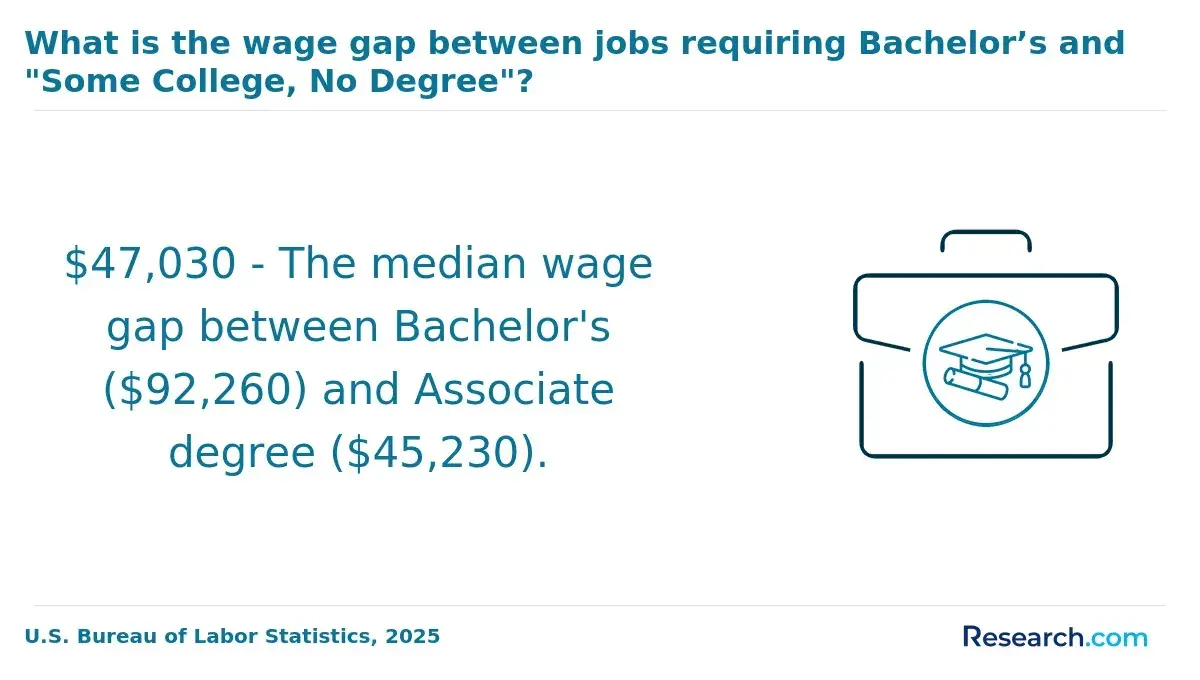
What alternative academic backgrounds are commonly accepted for health sciences master's programs?
Prospective master's students often wonder which undergraduate degrees are seen as suitable when they lack a health sciences bachelor's. Admissions committees frequently accept candidates from diverse academic backgrounds that offer complementary knowledge or skills applicable to health sciences.
- Science and Mathematics Disciplines: Degrees in biology, chemistry, mathematics, or statistics are widely recognized for providing analytical and scientific foundations essential for health sciences coursework and research.
- Engineering and Technology Fields: Majors such as biomedical engineering or computer science are valued for their problem-solving focus and technical expertise, which can be relevant to applied health sciences settings.
- Social Sciences and Behavioral Studies: Psychology, sociology, and public health degrees are often considered appropriate since they address human behavior and social determinants influencing health outcomes.
- Institutional Prerequisites: Some universities, like the University of Michigan, require applicants from unrelated majors to complete specific prerequisite courses (e.g., anatomy, physiology, statistics) to ensure readiness for graduate-level study.
- Strategic Application Framing: Highlighting transferable skills, relevant volunteer or work experience, and completion of foundational science courses can strengthen applications from those with non-health sciences backgrounds.
A professional who transitioned careers by enrolling in an online health sciences master's program shared that adapting to the program's scientific rigor was initially daunting, especially without a traditional health sciences undergrad. He described the early challenges of mastering anatomy and biology concepts, noting, "It felt like starting from scratch at times."
However, he emphasized that leveraging his previous analytical skills and communicating his practical experiences in healthcare settings during the application played a key role in admission success. Reflecting on the journey, he mentioned how the program's support and tailored prerequisite recommendations eased his progression, ultimately enabling a smooth career pivot despite an unconventional academic background.
What prerequisite courses are usually needed before enrolling in a health sciences master's without a health sciences bachelor's?
Prospective students aiming for a health sciences master's degree without a related undergraduate background need to complete specific prerequisite courses to build essential foundational knowledge. These courses ensure readiness for the advanced curriculum and improve admission chances.
- Common Prerequisite Subjects: Required classes often include human anatomy and physiology, biology, chemistry, statistics, and sometimes health policy or ethics. These foundational classes support essential understanding for health sciences master's admission.
- Where to Complete Prerequisites: Many applicants fulfill these requirements through community colleges, accredited online platforms, or post-baccalaureate certificate programs tailored for those switching careers. This flexibility accommodates different educational and scheduling needs.
- Verification of Completion: Programs typically require official transcripts to confirm prerequisite coursework. Some may also request course syllabi or allow competency exams to validate knowledge, ensuring students meet academic standards before starting graduate studies.
- Addressing Gaps After Admission: If missing prerequisites emerge post-admission, students may need to complete the courses concurrently or enroll in non-credit preparatory classes. Neglecting these requirements can delay progress or impact academic standing.
- Early Advisor Consultation: Contacting program advisors before applying helps clarify prerequisite expectations based on individual academic history. This step streamlines the admission process and supports successful program completion.
Those looking for the cheapest FNP programs online should also consider prerequisite requirements to plan accordingly.
What is the minimum GPA requirement for a health sciences master's program?
Prospective students aiming for a health sciences master's degree without a directly related bachelor's should pay close attention to GPA requirements, as these benchmarks affect admissions chances and eligibility.
- Common GPA Benchmarks: Most programs expect an undergraduate GPA between 3.0 and 3.3 on a 4.0 scale, though competitive or research-focused institutions may demand higher scores. Some online or professional programs might accept slightly lower GPAs.
- Differing Standards by Academic Background: Applicants holding unrelated bachelor's degrees often face stricter GPA standards to demonstrate readiness. Programs may offer more flexibility or prerequisite options for those with relevant undergraduate study.
- Evaluating Low or Inconsistent GPAs: Admissions committees frequently consider upward grade trends, relevant work experience, or success in graduate-level courses as factors that can compensate for earlier academic struggles.
- Improving Prospects with a Lower GPA: Candidates can enhance their applications by taking post-baccalaureate science classes, securing strong professional or academic references, and achieving solid scores on standardized tests like the GRE.
- Shifting Admissions Trends: A 2023 Council of Graduate Schools report found that about 45% of health sciences programs have relaxed GPA thresholds in response to increasing diversity in applicant educational backgrounds.
A professional who transitioned careers after completing an online health sciences master's program shared that despite initially worrying about her 2.8 GPA, she found that demonstrating relevant certifications and strong recommendations made a significant difference. "They valued my recent work experience and how much I'd improved academically," she recalled. Her experience highlights how a holistic application approach can open doors even with a lower GPA.
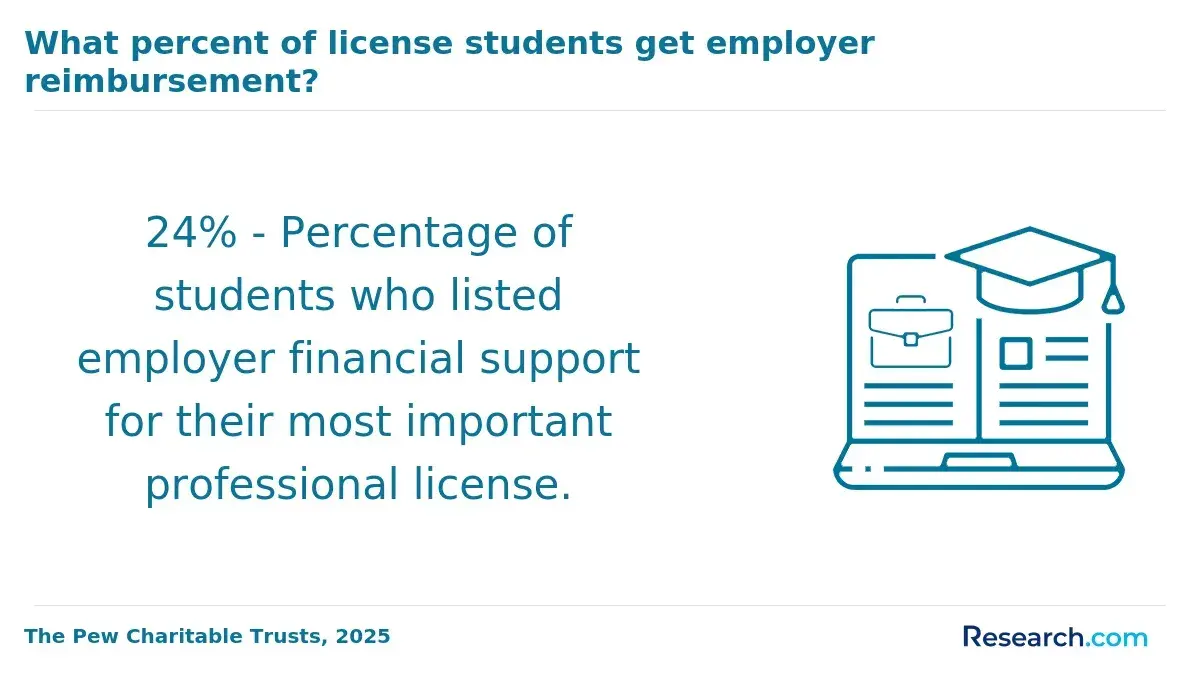
How important are standardized test scores (GRE/GMAT) when applying to a health sciences master's program without a related degree?
Applicants to a health sciences master's degree program without a directly related bachelor's degree often wonder how GRE or GMAT scores impact their admissions chances. These test results can play a crucial role in showcasing an applicant's abilities when their undergraduate studies don't align with the health sciences field.
- Increasing Use of Test-Optional and Test-Flexible Policies: Many graduate programs now allow applicants to decide whether to submit GRE or GMAT scores. This flexibility benefits those from non-traditional backgrounds by reducing reliance on standardized tests and encouraging focus on other strengths.
- Demonstrating Academic Skills: High scores on the GRE or GMAT reflect quantitative reasoning, critical thinking, and verbal proficiency. For students without relevant undergraduate coursework, these scores help signal preparedness for graduate-level study and can fill gaps in their academic profile.
- Variation in Program Requirements: Some programs still require or strongly recommend submitting test scores for candidates from unrelated fields to provide an objective measure of academic readiness. It's important to check each program's current policies before applying.
- Target Score Ranges and Preparation: Competitive applicants typically earn scores at or above the 50th percentile, especially in quantitative sections. Utilizing official practice materials from ETS for the GRE and GMAC for the GMAT can significantly improve readiness and confidence.
- Strengthening Applications Beyond Tests: Combining solid test scores with relevant work experience, prerequisite coursework, and impactful personal statements creates a well-rounded application that stands out to admissions committees.
Does professional experience substitute for a health sciences bachelor's degree in master's admissions?
Applicants targeting a health sciences master's degree without a directly related bachelor's degree can leverage professional experience to strengthen their applications. Many programs accept relevant work history as evidence of preparedness, often substituting for formal undergraduate credentials.
- Recognition of Relevant Professional Roles: Admissions committees value experience in healthcare settings such as clinical support, public health, health administration, or medical research. Roles involving direct patient care, health program management, or data analysis demonstrate essential skills applicable to graduate study.
- Documenting Experience Effectively: Providing detailed resumes and personal statements that highlight responsibilities and achievements is crucial. Applicants should emphasize how their professional roles translate into academic and practical competencies, helping bridge gaps from unrelated undergraduate degrees.
- Importance of Employer Recommendations: Letters of recommendation from supervisors bolster an applicant's credibility by showcasing leadership, critical thinking, and dedication to health sciences. Such endorsements reinforce readiness for the challenges of rigorous graduate coursework.
- Program Policies on Experience-Based Admission: Several health sciences master's programs explicitly accept professional experience as an alternative admission pathway. Some institutions waive prerequisite degree requirements if candidates have a minimum number of years in relevant roles, reflecting a trend toward embracing diverse educational backgrounds.
- Market Demand and Career Impact: Healthcare occupations are projected to grow 13% from 2021 to 2031 according to the U.S. Bureau of Labor Statistics, underscoring the high career value of a health sciences master's degree earned through traditional or non-traditional admission routes.
What does the application process look like for non-traditional health sciences master's applicants?
Applicants pursuing a health sciences master's degree without a related bachelor's face unique challenges during the admissions process. Navigating these requirements strategically can increase chances of acceptance and prepare candidates for success.
- Initial Research and Program Selection: Seek programs that accept diverse academic backgrounds, including professional or bridge-pathway formats tailored for those without a health sciences undergraduate degree. These options often provide prerequisite courses or specialized curricula to build foundational knowledge.
- Supplemental Materials: Many health sciences programs require portfolios, writing samples, or competency statements from applicants lacking a related degree. These materials help demonstrate relevant skills, experience, and motivation, complementing traditional academic records.
- Personal Statement or Statement of Purpose: Use this document to clearly explain your non-health sciences background and articulate your commitment to the field. Emphasize transferable skills and relevant experiences while aligning your goals with the program's mission to create a compelling narrative.
- Application Timeline and Checklist: Begin preparation 6 to 12 months before application deadlines. Key steps include researching programs, gathering transcripts, completing required prerequisite courses, submitting standardized test scores if needed, and securing recommendations.
- Standardized Tests and Prerequisite Coursework: Some programs require GRE scores or specific foundational classes to verify academic readiness, especially important for candidates without prior health sciences study.
Effective planning through these stages is essential for a smooth admissions process. For example, the admissions process for health sciences graduate students without related bachelor's degree often involves gathering thorough supplemental documents and meeting prerequisite requirements.
Interestingly, according to the Council of Graduate Schools, almost 40% of graduate students in STEM fields come from varied undergraduate disciplines, reflecting broader acceptance of interdisciplinary backgrounds in health sciences.
Career-changers and international applicants should also explore program options such as the 10 month LPN program, which can serve as a practical pathway to transition into advanced health sciences study.
Which types of health sciences master's programs are more flexible for non-traditional students?
For prospective students considering flexible health sciences master's programs for career changers without a related bachelor's degree, selecting the right program format is key to gaining admission and succeeding. Different pathways accommodate diverse academic backgrounds, especially online health sciences master's degrees with no related bachelor's, which have become increasingly accessible.
- Professional Versus Research-Focused Programs: Professional master's programs emphasize practical skills and often welcome applicants from varied undergraduate majors, particularly when they demonstrate relevant work experience. In contrast, research-focused programs usually require strong scientific backgrounds and previous research experience, making admission more challenging for those without health sciences degrees.
- Online and Part-Time Formats: Many online and part-time programs are designed to support busy professionals and career changers. These formats frequently include bridge coursework or foundational modules to help students lacking health sciences prerequisites gain essential knowledge before advancing.
- Bridge Coursework and Certificate Pathways: Institutions commonly offer preparatory boot camps, certificate programs, and accelerated tracks that serve as stepping stones into full master's degrees. These options allow non-traditional students to meet admission requirements without a prior health sciences bachelor's degree.
- Evaluating Program Flexibility: Prospective students should thoroughly review admission criteria, consult alumni, and engage with academic advisors to understand available support systems. Admission requirements may include professional experience, standardized tests, or prerequisite courses and vary greatly by program.
- Career and Financial Outlook: Master's degree holders in health sciences fields earn median salaries ranging from $65,000 to $85,000 annually, which underscores the financial value of pursuing these flexible pathways.
For those exploring options, resources like best online self paced colleges can provide insight into programs that balance flexibility with academic rigor, ideal for students without traditional health sciences backgrounds.
How do bridge programs or preparatory courses help non-health sciences graduates qualify for a master's?
Prospective students aiming for a master's degree in health sciences without a directly related bachelor's degree can benefit greatly from bridge programs, post-baccalaureate certificates, and preparatory courses. These educational pathways help fill essential knowledge gaps, enabling applicants to meet graduate admissions standards and equip them with foundational skills for success.
- Purpose and Function: These programs address deficiencies in undergraduate coursework by offering focused classes in critical areas such as biology and public health. They serve as a crucial step to fulfill prerequisites and prepare students academically for master's-level demands.
- Institutional Examples: Well-regarded universities, including Johns Hopkins, University of Southern California, and Northeastern, provide structured bridge programs designed specifically for career changers wanting to transition into health sciences graduate studies.
- Duration and Expense: Typically lasting from several months up to a year, these programs vary widely in cost. Despite expenses, many find the investment valuable given the improved competitiveness and eligibility for advanced study.
- Academic Challenge and Support: While academically rigorous, these pathways offer dedicated instruction and advising. This support helps students adjust from varied backgrounds, steadily building competencies required for graduate coursework.
- Strategic Selection: Choosing accredited programs with established connections to health sciences graduate degrees can enhance admission chances. Integrating these steps into a broader academic plan optimizes long-term educational and career outcomes.
How can non-health sciences graduates strengthen their application for a health sciences master's program?
Applicants pursuing a health sciences master's degree without a directly related undergraduate background face unique challenges. Strengthening the application with targeted strategies can improve chances of admission and future success.
- Engage in Self-Directed Learning: Enroll in relevant MOOCs, certifications, or online courses to build foundational knowledge. Clearly listing these credentials on your resume and referencing them in your personal statement shows initiative and readiness.
- Undertake Independent Projects or Practical Experience: Participate in volunteer roles or personal projects related to health sciences. Describing measurable outcomes and skills gained from these experiences enhances your application's credibility.
- Develop a Persuasive Personal Statement: Craft a narrative that explains your motivation for transitioning fields and how your prior experiences prepare you for graduate study. This helps admissions committees appreciate your potential beyond academic transcripts.
- Obtain Strong Letters of Recommendation: Secure references from professionals or educators who can attest to your adaptability, dedication, and relevant aptitudes. Choose recommenders familiar with your skills or character related to health sciences.
- Network and Seek Constructive Feedback: Connect with current students, faculty, or alumni to understand program expectations. Attend info sessions and request critiques of your application materials to improve clarity and competitiveness.
What Graduates Say About Getting Their Health Sciences Degree Master's Without a Related Bachelor's Degree
- Lindsay: "Choosing a master's in health sciences without a prior related bachelor's was definitely a leap of faith for me. I was drawn by the program's flexible admission criteria, which welcomed diverse academic backgrounds. This degree has truly transformed my career, allowing me to transition from education into healthcare management with confidence and practical knowledge."
- Nathan: "When I started exploring the admission requirements for a health sciences master's, I was pleasantly surprised by how accessible the program was for someone like me with a degree in fine arts. The structured guidance and foundation courses helped bridge my knowledge gap effectively. Now, I feel equipped and motivated as I embark on a rewarding career in public health policy."
- Deborah: "My decision to pursue a master's in health sciences stemmed from a strong desire to contribute meaningfully to community health despite my background in business. The admission process was straightforward, emphasizing potential over past specialization, which encouraged me greatly. Since graduating, I've found that this program opened new doors professionally and enriched my understanding of interdisciplinary healthcare challenges."
Other Things You Should Know About Health Sciences Degrees
Non-traditional students often face a steep learning curve in health sciences master's programs due to limited background in core subjects such as anatomy, physiology, and medical terminology. They may need to complete prerequisite courses before fully engaging with graduate-level content. Balancing the demands of rigorous coursework alongside career or family responsibilities is also common. Additionally, students with non-health sciences backgrounds may initially struggle with the scientific writing and research methods typical of these programs.
In 2027, many online health sciences master's programs accept applicants with non-related bachelor's degrees. These programs often consider professional experience, letters of recommendation, and personal statements to assess applicants’ suitability for the program, alongside any prerequisite courses required.
Accredited programs adhere to established academic standards, which can influence how flexible they are with admitting students without a health sciences degree. Highly ranked and accredited programs may have stricter prerequisites to uphold quality and outcomes, often requiring related coursework or professional experience. Conversely, some accredited programs with a focus on career changers provide alternative pathways such as conditional admission with required prerequisite completion. Checking accreditation status assures students of educational rigor and can impact eligibility for financial aid and professional certification later on.
References
- Explore UM | University of Manitoba - Health Sciences (BHSc) https://umanitoba.ca/explore/programs-of-study/health-sciences-bhsc
- Bridging Course for Indian Students | Study Abroad Prep | Uscholars https://www.uscholars.in/courses/bridging
- Bridge Courses for Non-Science Students: Your Path Forward https://www.alfabetaglobal.com/blogs/bridge-courses-for-non-science-students-options-for-management-and-humanities
- Master of Health Science (MHSc) https://www.grad.ubc.ca/prospective-students/graduate-degree-programs/master-of-health-science
- 3 Ways a Master’s Degree Can Improve Your Chances of Getting into Med School - National University of Natural Medicine - NUNM https://nunm.edu/2025/08/3-ways-a-masters-degree-can-improve-your-chances-of-getting-into-med-school/
- Guide to a Health Science Degree | Caduceus https://cipcourses.com/blog/guide-to-a-health-science-degree/
- Why trust GlobalHealth Education? https://globalhealtheducation.com/au/resources/can-you-do-masters-without-degree
- Do You Need a Bachelor's to Get a Master's Degree? | UoPeople https://www.uopeople.edu/blog/how-to-get-a-masters-without-a-bachelors-degree/
- 5 Benefits of Pursuing MSMS | University of Bridgeport https://www.bridgeport.edu/news/benefits-of-pursuing-masters-in-medical-science/
- Top 4 Masters in Health Sciences Degree with No GRE | HealthGrad https://www.healthgrad.com/healthcare/no-gre-online-masters-health-sciences-degree/