
2027 Can You Get Licensed With an Online Medical Assisting Degree? Requirements, Rules, and What to Know

Co-Founder and Chief Data Scientist
Many prospective students wonder if an online medical assisting degree qualifies them for licensure and employment. According to the U. S. Bureau of Labor Statistics, employment of medical assistants is projected to grow 16% from 2022 to 2032, indicating strong demand in the healthcare sector. However, licensure requirements vary widely by state and employer, complicating the decision to pursue online education. Understanding these variations and how online programs align with certification standards is crucial. This article clarifies the licensure rules, state regulations, and industry expectations, helping readers determine the best path to certification and career readiness after an online medical assisting degree.
Key Benefits of Getting Licensed with an Online Medical Assisting Degree
- Licensure with an online medical assisting degree verifies professional credibility, meeting industry standards and increasing trust among employers and patients.
- Licensed medical assistants have access to a broader range of jobs, including specialized clinics and hospitals, enhancing geographic and career mobility.
- Holding a license correlates with higher long-term earnings and opens pathways to supervisory or advanced healthcare roles, supporting career growth.
Can You Get Licensed With an Online Medical Assisting Degree?
Obtaining licensure with an online medical assisting degree is feasible when the program includes accredited coursework alongside clinical externships that provide hands-on training. This combination ensures students meet the practical and theoretical requirements needed to qualify for certification exams, which serve as the primary credentialing path. While licensing requirements vary by state, most employers recognize certification credentials such as the Certified Medical Assistant (CMA) or Registered Medical Assistant (RMA). For those researching online medical assisting degree licensing requirements, completion of an accredited program is essential to become eligible for these credentials.
Earning licensure or certification through an online medical assisting program offers several benefits, including access to regulated career paths that often require formal credentials. Certified medical assistants frequently have opportunities for increased job responsibilities, such as performing advanced clinical tasks, and typically enjoy enhanced salary potential compared to uncertified peers. Additionally, certification contributes to greater job security and professional recognition in healthcare settings.
For healthcare professionals interested in expanding their qualifications without on-site clinical hours, exploring RN to BSN programs may provide useful insights into alternative online educational models. Understanding how to become a licensed medical assistant online helps prospective students carefully select programs that align with career goals.
Do Licensing Requirements for Medical Assisting Vary by State?
Licensing rules for medical assisting exist to ensure professional competence and protect patient safety. Requirements can differ widely by state, with about 20 states mandating some form of licensure, registration, or certification. These variations affect how prospective medical assistants plan their careers.
Differences in state medical assistant licensing requirements typically include:
- Certification Exams: Some states require passing specific exams to demonstrate competency, while others may accept national certifications or have no exam prerequisites at all. This impacts how candidates prepare and qualify for employment.
- Clinical Experience Hours: Mandatory supervised clinical practice varies, influencing the depth of hands-on training expected before entering the workforce. These requirements can affect the time and resources needed to complete education programs.
- Continuing Education Credits: States may require ongoing education to maintain licensure, encouraging professionals to stay updated on medical protocols. Those considering online degrees should verify how continuing education fits into renewal cycles under their specific rules.
- Scope of Practice: Legal limits on what medical assistants may do differ widely, affecting job responsibilities and opportunities. Understanding these differences is key when evaluating medical assistant licensure rules by state.
- Renewal Policies and Fees: Variations in renewal frequency and associated costs can impact long-term career planning and budgeting for credential maintenance.
For those seeking accelerated pathways, exploring accelerated medical assistant programs can be beneficial, especially when aligned with local licensing standards to ensure eligibility and career mobility.
Are Online Medical Assisting Programs Different From Campus Programs for Licensure?
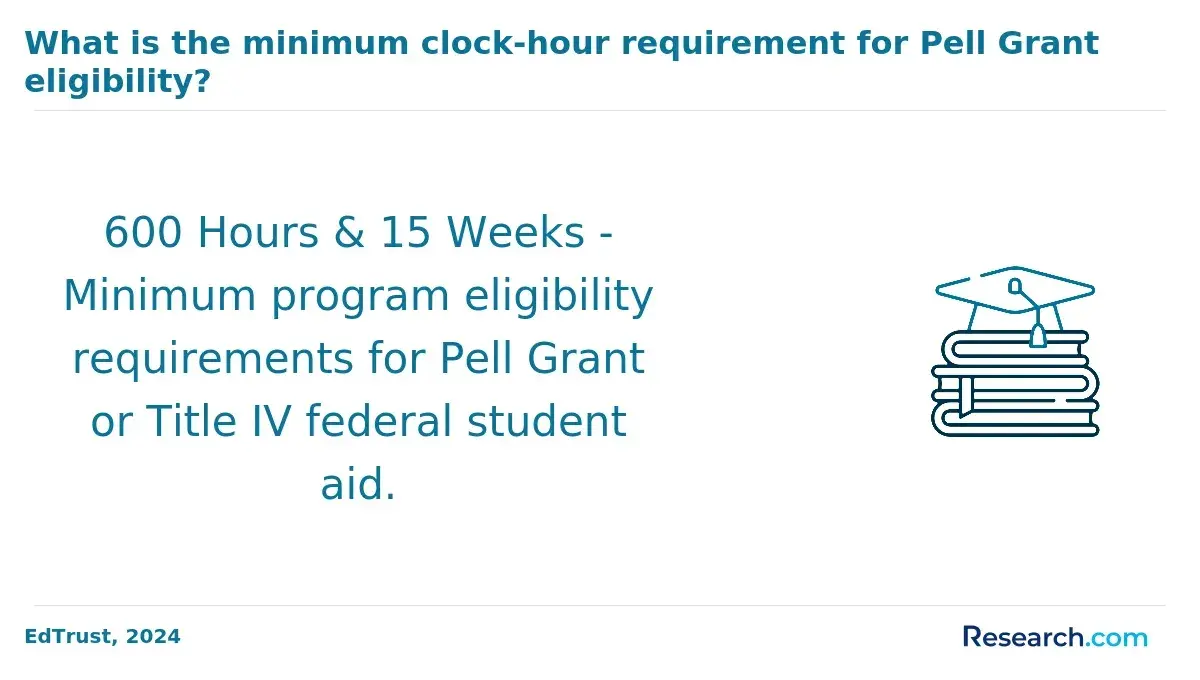
Online and on-campus medical assisting programs do not differ in licensure eligibility as long as they meet the same accreditation and curriculum requirements. Notably, acceptance of online healthcare credentials among employers has increased by nearly 50% between 2015 and 2023, reflecting growing confidence in online education.
- Curriculum Coverage: Both formats cover the essential medical knowledge, administrative skills, and clinical practices required by certification bodies, ensuring students are equally prepared for licensure exams.
- Clinical Training: On-campus students usually complete in-person labs and clinical rotations, while reputable online programs facilitate local externships or partnerships to provide hands-on experience crucial for demonstrating clinical competence.
- Skill Assessment: Exams and skill evaluations uphold consistent standards across delivery methods. Online programs often use virtual simulations or remote proctoring to maintain examination integrity and effectively assess practical skills.
- Employer Perceptions: The professional community's view of online degrees has improved significantly, with increased acceptance highlighting the credibility of online training compared to traditional campus education.
Does an Online Medical Assisting Degree Require Clinical or Practicum Hours?
Online medical assisting degree programs almost always include clinical or practicum hours, which are crucial for translating theoretical knowledge into real-world skills needed in healthcare settings. These hands-on experiences prepare students for professional practice and licensure by ensuring they develop patient care capabilities and practical administrative expertise.
- Required Hours: Students typically complete between 160 and 200 clinical hours, though exact requirements vary by state and program. These hours are essential for meeting certification standards and demonstrating competency in medical assisting roles.
- Types of Placements: Clinical or practicum work usually occurs in approved healthcare environments such as hospitals, clinics, or physician offices. These settings provide exposure to authentic medical office operations and patient interaction scenarios.
- Supervision and Assessment: Licensed healthcare professionals supervise students, ensuring they perform clinical tasks safely and effectively. Student performance is regularly evaluated to confirm mastery of necessary skills.
- Skill Development: Practical training includes activities like taking vital signs, assisting with minor procedures, and managing electronic health records. These skills are vital for day-to-day medical assisting duties and licensure eligibility.
- Online Program Facilitation: To satisfy clinical hour requirements for online medical assisting programs, many institutions partner with local healthcare providers. This partnership enables students to complete hands-on training conveniently near their residence while benefiting from online coursework.
For those exploring healthcare training pathways, considering easy nursing schools to get into can offer additional insight into accessible medical education options.
What Licensing Exam Is Required After Earning an Online Medical Assisting Degree?
Licensing exams serve to confirm that medical assisting graduates possess the essential skills and knowledge to perform competently in healthcare settings. Passing such an exam is often crucial for accessing job opportunities and advancing one's career. Recent statistics show that approximately 70% to 75% of first-time candidates successfully pass the primary certification test, reflecting its moderate difficulty.
Below is a concise overview of key elements related to the licensing exam after completing an online medical assisting degree.
- Exam Name: The main credential sought is the Certified Medical Assistant (CMA) certification, issued by a national accrediting association recognized in the healthcare industry.
- Content Areas: Exam topics encompass clinical procedures and administrative duties, along with foundational subjects like anatomy, medical terminology, and healthcare law and ethics.
- Format: This is a computer-based exam featuring around 200 multiple-choice questions designed to evaluate both theoretical understanding and practical application skills.
- Preparation Strategies: Candidates typically prepare using official study guides, sample tests, and review courses which improve familiarity with exam content and format.
- Retake Policies: Most certifications allow multiple attempts within a designated timeframe, providing examinees opportunities to qualify without penalty if not successful on initial tries.
- Relevance for Online Graduates: Requirements remain consistent regardless of whether the degree was earned online or through traditional programs, ensuring equal credential recognition.
Is Supervised Work Experience Required After an Online Medical Assisting Degree?
Supervised work experience is generally required after earning an online medical assisting degree to meet licensing or certification standards in many states. This phase helps bridge academic learning with practical application, allowing graduates to develop essential skills and demonstrate readiness for clinical and administrative duties. About 65% of recent medical assisting graduates complete internships or externships as part of their credentialing process, emphasizing the widespread nature of this requirement.
The following points highlight important elements of supervised experience:
- Duration and Timing: The supervised period typically lasts from several weeks to a few months, depending on state regulations and certifying bodies. It occurs after program completion but before full licensure or certification is granted.
- Typical Work Settings: Graduates gain experience in clinics, hospitals, or physician offices, environments that closely simulate real-world medical assisting roles to develop practical competence.
- Mentorship and Guidance: Experienced medical assistants or healthcare professionals provide hands-on mentorship, ensuring that new practitioners refine clinical skills and professional behavior.
- Skill Development: The experience focuses on patient interaction, medical procedures, administrative tasks, and use of healthcare technology to prepare students for independent practice.
- Licensure Compliance: Completion of supervised work helps fulfill state-specific certification or licensure criteria, directly impacting exam eligibility and job prospects.
Does Licensure Reciprocity Apply to Online Medical Assisting Graduates?
Licensure reciprocity allows licensed professionals to transfer their credentials between states without retaking the entire licensing process, which is essential for those wanting to practice in multiple locations. This flexibility enhances career mobility and reduces professional and administrative hurdles.
Several key factors influence how licensure reciprocity applies to online medical assisting graduates.
- Eligibility criteria: States have specific requirements that often include completing an accredited program and passing certification exams. These criteria can vary widely, affecting whether an online medical assisting graduate's credential will be recognized for reciprocity in another state.
- Program requirements: Many states require that the original license was earned through a program that meets comparable educational and competency standards. It is important for graduates to ensure their online program aligns with the standards recognized by the state licensing board where they seek employment.
- State reciprocity agreements: Reciprocity is not uniform across the U.S.; some states have formal agreements allowing easier license transfer, while others have more restrictive policies. Understanding these agreements can guide graduates in choosing where to practice and how to plan their careers.
- Application process: Obtaining reciprocity typically involves submitting an application, providing certification proof, and sometimes undergoing additional background checks or exams. Graduates should prepare for these steps, which may vary depending on the destination state.
- Limitations and additional requirements: Some states require extra clinical experience or state-specific exams despite reciprocity agreements. Knowing these limitations is critical for online medical assistants to maintain compliance and avoid disruptions in their professional practice.
For online medical assisting graduates seeking to expand their options or relocate, awareness of state requirements for medical assisting license transfer is vital. Furthermore, prospective students can explore nursing programs online as a related option for advancing their healthcare career in flexible settings.
What Are the Pros and Cons of Online Medical Assisting Programs for Licensure?
Enrollment in online medical assisting programs has surged by more than 15% recently, reflecting growing interest in flexible education options. Many students prioritize how program structure affects licensure eligibility and career readiness when selecting an online path. Below is an analysis of the main advantages and challenges associated with these programs.
Pros
- Schedule flexibility: Students can complete coursework at their own pace, which helps balance studies with other commitments, supporting steady progress toward licensure.
- Wide accessibility: Online programs remove geographic barriers, enabling those in remote locations to pursue credentials without relocating, which broadens access to the field.
Cons
- Limited practical training: Insufficient hands-on experience may hinder skill development required to pass licensure exams and perform confidently in clinical settings.
- Reduced direct supervision: Lack of in-person oversight can impact mastery of essential techniques and raise concerns about preparedness in the eyes of employers.
- Networking limitations: Fewer face-to-face interactions can restrict mentorship and professional connections critical for job placement and career growth.
Does Getting Licensed With an Online Medical Assisting Degree Affect Salary?
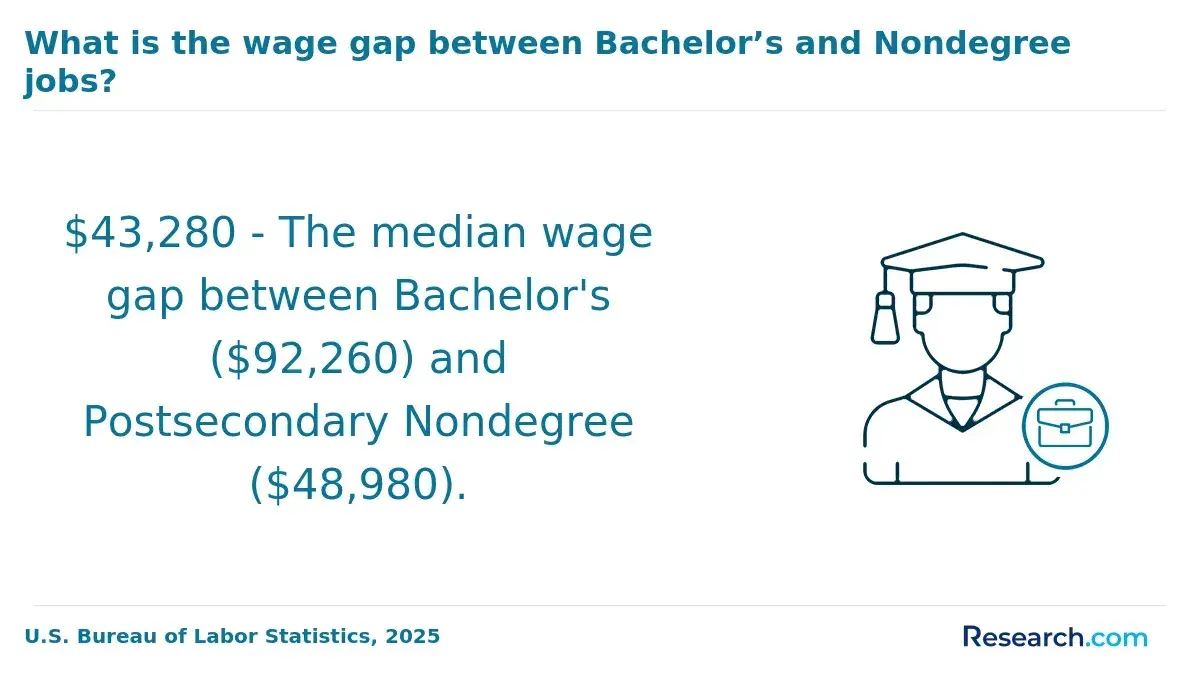
Obtaining licensure after completing an online medical assisting degree significantly impacts salary potential. Licensed medical assistants typically earn 10% to 15% higher wages than their non-licensed counterparts due to demonstrated competence and compliance with healthcare standards. This difference reflects stronger employer trust and expanded professional responsibilities.
Understanding the impact of a medical assisting license on pay reveals key benefits tied to credentialing.
- Access to Higher-Paying Roles: Licensure opens doors to positions involving clinical procedures or advanced administrative tasks, which generally offer better compensation. Employers often require certification for roles that carry increased responsibility and patient interaction.
- Eligibility for Leadership Positions: Licensed medical assistants are more likely to qualify for supervisory or team lead roles within healthcare settings. These leadership opportunities come with pay increases and demonstrate career growth potential.
- Specialized Responsibilities: Certification enables eligibility for specialized roles such as phlebotomy or EKG technician positions. These jobs often command higher salaries due to technical skill demands and regulatory requirements.
- Improved Job Security and Marketability: Holding a license enhances job stability and makes candidates more attractive to employers. This credential signals verified expertise in a competitive healthcare job market.
- Pathways for Further Advancement: Obtaining licensure provides a foundation for pursuing additional certifications or education, further boosting earning potential. Many online programs prepare students to meet these regulatory standards effectively.
For graduates of online programs, earning a recognized license validates that their education meets established professional standards. This verification is especially important for those exploring career advancement and seeking competitive pay. In fact, the availability of cheap RN to BSN online programs supports continued education pathways beneficial to licensed medical assistants aiming to expand their credentials.
Ultimately, understanding the online medical assistant license salary outcomes can help students and professionals make informed decisions about pursuing licensure and related certifications to maximize their career prospects.
What Jobs Can You Get With or Without a License as an Online Medical Assisting Degree Holder?
Obtaining licensure significantly broadens the employment possibilities for graduates with an online medical assisting degree, although some choose non-licensed roles due to state regulations or personal preferences. Licensed medical assistants often enjoy higher job stability and earning potential, with data showing about a 15% higher employment rate within two years compared to their non-licensed peers.
Below are key distinctions between licensed and non-licensed job roles.
Jobs With a License
- Clinical medical assistant: Performs hands-on patient care tasks such as administering injections and drawing blood, enabling access to specialized healthcare settings.
- Certified medical assistant: Handles both clinical and administrative duties with verified certification, often qualifying for higher wages and supervisory roles.
- Specialized healthcare roles: Engages in advanced procedures and supportive care, opening pathways for career advancement in clinical environments.
Jobs Without a License
- Medical office assistant: Focuses on clerical duties such as managing appointments and maintaining patient records, suitable for entry-level positions without clinical responsibilities.
- Patient service representative: Handles patient communication and administrative support, providing critical workflow assistance in healthcare offices.
- Basic clinical support: Performs tasks like taking vital signs and preparing patients, which require less clinical training and offer limited upward mobility compared to licensed roles.
What Graduates Say About Getting Licensed with an Online Medical Assisting Degree
- Kaiden: "The online medical assisting degree was surprisingly affordable compared to traditional programs, and the licensure process was straightforward thanks to the guidance provided. The flexibility of studying online allowed me to balance work and school effectively. This degree truly opened doors for me as a licensed professional in a competitive healthcare market."
- Hank: "Reflecting on my time enrolled in the online medical assisting program, I appreciate how cost-conscious the curriculum was designed to be without sacrificing quality. The online format challenged me to stay disciplined, but it prepared me well for the licensure exam and hands-on work. Obtaining the degree has strengthened my confidence in delivering patient care."
- Colton: "The investment in the online medical assisting degree and licensure was well worth it given the career advancements I've experienced. I found the program's layout clear and accessible, making remote learning genuinely effective. Being a licensed medical assistant has elevated my role in clinical settings and my sense of professional pride."
Other Things You Should Know About Medical Assisting Degrees
Most Medical Assisting certification exams require candidates to have completed an accredited program, which many online programs meet. However, some certifying bodies may also expect the candidate to have hands-on clinical experience, whether completed during the program or documented separately, before sitting for the exam.
Employers and credentialing organizations generally recognize online medical assisting degrees if the program is accredited by a reputable agency. Accreditation ensures that the curriculum meets established educational standards, which is crucial for eligibility for certification and licensure.
In 2027, background checks and additional documentation are typically required for licensure after completing an online medical assisting program. This ensures patient safety and confirms the candidate’s qualifications meet state and professional standards, which vary by location.
References
- Medical Assisting (MAT) https://catalog.wallace.edu/medical-assisting/medical-assisting-mat
- How Much, on Average, Does a Certified Medical Assistant Make? https://www.athenacareers.edu/how-much-on-average-does-a-certified-medical-assistant-make/
- Online Medical Assistant Certificate Program | Self-Paced Course https://www.uscareerinstitute.edu/online-medical-assistant-school
- Medical Assisting Certification vs. Accredited Degree: Which Is Better for Your CMA Career | Bryan University Online© https://bryanuniversity.edu/faq/medical-assisting-certification-vs-accredited-degree-which-is-better-for-your-cma-career/
- Requirements to Become a Medical Assistant https://www.centuracollege.edu/blogs/trades-industry/requirements-to-become-a-medical-assistant/
- Online vs In-Person Medical Assistant Programs: Which is Right for You? https://www.clinicalskillsinstitute.com/post/online-vs-in-person-medical-assistant-programs-which-is-right-for-you
- Reciprocity https://www.ncmanow.org/reciprocity/
- How to Get Medical Assistant Experience | Goodwin University https://www.goodwin.edu/enews/how-to-get-medical-assistant-experience/
- Eligibility https://www.aama-ntl.org/certification/eligibility
- Online: Medical Assistant Certification (CCMA) - Phlebotomy Career Training https://phlebotomycareertraining.com/program/online-medical-assistant-certification/


