2027 Career Paths with a Bioinformatics Master's Degree Explained

Co-Founder and Chief Data Scientist
The landscape for professionals holding a bioinformatics master's degree is shifting toward higher expectations for technical mastery paired with leadership in complex, data-intensive environments. Employers increasingly seek candidates who demonstrate advanced analytical problem-solving alongside proficiency in computational biology tools, genomic data interpretation, and regulatory compliance across healthcare, pharmaceutical, and agricultural sectors.
A 2024 report from the National Center for Education Statistics notes a 15% rise in part-time bioinformatics graduate enrollment, reflecting working professionals' need for flexible learning schedules that accommodate career transitions and role expansions. This article explores diverse bioinformatics career trajectories, guiding readers to assess how each path aligns with their strategic career advancement and specialization goals.
Key Things to Know About Career Paths With a Bioinformatics Master's Degree
- Specializing in bioinformatics links computational skills with biology, positioning graduates for roles in genomic data analysis, but this niche focus can limit mobility in broader IT or life sciences sectors.
- Employer demand increasingly favors bioinformatics professionals who can integrate multi-omics data, signaling that advanced training enhances leadership prospects in personalized medicine and biotech innovation.
- Rising online enrollment in STEM graduate programs, now over 25% nationally per NCES 2024 data, offers flexible pathways but requires balancing self-directed learning with concurrent work commitments for optimal career timing.
What Can You Do With a Bioinformatics Master's Degree?
A master's degree in bioinformatics significantly shapes the range and nature of career opportunities graduates can pursue, but the choices come with distinct tradeoffs between specialization, compensation, and sector dynamics. For instance, opting for a role heavily focused on computational algorithm development in pharmaceuticals versus a systems biology position within academia not only affects day-to-day responsibilities but also long-term prospects for advancement and research autonomy. Navigating these paths requires understanding how a bioinformatics master's degree positions professionals relative to evolving employer expectations and industry demands.
- Bioinformatics Scientist: This role leverages both biological insight and computational analysis to solve complex problems, often within pharmaceutical or biotech firms. It tends to demand proficiency in programming and molecular biology, with opportunities for leadership as data-driven drug discovery intensifies.
- Computational Biologist: Focused more on theoretical modeling and data interpretation across genomics or proteomics, these positions frequently reside in research institutions. The pathway emphasizes methodological rigor and may require further study for those targeting tenure-track or senior research roles.
- Data Analyst in Life Sciences: Often serving as the interface between raw biological data and actionable business or clinical insights, these roles—which share foundational competencies with graduates of broader online healthcare programs—are prevalent in public health agencies. They offer relatively quicker entry points but might limit upward mobility without additional specialization.
- Software Developer for Bio Applications: Graduates with strong coding skills can develop tailored tools critical to bioinformatics workflows. This path has higher crossover with the IT sector, offering potentially broader geographic and industry flexibility but may demand continuous technological upskilling to stay relevant.
What Are the Highest-Paying Careers With a Bioinformatics Master's Degree?
Salary levels in Bioinformatics careers are tightly linked to specialization depth, leadership roles, and sector-specific demand, with regulatory complexity and organizational impact further influencing compensation. For instance, a bioinformatics professional choosing between academia and industry must weigh job security against the substantial salary gains often found in private sector roles driving fast-paced innovation.
- Data Scientist: Positions in pharmaceutical and biotechnology firms top the pay scale due to the strategic use of large datasets for drug discovery, frequently commanding salaries well above average IT roles, reflecting their critical influence on research outcomes.
- Computational Biologist: Specialists designing algorithms for genomics and personalized medicine typically receive high starting salaries in research-intensive urban centers, with growth linked to advancing expertise and leadership in precision medicine projects.
- Bioinformatics Software Engineer: Developers of proprietary analysis tools blending programming and life sciences enjoy competitive pay, especially in tech-driven healthcare startups, with senior roles often surpassing $150,000 annually.
Notably, government and academia often provide stability but at lower pay, requiring candidates to prioritize personal and career tradeoffs. Mastery of complementary skills such as programming and project management enhances employability and salary progression, especially in roles integrating artificial intelligence and genomics. Decisions around sector entry, skill acquisition, and leadership involvement directly shape long-term earning potential in this evolving interdisciplinary field.
Which Industries Hire Graduates With a Bioinformatics Master's Degree?
The industries that employ graduates holding a bioinformatics master's degree leverage their expertise in distinct yet interconnected ways, shaping the scope and depth of their roles. In healthcare and pharmaceuticals, for instance, bioinformatics specialists drive drug discovery pipelines and genomic data interpretation, often working within tightly regulated environments where precision and data integrity are paramount. These roles typically demand not only proficiency in computational methods but also a nuanced understanding of clinical and regulatory frameworks, which can delay managerial advancement compared to biotech sectors that emphasize rapid development cycles.
Conversely, agricultural and environmental companies apply bioinformatics skills to optimize genetic traits and environmental monitoring, integrating large-scale data from disparate sources such as satellite imaging and genomic sequencing-work requiring substantial cross-disciplinary communication and adaptability but often offering fewer defined leadership tracks or financial incentives than clinical fields. The choice between such sectors affects not only compensation trajectories but also daily operational focus, ranging from pathogen modeling in public health agencies to ecosystem data analytics in environmental firms.
Biotechnology firms recruit bioinformatics graduates primarily for their ability to translate complex biological data into innovative biotechnological applications, frequently collaborating with engineers and wet-lab scientists in iterative research processes. Here, practical experience with specific computational tools and a capacity for applied problem-solving frequently weigh more in hiring decisions than formal certifications, although ongoing skill refreshment remains essential. Government and public health organizations often expect additional competencies in epidemiological analysis and public policy implications, positioning graduates in strategic roles that balance research with population health outcomes-functions that can provide stable long-term employment but may limit exposure to cutting-edge commercial technology.
Emerging tech and AI-driven companies increasingly value bioinformatics specialists who can bridge biological data and machine learning algorithms, offering alternative advancement pathways albeit with greater job market volatility and skill obsolescence risk. Consequently, discerning candidates must weigh industry culture, role stability, and technical expectations when navigating employment options within this diverse landscape.
One graduate recounted weighing offers from a pharmaceutical company and a tech startup focused on health informatics. Despite a higher entry salary at the startup, the graduate hesitated due to uncertainty about the firm's longevity and less structured professional development. Ultimately, they accepted the pharmaceutical role, anticipating clearer regulatory experience and a more defined career ladder, although the decision meant postponing work on innovative AI applications they had hoped to explore. This experience highlights how industry-specific demands and organizational maturity can distinctly influence career trajectory decisions for bioinformatics graduates beyond the surface appeal of compensation or novelty.
What Is the Job Outlook for Careers Requiring a Bioinformatics Master's Degree?
The job outlook for careers requiring a bioinformatics master's degree in the US is generally promising but varies considerably by sector and geography. Sectors such as biotechnology, pharmaceutical research, and healthcare systems show faster-than-average growth, driven by increasing data complexity in genomics and personalized medicine. However, the demand often favors candidates with not only domain expertise but also strong programming and statistical skills. For instance, employers in biotech hubs tend to offer higher compensation and more advancement opportunities, reflecting regional industry concentration and competitive talent markets. This variability means that prospective students must weigh location and industry-specific factors carefully when planning their career path.
Demand for bioinformatics professionals continues to grow but is becoming more competitive as roles integrate automation and artificial intelligence in data analysis. While federal research funding and healthcare innovation sustain long-term opportunities, job seekers face pressure to continuously update skills, blending biology knowledge with machine learning expertise. This evolving landscape emphasizes the need for credential differentiation and practical experience.
Graduates aiming for stability and salary leverage should also consider how competing fields influence hiring trends, similar to how what is medical coding salary shifts with regulatory and technological changes in healthcare careers.
What Entry-Level and Advanced Jobs Can You Get With a Bioinformatics Master's Degree?
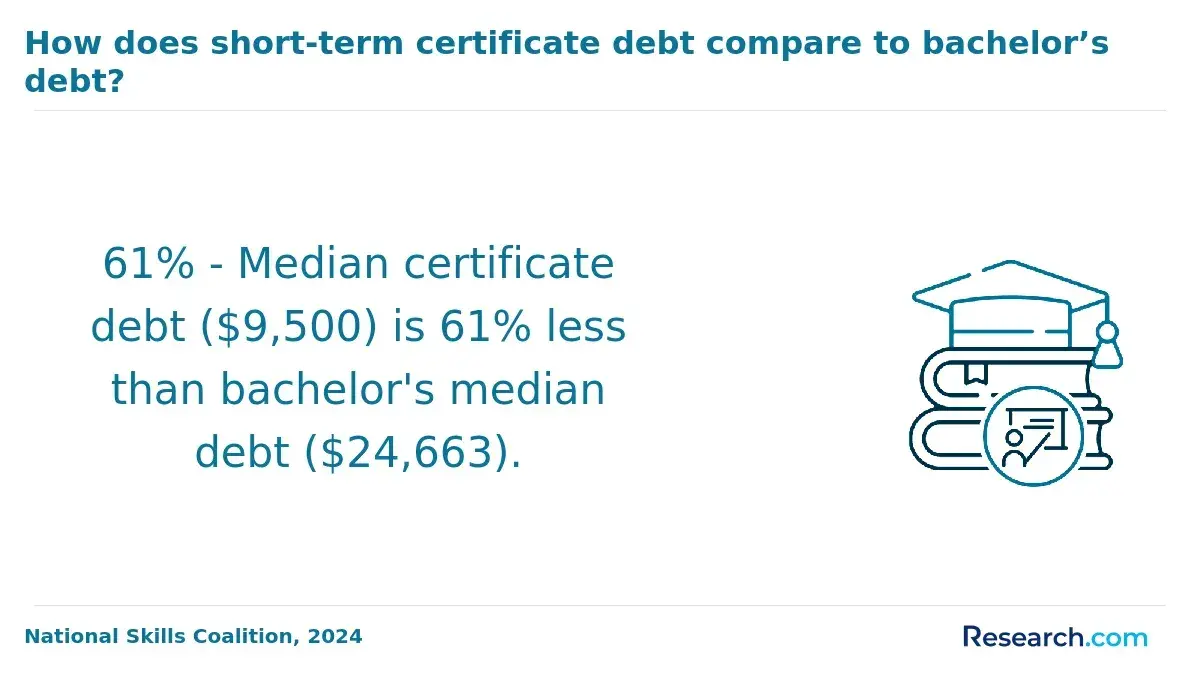
Graduates with a master's degree in Bioinformatics typically enter the workforce in roles such as bioinformatics analyst, data scientist, or research associate, where their responsibilities center on handling extensive biological datasets, creating algorithms for genomics, and supporting experimental studies. These entry-level positions usually require solid programming skills and statistical knowledge, but they offer limited autonomy in decision-making and strategic direction. The ability to communicate results across interdisciplinary teams is highly valued, as many employers seek candidates who can bridge computational and experimental perspectives. While starting salaries generally range between $60,000 and $85,000, local industry demand and sector-specific needs often influence compensation and career entry speed.
Progressing beyond initial roles often involves gaining specialized expertise and demonstrating leadership in projects that integrate complex datasets or novel analytical methods, such as machine learning for drug discovery. Advanced titles like senior bioinformatics scientist or computational genomics lead carry higher expectations for both technical innovation and team management, with salaries potentially exceeding $110,000 and reaching upward of $160,000. However, immediate access to these roles depends on prior experience, sector-specific certifications, and the employer's valuation of a master's degree versus alternative qualifications. Notably, private biotech firms and academic institutions may weigh credentials differently, affecting career mobility. This dynamic underscores the importance of strategic specialization and continuous skill development to enhance competitiveness and long-term advancement within this evolving field.
Can a Bioinformatics Master's Degree Help You Change Careers?
A Bioinformatics master's degree can act as a strategic gateway for professionals seeking to reposition their careers, yet its value depends heavily on individual backgrounds and sector-specific demands. For those coming from unrelated fields, such a degree primarily fills technical and computational gaps-covering data analysis, programming, and biological insight-areas often nonnegotiable in recruitment but absent from prior experience. These programs typically incorporate applied projects, internships, or practicums that serve as critical credibility builders when entering life sciences or healthcare roles, which increasingly prioritize demonstrated problem-solving within bioinformatics contexts.
While this credential opens doors, many employers remain cautious with candidates lacking direct regulatory or proprietary tool expertise, often requiring supplementary qualifications or extended onboarding time. Overall, transitioning with a bioinformatics master's degree requires managing expectations about entry-level positioning, as salary resets and initial credential competition are common obstacles in career-change scenarios especially for senior professionals shifting fields. This nuanced dynamic is significant given growing but variable hiring across biotechnology and pharmaceutical sectors, where absorption rates for graduates differ substantially from government or academic posts demanding longer experience or specialized licensing.
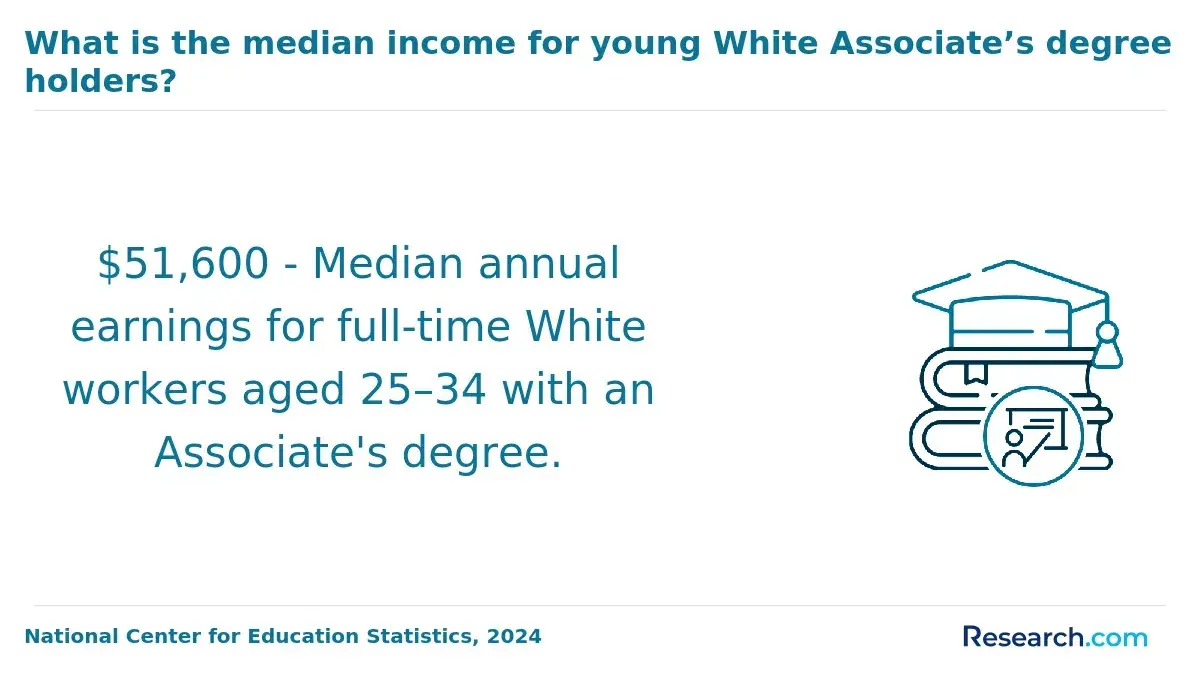
Those leveraging a bioinformatics master's degree within adjacent scientific or computational disciplines tend to enhance existing transferable skills rather than starting anew, frequently accelerating access to leadership or specialized technical roles. This approach aligns with industry demand for domain-specific expertise coupled with advanced analytical capabilities. Importantly, career-change outcomes hinge on specialization choices and labor market conditions, requiring candidates to balance practical factors like networking opportunities and hands-on learning embedded in many programs. Tuition figures for bioinformatics master's programs with rolling admissions generally range from $20,000 to $60,000, reflecting a significant investment for career changers weighing long-term mobility against upfront costs.
Candidates considering repositioning should also explore complementary or flexible academic options, such as an accelerated nutrition degree online, highlighting the broader landscape of interdisciplinary career pathways. Navigating these complexities candidly is essential for professionals intending to pivot effectively using a bioinformatics master's degree career change options as part of their strategy.
What Leadership and Management Roles Can You Pursue With a Bioinformatics Master's Degree?
Graduates with a master's degree in Bioinformatics are positioned for leadership roles where technical proficiency intersects with strategic oversight, especially in sectors like pharmaceuticals, healthcare, and biotech. These roles extend beyond hands-on data analysis to include managing multidisciplinary teams, overseeing project timelines, and ensuring regulatory compliance. For example, a project manager in a clinical trial setting must synchronize contributions from data scientists, lab technicians, and clinical researchers, balancing scientific rigor with operational deadlines.
However, advancement into these leadership positions often demands not only domain expertise but also certifications such as PMP and a demonstrated ability to handle cross-functional communication and budget responsibilities. The diversity of organizational structures means leadership tracks vary significantly; some positions emphasize specialized technical input while others require broader administrative authority, affecting promotion pacing and compensation trajectories.
Leadership paths in bioinformatics depend heavily on industry-specific demands and individual specialization areas. Early-career roles may involve direct technical oversight, but progression typically involves a tradeoff where leaders reduce hands-on analysis to focus on decision-making, stakeholder management, and strategic alignment with corporate goals. Employers increasingly expect leaders to navigate complex compliance environments, vendor interactions, and data governance issues, making people-management and regulatory knowledge key differentiators.
These practical workforce factors influence how roles evolve and how compensation grows, particularly in larger companies or those involved in clinical research with regulatory scrutiny. Not all bioinformatics managers follow a linear advancement path; in some settings, lateral moves to consulting or operations roles may offer more growth or influence than traditional departmental leadership.
One graduate recalled applying through a rolling admissions process where the timing of interviews and conditional offers created uncertainty in her decision-making. She found herself weighing the need to submit application materials promptly against delaying to improve her profile with additional project leadership experience. The period of waiting for final admission decisions coincided with competing job opportunities, adding pressure to balance readiness and opportunity. Ultimately, her cautious approach to timing and preparation paid off, securing a spot that aligned with her leadership goals, highlighting the practical challenges candidates face beyond academic qualification in positioning themselves for meaningful management roles.
What Skills Do Employers Expect From Graduates With a Bioinformatics Master's Degree?
Employers hiring graduates with a master's degree in bioinformatics prioritize a precise mix of technical, analytical, and operational competencies that directly impact organizational effectiveness. Technical skills like proficiency in Python, R, and SQL alongside managing genomic datasets and cloud-based resources underpin fundamental job functions such as algorithm development and data integration. However, employers also expect the ability to critically evaluate pipelines and validate models, since the accuracy and reproducibility of bioinformatics analyses can dramatically affect downstream research or regulatory submissions. For instance, in pharmaceutical companies, a single error in computational workflows may delay drug development timelines and increase costs. These competencies are often assessed through project-based coursework and capstone collaborations simulating real-world datasets and interdisciplinary team dynamics-training that distinguishes graduates able to navigate complex, evolving data environments from those with more theoretical knowledge.
Leadership and communication skills weigh heavily for roles beyond entry-level positions, with an emphasis on regulatory compliance, project management, and translating computational findings for non-technical stakeholders like clinicians or business leads. These skills reflect workforce realities where effective cross-functional collaboration and strategic planning influence both project success and career trajectory. Graduates who demonstrate these capabilities typically command salary premiums around 20% higher than peers restricted to purely technical roles, reflecting increased responsibility and impact. Furthermore, industry demand varies: clinical settings require HIPAA and FDA compliance knowledge, whereas agricultural genomics places greater value on adaptability to large-scale field data. Consequently, a graduate's ability to pivot across these contexts determines employability and advancement prospects more than any single technical skill set, underscoring the need for integrated, application-driven training in master's programs today.
Are Remote and Flexible Careers Available With a Bioinformatics Master's Degree?
Remote and flexible work options in bioinformatics careers vary significantly based on sector, role, and technical infrastructure. Positions centered on data analysis, algorithm development, and systems biology modeling within pharmaceutical or biotech companies often offer fully remote or hybrid arrangements due to cloud-based computing and collaborative digital platforms. However, many research-focused roles in academia or government labs still require on-site presence for experimental tasks, lab management, or regulatory compliance. The balance between remote and in-person duties frequently hinges on data security protocols and project workflows needing synchronous collaboration versus autonomous work. For example, senior bioinformatics consultants and project managers might face limited remote flexibility due to client interactions and team oversight demands, underscoring a tradeoff between work location freedom and leadership responsibilities. Considering a master's degree is an entry point for many, remote roles at the specialist level typically come with heightened productivity expectations and competitive pressures.
Employment choices in remote bioinformatics careers in the United States must account for practical impacts such as compensation disparities, geographic mobility, and potential limitations to professional visibility. While flexible work arrangements can improve work-life integration, reduced face-to-face networking can slow advancement in certain organizations. Industry demand trends show increasing digital adaptation, yet employers operating within regulated healthcare and pharmaceutical sectors maintain stricter controls that constrain remote work availability. A notable pattern in bioinformatics master's program admissions reveals enrollment spikes during spring semesters, reflecting workforce demand cycles favoring timely skill acquisition. Professionals interested in transitioning between specialized health roles, similar to pathways highlighted in the FNP to acute care NP context, should weigh these hybrid work dynamics carefully when evaluating career trajectories in this field.
What Certifications or Licenses Complement a Bioinformatics Master's Degree?
Certifications play a strategic role in complementing a bioinformatics master's degree, especially when employers demand specialized technical skills or regulatory knowledge that a general graduate program may not fully provide. For professionals aiming to work in pharmaceutical or government research sectors, credentials related to compliance standards like Good Clinical Practice or HIPAA are often preferred and can be critical for roles involving sensitive clinical or regulatory data. Conversely, in tech-driven or startup environments, certifications in programming languages such as Python or R and cloud platforms like AWS may be more valued for proving hands-on expertise, even though formal licenses are rare. Forgoing certifications can limit salary potential and upward mobility, particularly in organizations where structured credential frameworks determine promotion eligibility.
Industry variation means not all bioinformatics master's graduates need professional licenses to enhance bioinformatics careers equally; many technical roles remain accessible without formal credentials, but leadership or niche specializations frequently require them. Entry-level certifications like the Certified Bioinformatics Professional (CBP) can validate analytical skills from graduate training, easing transition into complex roles, while advanced certifications in areas such as genomic data analysis help experienced workers qualify for cross-disciplinary teams. Professionals should carefully weigh the operational workload of maintaining certifications against the benefits they bring, including broader job eligibility and enhanced industry credibility. Those transitioning from unrelated fields may find targeted credentials crucial to bridge expertise gaps. For example, a growing share of programs similarly emphasize practical credentials as complements to core degrees, much like graduate options available in online marriage and family therapy graduate programs do in their own field.
What Graduates Say About Career Opportunities With a Bioinformatics Master's Degree
- Robert: "Balancing a full-time job while pursuing my master's in bioinformatics was exhausting, but I chose the evening classes because I couldn't afford to quit work. The tight schedule meant I couldn't take on many internships, which made breaking into research roles harder than I expected. Ultimately, I landed a remote data analyst position thanks to my portfolio projects rather than formal experience, but I still feel the lack of an internship slowed my career growth."
- Case: "I decided to pursue a bioinformatics master's after a mid-career pivot from software development, even though it meant a pay cut and moving to part-time studies to manage expenses. The program's strong industry connections helped me secure a critical summer internship, which employers seemed to value over my academic grades. While the transition was challenging, having hands-on experience positioned me well enough to get a role that bridges computational skills with biological data interpretation."
- Sebastian: "The intense workload of my bioinformatics master's made me reconsider how much I could commit before burning out, so I focused on acquiring certifications alongside coursework rather than pursuing multiple internships. After graduating, I noticed that many employers prioritized portfolios and practical skills over having a license or degree alone, which validated my approach. However, I found that salary progression in my first role was limited without further specialization, so I'm now planning to return for a PhD to deepen my expertise."
Other Things You Should Know About Bioinformatics Degrees
Employers overwhelmingly prioritize candidates with practical, hands-on experience in coding, data analysis, and working on real datasets over those with purely theoretical knowledge. Programs that incorporate substantial project work, internships, or collaborations with industry tend to produce graduates who adapt more quickly and make immediate contributions. If career readiness is your primary goal, prioritize programs with robust applied components rather than those heavily dominated by theoretical or purely computational coursework.
In 2027, varying curriculum focuses in bioinformatics master's programs can significantly shape your career path. Specialized programs might lead to niche roles like computational genomics, whereas broader curricula can offer flexibility in diverse fields like healthcare analytics or pharmaceuticals. Careful selection based on career goals is crucial.
Part-time study allows you to maintain employment and gain industry experience concurrently, which is valuable for networking and applying skills immediately. However, the longer duration and divided attention can dilute the intensity of learning and delay full immersion in bioinformatics methodologies, potentially impacting mastery of complex topics. If your priority is rapid skill acquisition and reentry into the workforce at a higher level, full-time study generally offers better outcomes despite the short-term financial sacrifice.
Demand for specific programming skills like Python, R, and SQL varies by sector, but proficiency is non-negotiable for most bioinformatics roles. Programs that offer practical, language-specific training integrated with biological data problems enable graduates to meet these expectations directly. When selecting a program, assess whether its language instruction matches industry standards since superficial or outdated coding training can limit employability and require costly self-study post-graduation.
References
- Association for Computing Machinery. (2024). ACM/IEEE joint task force report on computing curricula: Data science and computational biology guidelines. https://www.acm.org/education/curricula-recommendations
- Bureau of Labor Statistics. (2026). Occupational outlook handbook: Biochemists and biophysicists. U.S. Department of Labor. https://www.bls.gov/ooh/life-physical-and-social-science/biochemists-and-biophysicists.htm
- Centers for Disease Control and Prevention. (2025). Advanced molecular detection (AMD): Transforming public health laboratories through pathogen genomics and bioinformatics training. U.S. Department of Health and Human Services. https://www.cdc.gov/amd/index.html
- European Bioinformatics Institute. (2025). EMBL-EBI competency hub: Global professional frameworks for bioinformatics data management and infrastructure engineering. European Molecular Biology Laboratory. https://competency.ebi.ac.uk/
- International Society for Computational Biology. (2024). ISCB core competencies for bioinformatics curricula: Official guidelines for graduate-level training. https://www.iscb.org/iscb-degree-guidelines
- National Center for Biotechnology Information. (2024). GenBank and the evolution of open-access bioinformatics infrastructure. U.S. National Library of Medicine. https://www.ncbi.nlm.nih.gov/genbank/
- National Institutes of Health. (2025). NIH strategic plan for data science: Advancing clinical research, biostatistics, and biomedical informatics workforce training. U.S. Department of Health and Human Services. https://datascience.nih.gov/strategic-plan
- National Science Foundation. (2024). Diversity and STEM: Women, minorities, and persons with disabilities in science and engineering (Special Report NSF 24-300). National Center for Science and Engineering Statistics. https://nces.ed.gov/programs/digest/
- U.S. Food and Drug Administration. (2025). Bioinformatics in regulatory science: Center for Biologics Evaluation and Research (CBER) high-performance computing initiatives. U.S. Department of Health and Human Services. https://www.fda.gov/about-fda/science-and-research-fda