2027 Career Paths with an Applied Psychology Master's Degree Explained

Co-Founder and Chief Data Scientist
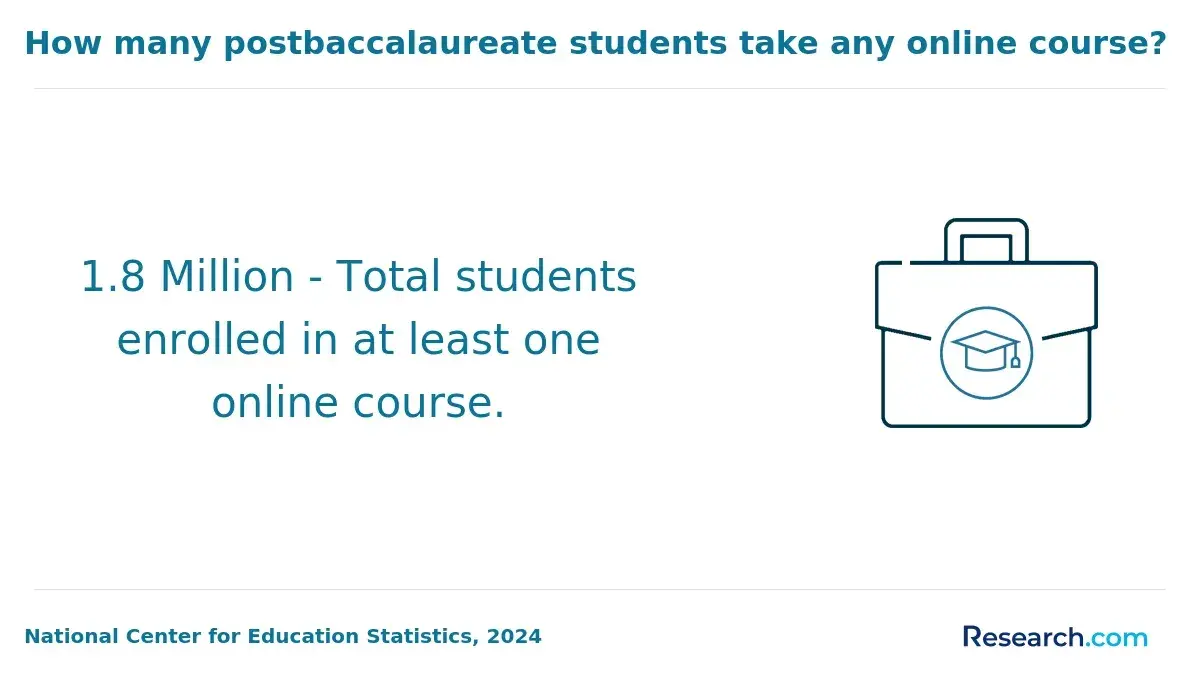
The career landscape for professionals holding a master's degree in applied psychology has transformed, with employers placing rising importance on advanced expertise in behavior analysis, data-driven decision-making, and regulatory compliance. Specialized graduate-level skills now serve as prerequisites for leadership roles, cross-disciplinary collaboration, and technical problem-solving in settings ranging from healthcare systems to organizational development. Applied psychology programs cultivate competencies in research methodologies, psychometric evaluation, and human factors integration, aligning graduates with evolving workforce demands. A 2024 National Center for Education Statistics report reveals a 12% increase in adult enrollment in flexible, online graduate programs, highlighting shifts in access and timing for career advancement. This article unpacks key career paths tied to an applied psychology master's degree, helping readers assess fit relative to their professional ambitions.
Key Things to Know About Career Paths With a Applied Psychology Master's Degree
- Applied psychology's focus on behavioral data analysis drives demand in industries like healthcare and marketing, yet requires balancing technical skills with client-facing responsibilities, influencing specialization and career variability.
- Employers increasingly prefer candidates with applied psychology expertise for leadership roles involving workforce mental wellness, signaling a shift toward integrating psychological principles into organizational strategy.
- Despite growth in online applied psychology programs, a 2024 report from the National Center for Education Statistics highlights slower enrollment growth among adult learners, indicating access challenges that affect career timing and return on investment.
What Can You Do With a Applied Psychology Master's Degree?
The value of a master's degree in applied psychology extends well beyond academic theory, shaping distinct career trajectories that reflect the degree's applied nature and industry responsiveness. Selecting a path within this field requires an understanding of how the master's credential aligns with employer expectations, role complexity, and long-term professional mobility. For example, those targeting leadership in corporate settings should anticipate blending psychological insight with business acumen, often necessitating complementary skills beyond the degree itself. Conversely, careers focused on client-facing behavioral health roles may demand licensure steps or continuous training, emphasizing the practical tradeoffs graduates face between immediate employability and future credentialing.
- Organizational Consultant: These professionals leverage applied psychology to diagnose and improve workplace dynamics, tapping into organizational development and leadership training. While often positioned for advancement, they must balance psychological expertise with business strategy, and salary potential typically rises with demonstrated impact on performance metrics.
- Research Coordinator: Graduates in this role support the design and management of applied behavioral studies, primarily in academic or nonprofit contexts. This pathway emphasizes specialization in data analysis and program evaluation, offering a solid foundation for those considering doctoral studies or research-intensive careers.
- Behavioral Health Specialist: Often employed in healthcare or community agencies, these roles focus on intervention and client support, with the master's degree enabling direct practice under supervision. Job flexibility is notable, but advancement may require further credentialing to expand clinical responsibilities and independence.
- Human Resources Analyst: This niche integrates psychological principles with talent management and employee engagement, reflecting a growing industry demand for evidence-based HR strategies. Here, graduates must supplement their applied psychology training with strong analytic and software skills to command competitive compensation.
- Program Evaluator: Frequently engaged by government or nonprofit organizations, these professionals assess the effectiveness of social or behavioral programs. The role demands both applied psychological knowledge and strong communication abilities, with career mobility linked to expertise in evaluation methodologies and policy impact.
In navigating these career options, understanding the interplay between industry demand and credential requirements is crucial. The range of career opportunities with an applied psychology master's degree mirrors this diversity, where graduates must strategically evaluate trajectories that balance immediate employment goals with longer-term professional development. Those considering additional doctoral study must weigh the extended timeline and focus on research depth against the practical benefits of entering the workforce directly.
For professionals comparing graduate options, it is helpful to explore comprehensive program listings such as the best DNP programs, which exemplify how specialized degrees can pivot career pathways significantly, a lesson applicable when assessing the practical returns of an applied psychology master's.
What Are the Highest-Paying Careers With a Applied Psychology Master's Degree?
Compensation in applied psychology careers is heavily influenced by specialization, leadership scope, and the ability to integrate psychological expertise with technical or organizational challenges. Professionals who navigate roles requiring strategic impact or advanced methodological skills tend to command higher salaries, but these positions often come with heightened expectations for data literacy, regulatory knowledge, and cross-disciplinary collaboration. Career choices that balance these qualifications against personal interests and market demand shape long-term financial outcomes.
- Industrial-Organizational (I-O) Psychologist: Specializing in workplace behavior and productivity, I-O psychologists earn among the highest salaries due to their direct influence on organizational effectiveness and employee well-being. Their median wages near $120,000 (BLS 2024) reflect strong demand in corporate, consulting, and government roles that value data-driven decision-making and leadership skills.
- Human Factors Specialist: These professionals apply psychological principles to design safer, efficient products and systems, particularly in tech, healthcare, and transportation. Salaries frequently exceed $100,000 because employers prioritize expertise that reduces risk and enhances usability within complex operational contexts.
- Clinical Research Coordinator: While the median range around $75,000 to $90,000 is lower, this role's pathway toward managerial or director positions allows for meaningful salary growth, especially in pharmaceutical and academic sectors with rigorous protocol and compliance demands.
- User Experience (UX) Researcher: UX researchers leverage applied psychology to optimize digital interactions. Mid-career practitioners earn between $85,000 and $130,000 depending on experience and company scale, highlighting how cognitive and behavioral insights translate into high-value tech industry roles.
These roles illustrate the tradeoff between entry salary and advancement potential-while some pathways start lower, they often provide clearer ladders to senior positions. Candidates should weigh employer expectations for technical rigor and communication when planning their careers, as geographic and industry-specific factors also affect compensation trajectories.
Which Industries Hire Graduates With a Applied Psychology Master's Degree?
Applied psychology graduates fill roles that demand not only technical expertise in behavioral analysis but also strategic acumen to translate psychological principles into actionable outcomes within diverse organizational contexts. In healthcare, their work often extends beyond patient interactions to include designing integrated care models and behavioral health programs that comply with regulatory standards and insurance frameworks. Conversely, in human resources and organizational development, their focus shifts toward data-driven strategies for talent management and employee engagement, requiring proficiency in psychometric tools and change management methodologies. Market research roles leverage applied psychology skills to decode consumer behavior through advanced analytics, but success here hinges on combining qualitative insights with quantitative rigor-demanding specialized training in research design and statistical software. The operational expectations in government and education sectors prioritize policy evaluation and program implementation, where graduates must navigate bureaucratic constraints and demonstrate impact through evidence-based practices, a task that often requires formal credentials in evaluation methods or public administration.
Industry choice significantly impacts career trajectories, compensation scales, and skill applicability for applied psychology graduates. Healthcare settings typically offer higher starting salaries and clearer pathways to clinical specialization, but they also require navigating licensure and ongoing certification. Meanwhile, organizational consulting roles may offer broader leadership opportunities and client-facing experience but often entail travel and project-based variability that can affect work-life balance. Technology and user experience positions increasingly attract applied psychologists, yet these roles demand rapid adaptability to evolving digital tools and interdisciplinary collaboration, which may not suit all graduates. Each sector reflects different maturation stages for psychology's practical application, influencing how much theoretical knowledge is prioritized versus hands-on experience. Graduates who strategically align their expertise with an industry's unique demands and professional standards enhance their long-term employability and potential for advancement.
A recent graduate shared that choosing between healthcare and corporate consulting was fraught with uncertainty, as both fields valued applied psychology differently. Initially drawn to healthcare for its clinical impact, the graduate found that hospital roles required extensive certification and offered limited immediate leadership chances. Transitioning to a consulting firm, the pressure to quickly deliver measurable organizational improvements tested their practical skills beyond academic preparation. They reflected that bridging theoretical psychology with operational business demands required ongoing learning and adaptability, reinforcing the necessity to clearly evaluate industry expectations before committing to a career path in applied psychology.
What Is the Job Outlook for Careers Requiring a Applied Psychology Master's Degree?
Employment opportunities in applied psychology with a master's degree show varied growth influenced by sector-specific demands and credential expectations. Clinical, counseling, and school psychology roles, which are commonly accessible to master's holders, face a projected expansion of around 10% from 2022 to 2032, according to the U.S. Bureau of Labor Statistics. However, this growth masks competitive pressures, especially in licensed clinical positions where doctoral education and certification often outweigh a master's qualification. Professionals aiming to enter human resources, organizational consulting, or market research may find more diverse entry points, yet these fields depend heavily on evolving industry priorities like data analytics and behavioral insights that can favor candidates with specialized experience or technical skills.
The job outlook for careers growth outlook for applied psychology master's degree holders involves balancing credentialing requirements against emerging workplace needs. Regulatory initiatives bolstering school and rehabilitation psychology alongside growing investments in employee well-being create niche demand areas with potentially higher salary leverage. Nevertheless, regional differences and organizational budgets frequently dictate hiring intensity and advancement opportunities, prompting some candidates to supplement their degree with practical internships or data proficiency. Candidates evaluating pathways might also consider resources like the cheapest RN-BSN online program as a comparative investment in related health fields, given applied psychology's often complex licensing trajectory and variable long-term role stability.
What Entry-Level and Advanced Jobs Can You Get With a Applied Psychology Master's Degree?
Holding a master's degree in applied psychology often positions graduates for roles where foundational skills complement broader organizational or clinical goals, but the path to advanced responsibilities is rarely direct. Entry-level jobs such as behavioral health technician or research assistant focus on applied assessment, data gathering, and supportive functions, emphasizing strong interpersonal skills over independent decision-making. Many employers expect candidates to gain practical experience or pursue additional certifications before stepping into supervisory or specialist roles. For example, a rehabilitation counselor might begin by assisting with client intake and treatment planning before advancing to program development or policy advisory positions, highlighting how real-world exposure and credentialing influence career trajectories within healthcare or human services sectors.
Transitioning to mid-level or leadership roles like clinical supervisor or organizational development consultant entails greater technical expertise, strategic input, and sometimes licensure, particularly in clinical contexts. Compensation and autonomy rise with these responsibilities, but advancing depends on both specialization and sector norms-industries such as corporate HR versus non-profit social services may value applied psychology credentials differently. The U.S. Bureau of Labor Statistics projects a 12% growth in counseling and social services jobs through 2032, reflecting expanding opportunities but also increasing competition for roles requiring nuanced psychological proficiency. Graduates must balance the tradeoff between entering the workforce quickly and investing time in targeted internships or certifications that unlock higher-tier positions, making strategic career planning essential for leveraging the masters degrees online versatility across diverse applied psychology fields.
Can a Applied Psychology Master's Degree Help You Change Careers?
An applied psychology master's degree can function as a strategic credential for career changers, but its impact depends heavily on prior experience and sector-specific demands. For professionals moving from unrelated fields, the degree offers concentrated expertise in human behavior, assessment, and intervention strategies that align with roles in healthcare, organizational development, and counseling. Many employers look for evidence of applied skills through internships or practicums, which this degree often requires to bridge the gap between theory and practice. However, career changers should be prepared for potential salary adjustments and the challenge of proving competency in new, often regulated, professional environments where licensing or additional certification may be mandatory. This is particularly relevant given that tuition for applied psychology programs with rolling admissions frequently ranges from $10,000 to $25,000, emphasizing the importance of weighing return on investment when pursuing this path.
For those considering career change with a master's in applied psychology, the degree strengthens credibility by validating new competencies in evidence-based methods and ethical standards valued across industries. Transition outcomes vary significantly depending on specialization and existing skills, with some graduates moving within adjacent fields to leadership or technical roles leveraging data-driven decision-making frameworks. A growing share of programs also emphasize networking and real-world experience, which facilitate access to competitive jobs. Still, graduates may face delays in seniority or income growth due to the probationary nature of repositioning, especially when entering high-demand sectors that require experience or licensure. Individuals should assess these practical tradeoffs, especially if entering roles similar to those requiring credentialed training, akin to what is seen in many 1 year radiology tech programs online.
What Leadership and Management Roles Can You Pursue With a Applied Psychology Master's Degree?
Leadership positions accessible to those with a master's degree in applied psychology frequently involve balancing technical expertise with broader organizational responsibilities. Graduates are often expected to integrate psychological principles with strategic business objectives, such as driving workforce optimization or culture change initiatives. Advancement into managerial roles typically demands competency in data-informed decision-making, ethical compliance, and cross-functional collaboration, especially in sectors like healthcare or finance where regulatory oversight is strict. Moreover, leadership pathways vary considerably by industry; for instance, ergonomics professionals may lead product safety projects, requiring coordination across technical and risk management teams, while clinical settings emphasize supervisory roles overseeing licensed practitioners and maintaining quality standards aligned with accreditation bodies.
Such variation means applied psychology graduates face distinct tradeoffs depending on their chosen trajectory: early leadership roles may still include hands-on project or client work, but moving up often requires relinquishing direct service delivery to focus on strategic planning and organizational influence. Employers tend to associate higher leadership responsibilities with increased accountability for measurable outcomes, stakeholder negotiation, and resource management, which correlates with compensation growth but demands broader skill sets beyond psychology alone. Recent workforce analyses show that about 60% of leadership positions in applied psychology-related fields expect demonstrated supervisory experience combined with a record of managing complex initiatives, underscoring the importance of acquiring cross-functional management skills alongside technical depth.
For example, one graduate recalled navigating the uncertainty of a rolling admissions cycle while balancing full-time work and family commitments. They delayed submitting final application materials to refine their leadership essays after receiving feedback but also worried this jeopardized timely admission decisions. Ultimately, managing that timing strategically allowed them to present a stronger candidacy aligned with their evolving career goals, demonstrating how decision-making during the admissions process can mirror the complex balancing act expected in applied psychology leadership roles.
What Skills Do Employers Expect From Graduates With a Applied Psychology Master's Degree?
Employers hiring graduates with a master's degree in applied psychology consistently emphasize advanced technical skills as a prerequisite for meaningful contribution, particularly in data-intensive roles. Proficiency in research methodologies and statistical software such as SPSS, R, or Python is critical because it enables practitioners to generate actionable insights from complex behavioral data, a demand that is steadily growing alongside organizational reliance on evidence-based decision-making. For example, a healthcare organization employing applied psychologists may require candidates who can independently design program evaluations to improve patient outcomes, with salaries in these roles often reflecting this specialized competence-entry-level positions can start near $65,000 and climb significantly with experience and technical acumen. This technical foundation is frequently assessed through comprehensive capstone projects or internships simulating real-world analytical challenges under tight constraints, providing employers with tangible evidence of adaptability and rigor.
Beyond technical expertise, leadership and interpersonal skills carry substantial weight in recruitment and promotion within applied psychology careers. Employers value candidates who demonstrate operational management capabilities-such as coordinating interdisciplinary teams and managing resources-to align psychological strategies with organizational objectives in sectors ranging from corporate to government. Communication proficiency with clients, including conflict resolution and culturally sensitive engagement, is crucial in applied settings, especially in counseling or clinical environments where trust and compliance directly impact intervention success. Industry demands diverge: organizational psychology roles prioritize change management and employee engagement, while clinical tracks lean heavily on licensure knowledge and therapeutic effectiveness. Graduates lacking these competencies often face salary stagnation and limited advancement, underscoring that soft skills coupled with technical mastery form the cornerstone of functional leadership in applied psychology fields.
Are Remote and Flexible Careers Available With a Applied Psychology Master's Degree?
Remote and flexible careers in applied psychology predominantly hinge on the specific role and industry context, as well as regulatory frameworks governing client interaction and data security. Positions emphasizing research, data analysis, or digital intervention design are among the most amenable to remote or hybrid work due to their reliance on cloud-based collaboration and secure information systems. For instance, professionals working as organizational consultants or research analysts often engage fully remotely, leveraging asynchronous communication and video conferencing tools to coordinate with stakeholders. However, clinical roles requiring direct client contact face stricter limitations, as licensing mandates and hands-on assessments necessitate some in-person presence, which reduces scheduling flexibility and geographic mobility. Employers typically expect remote applied psychology professionals to maintain high productivity and meet collaboration standards, which can impact work-life integration and career development trajectories.
Industry and employer variability heavily influence the availability of flexible arrangements, with corporate HR and UX research sectors more likely to support remote models, unlike government, healthcare compliance, or educational settings where physical presence remains essential. Early-career individuals often experience more onsite requirements for training and supervision, whereas mid-career practitioners and independent consultants may negotiate greater autonomy. These tradeoffs affect not only day-to-day operations but also long-term compensation and professional visibility. The steady increase in applied psychology master's enrollment in online and hybrid formats during 2023 reflects growing demand for adaptable training pathways aligned with workforce needs. Professionals weighing remote job opportunities for applied psychology master's graduates should consider these nuanced operational realities to optimize both immediate work conditions and future career options. For expanded context on related fields, see jobs for bioinformatics degree.
What Certifications or Licenses Complement a Applied Psychology Master's Degree?
Licenses and certifications function as key distinguishing factors for applied psychology master's graduates navigating diverse career paths, each with distinct regulatory and operational demands. Professional licenses, such as those required for clinical psychologists or licensed professional counselors, are essential to practice independently in clinical and counseling settings and typically mandate supervised clinical hours alongside state-specific examinations. Without such licenses, graduates encounter significant limitations in scope of practice, notably the legal authority to provide psychotherapy or diagnose mental health conditions, which directly constrains job eligibility and earning potential. Conversely, certifications, often optional but valued, endorse specialized expertise in fields like forensic or industrial-organizational psychology and can differentiate candidates in competitive corporate, governmental, or research roles. In sectors where regulation is less stringent, certifications compensate by signaling advanced competency, thus influencing hiring decisions and professional standing.
Employers increasingly expect applied psychology graduates to hold relevant professional licenses or certifications, depending on sector-specific compliance and technical specialization requirements, highlighting the strategic importance of these credentials for career progression. For instance, mid-career professionals pursuing certifications often negotiate higher salaries and expanded job responsibilities, while entry-level candidates must prioritize licensure to access foundational roles. Additionally, certifications contribute to leadership qualification and client trust in consulting or administrative positions, although maintaining them involves ongoing continuing education obligations and associated costs. Graduates unfamiliar with clinical prerequisites might explore alternative different therapy degrees or certification pathways tailored to applied psychology master's graduates. Thus, professional licenses enhancing career in applied psychology represent both regulatory compliance and credibility assets, while specialized certifications provide a versatile mechanism for expanding expertise and advancing within heterogeneous fields.
What Graduates Say About Career Opportunities With a Applied Psychology Master's Degree
- Eddie: "Balancing a full-time job alongside my master's in applied psychology meant my study schedule was tight, particularly around internship deadlines. I chose this program for its strong emphasis on practical skills and portfolio development, hoping to stand out despite limited licensure options. After graduation, while I didn't immediately qualify for clinical roles, the portfolio I built and internship at a behavioral research center helped me secure a position as a program coordinator, which allowed me to gradually pivot into more specialized work."
- Sage: "After switching careers later in life, I was cautious about investing too much time and money into a lengthy applied psychology master's program. I opted for one with a flexible remote format to fit my family commitments. Although I faced stiff competition for licensed therapist roles, the internship opportunities and emphasis on certifications gave me an edge, landing me a role in corporate wellness consulting. It's not the traditional path I initially imagined, but I appreciate the quicker workforce entry and growth potential."
- John: "The workload during my applied psychology master's was intense, and I knew I couldn't take on extra courses for licensure preparation. I focused instead on research and consulting skills, deciding that would open doors faster. Post-graduation, I found that many employers prioritize hands-on experience over credentials, so my internship and research portfolio were crucial. While salary growth remains slower without licensure, I've been able to build a sustainable career in organizational psychology, albeit with some trade-offs in advancement speed."
Other Things You Should Know About Applied Psychology Degrees
In 2027, an Applied Psychology Master's Degree can lead to careers in diverse fields such as human resources, market research analysis, mental health counseling, organizational development, and user experience design. Graduates utilize psychological principles to address issues in workplaces, communities, and various industries.
Programs with accelerated timelines or entirely online formats may accommodate working professionals but can demand intense time management and self-discipline. Shorter, condensed courses often reduce depth and networking opportunities, which employers in applied psychology value for complex problem-solving roles. If advancing quickly is critical, opt for programs blending flexible scheduling with in-person or cohort experiences to ensure both skill mastery and professional connections.
Prior experience in related fields often weighs heavily in admissions and hiring, sometimes overshadowing GPA or institutional prestige. A master's degree alone rarely certifies readiness for applied psychology roles demanding client interaction or organizational consulting. Prospective students should seek opportunities within their programs for internships or applied projects to complement academic credentials with demonstrable real-world skills that employers actively assess.
Accreditation and faculty qualifications directly impact the program's reputation and the credibility of your degree in competitive job markets. However, these factors must be balanced against practical concerns such as tuition affordability and geographic convenience-especially if you need to maintain employment during studies. Prioritize programs with recognized credentials and experienced instructors but don't underestimate how financial strain or commute burdens can erode academic performance and career momentum.
References
No references available.