
2027 Do Employers Pay for Applied Psychology Degrees: Tuition Reimbursement and Sponsorship Options

Co-Founder and Chief Data Scientist
Many working professionals hesitate to pursue an applied psychology degree due to the high tuition costs and potential student debt. In the U. S. , the average cost of a master's program in applied psychology exceeds $30, 000, with total student debt for psychology graduates often surpassing $40, 000. These financial barriers discourage individuals from advancing their education and career prospects. This article examines whether employers commonly offer tuition reimbursement or sponsorship for applied psychology degrees. It will guide readers through eligibility criteria, typical employer policies, and practical steps to secure financial support for their studies, helping reduce the burden of educational expenses.
Key Benefits of Employers Paying for Applied Psychology Degrees
- Employer tuition reimbursement for applied psychology degrees reduces out-of-pocket costs, aiding professionals in managing the average student debt of $30,000 in social science fields.
- Sponsorship programs often include mentorship, enhancing career development and practical skills alongside academic learning in applied psychology disciplines.
- Funding support from employers increases employee retention, as investment in education motivates commitment and advances organizational expertise in applied psychology roles.
Do Employers Pay for Applied Psychology Degrees?
Many employers in the United States offer financial support for employees pursuing higher education, with approximately 39% of organizations providing tuition reimbursement or sponsorship programs, according to a 2022 report by the Society for Human Resource Management. Companies often invest in applied psychology degrees because professionals with this expertise contribute to workplace well-being, employee productivity, and talent management.
Organizations focused on leadership development, organizational behavior, or employee counseling frequently support education in this field. This growing interest means employer tuition reimbursement for applied psychology degrees can be a valuable benefit for working professionals aiming to enhance their skills and advance their careers.
Employer payment trends for applied psychology degrees vary significantly based on industry, role relevance, and workforce needs. Healthcare organizations and larger corporations with established human resources departments tend to offer more comprehensive tuition assistance, while smaller businesses or industries less connected to psychology provide limited support.
For students weighing options, understanding these variations is crucial to maximizing return on investment. Investigating employer education benefits early is advisable, especially in sectors known for employee development. Additionally, exploring options alongside related fields, such as affordable online MBA programs, may broaden opportunities for sponsorship or tuition assistance in complementary areas of study.
What Types of Tuition Assistance Do Employers Offer for Applied Psychology Degrees?
Employer-provided tuition assistance is a crucial resource for professionals pursuing an applied psychology degree, as it significantly lowers out-of-pocket expenses and mitigates financial risks. These benefits enable students to concentrate more fully on their studies and career growth without the burden of excessive educational debt.
Common types of employer tuition assistance for applied psychology include:
- Tuition Reimbursement: Employers repay part or all of the tuition costs after successful course completion. Reimbursement limits often range from a few thousand to several thousand dollars annually, making it feasible to cover substantial portions of applied psychology programs.
- Direct Sponsorship: In this form, employers pay tuition directly to the educational institution or upfront on behalf of the employee. This simplifies the payment process and sometimes extends support to related expenses such as books and fees.
- Flexible Benefits Plans: These plans allow employees to allocate pretax income toward education expenses, effectively reducing the overall cost of pursuing applied psychology degrees and related fields.
- Employee Scholarships or Grants: Larger organizations may offer scholarships or grants specifically for employees, further easing the financial burden associated with higher education.
Exploring employer tuition reimbursement for applied psychology can be a valuable way to optimize investment in education. For those interested in fields beyond psychology, it is useful to compare such offerings alongside options like online engineering degrees, where employer education benefits also play a key role in affordability.
Considering applied psychology degree sponsorship programs as part of your education financing plan can dramatically improve your financial outlook during graduate studies and beyond.
Who Is Eligible for Employer Tuition Reimbursement for Applied Psychology Degrees?
Eligibility requirements significantly shape when and how employees can leverage employer tuition reimbursement for an applied psychology degree. These requirements affect not only the timing of funding approval but also which programs align with employer priorities, influencing the overall return on investment for both parties. Careful consideration of these eligibility factors helps students plan effectively and select programs that meet employer standards while advancing career goals.
Key eligibility factors for employer tuition reimbursement applied psychology programs include:
- Employment status: Tuition assistance typically requires an employee to hold full-time status, although some employers accept part-time roles, ensuring commitment to the organization during study.
- Tenure requirements: Employees often must complete a minimum tenure, commonly six months to a year, before qualifying for reimbursement to demonstrate loyalty and performance.
- Job relevance: The applied psychology degree should directly relate to the employee's current position or future role to justify employer investment in skill development.
- Academic performance: Maintaining a specified minimum GPA is usually required to continue receiving tuition support, reinforcing academic standards.
- Approval process: Formal pre-approval of the program by supervisors or HR is essential, ensuring tuition assistance aligns with business needs and strategic workforce development.
- Employment commitment: Employees may be required to remain employed throughout the educational program and for a designated period afterward to retain eligibility and repay benefits otherwise.
Those exploring who qualifies for tuition assistance in applied psychology degrees should also consider program affordability and delivery methods. For example, many students review MFT programs online as alternatives or complements to traditional pathways, balancing cost, flexibility, and eligibility restrictions.
How Do Employer Tuition Reimbursement Programs Work for Applied Psychology Degrees?
For students pursuing an applied psychology degree while working, knowing how employer tuition reimbursement programs function can significantly ease the financial burden. These programs not only reduce out-of-pocket costs but also support career advancement. Below is an overview of common features in such reimbursement plans.
- Approval Process: Before starting courses, employees often must submit a formal request seeking tuition assistance. Approval usually depends on whether the coursework aligns with their current role or growth opportunities within the company.
- Payment and Reimbursement Timing: Employers may pay tuition directly or reimburse employees after course or semester completion. Prompt and accurate submission of required materials ensures timely reimbursement.
- Documentation Requirements: To receive funds, employees typically need to provide official transcripts, receipts, and proof of satisfactory grades. Accurate records help verify eligibility for reimbursement.
- Reimbursement Limits: Many employers cap the annual amount reimbursed, which might cover partial or full tuition but often excludes additional fees or supplies. Understanding these limits helps manage expectations.
- Academic Performance Expectations: Maintaining a minimum grade-commonly a B or better-is usually mandatory. Falling short of academic standards can disqualify employees from ongoing reimbursement benefits.
Are Online Applied Psychology Degrees Eligible for Company Sponsorship?
Employer support for online applied psychology degrees has increased notably over recent years, as many organizations have grown more accepting of remote learning formats. Studies indicate that nearly 70% of employers now consider online programs to offer education comparable to traditional campus-based degrees, though attitudes can differ by industry and specific job responsibilities. Participation in tuition reimbursement plans remains tied closely to company policies and budget priorities, with many firms emphasizing career development while expecting employees to justify how their coursework will contribute to company goals.
When evaluating sponsorship requests for online applied psychology studies, employers often focus on several critical aspects. Accreditation from recognized agencies is essential to validate program quality. The degree's relevance to current or prospective job functions significantly influences funding decisions, as does the demonstrated academic rigor and practical application embedded in the curriculum. Additionally, organizations look for alignment between the skills acquired and wider business objectives such as enhancing leadership capabilities or boosting employee well-being.
One professional who recently completed an employee-sponsored online applied psychology degree shared insights after I spoke with him about his experience. He recalled the initial uncertainty about whether his company's tuition assistance would cover an online program but found that clearly articulating how the degree would improve his role helped gain approval. The process required patience and detailed communication with human resources, but once enrolled, he described feeling supported balancing coursework with work demands. He reflected, "It wasn't easy convincing them at first, but showing how the skills would benefit my team made all the difference." This experience illustrates that while eligibility for sponsorship varies, proactive engagement and a well-prepared case can open doors for many seeking to advance through online applied psychology education.
How Much Tuition Reimbursement Can You Get for Applied Psychology Degrees?
Employer tuition reimbursement limits play a crucial role in assessing the affordability and return on investment (ROI) of an applied psychology degree. Since only a portion of tuition may be covered, understanding these caps helps students plan finances realistically. In 2022, roughly 20% of U.S. employers offered some form of tuition assistance, reflecting its moderate availability across industries.
Annual reimbursement typically ranges between $3,000 and $5,250, aligning with federal guidelines that allow up to $5,250 in tax-free educational benefits yearly. Many employers also set lifetime maximums, often between $20,000 and $50,000, to manage long-term costs. Amounts vary based on factors like employer size, industry sector, and how closely the degree aligns with an employee's job. Federal tax regulations limit the tax-free benefit amount, which influences how much employers allocate without triggering added tax liabilities.
Are There Penalties for Leaving an Employer-Sponsored Applied Psychology Program Early?
Employees considering an employer-sponsored applied psychology degree should be aware of potential financial penalties if they leave their job before fulfilling certain commitments. Nearly 60% of organizations with tuition reimbursement programs require repayment if employees depart early. These conditions often include specific clauses and obligations that impact an individual's financial and professional decisions. Common examples include:
- Tuition Repayment Obligations: If an employee leaves before the agreed-upon period ends, they may need to repay tuition fees already covered by the employer, sometimes in full.
- Prorated Repayment Schedules: Employers often calculate repayment amounts based on how long the employee remained after completing the degree, meaning the repayment decreases over time but can still be substantial.
- Early Termination Clauses: These contractual provisions specify the required duration of employment following program completion and define financial consequences for early exit, which are legally binding once signed.
- Impact on Future Benefits: Leaving prematurely may also disqualify the employee from accessing future tuition assistance or other company-sponsored educational incentives.
To gain deeper insight, I spoke with a professional who completed an applied psychology degree through her employer's tuition assistance program. She recalled the uncertainty she faced when initially weighing the benefits against the risk of having to stay longer than anticipated. "I knew the company expected me to stay a minimum of two years after graduation, so the idea of leaving early and repaying thousands was daunting," she shared. While balancing work and studies was demanding, she appreciated the support and long-term stability the program provided. Ultimately, the financial assistance influenced her decision to remain, allowing her to apply newly acquired skills directly to her role. Reflecting on this experience, she emphasized that understanding the commitment upfront prevented surprises and reinforced her confidence in the investment made by both herself and her employer.
Can Employer-Paid Applied Psychology Degrees Improve Long-Term Earning Potential?
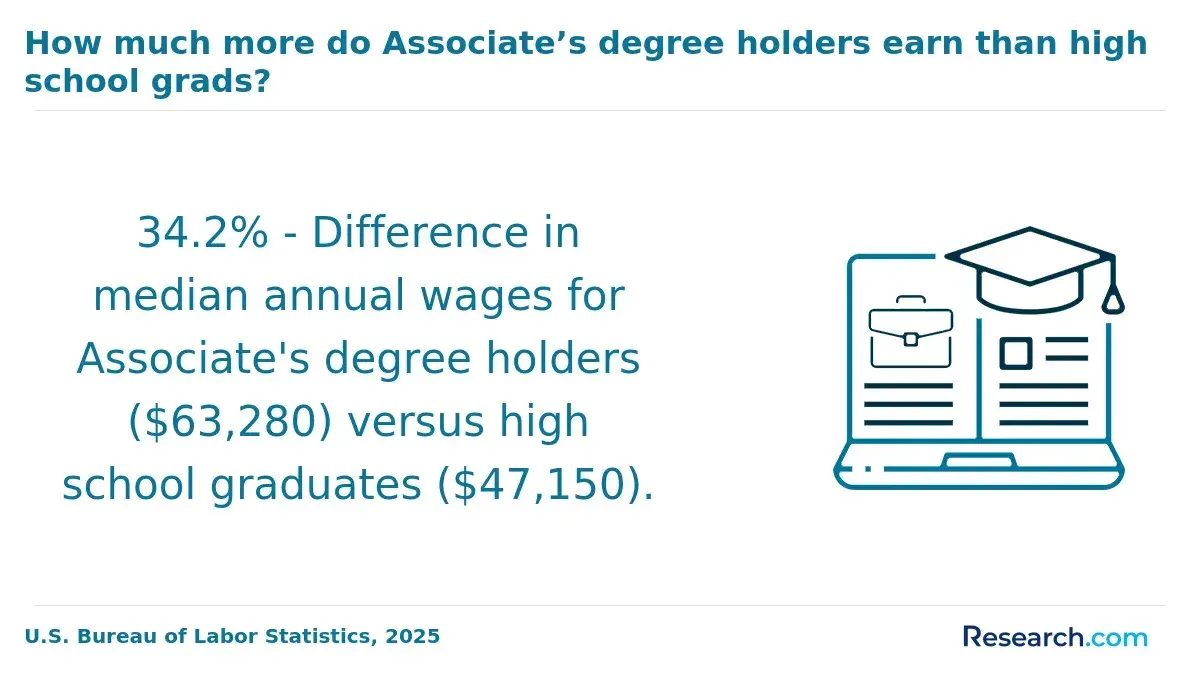
Evaluating the impact of employer-sponsored education on career earnings is vital for working professionals considering an applied psychology degree. Research consistently highlights that degree holders often earn 20-30% more than peers without such credentials over a lifetime. Understanding how employer-paid applied psychology degrees benefit long-term earning potential can clarify the return on your educational investment. Key factors influencing this advantage include:
- Increased promotion opportunities: Employer support makes advanced qualifications more attainable, helping employees stand out during promotion reviews and qualify for leadership roles.
- Faster career progression: Sponsorship enables quicker skill development in specialized areas like organizational development or clinical assessment, accelerating the path to higher responsibilities.
- Access to higher-paying roles: Employees with employer-paid degrees often gain eligibility for niche psychology positions that command premium salaries, boosting overall earning potential.
- Enhanced skills and qualifications: Tuition reimbursement opens doors to advanced study without upfront costs, allowing professionals to acquire in-demand expertise aligned with industry needs.
- Strong return on investment: Reducing educational expenses while gaining relevant credentials ensures long-term financial and professional gains surpass initial employer investment.
Besides financial advantages, employer-paid applied psychology degrees frequently foster increased employee loyalty and motivation, contributing to intangible professional growth. This support reduces barriers to education and equips students with competencies that translate directly to workplace performance, ultimately boosting earnings over a career.
For those exploring options in educational funding, comparing programs such as affordable EdD programs can also provide insight into cost-effective pathways complementary to employer sponsorship opportunities.
In summary, the benefits of employer-paid applied psychology degree programs extend beyond tuition savings to include significant enhancements in career trajectory and income potential over time.
How Do You Ask Your Employer to Pay for a Applied Psychology Degree?
Proactive communication and thorough preparation are essential when asking your employer to support your applied psychology degree. Research indicates that about 70% of companies offer tuition assistance, making it crucial to present a well-organized request. Carefully aligning your educational goals with your employer's interests can improve your chances of securing sponsorship and reducing out-of-pocket costs.
- Research company tuition policies: Review your employer's tuition reimbursement program, usually found in employee handbooks or internal resources. Understanding eligibility requirements and coverage limits helps tailor your approach effectively.
- Prepare a business case: Clearly explain how pursuing an applied psychology degree benefits your current role or career growth within the company. Emphasize skills or leadership qualities you will develop that add value to your team.
- Schedule a formal meeting: Arrange a specific time with your manager or HR to discuss your request professionally instead of addressing it casually. Be ready to explain costs, program timelines, and how you will manage work-study balance.
- Show program relevance: Demonstrate how the degree supports your current job responsibilities or future advancement goals. Linking your education to concrete workplace benefits strengthens your case.
- Follow up with documentation: Send a summary email after the meeting including important details like program information and tuition policy excerpts. This maintains clear communication and shows your commitment.
For those exploring available options, many choose from reputable online college programs that offer flexibility and align well with work schedules. Understanding the steps to get employer sponsorship for applied psychology program enhances your ability to negotiate support effectively. If you're unclear on how to request employer tuition reimbursement for applied psychology degree, taking these strategic actions makes the process more straightforward and increases the likelihood of approval.
What To Do If Your Employer Doesn't Pay for a Applied Psychology Degree?
When your employer does not provide financial support for an applied psychology degree, it becomes crucial to identify other funding sources to ease the cost burden. Statistics show that about 56% of graduate students in the U.S. rely on some form of financial aid, emphasizing the importance of seeking alternatives. Below are practical approaches to help you finance your education.
- Federal and State Financial Aid: Completing the Free Application for Federal Student Aid (FAFSA) can open access to grants, scholarships, and low-interest loans offered by government programs. These resources often provide the most affordable and reliable assistance for graduate students.
- Scholarships and Grants: Target scholarships specific to psychology or graduate-level study to increase your chances of receiving merit-based or need-based awards. Many organizations offer these funds to help reduce tuition costs without requiring repayment.
- Personal Savings and Student Loans: Carefully managing your savings along with federal or private student loans can help cover expenses not addressed by other aid. Understanding loan repayment terms and interest rates is critical to avoid excessive debt after graduation.
- Income-Share Agreements (ISAs): ISAs provide upfront funding for your program with repayment tied to a fixed percentage of your future earnings. This flexible option lowers financial pressure while you study and aligns repayment obligations with your income level.
- Part-Time or Online Programs: Enrolling in part-time or online applied psychology courses can reduce immediate tuition costs and allow you to maintain employment throughout your education. This approach spreads out expenses and enhances cash flow management during your studies.
By investigating these funding methods, you can design a personalized financial plan that supports your applied psychology degree journey without employer assistance.
What Graduates Say About Employers Paying for Their Applied Psychology Degrees
- Mack: "Completing my applied psychology degree felt financially daunting at first, with the average cost nearing $30,000. Thanks to my employer's tuition assistance program, much of the expense was covered, allowing me to focus fully on my studies without the heavy burden of debt. This sponsorship not only made my education affordable but also boosted my confidence and expertise, leading to a promotion within the company."
- Karina: "Reflecting on my journey, the applied psychology program was a significant investment that I wouldn't have managed without my employer's tuition sponsorship. Covering most of the tuition helped me stay dedicated without financial stress, and now I apply advanced psychological principles daily in my role, which has enhanced both my professional development and my company's outcomes."
- Dina: "The average cost of an applied psychology degree seemed intimidating until my employer stepped in with tuition assistance. This partnership allowed me to complete my studies with minimal personal cost, elevating my understanding of human behavior in the workplace. As a result, I now approach projects with greater analytical rigor and have established myself as a valued team leader."
Other Things You Should Know About Applied Psychology Degrees
In 2027, employers typically select applied psychology programs for tuition reimbursement based on accreditation status, program relevance to the employee's role, and the institution's reputation. Employers often ensure the degree aligns with their strategic goals and the professional development of their workforce.
Tuition reimbursement up to $5,250 per year is generally exempt from federal income tax under IRS Section 127. Amounts beyond this may be considered taxable income. Employees pursuing applied psychology degrees should consult tax professionals to understand how employer reimbursement might impact their personal tax situations.
Employer sponsorship for applied psychology degrees can significantly enhance career progression by providing employees with valuable skills and specialized knowledge. It also demonstrates employer investment in an employee's growth, which can lead to increased responsibility, promotions, and potentially higher salaries within the organization.
References
- How to Get Your Employer to Pay for College With Tuition Assistance Programs https://www.umassglobal.edu/blog-news/get-your-employer-pay-college-tuition-assistance-programs
- Companies That Pay For College | Find 36 Top Options https://www.educationconnection.com/financial-aid/companies-that-pay-for-college/
- MSc Applied Positive Psychology | University of East London https://www.uel.ac.uk/postgraduate/courses/msc-applied-positive-psychology-mapp
- Terms Of Use https://www.iaapsy.org/legal
- 2025 Most Affordable Online Psychology Master's Degree Programs - Psych Degree Starter https://psychdegreestarter.com/degrees/masters/affordable-online-masters-psychology-programs/
- Psychology Programs | Online and In Person Psychology Programs https://www.thechicagoschool.edu/programs/psychology/
- A Guide to Employer Sponsorship for Postgraduate Study https://www.findamasters.com/guides/postgraduate-employer-sponsorship
- Employer Tuition Assistance & Corporate Partnerships | Loras https://loras.edu/corporate-partnerships/
- Applied Psychology Career Scope, Skills & Salary – 2025 Stats https://www.upes.ac.in/blog/liberal-studies/applied-psychology-scope-and-careers
- Standards of Professional Conduct https://cpbao.ca/members/professional-practice/standards-of-professional-conduct/


