
2027 Hardest and Easiest Courses in an Applied Psychology Degree Program

Co-Founder and Chief Data Scientist
Many students entering applied psychology degree programs struggle to balance rigorous coursework with practical training demands. Nearly 45% of applied psychology undergraduates report challenges managing advanced statistical methods and research design courses, which are critical for career readiness. This difficulty can delay graduation or reduce academic performance, impacting job prospects in a competitive mental health and human services workforce. Understanding which courses typically pose the greatest and least challenges allows students to allocate their time wisely and seek support proactively. This article explores the hardest and easiest courses in applied psychology programs, helping students optimize their study strategies and improve academic outcomes.
Key Things to Know About the Hardest and Easiest Courses in a Applied Psychology Degree Program
- Courses involving advanced statistics and research methods are often hardest due to complex content and rigorous quantitative assessments requiring strong analytical skills.
- Foundational courses like introduction to psychology tend to be easiest, benefiting from broad, accessible content and less demanding workload.
- Student background and learning format impact difficulty: applied psychology students with prior research experience adapt better to data-heavy courses than those in fully online programs lacking interactive support.
What Are the Hardest Core Courses in a Applied Psychology Degree Program?
Several core courses in an applied psychology degree are notoriously challenging due to their technical complexity, demanding workloads, and the need to meet rigorous accreditation standards. These difficulties often stem from mastering advanced theories, clinical skills, and quantitative methods, all essential for building a strong foundation. Below is a list highlighting some of the most difficult core courses in applied psychology degree programs.
- Research Methods and Statistics: This course requires proficiency in data analysis, experimental design, and the use of statistical software. The quantitative rigor and complex dataset interpretation make it a major hurdle for many students.
- Cognitive Psychology: Involving advanced theories on mental processes such as perception and decision-making, this course challenges students to grasp abstract concepts and apply them in practical contexts.
- Abnormal Psychology: Students must learn about various mental disorders, their symptoms, and treatments, dealing with a large volume of information alongside strict diagnostic criteria.
- Psychological Assessment: With an emphasis on clinical tools and tests to evaluate mental health, this course demands mastery of hands-on case studies and ethical considerations.
- Developmental Psychology: Covering human growth from infancy to adulthood, it integrates biological, cognitive, and social developmental theories, requiring an understanding of diverse perspectives.
For students exploring options related to psychological fields, investigating online speech pathology programs can offer alternative paths. Awareness of these challenging required classes in applied psychology program curricula is essential for effective academic planning and success.
What Are the Easiest Required Courses in a Applied Psychology Degree Program?
In applied psychology degree programs, the term "easiest" commonly refers to courses that students find more manageable due to their applied content, assessment style, or alignment with prior experience. This does not diminish the academic value but reflects areas where learners often perform better and feel more confident. According to recent data, about 65% of students report higher pass rates and less stress in courses emphasizing practical skills and project-based learning. Below are some of the top simple core classes in applied psychology program curricula that students typically find easier.
- Introduction to applied psychology: This foundational course offers flexibility with straightforward assignments based on everyday psychological concepts. Its accessible content makes it a frequent choice among students seeking manageable coursework.
- Research methods with applied focus: Unlike intense statistics courses, this class highlights real-world data collection and practical application, thus reducing technical complexity.
- Human factors and ergonomics: Concentrating on human behavior in workplace settings, this course typically involves project-based assessments instead of traditional exams, which many students find less stressful.
- Psychology of learning: Known for its relevance to everyday experiences and less abstract theories, this course is often perceived as more approachable.
Students interested in balancing their course load should review these easiest required courses in applied psychology degree programs as part of their academic planning. For those exploring flexible study options, online engineering degrees also offer comparable accessible pathways, as highlighted on research.com.
What Are the Hardest Elective Courses in a Applied Psychology Degree?
In applied psychology degree programs, electives labeled as "hardest" typically feature advanced technical material, significant workloads, or comprehensive evaluations that demand extensive effort. These courses often require mastery of complex concepts and practical application across multiple areas.
Below are some of the most challenging electives students often encounter:
- Neuropsychology: This course demands a deep understanding of brain-behavior relationships, with students analyzing detailed neurological case studies and interpreting experimental findings, which requires strong analytical skills.
- Advanced Research Methods: Students face the challenge of applying sophisticated statistical analyses, designing rigorous experiments, and conducting independent research projects, all of which can be daunting without a solid foundation in quantitative methods.
- Industrial-Organizational Psychology: Combining psychological theory with business applications, this elective requires proficiency in data analysis, organizational theory, and the development of practical workplace interventions.
- Behavioral Neuroscience: This course integrates biological and psychological perspectives, focusing on neurochemical processes and brain functions, which often presents a steep learning curve due to its scientific depth.
- Forensic Psychology: It involves applying psychological concepts within legal contexts, demanding knowledge of ethical standards, legal principles, and precise report writing under time constraints.
These courses often require sustained independent study, advanced critical thinking, and the ability to synthesize information from diverse disciplines. Preparing for heavy reading assignments, complex projects, and cumulative tests is essential for success in these electives.
What Are the Easiest Electives in a Applied Psychology Degree Program?
The term "easiest" elective courses in an applied psychology program generally refers to those perceived as less demanding because of lighter workloads, practical content, or flexible grading methods. These classes tend to emphasize hands-on learning or familiar topics, making them appealing options for students managing multiple responsibilities.
Below are several electives frequently regarded as more manageable within applied psychology curricula:
- Introduction to Counseling Techniques: This class focuses on skill-building through interactive exercises rather than heavy memorization or exams, allowing students to engage actively with counseling practices.
- Positive Psychology: Centered on concepts of happiness and strengths, it involves reflective writing and discussions, which require less technical knowledge and appeal to many students.
- Health Psychology: Using case studies and real-world applications, this course examines how behavior influences health without relying heavily on complex theories.
- Psychology of Aging: Covering common life stages, this course demands more essay writing and presentations than rote learning, making it accessible for many learners.
- Human Factors and Ergonomics: This elective applies principles of designing user-friendly environments through practical projects, often drawing on everyday experiences rather than abstract concepts.
When I asked a graduate of an applied psychology degree about the easiest electives, he recalled feeling reassured by courses that combined practical work with collaborative assignments. "I found the electives where I could actively participate instead of just studying theory to be far less stressful," he shared. He described moments of frustration during theory-heavy classes but appreciated how these easier electives offered opportunities for creativity and real-life application, resulting in a more balanced academic experience.
Which Applied Psychology Classes Require the Most Technical Skills?
Applied psychology courses with highest technical skills often require extensive use of statistical software, laboratory techniques, and quantitative analysis. Around 65% of students in applied psychology degree programs report the need for advanced proficiency in these areas to meet academic demands. This trend highlights the importance of mastering both theoretical concepts and practical applications through technical tools.
Several classes stand out for their particularly high technical skill requirements in psychology degree classes. These include:
- Research Methods and Statistics: This course emphasizes experimental design, data collection, and result analysis using software such as SPSS, R, or Python. Students must interpret detailed statistical outputs and employ complex quantitative reasoning.
- Neuropsychology: Focused on brain-behavior relationships, this class involves handling neuroimaging data and biological signal interpretation, demanding familiarity with specialized laboratory software and procedures.
- Behavioral Assessment and Intervention: Students gain skills in developing behavioral interventions based on observational or digital data. The class requires usage of coding software and simulations to predict and evaluate behavioral outcomes.
For those exploring degree options with varying costs and program structures, the cheapest online degree in psychology can provide alternatives for managing technical skill requirements within a budget.
Are Writing-Intensive Applied Psychology Courses Easier or Harder?
Writing-intensive courses in applied psychology programs often impact perceived difficulty due to the significant time and effort required for extensive writing tasks. A National Survey of Student Engagement (NSSE) found that 72% of psychology students reported writing assignments as a major contributor to their workload, highlighting the challenge these courses can present compared to others with less demanding assessment formats.
The following key points explore factors influencing the difficulty of writing-intensive applied psychology courses:
- Time Management: Frequent submissions of research papers and reflective essays require students to juggle writing deadlines alongside other academic commitments, increasing overall workload and stress.
- Research Requirements: Assignments demand critical thinking and integration of scholarly sources, which can be daunting for students new to extensive academic research, amplifying the impact of writing demands on applied psychology coursework.
- Prior Writing Experience: Students with strong writing backgrounds or previous practice in academic writing often find these courses easier, as they can efficiently organize and convey complex psychological concepts.
- Technical and Writing Skill Integration: Successfully combining technical psychological theories with clear, accessible writing requires dual skill sets that some students struggle to develop, raising the course's difficulty.
- Engagement Benefits: Those who excel in research and written communication may find that structured writing assignments help deepen understanding, making the workload feel more manageable and the course content clearer.
These variations in course difficulty can guide students considering applied psychology degrees to better plan their academic paths. Prospective students might explore options including an online bachelor's degree to balance writing-intensive coursework with other responsibilities more effectively.
Are Online Applied Psychology Courses Harder Than On-Campus Classes?
The format of applied psychology courses can significantly affect how difficult students perceive them to be. Studies indicate that while online student satisfaction ratings closely match those of in-person classes, completion rates tend to be somewhat lower for online courses, often due to the increased demands on self-motivation. Several factors contribute to these differences in perceived difficulty.
Here are key elements influencing the challenge level in online applied psychology courses:
- Self-discipline demands: Without fixed class times, students must independently manage deadlines and study schedules. Those with weaker organizational skills may find this autonomy stressful and challenging.
- Instructor interaction: Reduced real-time communication in online settings can limit immediate feedback and clarification, potentially making complex theoretical concepts harder to grasp.
- Resource availability: Digital access to academic journals and discussion forums helps support learning, but some students miss direct access to campus facilities like libraries and labs.
- Learning flexibility: Being able to study at any time allows learners to balance education with jobs or personal commitments, which can lower pressure and enhance retention.
- Assessment formats: Online courses frequently use open-book exams or project-based assignments submitted asynchronously, changing how students prepare and demonstrate their understanding.
When asked about her experience, a graduate of an online applied psychology degree described how juggling work and studies initially increased stress, but flexibility became a major advantage over time. She found the need for consistent self-motivation-and occasional feelings of isolation-demanding but also rewarding as she developed stronger time management skills. "It was sometimes tough not having a professor readily available," she noted, "but learning to reach out through forums and schedule virtual meetings helped." Overall, the challenge was different rather than greater, and adapting to the online format ultimately deepened her engagement with the material.
How Many Hours Per Week Do Students Spend on Applied Psychology Courses?
The number of hours students allocate each week to applied psychology coursework plays a vital role in effective academic planning. Most programs expect about 2 to 3 hours of study per credit hour, which translates to roughly 10 to 15 hours weekly, aligning with national data showing college students typically study 14 to 16 hours across all subjects.
Several key factors determine how much time is devoted to applied psychology courses:
- Course level: Higher-level courses often require more time due to their complex material and deeper engagement with research techniques, demanding additional preparation and review.
- Technical intensity: Classes that cover statistical analysis or experimental procedures involve learning specialized software and interpreting data, which increases study hours.
- Writing requirements: Applied psychology frequently entails writing assignments like research papers and reflective essays, which can be time-consuming to develop and revise.
- Learning format: Online or hybrid course structures typically require greater self-discipline and independent study, sometimes leading to longer weekly commitments compared to traditional classroom settings.
- Student background: Students with previous psychology knowledge or relevant experience may spend less time on foundational topics, allowing them to focus on advanced content.
These elements influence how students plan and distribute their study time, emphasizing the importance of tailoring schedules to individual needs within applied psychology programs.
Do Harder Applied Psychology Courses Affect GPA Significantly?
Course difficulty and GPA are closely linked concerns for many students in applied psychology, as research shows that advanced courses typically result in average GPAs about 0.3 points lower than introductory classes. Higher withdrawal rates in these challenging courses also reflect their impact on academic performance. Understanding the factors behind this trend can help students better anticipate their academic outcomes.
Several key factors explain how harder applied psychology courses may influence GPA outcomes:
- Grading rigor: Professors in advanced classes often use stricter grading criteria to ensure students demonstrate deeper understanding and critical thinking skills, which can lower average grades compared to entry-level courses.
- Assessment structure: These courses tend to require complex assignments such as research projects, case analyses, and comprehensive exams, demanding more effort and mastery than simpler multiple-choice tests.
- Course sequencing: Difficulty builds as students progress, with later courses requiring mastery of foundational knowledge. This dependence on earlier preparation can cause GPA fluctuations if students are unprepared.
- Student preparation: Learners without adequate study strategies or background knowledge may struggle more with difficult content, directly impacting their grades and overall academic performance in applied psychology programs.
- GPA weighting policies: Some institutions apply different GPA weighting to advanced courses to either reward rigor or balance GPA scales, which influences overall GPA calculations and student evaluation.
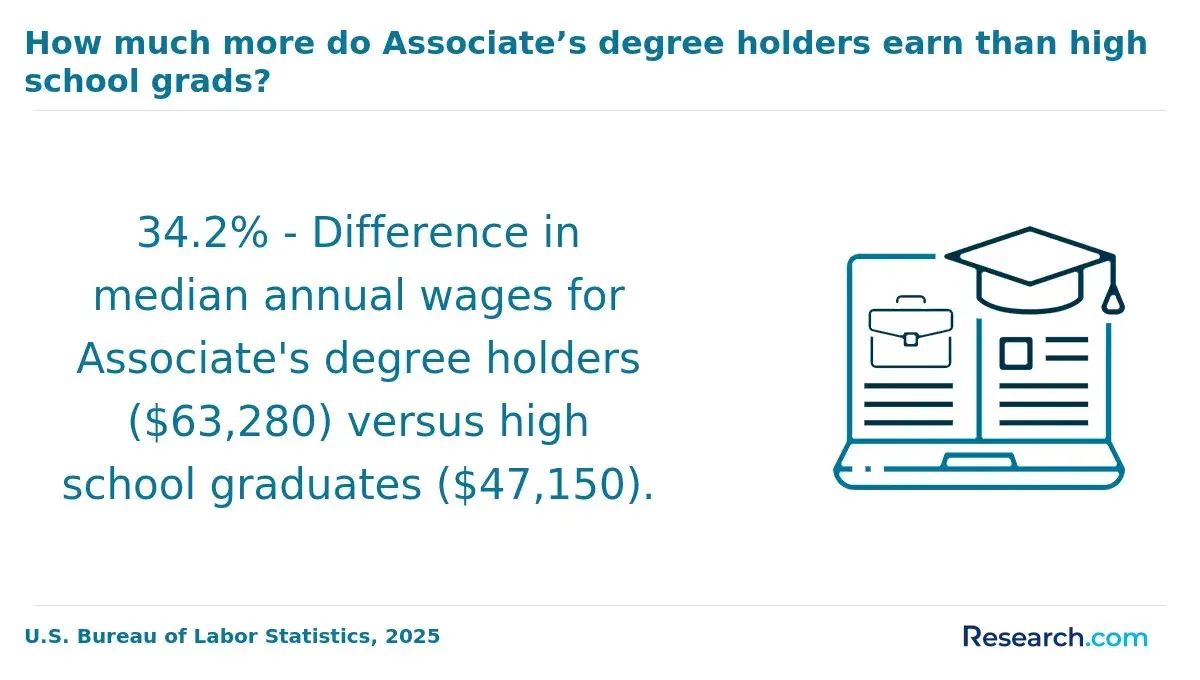
Students aiming to manage the impact of difficult applied psychology courses on GPA might also consider enrollment options, including those in less demanding fields or programs such as an associate's degree, which could provide foundational skills with a different workload balance.
Do Harder Applied Psychology Courses Lead to Better Job Opportunities?
Students often believe that more demanding courses in applied psychology enhance their job prospects because such courses demonstrate advanced knowledge and dedication. A recent survey found that 62% of hiring managers in psychology-related fields favor candidates with specialized or advanced coursework, associating it with superior problem-solving abilities and deeper expertise.
Several key reasons explain why completing harder applied psychology classes may improve employment chances:
- Skill development: Challenging coursework cultivates critical thinking, sophisticated data analysis, and research techniques, equipping students with practical capabilities highly valued by employers.
- Employer perception: Successfully finishing rigorous courses reflects determination and persistence, qualities employers seek when evaluating candidates for demanding positions.
- Internships and projects: Tougher classes often include experiential components such as real-world projects or internships, providing hands-on experience that makes resumes stand out.
- Specialization signaling: Advanced courses frequently focus on niche subfields within applied psychology, allowing students to showcase targeted expertise relevant to certain job markets.
- Career advancement: The foundation gained through rigorous study supports eligibility for certifications or graduate programs, which can lead to higher-level roles over time.
While enrolling in challenging applied psychology courses can boost employability, students should carefully balance difficulty with their ability to fully engage, since thorough understanding ultimately shapes professional readiness.
What Graduates Say About the Hardest and Easiest Courses in a Applied Psychology Degree Program
- Dante: "Balancing the demanding courses like research methods with the easier classes such as introductory psychology online was a real challenge, but it made the learning process engaging. The cost was reasonable compared to on-campus options, which made it easier to invest in my education without overwhelming debt. These courses have been instrumental in advancing my career, especially in understanding human behavior in the workplace."
- Cola: "While some courses felt tough, particularly the statistical analysis classes, the flexibility of the online program helped me manage both hard and easy subjects effectively. Given the average cost of attending applied psychology programs, I found value in how affordable and accessible these courses were. They truly prepared me for professional roles, enhancing my ability to analyze and support mental health initiatives."
- Finneas: "Reflecting on my journey, the mix of challenging courses and more straightforward topics in the applied psychology program was well balanced, allowing me to learn at my own pace. The relatively low tuition helped me avoid financial strain while still gaining a comprehensive education. These courses significantly impacted my career, equipping me with practical skills that I apply daily with clients."
Other Things You Should Know About Applied Psychology Degrees
In 2027, grading standards in hard applied psychology courses may emphasize deeper theoretical understanding, detailed analysis, and independent research. Easier courses might focus on participation, basic concepts, and practical assignments designed to ensure comprehension of fundamental principles without intense analytical demands.
To excel in challenging applied psychology courses in 2027, students should develop strong critical thinking and research skills. Effective communication and an understanding of statistics can also significantly enhance learning and performance in demanding academic settings.
Yes, many advanced applied psychology courses require prerequisites such as introductory psychology, statistics, or research methods. These foundational courses prepare students by teaching essential concepts and skills needed to understand complex material. Without this background, students may find upper-level courses significantly more challenging.
References
- Applied Psychology BSc | University of Leicester https://le.ac.uk/courses/applied-psychology-bsc
- Applied Psychology Career Scope, Skills & Salary – 2025 Stats https://www.upes.ac.in/blog/liberal-studies/applied-psychology-scope-and-careers
- 10 Classes You'll Take as a Psychology Major https://www.bestpsychologydegrees.com/posts/classes-youll-take-as-a-psychology-major/
- Applied Psychology MSc https://www.tees.ac.uk/postgraduate_courses/psychology/msc_applied_psychology.cfm
- Applied Psychology (Conversion) MSc part-time https://www.bath.ac.uk/courses/postgraduate-2026/taught-postgraduate-courses/msc-applied-psychology-conversion-part-time/
- Essentials for Studying Psychology | University of Phoenix https://www.phoenix.edu/articles/psychology/essential-tools-and-courses-for-studying-psychology.html
- Top Free Online Psychology Courses https://www.psychology.org/resources/free-online-psychology-courses/
- 5 Courses in an Applied Psychology Degree Program https://www.online-psychology-degrees.org/list-articles/5-courses-in-an-applied-psychology-degree-program/
- Applied Psychology degrees https://www.whatuni.com/degree-courses/search
- Applied Psychology | University College Cork https://www.ucc.ie/en/ck120/


