
2027 Applied Psychology Degree vs. Certificate: Which Should You Choose?

Co-Founder and Chief Data Scientist
Today's students and professionals face crucial choices when deciding between earning an applied psychology degree or a certificate. Both credentials can enhance career prospects, yet they differ in depth, duration, and cost. An applied psychology degree often provides a broader foundation, while a certificate offers targeted skills in a shorter time.
Understanding these differences is important as applied psychology can lead to diverse roles in counseling, research, or human resources. This article will explore key factors like curriculum, career impact, and flexibility to help readers select the best educational path for their goals and lifestyle.
Key Points About Applied Psychology Degree vs. Certificate Programs
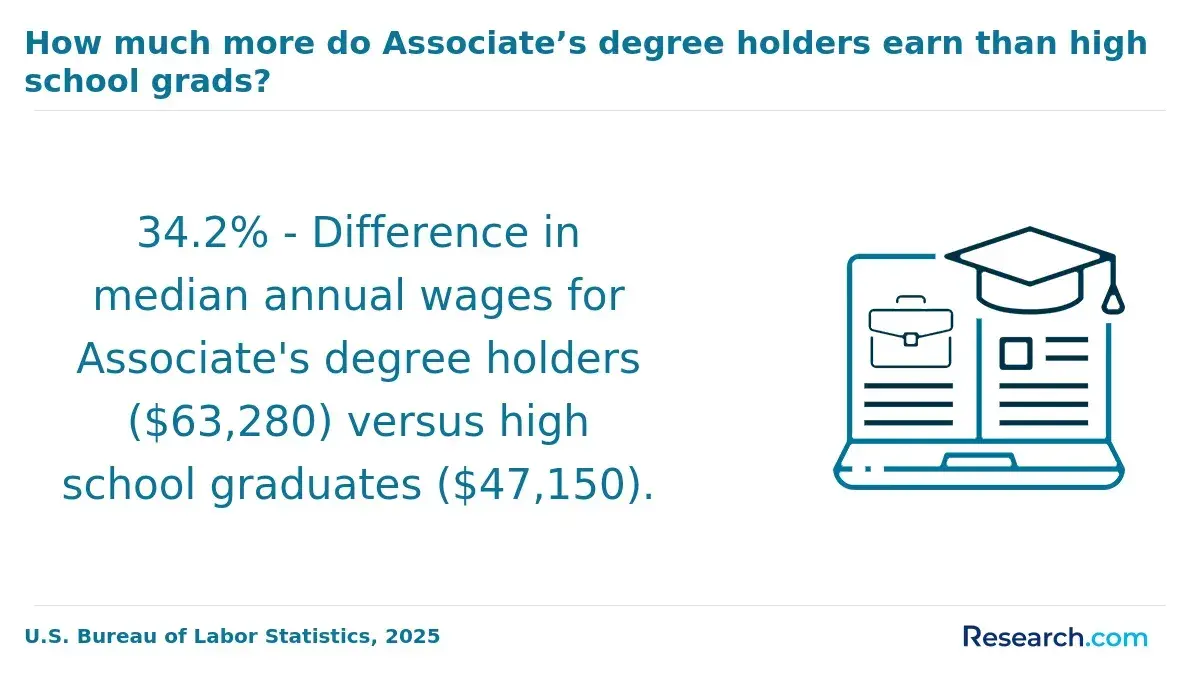
- An applied psychology degree often leads to higher salary potential, with graduates earning 20-30% more than certificate holders due to advanced knowledge and qualifications.
- Degree programs provide comprehensive skill development, including research methods and theory, while certificates typically focus on specific practical applications for faster workforce entry.
- Professional growth opportunities are broader with degrees, enabling roles in clinical, counseling, and organizational psychology, whereas certificates suit targeted career goals or continuing education.
What Are the Differences Between Applied Psychology Degree and Certificate Programs?
Both applied psychology degrees and certificate programs offer valuable paths to careers in the field, but they vary in important ways. Understanding these differences allows learners to make informed decisions based on their professional goals and available time. Below is a summary of key distinctions between the two options.
Applied psychology degrees and certificates differ in several areas worth considering:
- Depth of Learning: Degree programs provide comprehensive, in-depth study covering theories, research methods, and practical applications, ideal for those seeking a thorough understanding. Certificates focus on specific skills or topics and suit learners wanting targeted knowledge quickly.
- Time Commitment: Degree programs typically require several years of study, making them a longer investment, while certificates can often be completed in a few months, fitting well with busy schedules or immediate upskilling needs.
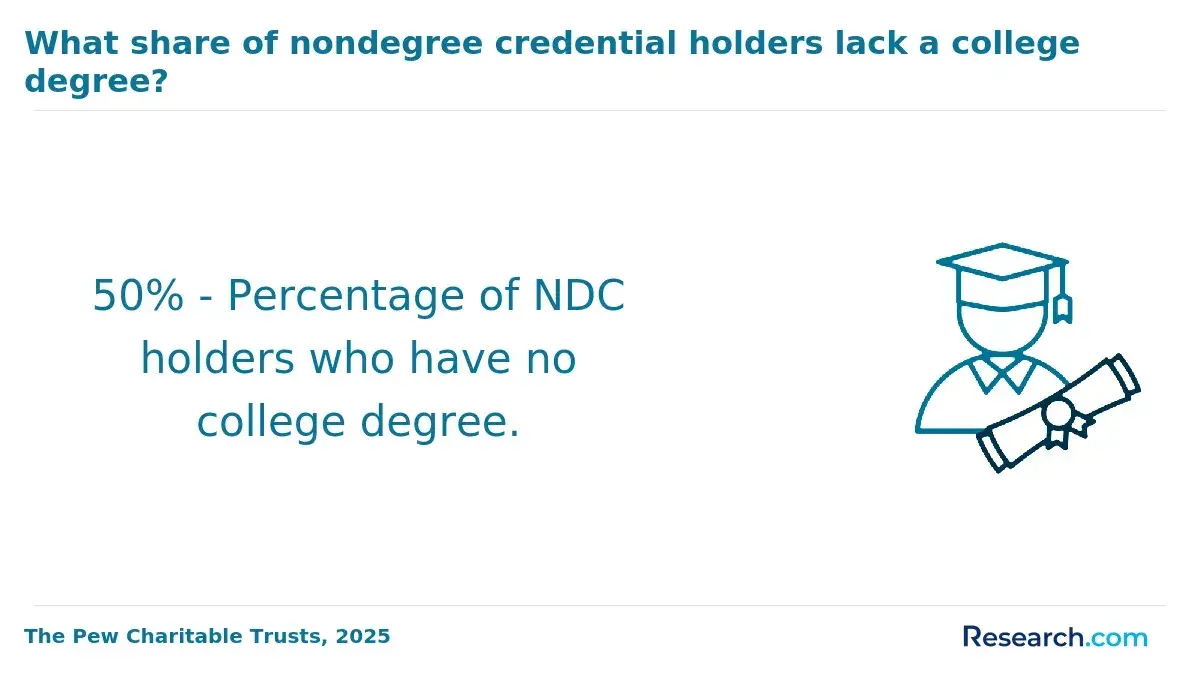
- Career Advancement: Degrees often open doors to advanced positions and higher responsibilities within psychology-related fields. Certificates may enhance resumes and provide entry-level opportunities or professional development but usually don't replace a full degree for leadership roles.
- Cost and Accessibility: Certificates generally cost less and are more accessible online, appealing to those with budget or location constraints. Degrees usually involve higher expenses and more comprehensive admission processes.
How Long Does It Take to Complete a Applied Psychology Degree vs. a Certificate Program?
Completion time is a crucial factor for students deciding between an applied psychology degree vs. certificate program. Understanding the typical duration and flexibility of each can help learners align their education with career goals and personal commitments.
- Typical Duration: An applied psychology degree program duration usually spans about four years for a bachelor's degree and around two years for an associate degree. Graduate degrees, such as master's or doctorate programs, may require an additional two to six years. In contrast, how long to complete applied psychology certificate programs is much shorter, often ranging from a few months up to a year, with some completing in as little as six months.
- Flexibility: Degree programs often have structured schedules, fixed start dates, and sequential coursework, which can extend completion time, especially for part-time students balancing other responsibilities. Certificate programs typically offer more flexible options such as rolling admissions, self-paced study, and online classes, benefiting working professionals needing quicker skill acquisition.
- Factors Affecting Timeline: Several variables influence the duration for both pathways, including full-time versus part-time enrollment, program prerequisites, transfer credits or prior learning, and whether the program is online or in-person. These factors can either shorten or lengthen the educational timeline.
Ultimately, choosing between these paths depends on individual goals-whether seeking comprehensive, long-term training with broad career prospects or a fast, targeted way to gain specific skills. For detailed comparisons of fast-track options, it is useful to explore fast degree programs.
Can You Complete a Applied Psychology Degree or Certificate Entirely Online?
The growth of online education has made it increasingly viable for students across the U.S. to pursue advanced training remotely. Many institutions, including Saint Mary's University of Minnesota, Simmons University, University of Massachusetts Amherst, and Loyola University Chicago, offer fully online applied psychology degree programs at both bachelor's and master's levels.
These programs generally feature asynchronous coursework that fits diverse schedules, though some might require occasional live sessions or cohort activities. In contrast, while it is possible to earn an applied psychology certificate online, such programs are less commonly offered and tend to be designed for flexible, remote completion.
When choosing between an online applied psychology degree or certificate, it is important to consider hands-on training, internships, and licensure requirements. Careers in counseling or clinical psychology often require supervised practicum or local internships, which some programs facilitate. If licensure is a goal, verify that the degree curriculum aligns with your state's criteria.
Online certificates can serve those seeking foundational knowledge or professional upskilling without committing to a full degree. To explore options further, you can visit easiest online bachelor's degree programs online. Ultimately, deciding between these online paths depends on your career goals, time availability, and need for practical experience.
What Are the Admission Requirements for a Applied Psychology Degree vs. a Certificate Program?
Admission requirements play a crucial role in deciding between pursuing an applied psychology degree or a certificate program, as they influence how accessible each option is and who can enroll. Carefully reviewing these criteria ensures alignment with your academic background and career objectives.
Below is a side-by-side comparison of the typical admission requirements for these two types of programs in the United States.
Admission Requirements for Applied Psychology Degree Programs
- Educational Background: A high school diploma or equivalent is required for bachelor's programs, while master's programs mandate a bachelor's degree from an accredited institution.
- Minimum GPA: Undergraduate programs often require a minimum cumulative GPA ranging from 2.5 to 3.25, depending on the school. Graduate programs expect an undergraduate GPA of at least 2.85 to 3.0.
- Prerequisite Coursework: Some institutions require prior completion of courses such as introductory psychology, statistics, or research methods.
- Standardized Tests: GRE scores may be necessary for master's programs, although some schools weigh other application components equally and do not enforce strict cutoffs.
- Transcripts: Official transcripts from all previous educational institutions must be submitted for verification.
- Language Proficiency: Non-native English speakers must provide TOEFL or equivalent test scores to demonstrate English proficiency.
- Additional Materials: Graduate applicants often submit letters of recommendation, personal statements, and resumes as part of the admission process.
Admission Requirements for Applied Psychology Certificate Programs
- Educational Background: Most certificate programs require a high school diploma or equivalent; however, some may prefer applicants with an associate's or bachelor's degree, especially for advanced certificates.
- GPA Requirements: GPA minimums tend to be lower or sometimes not specified, making these programs more accessible to a broader range of students.
- Relevant Experience: Certain certificates, particularly those designed for professionals, may require or prefer related work or academic experience.
- Transcripts: Submission of transcripts is often requested, though unofficial copies may be accepted initially for review.
- Language Proficiency: Proof of English proficiency might be necessary for international students, with generally less stringent requirements compared to degree programs.
Understanding the applied psychology degree admission requirements in the US and applied psychology certificate program entry criteria helps clarify which educational pathway suits your needs and qualifications. For additional insights on advanced education options, you can explore what masters degree makes the most money.
How Many Credits Do You Need to Complete a Applied Psychology Degree vs. a Certificate?
Knowing the credit requirements for applied psychology programs helps students realistically plan their academic schedules and career goals. Understanding the distinction between degree and certificate credit loads is crucial for making informed decisions.
Here's a clear comparison of credit expectations for both pathways:
- Applied psychology degree: Typically requires 120 to 122 credits, combining general education, psychology core classes, electives, and sometimes practical components like fieldwork or capstones.
- Applied psychology certificate: Generally consists of 12 to 18 credits focused solely on specialized psychology coursework without general education, allowing quicker completion.
What Is the Average Tuition for a Applied Psychology Degree vs. a Certificate?
Tuition costs are a crucial consideration when deciding between pursuing an applied psychology degree or certificate program, as they heavily impact your total educational investment and financial planning. Comparing the typical tuition ranges of each option provides clarity for those balancing budget and career goals.
Below is a comparison of average tuition costs for applied psychology degree programs versus certificate programs in the U.S., highlighting key differences to keep in mind.
Average Tuition for Applied Psychology Degree Programs
- Tuition Range: Undergraduate applied psychology degree programs generally cost between $4,371 and $60,530 per year, with an average of around $23,382 annually for in-state students at public universities.
- Program Length: Most bachelor's degrees take four years of full-time study, totaling between $40,000 and $175,000 in tuition depending on residency and school type.
- Graduate Tuition: Master's degree programs vary from about $4,181 to $60,446 per year, averaging approximately $16,521 annually, with some affordable online options ranging from $3,386 to $9,540 per year.
- Institution Type: Private universities typically charge higher rates, often between $35,000 and $45,000 per year for undergraduates and up to $83,878 total for specialized master's programs.
- Additional Fees: Beyond tuition, students should budget for books, supplies, and fees which can add over $1,200 yearly.
Average Tuition for Applied Psychology Certificate Programs
- Tuition Range: Certificate programs are significantly more affordable, typically costing between $1,000 and $7,000 in total tuition depending on program duration and institution.
- Program Length: These credentials usually require 6 months to 1 year of study, resulting in much lower overall costs compared to degrees.
- Format: Many certificates are offered online, reducing or eliminating campus fees and commuting expenses.
- Institution Type: Community colleges and public universities often provide the most economical certificates, while private institutions may charge higher fees.
- Additional Costs: Students should still plan for books and technology fees, though such expenses are modest relative to degree programs.
For prospective students comparing applied psychology degree tuition costs in the US with certificate program fees, the difference is substantial, making cost a primary factor in choosing the educational path. Those interested in exploring options at reputable schools can refer to a detailed list of top schools for college offering applied psychology programs.
Can You Transfer Certificate Credits Toward a Applied Psychology Degree Later On?
You can often transfer certificate credits toward an applied psychology degree, but this depends largely on institutional policies, program accreditation, and how relevant your completed courses are to the degree's curriculum. Many schools require that transferred credits come from accredited programs and that the coursework matches their own course content and level. Transfer tends to be more seamless within public university systems that have formal agreements guaranteeing specific credits will count. However, this is not guaranteed everywhere, so each institution's evaluation process plays a key role.
Important factors to consider include limits on how many credits you can transfer and requirements that grades meet a minimum standard, often a C or higher. It's essential to confirm transferability before enrolling, as rules vary widely between schools and programs. Course relevance to the applied psychology degree requirements is also critical, so not all certificate credits may apply. Being proactive and consulting admissions or academic advisors early helps ensure your credits will support your degree path. Verifying transfer options can maximize your educational investment and reduce duplicated effort.
Are Certificate Programs Accredited the Same Way as Applied Psychology Degrees?
Certificate programs in applied psychology are not accredited in the same manner as degree programs. Degree programs, especially doctoral levels, are generally accredited by established organizations like the American Psychological Association (APA), ensuring they meet strict academic, ethical, and professional criteria. In contrast, certificate programs often follow varied accreditation paths; some, like Applied Behavior Analysis (ABA) certificates, may be accredited or verified by specialized bodies such as the Association for Behavior Analysis International (ABAI).
However, there is no single, universally accepted accreditor for all applied psychology certificates, and most lack APA oversight. While certificates may align with industry standards or be provided by accredited institutions, they typically do not undergo the rigorous evaluation that degree programs require.
Accreditation is important because it guarantees educational quality, supports credit transfer to other institutions, and boosts acceptance by employers and licensing boards. Accredited programs must meet defined standards involving curriculum, faculty qualifications, and student achievement outcomes.
Many state licensing requirements and employers prefer or mandate credentials from accredited programs, especially for clinical or professional roles. Prospective students should verify that the accrediting agency is reputable and recognized by entities like the Council for Higher Education Accreditation (CHEA) or the U.S. Department of Education. Before enrolling, it is essential to confirm that the program holds accreditation from a respected and relevant accrediting authority.
What Jobs Can You Get with a Applied Psychology Degree vs. a Certificate?
Both applied psychology degrees and certificates can open doors to careers involving psychological principles, but they generally prepare individuals for different roles and levels of responsibility. Degrees tend to offer a more comprehensive education suited for a wider range of positions, while certificates focus on specialized skills for professionals enhancing their current careers.
Below is a comparison of potential job paths for each credential.
Jobs You Can Get with a Applied Psychology Degree
- Behavioral health technician: Supports patients with mental health challenges through monitoring and therapeutic assistance in clinical or community settings.
- Human resources specialist: Manages employee relations, recruitment, and training by applying psychological principles in organizational environments.
- Case manager: Coordinates care and services for individuals needing social, medical, or psychological support, often collaborating with agencies.
- Rehabilitation specialist: Helps clients regain skills and independence following injury or illness, typically working in rehab centers.
- Research assistant: Assists in psychological studies by collecting data, analyzing results, and supporting experimental protocols.
- Community service manager: Oversees programs that deliver social or health services to local populations, ensuring effectiveness and outreach.
Jobs You Can Get with an Applied Psychology Certificate
- Wellness coach: Guides individuals on health and lifestyle improvements, focusing on mental and physical well-being in a non-clinical setting.
- Life coach: Supports clients in setting and achieving personal or professional goals through motivational and strategic techniques.
- Community outreach coordinator: Develops programs and fosters engagement to connect communities with resources and support services.
- Support specialist in social justice, nutrition, or wellness programs: Provides assistance and guidance within specific advocacy or health-oriented initiatives.
- Program assistant in non-clinical settings: Helps manage and implement various organizational projects, often in nonprofits or educational environments.
What Is the Average Starting Salary for a Certificate vs. Applied Psychology Degree Graduates?
Salary potential often varies significantly between those holding an applied psychology certificate and graduates with an applied psychology degree. Understanding these differences helps guide career decisions based on financial goals and educational investment.
Here is a side-by-side comparison of average starting salary ranges for each type of program, along with key factors that influence these earnings and the overall career outlook.
- Typical Salary Range: Graduates with an applied psychology degree typically start between $39,000 and $54,000 annually for bachelor's degree holders, increasing to $59,000 to $68,000 for those with a master's degree working in roles like mental health counseling or social work. Certificate holders generally earn between $33,000 and $43,000, reflecting the more limited scope of these positions.
- Influencing Factors: Salary depends on education and licensure, as degree holders with master's level credentials access higher-paying roles. Industry also matters; healthcare, government, and corporate sectors usually offer better compensation than nonprofit or educational settings. Additionally, urban areas tend to pay more than rural, and relevant job experience can raise starting offers.
- Career Outlook: The average starting salary with an applied psychology degree is supported by strong demand for professionals in mental health and organizational consulting. In contrast, those with an applied psychology certificate program salary comparison often shows more limited advancement potential without further study or credentialing.
- Additional Resources: For those exploring certification options with competitive pay, looking into the highest paying online certifications may provide useful guidance.
Here's What Graduates of Applied Psychology Programs Say About Their Degree or Certificate
- Dante: "Pursuing the applied psychology certificate was a perfect choice for me because it offered a faster learning experience compared to a full degree. The cost was more manageable, which helped me get foundational knowledge without a huge financial commitment. For those balancing work and studies, I'd say certificates provide focused skills quickly, though they lack the depth a degree offers."
- Collin: "Choosing the applied psychology degree was a longer, more immersive journey, which allowed me to deeply engage with complex concepts and research methods. While the cost was higher, investing in the degree has opened up more advanced career opportunities in counseling and research that I wouldn't have accessed otherwise. Reflecting now, the comprehensive learning experience was definitely worth the time and expense if you're aiming for significant career impact."
- Dylan: "Having completed both the applied psychology certificate and degree programs, I can confidently say each serves distinct purposes depending on your goals. The certificate was a great introduction and a cost-effective way to gauge my interest, while the degree provided a broader, rigorous understanding that truly transformed my career prospects. When deciding, consider how much time and money you can invest and whether you want quick skills or a deep dive-I found value in both paths."
Other Things You Should Know About Applied Psychology Degrees
Applied psychology certificate programs are generally recognized by employers as proof of specialized knowledge or skills in the field. However, they may not carry the same weight as a degree when it comes to qualifications for higher-level positions or licensure in clinical settings. Certificates can enhance a resume but are often viewed as complementary rather than substitutes for a formal degree.
Transferability of credits from certificate programs in applied psychology to degree programs depends on the institution. While some universities allow this, others may not. It’s crucial for prospective students to verify with the institution offering the certificate and the target degree program about credit transfer policies in 2027.
In 2027, an applied psychology degree typically offers greater career advancement opportunities than a certificate. Degrees open doors to roles requiring deeper expertise and leadership, while certificates are valuable for specialization but might limit higher-level positions.
Many certificate programs focus primarily on theoretical knowledge and may include limited practical experience compared to degree programs. While some certificates offer internships or applied projects, these opportunities are usually shorter or less comprehensive than those integrated into degree curricula. Prospective students should assess practical training components if hands-on experience is a priority.
References
- Benefits of Accreditation | SoMAP - The Society of Modern Applied Psychology https://thesomap.org/accreditation-criteria/benefits-of-accreditation/
- Applied Psychology Career Scope, Skills & Salary – 2025 Stats https://www.upes.ac.in/blog/liberal-studies/applied-psychology-scope-and-careers
- Do you need a degree to pursue a career in applied psychology? https://achology.com/achology-kb/do-you-need-a-degree-to-pursue-a-career-in-applied-psychology/
- Online degree and certificate programs in Psychology https://www.calcoast.edu/psychology/
- Undergrad Application & Transfer Guide | Psychology.org https://www.psychology.org/resources/undergraduate-application-and-transfer-guide/
- Careers in Applied Psychology - Department of Psychology https://psychology.camden.rutgers.edu/undergraduate/preparation/careers-in-applied-psychology/
- Certificate in Applied Psychology https://www.uwinnipeg.ca/psychology/certificate-in-applied-psychology.html
- Compare Online Applied Psychology Degree Programs https://www.counselingpsychology.org/psychology/degrees/applied-psychology/
- Choosing a Program https://accreditation.apa.org/choosing-a-program
- Certification Programs in Psychology: Your Complete Guide | NU https://www.nu.edu/blog/certification-programs-in-psychology/


