
2027 Is a 2-Year Applied Psychology Degree Worth It: Accelerated Bachelor's ROI & Time Trade-Offs

Co-Founder and Chief Data Scientist
Many prospective students struggle to decide if a 2-year accelerated applied psychology degree offers sufficient value compared to traditional programs. Recent data shows that accelerated degree holders enter the workforce up to 40% faster, but wage growth can vary significantly by sector. As demand for mental health professionals rises, understanding time saved versus potential income is critical.
This article evaluates the financial return on investment and career implications of completing an accelerated applied psychology bachelor's. It will guide readers through cost-benefit analyses and workforce trends to help determine if the accelerated path aligns with their professional and economic objectives.
Key Benefits of a 2-Year Applied Psychology Degree
- Accelerated applied psychology degrees reduce time to graduation by about half, allowing earlier entry into the workforce, which boosts lifetime earning potential despite typically lower starting salaries.
- These programs often cost less overall, improving return on investment by minimizing tuition and living expenses compared to traditional four-year degrees.
- Graduates gain foundational skills applicable in counseling, HR, and social services, enhancing employment opportunities within two years rather than waiting longer for a bachelor's degree.
How Do 2-Year Applied Psychology Programs Work?
A 2-year applied psychology program offers an intensive pathway for students aiming to earn a bachelor's degree faster than the usual four-year timeline. Understanding the structure and time commitment for 2 year applied psychology programs helps prospective students evaluate if this accelerated track aligns with their academic and career goals.
The following outlines key features of how these programs operate.
- Accelerated pacing: Students complete required coursework rapidly, often covering material at a faster rate than traditional programs. This demands strong time management and dedication to handle frequent assessments and assignments.
- Year-round enrollment: Instead of extended breaks, courses run continuously across shorter terms, maximizing learning time and allowing students to graduate in two years.
- Condensed course terms: Terms typically last eight to 10 weeks, enabling multiple sessions per year and reducing downtime between courses.
- Credit load expectations: Students take heavier credit loads per term, commonly 15-18 credits, to meet graduation requirements within the shortened timeframe.
- Instructional format: Programs combine synchronous and asynchronous online learning with occasional in-person components, accommodating working adults and nontraditional students.
- Assessment methods: Frequent exams, research projects, applied assignments, and practical case studies evaluate student progress.
- Curriculum progression: The curriculum moves from foundational applied psychology principles to specialized electives, preparing students for entry-level roles or graduate studies efficiently.
The time commitment for 2 year applied psychology programs is significant but balanced with the financial and career advantages of graduating early. Accelerated degrees such as these can reduce costs by up to 30% compared to traditional programs according to national statistics.
With psychology-related jobs expected to grow by 14% through 2032, completing an applied psychology degree on an accelerated track may provide practical benefits. For students exploring related fields, options such as an online pharmacy school offer similarly accelerated pathways in other disciplines.
What Are the Admission Requirements for a 2-Year Applied Psychology Degree?
Prospective students evaluating accelerated bachelor's programs in applied psychology benefit from understanding admission requirements early in their research. These criteria help determine eligibility and readiness, ensuring a smoother application process and better alignment with academic goals.
Below is a detailed breakdown of typical expectations for a 2-year applied psychology degree admission.
- Prior Education: Most programs require a high school diploma or equivalent as a basic qualification. Students who have earned transferable credits or an associate degree are often preferred since these can reduce total study time, an important factor in accelerated programs.
- GPA Expectations: Applicants should submit official transcripts reflecting competitive academic performance. A GPA ranging from 2.5 to 3.0 on a 4.0 scale in foundational subjects is commonly sought to demonstrate preparedness for advanced coursework.
- Standardized Tests: SAT or ACT scores may be optional, particularly for adult learners or those with prior college experience. This flexibility accommodates diverse applicant backgrounds, focusing more on overall readiness than on test results alone.
- Prerequisite Courses: Completion of introductory psychology, statistics, or biology courses is often required. These ensure students possess essential background knowledge necessary for success in an accelerated applied psychology program.
- Work or Volunteer Experience: Relevant experience in mental health or social services can strengthen an application by showing practical exposure and commitment to the field.
Considering medical billing and coding online schools as a parallel option may also be valuable for students evaluating time efficiency and career prospects in healthcare-related fields. Overall, understanding 2-year applied psychology degree admission criteria is essential for aligning educational plans with career ambitions.
What Does a Typical Week Look Like in a 2-Year Applied Psychology Program?
Knowing the weekly structure and workload is vital for those contemplating an accelerated applied psychology degree, as the pace demands strong organization and commitment. This insight helps prospective students assess if the intensity suits their lifestyle and career ambitions.
Below is a breakdown of what a typical week usually involves.
- Class Sessions: Students attend several brief lectures or class meetings daily, designed to cover key concepts swiftly and maintain consistent engagement throughout the program.
- Assignments and Assessments: Frequent quizzes, written assignments, and projects require timely submission, reinforcing comprehension while keeping up with the accelerated schedule.
- Group Collaboration: Regular teamwork encourages application of theories in practical contexts and boosts communication skills through weekly peer interactions beyond scheduled class times.
- Independent Study: Substantial hours are devoted to reading academic articles, preparing presentations, and conducting research to deepen subject understanding outside of classes.
- Instructor Interaction: Communication with faculty is purposeful but concise, often through brief office hours or feedback sessions to address questions and clarify concepts efficiently.
- Time Management: The fast-paced curriculum leaves little margin for delay, demanding disciplined scheduling to balance coursework, collaboration, and personal study.
When asked about his experience, a professional who completed a 2-year accelerated bachelor's in applied psychology explained that "the biggest challenge was staying ahead of the coursework without letting stress take over."
He shared how juggling daily classes and group projects required early planning: "Some weeks felt overwhelming, but breaking tasks into smaller goals helped me manage." He also emphasized the value of instructor feedback, noting, "Even brief check-ins made complex topics clearer and kept me motivated."
Reflecting on the workload, he advised prospective students to "prepare for intensity but know that sticking to a strict routine makes success achievable."
Are 2-Year Applied Psychology Programs Available Online?
Choosing the right delivery format is crucial for students pursuing an accelerated applied psychology degree, as it influences flexibility, accessibility, and effective time management. Understanding how different online options function helps learners balance their studies with personal and professional commitments.
Below is an overview of key aspects shaping the online two-year applied psychology experience.
- Program Formats: Students can select between fully online and hybrid programs. Fully online degrees offer complete remote access, while hybrid models combine digital coursework with scheduled live sessions or limited campus visits.
- Learning Styles: Asynchronous formats enable learners to study on their own schedule without fixed class times, whereas synchronous components in hybrid programs require attendance at real-time virtual meetings, fostering direct interaction.
- Technology Needs: Reliable internet and capable devices are essential, often paired with specialized software for assignments and exams to support seamless participation.
- Student Support: Virtual services such as academic advising, tutoring, and career counseling are typically available, providing guidance and resources necessary for success despite the accelerated timeline.
- Pacing and Engagement: The intensive two-year structure demands strong self-discipline; online delivery offers convenient access but requires students to proactively engage to keep pace and maximize learning outcomes.
How Much Does a 2-year Applied Psychology Degree Cost?
Carefully evaluating the total cost of an accelerated 2-year applied psychology degree is key to understanding its return on investment. Because these programs condense coursework into shorter, intensive terms, students should anticipate a financial commitment that may differ significantly from traditional four-year degrees.
This breakdown highlights essential cost factors and how accelerated pacing can influence expenses.
- Tuition structure: Typically charged per credit hour or term, tuition for accelerated programs may be higher per term due to the compressed schedule. This structure can lead to upfront costs that are greater, even though the overall program length is shorter.
- Mandatory fees: These include administrative fees, technology charges, and access to campus resources. Students in accelerated programs may face similar fees each term as those in traditional programs, but with more terms per year, these can add up.
- Textbooks and learning materials: Increased course loads per term often mean purchasing more books and supplies in a shorter period. This can raise initial expenses compared to standard programs, impacting the affordability of accelerated psychology degree programs.
- Technology or lab costs: Specialized courses may require software licenses or lab fees, which are essential for practical learning but add to the total cost.
- Accelerated pacing effects: While accelerated degrees can save 1-2 years of living and opportunity costs, as noted by education statistics, the upfront term-by-term expenses may be higher. This balance is important for financial planning.
For students considering alternatives in related fields, exploring options like the cheapest medical billing and coding program may provide additional pathways with different cost structures and timelines.
Can You Get Financial Aid for 2-Year Applied Psychology Programs?
Financial aid plays a crucial role for students considering accelerated applied psychology degrees, as funding can directly impact the feasibility of completing an intensive two-year program. Exploring how different types of assistance apply to these faster-paced tracks helps prospective students plan effectively.
The following points clarify common aid options and key considerations unique to accelerated formats.
- Federal Student Aid Eligibility: Pell Grants and Direct Loans remain accessible to students enrolled in accelerated applied psychology programs, provided the institution qualifies. Since courses are condensed, disbursement schedules may differ from traditional degree paths, requiring careful monitoring.
- Scholarships and Grants: Private organizations, state bodies, and institutions offer scholarships and grants that can supplement funding. However, competition for these awards varies, and criteria may not always favor accelerated program students.
- Employer Tuition Assistance: Working adults often benefit from employer-sponsored education benefits, which can offset tuition without affecting monthly budgets. This support is particularly valuable when balancing job responsibilities with faster course loads.
- Flexible Payment Plans: Some schools provide payment arrangements tailored to accelerated credit requirements. These plans help manage financial obligations by aligning installment timing with the condensed semester structure.
- Impact of Accelerated Pacing: The faster progression sometimes affects the total aid amounts or eligibility periods, since full-time status is tied to credit thresholds. Shorter program length can also reduce the maximum duration for aid.
When discussing the reality of financing an accelerated applied psychology degree, a professional who completed this path reflected on her experience. She explained that navigating financial aid initially felt overwhelming due to the intense schedule. However, she carefully coordinated loan applications and employer tuition support to cover each term's costs.
"I had to stay organized and proactive since the usual semester timelines didn't apply," she noted. The ability to access flexible payment plans also made managing expenses less stressful. Ultimately, the financial aid she secured was essential to finishing the degree within two years, allowing her to enter the workforce sooner with minimal debt burden.
Her journey underscores that while accelerated programs can complicate funding logistics, thoughtful planning and resource use make successful outcomes achievable.
What Jobs Can You Get With a 2-Year Applied Psychology Degree?
Evaluating career outcomes is crucial when considering the value of an accelerated applied psychology bachelor's degree. Understanding the types of jobs available and potential career paths helps prospective students determine if the time commitment aligns with their goals.
The following overview highlights common opportunities for those with a 2-year applied psychology degree and how an accelerated program supports workforce readiness.
- Mental Health Support Roles: Graduates often begin as psychiatric technicians or behavioral health specialists, working directly with clients to assist in therapeutic programs. These roles emphasize client interaction and supporting treatment planning under supervision.
- Case Management and Rehabilitation: Positions such as case managers and rehabilitation aides involve coordinating care and resources for individuals coping with disabilities or mental health challenges, applying practical psychology knowledge in community settings.
- Human Services and Social Work Assistance: Entry-level jobs in social service agencies allow graduates to support mental health and substance abuse programs, aligning with the growing demand projected by the U.S. Bureau of Labor Statistics. These roles may require collaboration with licensed professionals while providing foundational client services.
- Human Resources and Market Research: Applied psychology principles inform decision-making in hiring, employee relations, and consumer behavior analysis. Graduates may find opportunities in organizational environments where psychology-based skills improve outreach and program development.
- Accelerated Degree Benefits: The condensed format reduces traditional four-year timelines by up to half, enabling quicker entry into the workforce. Focused coursework on research methods and psychological assessment equips students with applicable skills valued by employers in healthcare, education, and social services.
Career opportunities with accelerated psychology degree programs often suit working adults seeking faster progression. However, for clinical or licensed roles, further certifications or advanced degrees might be necessary. Interested students can also explore related fields such as an affordable healthcare administration degree online to broaden their professional options within the healthcare sector.
How Do Salaries Compare for 2-year Applied Psychology Degree vs. Traditional Bachelor's Degrees?
Salary outcomes play a crucial role when comparing the return on investment (ROI) of accelerated 2-year applied psychology degrees versus traditional bachelor's degree paths. Understanding these earnings differences can help prospective students align their educational choices with long-term financial and career goals.
Below is a detailed comparison of how these two degree paths influence salary and career advancement.
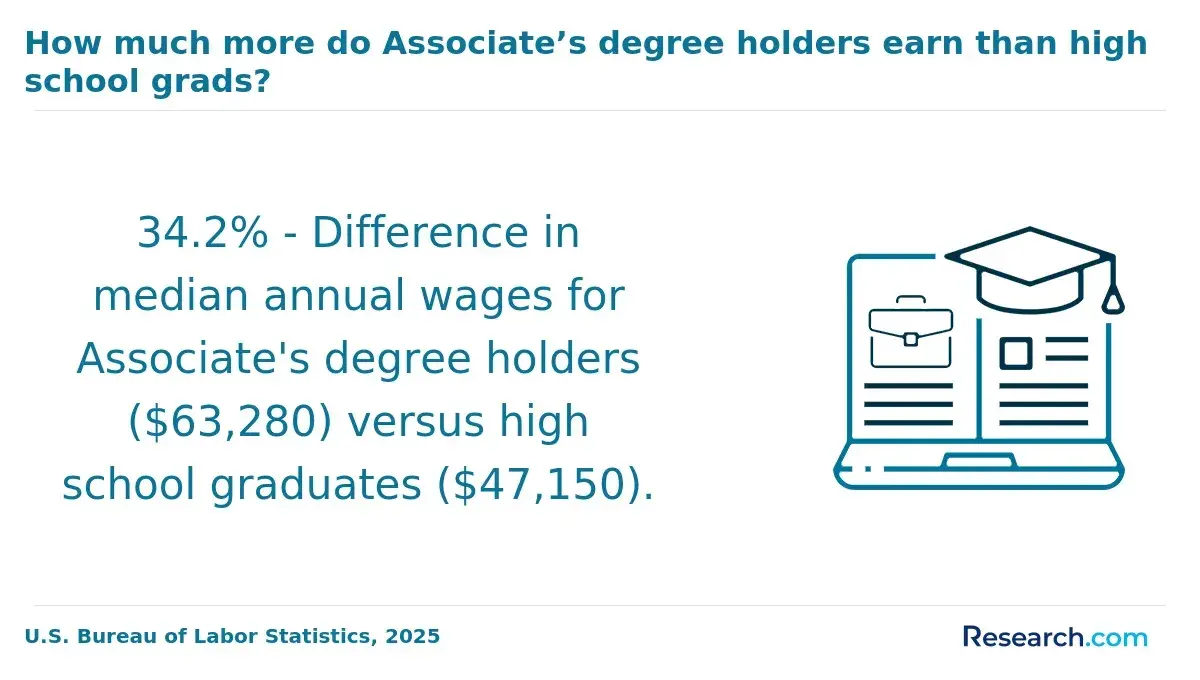
- Early-career earnings: Graduates with 2-year applied psychology degrees typically start with median salaries around $45,000 annually, whereas traditional bachelor's degree holders earn about $68,000. This gap reflects employer preferences for more comprehensive training at the bachelor's level.
- Long-term earning potential: Over time, bachelor's degree holders often enjoy stronger salary growth and career progression, especially in counseling, human services, or organizational psychology roles. Georgetown University's Center on Education and the Workforce estimates a lifetime earnings premium exceeding $1 million for bachelor's degree holders compared to associate degree holders.
- Employer perception: Employers frequently favor applicants with traditional bachelor's degrees in applied psychology due to their broader skill sets and comprehensive education. This can translate into better job opportunities and higher initial salaries.
- Career progression timelines: While accelerated programs enable quicker entry into the workforce, traditional bachelor's degree graduates usually have access to advanced roles earlier in their careers, supporting stronger long-term growth.
- Faster workforce entry and lifetime earnings: Accelerated degree graduates gain work experience sooner, which can offset some salary differences, especially when considering reduced education costs. However, cumulative income often remains higher for those with a traditional bachelor's degree.
For those exploring options beyond psychology degrees, affordable paths that combine work and study, such as cheap RN to BSN online programs, illustrate how accelerated learning models are gaining traction across fields. Evaluating how applied psychology degree salaries compare, as well as the 2-year applied psychology graduate earnings versus bachelor's data is essential for making informed decisions on education investments.
Which Factors Most Affect ROI for Accelerated Applied Psychology Degrees?
Assessing the return on investment is crucial for students considering accelerated applied psychology degree programs, as it highlights how time and financial resources translate into career advancement and earnings. Evaluating these programs requires a clear understanding of various factors that influence both the immediate and long-term benefits.
Below is an overview of the primary elements that shape ROI for accelerated applied psychology degrees.
- Time-to-completion: Accelerated programs enable students to finish in roughly half the usual time, often around two years, which significantly reduces tuition and living expenses. This faster path allows quicker entry into the workforce, enhancing overall financial gains.
- Tuition and total cost: While per-credit costs may be comparable to traditional degrees, accelerated formats usually require fewer total credits or terms, lowering the overall financial burden. However, some programs may have higher fees due to their intensive nature, so a detailed cost comparison is important.
- Opportunity cost savings: Graduating sooner means starting a career earlier, which can increase lifetime earnings and experience. Median wages for bachelor's degree holders in relevant fields tend to surpass those with only a high school diploma, emphasizing this advantage.
- Employment outcomes and salary growth: Applied psychology-related careers generally show steady job growth and demand, particularly in counseling, human services, and research. Salary prospects improve over time, contributing positively to ROI.
- Industry demand: Growing needs in healthcare, education, and business sectors for psychology skills support long-term job stability. Graduates who cultivate applicable competencies are better positioned to adapt to shifting market trends.
- Transferability of skills gained: Applied psychology degrees develop versatile abilities such as research methods, communication, and behavioral analysis, which are valuable across multiple industries, expanding career opportunities and enhancing ROI.
How Do You Decide If a 2-year Applied Psychology Degree Is Right for You?
Deciding whether a 2-year applied psychology degree suits you involves assessing your personal learning preferences and your ability to manage an intensive, accelerated curriculum. These programs compress material that would usually span four years, requiring strong discipline and time management.
Reflect on your professional goals and urgency to enter the workforce; an accelerated path can open doors faster in sectors like counseling support, human resources, or social services, which are expected to grow significantly.
Also, consider if your academic foundation is solid enough to thrive in such a demanding schedule. Balancing these elements will help clarify if this fast-track degree matches your situation and ambitions.
From a practical viewpoint, shorter programs often reduce overall tuition and living expenses, enhancing the financial return on investment. It's essential to verify that the program is accredited and recognized by employers within applied psychology fields.
While faster completion may lead to quicker employment, some careers might still require further study or licenses, so weigh your long-term flexibility carefully. Understanding how the degree aligns with your future plans ensures that the accelerated timeline supports both immediate and continued professional success.
What Graduates Say About Their 2-Year Applied Psychology Degree
- Dante: "Choosing a 2-year accelerated bachelor's degree in applied psychology was the perfect fit for me because I wanted to fast-track my education without compromising quality. The intensive schedule was challenging but manageable with good time management and support from my instructors. This degree has opened doors to positions in mental health services that I didn't imagine possible before, especially considering the average cost of attendance was much less than traditional programs."
- Harlow: "Reflecting on my experience with the 2-year applied psychology program, I chose it primarily for its efficiency and focused curriculum. Managing the faster pace required discipline, and I learned to balance coursework with personal commitments effectively. This degree has profoundly impacted my career by allowing me to step into counseling roles much sooner than my peers."
- Terence: "From a professional standpoint, the 2-year applied psychology degree was an excellent investment considering the comprehensive education I received at a cost lower than many other programs. The accelerated format demanded a rigorous schedule, which I embraced to gain early entry into the workforce. Since graduating, the knowledge and skills acquired have been instrumental in advancing my career in organizational psychology."
Other Things You Should Know About Applied Psychology Degrees
A 2-year applied psychology degree offers quicker entry into the workforce but may limit career advancement options compared to a 4-year degree. For many employers, a bachelor's degree is the minimum requirement for advanced roles in psychology, affecting long-term career growth.
Completing an accelerated 2-year applied psychology degree in 2027 can provide a solid foundation for graduate studies. While it enables students to enter the workforce quickly, some may opt for further specialization through master's programs, which traditionally require comprehensive undergraduate coursework. Research specific program requirements to ensure alignment with career goals.
In 2027, a 2-year applied psychology degree may limit career opportunities compared to a 4-year degree. Advanced positions often require more comprehensive training, and graduates may need additional certifications or experience to compete for specialized roles within psychology and related fields.
The accelerated 2-year applied psychology bachelor's degree condenses coursework into a shorter timeframe, requiring intense focus and time management. While it allows quicker entry into the workforce, it may limit opportunities for internships and in-depth exploration of topics, a consideration essential for prospective students in 2027.
References
- Financial Aid for Psychology Students https://www.onlinepsychologydegrees.com/financial-aid/
- The 23 Highest Paying Jobs with a Psychology Master's Degree - Psych Degree Starter https://psychdegreestarter.com/resources/highest-paying-jobs-with-psychology-masters/
- Applied Psychology BA https://gpem.luc.edu/portal/program
- Applied Psychology, B.A. Online https://www.pointloma.edu/adult-degree-completion/programs/applied-psychology-ba-online
- What they don’t tell you about psychology careers… | BPS https://www.bps.org.uk/psychologist/what-they-dont-tell-you-about-psychology-careers
- Financial Aid For Psychology Students | Psychology.org https://www.psychology.org/resources/financial-aid/
- LMS ROI: Proven Strategies for Effective Calculation https://spdload.com/blog/how-to-calculate-lms-roi/
- A Guide to Accelerated Bachelor's Degrees https://www.coursera.org/articles/accelerated-bachelors-degree
- Online Degree Completion Program in Applied Psychology https://www.elms.edu/academics/online-ce/psychology/
- Return on Investment https://psych.csuci.edu/students/graduateschoolguide/return-on-investment.htm


