
2027 Is Demand for Applied Psychology Degree Graduates Growing or Declining?

Co-Founder and Chief Data Scientist
Graduates with an applied psychology degree often face uncertainty about their career prospects amid shifting job market dynamics. Employers increasingly seek professionals who can apply psychological principles to real-world problems, but questions remain about whether demand for these skills is expanding or contracting.
According to the U. S. Bureau of Labor Statistics, employment of applied psychologists is projected to grow 14% from 2022 to 2032, faster than the average for all occupations. This article will explore current trends affecting applied psychology graduates and provide insights to help prospective students and professionals navigate the evolving employment landscape effectively.
Key Things to Know About the Demand for Applied Psychology Degree Graduates
- Employment for applied psychology graduates is steadily increasing, with healthcare and corporate sectors driving demand due to growing mental health awareness and organizational behavior analysis.
- Projected job growth for applied psychology roles is approximately 8% over the next decade, reflecting stronger needs for counseling, research, and human factors expertise.
- Specializing in areas like neuropsychology or industrial-organizational psychology significantly enhances long-term opportunities amid evolving industry requirements and technology integration.
What Factors Are Driving Demand for Applied Psychology Degree Professionals?
Recognizing the forces behind workforce demand helps prospective students evaluate the long-term value and career stability of an applied psychology degree. Several key drivers influence hiring trends and opportunities in this evolving field.
- Industry Growth: The healthcare, education, and human services sectors increasingly rely on applied psychology skills to support mental health and organizational development. As demand for mental health services climbs, job opportunities for trained professionals expand accordingly.
- Technological Advancement: Growth in digital mental health platforms and behavioral data analytics creates new roles for applied psychology graduates skilled at combining technology with psychological science, boosting employment prospects.
- Regulatory and Policy Changes: Increased government funding for mental health initiatives and workplace wellness programs drives job creation in both public and private sectors, raising demand for qualified practitioners.
- Demographic Shifts: An aging population and growing cultural diversity spur specialized psychological services, such as elder care and culturally competent counseling, expanding the need for expertise in these areas.
- Evolving Employer Skill Requirements: Employers seek applied psychology graduates who integrate research insights with practical problem-solving, particularly in organizational behavior and user experience design, reflecting changing workforce expectations.
When assessing these trends, understanding the importance of accreditation for applied psychology degree programs ensures students pursue quality education aligned with employment standards.
Prospective students may consider accredited applied psychology programs in the United States to maximize career opportunities and professional credibility.
Those interested in specialized credentials can explore options like bcba certification online, which complements applied psychology qualifications and broadens practice scopes.
Which Applied Psychology Occupations Are Seeing the Highest Growth Rates?
Growth rates are essential indicators for students evaluating career options in applied psychology, as they reveal which occupations offer strong job market viability and long-term sustainability. The U.S. Bureau of Labor Statistics projects overall employment growth to be 5% from 2021 to 2031, emphasizing the importance of targeting fields with higher-than-average expansion. Below are some of the top growing jobs for applied psychology degree holders along with their primary growth drivers and educational requirements.
- Clinical, Counseling, and School Psychologists: Projected growth of 8% to 10% over the next decade is fueled by greater awareness of mental health challenges and increased demand for educational support services. A master's or doctoral degree is typically required.
- Industrial-Organizational Psychologists: Expected to grow nearly 12%, this role benefits from businesses seeking expertise in improving workforce productivity and employee well-being amid rapid technological changes. A master's or doctoral degree in psychology or related fields is common.
- Rehabilitation Counselors: With around 10% growth, these professionals are in demand due to aging populations and shifting healthcare policies needing specialized support. A master's degree in rehabilitation counseling or a related area is usually necessary.
- Forensic Psychologists: Growing steadily at about 9%, forensic psychologists respond to expanding roles within legal and criminal justice systems, often requiring advanced degrees and specialized training.
For prospective students interested in accelerating their education in these areas, exploring online psychology programs can be a strategic step toward entering these high-growth applied psychology occupations.
Which Industries Hire the Most Applied Psychology Degree Graduates?
Knowing which industries most frequently hire graduates with an applied psychology degree can guide students toward stable and rewarding career paths. Below are key sectors where the demand for these skills remains strong.
- Healthcare: Applied psychology graduates often fill roles such as behavioral health specialists, rehabilitation counselors, and psychological assistants. The increasing focus on mental health and patient-centered care fuels demand, with graduates applying their expertise to support psychological wellness and therapeutic interventions.
- Corporate Sector: Businesses utilize applied psychology professionals to enhance employee productivity, satisfaction, and leadership development. Positions like human resources specialists, organizational consultants, and talent analysts benefit from knowledge in motivation, group dynamics, and ergonomics, especially as companies adopt data-driven management practices.
- Education: Graduates contribute as school counselors, career advisors, and academic researchers, helping to develop effective teaching strategies and address student mental health challenges. Educational institutions prioritize these roles to improve learning outcomes and student support services.
- Government and Human Services: Applied psychology degree holders work in social service coordination, program evaluation, and policy analysis. Their skills support community well-being initiatives, enhance social programs, and inform policy development relevant to behavioral and social sciences.
How Do Applied Psychology Job Opportunities Vary by State or Region?
Geographic variation plays a crucial role in determining job prospects for graduates with an applied psychology degree, as local economies and industry demand shape employment opportunities. Several regional aspects drive these differences and influence career pathways for professionals in the field.
- High-Demand States: Some states, including Massachusetts and Washington, offer more openings due to well-established healthcare networks and robust mental health programs that require applied psychology expertise.
- Industry Clusters: Urban areas typically host more educational institutions, hospitals, and corporations that seek applied psychology services, whereas rural regions tend to have fewer positions and less variety.
- Urban Versus Rural: Metropolitan locations often provide specialized roles and higher compensation, but also increased competition; conversely, rural settings may have fewer jobs but less applicant saturation.
- Cost-of-Living Impact: Although cities like San Francisco and New York offer elevated salaries, their substantial living costs can affect actual take-home pay and lifestyle for graduates.
- Remote Work Expansion: The rise of telepsychology and hybrid models has extended employment possibilities beyond traditional areas, allowing applied psychology professionals greater flexibility and reach in recent years.
By considering these geographic factors, applied psychology graduates can better align their job searches with regions that match their career goals and financial expectations.
How Does Degree Level Affect Employability in Applied Psychology Fields?
The level of education, such as a bachelor's, master's, or doctorate, plays a critical role in shaping job opportunities, career advancement, and professional competitiveness in applied psychology fields. Different degree levels open doors to various positions with distinct responsibilities and growth potential. Below is an overview comparing these levels to clarify their impact on employability.
- Associate Degree: This level often prepares individuals for entry-level support jobs like psychiatric aides or rehabilitation assistants. It offers practical experience but limited advancement prospects, making competitiveness relatively low in the applied psychology workforce.
- Bachelor's Degree: Graduates gain access to a wider range of roles, including case managers, human service specialists, and behavioral health technicians. Competitiveness increases moderately, enabling more stable employment opportunities.
- Master's Degree: Typically required for clinical, counseling, or specialized research roles, this degree enhances career growth significantly. Employment prospects are stronger, aligning with positions such as licensed counselors or program directors, reflecting the impact of degree level on employability in applied psychology.
- Doctorate Degree: Representing the highest qualification, doctorate holders pursue advanced roles like licensed psychologists, senior researchers, or university faculty. These positions enjoy the greatest job security, leadership responsibilities, and competitive advantage in the labor market.
For those exploring specific career pathways, particularly in therapy-related fields, exploring mft programs can be a valuable step toward leveraging advanced applied psychology degree employment prospects.
What Skills Are Employers Seeking in Applied Psychology Graduates?
Recognizing the skills that employers value in applied psychology graduates is vital for standing out in a competitive job market and ensuring workplace effectiveness. The following competencies are particularly important for success in this dynamic field.
- Critical Analysis: The ability to evaluate and interpret diverse data sets and research insights allows professionals to support evidence-based decisions, a key aspect in behavioral research and outcome assessments.
- Effective Communication: Proficiency in articulating psychological ideas clearly, both orally and in writing, fosters stronger collaboration with clients, colleagues, and other professionals.
- Ethical Awareness: Commitment to ethical principles safeguards confidentiality and nurtures trust, which is fundamental in clinical consultations and organizational environments.
- Adaptive Problem Solving: Skill in creating innovative interventions and adjusting approaches to address individual or group issues enhances practical impact and employability.
- Interpersonal Competence: The capacity to connect with diverse populations and build strong working relationships supports success in multidisciplinary and community-based settings.
One graduate of an applied psychology degree program shared how these skills came into play during their first role in a community health organization. They recalled feeling overwhelmed when initially tasked with designing client engagement strategies but explained, "Drawing on problem-solving and communication skills was crucial to navigating complex cases." They also noted the importance of ethical judgment when handling sensitive client information, saying, "Balancing empathy with confidentiality was challenging but essential." Their experience highlighted how developing interpersonal skills helped them connect with both clients and team members, deepening their professional confidence and effectiveness.
How Does Job Demand Affect Applied Psychology Graduate Salaries?
Fluctuations in job demand significantly influence starting salaries, wage growth, and long-term earning potential for applied psychology graduates. For example, the U.S. Bureau of Labor Statistics projects a 19% growth in employment for psychologists from 2022 to 2032, reflecting strong demand that supports higher wages. These shifts affect how graduates negotiate salaries and advance their careers. Below are key ways demand impacts applied psychology graduate salaries:
- Starting Salary Adjustments: When demand for applied psychology professionals exceeds supply, employers raise starting salaries to attract qualified candidates. Conversely, an oversupply of graduates can lead to stagnant or even declining initial wages as competition increases.
- Wage Growth Opportunities: Labor market expansion creates chances for faster salary increases and promotions in specialized roles. During downturns or hiring slowdowns, wage growth may slow, limiting earning potential over time.
- Bonuses and Benefits Variability: Employers competing for scarce talent may offer enhanced bonuses, benefits, or incentives to retain applied psychology graduates. In lower demand periods, these additional compensation elements tend to shrink or disappear.
- Career Advancement and Negotiation Power: Strong job markets give graduates leverage to negotiate better pay and take on higher-level responsibilities. In contrast, weak demand intensifies competition, reducing bargaining power and career progression prospects.
These factors underscore how labor market conditions and supply-demand dynamics shape salary trajectories for those with applied psychology degrees.
How Is AI Changing Demand for Applied Psychology Professionals?
Advancements in artificial intelligence (AI) are shifting workforce demands in applied psychology, with AI adoption expected to increase by over 40% in healthcare and technology sectors in the next five years. This expansion is driving notable changes in how applied psychology professionals contribute to emerging interdisciplinary fields. The main influences of AI on the profession include:
- Automation of Routine Tasks: AI is streamlining repetitive processes such as psychological testing and data entry, allowing professionals to focus more on complex behavioral analyses and intervention strategies, which strengthens job stability.
- Emergence of Specialized Roles: New positions blending psychology with AI, like human-AI interaction experts and behavioral data scientists, are appearing, broadening the career landscape for applied psychology graduates.
- Shifting Skill Demands: Employers increasingly seek professionals who combine expertise in AI tools and data analytics with foundational psychological knowledge, encouraging an upskilling trend.
- Multidisciplinary Hiring Trends: Organizations are favoring teams that integrate psychological insights into AI product development and user experience research, enhancing collaboration across tech and behavioral science disciplines.
When I spoke with a graduate of an applied psychology degree program about how AI is impacting the field, she shared how adjusting to these changes has been both challenging and rewarding. She recounted the initial uncertainty around combining technical AI skills with psychological training but emphasized that embracing this hybrid approach unlocked new opportunities. "Learning to translate behavioral concepts into data-driven projects felt daunting at first," she said, "but now I see it as a unique advantage that sets me apart in the workforce." Her experience highlights that adaptability and continuous learning are key to thriving amid AI's growing role in applied psychology careers.
Is Applied Psychology Considered a Stable Long-Term Career?
Long-term career stability is crucial for students and professionals when choosing a path in applied psychology because it affects income security, career development, and flexibility in a shifting job market. Several key factors contribute to this stability, shaping the job outlook for applied psychology degree holders.
- Long-Term Employment Trends: Demand for applied psychology graduates remains steady across fields such as healthcare, education, human resources, and organizational development. Labor data consistently indicate a positive outlook, reflecting ongoing needs for psychological expertise in diverse roles.
- Industry Reliance: Many industries depend on applied psychology to boost employee well-being, enhance productivity, and support mental health programs. This wide-ranging applicability creates varied job opportunities and reduces vulnerability to downturns in any single sector.
- Adaptability to Change: Professionals in applied psychology increasingly incorporate data analytics, digital tools, and telehealth innovations into their practices. This adaptability helps them stay relevant amid technological and economic shifts and expands their potential client base.
- Career Advancement and Reskilling: Continuous learning and specialization-through areas like behavioral analysis or neuropsychology-enable professionals to evolve their expertise. Such reskilling supports long-term employability and the ability to pivot to emerging fields within psychology.
Students interested in expanding their qualifications may consider pathways like an online phd organizational leadership, which can complement applied psychology expertise and further enhance career prospects.
Is a Applied Psychology Degree Worth It Given the Current Job Demand?
The job outlook for applied psychology graduates in the United States is generally steady, with labor market data indicating moderate growth across related fields. Occupations such as human resources specialists, market researchers, counselors, and organizational analysts typically employ these graduates and are projected to grow at rates consistent with the average for all occupations over the next decade. This suggests a stable market, though competition remains due to varying credential levels. Understanding employment growth and salary potential for applied psychology degree holders is essential for those weighing this career path.
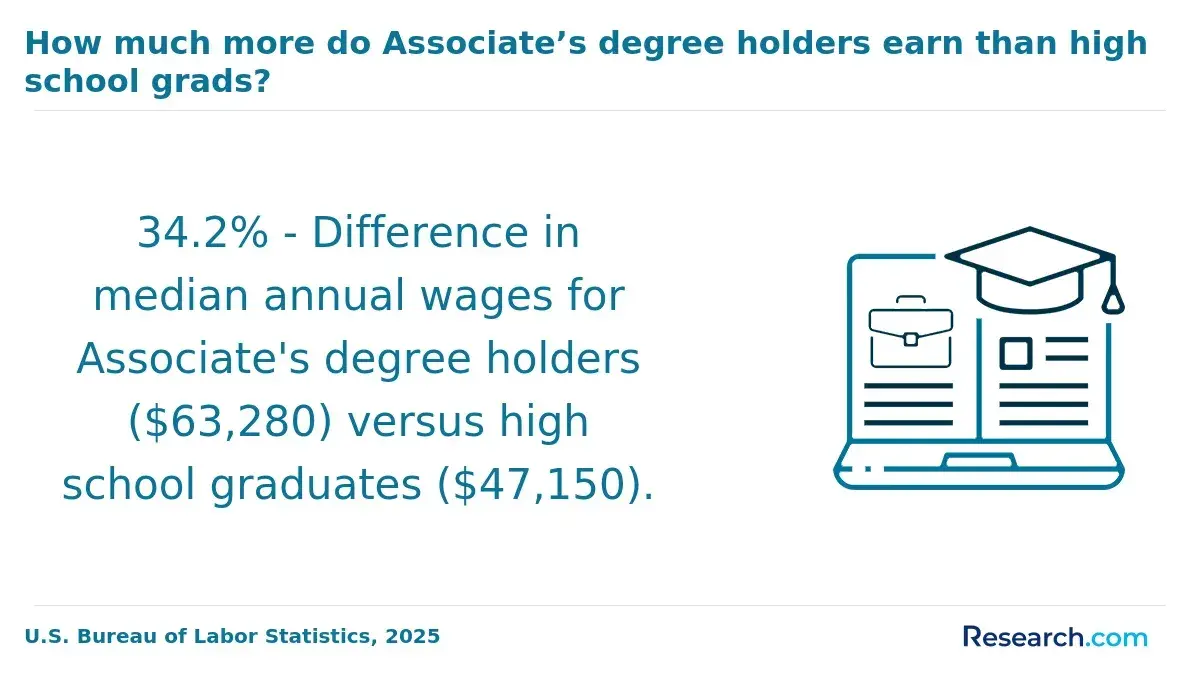
The level of degree attained significantly influences career prospects, as bachelor's degrees often lead to entry-level roles but may face increased competition from candidates holding advanced degrees. Graduate degrees such as a master's or doctorate better align with specialized industry needs, enhancing opportunities particularly in clinical and counseling psychology sectors. Fields like healthcare, human services, and business increasingly rely on psychological insights for improving employee wellbeing, consumer behavior, and organizational effectiveness. For those considering education options, an associates degree might also provide an accessible entry point into the human services arena with targeted skills relevant to applied psychology.
What Graduates Say About the Demand for Their Applied Psychology Degree
- Dante: "Pursuing an applied psychology degree was a pivotal choice for me; it perfectly aligned with my passion for understanding human behavior and solving real-world problems. The return on investment has been remarkable, as the skills I gained have opened doors to leadership roles in organizational development. I truly believe this degree laid the foundation for my career growth and ongoing professional success. "
- Collin: "Reflecting back, deciding to study applied psychology was both a personal and professional milestone. The practical training and theoretical knowledge offered not only enhanced my critical thinking but also ensured that the career opportunities I sought were within reach. This degree has allowed me to make meaningful contributions in mental health services, which continues to fulfill me deeply. "
- Dylan: "From a professional perspective, earning an applied psychology degree was a strategic investment with clear benefits. It has significantly increased my marketability and salary potential, providing me with specialized expertise that employers highly value. This education has empowered me to effect positive change in workplace wellness programs, proving its impact every day. "
Other Things You Should Know About Applied Psychology Degrees
In 2027, the demand for applied psychology graduates continues to grow, driven by increased awareness of mental health and the application of psychological principles in various industries. Graduates find opportunities in healthcare, education, corporate sectors, and more, benefiting from a positive job market outlook.
In 2027, applied psychology graduates can explore new opportunities in fields such as organizational psychology and consumer behavior analysis, driven by increasing demand for psychological expertise in business settings. Virtual platforms and teletherapy services in mental health offer additional prospects, bolstered by technological advancements and societal shifts in accessing mental health support.
Economic shifts can influence demand for applied psychology graduates, especially in sectors like healthcare, education, and business consulting. During periods of economic growth, demand for mental health services and organizational psychology experts tends to rise. Conversely, recessions may slow hiring but typically do not eliminate the need for psychological support roles.
References
- Client Challenge https://www.scribd.com/document/158620038/Careers-in-Applied-Psychology
- Why Psychology Degrees Are In Demand? https://www.psychologs.com/why-psychology-degrees-are-in-demand/
- Why choose an applied psychology degree? https://www.diploma-msc.com/blog/medical-news/why-choose-an-applied-psychology-degree
- Soft Skills Gained from a Psychology Degree https://online.fit.edu/degrees/undergraduate/applied-psychology/soft-skills-gained-from-a-psychology-degree/
- Applied Psychology Careers Guide https://www.gmercyu.edu/academics/learn/applied-psychology-guide
- General Psychology Vs Applied Psychology https://simmonscollegeky.edu/general-psychology-vs-applied-psychology/
- 20 most popular jobs upon graduation for students majoring in psychology https://career.albany.edu/blog/2025/11/17/20-most-popular-jobs-upon-graduation-for-students-majoring-in-psychology/
- 80+ Psychology-Related Careers to Consider https://www.verywellmind.com/a-list-of-psychology-careers-2794917
- Artificial intelligence is reshaping how psychologists work https://www.apaservices.org/practice/news/artificial-intelligence-psychologists-work
- Fastest Growing Careers In Psychology | Psychology.org https://www.psychology.org/resources/fastest-growing-careers-in-psychology/


