
2027 What Prerequisites Do You Need for an Applied Psychology Degree? Entry Requirements, Credits & Eligibility Rules

Co-Founder and Chief Data Scientist
Many students feel uncertain about the prerequisites needed for an applied psychology degree, as requirements can vary widely between institutions. In fact, recent data shows that nearly 40% of applicants to psychology programs struggle to meet all prerequisite coursework before admission, leading to delays or rejections. This confusion often stems from unclear eligibility rules and varying credit expectations.
This article aims to clarify the essential entry requirements, credit prerequisites, and eligibility criteria for students targeting applied psychology degrees in the U. S. By understanding these key factors, prospective students can better prepare their academic records and plan course selections to meet program standards efficiently.
Key Things to Know About the Prerequisites for a Applied Psychology Degree
- Applicants often need foundational courses in psychology, statistics, and biology, typically requiring completion of 12-18 credit hours before enrollment.
- A minimum GPA of 2.75 to 3.0 on a 4.0 scale is commonly expected to demonstrate academic readiness in this discipline.
- Programs may require prior research experience, strong critical thinking skills, and proficiency in ethical standards relevant to applied psychology practice.
Do Applied Psychology Programs Require Specific High School Prerequisites?
Applied psychology programs generally do not require strict high school prerequisites, but entry requirements for applied psychology programs 2026 can vary depending on the institution and program type. Many colleges recommend completing coursework in several foundational subjects to enhance preparedness for these interdisciplinary degrees.
- Biology: A solid understanding of human biology, especially brain function and the nervous system, is essential because it supports many psychological theories related to behavior and cognition.
- Mathematics, particularly statistics or algebra: Proficiency in math is critical for analyzing research data, understanding experimental results, and mastering the quantitative methods frequently used in psychology.
- English or language arts: Strong skills in reading comprehension and writing are necessary for interpreting complex texts and effectively communicating research findings.
- Social studies or history: Exposure to social sciences provides insight into cultural contexts and societal structures, enriching comprehension of psychological concepts.
According to the National Center for Education Statistics, interest in psychology degrees has grown steadily, with a 15% increase in bachelor's degrees awarded between 2015 and 2020. Early academic preparation, especially in science and math, shows a strong correlation with higher retention and academic success in applied psychology programs.
While no universal checklist of prerequisites exists, meeting or exceeding these recommended high school prerequisites for applied psychology degree 2026 can strengthen eligibility and readiness for these programs.
Students seeking accelerated pathways might explore options among fast paced online degrees, which sometimes offer flexible admission guidelines tailored to working professionals or nontraditional learners.
What College-Level Prerequisites Are Required Before Starting a Applied Psychology Degree?
Prospective students aiming to pursue an applied psychology degree in 2026 must first complete essential college-level prerequisites to ensure academic readiness and smooth progression in the program. These foundational courses develop the critical skills necessary to succeed in advanced psychology studies.
Below are the most common required courses for applied psychology admission:
- Introductory psychology: Offers a broad overview of psychological theories and principles, establishing a baseline understanding of the field's core concepts.
- Statistics: Essential for mastering research methods and analyzing data, this course equips students to interpret empirical findings critical to applied psychology.
- Academic writing or composition: Develops effective communication skills tailored to creating research papers and professional reports vital to the discipline.
- Biological or life sciences: Courses like biology or neuroscience provide insight into how physiological processes affect behavior, supporting interdisciplinary learning.
Careful attention to college prerequisites for applied psychology degree 2026 helps improve student success and retention rates in competitive programs. Comprehensive knowledge of these entry requirements also aligns with the growing emphasis on evidence-based practice.
For individuals researching the easiest doctorate to get, recognizing these foundational courses can be a crucial first step in their academic planning.
How Many Credits Can You Transfer Into a Applied Psychology Degree?
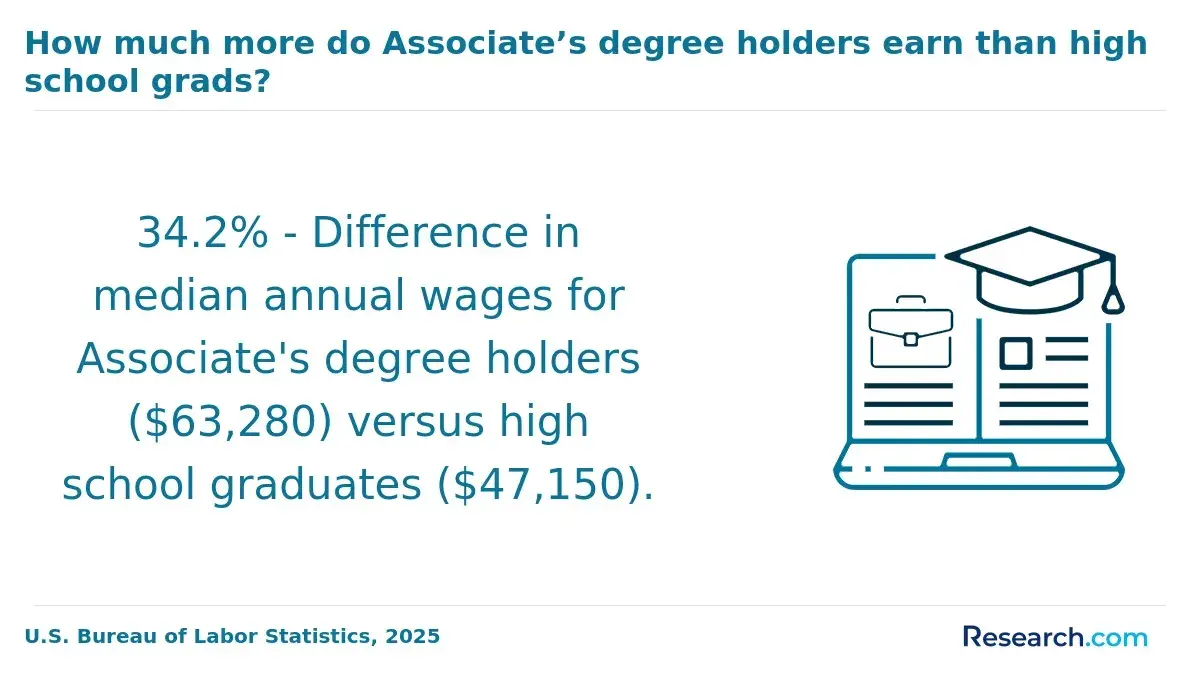
Most institutions typically allow transferring between 30 to 60 semester credits toward an applied psychology degree, though exact limits vary widely based on factors like accreditation, program design, and transfer policies. Regionally accredited universities in the U.S. often enforce clear caps that align with their residency mandates, while some schools may show flexibility if transferred credits correspond to essential applied psychology courses.
The acceptance of credits depends heavily on the level of prior coursework-college-level credits are usually required-and grades, often needing a minimum of a C. Residency rules also commonly require students to complete a specific number of credits, usually 30 to 40, directly at the institution to maintain academic integrity.
Transfer eligibility hinges on how well credits align with the applied psychology curriculum, favoring core subjects such as developmental psychology, research methods, or statistics, rather than unrelated electives. Restrictions often include expiration periods for credits, typically around seven years, combined transfer limits from multiple schools, and the necessity for official transcripts and detailed course descriptions.
A student of an applied psychology degree program, I spoke with described her transfer experience as "challenging but ultimately rewarding." She shared, "Navigating the credit evaluation was stressful at first, especially understanding which courses would count and meeting the residency requirements.
I had to submit detailed syllabi and wait for approvals, but it helped me appreciate the program's rigor." Her careful planning and persistence allowed her to save time and tuition while integrating smoothly into the program.
Do You Need SAT or ACT Scores to Get Into a Applied Psychology Degree Program?
Most applied psychology degree programs in 2026 no longer require SAT or ACT test scores, reflecting a growing test-optional or test-free approach in higher education admissions. This trend follows a nationwide shift, with over 1,750 colleges and universities dropping standardized testing mandates to allow a broader range of student backgrounds.
However, some selective institutions, including prestigious public university systems and private schools, may still consider test scores for initial applicant screening or to award merit-based scholarships. These programs use test results to differentiate candidates in highly competitive applicant pools.
Instead of relying on standardized tests, many applied psychology programs prioritize other factors that better illustrate a student's preparedness and potential. Admissions committees often look closely at high school GPA and the rigor of relevant coursework in subjects like psychology, biology, and statistics.
They may also require completion of prerequisite classes, personal essays reflecting genuine interest in the field, letters of recommendation, and occasionally portfolios highlighting research or practical experience. This holistic review approach aims to identify applicants with both strong academic foundations and passionate involvement in applied psychology.
What Essential Skills Do You Need Before Enrolling in a Applied Psychology Degree Program?
Students aiming to enroll in an applied psychology degree must develop key skills that support both their academic journey and future careers. These abilities help navigate complex research, data interpretation, and practical application of psychological principles.
Below are critical skill areas that prepare students for success in this field:
- Foundational academic skills: Strong reading comprehension and critical thinking are essential to analyze psychological theories and research findings effectively. Basic statistics knowledge supports understanding data results.
- Technical proficiency: Familiarity with statistical software such as SPSS or R enhances data management and analysis, which are frequent components of coursework.
- Analytical and problem-solving skills: These enable students to interpret research critically and apply psychological concepts to real-world problems with confidence.
- Communication skills: Clear written and verbal expression is necessary to convey complex ideas to varied audiences including peers, instructors, and future clients.
- Field-specific readiness: Awareness of ethical standards and foundational human behavior concepts ensures students can engage responsibly in applied psychology practices.
When I asked a recent graduate about the essential skills needed before starting an applied psychology program, he shared how challenging preparing for coursework felt initially. "I realized early on that just being interested wasn't enough," he said. "Mastering statistics and getting comfortable with software was intimidating." He recalled late nights spent learning SPSS tutorials and practicing data sets to build confidence.
Additionally, he emphasized the importance of mental resilience, explaining, "Balancing analytical thinking with sensitivity to ethical issues was a steep learning curve that shaped my approach throughout the program." This perspective highlights that beyond academic readiness, perseverance and adaptability are crucial to successfully start and complete an applied psychology degree.
Do You Need Professional Experience to Enter a Applied Psychology Degree Program?
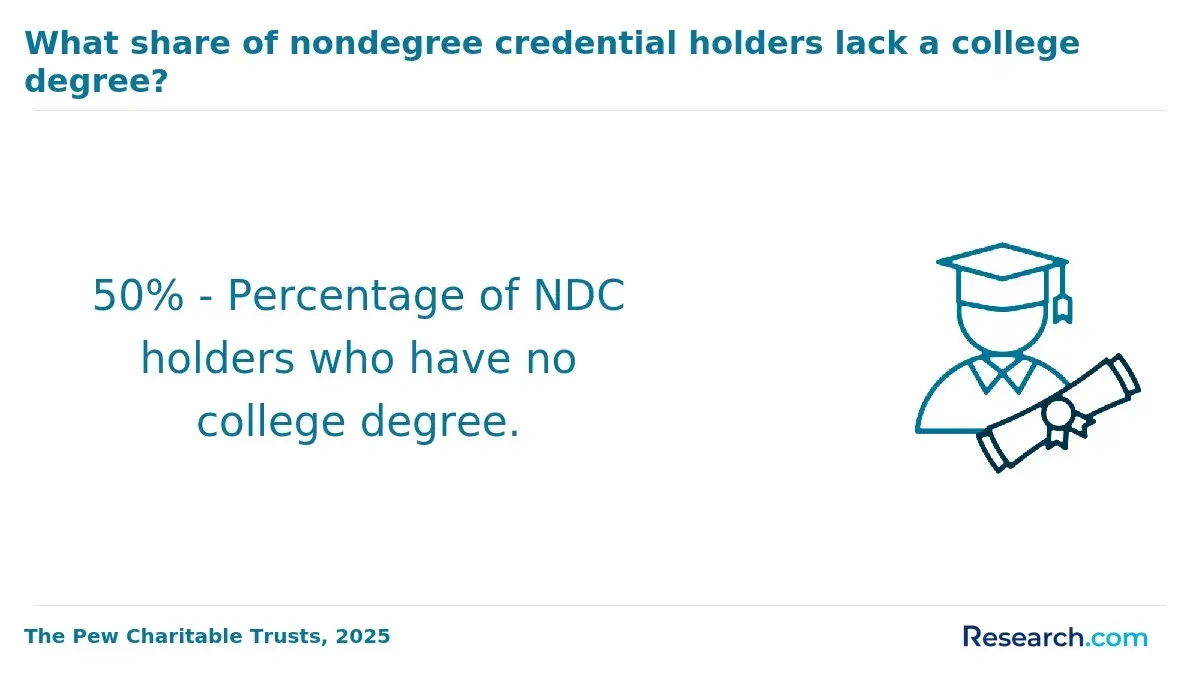
Whether professional experience is necessary to enter an applied psychology degree varies depending on the institution, level of study, and specialization. Undergraduate programs generally do not require work experience, focusing more on academic achievements like high school diplomas and test scores.
However, many graduate programs, especially master's and doctoral levels, often prefer or require relevant experience. This experience can include internships, volunteer work, or paid roles in mental health, counseling, or social service settings.
Tracks such as clinical or counseling psychology tend to emphasize practical experience, whereas research-oriented programs may prioritize academic performance over hands-on roles.
Programs that value professional experience see it as an indicator of preparedness for advanced study and a deeper grasp of psychological concepts. Admissions committees often view prior experience as enhancing students' ability to integrate theory with practice through experiential learning.
Although experience strengthens applications in about 60% of competitive graduate programs, students lacking it can still gain admission by demonstrating strong academics, research potential, or other relevant skills. Ultimately, admissions decisions balance experience with program demands and competitiveness, tailoring expectations accordingly.
What Tech Prerequisites Must You Meet Before Starting an Online Applied Psychology Degree?
Online applied psychology programs require students to meet specific technology standards to ensure seamless engagement with coursework and access to essential learning materials. These tech prerequisites are crucial because interactive lectures, virtual discussions, assessments, and research projects rely heavily on a stable digital environment for full participation.
Students pursuing an applied psychology degree tech prerequisites 2026 include several hardware, software, and connectivity requirements that support the specialized demands of the discipline.
Below are the most common technology prerequisites:
- Hardware specifications: A computer with at least an Intel i5 or equivalent processor, 8 GB of RAM, and adequate storage is needed to efficiently run multiple applications and specialized software used in applied psychology coursework.
- Reliable internet speed: A minimum of 10 Mbps download speed is often recommended to support streaming high-quality lectures, participating in live video conferences, and submitting assignments without interruption.
- Required software and platforms: Access to a learning management system such as Blackboard or Canvas is essential, as is software for statistical analysis like SPSS or R, which are frequently used for applied psychology research projects and data evaluation.
- Digital literacy skills: Comfort with online platforms, electronic submissions, and basic troubleshooting is necessary. These skills reflect professional expectations in applied psychology, where remote communication and data management are routine.
Meeting these online applied psychology program technology requirements ensures students can successfully engage with curriculum demands and research activities. For those exploring program options, finding an affordable online masters program with clear tech standards is vital for academic success and professional preparation.
What Prerequisites Do International Students Need for Applied Psychology Programs?
International applicants to applied psychology programs and 1 year PhD programs online face additional prerequisites compared to domestic students, designed to ensure preparedness and eligibility within the U.S. academic system. These requirements help institutions assess academic equivalency and language proficiency for a successful enrollment experience.
Below are the most common prerequisites that international students should expect.
- Academic Transcripts: Applicants must submit official academic records translated into English, demonstrating completion of secondary or post-secondary education relevant to applied psychology. Evaluations by credential services are often required to confirm that the coursework meets U.S. standards.
- English Proficiency: Since instruction is in English, scores from tests such as TOEFL or IELTS are mandatory. Minimum score thresholds vary by school but typically require a balanced proficiency across speaking, reading, writing, and listening to ensure effective participation.
- Standardized Tests: Some programs may require GRE or other standardized exam results. These tests assess analytical writing, quantitative reasoning, and verbal reasoning skills relevant to applied psychology disciplines.
- Statement of Purpose: A well-crafted essay outlining the student's academic interests, career goals, and reasons for choosing the program is essential. This document helps admissions committees evaluate the applicant's motivation and preparedness for graduate-level study in applied psychology.
- Letters of Recommendation: Usually two or three references from academic or professional sources who can attest to the applicant's abilities, character, and potential for success in the program are required.
- Visa Documentation: Once admitted, students must provide proof of legal eligibility to study in the U.S., including valid passports and visa forms in compliance with immigration policies.
Meeting these requirements facilitates smoother enrollment for international candidates in U.S. applied psychology programs. Applicants interested in detailed data about enrollment trends and credit eligibility can consult resources like anchors part-time Ph.D. in economics for broader academic insights.
How Do Program-Specific Prerequisites Differ from General University Requirements?
Distinguishing between general university admission requirements and program-specific prerequisites is crucial for planning academic timelines and ensuring eligibility in applied psychology programs. These differences affect not only preparation but also how soon a student can enroll and succeed in their chosen field.
General university requirements for psychology programs entry rules
- Minimum GPA and standardized test scores: Universities typically require a baseline GPA-commonly between 2.5 and 3.0 on a 4.0 scale-and may request proof of English proficiency through tests like TOEFL or IELTS.
- General education coursework: Students often must complete broad-based classes in humanities, mathematics, and sciences as part of university-wide mandates before declaring a major.
Program-specific prerequisites for applied psychology degrees 2026
- Foundational discipline courses: Applied psychology programs usually require prior coursework in biology, statistics, psychology concepts, or research methods to prepare students for specialized study.
- Skill demonstrations and experience: Submission of a personal statement, portfolio, or documentation of relevant volunteer or work experience-especially in clinical or counseling settings-is often mandatory.
- Academic rigor and timelines: Since about 70% of accredited bachelor's psychology programs, according to the APA, require statistics and research methods, meeting these prerequisites can extend eligibility timelines due to additional coursework demands.
These distinctions highlight why applied psychology programs are more than just a continuation of general university requirements. They focus on specific readiness in understanding human behavior through scientific methods and data analysis.
For individuals seeking careers aligned with their interests and abilities, exploring the best jobs for an introvert can complement educational goals when planning a path through applied psychology.
Do You Need to Pay for Prerequisite Courses Before Applying to a Applied Psychology Program?
Yes, you usually must pay for prerequisite courses before applying to an applied psychology program. If you complete these courses at the same university offering the program, tuition is charged per credit hour, often ranging from $300 to $800 depending on whether the school is public or private.
Many students opt for community colleges to lower expenses, where tuition typically costs around $120 per credit hour. Online options, including accredited universities and MOOCs, may offer more affordable or flexible alternatives but sometimes lack credit transferability. Additional expenses like material fees can also apply, varying by institution.
To lower these costs, students often use financial aid such as FAFSA, institutional scholarships, or state grants aimed at undergraduate courses. Some applied psychology programs accept transfer credits from previous classes, reducing the number of paid prerequisites required.
It's important to confirm credit transferability with program advisors beforehand to avoid paying twice for the same coursework. These approaches can save students significant money while completing necessary prerequisites.
What Graduates Say About the Prerequisites for Their Applied Psychology Degree
- Dante: "Getting into the applied psychology program was challenging, but meeting the prerequisite courses gave me the confidence to succeed from day one. The total cost was reasonable compared to similar programs, making it worthwhile for the career opportunities it opened up. Today, I'm thriving as a career counselor, thanks to the solid foundation this degree provided. "
- Collin: "Reflecting on my journey, fulfilling the prerequisites was a critical step that prepared me to handle the rigorous coursework ahead. Although the cost was a significant investment, averaging around $20,000, the value of the knowledge and skills I gained has far exceeded the expense. My role in organizational development has been deeply enriched by this background, and I am grateful. "
- Dylan: "Professionally, the applied psychology degree has been a game-changer for me. I strategically ensured I met all the prerequisite requirements to enhance my acceptance chances, balancing the financial commitment with scholarships and careful planning. The average cost sits around $18,000, and the impact on my career as an HR specialist has been impressive, allowing me to apply psychological principles in the workplace effectively. "
Other Things You Should Know About Applied Psychology Degrees
Yes, most applied psychology degree programs set minimum GPA standards for admission. Typically, applicants are expected to have a GPA of at least 2.5 to 3.0 on a 4.0 scale, but more competitive programs may require higher grades. Maintaining a strong academic record in related coursework can improve admission chances.
Non-psychology majors can often fulfill prerequisites by completing foundational courses in psychology and statistics prior to enrollment. Many programs allow applicants to take these prerequisites at community colleges or through online courses. This flexibility helps students from diverse academic backgrounds qualify for admission.
Letters of recommendation are commonly required for applied psychology degree applications, particularly for competitive or graduate-level programs. These letters should ideally come from academic instructors or professionals familiar with the applicant's relevant skills and commitment. They serve to validate eligibility and readiness for rigorous study.
References
- Applied Psychology and Human Services | College of Saint Mary https://www.csm.edu/academics/arts-science/applied-psychology-and-human-services
- General Psychology Vs Applied Psychology https://simmonscollegeky.edu/general-psychology-vs-applied-psychology/
- Applied Psychology Degree | Earn a Master of Arts Online https://loras.edu/academics/applied-psychology/
- What Skills Do You Need to Be a Successful Psychologist? https://www.husson.edu/online/blog/2024/04/top-skills-needed-to-be-a-psychologist
- University of Glasgow - Undergraduate study - 2026 Degree programmes A‑Z https://www.gla.ac.uk/undergraduate/degrees/psychology/
- Applied Psychology (Top-up)BSc (Hons) https://www.londonmet.ac.uk/courses/undergraduate/applied-psychology-top-up---bsc-hons/
- Applied Psychology | University College Cork https://www.ucc.ie/en/ck120/
- Applied Positive Psychology and Leadership https://unity.edu/distance-education/degrees/applied-positive-psychology-and-leadership/
- Online programme BSc Applied Psychology Psychology | Top University/Provider in Germany https://academic-institute.com/online-degree/bsc-applied-psychology/
- Master of Applied Psychology (Clinical Psychology) https://www.vu.edu.au/courses/master-of-applied-psychology-clinical-psychology-amal/international


