
2027 Applied Psychology Degree Programs for Career Changers

Co-Founder and Chief Data Scientist
Mid-career professionals often face uncertainty when seeking a meaningful career shift into human-centered roles. Many struggle to find educational paths that balance practical skills and flexible schedules. Over 45% of adult learners pursuing psychology degrees report challenges in aligning coursework with career objectives. This statistic highlights the critical need for targeted applied psychology programs that address workforce demands and personal growth simultaneously.
This article explores how applied psychology degree programs support career changers by offering relevant curricula, adaptable formats, and industry connections, enabling a confident and efficient transition into new professional environments.
Key Things to Know About Applied Psychology Degree Programs for Career Changers
- Many applied psychology programs offer flexible scheduling and online or hybrid formats, enabling working adults to balance education with employment and personal commitments effectively.
- Accelerated pacing options allow career changers to complete degrees faster, often within 18-24 months, supporting quicker transitions into new roles in psychology-related fields.
- Support services like career counseling and networking specifically target working adults, improving job placement success in industries where applied psychology expertise is increasingly valued.
What Applied Psychology Programs Accept Career Changers?
Applied psychology programs often accommodate working adults and professionals seeking career changes by offering flexible curricula that recognize diverse educational and professional backgrounds. Nearly 40% of graduate students nationwide are returning adults pursuing new career pathways, reflecting growing demand for graduate applied psychology programs accepting nontraditional students.
- Master's in Industrial-Organizational Psychology: Designed for practical application in workplace settings, this program welcomes students from varied academic backgrounds. It is ideal for professionals aiming to transition into human resources or organizational development roles by leveraging transferable skills.
- Master's in Counseling Psychology: Featuring flexible prerequisites and an applied skills focus, this program suits those entering therapeutic or support professions. Its adaptable structure supports students shifting careers while building clinical competencies.
- Master's in Forensic Psychology: This program emphasizes real-world case studies and practical training, allowing learners from diverse disciplines to engage with criminal justice-related psychological concepts. It's a good option for career changers seeking applied expertise in legal settings.
- Applied Psychology Graduate Certificates: These shorter, specialized credentials require less time and fewer prerequisites, enabling career changers to gain focused knowledge in specific areas efficiently.
Programs often offer credit for prior experience and flexible schedules tailored to adult learners balancing education with other responsibilities. Such adaptability promotes smoother transitions and skill integration for those pursuing an applied psychology degree program designed for career changers. For professionals interested in diversifying their skills or credentials, exploring options like an online slp program can also complement applied psychology studies and career goals.
What Applied Psychology Specializations Are Best for Career Changers?
Selecting the right applied psychology specialization is vital for career changers, as it helps leverage existing skills while boosting competitiveness in a growing job market. According to the U.S. Bureau of Labor Statistics, employment in psychology-related fields is expected to grow 8% from 2022 to 2032, reflecting increasing demand for specialized expertise. Below are four top applied psychology specializations suited for career changers.
- Industrial-Organizational Psychology: This specialization targets workplace behavior and is ideal for business or human resources professionals. It offers accessible roles in talent management and organizational development by building on existing interpersonal and analytical skills.
- Health Psychology: Designed for those from nursing, social work, or fitness backgrounds, this field focuses on patient wellness and behavioral health interventions. It provides career mobility by expanding expertise in health-related psychological support.
- Educational Psychology: This track fits educators or trainers interested in enhancing learning outcomes through psychological assessment and principles. It makes use of transferable teaching skills to facilitate career shifts into learning and development roles.
- Forensic Psychology: Suited for legal professionals or social workers, this specialization offers opportunities in criminal justice, including assessment and counseling services. Its accessible pathways enable career changers to apply their knowledge in legal or social contexts.
These applied psychology concentrations to switch careers provide broad industry mobility by building on transferable skills. Professionals aiming to make an effective transition may also consider exploring cacrep online counseling programs as part of their education planning.
What Are the Admission Requirements for Career Changers Applying to a Applied Psychology Program?
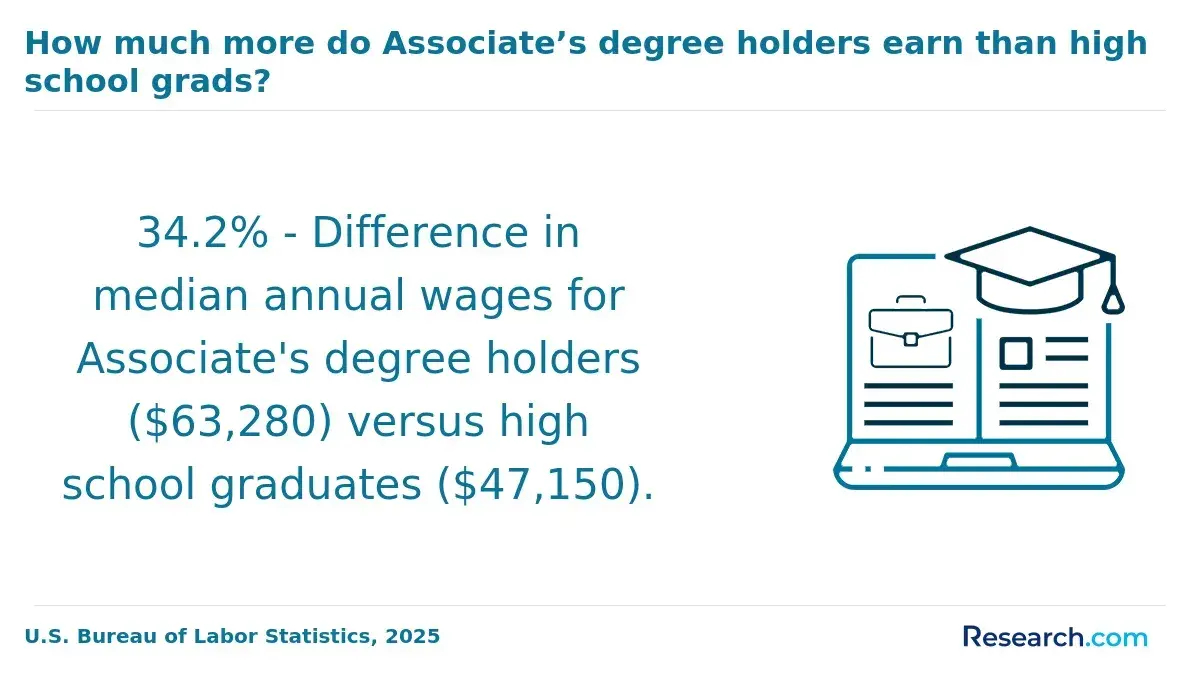
Admission requirements for career changers entering an applied psychology program require special attention since these students often come with diverse professional experiences. Nearly 40% of graduate students in professional fields are nontraditional or adult learners, underscoring the need for admissions criteria that value both academic and practical backgrounds. Below are common prerequisites that reflect this flexibility.
- Bachelor's Degree: Most programs require a degree from an accredited institution, though it need not be in psychology. Degrees in other fields highlighting transferable skills like communication and problem-solving are often accepted.
- Official Transcripts: Applicants must submit transcripts to verify prior academic achievement, supporting their readiness for graduate-level coursework while considering alternative qualifications where applicable.
- Letters of Recommendation: Professional references addressing competencies and work ethic carry weight, especially when reflecting relevant experience outside traditional psychology education.
- Personal Statement: A clear explanation of career goals and motivation for pursuing applied psychology helps admissions committees assess an applicant's commitment and alignment with program objectives.
- Resume or CV: Detailing relevant work experience allows career changers to demonstrate how their background supports success in an applied psychology curriculum and workforce.
- Standardized Tests: Some programs require GRE scores, while others waive this for experienced professionals, adding to the flexibility for adult learners balancing work and study.
Many programs offer flexible formats such as part-time, evening, or online options to accommodate working professionals. Recognition of alternative achievements like certifications and continuing education credits can also support admission and credit transfer. This adaptability helps career changers meet the minimum prerequisites for applied psychology programs for nontraditional students effectively.
For those interested in expanding their credentials, exploring programs like an mlis degree offers insight into how flexible graduate education can support new career paths.
What Is the Coursework for a Applied Psychology Degree for Career Changers?
For career changers, grasping the structure of the coursework in an applied psychology degree is crucial to efficiently navigate the transition and align studies with professional goals. Coursework blends theoretical foundations with real-world applications to aid adult learners in adapting their prior experience to new contexts. Key areas covered include:
- Introduction to Psychological Science: This course covers essential psychological principles, research methodologies, and critical thinking approaches to understand human behavior comprehensively.
- Research Design and Statistics: Students learn qualitative and quantitative techniques to critically assess research findings and interpret data accurately.
- Applied Behavioral Analysis: Focused on behavior modification methods, this subject explores practical strategies used in diverse settings like healthcare and organizational environments.
- Industrial-Organizational Psychology: It examines workplace behavior, motivation, and organizational change, supporting those targeting roles in management or HR.
- Ethics and Professional Practice: This provides the ethical frameworks and professional standards essential to responsible practice in psychological fields.
The flexibility of course scheduling-including online, evening, and weekend classes-makes it manageable for working adults. Applied projects and internships are often included to build relevant experience tied to new career paths.
Speaking with a professional who completed an online applied psychology degree, he described the balancing act between work, family, and academics as taxing but rewarding. "At times, juggling deadlines and full-time responsibilities felt overwhelming," he shared. "Yet, the flexibility allowed me to fit coursework around my schedule, and real-life projects helped me see direct applications beyond theory." This lived experience highlights the value of adaptable, practice-oriented coursework for career changers pursuing applied psychology degrees.
What Applied Psychology Program Formats Are Available for Career Changers?
Many adult learners pursue applied psychology degrees while managing jobs and personal commitments; data shows over 40% of U.S. degree seekers balance study with other responsibilities. Flexible program formats are essential to meet these needs. Here are some common options designed for career changers and working professionals:
- Fully Online Programs: These provide students the ability to study from anywhere at their own pace, making them ideal for individuals who need maximum scheduling flexibility without campus visits.
- Part-Time Programs: Designed to lighten course loads each semester, these options extend the time to degree completion, allowing students to continue working full-time while advancing their education.
- Evening and Weekend Classes: On-campus sessions scheduled outside traditional work hours help students maintain employment while engaging in face-to-face instruction tailored to their availability.
- Hybrid Programs: Offering a blend of online and in-person learning, hybrid formats deliver flexibility along with opportunities for direct interaction with faculty and peers, which benefits those seeking a balanced educational experience.
Choosing the right format supports career changers in effectively managing their studies alongside existing commitments, promoting a smoother transition into applied psychology careers.
What Skills Do Career Changers Gain in a Applied Psychology Program?
As career changers adapt to new professional paths, developing relevant skills becomes essential. Studies show that 87% of employers prioritize transferable skills when hiring adult learners who are transitioning into different fields. Those who pursue an applied psychology degree cultivate a range of abilities that enhance both immediate job readiness and long-term career resilience. Below are five key skills commonly acquired.
- Analytical Thinking: This skill enables individuals to evaluate complex behaviors and workplace interactions critically, facilitating informed decision-making and effective problem-solving during career transitions.
- Effective Communication: Applied psychology enhances both written and verbal communication, which is vital for collaborating with diverse teams, clients, and stakeholders in new professional environments.
- Research Proficiency: Gaining expertise in designing studies and interpreting data equips learners to apply evidence-based approaches, strengthening performance and adaptability across various roles.
- Ethical Awareness: Graduates develop a strong sense of ethical responsibility relevant to different work settings, promoting integrity and trust in their professional conduct.
- Interpersonal Abilities: Building empathy and conflict resolution skills fosters better teamwork and leadership, key attributes when navigating changes in career and workplace culture.
When I asked a career changer who completed an applied psychology program about her experience, she emphasized how challenging it was to reorient herself professionally. Initially overwhelmed by unfamiliar concepts, she found that her coursework gradually built confidence by connecting theory with real-world scenarios. "Understanding people's motivations and behaviors in different settings helped me bridge gaps between my past experience and new opportunities," she explained. She also highlighted the importance of learning to communicate psychological insights clearly to colleagues from non-psychology backgrounds. These skills didn't just ease her transition-they also opened doors to roles she hadn't considered before, making the degree a pivotal step in her career reinvention.
How Much Does a Applied Psychology Degree Cost for Career Changers?
For career changers, carefully considering the total cost of an applied psychology degree is essential, especially given that the average debt for master's degree recipients recently reached $71,000. Balancing education expenses with family and work responsibilities requires understanding the diverse components involved in financing such a program. Below is an overview of the key cost factors to keep in mind.
- Tuition and Fees: These make up the largest portion of expenses, typically ranging from $10,000 to $40,000 per year depending on whether the program is offered at a public or private institution and if it is completed online or on campus. Many programs designed for working professionals provide part-time or accelerated options that can affect overall costs.
- Textbooks and Materials: Costs for textbooks, software, and other learning resources can add up, often costing several hundred dollars each term. Checking whether digital versions or library access is available can help reduce expenses for adult learners.
- Technology Requirements: A reliable computer, software licenses, and stable internet are essential for both online and hybrid formats. Working professionals may optimize costs by using employer-provided devices or discounts on educational software.
- Lost Income or Reduced Work Hours: Career changers often adjust their work schedules to accommodate studies, which may lead to temporary income loss. Exploring flexible payment plans, scholarships, or employer tuition reimbursement programs can ease this financial pressure.
- Additional Fees: Exams for professional licensing, practicum placements, and other administrative costs may apply. Budgeting for these less predictable expenses is important, as is investigating financial aid opportunities specifically tailored to adult learners.
Adult learners seeking to determine the average tuition fees for applied psychology programs for working professionals should also explore how employer support and financial aid can reduce overall costs. For those considering what bachelors degree should i get to complement or prepare for graduate studies in psychology, resources like what bachelors degree should i get offer valuable guidance on educational pathways and financial planning.
How Does a Applied Psychology Curriculum Support Career Transitions?
Curriculum design is especially important for career changers because it must integrate foundational psychological concepts with practical skills that immediately apply to new professions. This balance allows learners to develop competencies that ease the transition into different fields while accommodating the schedules of working adults. How applied psychology curricula achieve this can be outlined in several key ways.
- Applied Learning: Case studies and simulations provide realistic workplace scenarios to help students translate psychological theory into actionable strategies. This practical approach supports learners in understanding how psychological principles improve decision-making and well-being across industries.
- Transferable Skills: Students develop critical thinking, communication, and data interpretation abilities that are valuable in diverse careers. These skills gained from applied psychology programs for career transitions are essential for adapting to new professional environments with confidence.
- Flexible Pacing: Courses often offer adjustable timelines and formats to accommodate working professionals' commitments, allowing learners to progress without sacrificing current employment.
- Real-World Projects: Engagement with internships or projects that mirror actual organizational challenges helps learners build hands-on experience and professional confidence before graduation.
- Evidence-Based Methods: Emphasis on research-backed techniques enables students to make informed decisions and positively influence workplace dynamics, which is crucial for success in various organizational contexts.
Adults considering a career shift can benefit greatly by exploring affordable options from online colleges that accept FAFSA, making the pursuit of an applied psychology degree more accessible. This pathway supports sustainable career changes that are grounded in practical knowledge and relevant skills tailored for adult learners.
What Careers Can Career Changers Pursue With a Applied Psychology?
For professionals shifting careers, knowing the potential outcomes of earning a degree in applied psychology helps align their education with market needs and personal aspirations. The U.S. Bureau of Labor Statistics forecasts a 14% increase in jobs for mental health counselors from 2022 to 2032, highlighting robust demand in fields related to psychology. Below are common career options for those with this background.
- Behavioral Therapist: Designs and implements therapeutic plans to promote positive behavior changes. Transferable skills like empathy and communication enhance effectiveness in helping clients improve mental well-being, making it a natural transition for career changers.
- Human Factors Specialist: Studies user interaction with systems and products to improve safety and usability. Analytical and problem-solving abilities gained in applied psychology facilitate understanding complex human-system dynamics required for this role.
- Organizational Consultant: Provides guidance to businesses on enhancing workplace culture and employee productivity. Strong interpersonal skills and knowledge of behavioral principles support effective recommendations for organizational improvement.
- Market Research Analyst: Examines consumer data to inform business strategies and product design. Skills in interpreting psychological trends and data analysis contribute to identifying market opportunities and consumer behaviors.
- Rehabilitation Counselor: Assists individuals recovering from injuries or disabilities in regaining independence. Communication and counseling expertise enable career changers to support client rehabilitation and workforce re-entry efficiently.
What Is the Average Salary After Earning a Applied Psychology Degree as a Career Changer?
Salary expectations significantly influence the financial planning and career satisfaction of professionals who switch to applied psychology. Data shows approximately 55% of reskilled individuals experience higher annual earnings within two years after completing new qualifications. Below are key salary considerations for those entering this field.
- Starting Salaries: Entry-level roles in applied psychology typically offer annual pay between $45,000 and $60,000, depending on the position and location.
- Mid-Career Earnings: Professionals with several years' experience often earn between $65,000 and $85,000, particularly in clinical or organizational psychology roles.
- Transferable Experience: Prior work in related areas such as counseling or human resources can increase salaries by $5,000 to $15,000, reflecting the value of applicable skills.
- Industry Variation: Compensation varies by sector, with healthcare and corporate business often providing higher average wages compared to education or nonprofit settings.
- Advanced Credentials: Holding graduate degrees or specialized certifications in psychology fields can raise annual incomes above $90,000, enhancing career growth and financial rewards.
What Graduates Say About Their Applied Psychology Degrees for Career Changers
- Flora: "Deciding to switch careers was daunting, but enrolling in an applied psychology program truly transformed my outlook. The cost was a significant consideration-around $30,000 in total-but the investment immediately paid off as I gained practical skills and confidence to excel in my new field. This degree was the bridge I needed to move from uncertainty to a rewarding career change. "
- Colin: "Reflecting on my career path, choosing applied psychology felt like a natural next step, even though it meant a financial stretch of approximately $28,500. The depth of understanding I developed has been invaluable, allowing me to contribute meaningfully in a new professional environment. It's a commitment worth making for anyone serious about change."
- Denise: "With an enthusiastic mindset, I pursued an applied psychology degree to pivot professionally. Despite the $29,800 average cost, the comprehensive knowledge and practical experience gained have distinctly enhanced my career opportunities. This program empowered me to rebrand my skills and pursue work I'm passionate about."
Other Things You Should Know About Applied Psychology Degrees
Many applied psychology programs now offer flexible scheduling options, including part-time, evening, and online courses, which cater to career changers balancing work and study in 2027. This flexibility can help individuals tailor their educational journey to fit their personal and professional commitments.
Career changers may struggle with adjusting to academic demands after time away from school, balancing studies with existing responsibilities, and mastering foundational psychology theories if they lack prior experience. Networking and gaining relevant field experience can also be obstacles due to changes in professional circles and industries.
For career changers, an applied psychology degree typically takes two to three years to complete. This timeline might vary based on the program structure, whether part-time or full-time options are available, and if any prior learning credits can shorten the duration.
References
- An alternative route | BPS https://www.bps.org.uk/psychologist/alternative-route
- Applied Psychology Career Scope, Skills & Salary – 2025 Stats https://www.upes.ac.in/blog/liberal-studies/applied-psychology-scope-and-careers
- Applied Psychology and Psychological Science Specializations https://www.iup.edu/psychology/undergrad/applied-psychology-or-psychological-science.html
- Applied Psychology - Rosemont College https://rosemont.edu/college/academics/professional-studies/undergraduate/applied-psychology-ba/
- Psychology Skills to Level Up Your Career https://onlineprograms.ecu.edu/blog/psychology-skills/
- Psychology Grad School Guide & Requirements | Psychology.org https://www.psychology.org/resources/graduate-application-guide/
- Edit This Favorite https://www.psichi.org/page/222EyeWin18aThomas
- Applied Psychology https://www.regis.edu/academics/majors-and-programs/undergraduate/applied-psychology-bs
- Frequently Asked Questions https://www.uregina.ca/arts/psychology/psyc-faq.html
- Applied Psychology (Positive and Coaching Psychology) | University College Cork https://www.ucc.ie/en/ckd02/


