2027 Career Paths with an Environmental Science Master's Degree Explained

Co-Founder and Chief Data Scientist
The career landscape for professionals holding a master's degree in environmental science is marked by growing demand for expertise in data-driven analysis, regulatory compliance, and sustainability strategy. Employers increasingly seek candidates with advanced proficiency in geographic information systems (GIS), remote sensing technologies, and environmental impact assessment methodologies. Graduates often transition into roles requiring leadership of interdisciplinary teams and management of complex projects involving regulatory agencies and private-sector stakeholders. According to the U. S. Bureau of Labor Statistics 2024 report, employment in environmental science and protection roles is projected to grow 8% over the next decade, reflecting expanded regulatory oversight and corporate sustainability mandates. This article explores varied career paths associated with an environmental science master's degree, offering insights to help readers assess alignment with their professional aspirations and industry demands.
Key Things to Know About Career Paths With a Environmental Science Master's Degree
- Specialized environmental science knowledge accelerates access to leadership roles in sustainability and regulatory sectors, but often requires balancing technical expertise with interdisciplinary communication skills, challenging some graduates' career transitions.
- Employers increasingly demand practical experience with geospatial analysis and climate modeling, underscoring the necessity of programs integrating applied tools that directly influence job readiness and competitive differentiation.
- Rising enrollment of adult learners in online environmental science master's programs reflects broader workforce upskilling trends; however, extended program duration and cost intensify opportunity costs for mid-career professionals weighing timing and financial investment.
What Can You Do With a Environmental Science Master's Degree?
A master's degree in environmental science does more than signal advanced knowledge; it reshapes the career trajectory by qualifying graduates for roles that combine technical skill with strategic impact. The decisions graduates make about which paths to pursue reflect tradeoffs between specialization depth, leadership scope, and industry sector variability.
Choosing a niche like environmental policy versus data analysis, for instance, influences salary prospects, mobility, and day-to-day responsibilities distinctly.
- Consulting and Advisory Roles: These positions often serve as entry points into leadership, leveraging a master's level understanding of regulatory frameworks and scientific analysis to guide corporate sustainability efforts. Success here depends on marrying technical insight with client management skills, making the role suited for those prioritizing broad industry exposure and policy influence.
- Technical Specializations: Fields such as geographic information systems (GIS) or environmental data analysis demand a combination of strong quantitative skills and practical fieldwork experience. Graduates focusing on these areas can command higher salaries over time but may encounter narrower job flexibility, emphasizing continuous technical certification and tool proficiency.
- Government and Nonprofit Leadership: A master's credential is often essential for advancement to environmental project manager or policy analyst roles within agencies like the EPA or nonprofits. These roles require navigating complex regulatory environments and public accountability, offering less salary upside compared to private sector but greater influence on environmental outcomes.
- Industry Management and Program Direction: Positions such as environmental program director consolidate leadership, budget oversight, and strategic planning. These roles reward experience and advanced education with higher compensation but also demand a broader skillset, including cross-departmental collaboration and communication, which not all technically trained graduates acquire naturally.
- Emerging Sectors and Career Flexibility: Master's graduates entering renewable energy development or ecological restoration tap into sectors with accelerating demand but potentially volatile funding and policy support. This pathway offers versatility but requires adaptability and ongoing professional development to remain competitive across shifting industry landscapes.
What Are the Highest-Paying Careers With a Environmental Science Master's Degree?
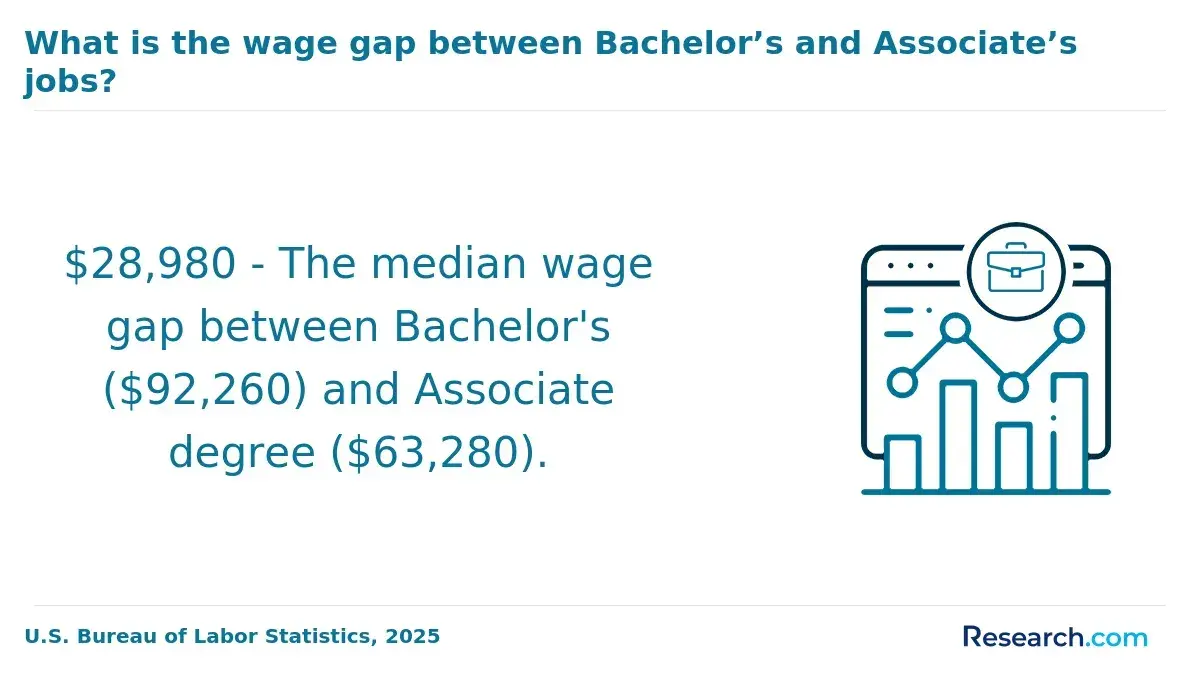
Compensation in environmental science careers is closely tied to specialization, leadership roles, and the ability to navigate complex regulatory environments. Graduates who combine technical expertise with managerial skills or strategic influence tend to access the highest-paying roles. Choosing a path that balances scientific knowledge with industry demand and organizational impact often results in significantly improved salary prospects but typically requires additional certifications or experience.
- Environmental Engineer: These professionals command strong salaries by leveraging engineering principles to solve environmental problems such as pollution control and waste management. Their specialized technical skills are in high demand across industries like manufacturing and government, with median pay around $102,000, reflecting both their critical role and required qualifications.
- Environmental Manager: A leadership position overseeing regulatory compliance and sustainability initiatives, this role draws on both scientific and organizational competencies. Salaries range widely, often between $85,000 and $120,000, depending on sector and location, highlighting the influence of geographic and industrial factors on compensation.
- Sustainability Director: Positioned at the intersection of environmental science and corporate strategy, sustainability directors lead efforts in renewable energy, resource efficiency, and social responsibility. Their top-tier pay, typically above $110,000, stems from driving long-term organizational change and stakeholder engagement, making business acumen nearly as essential as scientific expertise.
While these roles represent the upper end of salary potential, entry-level positions frequently offer lower pay, reflecting the need for practical experience and professional credentials such as Professional Engineer (PE) licensure or leadership certifications. Thus, for prospective students and career changers, advancing toward these roles involves strategic career planning beyond earning a master's degree alone.
Which Industries Hire Graduates With a Environmental Science Master's Degree?
Graduates with a master's degree in environmental science often find their skill sets applied differently depending on the industry, which influences their role complexity, compensation, and career trajectories. Government positions, particularly within agencies like the EPA or state resource departments, prioritize regulatory compliance, environmental policy analysis, and impact assessments, leveraging advanced scientific and leadership capabilities inherent to master's level training.
These roles offer structured advancement but typically require navigating bureaucratic frameworks and slower-paced project timelines. In contrast, the private sector-including consulting and engineering firms-demands adaptability to fast-paced environments focused on client-driven remediation, pollution control, and sustainability planning.
Here, professionals utilize specialized technical skills such as GIS mapping and data analysis while facing pressure for innovative, cost-effective solutions, often resulting in comparatively higher salaries but greater workload unpredictability and project turnover.
Renewable energy and clean technology sectors represent a growing niche where environmental science expertise intersects with engineering and technical proficiency to evaluate ecological impacts and optimize sustainable innovation. However, success in these fields often hinges on additional certifications or cross-disciplinary knowledge beyond core environmental science curricula.
Nonprofits, academia, and agriculture-related organizations engage master's graduates differently, emphasizing research, policy advocacy, and ecosystem management, but may provide less financial reward and slower career growth.
Choosing one sector over another therefore entails tradeoffs in professional development and work-life balance; for example, a graduate may secure better compensation and varied project experiences in consulting but sacrifice the predictability and mission-driven focus of a government career.
Employer Confidence Share in Online vs. In-Person Degree Skills, Global 2024

What Is the Job Outlook for Careers Requiring a Environmental Science Master's Degree?
The job outlook for careers requiring a master's degree in environmental science shows differentiated growth depending on the sector and specialization. According to 2024 data from the U.S. Bureau of Labor Statistics, employment for environmental scientists and specialists is projected to expand nearly 9% over the next decade, outpacing many occupations. This demand is fueled by increased emphasis on regulatory compliance, climate change mitigation, and sustainable resource management.
However, candidates often face competitive entry, especially for roles in government or leading consulting firms, where practical experience and interdisciplinary skills, such as environmental law and advanced data analysis, are essential for differentiation.
Long-term career growth for environmental science master's graduates hinges on evolving organizational priorities and regional market dynamics. While public sector roles tend to offer greater job stability, salary growth may be limited compared to private-sector positions that are more subject to project funding fluctuations. Specializations related to water management, waste treatment, and environmental impact assessment remain vital as regulatory frameworks grow more complex.
For professionals evaluating graduate pathways, it's informative to compare options like a masters in construction management, which often aligns with infrastructure-focused environmental roles, to understand where environmental science degrees hold distinct workforce advantages or face more competitive hiring climates.
What Entry-Level and Advanced Jobs Can You Get With a Environmental Science Master's Degree?
Holding a master's degree in environmental science does not guarantee immediate access to senior roles; rather, it often establishes a foundation to enter the field through positions like environmental analyst or regulatory compliance specialist. These entry-level roles prioritize data gathering and environmental assessment, serving as crucial platforms to acquire technical skills and industry familiarity.
Employers in sectors such as consulting and government typically expect candidates to demonstrate practical experience or certifications alongside academic credentials before advancing. Choosing a specialization, whether in water resources or air quality, can also delineate one's career trajectory, as certain industries demand niche expertise that influences promotion speed and job mobility.
Progressing into advanced roles like environmental consultant or sustainability director requires integrating scientific knowledge with leadership capacities and regulatory insight, which typically evolves after several years of professional practice. Salary differences between entry-level and senior positions reflect not only increased responsibility but also the strategic influence these roles exert on organizational and policy decisions, with many experienced professionals surpassing $90,000 annually.
However, industries vary widely in how they value a master's credential-while some prioritize it for specialist or managerial roles, others weigh hands-on experience more heavily. For students and career changers, this means the degree is a competitive asset but must be coupled with targeted experience and networking to unlock long-term advancement and flexibility across environmental science sectors.
Can a Environmental Science Master's Degree Help You Change Careers?
A master's degree in environmental science can be a pivotal tool for career changers, but its efficacy depends largely on how prior experience aligns with target industries. Professionals entering from unrelated fields benefit from structured acquisition of technical skills such as environmental impact assessments and regulatory familiarity, which are often prerequisites for entry-level roles.
However, employers typically expect hands-on experience alongside academic credentials; thus, internships and practicums embedded in many programs are crucial to bridging this gap. This degree is not a shortcut past experience barriers; instead, it signals commitment and a baseline of specialized knowledge necessary to reframe one's professional narrative when transitioning to new sectors.
Individuals pursuing career change with an environmental science master's degree should consider labor market nuances, licensing requirements, and sector-specific demand. For example, shifting into environmental engineering or hazardous waste management often requires certifications beyond a graduate degree and may involve initial salary resets due to competition from seasoned practitioners.
Conversely, those moving from adjacent scientific backgrounds can leverage the degree to deepen expertise and qualify for leadership or niche roles like climate change adaptation. Tuition for environmental science programs with rolling admissions typically ranges from $15,000 to $40,000, representing a significant investment that must be weighed against realistic employability outcomes.
Prospective students evaluating options may also explore interdisciplinary credentials, such as an accelerated business degree, to enhance managerial prospects within environmental fields.
What Leadership and Management Roles Can You Pursue With a Environmental Science Master's Degree?
Leadership roles for graduates with a master's degree in environmental science vary significantly based on industry and organization size, reflecting the complex intersection of technical expertise and managerial responsibility required. In government agencies, management often demands oversight of compliance operations, coordination of environmental impact assessments, and liaison with multiple stakeholders to ensure regulatory adherence.
Conversely, in corporate sustainability or consulting contexts, early leadership may focus on project management, budgeting, and team coordination, with advancement hinging on strategic oversight of sustainability initiatives and risk mitigation frameworks.
Not all leadership trajectories are linear; some sectors emphasize operational control over technical tasks, requiring managers to balance frontline supervision with cross-departmental collaboration, a shift that influences both promotion eligibility and compensation growth.
The variance in leadership roles is linked to how organizations weigh technical competence against interpersonal skills and regulatory acumen. Many environmental science managers find that ascending to senior positions necessitates cultivating expertise beyond scientific analysis, including policy interpretation and stakeholder negotiation.
Employers increasingly expect advanced certifications or specialized skills in areas like environmental law or project management, underscoring the evolving competency requirements for effective leadership.
A 2024 workforce study by the Environmental Careers Organization reported that candidates with combined technical and managerial qualifications were 30% more likely to secure supervisory roles within three years of graduation, emphasizing the practical advantage of a versatile skill set across diverse sectors.
What Skills Do Employers Expect From Graduates With a Environmental Science Master's Degree?
Employers expect a master's degree graduate in environmental science to demonstrate a refined integration of technical and analytical skills alongside leadership and communication capabilities tailored to specific sector demands. Proficiency in tools like geographic information systems (GIS), remote sensing, and environmental modeling software is foundational, supporting critical tasks such as pollution monitoring and regulatory compliance.
Analytical competencies extend beyond data interpretation to include risk assessments and designing scientifically robust studies; these underpin evidence-based decision-making essential in resource management or policy development. Graduates lacking advanced quantitative reasoning or familiarity with specialized software often face limited opportunities in leadership or technical roles due to increasingly data-driven industry requirements.
Leadership and operational skills hold distinct value across sectors, influencing hiring and salary potential, which ranges broadly but often aligns with the ability to manage complex projects under regulatory constraints. For example, consulting firms may prioritize technical agility and client communication, while NGOs emphasize advocacy and collaborative stakeholder engagement. Mastery of regulatory processes, permitting, and sustainability protocols correlates with higher responsibility and compensation, especially in government roles.
According to recent labor analyses, environmental science professionals with comprehensive skill sets and adaptable expertise can command salaries up to 20-30% above median levels in related fields, reflecting employer investment in versatile candidates capable of bridging technical knowledge with operational execution and interdisciplinary teamwork.
Are Remote and Flexible Careers Available With a Environmental Science Master's Degree?
Remote and flexible careers in environmental science typically hinge on the nature of job responsibilities, with roles centered on data analysis, environmental modeling, policy development, and research offering the greatest adaptability. Positions in these areas can leverage cloud-based tools and virtual collaboration, making hybrid or fully remote setups feasible. However, environmental science careers focused on fieldwork, lab analysis, and compliance inspections generally demand physical presence due to hands-on requirements and regulatory oversight.
For example, environmental consultants conducting site assessments must visit locations in person, limiting long-term remote work despite some flexibility between visits. Industry sector and employer expectations critically shape this reality, with government agencies and regulatory bodies often imposing stricter location mandates compared to private consulting firms or contractors, who may enjoy more flexible schedules but face unstable workloads.
Workforce data from 2024 indicate that mid-career environmental scientists have increasingly negotiated hybrid roles, using remote work to improve work-life integration while assuming greater project oversight responsibilities. Entry-level professionals, by contrast, are usually required on-site to build field skills and direct experience, influencing hiring cycles toward earlier in-person engagement.
Geographic mobility and compensation also vary; remote roles may pay less due to location adjustments or require residence near field sites despite remote duties. Pursuing flexible career options for environmental science graduates involves balancing these tradeoffs and mastering digital communication tools to maintain productivity and team coordination.
This practical dynamic parallels trends observed in other specialized fields-as seen in programs like the SLP bridge program online, where hybrid educational models accommodate diverse professional needs alongside regulatory standards.
What Certifications or Licenses Complement a Environmental Science Master's Degree?
Certifications for environmental science master's degree graduates often serve as critical differentiators rather than mere formalities, especially in sectors where practical expertise or specialized knowledge addresses niche regulatory or technical challenges. Employers in consulting and regulatory agencies frequently prefer credentials like the Certified Environmental Professional (CEP) or the Leadership in Energy and Environmental Design (LEED) credential because they validate proven skills in remediation or sustainable design-capabilities directly relevant to project success and client trust.
However, such certifications usually do not substitute for licenses legally required to perform regulated tasks. Licenses-such as Certified Hazardous Materials Manager (CHMM) or Professional Geologist (PG)-carry statutory weight, often mandated by state law to authorize environmental health and safety assessments. This distinction shapes hiring and promotion pathways, as those lacking the necessary licensure may face salary penalties or restricted job eligibility despite holding advanced degrees.
Licenses enhancing career prospects with an environmental science master's degree tend to carry increasing value for professionals seeking leadership roles or cross-industry mobility. For instance, a Professional Engineer (PE) license focused on environmental specialties can unlock opportunities in engineering-led sectors tied to compliance and technical documentation, areas where legal accountability and client confidence are paramount.
Geographic variation in licensing requirements further complicates career planning, with states differing in the scope and necessity of credentials, thus influencing access to independent practice and salary negotiation leverage. While certifications may accelerate credibility during career transitions or when entering specialized fields, long-term advancement in regulated environments mandates acquiring and maintaining relevant licenses, despite the additional effort and administrative oversight this entails.
Graduate students should weigh these operational realities carefully alongside degree program options, including complementary pathways like MBA programs that accept transfer credits, when plotting career trajectories in environmental science.
What Graduates Say About Career Opportunities With a Environmental Science Master's Degree
- Mordechai: "Balancing a 40-hour workweek and part-time study was definitely a challenge, but I chose the environmental science master's program primarily because of its flexible evening classes. The workload was intense, especially during the data analysis module, but the skills I gained helped me secure an internship focused on urban sustainability. However, I quickly learned that in this field, having a robust portfolio and practical experience mattered more than certifications alone when applying for full-time roles."
- Casen: "I opted for the master's program because I wanted to pivot from a completely different career without taking a big financial hit, so I picked a program with lower tuition and condensed semesters. While that meant a heavier workload and less downtime, it enabled me to enter the workforce faster. My first job came through a faculty connection during an internship, which emphasized how crucial networking and relevant field experience are in environmental science, often more so than formal licensure."
- Walker: "The biggest constraint for me was relocation costs, so I enrolled in an online environmental science master's program to stay in my city. This decision gave me flexibility and allowed me to keep my current job, but it also meant I had to be proactive in seeking out extracurricular projects to build my portfolio. Employers I spoke to made it clear that without certifications or documented projects, salary growth was limited early in my career despite the master's degree."
Other Things You Should Know About Environmental Science Degrees
In 2027, career paths for those with a master's in environmental science include positions such as environmental consultant, sustainability analyst, and conservation scientist. These roles involve addressing environmental challenges through policy development, data analysis, field research, and implementation of sustainable practices.
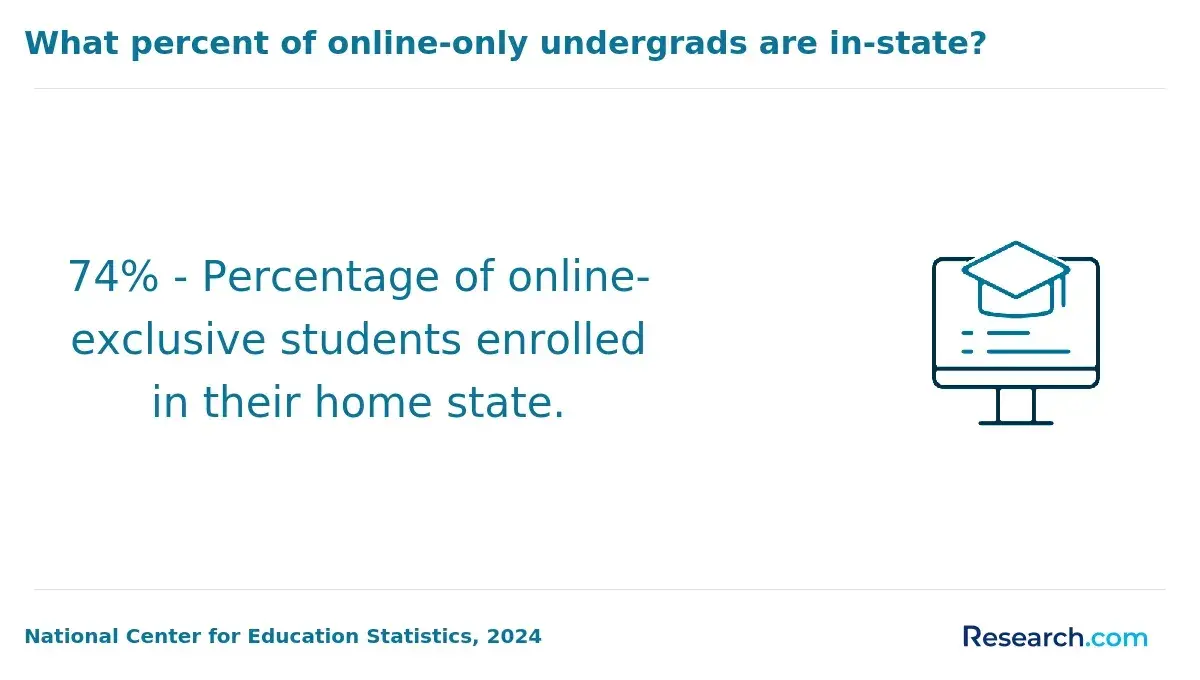
Many environmental science master's programs require extensive fieldwork, lab projects, and team collaborations, which can demand more time than traditional lecture-based programs. Part-time or online options often reduce this load but may limit networking and hands-on experience that employers value. Working professionals should prioritize programs with flexible scheduling and clear support for managing simultaneous commitments, as overloading can impair learning quality and career performance. Understanding the course delivery and workload upfront helps prevent burnout and ensures your education complements rather than conflicts with your professional life.
For environmental science careers, the strength of industry connections and internship opportunities often outweigh institutional prestige in shaping employability. Programs embedded in regions with active environmental sectors or those offering partnerships with public agencies and NGOs provide more actionable pathways to job placement. Meanwhile, prestigious programs may open doors in academia or research but do not guarantee practical exposure. Prioritizing institutions that facilitate meaningful real-world engagements tends to accelerate career entry and long-term advancement more effectively than brand recognition alone.
Specializing in niche areas like hydrogeology, climate modeling, or environmental policy narrows your immediate market but increases competitiveness where demand exists. Generalist degrees provide broader job flexibility but may place you at a disadvantage compared to specialists for certain roles. Prospective students should evaluate regional and sector-specific labor trends before committing to a focus area; aligning specialization with market needs enhances both entry chances and salary potential. It's often advisable to build a hybrid skill set that balances specialization depth with transversal competencies to adapt as environmental priorities and technologies evolve.
References
- Admissions | Department of Environmental Sciences and Policy https://envsci.ceu.edu/ms-admissions
- Master’s Admissions FAQ https://environment.yale.edu/admissions/masters/faq
- Master of Environmental Sciences https://www.uoguelph.ca/programs/master-of-environmental-sciences/
- Environmental Sciences https://dein-studium.uni-hohenheim.de/en/applying-and-enrollment/applying/application-for-masters-in-environmental-sciences-soil-water-biodiversity
- Going Green: Scholarships for the Environmentally Friendly https://www.mefa.org/article/going-green-scholarships-for-the-environmentally-friendly/
- Environmental Sciences MS https://www.umb.edu/academics/program-finder/environmental-sciences-ms/
- What Can I Do with an Environmental Science Degree? https://www.snhu.edu/about-us/newsroom/stem/what-can-i-do-with-an-environmental-science-degree
- Environmental Science and Technology, M.Sc. https://www.tu.berlin/en/studying/study-programs/all-programs-offered/study-course/environmental-science-and-technology-m-sc-1
- master opportunities in environmental science in poland | Programs, Scholarships & Opportunities https://www.applykite.com/search/positions/master/poland/environmental-science
- Sustainability Scholarships for Graduate Students https://leadthechange.bard.edu/blog/sustainability-scholarships-for-graduate-students