2027 What Is an Environmental Science Master's Degree? Definition, Curriculum & Career Paths

Co-Founder and Chief Data Scientist
Climate change, resource depletion, and ecosystem degradation present urgent challenges requiring informed solutions. An environmental science master's degree equips professionals to navigate complex environmental systems by integrating multidisciplinary knowledge with practical methods.
In 2024, the U. S. Bureau of Labor Statistics highlighted a growing demand for roles in environmental management and sustainability, reflecting policy shifts and corporate accountability pressures. Graduates often balance scientific research, data analysis, and regulatory frameworks, making this degree pivotal for careers that influence environmental policy, conservation, or industrial practices.
This article explores the defining components of the degree, typical curricula, and career avenues grounded in evolving sector needs and competencies.
Key Benefits of Environmental Science Master's Degree
- Specialized environmental modeling skills gained often require intensive quantitative coursework, limiting accessibility for candidates without strong math backgrounds and influencing program completion times.
- Employers increasingly prioritize candidates with master's degrees for roles involving regulatory compliance, reflecting a workforce trend toward demanding advanced technical and policy expertise.
- Rising tuition and extended research commitments in programs correlate with delayed workforce entry, prompting prospective students to weigh immediate income loss against longer-term career advancement.
Who Should Pursue an Environmental Science Master's Degree?
Graduate education yields the most value when pursued with specific professional objectives rather than as an automatic continuation after earning a bachelor's degree. Prospective environmental science master's degree candidates should evaluate how the program fits their career plans, addresses skill gaps, and aligns with employer demands in evolving environmental sectors.
The ideal candidate profile depends heavily on individual goals, whether those focus on specialization, leadership development, or entering emerging fields that require advanced competencies.
- Career Changers Seeking Domain Expertise: Individuals with undergraduate degrees or work experience in unrelated fields who aim to enter environmental science-related roles benefit from the master's degree as a structured path to acquire foundational scientific knowledge and technical skills. This formal credential often supports transition into environmentally focused positions in consulting, regulatory agencies, or sustainability-focused corporations where practical expertise is mandatory.
- Mid-Career Professionals Targeting Advancement: Professionals already working in environmental sectors, such as engineering, policy, or education, pursue the degree to overcome skill bottlenecks restricting upward mobility. The advanced methodological training and cross-disciplinary curriculum prepare these learners for leadership roles requiring holistic environmental understanding and complex project management capabilities.
- Recent Graduates Focused on Specialization: Those holding bachelor's degrees in biology, geology, or chemistry who need deeper expertise to compete effectively for research-intensive or technical jobs turn to master's programs. A concentration in specific subfields like climate science or environmental law bolsters employability and positions graduates for further doctoral study or specialized consulting roles.
- Aspiring Leaders in Environmental Policy or Corporate Sustainability: Candidates with an interest in shaping public policy or corporate environmental strategy utilize the degree's multidisciplinary focus on law, ethics, and economics to acquire stakeholder management skills critical for these complex roles. The program's emphasis on applied projects helps develop the interdisciplinary insight necessary for effective team and initiative leadership.
- Researchers Preparing for Doctoral Studies or Specialized Roles: Graduate students aiming for academic or high-level research careers often select environmental science master's programs to gain rigorous training in research design and data analysis. The requirement to complete a thesis or capstone project demonstrates applied expertise, which is an important credential in competitive doctoral program admissions.
These categories illustrate how a clear understanding of professional trajectories and workforce expectations helps inform the decision to pursue an environmental science master's degree.
The U.S. Bureau of Labor Statistics projects an 8% growth rate in environmental science employment over the next decade, reflecting sustained demand for advanced skills in this field. Recognizing this trend during early career planning supports not just immediate employability but longer-term positioning in an increasingly complex job market.
For those evaluating less conventional options, programs including 1 year online masters pathways can offer strategic acceleration without sacrificing depth of training.
What Are the Core Courses in an Environmental Science Master's Curriculum?
Core courses in an environmental science master's curriculum establish the intellectual framework crucial for advanced professional work and research within the field. These classes, though varied in title across programs, consistently cover foundational disciplines and skills that remain applicable regardless of specialization.
Together, they foster the scientific rigor, analytical capability, and applied knowledge essential for effective environmental problem-solving and informed decision-making in diverse career paths.
- Environmental Chemistry: This course grounds students in the chemical dynamics of natural systems, focusing on pollutants, contamination pathways, and processes that affect air, water, and soil quality. Mastery in this area is vital for roles that demand precise assessment of environmental hazards and remediation strategies.
- Environmental Policy and Management: Integrating scientific understanding with regulatory frameworks, this course teaches how laws, sustainability initiatives, and resource allocation shape environmental outcomes. It equips graduates with the ability to navigate and influence complex policy landscapes, a skill prized in government and advocacy sectors.
- Quantitative Methods and Statistics: Emphasizing data analysis and research methodology, this coursework develops competence in interpreting empirical evidence and modeling environmental phenomena. Quantitative rigor is a baseline expectation in both research and applied industry positions, enabling evidence-based recommendations.
- Ecology and Ecosystem Science: Offering systems-level insight into biodiversity and human impact, this course supports conservation planning and ecosystem management. It builds the holistic perspective required to balance ecological integrity with development pressures.
- Specialized Technical Topics (e.g., Environmental Toxicology, Climate Science, GIS): These advanced offerings deepen technical expertise and often drive the ability to undertake specialist roles. They typically combine theoretical foundations with practical application, including data visualization and spatial analysis, prized in consulting and regulatory compliance.
These core areas collectively prepare students for the interdisciplinary demands of environmental science careers, where scientific literacy must be paired with policy acumen and technical skills.
Notably, the U.S. Bureau of Labor Statistics highlights that environmental scientists with strong statistical and GIS capabilities receive higher demand across consulting and governmental roles, reflecting the premiums placed on integrated technical competencies. As programs vary in emphasis, students are advised to assess how each core course aligns with their intended sector, whether research-focused, policy-driven, or technically oriented.
One recent graduate recalled navigating the application process during an especially fluid admissions cycle. Faced with rolling deadlines and staggered response times, she grappled with whether to commit early or wait for a preferred program's final decision.
Early preparatory work included refreshing quantitative skills and researching course outlines to anticipate curricular demands. This strategic, if uncertain, pacing allowed her to adapt quickly once offers materialized, underscoring how preparedness in core environmental science subjects can ease transitions even amid admissions unpredictability.
What Specializations Are Available in Environmental Science Master's Programs?
Master's programs in environmental science typically present candidates with multiple specialization pathways to tailor their education toward particular sectors within this broad field. While foundational courses establish interdisciplinary competence, the choice of specialization sharpens technical skills and conceptual expertise, which directly influences employability and professional focus.
Selecting a track is a strategic decision, as different specializations map onto distinct industry needs and career roles in an evolving job market.
- Environmental Policy and Management: This specialization trains students to navigate and shape environmental regulations, emphasizing regulatory frameworks, governance, and stakeholder engagement. Graduates often enter government agencies, consultancy, or nonprofits where policy enforcement and sustainable compliance are priorities, setting them apart through their understanding of legal and institutional processes.
- Ecology and Conservation: Focused on ecosystem dynamics, biodiversity preservation, and habitat management, this track develops skills in field research, species monitoring, and conservation science. Its graduates typically find roles in wildlife organizations or environmental nonprofits, where practical knowledge of ecological systems is crucial to addressing habitat loss and species decline.
- Environmental Chemistry and Toxicology: Concentrating on identifying and mitigating chemical pollutants, this area equips students with laboratory techniques and toxicological analysis capabilities. Professionals with this background are sought after in environmental monitoring, remediation projects, and regulatory testing, often working in collaboration with public health or industrial sectors.
- Sustainable Energy and Climate Change: Combining climate science with renewable energy technologies, this specialization readies students for careers tackling energy transitions, carbon management, and climate policy. It aligns well with the expanding green economy and supports roles in both technical development and policy advocacy related to climate mitigation.
- Geospatial Analysis and Environmental Informatics: Leveraging GIS and remote sensing, students develop competencies in spatial data analysis and environmental modeling. This track supports professions in urban planning, disaster management, and impact assessment, offering a quantitative edge that many employers value for decision-making processes.
In 2024, labor market analyses from the U.S. Bureau of Labor Statistics confirm a growing premium on interdisciplinary skills coupled with specialization, as many employers seek candidates who can integrate technical expertise with project management and policy understanding. Consequently, the chosen specialization not only frames the technical domain of expertise but directly affects access to industry sectors and career advancement pathways.
How Long Does It Take to Complete an Environmental Science Master's Degree?
Completing a master's degree in environmental science typically takes between one and three years, with full-time students generally finishing within two years. This timeframe reflects a standard curriculum design aimed at balancing depth of study with practical skill development, as supported by recent data from the National Center for Education Statistics in 2024.
Part-time enrollment, which accommodates working professionals or those with family obligations, often extends the duration to three years or more. Understanding the average duration of environmental science master's programs reveals key differences in program intensity and flexibility tied to a student's enrollment status and institutional structure.
Several factors shape the total time required beyond simply full- or part-time status. Thesis or research track requirements usually add substantial time due to the need for original data collection, analysis, and comprehensive writing, often prolonging completion by six to twelve months.
Meanwhile, course load per semester, availability of prerequisite classes, and whether the program is delivered online or on-campus influence pacing. Many students must balance these academic demands alongside employment, internships, or personal commitments, making the actual completion timeline highly variable.
For students evaluating their options, it's important to consider how these elements affect both program length and practical learning outcomes-unlike some accelerated options that aim to condense study into 12 to 18 months for those with relevant experience.
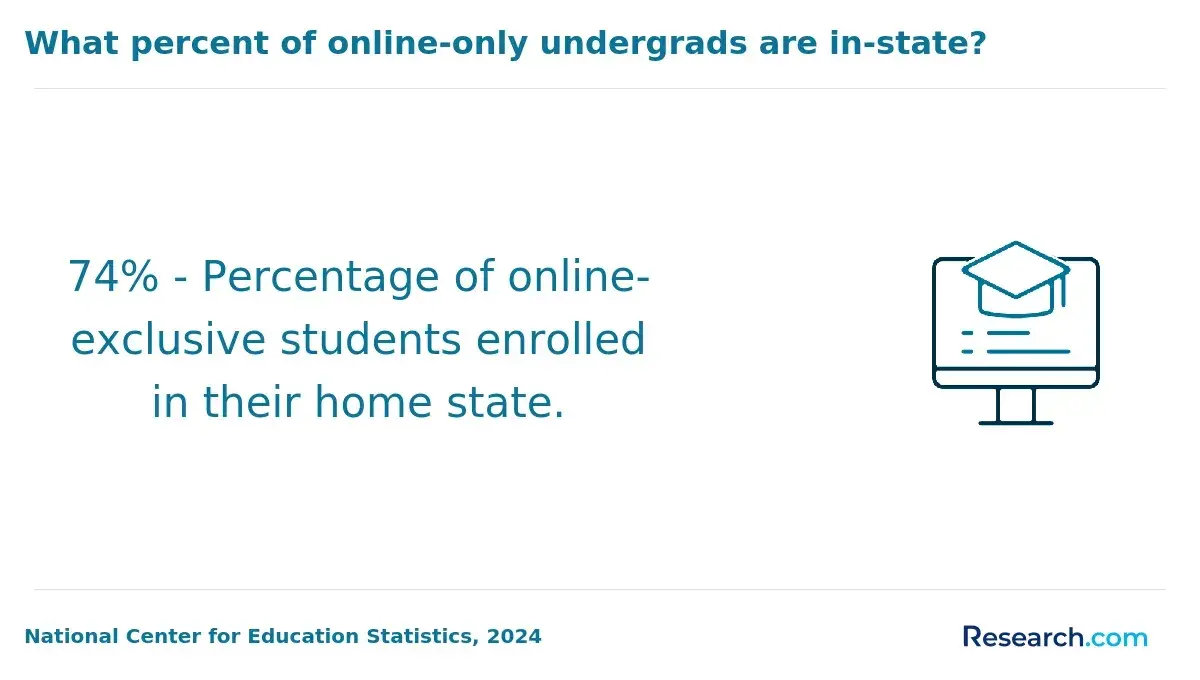
Students may strategically extend or accelerate their environmental science studies depending on career goals, financial constraints, and experiential learning opportunities, including internships or part-time work in the field. Flexibility in scheduling and curriculum design can make a significant difference in aligning education with professional trajectories.
For those exploring interdisciplinary or dual-degree paths, as seen with some online construction management degrees, timelines may further vary. Therefore, a nuanced assessment of program design, enrollment status, and individual circumstances is essential for realistic planning of how long it takes to complete a master's degree in environmental science.
Do Environmental Science Master's Programs Require Internships or Practicums?
Requirements for internships or practicums in environmental science master's programs differ significantly depending on the institution's focus, industry connections, and whether the curriculum emphasizes professional application or research. Some programs mandate these experiential components as integral parts of their training to ensure graduates have supervised field or applied project experience.
Others offer them as optional or supplemental, catering to students who may already possess relevant work history or prefer a more academically oriented path. Variations also emerge based on program delivery formats and partnerships with organizations providing placement opportunities.
These internships and practicums serve to link academic theories with practical challenges encountered in environmental roles, allowing students to interpret data, engage with stakeholders, and navigate regulatory frameworks in authentic settings. They facilitate skill development that transcends classroom instruction, enhancing competencies in project management, communication, and technical applications while expanding professional networks.
From an employer's perspective, documented experience in these environments often distinguishes candidates by demonstrating adaptability, initiative, and familiarity with real-world workflows, beyond theoretical knowledge alone.
One recent graduate's experience highlighted the importance of timing and preparedness in securing a practicum. Faced with rolling admissions deadlines, they hesitated to commit before confirming potential host organizations and clarifying time expectations.
This uncertainty caused delays in application submissions and required proactive outreach to advisors and agencies to evaluate alignment with career goals. Eventually, securing an internship placement just before program start brought relief and a clearer sense of how practical work would integrate with academic demands.
What Skills Do Students Gain From an Environmental Science Master's Degree?
A master's degree in environmental science is structured to cultivate advanced and specialized skills that surpass undergraduate learning. These competencies are shaped through rigorous theoretical coursework combined with applied assignments, research projects, and real-world case studies, equipping students to handle complex and evolving professional challenges.
Graduate-level exposure emphasizes not only knowledge acquisition but the integration of interdisciplinary methods and critical analysis vital for environmental problem-solving. This combination of skill development through varied learning modalities aligns closely with employer expectations in the field.
- Advanced Analytical and Research Skills: Programs emphasize designing experiments, collecting and interpreting multifaceted environmental data sets, and deploying statistical and modeling software. These capabilities are honed through hands-on research projects that mirror workplace scenarios, enabling graduates to provide precise environmental assessments. Employers look for this skill to support evidence-based decisions in roles ranging from governmental agencies to consulting firms, fostering long-term specialization in research or policy analysis.
- Environmental Policy and Regulatory Proficiency: Graduate curricula immerse students in the legal frameworks governing resource management, pollution control, and sustainability. This regulatory literacy, developed through case studies and policy evaluation exercises, prepares students to advise organizations on compliance and contribute to policy development. Industry demand reflects increasing complexity in environmental regulations, making this skill pivotal for career advancement in public administration and advocacy sectors.
- Technical Competence in GIS and Remote Sensing: Mastery of Geographic Information Systems and remote sensing technologies is achieved via applied learning and project-based assignments that simulate real environmental monitoring and planning tasks. This technical aptitude directly supports decision-making in urban planning, conservation, and disaster response, where spatial data interpretation is critical. Employers assess this skill not only for operational roles but as a foundation for leadership in technology-driven environmental initiatives.
- Communication and Interpersonal Skills: Developing the ability to translate complex scientific information into accessible language is a core program objective, realized through presentations, report writing, and stakeholder engagement exercises. Clear communication is frequently cited by employers as essential for bridging scientific findings with policy or community action, underpinning effective multidisciplinary collaboration and expanding career opportunities across sectors.
- Critical Thinking and Systems Analysis: Graduate training encourages holistic evaluation of environmental challenges, including socio-economic and ecological trade-offs, through integrative coursework and scenario-based learning. This skill is vital for strategic decision-making in sustainability and resource management roles, supporting career trajectories that require adaptability and interdisciplinary coordination.
- Project Management and Leadership: Coordinating research projects, managing budgets, and leading cross-functional teams are competencies cultivated through capstone projects and experiential learning. Employers recognize this as essential for roles that involve overseeing complex initiatives, and it often differentiates candidates for advancement into leadership positions. The level of hands-on experience gained can influence job readiness significantly.
These skill sets gained from environmental science master's degree skills development reflect the practical skills gained from environmental science graduate programs and their direct applicability to workforce demands.
Research from leading environmental employment studies highlights that many employers prioritize candidates with integrated analytical, technical, and communication capabilities. For prospective students evaluating their options, understanding how these skills are cultivated, and their relevance to diverse career paths, is crucial.
For those considering alternative yet rigorous educational trajectories, exploring options like paralegal school online might offer comparative insights into skill acquisition approaches in other professional domains.
What Careers Can You Pursue With an Environmental Science Master's Degree?
A master's degree in environmental science provides entry into a variety of specialized roles across sectors such as government, consulting, nonprofit, and corporate environments. Career outcomes hinge on factors including one's chosen area of specialization, hands-on skills, previous work experience, and how well these align with current labor market demands.
Graduates often find themselves working in positions that require a combination of technical expertise, regulatory knowledge, and stakeholder collaboration to address environmental challenges.
- Environmental Consultant or Specialist: These professionals apply data analysis, geographic information systems (GIS), and field sampling techniques to assess pollution levels, resource use, and ecosystem impacts. Typically employed by consulting firms or environmental service providers, they must translate scientific findings into actionable recommendations for clients, often navigating regulatory frameworks and sustainability goals. Career advancement frequently leads to project leadership or advisory roles.
- Regulatory Affairs Analyst for Government Agencies: Focused on compliance monitoring and policy enforcement related to environmental standards, this role demands proficiency in interpreting regulations and drafting technical reports. Analysts engage with legislative bodies and community stakeholders to ensure adherence to air, water, and waste management laws. The position often serves as a gateway to higher-level policy development or program management within public agencies.
- Environmental Project Manager: Leveraging knowledge in environmental regulations and project planning, these managers coordinate interdisciplinary teams to implement sustainability initiatives within corporate or nonprofit sectors. Their role extends beyond technical oversight to include stakeholder engagement and resource allocation, requiring strong organizational capabilities and strategic thinking. Success in this track can lead to executive management or consultancy specializing in corporate social responsibility.
- Sustainability Coordinator: Working within business or urban planning contexts, sustainability coordinators integrate eco-friendly practices into operations and supply chains. This role emphasizes collaboration across departments and external partners to align sustainability metrics with organizational objectives. Skill development in communication, regulatory compliance, and impact measurement is crucial, with potential progression into broader environmental strategy roles.
- Research Technician: Although research and academic careers often require doctoral credentials, a master's degree allows entry into technical laboratory or field support positions that contribute to ongoing studies. These roles focus on data collection, analysis, and quality control, typically within government or institutional research settings. While advancement may be limited without further education, technicians gain valuable experience applicable to applied science and environmental monitoring careers.
How Much Can You Earn With an Environmental Science Master's Degree?
Salary outcomes for graduates holding a master's degree in environmental science are highly variable, depending on how the degree is leveraged across different sectors and job functions rather than reflecting a single fixed figure. Entry-level roles often fall within the $55,000 to $75,000 range but are influenced by factors such as the employer type and geographic labor market conditions.
The diversity of career paths, from regulatory affairs to natural resource management, means that compensation aligns closely with the applied skills and the specific industry's fiscal capacity and priorities, rather than the degree alone determining pay.
The most significant drivers of compensation differences include the economic strength of the employing sector, scarcity of specialized skills such as GIS analysis and environmental modeling, and the degree to which roles require leadership or project management responsibilities. Federal or state government positions, while offering stability and benefits, may lag private consulting firms or the energy industry in terms of rapid salary increases.
Moreover, advancing digital tools and data-driven environmental assessments are elevating demand for masters-level expertise, but employers increasingly value candidates who pair technical knowledge with cross-disciplinary skills and strategic insight, which can markedly raise earnings potential.
Long-term earning trajectories are closely tied to experience accumulation, technical certifications, and the ability to transition into specialized or managerial roles. A master's degree graduate gaining experience in renewable energy, sustainability consulting, or environmental policy may outpace peers focused on more traditional roles.
According to the U.S. Bureau of Labor Statistics, median wages hover near $80,000 for environmental scientists and specialists, with seasoned professionals in leadership often surpassing six figures. Thus, salary growth depends less on the credential itself than on continuous skill development, sector movement, and the assumption of responsibilities that reflect broader organizational impact.
What Are the Disadvantages of Pursuing an Environmental Science Master's Degree?
While an environmental science master's degree equips students with valuable interdisciplinary skills and can open doors to specific sectors, it comes with notable trade-offs that must be assessed against individual goals and circumstances. Disadvantages vary widely depending on financial capacity, program design, and the evolving demands of the environmental workforce.
The nuanced challenges often encountered include economic considerations, labor market realities, and academic intensity, which directly influence return on investment and career pathways.
- Financial Burden and Limited Salary Growth: The upfront costs of graduate study often run high, and median salaries for many environmental science roles tend to lag behind those of other STEM professions, according to recent labor market data. This disparity may prolong the timeline for recouping tuition and related expenses, especially when factoring in foregone earnings during full-time study.
- Job Market Saturation and Competition: Despite growing environmental concerns, the labor market for specialized positions remains competitive. Many roles require not only an advanced degree but also substantial fieldwork experience or technical certifications, creating barriers for graduates who lack relevant internships or practical exposure.
- Broad Curriculum Limits Specialization: Environmental science programs typically span multiple disciplines potentially diluting deep expertise in niches preferred by employers. This breadth can challenge graduates seeking roles that demand narrowly focused technical skills, leading to difficulties standing out in candidate pools.
- Time and Geographic Constraints: Extended research commitments and thesis requirements can delay workforce entry and increase stress levels. Furthermore, many environmental science jobs cluster regionally, limiting geographic mobility and complicating relocation decisions for some graduates.
- Dependency on Funding and Sector Stability: Careers in environmental science often rely on public or nonprofit sectors vulnerable to budget fluctuations. This instability can impact job security and long-term growth, making planning more uncertain for degree holders.
These disadvantages illustrate why prospective students should closely evaluate how an environmental science master's degree aligns with their financial situation and career goals. Weighing these factors alongside opportunities for practical experience is crucial, as many employers emphasize hands-on skills over academic credentials alone.
Those considering different educational avenues might compare relevant options, such as a graphic design degree online, depending on their career objectives and labor market prospects tied to each pathway.
Environmental science master's degree challenges require a clear-eyed understanding of demands and outcomes to avoid misaligned expectations and to maximize investment returns in a dynamic employment landscape.
How Should Students Compare Environmental Science Master's Programs?
Not all environmental science master's programs deliver equivalent value or career outcomes, even if their titles appear similar. Prospective students must assess programs based on how well they align with specific career goals, curriculum rigor, faculty expertise, experiential learning opportunities, and the strength of industry connections.
This approach helps differentiate programs by focusing on factors that directly influence employability and long-term success.
- Accreditation and Academic Quality: Regional accreditation and endorsements from recognized environmental bodies confirm academic rigor and credibility. Programs lacking these credentials may limit graduate recognition and restrict access to certain employers or professional certifications.
- Curriculum Relevance and Skill Integration: Coursework should incorporate high-demand skills such as GIS, data analytics, environmental policy, and applied field techniques. The inclusion of practical, up-to-date content signals readiness for current labor market needs, as outlined by 2024 industry hiring trends.
- Experiential Learning and Industry Partnerships: Internships, co-ops, or collaborations with agencies provide essential hands-on experience and networking advantages. Programs facilitating real-world exposure offer graduates a measurable competitive edge in interdisciplinary environmental roles.
- Graduate Outcomes and Employment Data: Published job placement rates, sectors hiring graduates, and starting salary benchmarks offer a grounded view of return on investment. Students should prioritize programs transparent about these metrics, reflecting alignment with evolving employer demands.
- Specialization Options Aligned with Career Goals: Choosing programs with focused tracks, such as conservation, sustainability, or policy, allows tailoring to market niches. Awareness of subfield saturation or expansion helps in selecting paths with sustainable demand.
- Cost, Duration, and Flexibility Considerations: Evaluating tuition relative to potential salary outcomes, alongside program length and delivery format, is especially important for working professionals balancing time and financial constraints. Flexible options like online or accelerated formats, including EDD without dissertation models, can inform parallel comparisons.
Systematic evaluation across these dimensions enables informed decisions that reflect both the best environmental science graduate programs for career goals and pragmatic workforce alignments. This framework prevents overreliance on surface-level factors and promotes sustainable educational investment.
What Graduates Say About Environmental Science Master's Degree
- Jill: "During my master's in environmental science, I found the curriculum heavily tilted toward field research and data analysis, which helped me build a solid portfolio crucial for job applications. However, I quickly learned that most employers valued hands-on internships more than academic credentials alone. Navigating the job market, I prioritized securing internships early to gain relevant experience, which ultimately opened doors to roles in environmental consulting, even though I didn't have a professional license. The program prepared me academically, but real-world experience was the key to hiring success."
- Casen: "I approached my environmental science degree with the intent to enter the rapidly expanding sector of remote ecological monitoring. The program's flexibility allowed me to undertake virtual projects and certifications alongside coursework, which aligned well with my career goals. Though I faced some limitations in salary growth without formal licensure, I noticed that many organizations were receptive to candidates who combined technical know-how with software skills and could work remotely. This balance helped me transition smoothly into a niche market that values adaptability over traditional career tracks."
- Theresa: "The program's comprehensive curriculum gave me a solid theoretical foundation in environmental science, but the reality of the job search was more complex than I expected. Many positions I aimed for required field certifications or licensure I didn't have, pushing me to pivot toward environmental policy and advocacy work. I had to adjust my expectations around advancement and compensation, realizing that practical hiring hurdles often favor candidates with very specific credentials. Reflecting on it, the degree was a useful stepping stone, but the career path demanded ongoing learning and strategic positioning beyond the classroom."
Other Things You Should Know About Environmental Science Degrees
Programs differ substantially in their emphasis on research versus applied skills, which has a direct impact on career readiness. Research-heavy programs tend to prepare students for academic or policy analysis roles but may offer less hands-on experience with industry tools or regulatory practices. Conversely, practice-focused degrees prioritize fieldwork, data application, and technical competencies that employers in environmental consulting or governmental agencies often seek. Prospective students should choose programs aligned with their career goals: prioritizing research if aiming for PhD pathways or policy research, or practical training if targeting immediate workforce applicability.
In 2027, students should assess their career objectives and interests to decide between specialized and multidisciplinary tracks. A specialized program may offer in-depth expertise in a particular field, while a multidisciplinary program provides broader knowledge, catering to diverse job roles and adaptability in a rapidly evolving job market.
Full-time study often allows for immersive learning, stronger cohort engagement, and access to campus resources, which can enhance networking and research opportunities vital for technical fields like environmental science. Part-time and online formats provide flexibility for working professionals but might limit hands-on experiences and reduce direct interaction with faculty or peers, potentially impacting skill acquisition. Those prioritizing career advancement through practical exposure and research collaborations should lean toward full-time study, while part-time or online options suit those balancing work and study but may require proactive efforts to compensate for reduced engagement.
There is often a disconnect between academic curriculum and evolving employer needs, especially regarding emerging technologies and regulatory shifts in environmental sectors. Employers increasingly value candidates who not only understand theoretical frameworks but also possess proficiency in data analytics, environmental modeling software, and regulatory compliance tools. Programs that regularly update curricula to integrate these skills improve graduate employability. Prospective students should scrutinize how programs incorporate current industry practices and technologies to ensure their education translates effectively into workforce competence.
References
- What Is Environmental Science? 5 Reasons Why To Study It https://unity.edu/career-corner/why-study-environmental-science/
- Internships | UNFCCC https://unfccc.int/about-us/internships
- 4 careers you can pursue with a master's in environmental science https://graduateguide.com/4-careers-you-can-pursue-with-a-masters-in-environmental-science/
- What Can You Do With an Environmental Science Degree? https://willamette.edu/academics/college/environmental-science/career-options