2027 Environmental Science Internship Requirements: Hours, Placements, and Supervision

Co-Founder and Chief Data Scientist
Many students entering environmental science programs face uncertainty about internship requirements. Nearly 75% of environmental science graduates complete at least one internship to boost employability. These internships often take place in diverse settings such as government agencies, non-profits, or consulting firms, where hands-on experience is crucial.
Understanding expectations regarding required hours, placement procedures, and supervision can help students plan effectively. Internship hours may range widely, while placements often involve coordination between academic advisors and host organizations.
Supervision standards ensure practical skills and professional growth. This article clarifies these key aspects to guide students through successful internship completion.
Key Things to Know About Environmental Science Internship Requirements
- Internship hour requirements typically range from 120 to 200 hours, requiring careful scheduling to balance academic and fieldwork commitments over a semester or summer.
- Placement availability depends on partnerships with agencies and nonprofits, often requiring early applications due to limited site options in environmental fields.
- Supervision standards mandate professional oversight with structured evaluations, ensuring practical skills development aligns with academic learning objectives.
Do All Environmental Science Degrees Require an Internship?
Internships often play a pivotal role in environmental science curricula by bridging classroom knowledge with practical experience, enhancing student readiness for professional roles. Around 72% of accredited bachelor's degree programs require internships or cooperative education, underscoring their significance in many programs.
Below are several factors that influence whether an internship is mandated as part of an environmental science degree internship requirements:
- Program Type: Internship requirements vary by degree level and structure. Bachelor's programs typically emphasize internships more heavily, while some master's degrees may offer research projects or thesis alternatives, especially in specialized or online master's programs.
- Accreditation Standards: Accreditation bodies such as ABET and SETAC often integrate experiential learning into their quality criteria, influencing institutions to require internships to meet these standards.
- Specialization Tracks: Fields focused on applied skills like environmental consulting or sustainability tend to have stricter internship mandates compared to theoretical or policy-centered tracks, reflecting the need for hands-on experience.
- Alternative Experiences: Certain programs allow substitutions such as field studies, community research, or capstone projects instead of traditional internships, providing flexibility while maintaining experiential learning.
Prospective and current students should review their specific environmental science degree internship requirements carefully to determine their program's expectations.
For those exploring advanced study options, reviewing online master's programs can provide additional insight into experiential learning formats and internship policies.
What Requirements Must Be Met Before Starting a Environmental Science Internship?
Internship programs in environmental science establish prerequisites to ensure students are well-prepared and can contribute effectively. According to the National Association of Colleges and Employers (NACE), 80% of employers emphasize academic performance when selecting interns, highlighting the need for clear eligibility criteria.
The following are common requirements students must meet before starting their internship:
- Minimum GPA: Most programs require a cumulative GPA between 2.5 and 3.0 on a 4.0 scale. This standard ensures students have a solid academic foundation and demonstrate the work ethic needed for practical field experience.
- Completed Coursework: Applicants often must finish fundamental environmental science courses such as ecology, environmental chemistry, or geographic information systems (GIS). This ensures familiarity with core concepts relevant to internship tasks.
- Application Approval: Submission of a formal internship application is typically required, detailing academic background and career goals. Additionally, approval from an academic advisor or internship coordinator confirms a student's readiness for the demands of fieldwork.
- Safety Training: Some programs mandate successful completion of safety orientations or prerequisite training sessions, preparing students to work safely in diverse environmental settings.
- Background Checks: For internships involving access to sensitive sites or vulnerable populations, clearance through background checks is often necessary to comply with legal and ethical standards.
Meeting these eligibility criteria helps internship programs maintain quality standards while providing students with meaningful, safe experiences aligned with their academic progress and career goals.
How Many Internship Hours Are Required for Environmental Science Degrees?
Environmental science degrees commonly mandate internship hours to provide hands-on experience. Typically, undergraduate programs require between 120 and 240 hours, with many awarding academic credit by converting 40 to 60 internship hours into one credit.
Below are key factors shaping these internship hour requirements:
- Academic Credit Equivalencies: Programs often tie internship hours directly to academic credits, ensuring students gain meaningful, supervised experience that aligns with college credit policies and accreditation standards.
- Program Level: Undergraduate degrees usually set lower hour requirements compared to graduate programs, which may require over 200 hours due to their focus on research and advanced professional training.
- Accreditation Expectations: Accredited environmental science programs typically mandate around 150 supervised internship hours to confirm students develop practical competencies crucial for their professional readiness.
- Enrollment Status: Full-time students generally complete internship hours within a single semester, while part-time students may spread their hours over several terms, allowing flexible pacing without sacrificing educational quality.
When discussing how many internship hours are required for environmental science degrees, a graduate shared that balancing internship expectations with coursework was initially daunting. He recalled feeling uncertain about meeting hour requirements while managing research projects and part-time work.
However, the structured timeline and clear credit conversion provided by his program eventually helped him plan effectively. "It wasn't just about clocking hours," he noted, "but about gaining genuine field experience that reinforced what I learned in class."
This approach, he felt, made the internship component a valuable and achievable part of his education.
Where Do Environmental Science Students Complete Internships?
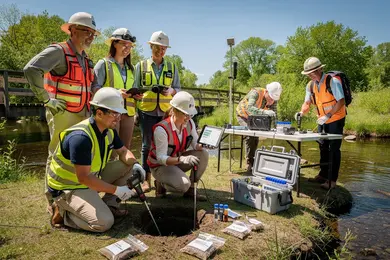
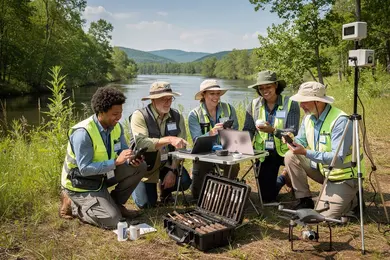
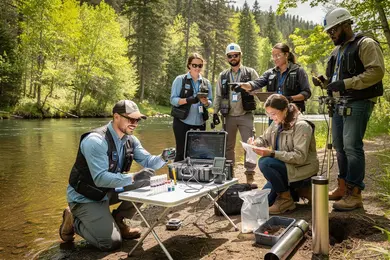
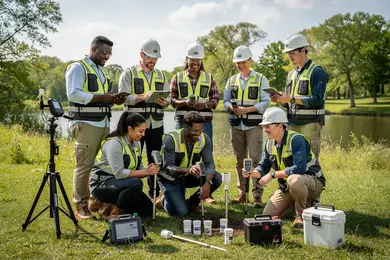
Diverse internship settings enrich experiential learning for environmental science students by offering real-world applications across multiple sectors. More than 60% of environmental science internship locations in the United States are found within government and nonprofit sectors, reflecting wide-ranging opportunities.
Below are common environments where students complete their internships:
- Government Agencies: Internships often occur in federal or state-level organizations, such as environmental protection departments, where students engage with policy analysis, regulatory compliance, and monitoring projects.
- Corporate Organizations: Many corporations, particularly in manufacturing, energy, and consulting, provide internships centered on sustainability programs and environmental compliance, helping students grasp how business practices intersect with environmental responsibility.
- Nonprofit Groups: These internships emphasize conservation efforts, advocacy, and community outreach, allowing students to develop skills in project management and public engagement while supporting environmental causes.
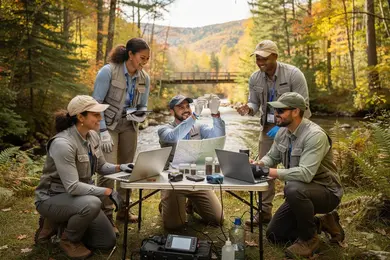
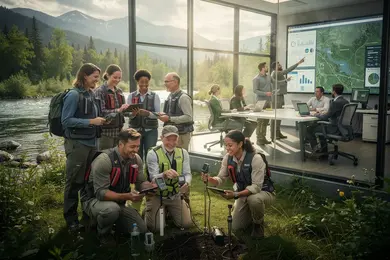
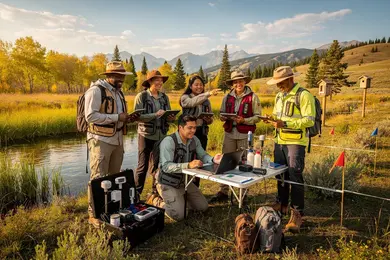
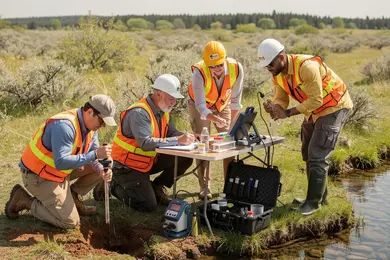
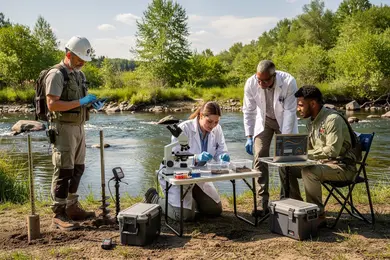
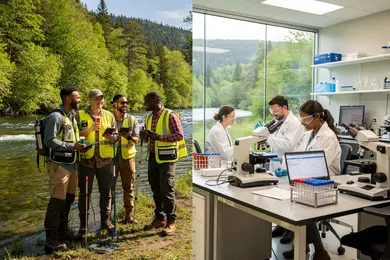
- Research Institutions: Universities and research centers offer hands-on experience in scientific study, fieldwork, and data collection, focusing on academic research methods and laboratory techniques.
These varied placements enable students pursuing environmental science to build a broad skill set suited to numerous career paths. For those considering further specialization, some seek an accelerated master's program social work to complement their environmental expertise.
How Are Internship Placements Assigned in Environmental Science Programs?
Environmental science programs design placement processes to align student interests with academic goals while managing diverse internship opportunities. Studies show that over 70% of these programs use structured matching systems to optimize student placement outcomes.
The following examples illustrate common assignment methods employed by institutions:
- Faculty-Guided Matching: Advisors review student preferences and academic profiles to recommend placements. This personalized approach ensures alignment with educational objectives and available internships.
- Student-Driven Applications: Some programs require students to independently apply for internships, with placements contingent upon faculty approval. This empowers students to seek experiences tailored to their specific interests.
- Centralized Placement Systems: Institutions may operate platforms where students submit preferences, and coordinators assign roles based on availability and compatibility. This streamlines the process and promotes fairness.
- Partnership-Based Assignments: Programs collaborate with select organizations providing a pre-approved list of internships. Students choose from these vetted options, simplifying the placement process.
When I spoke with a environmental science degree student about her internship placement, she described the process as both exciting and nerve-wracking. She appreciated having a faculty mentor who helped identify suitable opportunities but also found the application steps demanding, especially balancing deadlines with coursework.
She recalled, "It felt empowering to have some control but knowing the final match depended on approval kept me motivated to put my best foot forward." Overall, her experience emphasized the value of structured guidance combined with personal initiative in securing meaningful internships.
Are Virtual or Remote Internships Available?
Remote and hybrid internships have grown significantly within environmental science education, aligning with broader trends in remote work. A 2023 report from the National Association of Colleges and Employers found that nearly 45% of internships in environmental and natural sciences now offer these flexible formats.
This growth reflects advancements in technology and changing workplace dynamics, allowing more students to gain valuable experience outside traditional settings. These shifts highlight how virtual internships are becoming a standard option in environmental science programs.
Virtual internships offer considerable flexibility, enabling students to balance their responsibilities while completing meaningful work remotely.
Through tools like Zoom, Microsoft Teams, and project management platforms, supervisors and interns communicate effectively, exchange data, and collaborate in real time.
This digital approach also broadens access to environmental organizations beyond local regions, opening opportunities with agencies, nonprofits, consulting firms, and research institutions.
However, the availability of remote internships often depends on specific program requirements, especially where hands-on fieldwork or lab involvement is essential.
Are Part-Time Internships Allowed for Working Students?
Part-time internships are increasingly important for working students enrolled in environmental science programs, as many juggle both academic and job responsibilities.
Nearly 42% of U.S. undergraduate students hold part-time or full-time jobs while enrolled, underscoring the need for internship options that accommodate these commitments. Programs often offer flexible arrangements designed to fit varied schedules and workloads.
Key features of part-time internships include:
- Scheduling Flexibility: Students can arrange internship hours around classes and existing jobs, often working evenings or weekends to fulfill hourly requirements without conflict.
- Employer Accommodations: Workloads and project timelines can be adjusted to align with students' availability, helping balance professional demands with academic progress.
- Academic Workload Balance: Weekly internship hours are typically reduced and spread over longer periods, allowing students to manage their studies alongside experiential learning.
- Program-Specific Guidelines: Some programs cap maximum weekly hours but allow students to accumulate total required hours incrementally, offering pace flexibility.
This flexibility supports working students by integrating internships smoothly into both job and education schedules, reflecting evolving standards in environmental science education that recognize diverse student needs.
What Supervision Is Required During a Environmental Science Internship?
Supervision is a vital aspect of environmental science internship experiences, ensuring students gain practical skills while adhering to professional standards. Research indicates that nearly 85% of environmental science interns find mentorship crucial for building confidence and career readiness.
The supervision framework during internships is designed to provide continuous support and accountability through various structured elements:
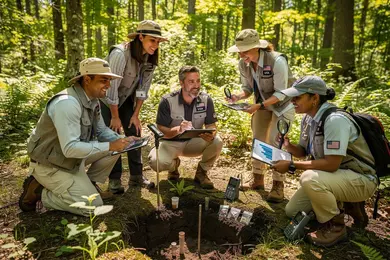
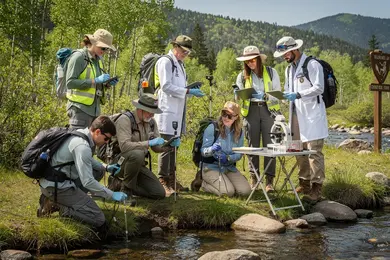
- Faculty Oversight: Faculty supervisors bridge academic objectives with internship tasks by guiding research methods and confirming that workplace activities meet program standards. They help interns connect their practical experiences to theoretical learning, ensuring alignment with educational goals.
- Workplace Mentors: On-site mentors provide daily supervision, demonstrating industry practices and assisting interns in applying classroom knowledge to real-world environmental challenges. These mentors serve as role models and sources of professional expertise within the host organization.
- Progress Monitoring: Regular meetings and reports facilitate ongoing evaluation of intern development. This process encourages reflection and timely feedback, helping both faculty and mentors identify strengths and areas needing improvement to enhance skill building.
- Performance Feedback: Supervisors assess core competencies such as data analysis, environmental assessment, and communication skills, fostering accountability. This feedback motivates interns to meet industry expectations while upholding ethical and safety standards in fieldwork.
Environmental science students seeking practical learning opportunities can explore various options, including some of the best associate degrees with strong internship components designed around these supervision requirements.
How Are Environmental Science Internships Evaluated?
Evaluating environmental science internships is essential to ensure these experiences effectively contribute to academic and professional growth. A 2020 survey by the National Association of Colleges and Employers reported that 75% of internship programs in STEM fields use structured performance evaluations to monitor student outcomes.
These assessments focus on multiple facets of student development and learning throughout the internship:
- Supervisor Reviews: Supervisors provide detailed evaluations based on the intern's skill application, reliability, and behavior in field or laboratory settings. This firsthand insight helps measure practical competence and workplace professionalism within environmental science internship performance assessment criteria.
- Reflective Assignments: Students often submit essays or journals reflecting on their learning progress and challenges. These assignments allow interns to critically analyze their experiences, demonstrating their ability to connect theory with practice.
- Performance Benchmarks: Many programs set clear deliverables such as projects, data analyses, or environmental assessments at the internship's start. Meeting these benchmarks offers tangible evidence of the student's technical skills and problem-solving abilities.
- Faculty Assessments: Faculty members review internship-related coursework and may conduct presentations or interviews. This evaluation complements supervisor feedback, providing a balanced perspective on the student's accomplishments and professionalism.
Appropriate evaluation methods are vital components within environmental science internship performance assessment criteria to maintain academic standards. For students seeking further education opportunities, resources such as online masters human resources programs can also enhance career readiness beyond internships.
What Challenges Do Environmental Science Students Face During Internships?
Internships offer essential hands-on experience but can also impose significant challenges for environmental science students. About 40% report moderate to high stress levels linked to workload and performance demands.
Below are common obstacles these students face during their internship placement:
- Balancing Schedules: Managing internship hours alongside academic responsibilities often leads to time conflicts. The demanding fieldwork and early mornings can intensify this pressure.
- Adapting to Workplace Norms: Environmental science internship placement challenges include adjusting to professional communication and office cultures. Students may struggle with supervision difficulties in environmental science internships due to differing expectations and unfamiliar team dynamics.
- Financial and Transportation Issues: Many internships are unpaid and require travel to remote sites, creating budget strains and logistical challenges that affect participation and performance.
- Managing Professional Duties: First-time tasks such as ensuring data accuracy and reporting require precision, adding to student stress when handling new responsibilities.
Despite these difficulties, internships remain vital for developing skills and professional networks. For students facing complex entry requirements, options like pursuing an online college with no GPA requirements can help maintain academic progress while managing internship demands.
What Graduates Say About Environmental Science Internship Requirements
- Louie: "My internship in environmental science required a solid commitment to over 300 hours in diverse placements, ranging from fieldwork to policy review, which really broadened my practical skills. The supervised nature of the internship ensured I received valuable feedback and mentorship that helped shape my professional approach. This hands-on experience was invaluable, directly influencing my ability to land my current job in sustainable resource management."
- Zenaida: "Reflecting on my environmental science internship, I appreciated how structured supervision guided me through complex environmental impact assessments. The placements were thoughtfully chosen, exposing me to different ecosystems and urban planning challenges. This real-world immersion boosted my confidence and paved the way for me to contribute meaningfully in my consultancy role today."
- Willard: "Participating in a supervised environmental science internship helped me understand the critical balance between scientific data collection and community engagement. The required hours felt demanding, but they were essential in preparing me for the multi-faceted challenges I face as an environmental analyst. I can confidently say that these internships are foundational in bridging academic theory with professional practice."
Other Things You Should Know About Environmental Science Degrees
In 2027, environmental science internships may differ significantly across regions due to local environmental challenges, available resources, and organizational focus. For instance, interns in coastal areas might engage in marine conservation, whereas those in urban centers could address pollution and sustainability initiatives.
Environmental science internships are commonly offered by government agencies, nonprofit environmental organizations, private environmental consulting firms, and research institutions. Each type of organization provides distinct experiences; for example, government placements often involve regulatory compliance and community outreach, while research institutions focus on data collection and analysis.
Students are advised to have foundational skills in data collection methods, environmental sampling, GIS (Geographic Information Systems), and basic laboratory techniques. Proficiency in report writing and familiarity with environmental regulations can also enhance internship readiness. These skills help students actively contribute to projects and understand professional expectations.
Many internships mandate completion of safety training related to fieldwork, laboratory protocols, or hazardous materials handling. These trainings ensure that interns can safely conduct environmental assessments and comply with workplace safety standards. Requirements vary by host organization but typically include OSHA or site-specific safety courses.
References
- Internships - Environment Agency https://environmentagencycareers.co.uk/early-careers/internships/
- Environmental Internships - Online & In-Person | The Intern Group https://theinterngroup.com/career-fields/environmental-internships-abroad
- What Can Bard GPS Students Expect From Sustainability Internships? https://leadthechange.bard.edu/blog/what-can-bard-gps-students-expect-from-their-internships
- Environmental Studies Internships Abroad | Go Overseas | Page 3 https://www.gooverseas.com/internships-abroad/environmental-studies
- Guide to Environmental Internships | Higherin https://higherin.com/career-guides/science-research/environmental-internships
- Internships | UNFCCC https://unfccc.int/about-us/internships
- Tips on the types of environmental internships and where to find them! https://www.theenvironmentalcareercoach.com/blog/how-to-find-environmental-internships