
2027 Cloud Computing vs. Cybersecurity: Explaining the Difference

Co-Founder and Chief Data Scientist
Choosing between cloud computing and cybersecurity is a practical career decision, not just a choice between two technology majors. Cloud computing programs prepare students to build, migrate, automate, and manage digital infrastructure. Cybersecurity programs prepare students to protect systems, networks, applications, and data from attacks, misuse, and operational risk.
The two fields overlap because modern cloud environments must be secure, and cybersecurity teams increasingly work inside cloud-based systems. Still, the day-to-day work can feel very different. Cloud computing is often about architecture, scalability, platform operations, and automation. Cybersecurity is more focused on threat detection, vulnerability management, incident response, compliance, and defensive strategy.
This guide compares cloud computing programs and cybersecurity programs by curriculum, skills, difficulty, cost, career outcomes, and fit. It is designed for students deciding on a degree, certificate, or graduate program, as well as working professionals considering a move into a more technical IT role.
Key Points About Pursuing Cloud Computing vs. Cybersecurity
- Cloud computing programs often focus on virtual infrastructure management and automation, offering average tuition around $15,000 and career paths in system architecture with 2-year completion times.
- Cybersecurity programs emphasize threat detection and protection strategies, typically costing $18,000, preparing students for roles like security analysts in about 1.5 to 2 years.
- Both fields see strong job growth, but cybersecurity salaries average higher due to demand for risk mitigation specialists across industries.
What are cloud computing programs?
Cloud computing programs teach students how to design, deploy, secure, and manage computing resources delivered over the internet. Instead of focusing only on local servers or traditional data centers, these programs train students to work with scalable platforms that support storage, applications, databases, networking, analytics, and automation.
At the undergraduate level, cloud computing programs typically last four years full-time and combine general education courses with technical training. Students usually begin with foundations in computer science, operating systems, networking, database management, programming, and cybersecurity. From there, coursework becomes more specialized.
Common cloud-focused topics include virtualization, cloud service models such as IaaS, PaaS, and SaaS, cloud deployment models, cloud migration, identity and access management, cloud storage, containerization, and automation. Many programs also include hands-on labs using platforms such as AWS, Azure, and Google Cloud.
Strong programs do more than define cloud terminology. They require students to configure virtual machines, manage permissions, monitor resources, troubleshoot performance issues, and understand the cost and security trade-offs of cloud architecture. Courses may also introduce Docker, Kubernetes, serverless computing, artificial intelligence, machine learning, and cognitive computing applications in cloud environments.
Most beginner-friendly cloud computing programs do not require prior cloud experience. However, students benefit from comfort with basic computing, problem-solving, math, and logical thinking. Students who already have IT, programming, or networking experience may be able to move more quickly into advanced cloud administration, architecture, or engineering topics.
What are cybersecurity programs?
Cybersecurity programs prepare students to identify, prevent, investigate, and respond to threats against digital systems. The field covers technical defense, risk management, legal and ethical issues, and the operational processes organizations use to protect sensitive information.
A cybersecurity curriculum usually starts with computing fundamentals: networks, operating systems, scripting, databases, and basic security principles. Students then move into specialized areas such as cryptography, network defense, vulnerability assessment, penetration testing, digital forensics, secure systems administration, incident response, risk assessment, and cybersecurity law.
Hands-on work is central to the best cybersecurity programs. Students may analyze logs, harden systems, investigate simulated breaches, test networks for weaknesses, document risks, and practice attack-defense scenarios in controlled lab environments. These exercises help students connect theory with the judgment needed in real security work.
Bachelor's programs generally span four years. Master's degrees in cybersecurity typically require between 30 to 36 credit hours and are completed within one to two years. Admissions expectations vary by level. Some programs accept beginners and build from foundational courses, while others expect an undergraduate background in computer science, information technology, engineering, or a related field. Students without a technical foundation may need preparatory courses before starting advanced cybersecurity work.
Cybersecurity is a good fit for students who like investigation, risk analysis, adversarial thinking, policy, and detail-oriented technical work. It also requires continuous learning because attack methods, tools, regulations, and defensive practices change frequently.
What are the similarities between cloud computing programs and cybersecurity programs?
Cloud computing and cybersecurity programs share a technical foundation because both fields depend on reliable networks, well-managed systems, data protection, and secure access. Students in either program need to understand how systems communicate, where vulnerabilities appear, and how organizations balance performance, cost, usability, and security.
- Shared technical base: Both programs commonly include networking, operating systems, information systems, security principles, and risk management. Cloud students need these skills to build reliable environments; cybersecurity students need them to defend and investigate those environments.
- Focus on data protection: Both fields treat data confidentiality, integrity, and availability as core concerns. Cloud programs may approach this through architecture and access controls, while cybersecurity programs may approach it through threat detection, policy, and response.
- Hands-on learning: Labs, simulations, projects, and platform-based exercises are important in both areas. Reading about cloud deployment or incident response is not enough; students must practice configuration, monitoring, troubleshooting, and documentation.
- Use of automation and AI-related tools: Programs increasingly discuss AI and automation because cloud environments require efficient scaling and cybersecurity teams use automated monitoring, alerting, and analysis to manage risk.
- Accessible entry points: Many bachelor's programs are designed for students entering after high school and may require only standard undergraduate admissions requirements, basic math readiness, and introductory computing preparation. Certificate and graduate programs may set more specific technical prerequisites.
Program length can also be similar. Bachelor's degrees in both areas typically last around four years, while shorter credentials can help students build job-focused skills more quickly. Some learners compare degree programs with 6 month certificate programs for high-paying jobs when they want a faster route into the workforce.
Both fields are supported by strong labor demand. Cloud-first adoption is projected to exceed 80% of businesses by 2025, while cybersecurity faces a shortage of 1.8 million professionals. These figures do not guarantee a job for every graduate, but they do show why employers continue to value cloud and security skills.
What are the differences between cloud computing programs and cybersecurity programs?
The main difference is purpose. Cloud computing programs teach students how to deliver and manage scalable technology services. Cybersecurity programs teach students how to reduce digital risk and respond to threats. Both are technical, but they train students to solve different problems.
| Area | Cloud computing programs | Cybersecurity programs |
| Primary focus | Building, deploying, managing, and optimizing cloud infrastructure and services | Protecting systems, networks, applications, and data from attacks and misuse |
| Typical questions students learn to answer | How should this application scale? Which cloud service model fits the workload? How do we manage cost, uptime, and performance? | Where are the vulnerabilities? What threats are active? How do we detect, contain, investigate, and prevent incidents? |
| Common tools and concepts | AWS, Azure, Google Cloud, virtualization, containers, Kubernetes, storage, identity and access management, serverless computing | Firewalls, monitoring systems, vulnerability scanners, penetration testing tools, cryptography, forensics, incident response methods |
| Career direction | Cloud engineer, cloud architect, cloud administrator, cloud consultant, cloud operations specialist | Information security analyst, penetration tester, digital forensic examiner, security consultant, incident response specialist |
| Best fit for students who enjoy | Infrastructure design, automation, systems integration, platform operations, performance tuning | Investigation, adversarial thinking, policy, compliance, threat analysis, defensive strategy |
Cloud computing programs often emphasize scalability, automation, deployment models, and platform management. A student may spend considerable time learning how to provision resources, connect services, configure access, monitor costs, and support business applications in cloud environments.
Cybersecurity programs place more weight on identifying and reducing risk. Students study how attacks happen, how defenses fail, how evidence is preserved, and how organizations meet legal or regulatory obligations. The work can be more investigative and policy-aware, even when it is deeply technical.
The two paths also intersect. A cloud professional needs security knowledge to avoid misconfigured storage, weak access controls, and insecure deployments. A cybersecurity professional needs cloud knowledge because many incidents now involve cloud platforms, remote infrastructure, and distributed systems.
What skills do you gain from cloud computing programs vs cybersecurity programs?
Cloud computing programs and cybersecurity programs build overlapping IT foundations, but the strongest skills they produce are different. Cloud programs emphasize infrastructure, platforms, and automation. Cybersecurity programs emphasize defense, analysis, testing, and response.
Skills gained in cloud computing programs
- Cloud platform administration: Students learn to work with major services such as AWS, Azure, and Google Cloud Platform, including resource provisioning, storage, monitoring, and access management.
- Networking for cloud environments: Students study network architecture, protocols, connectivity, routing concepts, and secure communication between cloud and on-premises systems.
- Virtualization and containerization: Programs often cover virtual machines, containers, Docker, Kubernetes, and the design of flexible computing environments.
- Cloud storage and databases: Students learn how organizations store, access, back up, and protect data in cloud-based systems.
- Automation and deployment: Cloud coursework often builds scripting, infrastructure management, and configuration skills that support faster and more reliable operations.
- Cloud security fundamentals: Students learn identity and access management, permission design, encryption concepts, and the shared responsibility model used in cloud environments.
Skills gained in cybersecurity programs
- Threat analysis: Students learn to recognize attack patterns, assess vulnerabilities, and prioritize risks based on potential impact.
- Ethical hacking: Programs may teach students how to test systems legally and responsibly by simulating attacks to find weaknesses before malicious actors do.
- Penetration testing and vulnerability assessment: Students learn how to evaluate security controls, document findings, and recommend practical fixes.
- Malware analysis and forensics: Cybersecurity coursework may include techniques for identifying malicious software and preserving digital evidence after an incident.
- Cryptography: Students study encryption methods and how they support secure communication, authentication, and data protection.
- Cyber law, ethics, and compliance: Programs introduce the legal and regulatory context for protecting information and responding to security events.
For career planning, the distinction matters. Cloud computing skills often lead to roles such as Cloud Engineer, Cloud Administrator, or Cloud Architect. Cybersecurity skills often lead to roles such as Cybersecurity Analyst, Ethical Hacker, Security Consultant, or Digital Forensic Examiner.
Some of the strongest opportunities sit at the intersection of the two fields. Cloud security combines platform knowledge with security architecture and risk management. According to Salary.com, the average U.S. salary for jobs requiring cloud security skills is $178,053. Salary outcomes still depend on role, experience, employer, location, credentials, and the depth of technical skill.
Students planning advanced study can also compare research-focused options, including easy PhD programs, though doctoral study is usually more relevant for teaching, research, leadership, or specialized technical work than for entry-level cloud or cybersecurity roles.
Which is more difficult, cloud computing programs or cybersecurity programs?
Neither cloud computing nor cybersecurity is universally harder. The more difficult option depends on your background, learning style, and tolerance for different types of complexity. Cloud computing can feel harder for students who struggle with systems architecture, platform configuration, and troubleshooting. Cybersecurity can feel harder for students who struggle with ambiguity, threat analysis, and constantly changing risks.
Cloud computing programs are demanding because students must connect many technical layers: networking, storage, identity, virtualization, automation, service models, cost management, and platform-specific tools. Learning IaaS, PaaS, and SaaS is only the beginning. Students also need to understand how design choices affect performance, reliability, security, and cost.
Cybersecurity programs are demanding because the field requires both technical precision and investigative thinking. Students study threat detection, ethical hacking, cryptography, network defense, digital forensics, and compliance. Assignments may include simulated attacks, log analysis, forensic investigations, and written risk assessments. There is often no single perfect answer; students must justify decisions based on evidence and risk.
| Challenge | More common in cloud computing | More common in cybersecurity |
| Hands-on platform configuration | High | Moderate to high |
| Threat and risk analysis | Moderate | High |
| Architecture and scalability | High | Moderate |
| Legal, ethical, and compliance issues | Moderate | High |
| Need for continuous learning | High | High |
Students who enjoy building systems, automating infrastructure, and solving operational problems may find cloud computing more intuitive. Students who enjoy investigation, security puzzles, adversarial thinking, and policy may find cybersecurity more engaging despite its complexity.
Cost-conscious students comparing options such as the cheapest associate degree should also consider academic support, lab access, transfer pathways, and employer recognition. A lower-cost program can be a strong choice, but only if it provides enough hands-on technical practice to build real competence.
What are the career outcomes for cloud computing programs vs cybersecurity programs?
Both cloud computing and cybersecurity can lead to strong technology careers, but they point graduates toward different responsibilities. Cloud roles usually focus on designing, operating, and optimizing digital infrastructure. Cybersecurity roles focus on reducing risk, detecting threats, investigating incidents, and protecting systems and data.
Career outcomes for cloud computing programs
Cloud computing graduates often work with organizations that are migrating systems, modernizing infrastructure, or managing complex platform environments. By 2026, it is expected that 90% of companies will leverage multiple cloud services, which supports demand for professionals who can manage hybrid and multi-cloud environments.
- Cloud Engineer: Implements and manages cloud infrastructure, monitors performance, supports deployments, and helps maintain reliable cloud operations.
- Cloud Architect: Designs cloud solutions that align with business needs, technical requirements, security expectations, and compliance standards.
- Cloud Consultant: Advises organizations on cloud adoption, migration planning, cost optimization, platform selection, and operational improvement.
Cloud career paths may also move toward DevOps, site reliability engineering, cloud security, platform engineering, or technical leadership. Students who want these outcomes should look for programs with significant labs, platform exposure, scripting, networking, and architecture-focused projects.
Career outcomes for cybersecurity programs
Cybersecurity graduates enter a field shaped by persistent threats and talent shortages. The cybersecurity field has over 3.5 million jobs projected worldwide by 2027. While job availability varies by region and experience level, organizations across industries need staff who can protect systems, respond to incidents, and support compliance.
- Information Security Analyst: Monitors systems, investigates alerts, helps reduce vulnerabilities, and supports the organization’s security controls.
- Penetration Tester: Conducts authorized security testing to find and document weaknesses before attackers can exploit them.
- Digital Forensic Examiner: Investigates cyber incidents by collecting, preserving, and analyzing digital evidence.
Cybersecurity careers can progress into incident response leadership, security architecture, governance, risk and compliance, security engineering, or executive roles such as CISO. Advancement usually depends on experience, judgment, certifications, communication skills, and the ability to work across technical and business teams.
Both fields can also support long-term movement into senior technology leadership, including CTO or CISO roles. Students who need financial aid options can begin by researching online colleges that accept FAFSA and verifying that any program under consideration is properly accredited.
How much does it cost to pursue cloud computing programs vs cybersecurity programs?
The cost of cloud computing and cybersecurity programs depends on the credential level, institution type, delivery format, residency status, and fees. The two fields have similar price patterns because both are commonly housed in computer science, information technology, engineering, or business technology departments.
| Program type | Cloud computing cost range | Cybersecurity cost range |
| Bachelor's degree at public US institutions | $10,000 to $30,000 in annual tuition and fees | $10,000 to $30,000 annually |
| Bachelor's degree at private universities | $30,000 to $60,000 per year | $30,000 to $60,000 or more |
| Master's degree at public schools | $20,000 to $60,000 | $20,000 to $60,000 |
| Master's degree at private institutions | $40,000 to over $100,000 | Upwards of $100,000 |
| Doctoral study | Can exceed $100,000 | Can surpass six figures |
| Certificate programs | $1,000 to $10,000 | $1,000 to $10,000 |
| Community college or online platform courses | Often below $1,000 per course | Often below $1,000 per course |
Online programs are often more budget-friendly, especially when they reduce housing, commuting, and campus-based fees. However, students should compare the full cost of attendance, not just tuition. Technology fees, exam fees, textbooks, cloud lab subscriptions, certification preparation, and required software can affect the final price.
For cloud computing, students should pay close attention to lab quality and platform access. A cheaper program may be less valuable if it provides little practice with AWS, Azure, Google Cloud, virtualization, containers, automation, or cloud security. For cybersecurity, students should look for secure lab environments, forensic tools, attack-defense simulations, and coursework that reflects current security practices.
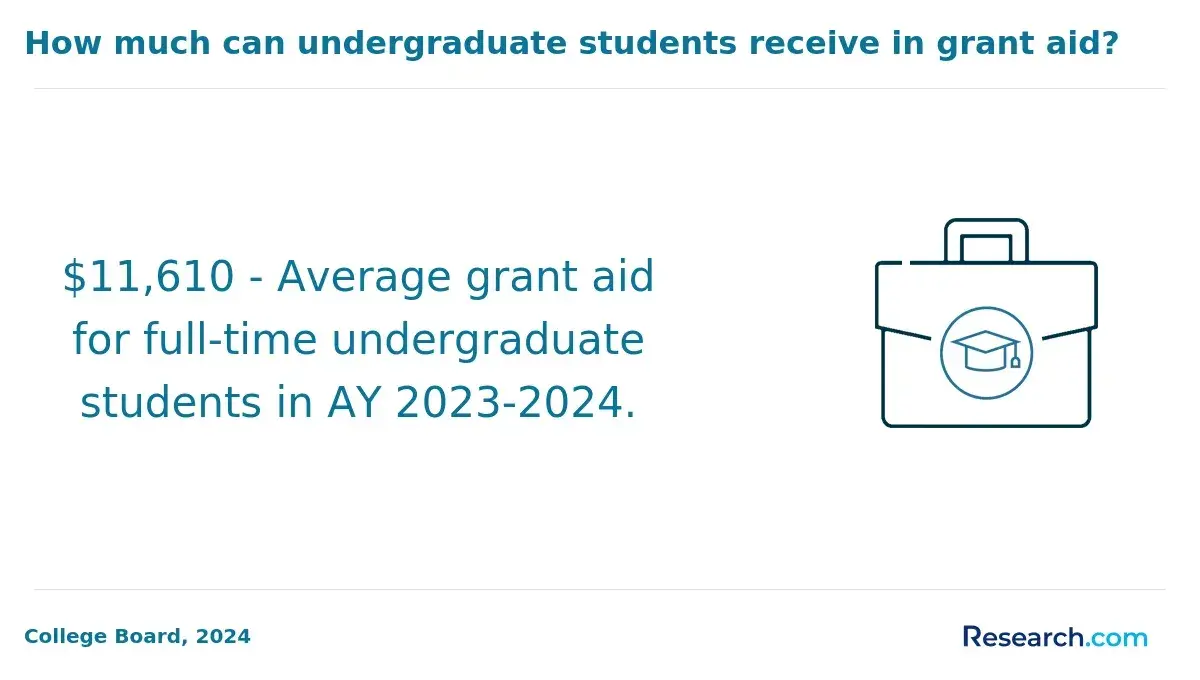
Financial aid may include scholarships, grants, federal loans, work-study, military education benefits, and employer tuition reimbursement. These options are generally tied to accredited institutions and eligible programs, so accreditation should be verified before enrollment. Many employers in technology sectors also support tuition reimbursement when coursework aligns with job responsibilities or promotion pathways.
Certificates can be a lower-cost entry point, especially for working professionals who already have IT experience. Degrees may be more useful for students who want broader foundations, internships, transfer options, graduate study, or roles where employers prefer a bachelor's or master's credential.
How to Choose Between Cloud Computing and Cybersecurity Programs
Choose cloud computing if you want to build and manage the infrastructure that organizations use to run applications, store data, automate workflows, and scale services. Choose cybersecurity if you want to defend systems, analyze threats, investigate incidents, and reduce digital risk. If both appeal to you, cloud security may be the strongest middle ground.
- Choose cloud computing if you enjoy: System design, infrastructure, automation, scripting, DevOps concepts, platform tools, performance optimization, and solving operational problems.
- Choose cybersecurity if you enjoy: Ethical hacking, threat analysis, digital forensics, risk management, incident response, compliance, and investigative problem-solving.
- Consider your career goal: Cloud computing is often better aligned with cloud engineer, cloud architect, cloud administrator, and cloud consultant roles. Cybersecurity is better aligned with security analyst, penetration tester, forensic examiner, and incident response roles.
- Compare the curriculum: A cloud program should include networking, virtualization, cloud platforms, identity and access management, storage, automation, and architecture. A cybersecurity program should include network security, cryptography, vulnerability assessment, forensics, incident response, legal issues, and risk management.
- Check the hands-on requirements: Strong programs in both fields should include labs, projects, and realistic scenarios. Avoid programs that rely mostly on theory without technical practice.
- Evaluate market demand carefully: Cybersecurity faces a high global skill shortage with over 3.5 million job openings expected by 2027, while cloud adoption continues to expand as organizations rely on multiple cloud services.
- Think about salary realistically: Both fields can pay well, but outcomes depend on experience, location, specialization, employer, and credentials. Cloud security roles often command higher salaries due to niche expertise, with U.S. engineers earning up to $210,000 annually.
Before enrolling, review admissions requirements, accreditation, faculty experience, employer partnerships, internship options, transfer policies, and graduate outcomes. Also consider whether the program prepares you for relevant industry certifications, but do not choose a degree based only on certification preparation. A good program should build durable technical judgment, not just test-taking ability.
For students comparing online options, nationally accredited online universities may offer flexible training in either field. Still, accreditation type, program quality, cost, and employer recognition should be checked carefully before committing.
What Graduates Say About Their Degrees in Cloud Computing Programs and Cybersecurity Programs
- Conrad: "The cloud computing program was truly challenging, pushing me to master complex concepts quickly. The hands-on labs with real-world simulations gave me the confidence to manage enterprise environments. Since graduating, my role has expanded significantly, and my income has increased accordingly."
- Erik: "The cybersecurity program offered a unique blend of theory and practical exercises that deepened my understanding of threat analysis. I particularly valued the opportunity to participate in a live attack-defense competition, which sharpened my skills beyond the classroom. This experience has been invaluable in my current position protecting critical infrastructure."
- Joseph: "Enrolling in the cloud computing program was a professional milestone that broadened my career horizons. The instructors emphasized cloud architecture while preparing us for certifications that are highly regarded in the job market. Reflecting on my progress, I appreciate how this training opened doors to leadership roles with improved compensation."
Other Things You Should Know About Cloud Computing Programs & Cybersecurity Programs
In 2027, businesses face challenges like data privacy issues, evolving cyber threats, and managing hybrid cloud environments when integrating cloud computing and cybersecurity. Ensuring seamless operation while safeguarding data integrity is crucial as companies navigate these complex and intersecting domains.
In 2027, the integration of cloud computing and cybersecurity is critical for businesses. This synergy enhances data protection while enabling more scalable and flexible IT infrastructure. Companies are adopting cloud-native security measures, allowing real-time threat detection and response, thus optimizing operational efficiency and ensuring data integrity.
References
- Best Cloud Computing Jobs https://www.hava.io/blog/cloud-computing-roles
- What is Cloud Computing? | Google Cloud https://cloud.google.com/learn/what-is-cloud-computing
- Cyber Security Program - an overview | ScienceDirect Topics https://www.sciencedirect.com/topics/computer-science/cyber-security-program
- What is Cloud Computing? - Cloud Computing Services, Benefits, and Types - AWS https://aws.amazon.com/what-is-cloud-computing/
- Advanced Manufacturing Technology | WCCC Adult Education https://www.mywccc.org/adult-education/adult-ed-programs/cybersecurity
- 6 Roles & Responsibilities of a Cybersecurity Engineer https://www.edstellar.com/blog/cybersecurity-engineer-roles-responsibilities
- An integrated cyber approach to your cloud migration strategy https://www.deloitte.com/us/en/insights/topics/digital-transformation/integrated-cyber-security-cloud-migration-strategy.html
- What Is Cloud Computing? | IBM https://www.ibm.com/think/topics/cloud-computing
- Cloud Computing vs Cybersecurity: Career Path Guide https://www.manipaldubai.com/blogs/cloud-computing-vs-cybersecurity-career


