
2027 Criminology Degree vs. Certificate: Which Should You Choose?

Co-Founder and Chief Data Scientist
Today's students and professionals face significant choices when deciding between earning a criminology degree or a certificate. Both paths can enhance career opportunities in law enforcement, social work, or research, but they differ in duration, depth of study, and recognition. Approximately 75% of criminology professionals hold a degree, highlighting its established value in the field.
A degree provides comprehensive knowledge and greater career flexibility, while a certificate offers focused skills and quicker completion. Understanding these distinctions is crucial for aligning education with one's career goals and lifestyle. This article will compare key differences to aid in making an informed choice.
Key Points About Criminology Degree vs. Certificate Programs
- A criminology degree offers comprehensive theory and research training, enhancing long-term career growth and access to higher-paying roles with a median wage about 15% above certificate holders.
- Certificate programs focus on practical skills for immediate job readiness, ideal for current professionals seeking specialization or rapid entry into law enforcement or social services.
- Degrees typically require 2-4 years of study, fostering critical thinking, while certificates are shorter, emphasizing targeted skill development but with fewer advancement opportunities.
What Are the Differences Between Criminology Degree and Certificate Programs?
While both criminology degrees and certificate programs can open doors to meaningful careers, they differ significantly in several key aspects. Recognizing these differences helps students decide which path aligns best with their career goals and available time.
Below is a comparison of the main distinctions between criminology degrees and certificate programs.
- Depth of Learning: Degrees offer comprehensive study, covering broad theories and research methods, ideal for those seeking an in-depth understanding. Certificates focus on specific skills or topics, suiting learners who want targeted knowledge quickly.
- Time Commitment: Degree programs require multiple years of study, demanding a long-term commitment. Certificates can typically be completed in a shorter time frame, appealing to professionals needing swift upskilling.
- Career Advancement: Degrees often provide stronger qualifications for roles requiring advanced expertise or leadership. Certificates serve as valuable supplements for those looking to enhance existing skills without pursuing a full degree.
- Cost and Flexibility: Certificate programs generally involve lower costs and more flexible schedules, making them accessible for working adults. Degrees involve higher investment and a structured curriculum.
How Long Does It Take to Complete a Criminology Degree vs. a Certificate Program?
Completion time is a critical factor for students deciding between a criminology degree vs. certificate program. Understanding typical durations and what influences them helps in choosing the right educational path based on career goals and time availability.
- Typical Duration: An associate degree in criminology typically takes about two years of full-time study in the US, while a bachelor's degree generally requires four years to complete. Master's degrees may take an additional 18 months to two years beyond the bachelor's level. In contrast, criminology certificate programs are designed for speed, with most finishing in less than a year, and some completed in just a few months.
- Flexibility: Both certificate and degree programs often offer full-time and part-time enrollment options, allowing students to pace their studies around work or personal commitments. Online options increase accessibility, but certificates tend to be more accommodating for working adults given their shorter length and focused curriculum.
- Factors Affecting Timeline: Completion times vary based on transfer credits, program structure, and a student's background. Those with prior college coursework or relevant work experience may finish degrees faster through credit transfers. Some schools feature accelerated formats or cohort models that alter timelines, and professional experience may allow waivers or credits in certificate programs.
Choosing between a degree and a certificate should also consider the criminology degree program length in the US against how long to finish a criminology certificate for practical career goals. For those needing targeted skills quickly, exploring the best 6 month programs that pay well can be especially useful.
Can You Complete a Criminology Degree or Certificate Entirely Online?
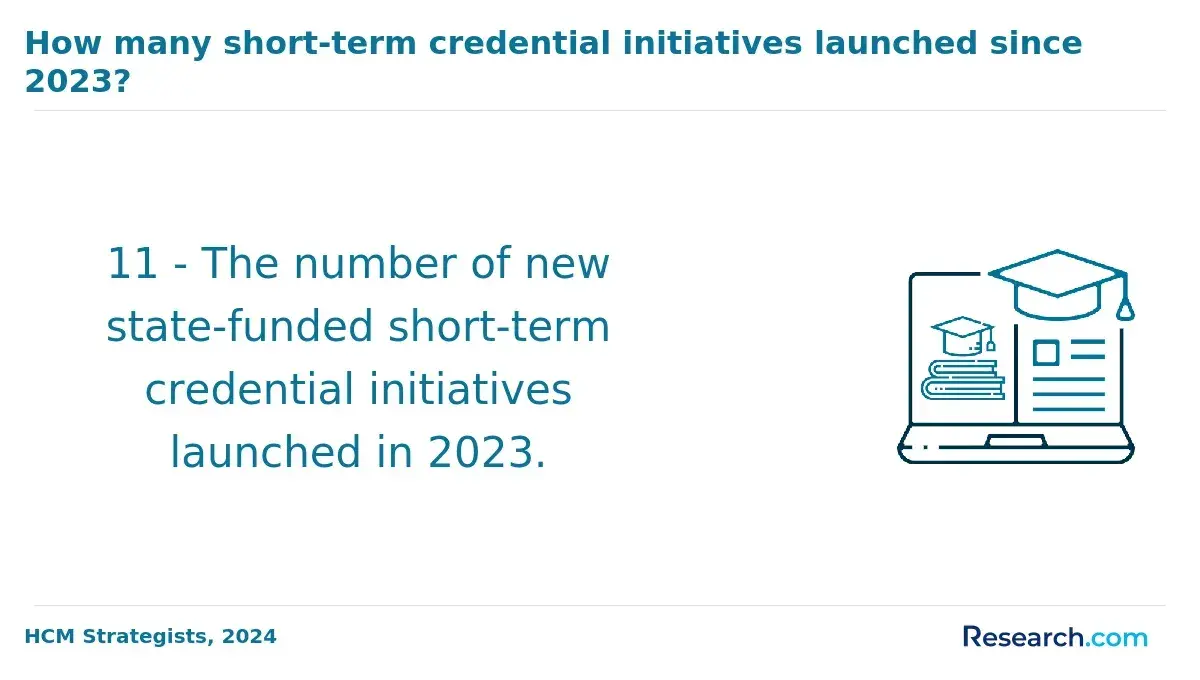
The growth of online education has significantly expanded access to higher learning, making it possible for students to pursue an online criminology degree program entirely from home. Many accredited institutions like Benedictine University, George Mason University, and Penn State offer fully online bachelor's degrees in criminology, enabling students to engage with coursework remotely from across the U.S. or internationally.
Likewise, criminology certificate fully online options provide short-term, career-focused training and are popular for those seeking quick entry or advancement in the criminal justice field. Some programs may feature hybrid formats or occasional synchronous online meetings to enhance engagement and learning.
When comparing online criminology degree programs and certificate options, consider requirements for hands-on training or internships that build practical skills. For instance, Benedictine University's online bachelor's degree allows substituting a senior thesis for an internship, supporting fully remote participation.
Students whose career goals include licensure or law enforcement roles should verify if remote internships or in-person training are necessary. Selecting a program format that balances flexibility with real-world experience is key.
For those exploring flexible learning paths, reviewing a comprehensive list of college open enrollment options can also help identify suitable programs.
What Are the Admission Requirements for a Criminology Degree vs. a Certificate Program?
Admission requirements play a crucial role in choosing between a criminology degree and a certificate program because they determine eligibility for enrollment and impact the time and resources needed to begin. Understanding how these requirements differ can help you find a program that aligns well with your academic background and career objectives.
Below is a side-by-side comparison of typical admission requirements for each option.
Admission Requirements for Criminology Degree Programs
- Educational Background: Undergraduate applicants must have a high school diploma or equivalent, while graduate programs typically require a completed bachelor's degree in criminology or a related field.
- Minimum GPA: Most undergraduate programs expect a cumulative GPA between 2.0 and 2.5, whereas graduate programs often require a higher GPA of 3.0 or above.
- Prerequisite Courses: Some universities ask for specific introductory courses such as criminology basics or college-level math, usually with a grade of C or better.
- Transcripts: Official transcripts from all prior institutions are required for evaluation.
- Letters of Recommendation: Graduate degrees often require two or three letters from academic or professional references to assess readiness for advanced study.
- Personal Statement: A written statement detailing motivation, career goals, and program fit is commonly requested for graduate admission.
- Standardized Test Scores: GRE scores may be required by some graduate programs, although this requirement is declining.
Admission Requirements for Criminology Certificate Programs
- Educational Background: Most certificate programs only require a high school diploma or GED, making them accessible to a wider range of applicants.
- Minimum GPA: GPA requirements are generally lower or unspecified, reflecting a more open admission policy.
- Transcripts: Transcript submission might be required but is typically less scrutinized than in degree programs.
- Professional Experience: Certain advanced or post-baccalaureate certificates may prefer or require relevant criminal justice or law enforcement experience.
- Letters of Recommendation/Personal Statement: These are rarely part of the certificate application process, allowing for quicker enrollment.
When deciding between options, consider how these criminology degree admission requirements and certificate program prerequisites match your qualifications and goals. For those aiming for careers associated with the highest paid 4 year degree, understanding these distinctions is especially important.
How Many Credits Do You Need to Complete a Criminology Degree vs. a Certificate?
Knowing the number of credits required to finish a criminology program is essential for students to plan their studies and manage their time effectively. Comparing credit expectations between degree and certificate options helps clarify the commitment involved in each path.
Here's a breakdown of typical credit requirements for criminology programs:
- Criminology bachelor's degree: Usually requires between 34 and 39 credits focused on criminology courses, supplemented by general education and electives to reach around 120 total credits for graduation.
- Criminology certificate program: Generally demands 12 to 18 credits, concentrating mostly on core and elective criminology subjects, designed for quicker completion.
A student pursuing a criminology certificate shared their experience, highlighting the practicality of the shorter program. "Choosing the certificate felt like the right balance because it allowed me to gain specialized knowledge without the longer commitment of a full degree," he explained.
He mentioned juggling work and study was challenging at times, but the focused credit load made it manageable. "It gave me confidence and credentials that I could build on later, without feeling overwhelmed by too many courses." This approach gave him flexibility and a clear academic goal within a shorter timeline, illustrating how credit requirements directly impact students' educational journeys.
What Is the Average Tuition for a Criminology Degree vs. a Certificate?
Tuition costs are a critical factor when choosing between a criminology degree and a certificate, as they directly affect your financial commitment and potential return on investment. Comparing tuition ranges helps prospective students balance budget with educational and career goals.
Below is a detailed comparison highlighting the average tuition costs for each option, helping you understand what to expect financially.
Average Tuition for Criminology Degree Programs
- Tuition Range: Most bachelor's in criminology programs cost between $10,000 and $32,561 per year, varying mainly based on in-state or out-of-state status.
- Public vs. Private Schools: Public institutions generally have lower tuition, averaging about $10,746 yearly for in-state students, while private universities can charge over $50,000 per year.
- Online vs. On-Campus: Online criminology degrees tend to be more affordable, with annual tuition ranging from $9,600 to $11,700 at some accredited schools.
- Program Length: A typical bachelor's degree lasts four years, leading to a total tuition investment of approximately $40,000 to $120,000.
- Additional Costs: Out-of-state fees, housing, and required materials may significantly increase expenses beyond tuition alone.
Average Tuition for Criminology Certificate Programs
- Tuition Range: Criminal justice certificate program tuition fees are notably lower, with undergraduate certificates averaging $6,449 per year at public colleges.
- Program Length: Certificate programs typically take six months to one year, resulting in total tuition costs between $3,000 and $10,000.
- Online vs. On-Campus: Online certificate options often provide even lower tuition, with graduate certificates in crime analysis costing about $6,000 to $8,000 for the full program.
- Public vs. Private Schools: Private institutions may charge more, but most certificate programs remain affordable and accessible for working professionals.
- Other Expenses: Certificate students usually avoid campus housing and large fees, further reducing overall costs compared to degree programs.
For prospective students seeking affordable learning paths, exploring the offerings from low tuition online universities that accept FAFSA may provide valuable options to minimize educational expenses.
Can You Transfer Certificate Credits Toward a Criminology Degree Later On?
Yes, transferring certificate credits toward a criminology degree is often possible, but it depends on several factors. Most colleges require that the certificate courses come from an accredited institution and closely align with the degree's curriculum.
Institutional policies vary widely, so credit acceptance is not guaranteed and must match specific program requirements. Because each school sets its own rules, it's essential to verify credit transfer policies with an academic advisor early on.
Additional important considerations include limits on how many credits can be transferred, which sometimes cap the number of eligible elective hours. Minimum grade standards, often a 'C' or above, usually apply to ensure credits count.
Many institutions also require pre-approval and documentation, such as course syllabi, to evaluate equivalency before enrollment. Confirming transferability beforehand protects your time and financial investment, ensuring smoother progress toward your degree.
When I spoke with a student who transitioned from a criminology certificate to a degree program, she shared the uncertainty she felt navigating credit transfer. "I wasn't sure how many credits would count until I provided detailed course descriptions," she recalled.
It took patience to gather the necessary documents and wait for institutional approval, but ultimately she was able to transfer several credits, which eased her degree workload. Reflecting on her experience, she advised future students to "start asking questions early and keep thorough records," emphasizing how important proactive communication was in making her academic transition successful.
Are Certificate Programs Accredited the Same Way as Criminology Degrees?
Certificate programs in criminology are not accredited in the same manner as criminology degrees like associate's, bachelor's, or master's programs. Degrees are typically offered by regionally or nationally accredited institutions that meet strict academic standards established by recognized accrediting agencies.
Certificate programs, however, can vary widely; some come from accredited colleges and thus carry institutional credibility, while others may be offered by non-accredited schools or professional organizations without official programmatic accreditation. This variation affects the overall recognition and value of the certificates compared to traditional degrees.
Accreditation plays a vital role in ensuring a program's academic quality and legitimacy, impacting eligibility for federal financial aid and how easily credits transfer to other schools or count toward advanced degrees. It also influences how employers and licensing bodies view credentials.
When assessing criminology programs, students should verify both the institution's overarching regional or national accreditation and any specialized accreditation related to the specific program. Reviewing graduation rates and job placement data can provide additional insight.
Confirming accreditation through recognized accrediting organizations before enrolling is essential to protect one's educational investment.
What Jobs Can You Get with a Criminology Degree vs. a Certificate?
Both criminology degrees and certificates can open pathways to jobs in the criminal justice sector, but they often prepare individuals for different responsibilities and career levels. Understanding what roles each credential supports helps in making an informed choice.
Below is a comparison of typical job options linked to each credential.
Jobs You Can Get with a Criminology Degree
- Criminologist: Conducts research and analyzes crime trends to support policy development and prevention strategies.
- Detective: Investigates crimes, gathers evidence, and works closely with law enforcement agencies to solve cases.
- Police officer: Enforces laws, maintains public order, and serves communities through patrol and emergency response.
- Forensic psychologist: Applies psychological principles to criminal cases, often requiring additional specialized training.
- Intelligence analyst: Reviews and interprets data to identify potential threats and support security operations.
- Social worker: Provides support to at-risk individuals and collaborates with legal systems to address rehabilitation needs.
Jobs You Can Get with a Criminology Certificate
- Security guard: Protects property and enforces safety protocols in various settings such as businesses or events.
- Correctional officer: Supervises inmates, ensuring rules and regulations are followed in correctional facilities.
- Police dispatcher: Coordinates communications between officers and emergency services during incidents.
- Loss prevention specialist: Monitors retail environments to prevent theft and ensure asset security.
- Court clerk: Manages administrative tasks and documentation to support court proceedings.
- Administrative assistant: Performs clerical duties within legal or law enforcement offices, aiding operational efficiency.
What Is the Average Starting Salary for a Certificate vs. Criminology Degree Graduates?
Salary potential often varies significantly between criminology degree and certificate holders due to differences in education level and job eligibility. Understanding these disparities is essential for deciding which path aligns best with your career goals.
Below is a side-by-side comparison of the average starting salary for graduates of each program type, as well as key factors influencing compensation and career outlook.
- Typical Salary Range: The average starting salary with a criminology degree in the US typically ranges from $56,000 to $66,570 per year, with overall criminology professionals earning around $81,173 annually. Entry-level correctional and probation officers usually start near the lower end, while specialized roles like forensic scientists may command higher pay.
- Criminal Justice Certificate Average Salary for Entry-Level Jobs: Individuals completing a criminology certificate program generally earn between $35,000 and $45,000 annually. These positions often include security roles, administrative support, or other entry-level jobs that do not require a full degree.
- Influencing Factors: Location plays a significant role-urban and coastal areas tend to offer higher salaries than rural regions. Experience, particularly prior law enforcement or military service, can boost initial earnings, especially for certificate holders. Industry specialization also matters, with federal agencies and forensic labs providing higher pay compared to local administrative or security jobs.
- Career Outlook: Graduates with a degree in criminology often experience stronger career advancement opportunities and access to higher-paying roles. Certificate holders may find initial opportunities limited and might need additional education or experience to progress similarly over time.
- Additional Resources: Exploring top schools with national accredited status can help candidates identify quality programs that fit their educational and career aspirations.
Here's What Graduates of Criminology Programs Say About Their Degree or Certificate
- Azai: "Choosing the criminology certificate program was perfect for me because it offered a focused learning experience at a quicker pace. It allowed me to gain essential skills without the higher costs typical of a full degree, which averaged around $15,000 per year. This program gave me the boost I needed to start my career in law enforcement confidently and efficiently."
- Russell: "As someone who pursued a criminology degree, I appreciated the comprehensive curriculum and the in-depth understanding it provided-something a certificate program couldn't fully offer. While the degree took longer and cost more, approximately $60,000 total, it opened doors to advanced roles and personal growth that I value deeply. It's an investment that truly enhances career opportunities in the field."
- Christian: "Completing both the criminology certificate and degree programs gave me a unique perspective on the differences in learning pace and depth. The certificate was a cost-effective way to test the waters, while the degree offered broader career potential despite a higher financial and time commitment. Balancing cost and career goals is crucial-I'm glad I chose both to tailor my education to my ambitions."
Other Things You Should Know About Criminology Degrees
In 2027, opting for a criminology degree is more beneficial if advanced academic study is your goal. A degree provides a deeper theoretical understanding and is a prerequisite for most postgraduate programs. Certificates, while valuable, are generally more focused on practical skills and may not meet entry requirements for further academia.
In 2027, criminology degree programs often include internships, placements, and research projects as part of the curriculum, providing hands-on experience. In contrast, certificate programs may offer limited practical opportunities, focusing more on theoretical foundations and shorter, intensive learning experiences.
In 2027, a criminology degree often leads to careers in law enforcement, corrections, or federal agencies, whereas a certificate may qualify you for entry-level roles or support positions. Degrees typically offer broader opportunities and advancement potential than certificates.
References
- Criminal Justice Jobs: Start a Career in Criminal Justice | GMercyU https://www.gmercyu.edu/academics/learn/criminal-justice-career-options
- Criminology Salary Guide - Pays, Job Types & Education https://tallo.com/careers/job-search/criminology-salary-guide/
- Degrees vs. Certificate Programs: What's the Difference? https://www.snhu.edu/about-us/newsroom/education/certificates-vs-degrees
- Criminology Salary Guide in 2025: How Much Can You Earn? https://www.upgrad.com/blog/criminology-salary-in-india/
- Criminology Certificate Course Online https://www.iapcollege.com/program/criminology-certificate-course-online/
- Certificate in Criminology | Undergraduate Admissions and Programs https://www.mun.ca/undergrad/programs/humanities-and-social-sciences/certificate-in-criminology/
- Certificate vs. Degree: What’s the Difference? https://www.columbiasouthern.edu/blog/blog-articles/2020/july/certificate-vs-degree/
- What’s The Difference Between A Certificate & Certification? https://www.washingtontech.edu/whats-the-difference-between-a-certificate-certification/
- Online Certificates in Criminology & Criminal Justice https://www.pdx.edu/criminology-criminal-justice/online-certificates
- Criminology A.A. Transfer Plan - USF Tampa || St. Petersburg College https://www.spcollege.edu/future-students/degrees-training/public-safety-public-policy-and-legal-studies/public-safety/criminology-aa-transfer-plan---usf-tampa


