
2027 Dietitian vs. Nutritionist: Explaining the Difference

Co-Founder and Chief Data Scientist
Choosing between dietetics and nutrition is really a choice between two different professional tracks. Both careers use food and nutrition to improve health, but they do not carry the same training requirements, legal authority, clinical scope, or job-market expectations.
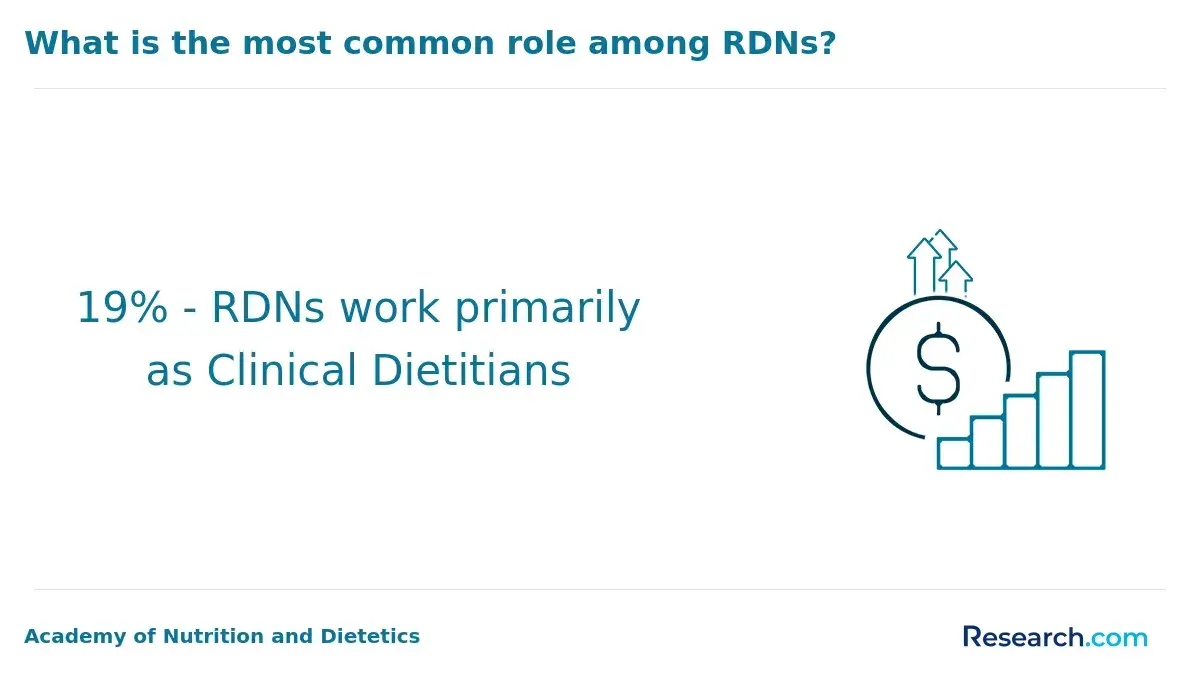
Dietitians are usually regulated healthcare professionals who complete formal education, supervised practice, and credentialing before providing nutrition care, especially in medical settings. Nutritionists may also be highly educated, but the title is less standardized and can mean different things depending on the state, employer, certification, and work setting. According to the Academy of Nutrition and Dietetics, over 70% of employers require dietitians to hold credentialing.
This guide explains what dietitians and nutritionists do, how their skills and career paths differ, what salary and job outlook data suggest, and how to decide which route fits your goals in health care, wellness, public health, education, or private practice.
Key Points About Pursuing a Career as a Dietitian vs a Nutritionist
- Dietitians and nutritionists typically earn a median annual wage around $73,850.
- Job growth for dietitians is projected at 5.5% through 2034, slightly faster than the average, while nutritionist roles may vary more by state licensure.
- Dietitians often have greater clinical authority and can work in hospitals, whereas nutritionists focus more on wellness and preventative care outside clinical settings.
What does a Dietitian do?
A dietitian is a nutrition professional trained to apply food and nutrition science in clinical, community, and food service settings. In many roles, dietitians assess a person’s health status, medical history, lab values, eating patterns, and treatment goals before creating a nutrition care plan.
Dietitians commonly work with patients who have conditions such as diabetes, kidney disease, cardiovascular disease, gastrointestinal disorders, cancer, eating disorders, or malnutrition. Their work may include medical nutrition therapy, nutrition counseling, patient education, menu planning, progress monitoring, and documentation for healthcare teams.
Because dietitians often practice in regulated healthcare environments, their responsibilities can be more formal and medically connected than those of many nutritionists. They may collaborate with physicians, nurses, pharmacists, therapists, and social workers to support a patient’s overall treatment plan.
Dietitians also work outside hospitals. Some manage food service systems, design school or institutional menus, support public health programs, conduct research, teach nutrition courses, or run private practices. Common employment settings include hospitals, outpatient clinics, long-term care facilities, schools, universities, public health agencies, sports organizations, and food service management companies.
What does a Nutritionist do?
A nutritionist helps people understand food choices, eating habits, and lifestyle patterns that affect health and wellness. The role can include nutrition education, meal planning, behavior coaching, group workshops, recipe development, wellness programming, and support for general health goals such as weight management, energy, digestion, or healthier eating routines.
The key difference is that “nutritionist” is not always a uniform or protected title. In some states or workplaces, nutritionists must meet specific education or certification standards. In others, the title may be used more broadly. That means two nutritionists can have very different levels of preparation, from short-course training to graduate-level nutrition education.
Nutritionists often work in wellness centers, corporate wellness programs, schools, gyms, public health initiatives, community organizations, digital health platforms, and private coaching practices. Some create educational content, review menus, lead seminars, or support population-based nutrition programs.
Nutritionists generally focus on prevention, health promotion, and everyday nutrition habits. They should be careful not to provide medical nutrition therapy unless their education, credential, state law, and employer policies allow it. Nutritionists who want broader clinical authority often pursue advanced credentials or become Registered Dietitian Nutritionists.
What skills do you need to become a Dietitian vs. a Nutritionist?
Dietitians and nutritionists need a strong foundation in nutrition science, but the most important skills differ by scope of practice. Dietitians need clinical judgment, documentation accuracy, and the ability to work within healthcare systems. Nutritionists often need coaching ability, client engagement skills, and the flexibility to work across wellness, education, and community settings.
Skills a Dietitian needs
- Nutrition science and biochemistry: Dietitians must understand how nutrients, metabolism, disease, medications, and physiology interact.
- Clinical assessment: Many dietitians evaluate medical histories, lab results, symptoms, diagnoses, and nutrition risk factors before recommending interventions.
- Medical nutrition therapy: Dietitians need the ability to translate clinical guidelines into practical nutrition plans for patients with specific health conditions.
- Clear communication: They must explain complex nutrition concepts to patients, families, and healthcare teams without oversimplifying medical risks.
- Documentation and attention to detail: Healthcare roles require accurate records, careful monitoring, and timely updates when a patient’s condition changes.
- Ethical and regulatory awareness: Dietitians must understand licensing rules, facility policies, privacy requirements, and professional standards.
Skills a Nutritionist needs
- Practical nutrition education: Nutritionists must turn nutrition principles into realistic guidance that fits a client’s budget, culture, schedule, and preferences.
- Behavior-change coaching: Many clients need help building habits, staying motivated, and overcoming barriers rather than simply receiving information.
- Research literacy: Nutritionists should be able to evaluate studies, recognize weak claims, and avoid promoting unsupported diet trends.
- Client relationship management: Trust, rapport, and follow-up are central to coaching, wellness programming, and private practice work.
- Adaptability: Nutritionists may work with individuals, groups, schools, employers, or community programs, each with different goals and constraints.
- Business and marketing skills: Nutritionists in private practice often need to attract clients, price services, manage scheduling, and communicate their value clearly.
The strongest professionals in both fields avoid one-size-fits-all advice. They use evidence, listen carefully, stay within their legal scope, and know when to refer a client or patient to another healthcare provider.
How much can you earn as a Dietitian vs. a Nutritionist?
Earnings for dietitians and nutritionists depend on credentials, state laws, employer type, specialization, location, experience, and whether the role is clinical, administrative, educational, or entrepreneurial. The average dietitian and nutritionist salary in the United States centers around a median annual figure of $73,850, with entry-level professionals starting near $48,830 and top earners exceeding $101,760.
Dietitians may have more predictable salary structures because many work for hospitals, clinics, long-term care organizations, schools, government agencies, or food service employers. Pay can vary by industry, and higher wages are reported in outpatient care centers and food management sectors. For comparison, food service managers earn a median of about $65,310 annually.
Specialization can also affect income. Gaining certifications in clinical or sports nutrition may increase earnings by $4,000 to $12,000 each year. Location matters as well: among the highest paying states for dietitians and nutritionists, California, Oregon, and Connecticut offer salaries 5-14% above average.
Nutritionist income can be less predictable because the title covers a wider range of roles. Entry-level nutritionists usually begin with salaries near $45,000, while seasoned experts and specialists can reach $85,000 or more. Nutritionists who build consulting businesses, private practices, or corporate wellness contracts may earn over $100,000, but those outcomes typically require strong business development skills, a clear niche, referrals, and consistent client demand.
For students comparing return on investment, the key question is not only “Which title pays more?” but “Which credential gives me access to the roles I want?” Students considering graduate education to improve credentials or career mobility may explore options such as 1 year masters programs.
What is the job outlook for a Dietitian vs. a Nutritionist?
The job outlook for both dietitians and nutritionists is supported by long-term interest in preventive care, chronic disease management, aging populations, food access, sports performance, corporate wellness, and digital health. However, the strongest opportunities usually go to candidates with recognized credentials, supervised training, and clearly defined expertise.
Dietitians, especially those with the Registered Dietitian Nutritionist credential, are positioned for demand in healthcare settings because nutrition is tied to patient outcomes, chronic disease management, recovery, and long-term care. The Bureau of Labor Statistics projects a 5.5% growth for dietitians and nutritionists through 2034, which translates to approximately 6,200 new jobs annually.
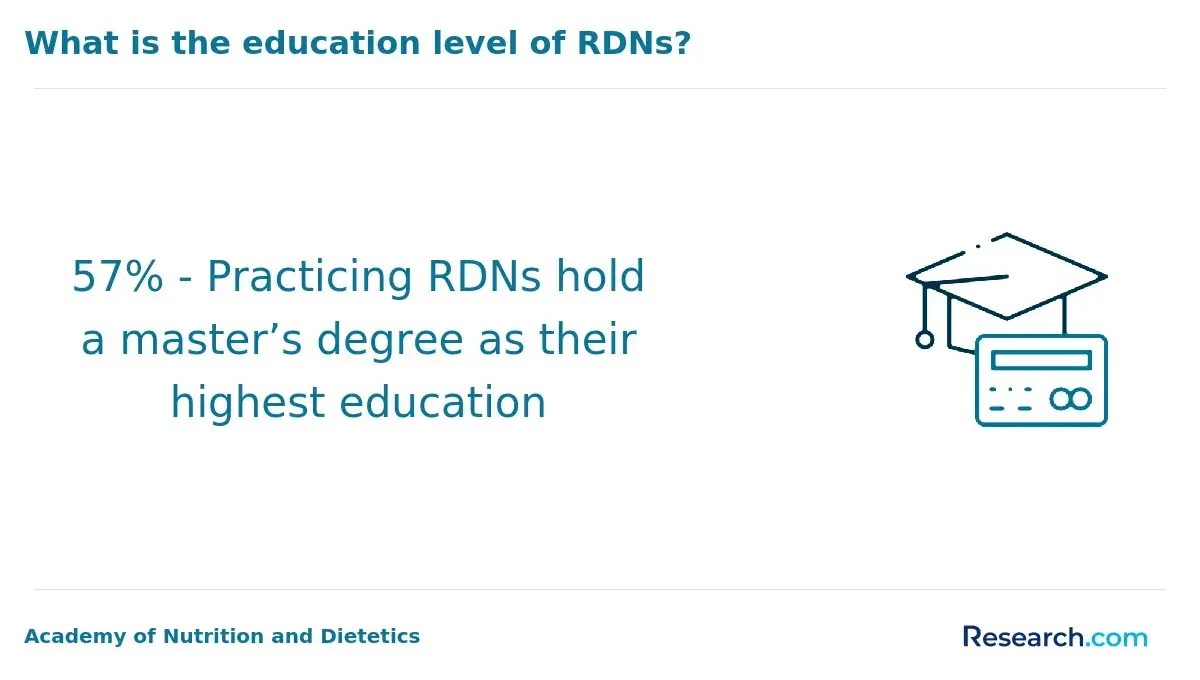
Since 2024, new RDNs must possess a master's degree. This higher education requirement may influence the number of people entering the profession and may also strengthen expectations around advanced preparation, evidence-based practice, and clinical competence.
Nutritionists may find opportunities in corporate wellness, community education, fitness and lifestyle coaching, school-based wellness, private practice, content creation, and public health programs. Their job outlook is more dependent on state regulations, employer requirements, certifications, and the strength of the local wellness market.
Telehealth, personalized nutrition, sustainability, food insecurity, and chronic disease prevention are shaping opportunities for both paths. Competition can be stronger in urban areas, especially for private practice or wellness-focused roles. Candidates who combine nutrition knowledge with counseling skill, cultural competence, digital communication, and a credible credential will usually be better positioned.
What is the career progression like for a Dietitian vs. a Nutritionist?
Career progression differs because dietetics has a more defined credentialing pathway, while nutrition careers can be more flexible but less standardized. Dietitians often move through structured clinical, management, specialty, or academic roles. Nutritionists may build careers through coaching, wellness programming, entrepreneurship, public health, or additional credentials.
Typical career progression for a Dietitian
- Education and supervised practice: Complete the required nutrition or dietetics education, supervised practice, and credentialing steps needed to become a Registered Dietitian Nutritionist.
- Entry-level practice: Begin in hospitals, outpatient clinics, long-term care, public health, school nutrition, or food service settings.
- Clinical or program specialization: Build expertise in areas such as pediatric, renal, oncology, sports, diabetes, gastrointestinal, or community nutrition.
- Advanced responsibility: Move into senior clinical roles, department leadership, foodservice management, healthcare administration, research, education, or policy work.
- Long-term advancement: Some dietitians open private practices, teach at the college level, lead public health programs, publish research, or consult for organizations.
Typical career progression for a Nutritionist
- Early wellness or education roles: Start in coaching, community programs, corporate wellness, fitness settings, school initiatives, or nutrition education.
- Client-facing growth: Develop a niche, build a client base, lead workshops, create programs, or support group-based behavior change.
- Credential development: Pursue certifications or advanced education, such as the Certified Nutrition Specialist credential, when aligned with state law and career goals.
- Specialization: Focus on areas such as sports nutrition, family nutrition, corporate wellness, holistic nutrition, public health, or content and media.
- Entrepreneurship or leadership: Build a consulting business, create digital products, manage wellness teams, or partner with healthcare and community organizations. Top nutritionists can earn up to $75,500 annually.
Both fields can lead to research, teaching, management, and leadership, but the route is usually more credential-dependent for dietitians and more market-dependent for nutritionists. Professionals planning academic or research-focused careers may also compare doctoral options, including the easiest PhD programs, while carefully weighing accreditation, rigor, and career relevance.
Can you transition from being a Dietitian vs. a Nutritionist (and vice versa)?
Yes, transitioning between the two paths is possible, but the direction matters. Moving from dietitian to nutritionist is usually simpler because dietitians already meet substantial education, supervised practice, and examination standards. Moving from nutritionist to dietitian is typically more demanding because the dietitian pathway has stricter credentialing requirements.
A Registered Dietitian or Registered Dietitian Nutritionist usually has the preparation needed for many nutritionist roles. Registered Dietitians hold a master's degree, complete at least 1,000 hours of supervised practice, and pass a national exam. They can often move into wellness coaching, sports nutrition, corporate wellness, education, media, consulting, or private practice, as long as they follow state practice rules and any employer requirements.
A nutritionist who wants to become a registered dietitian must usually complete the required accredited education, supervised practice, and the Registration Examination for Dietitians. For someone without clinical training, this can mean returning to school, completing graduate coursework, and securing supervised practice experience. The process can take years, so it is important to compare the cost, time, and career payoff before starting.
The salary and credential differences can be meaningful. According to the Academy of Nutrition and Dietetics, Registered Dietitian Nutritionists or Registered Dietitians earn a median wage of $80,400 while Registered Nutrition and Dietetics Technicians earn $56,700.
Professionals considering advanced study in health sciences, education, research, or leadership may also evaluate options such as an online doctorate no dissertation, while confirming that any program fits their career goals and credentialing needs.
What are the common challenges that you can face as a Dietitian vs. a Nutritionist?
Both careers involve real challenges. Nutrition advice affects health, identity, culture, family routines, finances, and medical conditions, so professionals must communicate carefully and responsibly. Both dietitians and nutritionists also need to keep up with changing research while avoiding misinformation and exaggerated claims.
Common challenges for Dietitians
- Lengthy education and credentialing: The master’s degree requirement, supervised practice, and exam process can increase the time and cost needed to enter the profession.
- Clinical pressure: Dietitians in healthcare settings may manage patients with complex conditions, limited appetites, medication interactions, or serious nutrition risks.
- Documentation and compliance: Clinical work often requires detailed charting, insurance-related procedures, facility policies, and coordination with medical teams.
- Emotional demands: Dietitians may work with patients facing chronic illness, disordered eating, end-of-life care, or socioeconomic barriers that make nutrition goals difficult.
Common challenges for Nutritionists
- Uneven regulation: State rules vary, so nutritionists must understand what they can legally do and how to describe their services accurately.
- Credibility concerns: Because the title is less standardized, qualified nutritionists may need to work harder to demonstrate training, ethics, and evidence-based practice.
- Income variability: Private practice and coaching roles can fluctuate depending on referrals, marketing, client retention, and local demand.
- Limited insurance coverage: Many nutritionist services require out-of-pocket payment, which can affect client access and business stability.
One common mistake is underestimating the importance of state-specific rules. Before choosing a program or credential, students should check whether their intended career path requires licensure, registration, certification, supervised experience, or a particular degree. Students looking for lower-cost pathways may begin by comparing colleges with low tuition programs that accept financial aid.
Is it more stressful to be a Dietitian vs. a Nutritionist?
Dietitian roles are often more stressful when they involve direct clinical care, high patient loads, strict documentation requirements, and responsibility for nutrition interventions tied to medical outcomes. However, stress depends more on the work setting than on the title alone.
Dietitians in hospitals, long-term care, and outpatient clinics may work with patients who have serious illnesses, multiple diagnoses, changing lab values, limited food intake, or urgent care needs. They may also need to coordinate with medical teams, meet facility standards, document thoroughly, and keep up with changing guidelines, licensing rules, and insurance-related expectations.
Nutritionists may face different pressures. A nutritionist in a wellness center or community program may have more predictable responsibilities and fewer clinical demands. A self-employed nutritionist, however, may experience stress from marketing, inconsistent income, client acquisition, cancellations, pricing, and administrative work.
In practical terms, a hospital-based dietitian may face more clinical pressure, while an independent nutritionist may face more business pressure. Students should consider which type of stress they can manage better: healthcare accountability, entrepreneurship, client behavior change, public-facing work, or program administration.
How to choose between becoming a Dietitian vs. a Nutritionist?
The best choice depends on the kind of work you want to do, how much structure you want in your career path, and whether you want access to clinical nutrition roles. Start with your desired job, then work backward to the credential, degree, supervised practice, and state requirements needed for that role.
- Choose dietetics if you want clinical authority. Dietitians are better suited for students who want to provide medical nutrition therapy, work in hospitals or clinics, collaborate with healthcare teams, and qualify for regulated roles.
- Choose nutrition if you want wellness flexibility. Nutritionist roles may fit students interested in coaching, health education, corporate wellness, community programs, fitness-related nutrition, content creation, or entrepreneurship.
- Compare education requirements carefully. Dietitians need a master's degree from an accredited program, 1,000+ supervised hours, and passing a national exam. Nutritionist requirements vary widely by state, from certifications to no formal education.
- Think about salary stability versus income flexibility. Dietitians may have more structured employment options, while nutritionists may have broader entrepreneurial freedom but more variable income.
- Check state regulations before enrolling. A program or certificate that sounds attractive may not qualify you for the work you want in your state.
- Consider your preferred work environment. Dietitians often work in healthcare, institutional, or public health systems. Nutritionists may work in coaching, wellness, education, business, or community settings.
- Evaluate long-term mobility. Dietitians may have broader access to clinical specialties such as oncology or sports nutrition. Nutritionists may have more flexibility in branding, program design, and client niche development.
Dietitians and nutritionists earn between $48,830 and $101,760 annually with a steady 5.5% growth projected by 2034. Those figures can be useful for comparison, but they should not be the only basis for your decision. Scope of practice, credential recognition, debt, program quality, and state rules can matter just as much as salary.
If you are strong in science, want a recognized healthcare credential, and are willing to complete a structured training path, dietetics may be the better fit. If you prefer wellness education, flexible practice models, and entrepreneurial work, nutrition may be a better match. When comparing schools, consider whether the program comes from a national accredited college and whether it supports the credential or license you actually need.
What Professionals Say About Being a Dietitian vs. a Nutritionist
- : "Pursuing a career as a Dietitian has given me remarkable job stability and a competitive salary that exceeds many related health professions. The constant demand across hospitals, schools, and private practices reassures me that my expertise will always be valued. This field offers not just a job, but a long-term, rewarding career. — Romeo"
- : "Working as a Nutritionist has opened doors to unique opportunities, such as collaborating on innovative wellness programs and contributing to cutting-edge research in dietary health. The challenges of staying updated with evolving nutritional science make every day intellectually stimulating. It's a dynamic profession that pushes me to grow continuously. — Aidan"
- : "As a Dietitian, I appreciate the continuous professional development options available, including advanced certifications and specialized training that advance my career. The potential to move into management roles or become a clinical expert supports my long-term growth aspirations. This career blends science with impact in a way I find deeply fulfilling. — Luke"
Other Things You Should Know About a Dietitian & a Nutritionist
No, Nutritionists typically cannot provide medical nutrition therapy unless they have specialized credentials or licensure. Registered Dietitians (RDs) or Registered Dietitian Nutritionists (RDNs) are qualified and licensed to develop clinical nutrition plans for conditions such as diabetes or kidney disease. Nutritionists without such credentials usually focus on general wellness and dietary advice rather than medical treatment.
In 2027, Dietitians typically require a bachelor's degree, accredited coursework, supervised practice, and passing the CDR exam to become a Registered Dietitian (RD). Nutritionists' requirements vary significantly by region, and in some places, no formal certification is required, making them less regulated than dietitians.
While there is some overlap, Dietitians are more commonly employed in clinical and hospital settings where they provide medical nutrition therapy. Nutritionists often work in community health, wellness centers, private coaching, or food service industries. The work environment influences job responsibilities and the populations they serve.
In 2027, Dietitians typically require formal certification such as a Registered Dietitian Nutritionist (RDN) credential and state licensing. Nutritionists may not have standardized certification requirements and can often practice with less strict credentialing, though it varies by region.
References
- Dietitian vs Nutritionist - What's The Difference? https://diabetesdigital.co/dietitian-vs-nutritionist/
- Dietitian vs. Nutritionist: What’s the Difference? https://www.healthline.com/nutrition/dietitian-vs-nutritionist
- Dietitian vs Nutritionist: What’s the Difference in Australia? https://fleethealthcare.com/dietitian-vs-nutritionist/
- Dietitian vs nutritionist: Similarities and differences - Jobstreet Singapore https://sg.jobstreet.com/career-advice/article/dietitian-vs-nutritionist-similarities-and-differences
- Nutritionist | Explore Careers | National Careers Service https://nationalcareers.service.gov.uk/job-profiles/nutritionist
- Dietitian - Explore Healthcare Careers - Mayo Clinic College of Medicine & Science https://college.mayo.edu/academics/explore-health-care-careers/careers-a-z/dietitian/
- Dietitian vs Nutritionist: Key Differences in 2025 https://www.nutritioned.org/dietitian-vs-nutritionist/
- The Association Between Personal, Relational, Organizational and National Resilience Resources and Dietitians' Well‐Being During Protracted Conflict: A Cross‐Sectional Study https://pmc.ncbi.nlm.nih.gov/articles/PMC12138235/
- Dietitian https://www.healthcareers.nhs.uk/explore-roles/allied-health-professionals/roles-allied-health-professions/dietitian
- What is a dietitian? https://www.bda.uk.com/about-dietetics/what-is-dietitian.html
- U.S. Bureau of Labor Statistics. (2025, August 28). Occupational projections and worker characteristics. Retrieved January 2026, from https://www.bls.gov/emp/tables/occupational-projections-and-characteristics.htm
- Academy of Nutrition and Dietetics. (2024). Compensation & Benefits Survey of the Dietetics Profession 2024 (biennial). https://www.cdrnet.org/vault/2459/web//Compensation%20Benefits%20Survey%20of%20the%20Dietetics%20Profession%202024-TOC_Exec%20Sum.pdf


