
2027 Different Types of Animation Degrees and Their Salaries

Co-Founder and Chief Data Scientist
Animation students are choosing among several different investments: a short certificate, a two-year associate degree, a four-year bachelor’s program, a graduate degree, or an online option built around portfolio development. The best choice depends less on the word “animation” on the diploma and more on the type of work you want to do, the portfolio you can build, the software and production skills you need, and the cost and time you can realistically commit.
This guide explains the main animation degree types, common specializations, completion timelines, accelerated and online options, typical costs, job paths, salary expectations, and demand in the labor market. It is designed for prospective students comparing programs and for working adults deciding whether an animation credential is worth the time and expense.
Key Points About Different Types of Animation Degrees and Their Salaries
- Individuals with an associate degree in animation typically enter entry-level positions such as junior animators or graphic assistants, earning an average starting salary of around $40,000 per year, which is lower compared to those with higher degrees but offers quicker workforce entry.
- Earning a bachelor's degree in animation significantly expands career opportunities, allowing graduates to qualify for roles like character animator or visual effects artist, with median salaries ranging from $60,000 to $75,000 annually according to industry reports and U.S. Bureau of Labor Statistics data.
- Obtaining a master's degree in animation or related fields can lead to advanced positions including animation director or creative lead, with salaries often exceeding $90,000 per year, reflecting stronger leadership roles and higher demand for specialized skills in a competitive job market.
What Are the Different Types of Animation Degrees Available?
Animation degrees differ by academic level, creative focus, technical depth, and career preparation. A certificate or associate degree can help you build specific production skills quickly, while a bachelor’s degree is the most common route for full-time professional animation roles. Graduate degrees are usually best for artists seeking advanced creative practice, research, leadership, teaching, or highly specialized studio work.
The degree title matters, but the portfolio matters more. Before enrolling, compare each program’s student reels, software training, internship access, faculty experience, alumni outcomes, and production facilities.
- Bachelor of Arts (BA) in Animation: A BA usually combines animation study with a broader liberal arts curriculum. Students may study animation principles, visual storytelling, media theory, animation history, writing, and contextual studies. This can be a good fit for students who want creative flexibility, a wider academic foundation, or room for electives in film, design, communications, or the humanities.
- Bachelor of Fine Arts (BFA) in Animation: A BFA is typically more studio-intensive than a BA. Students spend more time on hands-on production, character design, storyboarding, 2D animation, 3D animation, and portfolio or thesis work. This option is often best for students who want a focused art-school experience and expect to compete for production roles after graduation.
- Bachelor of Science (BS) in Animation or Film & Television (Animation Concentration): A BS generally emphasizes technical production, computer graphics, digital workflows, visual effects, motion graphics, and animation software. It can be a strong match for students interested in the technology side of animation, including pipeline work, compositing, rendering, and digital effects.
- Master of Arts (MA) in Animation: An MA usually focuses on advanced study, research, theory, critique, and the development of an individual creative direction. It may suit students interested in experimental work, media research, or a more concept-driven approach to animation.
- Master of Fine Arts (MFA) in Animation: The MFA is commonly treated as a terminal studio degree. It emphasizes advanced artistic practice, experimentation, thesis production, and professional-level creative development. Students considering college teaching, senior creative roles, or ambitious independent work may find an MFA useful.
- Specialized/Hybrid Animation Degrees: Some programs combine animation with illustration, graphic design, game art, visual effects, interactive media, or digital storytelling. These can be valuable when the curriculum matches a clear career goal, such as motion design, game animation, character design, or visual development.
Students who want to finish faster can also compare accelerated programs. These may reduce time to completion, but they usually require heavier course loads and less room for schedule disruptions. Salary potential varies widely by portfolio strength, location, employer, specialization, and experience, with graduates generally seeing opportunities from about $50,000 for entry-level positions to $100,000 or more for senior or specialized roles.
What Specializations Are Available in Animation Degrees?
Specializations help students build a portfolio for a specific hiring lane. A general animation degree can provide a broad foundation, but employers often hire based on a reel that proves focused ability: believable character motion, polished 3D models, strong visual development, clean storyboards, production-ready rigs, or high-quality lighting and rendering.
Common animation specializations include the following:
- 2D Animation: 2D animation focuses on movement in a two-dimensional space. Students typically study drawing, timing, digital illustration, layout, storyboarding, character acting, and visual rhythm. Career paths may include animator, storyboard artist, layout designer, cleanup artist, or animation assistant for television, web, mobile, educational, or independent media.
- 3D Animation: 3D animation centers on digital characters, objects, and environments built in three-dimensional space. Students learn modeling, rigging, texturing, lighting, rendering, and animation workflows using tools such as Maya or Blender. Graduates may pursue work as 3D animators, modelers, rigging artists, or technical directors.
- Forensic Animation: Forensic animation applies animation techniques to accident reconstruction, legal cases, insurance analysis, and investigative presentations. This specialization requires accuracy, documentation, visual clarity, and sometimes knowledge of scientific, engineering, medical, or law enforcement processes. Roles may include forensic animator or litigation consultant.
- Video Game Animation: Game animation prepares students to create character movement, combat actions, cinematic sequences, environmental motion, and interactive animation systems. Students may work with character rigging, motion capture, gameplay integration, and game engines. Possible roles include game animator, cinematic artist, technical animator, or motion graphics designer.
- Concept Art Development: Concept art focuses on the early visual development of characters, locations, props, creatures, costumes, and mood. Students sharpen digital painting, design thinking, composition, and visual storytelling. Common roles include concept artist, character designer, environment artist, and visual development artist.
- Photorealistic Animation: Photorealistic animation emphasizes lifelike visual quality for film, advertising, architectural visualization, product visualization, and visual effects. Students need advanced skills in lighting, texturing, rendering, surfacing, and composition. Career paths may include texture artist, lighting artist, look-development artist, or visualization specialist.
When comparing specializations, ask one practical question: “What job title will my final reel clearly support?” A strong program should help you leave with finished work that matches the expectations of that role, not just a transcript listing relevant courses.
How Long Does It Take to Complete Each Type of Animation Degree?
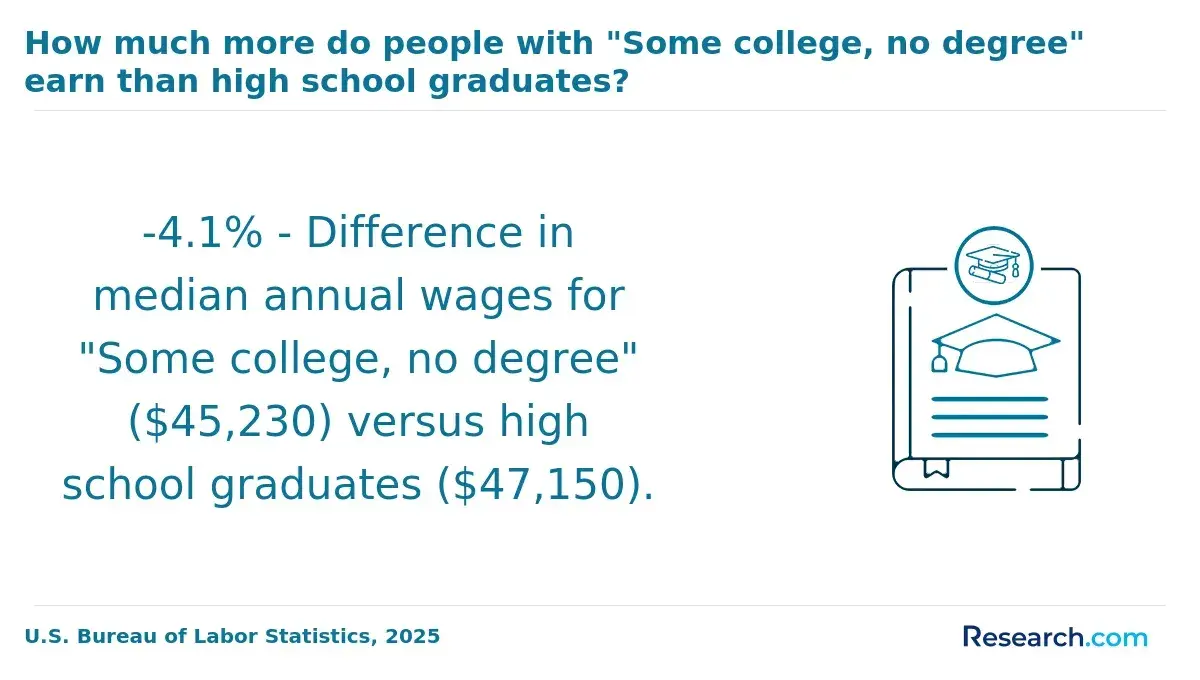
Completion time depends on the credential level, enrollment status, transfer credits, portfolio requirements, and whether the program runs on traditional semesters, year-round terms, or accelerated sessions. Students should also account for time spent building a competitive reel, which can be just as important as completing required credits.
- Associate Degree in Animation: An associate degree usually takes about two years of full-time study. Part-time students may need longer, while students with prior credits or access to accelerated terms may finish sooner. Associate programs are often available at community colleges and online institutions, making them useful for students seeking a lower-cost start or a pathway into a bachelor’s program.
- Bachelor's Degree in Animation: A bachelor’s degree typically takes four years of full-time study. Transfer credits from a community college can shorten the timeline if they apply cleanly to major and general education requirements. Some schools also offer online or accelerated bachelor’s options, but students should confirm that faster pacing still leaves enough time for portfolio development.
- Master's in Animation: A master’s degree usually takes between one and two years, depending on whether the program is full-time or part-time and whether it requires a thesis, capstone, film, or advanced portfolio project. Graduate programs may be online, hybrid, or campus-based, and some are designed for working professionals.
- Certificate Programs in Animation: Certificates can take from a few months up to a year. They are usually focused on specific tools, techniques, or production skills rather than a full academic degree. A certificate may be useful for career changers, working designers, or graduates who need to strengthen one part of their reel.
Before choosing the shortest option, review the curriculum sequence carefully. Animation skills build cumulatively: drawing, design, timing, software, story, critique, production, and revision all take practice. A faster program is only worth it if it still gives you enough structured feedback and finished work for a credible portfolio.
Are There Accelerated Animation Degree Programs?
Yes. Accelerated animation degree programs are available in the United States, but they are not simply “easier” versions of traditional programs. They shorten the timeline by compressing courses, offering year-round study, accepting eligible transfer credits, or combining degree levels.
Common acceleration formats include condensed courses that can sometimes be as short as seven weeks, summer enrollment, three academic terms per year instead of the typical two, multiple online start dates, three-year bachelor's tracks, and combined accelerated bachelor's and master's degree pathways that can allow students to earn both degrees in as few as five years.
Accelerated pathways can work well for disciplined students who already have strong study habits, a clear specialization, and enough weekly time for production work. They can be especially helpful for students bringing in transfer credits from previous college work or AP classes. However, they can be difficult for students balancing full-time employment, caregiving, or heavy freelance commitments.
What to check before enrolling
- Credit transfer rules: Ask which credits apply to the major, not just to general electives.
- Portfolio time: Confirm that the compressed schedule still includes critique, revision, and final reel development.
- Software and hardware requirements: Faster courses can become expensive if you must immediately buy equipment or subscriptions.
- GPA and eligibility standards: Some accelerated or combined degree pathways require high academic performance, such as maintaining a minimum GPA.
- Workload realism: Condensed courses often require frequent deadlines and fewer breaks between projects.
Accelerated degrees may help students enter the workforce sooner and potentially reach median animator salaries between $57,560 and $69,760 annually, but salary outcomes still depend on skill, portfolio quality, specialization, location, and hiring conditions. Academic advising is important because admission standards, pacing, and graduation requirements differ widely across institutions.
A graduate who completed an accelerated animation degree described the format as “exhilarating and demanding,” with “weeks that felt twice as long” because of compressed schedules and constant deadlines. He said the structure helped him stay focused and maintain momentum, but he also emphasized that students should be honest about their readiness for the pace and use advising resources early and often.
Are Online Animation Degrees as Credible as Traditional Ones?
Online animation degrees can be credible when they come from accredited institutions with rigorous curriculum, qualified instructors, strong portfolio expectations, and meaningful feedback. Employers in animation often care more about the quality of a candidate’s reel, technical skill, storytelling ability, and production readiness than whether courses were completed online or on campus.
That said, “online” is not automatically equal to “good.” Students should evaluate the program’s accreditation, faculty background, student work, software access, career services, internship support, critique structure, and alumni outcomes. A weak online program can leave students isolated and underprepared; a strong one can provide flexible training with industry-relevant tools and mentorship.
- Online programs may be stronger for: working adults, students who need schedule flexibility, learners outside major studio regions, and students who can stay motivated without a campus routine.
- Traditional campus programs may be stronger for: students who need studio structure, in-person collaboration, campus equipment, motion capture labs, screening rooms, immediate peer feedback, or local networking.
- Hybrid programs may be stronger for: students who want online flexibility but still value periodic in-person production, critique, or residency experiences.
Many online programs feature industry professionals from leading studios such as Pixar, DreamWorks, and Disney. That kind of instructor experience can be valuable, but students should still verify how much direct critique, mentoring, and portfolio review they will actually receive.
Recent hiring trends show growing acceptance of online animation degrees, especially when graduates can demonstrate professional-level work. Entry-level salaries for both online and traditional degree holders typically range from $50,000 to $70,000 annually, with higher earnings possible for candidates with strong portfolios, relevant specialization, and industry connections. Ultimately, credibility depends more on institutional quality and demonstrable skill than on delivery format alone.
How Much Does Each Type of Animation Degree Typically Cost?
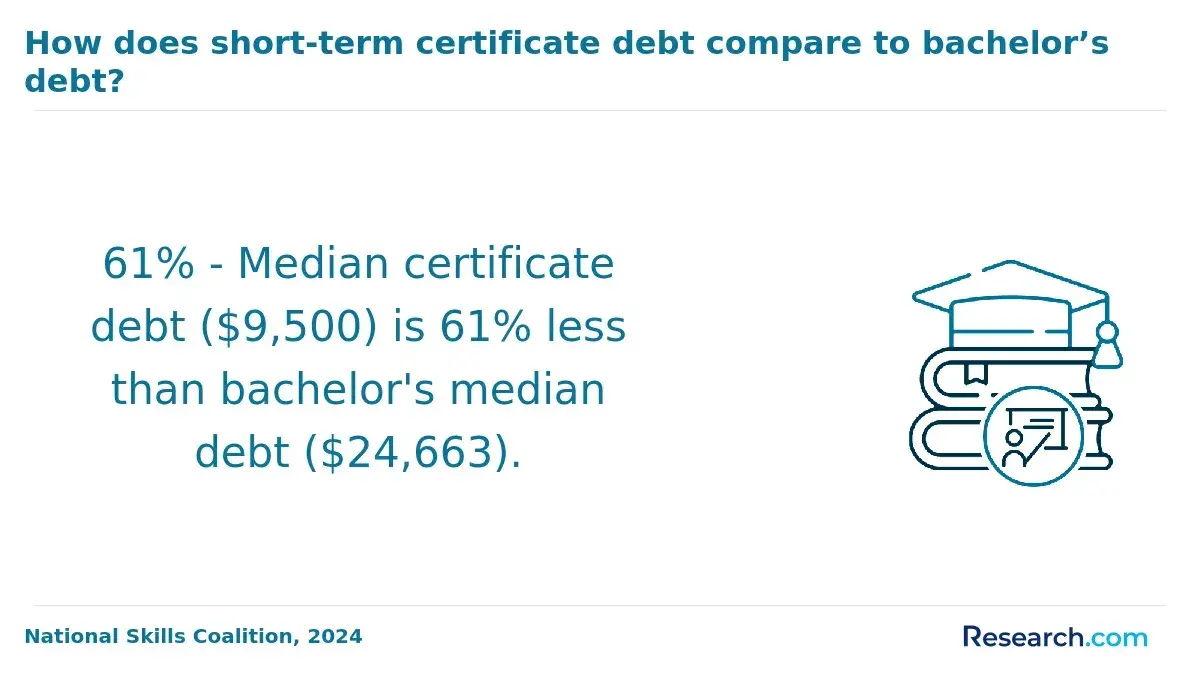
Animation degree costs vary widely by school type, residency status, delivery format, program length, and required technology. Tuition is only part of the budget. Students should also plan for software, hardware, drawing tablets, storage, books, supplies, portfolio hosting, travel, fees, and potential lost income if they reduce work hours while enrolled.
- Associate Degree in Animation: Tuition for an associate degree generally ranges from $3,000 to $10,000 per year at community colleges and public institutions, with total program costs of $6,000 to $20,000 over two years. Private colleges and specialized art schools may charge more. Community colleges may offer financial aid packages, scholarships, and work-study programs that can reduce out-of-pocket costs.
- Bachelor's Degree in Animation: A bachelor's degree can cost $10,000 to $40,000 per year, depending on whether the school is public or private and whether the student qualifies for in-state tuition. Public universities typically charge $10,000 to $20,000 annually for in-state students, while private art and design schools can exceed $30,000 per year. Some accredited online options start near $7,260 per year. Students should compare federal grants, state aid, institutional scholarships, and transfer pathways before committing.
- Master's in Animation: Graduate programs usually cost more, generally ranging from $20,000 to $50,000 per year, with total costs between $40,000 and $100,000. Tuition varies by school reputation, location, facilities, and program model. Assistantships, fellowships, and targeted scholarships may help reduce costs for eligible graduate students.
- Online Animation Degrees: Fully online degrees may be less expensive, especially at the bachelor's level, where costs can be as low as $7,260 to $14,250 per year. Many online programs qualify for federal financial aid, and some schools offer scholarships or discounts for remote learners. Students should still compare technology requirements and fees, which can narrow the cost difference.
How to judge whether the cost is reasonable
- Review student reels and graduate portfolios before comparing tuition.
- Ask how many courses produce portfolio-ready work.
- Confirm whether software and equipment are included or separate.
- Compare total program cost, not just annual tuition.
- Check whether credits transfer if you start at a lower-cost institution.
- Ask career services for examples of internships, employer relationships, and graduate job outcomes.
One animation graduate said that applying early for scholarships and assistantships substantially eased her financial burden. She noted that aid was most useful when she targeted programs that valued her artistic background and community involvement. Combining part-time work with institutional support helped her focus on improving her craft and made the investment feel more manageable.
What Jobs Can You Get with Each Type of Animation Degree?
The jobs available to animation graduates depend on degree level, portfolio quality, specialization, software fluency, and professional experience. A higher degree can help with leadership, teaching, or advanced creative roles, but it does not replace a strong reel. In many studios, the portfolio is the first screen; the degree supports the application.
- Associate Degree in Animation: Graduates often begin in support or junior production roles such as animation production assistant, junior illustrator, lighting assistant, digital media assistant, or entry-level animator. Duties may include preparing assets, assisting senior artists, supporting storyboard development, cleaning up files, organizing production materials, or completing basic digital editing. Associate degree holders may work in small studios, advertising agencies, educational media, local production companies, or freelance support roles. Students who want a faster start can compare accelerated associates degree online programs.
- Bachelor's Degree in Animation: A bachelor’s degree is the most common credential for many professional animation jobs. Possible roles include animator, 3D modeler, storyboard artist, motion graphics designer, character designer, layout artist, visual effects artist, game animator, and digital content artist. Graduates may work in film, television, video games, advertising, educational technology, web media, streaming content, or corporate media production.
- Master's Degree in Animation or Related Fields: Master’s graduates may qualify for advanced creative, technical, academic, or leadership roles, depending on experience and portfolio. Possible titles include art director, animation technical director, senior concept artist, senior animator, visual effects supervisor, creative lead, or instructor. These roles may involve supervising teams, managing production pipelines, guiding visual style, developing advanced effects, or teaching animation practice. Some advanced roles can pay above $100,000 depending on experience and locale.
Students should not assume that a degree automatically leads to a specific title. For example, a bachelor’s graduate with an excellent game animation reel may be more competitive for a game studio than a master’s graduate with a less targeted portfolio. Match the degree to the role, then build evidence of that skill through completed work.
How Do Salaries Differ by Animation Degree Type?
Salaries in animation vary by degree level, but education is only one factor. Portfolio strength, specialization, software skills, industry, location, studio size, union or contract status, and years of experience can matter as much as the credential. Salary figures also differ depending on how sources define “entry-level,” “animator,” “multimedia artist,” or specialized production roles.
- Associate Degree in Animation: Associate degree graduates are more likely to start in junior, assistant, or production-support positions. Pay is often lower than roles requiring a bachelor’s degree, especially in large studios or competitive entertainment markets. However, associate graduates can improve their earning prospects by building a strong reel, freelancing strategically, transferring into a bachelor’s program, or specializing in software-heavy production skills.
- Bachelor's Degree in Animation: A bachelor’s degree is the standard credential for many professional animation roles and is associated with stronger earning potential. Early-career salaries average around $35,421, growing to about $48,560 within five years. Mid-career median salaries are near $49,787, and top earners can reach up to $87,890 annually. Actual earnings depend heavily on location, specialization, portfolio quality, and employer type.
- Entry-Level Positions Without Advanced Degrees: Candidates without a bachelor’s degree or with partial college experience may earn less at the start, particularly if they lack a focused portfolio. Average entry-level compensation is approximately $54,725, while the bottom 20% of degree holders may earn as low as $28,203. These numbers should be read carefully because “entry-level” can include different job types, employers, and skill expectations.
- Advanced Specializations and Experience: Specialized roles can pay substantially more, especially in areas tied to games, visual effects, technical animation, real-time production, and leadership. Game animators, for example, earn averages around $153,613 per year. Long-term salary growth often comes from combining artistic quality with technical depth, production reliability, and the ability to solve pipeline or team-level problems.
The practical takeaway is that students should not choose a more expensive degree only because it appears to promise a higher salary. Compare total program cost with realistic job targets, portfolio outcomes, internship access, and the type of specialization that employers are actually hiring for.
Is There High Demand for Animation Degree Holders in the Job Market?
Demand for animation degree holders is strong in several sectors, but it is also competitive. Employers need artists who can create polished visual content for entertainment, games, advertising, education, streaming platforms, interactive media, and emerging technology. At the same time, entry-level candidates often compete against large applicant pools, so a degree alone is not enough.
Employment for animators and special effects artists is projected to increase by 8% from 2022 to 2032, which is faster than the average growth rate for all occupations. This growth reflects over 9,000 job openings annually. Demand is supported by the expansion of streaming platforms, interactive media, visual effects, advertising content, and video games.
Technology is also changing the skill mix. AI, 3D modeling, real-time rendering, and evolving production pipelines are broadening the field and creating more specialized roles, including 3D animators, VFX artists, motion graphics designers, technical animators, and real-time visualization artists. In gaming, demand for animation professionals has surged by 35% from 2018 to 2023.
Regional differences matter. The US, UK, Canada, and Japan show particularly strong demand and higher salaries, while countries like India have become important outsourcing hubs. Students should research the markets where they plan to work because hiring patterns, pay, studio concentration, and remote opportunities differ by region.
The best outlook is for graduates who keep their skills current, understand production workflows, and can show finished work in industry-standard formats. Flexible study options, including affordable online universities for working adults, may help students gain relevant skills without leaving the workforce. Continuous skill development is essential because tools and employer expectations change quickly in animation.
What Factors Should You Consider When Picking a Type of Animation Degree?
The right animation degree is the one that fits your target role, budget, learning style, and timeline while helping you build a portfolio employers can evaluate. Do not choose based only on degree title. Compare outcomes, curriculum depth, instructor feedback, and the type of work students produce by graduation.
- Career Goals: Start with the job you want: 2D animator, 3D animator, storyboard artist, motion designer, game animator, concept artist, visual effects artist, technical animator, or art director. Entry-level roles often require a bachelor’s degree or equivalent portfolio strength, while senior, teaching, or specialized roles may benefit from a master’s degree.
- Time Commitment: Associate programs usually take about two years, bachelor’s programs typically take four years, and master’s programs add more time. Accelerated formats may shorten the path but increase workload. Choose a pace you can sustain without sacrificing portfolio quality.
- Salary Potential: Higher degree levels can support access to more advanced roles, but salary depends heavily on skill, specialization, location, and experience. Weigh projected earnings against total cost, debt, and time out of the workforce.
- Specialization Opportunities: Look for programs that support your intended niche, such as 3D animation, visual effects, game animation, motion graphics, concept art, or photorealistic rendering. A specialized portfolio is often easier for employers to assess than a scattered collection of unrelated projects.
- Portfolio Development: A strong portfolio or demo reel is essential. Prioritize programs with structured critique, revision cycles, capstone projects, collaborative production, internships, and faculty who can help you polish work to professional standards.
- Accreditation and Reputation: Choose an accredited institution with credible academic standards. Reputation also matters at the program level, so review alumni work, employer connections, faculty experience, and graduate outcomes.
- Cost and Financial Aid: Compare total cost, not just tuition. Include fees, software, equipment, supplies, housing, transportation, and lost wages. Ask about grants, scholarships, work-study, assistantships, and transfer agreements.
- Learning Format: Online programs can be credible and flexible, but they require self-discipline. Campus programs may offer stronger in-person networking and facilities. Hybrid options can provide a useful balance.
A good decision process is simple: identify the role, review the work required for that role, choose the lowest-cost credible program that can help you produce that work, and avoid taking on unnecessary debt for a credential that does not improve your portfolio or employability.
What Animation Graduates Say About Their Degree and Salary
- Carla: "My Associate degree in animation and multimedia helped me move quickly into educational content development. The most valuable part was versatility: I learned to adapt animation for interactive e-learning modules, public health campaigns, and youth-focused materials. The faculty and peer support helped me grow technically while keeping my focus on storytelling that serves a community purpose."
- Bryan: "My Master's in animation for film and visual effects gave me access to internships and industry professionals, and that directly helped me land my first job at a major studio. The curriculum was demanding, but it pushed me to refine advanced techniques and handle complex scenes with more confidence. It also prepared me to mentor younger animators and advocate for more diversity in the field."
- Jessica: "My Bachelor's in 3D animation changed how I think about storytelling. The hands-on software training and collaborative projects prepared me for the video game industry, where I now help build immersive worlds. Beyond technical skills, the degree strengthened my creative problem-solving, which matters every day when deadlines are tight and project needs keep changing."
Other Things You Should Know About Animation Degree Programs & Salaries
In 2027, the expected salary ranges for animation degrees vary significantly by specialization. For example, a Bachelor's degree holder in 3D animation may earn between $50,000 and $70,000 annually, while those in game design could expect $55,000 to $75,000. Advanced degrees like a Master's can lead to salaries upwards of $90,000, particularly for senior positions.
Eligibility requirements for animation degrees in 2026 vary but commonly include a high school diploma or equivalent. Some programs require a portfolio showcasing artistic skills. Specific prerequisites may include courses in art, design, or related fields, depending on the degree type and institution.
References
- 3D Animator Specialization Course | Master 3D Animation for Films & Games https://www.cgspectrum.com/courses/3d-animator-specialization
- Game Art & Game Animation Degree at SAE UK https://www.sae.edu/gbr/courses/ba-bsc-hons-game-art-and-animation/
- Choosing Your Animation Program - What Matters | Animation Career Review https://www.animationcareerreview.com/articles/choosing-your-animation-program-what-matters
- Arena Animation Kolkata - Premium Arena Institute in Kolkata https://www.arenash.com/factors-to-consider-choosing-a-career-in-animation/
- Father and son’s environmental film delights global audiences https://www.sae.edu.za/news-and-insights/animation/animation-5-careers-you-never-thought-existed/
- 30+ Animation Industry Statistics, Facts, & Trends (2025) https://vidico.com/news/animation-industry-statistics/
- What Course Should I Take To Become An Animator? | Escape Studios https://www.escapestudios.ac.uk/news-and-blog/what-course-should-i-take-to-become-an-animator/
- How Much to Become an Animator: Costs and Financial Aspects https://ianimate.net/more/articles/how-much-to-become-an-animator-costs-and-financial-aspects
- Top animation professions, salaries, and training paths - ESMA https://www.esma-artistique.com/en/news/animation-film-professions/
- Animation vs Live-Action in Education: Comparative Insights https://educationalvoice.co.uk/animation-vs-live-action-in-education/


