
2027 Different Types of Behavioral Health Leadership Degrees and Their Salaries

Co-Founder and Chief Data Scientist
The demand for skilled professionals in behavioral health leadership continues to rise as organizations increasingly recognize the critical role of effective management in improving mental health services. Recent studies indicate that employment in this field is projected to grow significantly faster than the average for all occupations, reflecting expanded investment in behavioral health programs nationwide. Choosing the right educational path is essential for those seeking to maximize career opportunities and earning potential.
This article offers a clear guide to the variety of behavioral health leadership degrees available and outlines the salary expectations associated with each, empowering readers to make informed decisions about their future in this vital sector.
Key Points About Different Types of Behavioral Health Leadership Degrees and Their Salaries
- Individuals with a bachelor's degree in behavioral health leadership typically earn an average salary between $50,000 and $65,000 annually, offering broader career opportunities such as program management and clinical supervision compared to associate degree holders.
- Master's degree holders in behavioral health leadership can expect higher earning potential, often ranging from $70,000 to $90,000 per year, and are more likely to qualify for leadership roles in healthcare organizations, policy development, and advanced clinical administration.
- While associate degrees provide entry-level opportunities in supportive behavioral health roles with salaries generally under $40,000, obtaining higher degrees significantly enhances long-term career growth and access to senior leadership positions within the rapidly expanding U.S. behavioral health sector.
What Are the Different Types of Behavioral Health Leadership Degrees Available?
Understanding the different behavioral health leadership degree types and levels is crucial for students before choosing a program, as each option aligns with distinct career goals and educational backgrounds. Selecting the right degree ensures that learners develop the appropriate skills and knowledge for their desired roles within behavioral health systems.
Several main types of behavioral health leadership degrees exist, each with unique focuses and coursework that cater to varied professional interests. Below is an outline of the primary degree types and what sets them apart.
- Doctor of Psychology (PsyD) in Behavioral Health Leadership: This degree emphasizes advanced leadership and organizational management skills, including healthcare policy and advocacy. Coursework covers strategic planning, program evaluation, and ethical decision-making aimed at preparing graduates to lead multidisciplinary behavioral health teams.
- Doctor of Behavioral Health (DBH): Focused on innovation and entrepreneurial approaches, this program teaches integrated care management, population health, and financial operations in behavioral health. It prepares students to redesign healthcare delivery and implement cost-effective behavioral health models.
- Doctor of Education (EdD) with a Focus in Behavioral Health: This degree centers on leadership within educational and behavioral health settings, featuring coursework in evidence-based practices, organizational change, and program development. It is tailored for those looking to lead training initiatives and curriculum policy in the field.
- Doctor of Behavioral Health (Management Concentration): Specializing in the operational and financial aspects of behavioral health programs, this degree addresses quality measurement, health improvement strategies, and healthcare economics. It is designed for leaders managing integrated care initiatives.
- Master of Healthcare Administration (MHA) with Behavioral Health Focus: This master's degree prepares students for leadership in healthcare operations, policy, and organizational management. Topics typically include health systems management, healthcare law, and ethics relevant to behavioral health environments.
Career-focused students exploring certificates that make money may find that aligning their behavioral health leadership degree choice with their professional aspirations enhances long-term salary prospects, reflecting the median annual salaries reported by the U.S. Bureau of Labor Statistics for healthcare leadership roles.
What Specializations Are Available in Behavioral Health Leadership Degrees?
Specialization is an important factor when choosing a behavioral health leadership degree because it allows students to tailor their education to specific career goals and industry demands. This focused approach not only enhances relevant skills but also improves job prospects and salary potential in targeted roles.
To help you understand the options available, here are some common behavioral health leadership specializations that align with different career paths and organizational needs:
- Behavioral Health Leadership: Healthcare Management: Focuses on hospital administration, strategic planning, and quality improvement. Key skills include operational management and regulatory compliance, with career opportunities leading mental health departments or managing budgets in hospitals and clinics.
- Behavioral Health Leadership: Health Psychology: Emphasizes applying psychological principles to promote wellness and prevent illness at the community level. Graduates develop skills in program evaluation and behavioral intervention design, working in public health agencies or research organizations.
- Behavioral Health Leadership: Industrial and Organizational Psychology: Prepares leaders to improve workplace mental health, employee engagement, and organizational culture. This specialization highlights organizational diagnostics and change management, suited for roles such as corporate wellness directors or HR consultants.
- Behavioral Health Leadership: Public Health: Equips students to address mental health challenges at a population level through policy development and advocacy. Skills include epidemiology and community outreach, with careers in government, nonprofits, and advocacy groups.
- Behavioral Health Leadership: Teaching: Designed for those aiming to become educators or trainers in higher education or professional development. Focus areas include curriculum development and instructional design, preparing graduates for academia or professional training roles.
- Behavioral Health Leadership: International Practice: Prepares students for leadership in global health organizations, addressing cross-cultural mental health needs and international policy implementation. Key skills involve cultural competency and program management in diverse settings.
If you are looking for an easy masters program with relevant behavioral health leadership options, consider exploring specialized degrees that allow you to develop expertise while keeping workload manageable, enhancing your ability to balance study and career advancement.
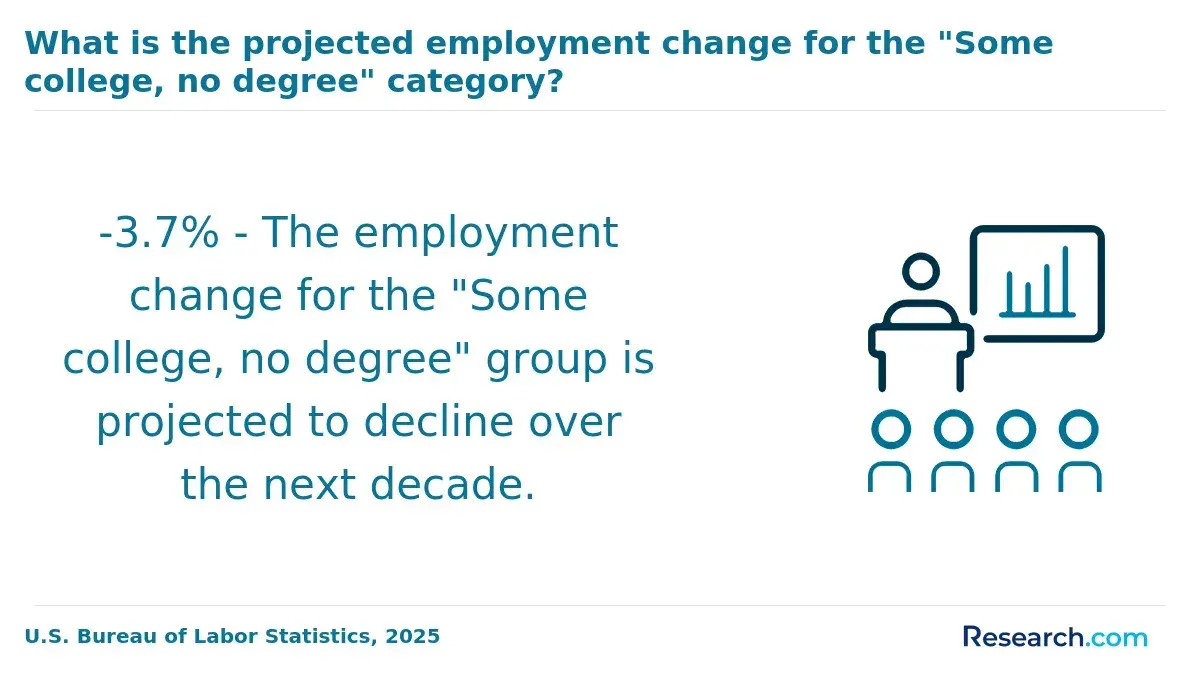
How Long Does It Take to Complete Each Type of Behavioral Health Leadership Degree?
Understanding the duration of various behavioral health leadership degree programs is crucial for students as it helps them plan their education and career paths effectively. Time commitment influences financial planning, work-life balance, and how soon one can enter or advance in the workforce. Below is an overview of the main behavioral health leadership degree types and their typical completion times.
The following list outlines the common degree options, highlighting average study lengths and factors that may affect these timelines.
- Associate Degree in Behavioral Health Leadership: Typically takes about two years to complete when attending full-time. This track is often designed for those entering the field or seeking foundational knowledge. Part-time enrollment or working students may require additional time, although some programs offer accelerated online courses to shorten the duration.
- Bachelor's Degree in Behavioral Health Leadership: Usually requires four years of full-time study. Transfer credits from prior college experience or associate degrees can reduce the time needed. Many institutions provide flexible options such as evening classes or online formats to accommodate different schedules.
- Master's in Behavioral Health Leadership: Generally completed within two to three years depending on the program structure. Part-time study, thesis work, and internships may extend this timeframe. Accelerated master's programs and fully online degrees are increasingly available to help students finish sooner.
- Doctorate in Behavioral Health Leadership: Completion time ranges from three to six years. Research intensity, dissertation requirements, and part-time enrollment options can influence the length. Some programs allow candidates to progress faster through prior experience or faster research tracks.
Are There Accelerated Behavioral Health Leadership Degree Programs?
Yes, there are several accelerated options for earning a behavioral health leadership degree at both undergraduate and graduate levels. These programs shorten completion time by offering formats such as condensed 8-week courses, year-round enrollment, and generous transfer credit policies.
For instance, some bachelor's programs deliver courses in 8-week online modules, enabling motivated students to finish faster than traditional 16-week semesters. At the graduate level, intensive programs structured over three semesters and designed to accept transfer credits can be completed in as little as 12 months.
Even doctoral programs in behavioral health leadership sometimes allow experienced professionals to complete their degrees in 2.5 years, considerably faster than typical timelines.
When exploring accelerated behavioral health leadership degrees, prospective students should consider the increased workload intensity these programs demand. Shortened course durations require managing heavier workloads and quicker deadlines, which can be challenging for those balancing academic, professional, and personal responsibilities.
Eligibility requirements often include prior academic achievement-such as a minimum GPA-and relevant professional experience, especially for doctoral pathways. Applicants with previously earned credits or professional licensure may find their time to degree further reduced.
While acceleration leads to faster entry into leadership roles with median salaries ranging from $60,000 for entry-level management to $100,000 or more at executive levels, success in these programs requires sustained commitment and effective time management.
When asked about his experience, a graduate of an accelerated behavioral health leadership degree program reflected on the unique challenges and rewards of such a pathway. He explained, "The condensed courses demanded full focus from the outset.
There was little room to fall behind, so effective planning became essential." Managing work alongside accelerated studies "felt like running a marathon at sprint pace," yet the structure helped maintain motivation through clear, short-term goals.
He found that "access to transfer credits made a meaningful difference," allowing completion ahead of schedule. Though the pressure was intense, the experience reinforced his confidence and readiness to take on leadership roles quickly, proving that accelerated programs can be both challenging and deeply rewarding for those prepared to meet the demands."
Are Online Behavioral Health Leadership Degrees as Credible as Traditional Ones?
Online and traditional behavioral health leadership degree programs both uphold rigorous academic standards through accreditation, quality curricula, and practical training components. For instance, reputable online programs like Liberty University's Ph.D. in psychology-behavioral health leadership and Walden University's PsyD in behavioral health leadership offer fully online or hybrid formats with advanced coursework, supervised field training, and academic residencies.
These programs are accredited by recognized regional bodies such as SACSCOC, ensuring compliance with established higher education standards. Traditional on-campus programs typically emphasize direct faculty mentorship and face-to-face collaboration, while online and hybrid models utilize technology to support instruction, engagement, and assessment through synchronous sessions, video practice, and peer feedback to develop student competency effectively.
Recent trends point to growing employer acceptance of online behavioral health leadership degrees, particularly from institutions with solid accreditation and reputations. The Council for Accreditation of Counseling and Related Educational Programs (CACREP) now accredits nearly 40 fully online counselor education programs, highlighting the increased legitimacy of distance education in behavioral health.
Research shows graduates from online programs perform on par with, or in some cases better than, their in-person peers. Ultimately, the credibility and value of a behavioral health leadership degree depend more on the institution's reputation and accreditation status than on whether the degree was earned online or through traditional campus instruction. Employers and licensing boards primarily focus on these factors when evaluating qualifications.
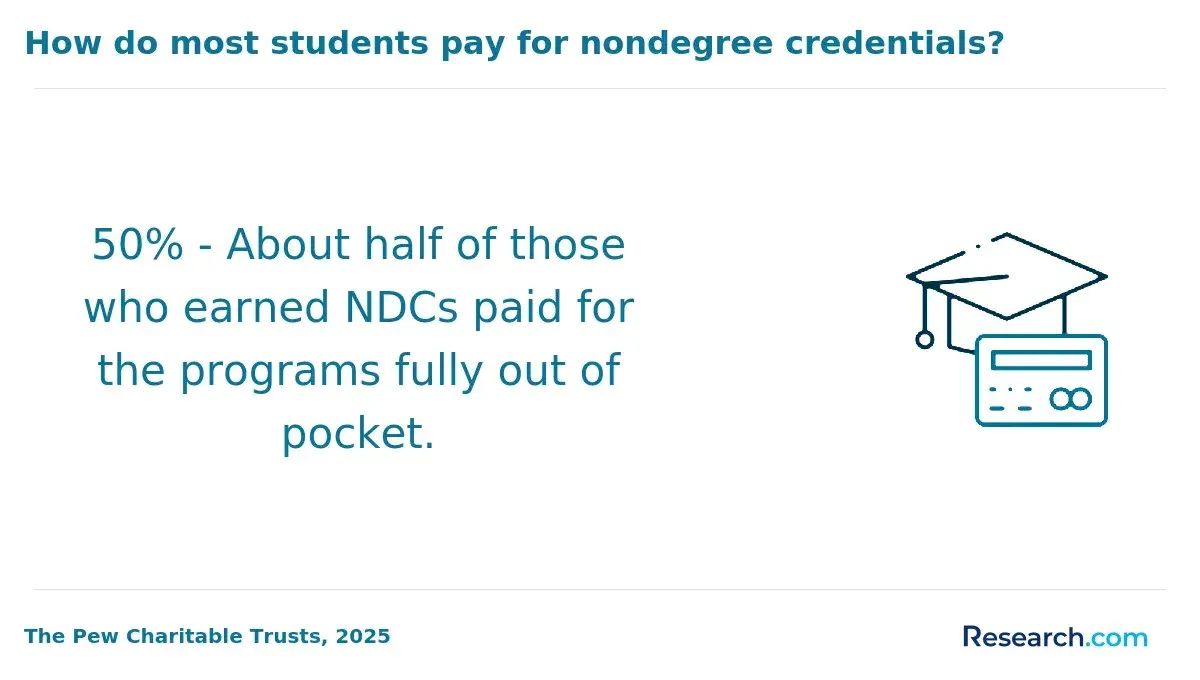
How Much Does Each Type of Behavioral Health Leadership Degree Typically Cost?
Understanding the differences in tuition costs across behavioral health leadership degree levels is crucial for effective budgeting and long-term financial planning. These costs can vary widely depending on degree level, institution type, and delivery format, so prospective students should carefully evaluate their options.
Below is a summary of the typical tuition ranges for each major type of Behavioral Health Leadership degree.
- Associate Degree in Behavioral Health Leadership: Tuition typically ranges from $3,000 to $8,000 per year at public community colleges and $12,000 to $20,000 per year at private institutions. Online programs and in-state tuition tend to be more affordable. Common financial aid options include federal Pell Grants and state scholarships.
- Bachelor's Degree in Behavioral Health Leadership: Public universities usually charge between $8,000 and $15,000 annually, while private colleges can charge $30,000 or more per year. Online programs offer more affordable alternatives, and students often utilize federal loans, scholarships, and work-study programs.
- Master's in Behavioral Health Leadership: Tuition costs are frequently calculated per credit, ranging from $600 to $1,455, with total program expenses averaging between $20,000 and $40,000. Public and online institutions tend to offer lower rates, and graduate assistantships, scholarships, and federal loans are common funding avenues.
- Doctor of Behavioral Health Leadership (DBH): Tuition for DBH programs varies widely, with some programs totaling about $24,150 for all tuition and fees, while others may reach $40,000 or more. Financial aid options include federal loans, institutional scholarships, and employer tuition reimbursement programs.
- Doctor of Psychology (PsyD) in Behavioral Health Leadership: These programs often charge per credit hour, for example, around $1,845 per credit, leading to annual costs near $23,590 and total program costs exceeding $120,000. Despite higher costs at private institutions, students may access scholarships, federal loans, and fellowships.
- Doctor of Philosophy (PhD) in Behavioral Health Leadership: Tuition generally ranges from $630 to $780 per quarter credit, with total costs between $30,000 and $60,000. Funding typically comes from federal loans, competitive scholarships, and research assistantships.
When I spoke with a graduate of a behavioral health leadership degree program about managing the cost of her education, she shared insightful reflections. Although she faced financial challenges early on, she emphasized that careful planning and exploring various funding sources made a significant difference.
"It wasn't easy, but applying for scholarships and working part-time helped me avoid excessive debt," she explained. She also noted that the investment paid off through the career opportunities and leadership roles she obtained afterward, describing her degree as "a game-changer" that enabled her to advance professionally while maintaining financial stability.
Her experience highlights that while costs can be substantial, perseverance and strategic financial planning can lead to meaningful outcomes in this field.
What Jobs Can You Get with Each Type of Behavioral Health Leadership Degree?
The level of a behavioral health leadership degree strongly influences the career paths and leadership roles you can qualify for within mental health organizations. Higher degree levels tend to open doors to advanced management, policy, and academic positions, while entry-level degrees prepare graduates for supportive and direct care roles.
Below is an overview of common jobs associated with each behavioral health leadership degree type to help you understand typical roles, responsibilities, and work environments.
- Associate degree in behavioral health leadership: Graduates with an associate degree typically find entry-level roles such as behavioral health technician, peer support specialist, or case manager assistant. These positions often involve providing hands-on client support in settings like residential treatment centers, community mental health agencies, and hospitals, assisting with daily care and implementing treatment plans under supervision. For students seeking affordable options, exploring the cheapest online college for associate's degree programs can be a practical starting point.
- Bachelor's degree in behavioral health leadership: A bachelor's degree qualifies graduates for positions including case manager, mental health technician, or program coordinator. Job duties generally revolve around assessing client needs, coordinating care, and supporting program operations at behavioral health clinics, nonprofit agencies, or school systems. Demand for these roles is strong, as seen in Florida, which alone has over 300 bachelor's-level behavioral health job listings.
- Master's degree in behavioral health leadership: Those with a master's degree often secure mid- to upper-level management roles such as behavioral health program manager, clinical supervisor, or community services manager. Responsibilities include supervising staff, overseeing program delivery, and managing budgets within healthcare organizations, government programs, or community agencies. Such leadership roles typically require graduate-level education.
- Doctoral degree (PhD or PsyD) in behavioral health leadership: Doctoral graduates qualify for top-tier leadership and academic roles including director of mental health, behavioral health administrator, research manager, or university faculty. Their work emphasizes program development, policy analysis, and organizational leadership across hospitals, nonprofits, government agencies, and academic institutions.
How Do Salaries Differ by Behavioral Health Leadership Degree Type?
Degree level often strongly influences earning potential in behavioral health leadership, with higher degrees usually leading to increased responsibility and higher salaries. Understanding these differences can help students make informed decisions about their education and career paths.
Below is an overview of typical salary ranges for different types of behavioral health leadership degrees, along with factors affecting pay at each level.
- Associate Degree in Behavioral Health Leadership: Entry-level roles such as behavioral health specialists typically earn a median annual salary of about $64,000 as of July 2025. Wages at this level depend heavily on the type of employer, geographic region, and professional experience. Further education is often necessary for advancement beyond these roles.
- Bachelor's Degree in Behavioral Health Leadership: Graduates usually begin in coordinator or supervisory roles with salaries ranging from $59,000 to $70,000 per year. Salary variations are influenced by location and employer, and long-term growth into director positions is generally limited without pursuing graduate studies.
- Master's Degree in Behavioral Health Leadership: Holding a master's degree opens opportunities for mid-level management and director roles. Typical salaries for behavioral health directors with this degree range between $85,000 and $112,000 annually. Factors like organizational size, experience, and demand in certain regions can further increase earnings.
- Doctoral Degree (PhD or PsyD) in Behavioral Health Leadership: Doctorate holders commonly occupy senior management or executive positions, with median salaries around $117,960. Senior managers earn between $110,000 and $150,000, while executives such as chief behavioral health officers can make $200,000 or more. Doctoral training is often required for the highest leadership roles and is linked to the greatest earning potential.
- Board Certified Behavior Analyst (BCBA) or Specialized Certification: Certified behavior analysts earn on average between $72,450 and $89,075, with those in leadership or private practice earning $112,000 or more. Industry, location, and certification level significantly impact salary, with top professionals in high-demand areas exceeding $132,500 annually.
Students seeking affordable options to start their education might consider exploring the best affordable online schools that accept FAFSA, which can offer flexible and cost-effective pathways into behavioral health leadership careers.
Is There High Demand for Behavioral Health Leadership Degree Holders in the Job Market?
There is a notably high demand for behavioral health leadership degree holders in today's job market, driven by several critical factors. Workforce shortages, especially in rural and underserved areas, have increased the need for qualified managers and administrators who can fill leadership roles amidst high turnover and burnout.
The aging U.S. population also contributes to rising demand, creating greater need for behavioral health services in geriatric and integrated care settings. Additionally, emerging technologies such as electronic health records (EHR) and advanced analytics tools require leaders who possess both clinical expertise and skills in managing digital transformation, compliance, and regulatory complexity.
These complexities have made administrative roles in behavioral health settings particularly sought after as organizations expand services and adapt to value-based care models. Regional differences intensify this dynamic, with some areas offering higher salaries or loan repayment incentives to attract top leadership talent. Median annual salaries range from $70,000 to over $100,000, with director-level positions often earning around $114,000.
The employment outlook for those holding behavioral health leadership degrees is highly favorable. Graduates can expect robust job security and opportunities for advancement as the sector continues to grow and evolve.
Demand projections from the U.S. Bureau of Labor Statistics show a 17% employment increase for counselors related to behavioral health through 2034, a rate far above average. For prospective students and professionals interested in pursuing such degrees, it is advisable to consider programs from low cost online universities for job holders, which can offer flexible and affordable pathways to entering this expanding field.
Overall, behavioral health leadership remains a promising career choice backed by strong market needs and competitive compensation.
What Factors Should You Consider When Picking a Type of Behavioral Health Leadership Degree?
Choosing the right degree level in behavioral health leadership is a critical decision that directly impacts your career trajectory and personal circumstances. The degree you pursue affects your eligibility for specific leadership roles, time commitment, and earning potential.
To help guide your decision, consider the following key factors:
- Career Goals: Different degree levels open doors to distinct leadership opportunities. A master's degree may qualify you for mid-level management roles, while doctoral degrees such as a PsyD or PhD are often required for executive positions or policy-making roles in behavioral health organizations, government agencies, and academia.
- Time Commitment: Master's programs typically take 2-3 years to complete, whereas doctoral programs require 4-7 years including research and dissertation work. Assess your ability to balance work, family, and study over an extended period before choosing your path.
- Salary Potential: Generally, higher educational attainment correlates with increased earning potential. Entry-level managers with a master's degree earn median salaries between $60,000 and $80,000, while senior leadership roles held by doctoral graduates can exceed $100,000 annually.
- Accreditation and Program Reputation: Enrolling in accredited programs, such as those recognized by the American Psychological Association, can influence employer preference, licensure eligibility, and the overall value of your degree.
- Program Format and Flexibility: Online and hybrid options provide flexibility for working professionals, whereas on-campus programs often offer enhanced networking and hands-on experiences. Consider which format best aligns with your lifestyle and learning style.
What Behavioral Health Leadership Graduates Say About Their Degree and Salary
- Jamal: "Completing my Master's in behavioral health leadership opened doors I never imagined. The curriculum's focus on both clinical and administrative skills helped me confidently transition into my role as a program director at a community mental health center. The degree emphasized strategic thinking, which has been invaluable in shaping policies that improve client outcomes and staff well-being. It's rewarding to see how my work supports mental health access in underserved populations, fueling my passion for lasting change."
- Maria: "Finishing my Doctorate in behavioral health leadership was a transformative experience, combining academic rigor with real-world applications. This program prepared me thoroughly for a leadership role within a large health system, where I now manage multidisciplinary teams and advocate for integrated care policies. The degree challenged me to think critically about systemic barriers and inspired my commitment to equity in mental health services. It feels deeply fulfilling to contribute to a healthier community and mentor the next generation of leaders."
- Kevin: "As someone who started with a Bachelor's in behavioral health leadership, the degree gave me a solid foundation to enter the field with confidence. Early career opportunities in nonprofit administration allowed me to directly impact youth mental health initiatives, which is a cause close to my heart. The program's emphasis on leadership skills and ethical practices shaped my professional growth and personal values. Earning this degree has not only boosted my career but also empowered me to uplift young people through effective program development."
Other Things You Should Know About Behavioral Health Leadership Degree Programs & Salaries
In 2027, entry-level salaries for individuals with a degree in behavioral health leadership typically range from $55,000 to $75,000 annually. Factors influencing these figures include geographical location, type of employer, and specific responsibilities associated with the role.
In 2027, entry-level salaries for behavioral health leadership graduates can vary based on factors like location, demand, and specialization. However, graduates can generally expect to earn between $50,000 and $70,000 annually, with potential for growth as they gain experience and additional credentials.
Yes, holding a doctoral degree in behavioral health leadership generally increases earning potential. Doctorate holders often qualify for senior administrative or academic roles, where salaries can exceed $90,000 annually. However, the return on investment depends on the career path and geographic area.
References
- Doctor of Behavioral Health Management | Houston Christian University https://hc.edu/articles/doctor-of-behavioral-health-management-program/
- Behavioral Health Career Descriptions | SAMHSA https://www.samhsa.gov/about/careers/behavioral-health-workforce/careers-by-state/descriptions
- Top Mental Health Careers & Degrees for a Meaningful Future - CityU of Seattle https://www.cityu.edu/blog/mental-health-careers/
- Doctor of Behavioral Health - Cummings Graduate Institute for Behavioral Health Studies https://cgi.edu/dbh/
- Behavioral Health Specialist Salary and Job Description https://www.warnerpacific.edu/blog/behavioral-health-specialist/
- A Guide to Choosing the Right Mental Health Career Path - The Wellness Society | Self-Help, Therapy and Coaching Tools https://thewellnesssociety.org/a-guide-to-choosing-the-right-mental-health-career-path/
- Jobs You Can Get with a Psychology and Behavioral Health Degree | Pennsylvania Institute of Technology https://www.pit.edu/news/jobs-you-can-get-with-a-psychology-and-behavioral-health-degree/
- Mastering Behavioral Health: Is a Master’s Degree Right for You? https://masterspublichealth.com/masters-in-behavioral-health/
- Bridge Program https://fhu.edu/academics/graduate/graduate-studies-in-counseling/behavioral-health/
- What to Consider When Choosing a Mental Health Specialty https://www.alliant.edu/blog/what-consider-when-choosing-mental-health-specialty


