
2027 Different Types of Web Design Degrees and Their Salaries

Co-Founder and Chief Data Scientist
The demand for skilled professionals in web design continues to surge as businesses increasingly prioritize strong digital presences. According to recent labor projections, employment in web development and design is expected to grow significantly faster than the average for all occupations over the next decade, reflecting a robust market for qualified graduates. Selecting the right educational path plays a crucial role in preparing for a successful career in this evolving field.
This article provides a comprehensive guide to the various types of web design degrees available and outlines the salary expectations associated with each, helping prospective students make well-informed decisions about their academic and professional futures.
Key Points About Different Types of Web Design Degrees and Their Salaries
- Associate degrees in web design typically lead to entry-level positions with average salaries around $40,000 to $50,000 per year, making them a cost-effective option for quick entry into the workforce.
- Bachelor's degrees in web design or related fields often open doors to mid-level roles and offer median salaries between $60,000 and $75,000 annually, reflecting higher demand for advanced skills and broader career opportunities.
- Master's degrees in web design or digital media can significantly enhance long-term growth prospects and command salaries exceeding $90,000 per year, especially for leadership or specialized roles in design and user experience development.
What Are the Different Types of Web Design Degrees Available?
Understanding the different types and levels of web design degrees is crucial for students to make informed choices that align with their career aspirations and educational strengths. Each degree type caters to distinct career goals and backgrounds, offering unique focuses that shape the skills and knowledge students gain. To clarify these options, here is an overview of the main types of web design degrees and what distinguishes each one:
- Associate Degree in Web Design: This degree provides foundational knowledge in design principles, basic coding such as HTML, CSS, and JavaScript, and user interface concepts. Coursework typically includes introductory classes in graphic design, web graphics, and web publishing, equipping students with essential technical and creative skills for entry-level roles.
- Bachelor of Arts (BA) in Web Design or Graphic Design: The BA emphasizes the artistic and creative aspects of web design, focusing on visual communication, layout, color theory, and creative problem solving. Students engage in hands-on projects, building portfolios with industry-standard software, with coursework covering user experience and media arts.
- Bachelor of Science (BS) in Web Design, Web Development, or Digital Design: BS programs focus on technical skills, including programming languages like JavaScript and PHP, front-end frameworks, information architecture, and responsive design. Courses cover front-end and back-end development, providing practical experience with content management systems and digital media production.
- Bachelor's Degree in Computer Science with Web Design Specialization: This program combines web design with computer science fundamentals such as algorithms, software development, and database management. Students study advanced programming alongside web development, preparing for building complex web applications.
- Master's Degree in Web Design or Media Design: Graduate degrees focus on advanced design theory, research, emerging technologies, and leadership skills. Coursework may include user experience research, digital strategy, and interactive media, helping students deepen expertise for specialized or leadership positions.
According to recent labor data, the median annual salary for web designers in the U.S. is approximately $80,000, although salaries vary based on degree type and technical proficiency. For those considering accelerated paths, a fastest online associate's degree can be an efficient gateway into the field with competitive starting pay.
What Specializations Are Available in Web Design Degrees?
Choosing a specialization within a web design degree is a critical step that shapes the skills you acquire and directly influences your career path. By selecting a focus that aligns with your strengths and interests, you can better prepare for specific roles in a competitive job market.
Below are some common specializations in web design degrees that help students tailor their education to meet distinct professional ambitions:
- Graphic Design: This specialization emphasizes visual creativity, layout, and branding. Students gain expertise in tools such as Adobe Photoshop and Illustrator to create logos, mockups, and visually engaging websites. Typical career paths include graphic designer, web designer, and creative director.
- Web Development: Focused on the technical side, this track teaches coding languages like HTML, CSS, and JavaScript, along with database management. Graduates can pursue positions as front-end developers, back-end developers, or full-stack developers, often benefitting from higher earning potential.
- User Experience (UX) Design: UX design centers on improving website usability and accessibility through wireframing, prototyping, and user testing. Key skills include empathy and interface design, leading to careers such as UX designer, usability analyst, and interaction designer.
- Digital Media Production: Combining multimedia with web design, this specialization involves video editing, animation, and interactive content creation. Career options include multimedia artist, web content developer, and digital marketing specialist.
- Design Management: This track prepares students for leadership roles by teaching project management, creative direction, and team coordination. Graduates often take on positions like design manager or web project lead.
When considering these specializations, it is helpful to explore options like the easiest bachelors to get that still provide strong foundations for the evolving web design field.
How Long Does It Take to Complete Each Type of Web Design Degree?
Understanding how long it takes to complete various web design degree programs is crucial for students as they plan their education and career paths. Knowing the typical duration helps set realistic expectations and align studies with professional goals. Below is an overview of the main web design degree types and their usual completion times.
- Associate Degree in Web Design: This program typically takes about two years of full-time study. Part-time enrollment can extend this to three or more years, while some schools offer accelerated tracks that allow completion in as little as 18 months. Online options are widely available, adding flexibility for working students.
- Bachelor's Degree in Web Design: The standard length for a bachelor's degree is four years when attending full-time. Transfer credits from community colleges can reduce this duration to around three years. Many institutions also provide online or hybrid formats, and accelerated programs exist but are less common.
- Master's Degree in Web Design: A master's degree generally requires one to two years following a bachelor's degree. Part-time study can extend this timeframe, while some programs offer accelerated formats completing in one year. Online master's programs are increasingly accessible, catering to professionals balancing work and study.
- Certificate Programs in Web Design: Certificates offer shorter-term study, usually ranging from a few months to one year. They are often designed for continuing education or skill enhancement rather than a full degree. Many certificates are offered online with flexible schedules to accommodate learners.
Are There Accelerated Web Design Degree Programs?
Yes, there are accelerated web design degree programs available in the United States that allow students to complete their education more quickly than traditional four-year tracks. These programs often shorten the usual timeline to anywhere between 12 and 24 months, especially for those who transfer credits or have relevant prior experience. Common accelerated formats include condensed courses that run about 7 to 8 weeks instead of the standard 15-week semester, year-round terms that incorporate summer sessions, and credit for prior learning and work experience. For instance, some programs enable students to engage in intensive, back-to-back courses throughout the year, maximizing continuous learning without long breaks. This flexibility, combined with the ability to transfer prior credits, enables many students to earn their degree significantly faster while maintaining a comprehensive curriculum.
However, pursuing an accelerated web design degree comes with key considerations. Due to the compressed schedule, students should be prepared for a heavier workload each term, which demands strong time management and discipline. Eligibility requirements also tend to be more stringent, often including minimum GPA thresholds (typically ranging between 2.0 and 3.0), prior college coursework, or an associate degree to qualify for degree-completion options. It's also important to evaluate whether the program's delivery mode-fully online, hybrid, or cohort-based-aligns with one's learning style and lifestyle needs. Finally, prospective students should weigh program costs and financial aid options carefully. The appeal is understandable given that web and digital interface designers had a median salary above $83,000 in 2022, making a faster route into the workforce quite attractive.
When asked about his experience, a graduate of an accelerated web design degree program shared that the journey was both challenging and rewarding. He described the intense pace as requiring "constant focus and a strict schedule," especially juggling multiple condensed classes simultaneously. Despite the initial overwhelm, he appreciated the program's structure that "pushed me to stay organized and prioritize effectively." He also valued the practical exposure gained through projects, noting that "applying skills in real-time helped me retain information better than traditional pacing." Reflecting back, he emphasized that the accelerated path was the right choice for him because it offered "a quicker transition into the field without sacrificing depth of learning," even if it required sacrifices in social time and leisure. His story exemplifies how accelerated web design programs can effectively prepare motivated students for entry into a competitive industry.
Are Online Web Design Degrees as Credible as Traditional Ones?
Online and traditional web design degree programs offered by accredited institutions generally maintain comparable academic standards. Both formats at reputable universities follow the same curriculum, use similar assignments, and employ qualified instructors to ensure consistent learning objectives and evaluation methods. Accreditation plays a crucial role in upholding the quality of these programs, whether regional or national. Universities undergo regular evaluation by external bodies to verify that educational standards are met. However, non-degree certificate programs or bootcamps in web design may lack this standardized oversight, leading to variability in their credibility depending largely on the reputation of the provider and the success of their graduates.
Employer acceptance of online web design degrees has risen significantly in recent years, reflecting a broader shift in higher education attitudes. According to a 2017 survey by Indeed, 72% of employers viewed graduates from college and certificate programs as equally prepared for web development roles, with some even favoring bootcamp or certificate graduates for their practical skills. Hiring managers focus more on a candidate's portfolio, hands-on experience, and the prestige of the educational institution rather than whether the degree was earned online or on campus. Ultimately, the credibility of a web design degree-and the salary prospects associated with it, which typically range from $50,000 to $75,000 annually depending on experience-depends far more on the quality and reputation of the institution than on the mode of study.
How Much Does Each Type of Web Design Degree Typically Cost?
Understanding how tuition costs vary across different degree levels in web design is crucial for effective budgeting and long-term financial planning. Since tuition rates depend on factors like degree type, school choice, and learning format, prospective students benefit from knowing typical expenses upfront. The following bullet list outlines typical tuition ranges for each type of Web Design degree to help guide this financial preparation.
- Associate Degree in Web Design: Tuition for an associate degree is generally the most affordable option, ranging from $3,000 to $10,000 per year at community colleges or public institutions for in-state students. Costs can be higher at private colleges or for out-of-state enrollment. Many associate programs offer online options with comparable or slightly reduced tuition rates and provide access to federal grants, state financial aid, and institutional scholarships to ease the cost burden.
- Bachelor's Degree in Web Design: Bachelor's degree tuition varies widely, with public universities charging between $7,998 and $15,200 annually for in-state students, and private institutions ranging from $29,700 to $34,923 per year. Online bachelor's programs often feature flat-rate tuition regardless of residency, with full program costs averaging $40,536 at public schools and $63,185 at private colleges. Students can typically pursue federal loans, scholarships, merit-based awards, and work-study opportunities to manage expenses.
- Master's in Web Design: Graduate tuition is usually charged as a total program cost, typically between $10,000 and $30,000 depending on the institution and whether the program is online or on-campus. Specialized graduate programs and private schools may command higher fees. Online master's courses generally cost less per credit, averaging about $1,099 per course. Financial support often includes assistantships, fellowships, and employer tuition reimbursement plans.
A graduate of a Web Design degree program shared her perspective on managing tuition costs, emphasizing the importance of early financial planning and exploring diverse aid options. She explained that balancing part-time work with scholarships and a carefully chosen online program significantly reduced her loan reliance.
Reflecting on her journey, she noted that investing in her degree paid off through quicker career advancement and higher earning capacity, reinforcing the value of understanding tuition details before enrolling. Her experience highlights how informed financial decisions can make a meaningful difference in both affordability and outcomes for students pursuing web design education.
What Jobs Can You Get with Each Type of Web Design Degree?
The level of education attained in web design greatly influences the range and seniority of career opportunities available. Higher degrees typically open doors to more advanced, specialized, or leadership roles, qualifying graduates for various professional paths. Below is a breakdown of common jobs associated with each type of web design degree to help you understand potential career outcomes.
Here are typical roles by degree level in web design:
- Associate Degree in Web Design: Graduates often enter entry-level positions such as junior web designer, web content editor, or website administrator. These roles focus on supporting website updates, assisting with layout and basic design tasks, and routine site maintenance, commonly found in small businesses, marketing agencies, or freelance work. Median annual salaries for junior web design roles generally start around $40,000-$50,000.
- Bachelor's Degree in Web Design: Holding a bachelor's degree qualifies candidates for roles like web designer, UX/UI designer, front-end developer, and multimedia specialist. These jobs involve designing website interfaces, coding with HTML, CSS, and JavaScript, performing user research, and collaborating with teams on full project lifecycles. Bachelor's-level opportunities are prevalent in digital agencies, corporate IT departments, and media organizations, with a 2022 median salary near $80,730 according to the U.S. Bureau of Labor Statistics. For those exploring options, data about the highest paid 4 year degree can offer additional insight into earning potential.
- Master's Degree in Web Design or Related Field: Advanced degrees open paths to specialized roles such as UX researcher, senior web designer, web project manager, or design lead. These positions typically involve overseeing design strategy, managing larger teams or projects, and conducting in-depth user experience research. Master's degree holders often work at major tech firms, design consultancies, or in higher education, with senior salaries ranging from $90,000 to over $120,000 depending on experience and employer.
How Do Salaries Differ by Web Design Degree Type?
Degree level often plays a significant role in determining earning potential within web design careers. Understanding how salaries differ by degree type can help students make informed educational and career decisions that align with their financial goals and ambitions. Below is an outline of typical salary ranges for each web design degree type to guide prospective students.
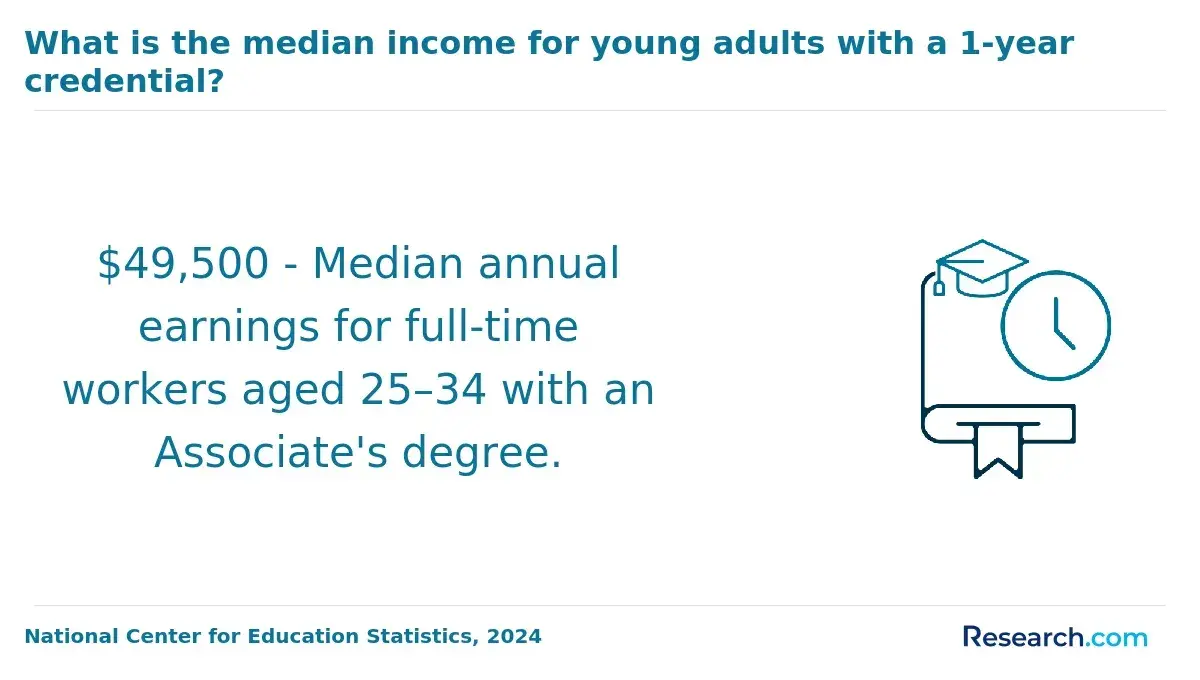
- Associate Degree in Web Design: Entry-level web designers with an associate degree typically start with salaries ranging from $42,000 to $55,000 per year. These roles usually involve fundamental tasks like website layout and content updates. While salary growth may be limited without further education, gaining experience or freelancing can increase earning potential over time.
- Bachelor's Degree in Web Design: Graduates holding a bachelor's degree generally earn higher starting salaries, averaging between $60,000 and $75,000 annually. Factors such as industry-tech, finance, or media-geographic location, especially in urban centers, and portfolio quality can strongly influence pay. Bachelor's degree holders often have an advantage in advancing to senior or specialized positions.
- Master's Degree in Web Design or Related Field: Although less common, obtaining a master's degree can open doors to advanced roles in UX/UI design, project management, or digital strategy with salaries typically starting above $85,000 and potentially exceeding $129,000 for senior roles. Leadership positions such as chief designer may offer compensation surpassing $141,000, driven by specialized expertise and managerial responsibilities.
When selecting a program, students should investigate options available through best accredited online universities to find quality education pathways that support their desired career and salary outcomes.
Is There High Demand for Web Design Degree Holders in the Job Market?
There is a sustained high demand for web design degree holders in the current U.S. job market, driven by multiple interconnected factors. Employment for web designers and digital designers is projected to grow by 7-8% from 2024 to 2034, significantly faster than the average for all occupations. This growth is supported by evolving workforce needs, including the rise of mobile-first development, e-commerce expansion, and a digital-first consumer base that compels businesses to maintain a strong online presence. Emerging technologies such as AI-powered design tools and innovative UX/UI practices are also reshaping the field, requiring degree holders to continuously update their skills. Employers today seek professionals proficient not only in core coding languages like HTML, CSS, and JavaScript but also in accessibility, search engine optimization (SEO), and cross-platform compatibility.
Regional differences influence demand and salary potential, with urban tech hubs and major metropolitan areas typically offering more opportunities and higher compensation. Lead UX designers and front-end developers with advanced qualifications or specialized skills may earn annual salaries exceeding $100,000, while entry-level positions or roles in smaller markets tend to offer lower starting pay yet remain attractive due to strong demand and clear career advancement pathways. For prospective students seeking affordable education options in this growing sector, exploring cheap online bachelors programs can be a cost-effective strategy to enter the workforce prepared. Overall, the outlook for web design degree holders is very positive, especially for those who stay current with industry trends and develop both creative and technical expertise.
What Factors Should You Consider When Picking a Type of Web Design Degree?
Choosing the right web design degree level is a critical decision that directly impacts how well your education aligns with both your career goals and personal circumstances. Selecting the appropriate degree influences your job prospects, earning potential, and the amount of time and resources you invest in your education. Here are key factors students should carefully evaluate before making a choice:
- Career Goals: The level of degree you pursue should match your intended career path. While many entry-level web design roles accept an associate's degree, more specialized or higher-paying positions often require a bachelor's or master's degree. Employers usually prefer bachelor's degree holders for digital designer roles, and advanced degrees can open doors to leadership or academic opportunities.
- Time Commitment: Associate degrees typically take about two years of full-time study, with bachelor's programs requiring around four years, and master's degrees adding another one to two years. Consider how soon you want to enter the workforce and balance your need for in-depth training with your timeline.
- Salary Potential: Generally, higher degrees correlate with increased earning potential. For instance, web designers holding a bachelor's or higher earned median annual wages around $80,730 in 2023, compared to lower earnings for those with only an associate's or certificate. Investing in advanced education can lead to better pay and career advancement over time.
- Program Focus: Web design degrees vary in emphasis; some bachelor's programs prioritize technical skills, while others highlight creative or user experience design. Ensure the curriculum aligns with your interests, whether that is coding, development, or visual design.
- Cost and Flexibility: Tuition and fees differ widely between degree levels and delivery methods, such as on-campus versus online learning. Think about your budget and whether you need part-time or remote options to fit work and family commitments.
What Web Design Graduates Say About Their Degree and Salary
- Jasmine: "Finishing my associate degree in web design gave me the perfect balance of hands-on skills and foundational knowledge to quickly enter the workforce. The program's strong focus on user experience design allowed me to build an impressive portfolio, which helped me secure a job with a top agency just months after graduation. Beyond technical skills, the smaller class sizes fostered a close-knit community where I developed lifelong friendships and learned the value of collaboration. I truly feel empowered to contribute creatively and effectively to any project I join."
- Ravi: "Reflecting on my bachelor's degree in web design, I'm grateful for how it broadened my professional horizons and deepened my understanding of both visual aesthetics and coding principles. The rigorous curriculum pushed me to refine my problem-solving abilities and adapt to emerging technologies, which has been invaluable in the ever-changing landscape of web design. Starting my career with this degree gave me a competitive edge in a crowded job market, allowing me to work at a nonprofit organization where I develop educational websites that make a real difference in underserved communities. The experience has been as rewarding emotionally as it has been professionally."
- Maria: "Completing my master's degree in web design was a transformative experience that prepared me for leadership roles in the tech industry. The program emphasized strategic thinking and advanced design methodologies, which have been crucial in managing complex projects and guiding diverse teams. One unique challenge was balancing graduate studies with my full-time job, but the flexibility and real-world assignments made it possible. Now, I'm able to mentor younger designers and advocate for inclusive design practices that enhance accessibility for all users. This degree truly accelerated my career advancement and personal growth."
Other Things You Should Know About Web Design Degree Programs & Salaries
In 2027, web design degrees range from associate to master's programs. An associate degree holder might earn around $40,000 annually, while a bachelor's degree graduate could earn $60,000. Those with a master's degree in web design potentially make $80,000 or more, varying by skills and experience.
Front-end web designers often focus on user interfaces and visual elements and typically earn slightly less than back-end designers who manage server-side development. Back-end roles require more programming skills, which can command higher salaries. However, full-stack designers who cover both areas often receive the highest salary ranges.
References
- Top Web Designing : Courses, Fees, Eligibility, Colleges, Jobs, And Salaries - Brainwonders https://www.brainwonders.in/blog/web-designing-course
- How Much Does a Web Design Course Cost and Is It Worth It - Blue Gift Digital Hub https://bluegiftdigital.com/how-much-does-a-web-design-course-cost/
- Should You Pursue an Online Web Design Degree? https://www.flux-academy.com/blog/should-you-pursue-an-online-web-design-degree
- Web Designer Salary in the United States: A Guide https://wowremoteteams.com/blog/web-designer-salary/
- Which course of study to become a webdesigner? - ECE https://www.ece.fr/en/faq-all-the-answers-to-your-questions/which-course-of-study-to-become-a-webdesigner/
- What Is the Average Web Designer's Salary? Deep Dive into the Data https://kinsta.com/blog/web-designer-salary/
- Things to Consider When Choosing a Web Designer https://thinktoshare.com/blogs/right-web-designer-choosing-guide
- Web Design, Certificate of Specialization https://catalog.cccd.edu/orange-coast/pathways/computers-computing/computer-information-systems/web-design-certificate-specialization/
- How Employers View Online Degrees and Distance Learning Programs https://londongatecollege.com/how-employers-view-online-degrees-and-distance-learning-programs/
- Is Web Design a Good Career? (2025 Guide) | BrainStation® https://brainstation.io/career-guides/is-web-designer-a-good-career


