
2027 Does a Criminology Degree Require Internships or Clinical Hours?

Co-Founder and Chief Data Scientist
Many students pursuing a criminology degree wonder if internships or clinical hours are mandatory for graduation. This uncertainty complicates planning, as practical experience impacts both academic schedules and future employment readiness. According to the Bureau of Labor Statistics, 15% of criminology-related jobs require hands-on field experience, influencing hiring decisions. Additionally, accredited programs increasingly emphasize experiential learning to boost graduate employability.
This article examines whether criminology degrees typically require internships or clinical hours, detailing how these components shape program structure and strengthen career prospects in the criminal justice field.
Key Things to Know About Criminology Degree Internships or Clinical Hours
- Many criminology degree programs require internships or clinical hours to provide direct experience with law enforcement, corrections, or social services, which are essential for professional licensure in some states.
- Online programs typically arrange internships locally, while campus-based students complete structured placements through university partnerships, balancing flexibility with supervised practical learning.
- Practical hour requirements impact students' time commitments significantly but enhance career readiness and improve job placement rates, with 65% of graduates securing employment within six months post-completion.
Does a Criminology Degree Require Internships or Clinical Hours?
A criminology degree does not universally require internships or clinical hours, as these requirements vary significantly by program and institution. Many programs include internships as either mandatory or optional components designed to enhance practical understanding and application of criminological theories. Clinical hours, although common in health-related fields, are less typical in criminology; however, hands-on fieldwork often fulfills a similar experiential learning role. These practical experiences are intended to bridge classroom knowledge with real-world environments such as law enforcement agencies or legal offices, supporting both academic development and professional preparedness.
Typically, criminology degree internship requirements arise during the latter stages of study, after foundational coursework is completed, providing students with valuable opportunities to build skills like communication, critical thinking, and ethical decision-making. Such experiences improve career readiness and increase employment prospects by fostering professional networks and practical insights. Prospective students should review how clinical hours in criminology programs or internships impact program length and scheduling, as partnerships with agencies may streamline placement logistics.
For students exploring related fields, programs such as bcba online programs also emphasize experiential learning as a critical component.
Are Internships Paid or Unpaid in Criminology Programs?
Internships in criminology programs vary widely, with opportunities that may be either paid or unpaid depending on the organization and location. This variation is important for students to consider when planning for program costs and career progression within the field.
Recent data shows that approximately 40% of criminology-related internships offer some form of financial compensation, reflecting a gradual increase as institutions recognize students' financial needs. Below are key factors affecting internship pay rates for criminology students:
- Payment structures vary: Many internships within law enforcement agencies, government departments, and nonprofit organizations tend to be unpaid, especially when they offer academic credit. Conversely, some private sector roles and larger agencies may provide stipends or hourly wages to their interns.
- Funding and internship nature: Whether an internship is paid often depends on the host organization's budget and the internship's level of involvement-whether it's observational or requires active casework participation.
- Value of unpaid internships: Even unpaid internships can provide career value by enabling students to gain hands-on experience, build professional networks, and meet graduation requirements. However, students should weigh the financial implications carefully.
- Program requirements and balance: The inclusion of internships or clinical hours can affect program time commitments and structure, so students should plan internships that align with both their educational goals and financial situation.
- Access to additional resources: For students interested in related educational opportunities, reviewing online business degree programs accredited can provide guidance on affordable options and funding strategies.

What Is the Difference Between Internships or Clinical Hours in Criminology Degree Levels?
Students planning their academic and career paths in criminology must recognize how internship requirements and clinical hours vary by degree level. These differences significantly affect program structure, time commitment, and readiness for specific professional roles. Below is an overview that highlights these distinctions to assist in making informed decisions.
Associate degree: Internships at this level are generally limited or optional, with a focus on introductory exposure to criminal justice settings. Students engage in basic observation, building foundational skills under close supervision while bridging classroom knowledge with real-world contexts.
Bachelor's degree: Internship requirements are more structured, usually ranging from several hundred to around 400 hours. Students gain hands-on experience in law enforcement or probation offices, performing basic tasks under general supervision while applying criminology concepts. This stage emphasizes workplace readiness and practical exposure to entry-level professional environments, often reflecting standard criminology degree internship requirements.
Master's degree: Clinical hours or internships demand greater duration and intensity, requiring students to manage more complex responsibilities such as data analysis and case management. Supervision is more detailed, promoting independent work and critical thinking skills. Those interested in advanced roles or further education can explore programs such as masters in psychology online to complement their criminology expertise.
Doctoral degree: Clinical hours become research-focused and highly specialized, often integrated with dissertation activities. Doctoral candidates design studies, conduct fieldwork, and may train future practitioners with minimal supervision, reflecting professional maturity and advanced skill development.
Understanding the balance of clinical hours vs internships in criminology programs helps clarify expectations and professional outcomes at each degree level.
Breakdown of All 2-Year Online Title IV Institutions

How Do Accelerated Criminology Programs Handle Internships or Clinical Hours?
Accelerated criminology programs condense coursework into 12 to 18 months, combining rigorous academic demands with necessary hands-on training. Internships or clinical hours are often embedded concurrently with classes, requiring students to efficiently manage a tight schedule. These programs partner with agencies like law enforcement and social services to offer flexible internship timings, including evenings and weekends. Given the program's pace, completing the required 100 to 300 internship hours before graduation is essential for meeting industry licensure or certification standards.
Balancing experiential learning with accelerated studies requires strong organization and motivation. Programs support students through dedicated internship coordinators and clear documentation procedures to track fieldwork. Over 60% of students in accelerated criminology tracks actively participate in internships, highlighting the importance of practical experience despite shortened timelines. This approach ensures graduates remain well-prepared for various roles such as criminal justice or policy analysis.
When speaking with a graduate from an accelerated criminology program, he reflected on the intense juggling act of coursework and field hours. "It felt like running two marathons at once," he said, emphasizing the need for daily planning and persistence. The flexibility offered by internship partners was crucial, but the pressure to meet deadlines felt relentless. He recalled how keeping a detailed journal of experiences helped him process and learn from the demanding placement schedule, making the challenge rewarding despite the strain.
Are Internship Requirements the Same for Online and On-Campus Criminology Degrees?
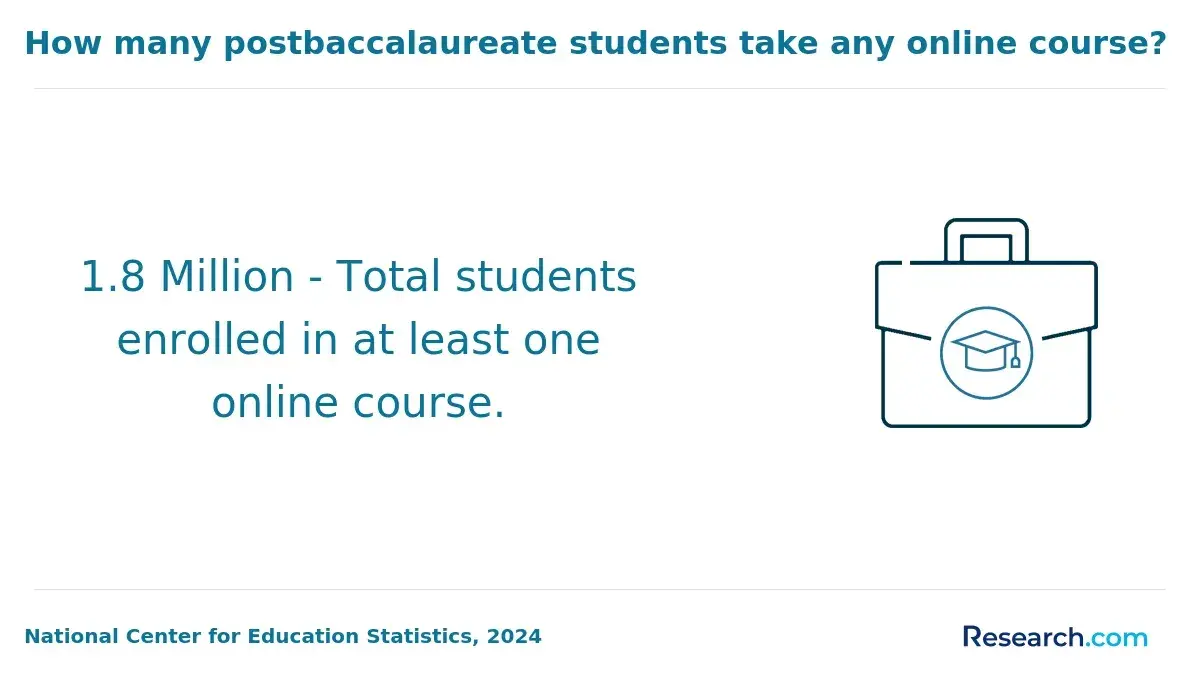
Internship and clinical hour requirements for criminology degrees are largely consistent across online and on-campus programs. Most programs require between 200 and 400 supervised hours to ensure students gain practical experience necessary for professional readiness. These requirements adhere to accredited standards and uphold similar learning outcomes and expectations regardless of delivery format. Notably, over 40% of U.S. college students now participate in some form of online education, reflecting growing acceptance of combining remote coursework with hands-on internships in local settings.
The main difference lies in how these internships are coordinated. Online students typically have more freedom to select placements that fit their personal schedules and locations, often arranging internships with nearby agencies that accommodate flexible hours. Meanwhile, on-campus participants usually engage in placements organized or overseen directly by their university, featuring structured supervision and in-person interaction. This approach provides a different dynamic but meets the same professional standards required for career preparation in criminology fields.
How Do Criminology Degree Specialization Choices Affect Internship Requirements?
Specialization choices in criminology degree programs play a crucial role in determining internship or clinical hour requirements. Different focuses prepare students for specific career paths, which leads to varied demands in the nature, environment, and intensity of practical experiences. For instance, forensic psychology students generally need clinical hours in mental health or rehabilitation settings that emphasize direct client engagement.
In contrast, those concentrating on policy or research may undertake internships with government agencies, prioritizing data analysis and policy work. Recent workforce trends show that about 65% of criminology students pursuing forensic or clinical specializations participate in internships lasting between 12 and 16 weeks, reflecting the sector's high expectation for extensive hands-on involvement with respect to criminology internship requirements by specialization.
The variance in internship settings and demands significantly impacts scheduling flexibility, workload, and career readiness for students. Programs with intense clinical placements often require more substantial weekly time commitments and adaptable schedules compared to office-based internships tied to policy or research tracks. These clinical internships tend to better equip students for direct service roles by developing interpersonal and practical skills, while policy-focused experiences may be shorter and more flexible, fostering analytical aptitude. Students should consider how criminology degree focus impacts internship length and workload to align their education with career goals and time availability.
Those interested in advanced interdisciplinary leadership development might also explore a phd organizational leadership as a complementary pathway.
Can Work Experience Replace Internship Requirements in a Criminology Degree?
Work experience can sometimes substitute for internship requirements in criminology degree programs, especially for working students balancing career and education. Acceptance of professional experience varies based on factors such as how closely the job relates to criminology, the duration and recentness of the work, and whether employers can provide verification. For instance, mid-career professionals in fields like forensic analysis or criminal justice management may have their experience recognized as equivalent to internships. However, many accredited programs still require internships to ensure students gain supervised, practical exposure beyond what prior work may offer.
Approval depends heavily on institutional policies and degree level, with some programs maintaining strict internship mandates. Factors influencing substitution include the relevance of job responsibilities to criminology skills, verification from employers, and program accreditation standards. Consequently, students should always check with academic advisors to understand their program's specific rules regarding credit for work experience. When I asked a graduate of a criminology degree about her thoughts on replacing internships with work experience, she reflected on the challenges she faced navigating this process. Though her professional background aligned well with program expectations, she described the detailed documentation required and the uncertainty before official approval. Ultimately, she appreciated that her experience counted, noting it gave her confidence that her real-world skills were valued alongside formal education.
How Long Do Internships or Clinical Rotations Last in a Criminology Degree?
The length of internships or clinical rotations in criminology programs plays a crucial role in preparing students for their careers, with most requiring between 100 to 300 hours of supervised experience. Nearly 70% of these programs now offer flexible timelines, enabling students to balance fieldwork with their academic responsibilities. Below are typical models for internship and clinical hour durations.
- Short-term internships: These usually last 6 to 8 weeks and concentrate on providing intensive, hands-on exposure in a condensed timeframe. They are ideal for students seeking to quickly gain practical skills without a long-term commitment.
- Semester-long placements: These typically span 12 to 15 weeks and offer a steady weekly schedule that allows students to integrate field experience consistently alongside coursework. This structure is common in programs aiming to balance theory and practice.
- Extended rotations: Spanning multiple semesters, these placements immerse students more deeply into specialized areas such as forensic psychology or correctional services. Longer durations often align with professional certification requirements and more rigorous accreditation standards.
The decision on internship length often depends on the criminology program's format, accreditation demands, and the student's desired career path. For instance, forensic-focused students may be required to complete lengthier clinical hours to meet licensing criteria, while those drawn to policy or research may have shorter, more analytical internships.
Does Completing Internships Improve Job Placement After a Criminology Degree?
Job placement outcomes are a primary concern for many prospective students pursuing a criminology degree internship job placement is a key factor influencing those outcomes. A 2022 survey by the National Association of Colleges and Employers found that students who complete internships are 15% more likely to receive job offers within six months of graduation compared to those without such experience. The impact of internships on criminology career success can be understood through several key aspects:
- Employer Preference: Employers tend to favor candidates with practical experience, as internships offer hands-on learning that supplements theoretical coursework, making applicants more competitive in the job market.
- Skill Development: Internships help build critical skills such as communication, critical thinking, and understanding of criminal justice procedures that are difficult to gain through academics alone, strengthening a graduate's qualifications.
- Professional Networking: Working closely with supervisors and colleagues enables interns to build valuable professional relationships. These connections often lead to referrals, recommendations, and even job offers.
- Job Conversion Rates: Many internships serve as pipelines to full-time employment. Graduates frequently secure permanent positions with organizations where they interned, increasing overall job placement success.
For students considering program length and structure, especially those interested in a faster path to employment, exploring 1 year graduate programs can offer intensive opportunities to complete required internships and enter the workforce sooner.
Do Employers Pay More for Criminology Graduates With Hands-On Experience?
Graduates with practical experience like internships or clinical hours often receive higher starting salaries because employers recognize the immediate value such experience brings to the workplace. A 2022 NACE survey found that candidates completing internships secured offers about 15% above those lacking this background. Several key reasons explain why hands-on learning can enhance pay.
- Employer valuation of experience: Practical skills gained through internships reduce training needs and enable quicker contributions, which employers reward with better salaries.
- Negotiation leverage: Demonstrated real-world competencies provide graduates with tangible proof of their readiness, strengthening their position during salary discussions.
- Industry standards and specialization: Certain fields within criminology, such as forensic analysis or victim advocacy, prioritize clinical hours or internships, resulting in higher pay; research-focused roles may emphasize academic achievements more, narrowing the pay gap.
- Program format impacts: Degree programs incorporating mandatory experiential components often yield graduates who move more seamlessly into well-compensated roles compared to those from self-guided learning paths.
What Graduates Say About Their Criminology Degree Internships or Clinical Hours
- Otis: "Completing my internship through the online criminology degree program was a game-changer. The cost was surprisingly reasonable compared to on-campus options, averaging around $3,000, which made it accessible without sacrificing quality. This hands-on experience directly opened doors in law enforcement for me, proving that online programs can provide real-world impact. "
- Russ: "The internship requirement in my criminology degree was a challenging yet rewarding part of my journey. While the cost was a bit higher than I initially expected, about $3,500, the practical skills I gained were invaluable. Reflecting back, this experience solidified my understanding of criminal justice and greatly boosted my confidence in pursuing a career as a forensic analyst. "
- Nolan: "As a professional already working in the field, I saw the criminology internship as an opportunity to enhance my expertise without incurring excessive expenses; the $2,800 fee was manageable within my budget. The program's structure allowed me to balance work while applying learned theories directly to my job, which elevated my career prospects remarkably. The investment in this online internship was well worth it."
Other Things You Should Know About Criminology Degrees
In 2027, criminology degree programs typically require internships to provide practical experience in law enforcement, legal settings, or social services. However, clinical hours, akin to those in psychology or medical fields, are not usually part of criminology curricula. Each institution may have different internship requirements, so it is essential to verify with specific programs.
Yes, background checks are frequently required, especially before internships or field placements. Because of the sensitive nature of working with law enforcement agencies or correctional facilities, schools and internship sites typically demand clear criminal records. This ensures the safety and integrity of the professional environment students will enter.
Some programs allow students to earn academic credit for volunteer work if it is relevant and supervised by qualified staff. However, this often depends on the school's policies and the nature of the volunteer experience. Students should consult their academic advisor to confirm whether their volunteer work can fulfill internship or clinical hour requirements.
References
- Internship Programme | UNICRI :: United Nations Interregional Crime and Justice Research Institute https://unicri.org/institute/join_us/jobs/internships
- Criminology and Forensic Science - VIZJA University in Warsaw https://vizja.pl/en/specjalizacja/kryminologia-i-kryminalistyka-studia-i-stopnia/
- How Long Does It Take https://www.stonehill.edu/programs/criminology-major/how-long-does-it-take/
- 5-Year Accelerated Program https://www.ccsu.edu/criminology/5-year-accelerated-program
- College of Social Sciences https://socialsciences.fresnostate.edu/criminology/faq/index.html
- What can I do with a criminology degree? https://targetjobs.co.uk/careers-advice/career-ideas/what-can-i-do-criminology-degree
- CJ Internship Frequently Asked Questions https://www.gvsu.edu/cj/cj-internship-frequently-asked-questions-267.htm
- Internship Program https://crimjust.rutgers.edu/academics/program-info/internships
- 15 Criminal Law Internships for Undergraduates https://www.lumiere-education.com/post/criminal-law-internships-for-undergraduates
- Criminology Internships | Fairleigh Dickinson University https://www.fdu.edu/academics/colleges-schools/becton/dosshcj/criminology/internships/


