
2027 Questions to Ask About Online Criminology Degree Programs Before You Enroll

Co-Founder and Chief Data Scientist
Choosing an online criminology degree program can be daunting amid varying costs, accreditation, and career support. Approximately 65% of students in bachelor's criminology programs seek flexible online options, yet many face uncertainty about program quality and job prospects upon graduation. Employment in criminal justice fields is projected to grow by 9% over the next decade, intensifying competition for qualified candidates.
This article explores essential questions to ask about online criminology degrees, focusing on factors such as licensure preparation, curriculum rigor, and financial investment, helping prospective students make well-informed decisions before enrolling.
Key Benefits of Enrolling in Online Criminology Degree Programs
- Online criminology programs offer flexibility, enabling students to access coursework anytime, making it easier to balance studies with personal and professional commitments.
- Tuition for online degrees is often lower, reducing overall education costs by eliminating commuting and housing expenses, making criminology more affordable.
- Students benefit from improved work-life balance, as online formats allow continuation of employment while gaining relevant skills, supporting career advancement without career interruption.
Is the Online Criminology Degree Program Accredited?
Accreditation is a vital consideration when evaluating online criminology degree programs because it impacts degree recognition, eligibility for licensure, and overall career prospects. Employers and criminal justice licensing boards often require degrees from accredited institutions to ensure educational quality and professional preparedness.
According to data from the U.S. Department of Education, students who attend accredited online programs have significantly higher rates of licensure exam passage and better employment outcomes than those from nonaccredited schools.
While there is no singular national accreditor exclusively for criminology, many accredited online criminology programs operate under regional agencies like the Higher Learning Commission (HLC) or the Middle States Commission on Higher Education (MSCHE).
Some criminal justice disciplines also benefit from programmatic accreditation by organizations such as the Academy of Criminal Justice Sciences (ACJS).
Prospective students considering accredited online criminology programs should verify accreditation status carefully before enrolling. This can be done by consulting the U.S. Department of Education's database, reviewing accrediting agency websites, or requesting official accreditation documentation from the school.
Prioritizing this due diligence helps ensure the degree earned is respected by employers and qualifies graduates for licensure and advanced education opportunities. For those also interested in accelerated pathways, exploring EdD programs may provide additional options to advance their education efficiently.
What Are the Admission Requirements for Online Criminology Programs?
Meeting admission requirements is crucial for prospective students to evaluate online criminology programs effectively and ensure they are well-prepared for academic challenges. These criteria serve as benchmarks to help institutions maintain consistent quality and identify applicants most likely to succeed.
The following outlines key requirements typically considered for enrolling in criminology programs online:
- Educational background: Applicants must typically have a high school diploma or equivalent for undergraduate programs, or a bachelor's degree for graduate studies. This requirement confirms the foundational knowledge needed to engage in more advanced criminology coursework.
- Transcripts: Official transcripts are required to verify previous academic performance and relevant coursework. Reviewing transcripts allows admissions to assess readiness and subject familiarity, which supports program rigor.
- Standardized test scores: While some programs request SAT, ACT, or GRE scores to evaluate critical thinking and general aptitude, many online criminology degree admission criteria waive this condition to broaden access.
- Personal statement or essay: This element gives applicants an opportunity to articulate their motivations, experiences, and career goals, providing admissions committees insight into commitment and suitability for the field.
- Letters of recommendation: Endorsements from educators or professionals offer validation of an applicant's skills, character, and potential to thrive in criminology studies.
- Technical requirements: Reliable internet access and compatible devices are essential since coursework and interactions occur online, ensuring students can engage fully with program resources.
For those considering pathways related to social services alongside criminology, exploring an accelerated social work degree online may also provide complementary career opportunities.
Understanding precise requirements for enrolling in criminology programs online helps candidates prepare applications that align with expectations and navigate admission processes smoothly.
What Classes Do You Take in an Online Criminology Program?
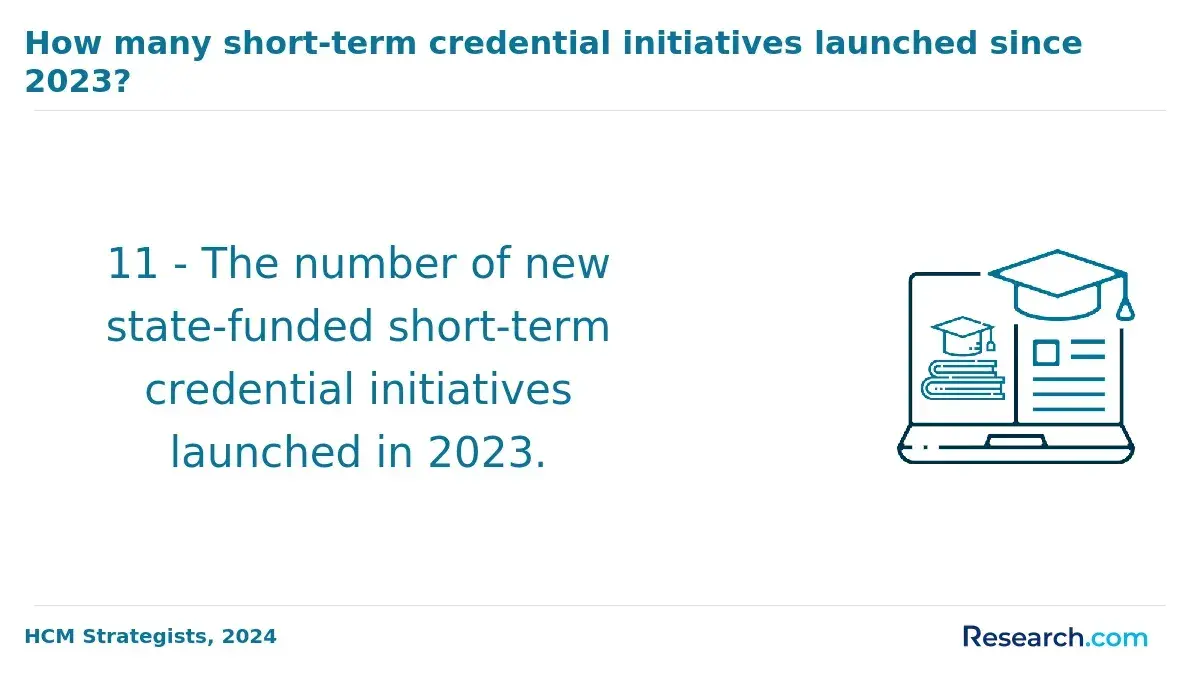
Knowing the curriculum in an online criminology program is essential for students comparing different options, as course content shapes essential skills and career preparation. Enrollment in these programs has increased by more than 20% over the last five years, reflecting a growing interest and the importance of choosing the right coursework.
Typical classes in an online criminology program generally fall into three categories:
- Core courses: These classes concentrate on criminal law, criminological theories, and research methodologies. They develop analytical thinking and a deep understanding of legal principles and crime causation, which are vital for careers in law enforcement and justice administration.
- Elective courses: Students can select electives like forensic psychology, cybercrime, or juvenile justice to customize their studies. This specialization helps target specific career paths by expanding expertise in particular areas within criminology.
- Research and theory: Classes in this category emphasize methods for investigating crime patterns and evaluating justice systems. They train students to critically assess data and contribute to policy development or academic inquiry.
When I spoke with a student enrolled in an online criminology degree program, he shared how the coursework challenged him in unexpected ways. "Initially, the volume of reading was overwhelming, especially the dense legal texts," he said, explaining how balancing work and study required a structured schedule.
He also noted that "applying theoretical concepts to current criminal cases helped me connect the dots between class discussions and real-world issues," which kept him engaged throughout the program.
How Long Does It Take to Complete an Online Criminology Degree?
Knowing the duration of an online criminology degree is crucial for students to effectively plan their academic journey and manage career timelines. This insight helps with financial decisions and setting realistic expectations for graduation.
The following outlines common timeframes for completing these programs, highlighting key variations:
- Full-time bachelor's programs: Usually take around four years, mirroring traditional on-campus schedules. This path suits students focused solely on their studies without major outside commitments.
- Part-time enrollment: Extends completion to about six years or more, allowing students to balance education with work, family, or other responsibilities. Flexibility in course load is a significant factor here.
- Accelerated options: Designed to shorten degree time to three years or less by offering year-round classes or condensed semesters. This approach demands a heavy workload but benefits those eager to enter the workforce sooner.
- Programs with practical components: Include internships or clinical hours that can lengthen the timeline depending on placement requirements and availability. These experiences are valuable for hands-on learning and improving employability.
Variables such as credit load, course scheduling, and individual pace all influence the overall timeframe. Students should verify internship obligations early to align their plans with professional goals and personal circumstances.
Does an Online Criminology Program Require Internships or Practicums?
Most online criminology programs include an internship or practicum requirement to provide students with practical experience alongside academic study. These placements are usually arranged locally, allowing students to work in nearby law enforcement agencies, legal offices, or community organizations, which helps them hone skills like ethical judgment and critical observation.
Such experiential learning is often necessary for licensure or certification and is a key factor in preparing students for professional careers. Since over 75% of accredited programs now incorporate hands-on components, understanding these expectations helps prospective students assess the time, travel, and financial commitments involved.
It also offers insight into how well the program supports real-world skill development and networking opportunities.
When asked about her experience, a graduate of an online criminology program shared that balancing coursework with securing a suitable internship locally was initially daunting. She pointed out how navigating communication with supervisors and adjusting theoretical knowledge to practical tasks required persistence and flexibility.
"It was challenging to coordinate everything from a distance, but my program provided guidance on placement options, and once I started, the hands-on experience truly brought the concepts to life," she explained. This phase helped her build professional confidence and connections that were invaluable for job hunting after graduation.
Can You Get Licensed with an Online Criminology Degree?
Graduates of online criminology degree programs can pursue professional licensure, though obtaining it depends largely on the specific career path and state licensing requirements. Licensure is typically necessary for roles such as private investigators, probation officers, or forensic specialists, while some positions like law enforcement officers may require additional academy training beyond the degree.
Licensing requirements generally include completing an accredited degree, acquiring supervised work experience, and passing state or national exams. Many online criminology programs designed with licensure in mind incorporate coursework aligned with these requirements, including criminal justice law, ethics, and investigative techniques.
They also may facilitate local internships or fieldwork placements to meet practical experience mandates, supporting students on how to obtain criminology licensure online.
Licensure is a crucial factor when evaluating online criminology programs because it directly impacts employment eligibility and career growth. Programs must be regionally accredited and recognized by professional licensing boards to ensure graduates meet licensing standards.
According to the Bureau of Labor Statistics, employment in criminal justice fields is projected to grow 9% to 2032, highlighting the importance of meeting licensing requirements for better job prospects. Prospective students should research licensing requirements for online criminology graduates early in the process, verifying the program's alignment with these criteria.
For related fields, such as counseling, you might also explore resources on online marriage and family therapy programs to understand comparable licensure models.
How Much Do Online Criminology Programs Cost?
Knowing the cost of online criminology programs is crucial for prospective students to make educated financial decisions and compare available options. Tuition and fees can vary significantly, which makes understanding these expenses necessary for accurate budgeting.
For example, tuition for criminology degrees has increased about 2% annually over the past decade, reflecting a steady rise in program costs.
Typical expenses associated with the average cost of online criminology degrees include the following:
- Tuition: This is the primary expense, usually charged per credit hour. Rates often range from $300 to $700 per credit, but programs with stronger reputations or better resources may ask for more. Tuition covers instruction and access to course content.
- Mandatory fees: Additional fees may apply for registration, technology, or library access. These vary by school and can add several hundred dollars to the total program cost, sometimes unexpectedly.
- Course materials: Textbooks, digital materials, and required software may add to your expenses. While some courses include these costs, many expect students to purchase materials separately.
- Technology requirements: You'll need a reliable computer and high-speed internet to complete online coursework effectively. Although not included in tuition, these are necessary out-of-pocket costs.
Students seeking affordable online criminology programs should weigh all these factors carefully before enrolling. Considering all costs beyond tuition helps provide a fuller picture of what to expect financially.
For those exploring cost-effective education opportunities, reviewing options like the cheapest online EdD programs can offer useful insights into managing education expenses.
What Financial Aid Is Available for Online Criminology Students?
Understanding financial aid options is essential for prospective students considering online criminology degree programs, as it can significantly lower the cost of higher education and reduce reliance on debt. Nationally, about 85% of undergraduate students receive some form of financial aid, reflecting the widespread availability of resources to support college affordability.
Key types of financial aid available to online criminology students include:
- Federal grants: Need-based awards such as the Pell Grant offer funding that does not require repayment. Eligibility is determined by financial need through the FAFSA application, making these grants an important option for many students.
- Scholarships: Scholarships are offered by private organizations, nonprofits, and sometimes by specific criminology programs. These often reward academic merit, leadership, or a demonstrated interest in criminal justice, providing vital support to reduce tuition costs.
- Federal student loans: These loans provide access to low-interest borrowing with flexible repayment options. While loans must be repaid after graduation, they can help bridge gaps in funding during the study period.
- Work-study programs: These allow students to work part-time in roles related to criminology, enabling them to earn money and gain practical experience at the same time.
- State aid: Various states offer grants or scholarships specifically for residents enrolled in online programs within their jurisdiction, further easing financial burden based on location.
Carefully exploring these financial aid options is crucial to reducing overall program expenses and avoiding excessive debt throughout one's criminology studies. Prospective students should also consider credentialing pathways, including online certifications that pay well after graduation, enhancing employability in a competitive job market.
Scholarships and grants for criminology degrees online remain vital components of a comprehensive funding strategy.
What Jobs Can You Get With an Online Criminology Degree?
Knowing the career possibilities available with an online criminology degree helps students match their educational goals to job market demands. Employment in criminology-related fields is projected to grow over the next decade, indicating steady opportunities.
The following roles are common for graduates of online criminology programs.
- Crime analyst: This role involves analyzing data and crime patterns to assist law enforcement in solving cases. Graduates use research and analytical skills gained through their degree to provide actionable insights, with advancement potential into supervisory positions.
- Probation officer: Probation officers monitor offenders, ensuring compliance with legal terms while supporting rehabilitation efforts. The degree's focus on criminal behavior and law prepares students for managing caseloads and working within the justice system.
- Forensic technician: Forensic technicians collect and analyze physical evidence for investigations. Practical knowledge from criminology studies aids in understanding scientific procedures, with career growth possible in specialized forensic fields.
- Corrections officer: Tasks include overseeing inmates and maintaining safety in correctional facilities. Theoretical and ethical training from the degree equips professionals to handle complex situations and pursue leadership roles within correctional institutions.
What Is the Average Salary for Online Criminology Graduates?
Evaluating salary expectations is essential for students considering online criminology programs, as it helps gauge the financial benefits relative to the investment in education. Recent data indicates that the field is expected to see growth over the next ten years, potentially increasing earning opportunities.
Below are key factors that impact the salaries of online criminology graduates.
- Level of education: Advanced degrees such as master's or doctoral qualifications typically lead to higher pay due to the greater expertise and skills acquired. Employers often prioritize candidates with more extensive academic backgrounds when offering competitive salaries.
- Specialization: Focusing on niche areas like forensic science, cybercrime investigation, or corrections management can enhance salary prospects. Demand for specialized knowledge tends to drive higher compensation in these fields.
- Experience: Graduates entering the workforce generally start with lower salaries, but income tends to rise significantly with several years of relevant experience. Demonstrated skills and a track record of success usually translate to better pay.
- Geographic location: Salary levels can vary widely depending on the region, with urban centers and states boasting larger criminal justice sectors offering increased wages. Cost of living and local demand for criminology professionals also play important roles.
- Work setting: Employment in federal agencies or corporate security often provides more lucrative pay compared to positions in state or community-based programs. The organizational level and resources available influence compensation packages.
What Graduates Say About Enrolling in an Online Criminology Degree
- Kerry: "Enrolling in an online criminology degree was a game-changer for me, especially considering the reasonable average cost of around $20,000 for the entire program. The flexibility to study on my own schedule made it manageable alongside my job, and the coursework was engaging and practically oriented. This degree has opened doors for me in law enforcement, allowing me to take on more specialized roles with confidence. "
- Russell: "The decision to pursue an online criminology degree wasn't easy at first due to the financial commitment, but knowing the program averaged about $20,000 helped me plan wisely. The program's structure allowed me to deeply understand criminal behavior theories while balancing family life. Reflecting on my career growth, this degree enhanced my analytical skills and credibility as a criminal justice professional. "
- Drew: "When I chose the online criminology degree, the cost was an important factor, and the program's affordability compared to traditional routes was reassuring. The academic rigor and interactive online environment challenged me to excel and develop critical research skills. Professionally, this degree advanced my career into policy consultancy and gave me a solid foundation to influence criminal justice reform effectively. "
Other Things You Should Know About Criminology Degrees
In 2027, students should ensure they have a reliable internet connection, a computer with updated software, and familiarization with platforms used by the program. Schools may require specific apps or tools for virtual classrooms. Always verify technical support availability to address any tech challenges during your studies.
Strong online criminology programs provide dedicated career services such as job placement assistance, resume workshops, and networking opportunities with criminal justice professionals. Some programs also offer virtual career fairs and alumni connections, which can be especially valuable for students seeking internships or employment in the field after graduation.
In 2027, online criminology programs offer diverse specialization options such as forensic psychology, cybercrime, and criminal justice administration. This variety allows students to tailor their education to specific career paths, enhancing both their expertise and job prospects in the criminology field.
References
- Criminology Degree Online https://www.snhu.edu/online-degrees/bachelors/bs-in-criminal-justice/criminology
- Online Criminology Degree https://stmary.edu/online-programs/criminology.html
- Earn An Online Criminal Justice Degree | OEDb.org https://www.oedb.org/rankings/online-criminal-justice-programs/
- Online Criminal Justice Degree | BS in Criminal Justice | King https://online.king.edu/online-degree-programs/bachelor-of-science-in-criminal-justice-and-criminology/
- Online Criminology Degree - B.A. in Criminology https://online.ben.edu/programs/undergraduate/criminology-bachelors/
- Online Bachelor's Degree in Criminal Justice | CSU Global | Accredited https://csuglobal.edu/academic-programs/undergraduate-degrees/bachelors-degree-criminal-justice
- Criminology https://online.essex.ac.uk/subjects/criminology/
- Get Your Criminology Degree Online and Start Down a Lucrative Career Path - Peterson's https://www.petersons.com/blog/get-your-criminology-degree-online-and-start-down-a-lucrative-career-path/
- Financial Aid | Online Master of Advanced Study in Criminology, Law and Society https://clsmas.soceco.uci.edu/pages/financial-aid
- Why earn a criminology master's degree online | University of Idaho https://www.uidaho.edu/newsroom/five-reasons-to-earn-your-criminology-masters-degree-online


