
2027 Online vs On-Campus Criminology Degree Programs: Pros & Cons

Co-Founder and Chief Data Scientist
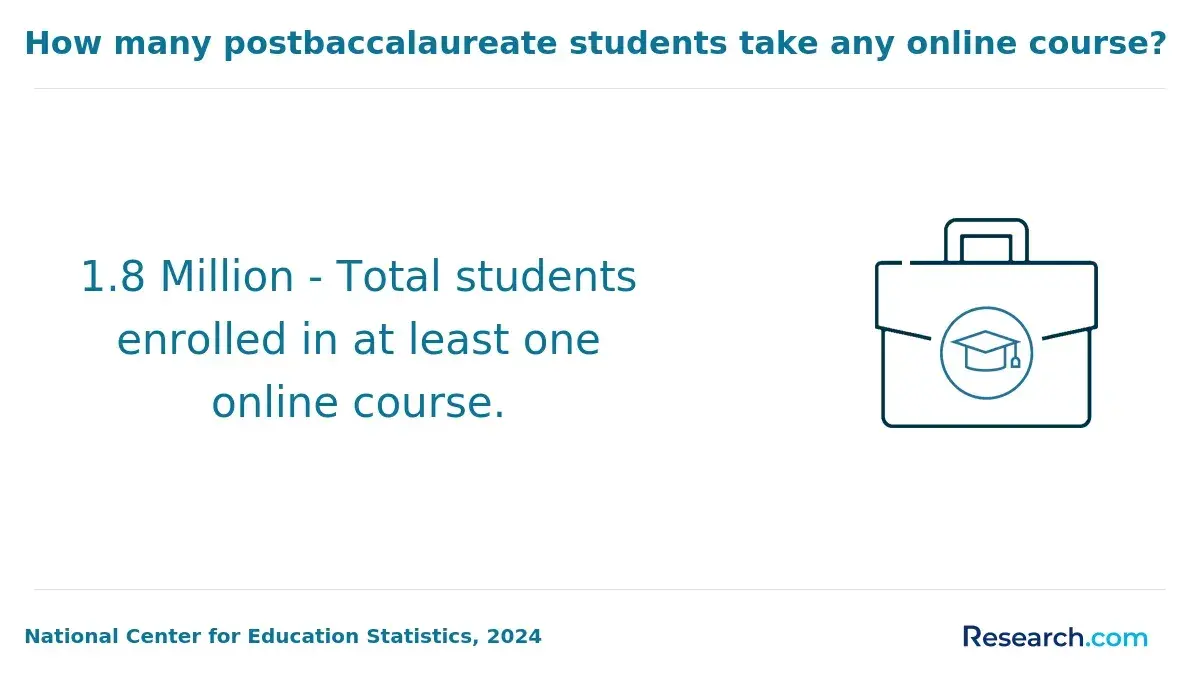
The popularity of online criminology degree programs continues to surge, with recent data showing that over 40% of US college students enrolled in at least one online course in 2023. This growth reflects a shift toward more accessible and flexible higher education options.
Comparing online and on-campus criminology degrees involves evaluating factors such as scheduling flexibility, tuition costs, quality of learning experiences, and potential career outcomes.
Understanding these pros and cons is crucial for prospective students aiming to make informed decisions that align with their personal and professional goals in the evolving field of criminal justice education.
Key Benefits of Online vs On-Campus Criminology Degrees
- Online criminology degree programs offer flexibility, allowing students to balance work and study, with over 70% of online learners reporting improved time management skills.
- Students enrolled in online programs save an average of 40% on commuting and housing costs compared to traditional on-campus attendance.
- On-campus criminology programs provide valuable face-to-face networking opportunities, with students benefiting from closer interactions with faculty and peers, which can enhance career prospects in law enforcement and related fields.
Are Online vs. On-Campus Criminology Programs Structured the Same Way?
Online and on-campus criminology degree programs differ primarily in their delivery formats, shaping how students experience their studies and engage with the material. These distinct structures influence flexibility, interaction, and access to practical learning opportunities.
To better understand these differences, here is a comparison of the key structural elements in online and on-campus criminology programs.
- Course Delivery: Online programs combine asynchronous elements like pre-recorded lectures and independent assignments with occasional live sessions, allowing students to learn at their own pace or participate in real-time virtual classes. On-campus programs focus on face-to-face instruction within traditional classrooms, fostering immediate interaction with faculty and peers.
- Class Schedules: Online degrees offer significant flexibility, enabling students-especially working adults or those with family commitments-to complete coursework anytime. In contrast, on-campus programs have fixed schedules with mandatory attendance, requiring students to be present at set times and locations.
- Interaction and Collaboration: Online formats encourage engagement via discussion boards, virtual group projects, and interactive tools such as simulations, though they may lack spontaneous social interactions. On-campus programs emphasize real-time engagement, group work, and informal networking, which can enhance professional connections.
- Experiential Learning: Both modes include practical experiences like crime scene simulations and mock trials; however, online students typically access virtual simulations and remote case studies. On-campus learners benefit from hands-on opportunities in physical labs, community internships, and fieldwork.
Are Admission Requirements the Same for Online vs On-Campus Criminology Degree Programs?
Colleges and universities strive to uphold consistent academic standards for both online and on-campus criminology degree programs, ensuring that the credential earned holds equal value regardless of format.
However, while core requirements remain similar, institutions often differ in how they assess applicants' readiness for the unique demands of online learning.
Below is a comparison highlighting key similarities and differences in admission requirements for online vs on-campus criminology programs, illustrating how each format addresses applicant preparedness and eligibility.
- Academic Qualifications: Most criminology programs require a high school diploma or GED and a minimum GPA, usually around 2.0 on a 4.0 scale. Online programs may have additional prerequisites like completed lower-division coursework, especially in degree-completion tracks, whereas on-campus programs focus primarily on standard secondary education credentials.
- Standardized Test Scores: On-campus programs often request SAT or ACT scores, though this is gradually decreasing. In contrast, online criminology programs are increasingly waiving standardized test requirements, instead prioritizing prior academic achievement and readiness for self-directed learning.
- Work Experience: While entry-level programs rarely require work experience, some online programs designed for working professionals may emphasize or require relevant work history for degree-completion. On-campus programs typically do not consider work experience unless applicants apply at the graduate level.
- Application Materials: Both formats expect transcripts, personal statements, and sometimes letters of recommendation. Online programs might additionally seek resumes or other evidence of independent learning skills to evaluate an applicant's capability to handle self-paced coursework.
- Cost and Fees: Online criminology programs frequently use a per-credit fee model and may not charge out-of-state tuition or campus fees, often resulting in lower overall costs. On-campus students generally pay traditional tuition plus extra mandatory fees, making on-campus study potentially more expensive.
- Support Services: Academic support is available to all students, but on-campus programs typically offer wider access to in-person resources and extracurricular activities. Online students benefit from increased flexibility suited for balancing work or family, though they might encounter fewer physical campus-based services.
For those exploring the quickest online bachelor degree programs for working adults, options are designed to cater to busy schedules, reinforcing the importance of understanding differences in on-campus vs online criminology program admissions to make an informed choice.
Do Online Criminology Students Receive the Same Academic Support as On-Campus Students?
Universities have significantly expanded their academic support systems to ensure that online criminology students receive resources and assistance comparable to those available to on-campus students. These enhancements aim to provide equitable opportunities for academic success regardless of learning format.
The main academic support services typically offered to both online and on-campus criminology students include the following:
- Tutoring Services: Online students can access 24/7 tutoring through platforms like Brainfuse or peer-to-peer programs, while on-campus students often attend in-person tutoring centers. Both approaches offer personalized help critical for mastering difficult criminology topics and improving academic performance.
- Career Counseling: Online learners receive individualized career advice via video calls or phone, whereas on-campus students meet counselors face-to-face. These services help all students explore career paths, prepare for job interviews, and establish connections with employers.
- Library Access: Online students use comprehensive digital libraries offering academic journals, databases, and e-books, while on-campus students have access to physical libraries. Both formats ensure the availability of essential research materials needed for coursework and projects.
- Faculty Interaction: Interaction online happens through email, discussion boards, and virtual office hours, while on-campus students benefit from direct in-person meetings. Regular communication with instructors enables students to clarify concepts, receive feedback, and build valuable professional relationships.
- Academic Advising: Both online and on-campus students receive tailored academic advising to select courses, stay on track for graduation, and plan their academic paths. This support plays a key role in timely degree completion and career readiness.
How Long Does It Take to Complete an Online vs an On-Campus Criminology Degree?
The time required to complete a criminology degree varies widely depending on the type of program format, whether students study full-time or part-time, and the scheduling flexibility offered. These factors all play a significant role in shaping how quickly a student can finish their degree.
To better understand these differences, here is a comparison of the average completion times for online and on-campus criminology programs.
- Online criminology degree: Online programs often prioritize flexibility and accelerated pacing, allowing students to finish faster than traditional formats. For example, some programs can be completed in as little as 15 to 18 months for students who maintain a full course load or have already completed general education requirements. This speed is enabled by shorter, intensive course blocks and asynchronous schedules, which help students balance work or personal commitments while progressing at their own pace.
- On-campus criminology degree: Traditional on-campus programs typically require approximately four years of full-time study to complete the required 120 credits. These programs follow structured semester or quarter calendars that offer less flexibility to accelerate coursework, making them less adaptable to students juggling jobs or other responsibilities. Part-time attendance or transfer students may extend their overall time to graduation.
- Hybrid and degree-completion options: Hybrid programs combine online learning with occasional in-person classes, usually designed for working professionals or those with prior credits. These program formats often allow degree completion in about two years when taking accelerated back-to-back courses, maintaining a similar pace to fully online options but including some on-site academic support.
Reflecting on this, a professional who completed an online criminology degree shared how the timeline shaped his experience. He found the program's flexibility invaluable, especially while balancing a full-time job and family responsibilities.
"I was initially worried about the intense pace-finishing in just over a year felt daunting," he recalled, "but the ability to study evenings and weekends, plus the shorter course sessions, made it manageable."
He mentioned occasional challenges with staying motivated during accelerated terms but said the asynchronous format allowed him to "catch up and push ahead" when life got busy.
Ultimately, completing the degree in roughly 18 months gave him a sense of accomplishment and demonstrated that with dedication and flexible scheduling, earning a criminology degree online can be both efficient and rewarding.
Are Online Criminology Programs Cheaper Than On-Campus Ones?
Tuition, fees, and other expenses for criminology programs show notable differences between online and on-campus formats, often making online options more affordable.
However, the overall cost comparison online vs on-campus criminology degrees depends on several factors beyond tuition, including living and technology costs.
Below is a breakdown of the main cost factors that influence the total price of each learning format.
- Tuition and Fees: Online criminology degree programs typically have lower tuition rates, especially at public institutions where online credit hours average around $316 compared to higher on-campus rates. Private colleges often charge over $1,200 per credit on campus, while many offer significantly reduced online tuition.
- Living Expenses: Online students often save thousands annually by avoiding on-campus housing, meal plans, and commuting costs. This flexibility greatly reduces indirect expenses and contributes to making an affordable online criminology degree programs attractive for budget-conscious learners.
- Technology Costs: While technology fees and equipment upgrades may apply for online learners, these expenses are generally lower than the costs of campus facilities, parking, and other on-site services. Some schools charge additional fees for virtual platforms, but these are typically offset by overall savings.
- Textbooks and Supplies: Digital textbooks are common in online programs, usually costing less than printed versions. Additional savings come from renting or purchasing used materials and avoiding specialized campus supply costs.
- Financial Aid Availability: Both online and on-campus students have access to federal aid, scholarships, and employer tuition remission, with high participation rates reported online. This access makes financing either format possible, though prospective students should carefully review aid options for each school.
- Schedule Flexibility and Employment: Online programs offer greater scheduling flexibility, enabling many students to work while studying, which can reduce overall debt. This aspect is especially valuable for professionals seeking to balance education and income.
- Employer Perceptions and Career Outcomes: Accredited online degrees hold similar value to traditional ones in the job market, with median criminal justice salaries comparable across delivery formats, supporting the financial rationale behind choosing online options.
For prospective students wondering what is the easiest master degree to get that also balances cost and flexibility, online criminology programs often represent a compelling choice, combining affordability and career prospects effectively.
What Are the Financial Aid Options for Online vs On-Campus Criminology Programs?
Both online and on-campus criminology students in the U.S. may qualify for a variety of financial aid options, but eligibility and accessibility often differ based on the program format and the type of institution. Understanding these differences is essential for students seeking the most suitable funding for their education.
To help clarify, here are the main financial aid options for those pursuing an online criminology degree compared to on-campus programs:
- Federal Student Aid: Most accredited criminology programs, whether online or on-campus, allow students to apply for federal financial aid such as Pell Grants and federal student loans through the FAFSA. However, online-only or for-profit institutions may offer fewer institutional grants, and online students might have limited access to campus-based work-study jobs or a reduced GI Bill housing allowance.
- State Grants and Aid: State-based financial aid usually supports students enrolled at public institutions within their state, including both online and on-campus learners. Yet some states restrict aid eligibility to residents attending campus-based programs, so online students studying out of state should verify availability with their institution's financial aid office.
- Scholarships and Grants: Many criminology students can apply for merit-based or need-based scholarships and grants from schools, associations, or private organizations. While most scholarships are open to all students, some may specifically require on-campus participation; therefore, online students should carefully research award requirements to maximize their opportunities related to scholarships and grants for criminology students.
- Employer Tuition Reimbursement: Employers often support employees pursuing criminology degrees through tuition reimbursement programs, which generally apply equally to both online and on-campus students. Online programs, in particular, attract working professionals seeking to balance education and employment without sacrificing career progression.
- Private Student Loans: These loans are available to both online and on-campus students but typically come with higher interest rates and stricter repayment conditions than federal loans. Terms may vary depending on the accreditation and enrollment status of the program. For students interested in accelerated options, accelerated master's programs online can sometimes reduce overall cost and time investment.
Are Online Criminology Programs as Credible as On-Campus Ones?
Both online and on-campus criminology programs gain credibility through strict accreditation standards, qualified faculty, and consistent curriculum requirements. Regional accreditation, recognized by key bodies such as the Department of Education and the Council for Higher Education Accreditation, applies equally to both formats, ensuring adherence to high academic standards and eligibility for federal financial aid.
Additionally, many online programs are taught by the same faculty members as on-campus courses and undergo similar external reviews, like those from the Academy of Criminal Justice Sciences, which now includes online course delivery in its standards.
The curriculum content and rigor remain largely identical across delivery methods, as seen in programs like Arizona State University's Bachelor of Science in criminology and criminal justice.
Perceptions of online versus traditional criminology degrees among employers and institutions have evolved positively, especially with increasing acceptance of remote work environments.
Institutions such as Arizona State University do not differentiate between online and in-person degrees on diplomas or transcripts, reflecting a broader acceptance of online learning quality.
Most employers emphasize regional accreditation over the mode of delivery when evaluating candidates' educational backgrounds. Furthermore, salary and career outcomes for graduates from reputable online programs closely mirror those of on-campus graduates.
Advances in virtual learning technologies and strong collaborations with industry partners enhance the online experience, offering interactive platforms, internships, and networking opportunities that were once exclusive to campus-based education, thereby strengthening the credibility and value of online criminology degrees.
Do Employers Prefer Online vs On-Campus Criminology Degrees?
Current employer attitudes reveal that online and on-campus criminology degrees are generally regarded with equal credibility, provided the programs are properly accredited and the universities maintain strong reputations.
According to data from the National Association of Colleges and Employers (NACE) Job Outlook 2024 survey, an impressive 87.4% of employers have hired graduates with online degrees and reported no salary discrepancies between online and in-person graduates.
Human resources research supports this trend, with 61% of HR leaders affirming that online learning matches or exceeds the quality of traditional education, while over 70% of organizations have hired applicants with online credentials within the past year.
Employers place primary importance on program accreditation, university standing, and demonstrated skills during recruitment, rather than the format in which the degree was earned. Particularly in criminal justice and law enforcement, recruiters emphasize a candidate's competencies over the modality of their education.
Evolving workplace norms, including the increased acceptance of remote and hybrid work models, have substantially softened previous employer skepticism toward online education.
Flexible online criminology programs are now more appealing to working professionals balancing career and study, offering lower costs and the opportunity to apply practical field experience in real time. Conversely, traditional on-campus programs often provide specialized, hands-on training in areas like forensics, which require in-person instruction.
Notably, recent surveys of online program alumni show that 96% report a positive return on investment with respect to employment outcomes, underscoring growing employer recognition of the adaptability and real-world skills gained through online study.
As attitudes continue to shift, prospective students should weigh program quality, learning preferences, and career objectives when choosing their educational path.
In a conversation with a professional who pursued an online criminology degree, she reflected on her career journey with strong positivity. She shared that her program's flexible schedule allowed her to gain valuable field experience while working part-time, which proved crucial in interviews.
Employers, she noted, were primarily interested in her practical knowledge and problem-solving skills rather than the online nature of her degree. Having been upfront about her education format, she found that confidence and the ability to demonstrate relevant expertise made the difference.
Her experience highlights how candidates can successfully navigate hiring processes by focusing on skills and credentials over delivery method.
Do Online vs On-Campus Criminology Program Graduates Earn the Same Salaries?
Salary comparisons between online and on-campus criminology graduates are increasingly shaped by factors beyond the learning format itself, such as location, employer preferences, and individual skill sets.
As online education becomes more mainstream, employer attitudes and career advancement opportunities continue to evolve, making the salary gap between online and on-campus graduates less pronounced than in previous years.
The following are the main factors currently influencing salary outcomes for criminology graduates, regardless of whether their degrees were earned online or on campus:
- Employer Perception and Accreditation: Employers prioritize accreditation and the reputation of the institution over the learning format. Evidence shows that many employers accept online degrees, especially if the program is accredited and the applicant demonstrates strong professional skills, leading to minimal salary differences based purely on degree format.
- Geographic Location: Location strongly impacts the average salary for online criminology degree graduates. For example, wages for detectives differ greatly between states, making regional demand and cost of living more relevant than whether a degree was completed online or on campus.
- Career Path Selection: The chosen career within criminology affects salary more than the delivery method of the degree. Roles such as police officers, forensic science technicians, and correctional officers show varied median salaries, and both online and on-campus graduates are equally represented across these roles.
- Cost and Financial Flexibility: Online programs generally cost less, often saving students substantial tuition and related expenses. Although this does not immediately affect salary, lower student debt improves long-term financial wellbeing for online graduates.
- Networking and Academic Support: On-campus students may gain an edge through face-to-face networking and academic support, though many online programs now offer comparable virtual networking and career resources to bridge this gap.
- Experience and Skills: Practical experience, internships, and certifications carry significant weight with employers. Graduates from both formats who enhance their education with relevant fieldwork tend to achieve higher salaries over time.
Prospective students interested in the criminology degree salary comparison online vs on-campus should also consider attending top non profit accredited universities to maximize both educational quality and future earnings potential.
How Do You Decide Whether an Online vs On-Campus Criminology Program Is Right for You?
Choosing between online and on-campus criminology programs depends largely on your personal learning preferences, lifestyle, and professional goals. Selecting the right format will impact your daily routine, study habits, and the resources you can access.
To help guide your decision, consider the following key factors that influence which option aligns best with your needs:
- Learning style: If you excel in interactive settings with face-to-face discussions and live lectures, on-campus criminology degree benefits for career advancement might be more pronounced for you. Alternatively, online programs often mix asynchronous and synchronous formats, ideal for self-disciplined learners who prefer managing their own schedules.
- Flexibility needs: Online criminology programs offer significant flexibility, making it easier to juggle coursework with work or family commitments. This is especially helpful for working professionals or those with unpredictable schedules since online courses can often be accessed anytime and anywhere.
- Budget considerations: Pursuing a criminology degree online often reduces costs associated with commuting, housing, and campus fees. Many online programs also offer competitive tuition rates and financial aid, providing savings in both time and money. For insight into cost-effective options, you might explore what certificate can i get that pays well as a potential supplementary credential.
- Networking opportunities: On-campus programs enable direct interaction with professors and peers, which can strengthen local professional connections and internship opportunities. However, many of the best online criminology programs in the US facilitate virtual networking that spans diverse geographic areas and industries, sometimes allowing engagement with local internships as well.
- Access to campus resources: Traditional programs provide hands-on access to campus libraries, research centers, and extracurricular activities. While online students rely more on digital resources and virtual support services, those valuing physical presence at academic events or facilities may prefer an on-campus setting.
Here's What Graduates of Online vs On-Campus Criminology Programs Have to Say About Their Degree
- Jasmine: "Completing my criminology degree fully online was an incredible experience that allowed me to balance family life and work while gaining in-depth knowledge of the justice system. The flexibility of the program meant I could study at my own pace and apply what I learned directly in my current law enforcement role. This format also introduced me to a diverse, nationwide community of peers and professors, which broadened my understanding of different perspectives in criminal justice. I feel prepared and confident as I advance my career, knowing I earned a respected degree without sacrificing my other responsibilities."
- Marcus: "Attending the criminology program on-campus was truly transformative, both intellectually and personally. Being able to engage face-to-face with professors and classmates created a vibrant learning environment that fueled my passion for social justice. I participated in hands-on opportunities like internships and community outreach, which helped me develop practical skills and build a professional network. Graduating in person gave me a strong foundation and confidence to step into leadership roles within the criminal justice field. The supportive campus community made all the difference in shaping my career path."
- Layla: "The hybrid criminology degree struck the perfect balance for me by combining the convenience of online classes with essential in-person experiences. This format was ideal because I could stay employed while gaining direct access to labs, workshops, and face-to-face discussions that reinforced my learning. It really enhanced my professional growth, especially in understanding the complexities of crime prevention through both theoretical and practical lenses. Having a hybrid degree opened doors to diverse job opportunities in criminal justice agencies that value adaptable and well-rounded candidates. I truly appreciated how this approach prepared me for real-world challenges."
Other Things You Should Know About Online & On-Campus Criminology Degree Programs
In 2027, on-campus criminology programs offer crucial advantages like direct access to faculty, networking opportunities, and hands-on training in campus facilities. These experiences can enrich student learning and prepare graduates for practical challenges in the criminology field.
In 2027, many online criminology programs incorporate virtual simulations, case studies, and partnerships with local agencies to offer hands-on experiences. Students can also participate in internships and fieldwork opportunities arranged locally, ensuring they receive comparable practical exposure to their on-campus peers.
In 2027, the respect for online criminology degrees is growing due to advancements in remote learning technology and accreditation standards. However, perceptions can still vary by employer and industry, with traditional on-campus programs often perceived as offering more networking opportunities and hands-on experiences.
References
- 2025 Most Affordable Online Degrees in Criminology https://www.onlineu.com/most-affordable-colleges/criminology-degrees
- Online Vs On-Campus Learning: Which Mode Of Study Suits You Better? https://www.unicaf.org/online-university-vs-on-campus/
- What Employers Think of Online Criminal Justice Degrees https://www.yahoo.com/news/employers-think-online-criminal-justice-degrees-123000223.html
- How Do Employers View an Online Criminal Justice Degree? - Top Criminal Justice Schools https://www.top-criminal-justice-schools.net/faq/how-do-employers-view-an-online-criminal-justice-degree/
- Online Criminal Justice Degree & Career Information https://www.criminaljustice.com/online-degrees/
- On-Campus and Online Criminal Justice Degree Programs https://www.coloradotech.edu/degrees/studies/security-studies
- Online Education vs. On-Campus Tuition: How ACE Online Degree Programs Help Keep Your Costs Down | ACE Blog https://ace.edu/blog/online-education-vs-on-campus-tuition-how-ace-online-degree-programs-help-keep-your-costs-down/
- Online Criminology Degree | B.A. In Criminology | UF Online https://ufonline.ufl.edu/degrees/undergraduate/criminology/
- College’s Online and Campus Master’s Programs Ranked No. 1 and No. 2, Respectively https://criminology.fsu.edu/news/colleges-online-and-campus-masters-programs-ranked-no-1-and-no-2-respectively
- Online Degree vs On-Campus Degrees https://www.online.drexel.edu/news/online-degree-vs-traditional-degree.aspx


