2027 Criminology Degree Coursework Explained: What Classes Can You Expect to Take?

Co-Founder and Chief Data Scientist
Many students struggle to understand what classes a criminology degree entails and how these courses translate to workforce skills. According to the Bureau of Labor Statistics, employment in criminal justice occupations is projected to grow 8% from 2022 to 2032, highlighting the increasing demand for qualified graduates. This growth emphasizes the need to grasp the core curriculum and its practical applications.
This article, prepared by career planning experts, explains the typical coursework in criminology degree programs and examines how these classes equip students for academic success and future career paths in law enforcement, research, and related fields.
Key Benefits of Criminology Degree Coursework
- Criminology coursework sharpens analytical skills through studying crime patterns and justice systems, essential for careers in law enforcement and research.
- Students develop strong communication abilities by writing reports and presenting case studies, enhancing employability across public and private sectors.
- Knowledge gained increases salary potential, with the U.S. Bureau of Labor Statistics reporting median wages for criminologists at over $86,000 annually.
What Types of Class Do You Take in a Criminology Degree?
Criminology degree programs are designed with a structured curriculum that blends theoretical knowledge, practical skills, and research techniques. Studies show that nearly 70% of students complete coursework balancing these elements, which are critical for developing the analytical abilities needed to work in justice-related fields.
Understanding criminology degree core classes helps prospective students anticipate the range of knowledge and skills they will build throughout their studies.
- Core Foundational Classes: These provide essential context by covering major concepts such as crime theories, the legal system, and social justice frameworks. This foundation ensures students grasp the complexities behind criminal behavior and societal responses.
- Specialization or Elective Courses: To align with specific career goals, students select from various topics like forensic science or juvenile justice, allowing them to deepen expertise in areas of personal or professional interest.
- Research and Methods Coursework: Focusing on both qualitative and quantitative approaches, these classes develop skills in data analysis and statistics, equipping students to critically evaluate crime data and support evidence-based practices.
- Practicum, Internship, or Capstone Experiences: Hands-on experiences in real-world settings provide an opportunity to apply classroom learning, enhance professional development, and build valuable networks.
Students considering related fields may also explore options such as BCBA masters programs online.
What Are the Core Courses in a Criminology Degree Program?
Core classes in criminology degree programs build foundational knowledge and key skills essential for analyzing crime, its causes, and societal responses. These essential classes in a criminology degree emphasize theoretical understanding alongside practical techniques to assess crime data and inform policy decisions.
Students develop competencies in research design, ethical conduct, and communication needed for criminal justice careers. This curriculum supports both academic growth and readiness for professional roles, making it vital for those pursuing careers in law enforcement, policy analysis, or rehabilitation services. Many students seeking flexible study options also explore an accredited online business degree to complement their criminology knowledge with administrative and organizational skills.
A typical core criminology courses in degree programs focus on the following areas:
- Introduction to Criminological Theory and Criminal Justice Systems: Covers major theories explaining criminal behavior and provides an overview of how justice institutions operate, helping students build a solid conceptual framework.
- Research Methods and Statistics in Criminology: Develops skills in designing studies, collecting data, and analyzing crime trends, enabling students to critically evaluate empirical evidence.
- Criminal Law and Procedure: Focuses on the legal foundations of the justice system, including rights, case law, and courtroom processes that govern criminal cases.
- Ethics and Professionalism in Criminal Justice: Explores ethical issues and communication strategies essential for responsible decision-making and public service roles.
- Applied Crime Prevention and Intervention Strategies: Teaches practical approaches to reducing crime through community programs, rehabilitation, and policy implementation.

What Elective Classes Can You Take in a Criminology Degree?
Elective courses in a criminology degree enable students to shape their studies based on individual interests and career aspirations. Recent data shows that around 65% of students opt for electives linked to forensic science, justice reform, or victim support, reflecting heightened attention in these specialties.
Below are some popular electives that students frequently choose to deepen their expertise.
- Forensic Psychology: Explores the relationship between psychological principles and the criminal justice system, focusing on criminal behavior evaluation and mental health assessments used in legal contexts.
- Cybercrime and Digital Forensics: Concentrates on investigating technology-related offenses, enhancing skills in data recovery, cybersecurity measures, and the legal handling of electronic evidence.
- Juvenile Delinquency: Addresses the root causes and prevention of youth offending, preparing students for roles in rehabilitation, social services, or juvenile justice systems.
- Criminal Justice Policy: Analyzes laws, reforms, and societal policies influencing the justice system, equipping students for advocacy or governmental positions.
- Victimology: Studies the experiences of crime victims, emphasizing support systems and restorative justice strategies critical for counseling or victim advocacy careers.
Are Internships or Practicums Required in Criminology Programs?
Hands-on experiences in criminology programs provide students with practical exposure that complements classroom learning. These opportunities enable direct engagement with professional environments in the criminal justice field. Approximately 60% of undergraduates participate in internships or practicums, reflecting their importance in many curricula.
Key features of internships and practicums include:
- Program Requirements: Many criminology degrees mandate completing an internship or practicum as part of the curriculum, integrating experiential learning into academic study.
- Duration and Hours: These placements typically involve 100 to 200 hours of supervised work, often completed within a semester or over the summer, providing substantial field exposure.
- Types of Experiences: Students engage in diverse activities such as observing court proceedings, assisting with case research, interviewing victims, and supporting crime prevention initiatives.
- Skills Developed: Through these roles, students enhance critical abilities like communication, ethical judgment, analytical thinking, and understanding organizational dynamics within justice settings.
Is a Capstone or Thesis Required in a Criminology Degree?
Capstone projects and theses act as essential final demonstrations of students' mastery in criminology degree programs, blending academic knowledge with practical skills. Recent data shows that around 65% of criminology programs provide students the option to choose between these two culminating projects, reflecting diverse educational approaches.
Here's a concise comparison to help clarify their differences and benefits.
- Project Type: A capstone is a practical task often involving real-world problems like case studies or policy evaluation, emphasizing applied learning. Conversely, a thesis is a research-intensive project centered on original investigation and academic inquiry.
- Time Commitment: Capstones generally require less time, typically completed within a single semester, while theses demand a longer engagement, sometimes spanning several academic terms.
- Teamwork vs. Individual Work: Capstones often promote collaboration with peers, sharpening teamwork and communication skills. Theses are usually independent efforts, focusing on individual research aptitude and scholarly writing.
- Skills Developed: Capstones enhance problem-solving, project management, and practical application abilities useful in professional settings. Theses build expertise in research design, data analysis, and critical academic writing, preparing students for graduate studies or research careers.
- Career or Academic Goals: The capstone suits students targeting immediate employment in areas like law enforcement or social services. The thesis is ideal for those planning advanced academic work or policy development roles.
Is Criminology Coursework Different Online vs On Campus?
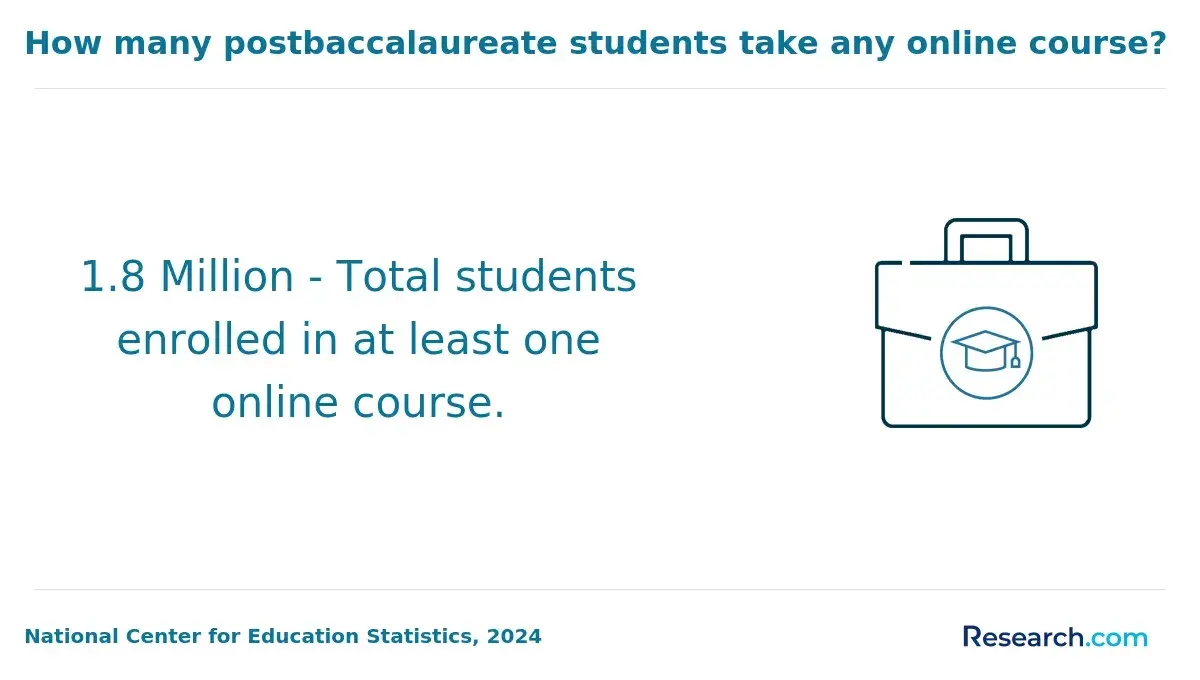
Criminology coursework is largely similar whether completed online or on campus, with consistent curriculum, learning objectives, and academic standards across both formats. Core topics such as criminal theory, justice systems, and research methods are covered with comparable depth. The primary differences do not lie in the content but in the mode of delivery and student experience.
Online courses provide flexibility, allowing students to study materials and attend lectures on their own schedules, with communication mainly through discussion boards, video calls, or email. In contrast, on-campus programs offer face-to-face interaction, immediate feedback from professors, and experiential activities like mock trials.
Access to campus facilities is direct for in-person learners, while online students rely on digital libraries and virtual study groups. Practical elements such as internships are required in both formats but tend to be arranged more independently for online students. Assessment methods vary, with online courses often using open-book exams and campus courses typically conducting supervised testing.
How Many Hours Per Week Do Criminology Classes Require?
Most students pursuing a criminology degree typically spend between 12 and 18 hours per week on coursework. This time is generally divided among attending lectures, completing readings, working on assignments, participating in group projects, and engaging in applied learning experiences like practicums.
Several key factors influence the weekly study hours for criminology degree students:
- Full-time vs. Part-time Enrollment: Full-time students usually invest more weekly hours than part-time students, who must balance coursework with professional or personal commitments.
- Course Level: Upper-level criminology classes often demand extra time due to more complex topics and higher research requirements.
- Online vs. On-campus Format: Online students might spend additional time on self-directed study and virtual participation, whereas on-campus students have scheduled class sessions.
- Number of Credits per Term: A heavier course load naturally increases the weekly time required to keep up with studies and assignments.
- Practicums and Special Projects: Courses involving hands-on experiences or special projects add valuable applied learning but can also raise time commitments.
Prospective students should weigh these aspects carefully as they consider their schedules. Those interested in flexibility and interdisciplinary options might explore an online masters in psychology, which can complement criminology studies and offer diverse career pathways.
How Many Credit Hours Are Required to Complete a Criminology Degree?
Total credit hour requirements have a direct impact on the overall length of a criminology degree program, the student's semester workload, and how soon they can graduate. These requirements vary depending on whether the degree is undergraduate or graduate, as well as the specific structure of the program. Knowing the expected credit hours can help students plan their academic path effectively and balance their studies and other commitments.
Typically, criminology degree credit requirements include several key components that together fulfill the program's academic and experiential goals:
- Core coursework: Undergraduate programs usually require around 40 to 60 credit hours covering foundational topics such as criminal law, crime theories, and research methods. Graduate programs focus more on advanced theory and research, often requiring fewer total credit hours but with greater depth.
- Electives: These courses allow students to specialize in areas of interest, such as forensic psychology or criminal justice policy. Electives typically make up 20 to 30 credit hours in undergraduate degrees, and are more specialized in master's or graduate programs.
- Experiential components: Practical learning through internships, capstone projects, practicum experiences, or theses generally accounts for 10 to 15 credit hours. Graduate programs particularly emphasize research projects or theses to prepare students for advanced careers.
Undergraduate criminology degrees normally total between 120 and 130 credit hours, aligning with common degree structures that span four years, requiring about 15 credit hours each semester. Graduate degrees usually require fewer total credit hours, ranging from approximately 30 to 45, reflecting their targeted, intensive nature.
Prospective students seeking flexibility can consider programs that offer an online bachelor's degree option, which often maintains these credit hour standards while allowing for accelerated or part-time study.
How Does Criminology Coursework Prepare Students for Careers?
Criminology coursework builds a strong foundation for career readiness by combining theoretical knowledge with practical skills that meet workplace demands. Through hands-on experiences and critical analysis, students translate academic learning into competencies valuable across criminal justice roles.
Employment in criminal justice occupations is projected to grow 8% from 2022 to 2032, reflecting increasing demand for professionals equipped with these skills.
- Analytical Skill Development: Criminology students sharpen their critical thinking and data analysis abilities, essential for interpreting crime patterns and making informed decisions. These skills foster improved problem-solving and operational effectiveness in professional settings.
- Applied Research Projects: Many courses incorporate case studies and real-world scenarios where students apply research methods and analyze evidence. This prepares them to handle complex situations and contribute to policy or procedural improvements.
- Use of Industry Tools: Coursework often involves training with data management software and other relevant technologies, giving students practical experience with tools they will encounter in the field.
- Communication and Policy Interpretation: Students learn to interpret research findings and translate them into actionable insights for policy or organizational decisions, a skill highly valued by employers in justice-related roles.
- Professional Knowledge Sharing: Programs encourage students to share their new knowledge, reinforcing learning and demonstrating a commitment to ongoing development-qualities prized in many career paths.
In addition to these career-preparatory benefits, investigating alternative pathways-such as an associates degree can be valuable for those considering entry-level roles or quicker routes into the profession. Understanding the full scope of skills gained from a criminology degree helps prospective students align their education with evolving job market needs.
How Does Criminology Coursework Affect Salary Potential After Graduation?
Completing coursework in criminology is closely linked to future earning potential, as it equips students with knowledge and skills valued by employers in criminal justice careers. Recent statistics from the U.S. Bureau of Labor Statistics show that the median annual wage for criminal justice professionals with a bachelor's degree is approximately $67,600, with salary growth tied to specialization and experience.
Several elements of criminology coursework directly enhance salary prospects.
- Development of Analytical and Research Skills: Courses focusing on criminal behavior, statistics, and forensic psychology train students to analyze complex data and case information. These abilities are highly sought after and increase employability in investigative and research-heavy roles.
- Specialized or Advanced Coursework: Taking classes in areas like cybercrime, white-collar crime, or corrections management prepares graduates for niche roles that often pay higher salaries. Specialization signals expertise that can differentiate candidates in competitive job markets.
- Leadership and Management Training: Coursework emphasizing supervisory and administrative principles helps students qualify for higher-level positions. Leadership skills are frequently tied to promotions and increased compensation within criminal justice organizations.
- Applied Learning Through Practicums and Capstones: Hands-on projects and internships embedded in the curriculum enable students to gain real-world experience. This practical exposure strengthens resumes and can accelerate wage increases by demonstrating job readiness.
- Certification Preparation: Classes that support earning professional credentials, such as Certified Criminal Justice Specialist (CCJS), enhance salary potential. Employers often reward certified professionals with better pay and greater advancement opportunities.
What Graduates Say About Their Criminology Degree Coursework
- Azaniel: "I found the cost of the criminology degree coursework quite reasonable compared to other programs, especially considering the quality of the online platform. Being able to study remotely allowed me to balance work and classes effectively. Today, I credit this flexibility and knowledge for my rapid promotion in the forensic analysis field. "
- Lester: "The on-campus criminology courses were a significant investment, but the face-to-face interaction with professors made it worthwhile. Reflecting on my experience, the immersive learning environment truly prepared me for the challenges I face daily as a criminal investigator. The coursework laid a solid foundation that enhanced my critical thinking skills."
- Jomarlyn: "Paying for the criminology coursework was a big decision, but it proved to be a valuable professional asset. The online format suited my schedule as a working parent, and the practical assignments directly impacted my career in law enforcement research. I appreciate how the program combined theory with real-world application, helping me stand out in my field. "
Other Things You Should Know About Criminology Degrees
Yes, many criminology degree programs include coursework on the psychological factors behind criminal behavior. These classes explore topics such as behavioral disorders, motivations for criminal activity, and the impact of trauma. This training helps students understand the intersection between psychology and crime prevention.
Statistics and data analysis are integral components of criminology programs. Students typically learn how to interpret crime data, conduct quantitative research, and apply statistical methods to assess crime trends. These skills enable graduates to make evidence-based decisions in various criminal justice roles.
Ethics is a key topic in criminology coursework, where students study moral questions related to law enforcement, punishment, and justice. Classes often include discussions on human rights, fairness in the legal system, and the responsibilities of criminal justice professionals. This focus prepares students to handle ethical dilemmas in their future careers.
References
- Criminology B.A. https://usf.edu/undergrad-catalog-criminology-ba
- Degree Requirements https://www.barry.edu/en/academics/arts-and-sciences/criminology-bs/degree-requirements
- What Can You Do With a Criminology Degree? https://www.snhu.edu/about-us/newsroom/social-sciences/what-can-you-do-with-a-criminology-degree
- Is Bachelor of Criminology and Criminal Justice Degree Worth It? https://www.lexology.com/library/detail.aspx
- Major Requirements https://crim.sas.upenn.edu/undergraduate/major-requirements
- How to Become a Criminologist: Salary and Outlook https://online.fit.edu/degrees/undergraduate/applied-psychology/forensic-psych/criminologist-salary-and-career-profile/
- What Does a Criminology Major Learn? | The Criminology Course of Study https://www.criminology.com/what-does-a-criminology-major-learn-the-criminology-course-of-study/
- Follow the evidence: Everything you need to know about criminology https://www.law.ac.uk/resources/blog/everything-you-need-to-know-about-criminology/
- Five reasons to study Criminology https://www.thecompleteuniversityguide.co.uk/student-advice/what-to-study/five-reasons-to-study-criminology