
2027 Does a Nutrition Degree Require Internships or Clinical Hours?

Co-Founder and Chief Data Scientist
Many students pursuing a nutrition degree face uncertainty about whether internships or clinical hours are mandatory for graduation. This confusion can delay program completion and affect career planning. According to the Academy of Nutrition and Dietetics, 80% of accredited nutrition programs require supervised practice, yet the extent varies widely.
Meanwhile, employment for registered dietitians is projected to grow 11% through 2031, emphasizing the importance of clinical experience in job readiness. This article explains typical internship and clinical hour requirements in nutrition degrees, helping prospective students assess programs and plan effectively for their educational and professional goals.
Key Things to Know About Nutrition Degree Internships or Clinical Hours
- Nutrition degrees often mandate supervised internships or clinical hours, crucial for graduation and licensure, ensuring practical competence in real-world settings.
- Online programs typically coordinate local placement options for clinical hours, while campus-based programs offer on-site supervised experiences integrated into the curriculum.
- Completing clinical hours significantly impacts time management but enhances career readiness; graduates with hands-on experience have a 25% higher employment rate within six months.
Does a Nutrition Degree Require Internships or Clinical Hours?
Whether a nutrition degree requires internships or clinical hours depends largely on the specific program and career path chosen. Many accredited nutrition programs, especially those aimed at registered dietitian nutritionist (RDN) certification, mandate supervised practice hours as part of their curriculum.
These clinical hours, often completed through internships or rotations, provide essential hands-on experience in patient care settings. However, some nutrition degrees focused on broader topics like community wellness or nutrition research may offer internships and clinical hours as optional, making these requirements highly program-dependent.
Nutrition internships and clinical hours typically occur during the final year of study, allowing students to apply classroom knowledge in real-world environments such as hospitals or wellness clinics. These experiences develop practical skills in nutritional assessment, counseling, and care planning, significantly enhancing career readiness and professional networks.
Because many dietitians find employment through connections made during supervised practice, these hours are a vital component of the educational process.
Prospective students should carefully consider how clinical commitments might impact program length and workload, and explore graduate options like accelerated DNP programs for complementary or alternative healthcare education pathways.
Are Internships Paid or Unpaid in Nutrition Programs?
Internships in nutrition programs vary widely in terms of compensation, with many unpaid positions but a significant portion offering payment. Recent data indicate that approximately 60% of internships in nutrition programs do not provide financial compensation.
Below are key considerations regarding paid vs unpaid nutrition internships:
- Payment Structures: Paid internships usually provide hourly wages or stipends, helping to offset living expenses. Unpaid positions, however, often require interns to cover their own costs while gaining experience.
- Employer Factors: Compensation largely depends on the host organization's size, funding, and policies. Large healthcare facilities or private companies tend to pay interns more frequently than smaller clinics or academic programs.
- Academic Credit: Many unpaid nutrition internships still offer valuable academic credit, contributing to degree requirements and practical training hours.
- Career Value: Whether paid or unpaid, internships enhance resumes and networking opportunities essential in the nutrition field. These experiences play a crucial role in positioning students for future employment.
- Financial Planning: Students should carefully consider their financial situation and career goals when selecting programs, including evaluating program costs and internship formats. In some cases, exploring options like medical assistant programs may provide alternative pathways to timely employment.
What Is the Difference Between Internships or Clinical Hours in Nutrition Degree Levels?
Knowing the differences in internship or clinical hour requirements across nutrition degree levels helps students plan their academic and career paths effectively. These practical experiences vary in scope, intensity, and supervision depending on the program level.
Below is an outline to clarify typical expectations and outcomes:
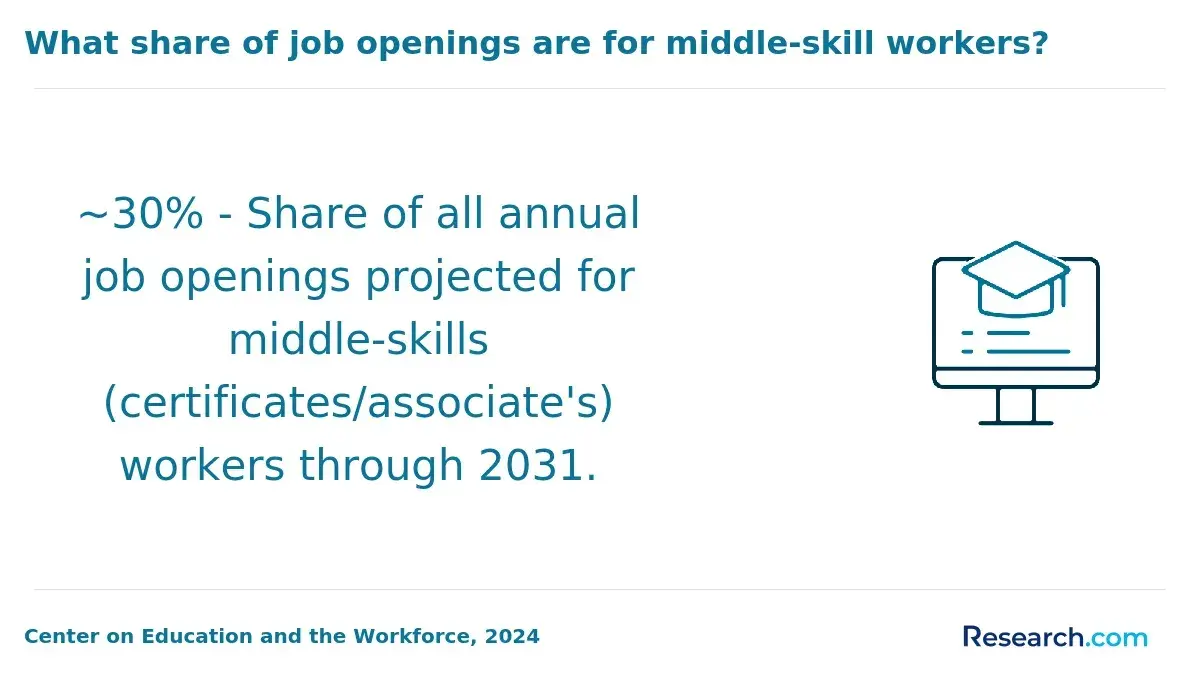
- Associate degree: Internships or fieldwork usually last a few weeks and focus on foundational skills like food service assistance or basic nutrition education. These require limited supervision and prepare students for entry-level roles in community settings.
- Bachelor's degree: Internship requirements become more structured and last several months, covering areas such as wellness program support and dietetic fieldwork. Supervision remains moderate, emphasizing practical experience to enhance employability.
- Master's degree: Clinical hours are intensive, often spanning hundreds of hours in hospitals or healthcare clinics. They involve complex tasks like patient assessment and dietary planning under strict supervision by licensed professionals, critical for certification/licensure in many nutrition careers.
- Doctoral or professional degrees: These programs may require advanced clinical practicums with heightened specialization and professional responsibility. The clinical experience is extensive and essential for higher-level career roles and academic research.
For students seeking related healthcare education options, exploring easy nursing schools to get into can provide additional pathways or complementary qualifications.
How Do Accelerated Nutrition Programs Handle Internships or Clinical Hours?
Accelerated nutrition programs condense the required internships or clinical hours into shorter timeframes, often ranging from 12 to 18 months. To manage this compressed schedule, these programs carefully coordinate hands-on training alongside intensive coursework.
Internships may run concurrently with classes, and students might engage in full-day clinical rotations during weekends or academic breaks. Some programs also partner with healthcare providers or community organizations to offer flexible placement options while maintaining rigorous academic standards.
The balance between practical experience and accelerated study is supported through diverse strategies, such as incorporating simulation labs or virtual case studies to enhance real-world learning. These measures help ensure students fulfill licensing requirements despite the faster pace.
About 30% of nutrition students opt for these accelerated paths, attracted by the ability to enter the workforce more quickly without sacrificing essential internship experience. Programs emphasize meeting professional criteria so graduates remain career-ready and compliant with certification standards.
A graduate of an accelerated nutrition degree shared his experience, noting the intensity of scheduling multiple clinical shifts alongside demanding coursework. "It was challenging to stay organized with everything happening at once," he said, explaining how simulation exercises helped him gain confidence when real clinical time was limited.
He described stepping into community nutrition settings as "both exciting and overwhelming," but felt that the tight timeline taught valuable time-management skills. Despite the pressures, he remarked, "Completing those hours quickly pushed me to learn efficiently while still preparing me thoroughly for my career."
Are Internship Requirements the Same for Online and On-Campus Nutrition Degrees?
Internship and clinical hour requirements are largely consistent between online and on-campus nutrition programs, as accrediting organizations mandate hands-on experience to meet professional competencies. Approximately 45% of nutrition and dietetics students recently completed part or all of their coursework online.
Both formats require students to complete supervised practical hours in clinical or community environments, ensuring they achieve the same learning goals and meet national credentialing standards.
Differences arise in how students fulfill these experiential components. Online learners often have greater freedom to choose local placement sites, which can minimize travel and better fit personal schedules. Conversely, on-campus students typically have more direct access to university-affiliated internships and on-site guidance.
Regardless of the delivery method, all programs demand qualified supervision and regular evaluation to maintain the quality and integrity of internship experiences.
How Do Nutrition Degree Specialization Choices Affect Internship Requirements?
Nutrition degree specialization choices significantly influence internship and clinical hour requirements, shaping the practical experience students must complete before entering the workforce. Nearly 75% of nutrition students in clinical-focused tracks finish internships essential for licensure or certification, underscoring the importance of these experiences.
Different nutrition focus areas dictate varied internship settings and time commitments. For instance, dietetics programs require extensive supervised practice in clinical environments such as hospitals, outpatient care, and long-term facilities, often demanding over 1,200 hours to meet accreditation standards.
In contrast, community nutrition specializations emphasize internships centered on public health initiatives and program development, while food science and nutrition research tracks typically involve laboratory or industry placements with less emphasis on traditional clinical hours.
These distinctions in internship requirements reflect the diverse career paths within the field and influence how students navigate their training based on their chosen specialization with respect to nutrition degree specialization internship requirements.
These differences profoundly affect scheduling, workload, and overall career preparation for nutrition students. Clinical rotations in dietetics often require full-time commitments that can extend the duration of programs and intensify students' daily schedules.
Alternatively, community-based internships may offer more flexible hours but demand strong project management abilities due to varied settings and deliverables.
For learners exploring nursing pathways with manageable program costs, exploring cheap NP programs with accreditation can provide plenty of viable options.
Can Work Experience Replace Internship Requirements in a Nutrition Degree?
Work experience can sometimes substitute for internship requirements in nutrition degree programs, which is a significant concern for students balancing jobs and other commitments. Whether substitution is possible largely depends on the relevance of the work, the duration in related roles, and whether the employer can verify the experience.
Programs often consider candidates with substantial professional backgrounds, such as mid-career individuals in clinical nutrition or health promotion, to have gained skills comparable to formal internships.
Acceptance of work experience varies by the institution's accreditation standards and the degree level, with graduate programs generally offering more leeway than undergraduate ones. Programs emphasizing applied specializations are typically more open to prior professional experience.
However, formal internships remain mandatory at many schools, especially when aligned with certification requirements for registered dietitians. Prospective students should always consult program advisors to clarify policies around substituting work experience for internships.
The author asked a nutrition degree graduate about her experience with this issue. She recalled feeling overwhelmed initially, juggling full-time work and family while trying to meet internship demands. Fortunately, her prior role managing community health initiatives was recognized by the program, exempting her from some clinical hours.
She described the approval process as thorough yet encouraging, noting that validating her experience provided confidence in her practical skills. This made a crucial difference in completing her degree without excessive delays.
How Long Do Internships or Clinical Rotations Last in a Nutrition Degree?
The length of internships or clinical rotations in nutrition programs plays a key role in a student's ability to balance time and gain necessary experience, with most programs requiring between 1,000 and 1,200 supervised clinical hours. Recent trends indicate increasing flexibility in how these hours are scheduled, adapting to the needs of diverse student populations.
Below are common formats for internship and clinical rotation durations.
- Short-term internships: Typically lasting a few weeks, these brief practical experiences are less common and often serve specialized or supplementary purposes within a nutrition degree. They offer focused exposure but generally do not fulfill all supervised hour requirements.
- Semester-long internships: Spanning approximately 3 to 4 months, this model involves daily clinical work aligned with an academic term. It provides immersive, concentrated hands-on learning, frequently found in programs emphasizing clinical dietetics or community nutrition.
- Extended clinical rotations: These spread required clinical hours over up to an entire academic year, allowing students to gain experience across varied settings. This format supports flexibility and can be tailored to meet accreditation standards and individual specialization goals within the nutrition field.
Does Completing Internships Improve Job Placement After a Nutrition Degree?
Job placement outcomes are a major consideration for prospective nutrition degree students, as employment prospects directly affect their return on investment. Studies show that participation in internships boosts the chance of securing employment by up to 20% within six months of graduation.
Below are key ways internships enhance job placement opportunities:
- Employer Preferences: Employers favor candidates with practical experience because it demonstrates familiarity with real-world environments and the application of academic knowledge. This hands-on exposure reassures hiring managers about a graduate's readiness for professional roles.
- Skill Development: Internships enable students to cultivate essential skills such as client interaction, dietary assessment, and teamwork. These competencies are fundamental for effective performance in nutrition careers and often cannot be fully developed through classroom learning alone.
- Professional Networking: Clinical hours and internships facilitate connections with industry professionals, enhancing visibility during job searches. These relationships often lead to valuable referrals or insights into available positions.
- Conversion to Full-Time Positions: Many internships act as pipelines for permanent employment, allowing employers to evaluate interns over time before extending job offers. This pipeline effect can significantly increase the likelihood of early career placement.
Learners exploring advanced education options who aim to pivot to nursing can consider programs like the most affordable BSN to DNP programs online to optimize educational pathways.
Do Employers Pay More for Nutrition Graduates With Hands-On Experience?
Practical experience like internships and clinical hours often influences starting salaries for nutrition graduates because it signals real-world readiness to employers. A study revealed that graduates with at least 300 hours of supervised practice earned about 8-12% more in entry-level roles than those without such experience.
Several reasons explain why hands-on experience contributes to higher pay offers.
- Employer value: Hiring managers often prefer candidates with practical experience as it lowers training time and reduces onboarding risks, making these graduates immediately more productive.
- Negotiation leverage: Graduates who have completed internships or clinical rotations usually have stronger bargaining power for better salaries, backed by proven skills and competencies.
- Industry standards: Many nutrition-related roles, especially in clinical and dietetics settings, require practical hours as part of certification or licensing processes, thereby increasing employability and earning potential.
- Program variations: The impact of hands-on experience can differ by specialization; clinical nutrition roles typically reward supervised practice more than positions in wellness or health coaching, where pay differences may be less significant. Additionally, fully online degree programs may incorporate alternative experiential components, which employers sometimes value differently.
What Graduates Say About Their Nutrition Degree Internships or Clinical Hours
- Kerry: "Completing my internship through the online nutrition degree program was surprisingly smooth and enriching. The $1,500 cost was manageable compared to traditional programs, allowing me to gain hands-on experience without breaking the bank. This practical exposure boosted my confidence and opened doors in clinical nutrition, making the investment well worth it. "
- Britney: "The internship requirement in my online nutrition program was a thoughtful challenge that deepened my understanding beyond textbooks. Although it cost around $1,600, I viewed it as an essential step toward professional growth. Reflecting on it now, the real-world experience I gained has been invaluable in my roles within community health settings. "
- Dustin: "As a professional already working in wellness, the online nutrition degree internship felt like a strategic addition to my credentials. The cost, roughly $1,550, was a modest investment for the career advancement it offered. This requirement not only reinforced my practical skills but also distinguished me in a competitive job market. "
Other Things You Should Know About Nutrition Degrees
Not all nutrition programs require mandatory internship hours for graduation in 2027. Many programs offer flexibility, allowing students to choose between clinical internships or alternative practical experiences, depending on the program's focus and accreditation requirements.
Yes, many nutrition programs require students to complete background checks and provide proof of immunizations before beginning clinical hours. These measures ensure the safety of patients and compliance with healthcare facility regulations. Requirements vary by institution and clinical site policies.
Nutrition students may complete internships in settings such as public health agencies, schools, research facilities, or private practice. Non-clinical internships allow students to explore diverse career paths beyond hospitals or clinical nutrition. These experiences still emphasize applying nutrition knowledge in practical contexts.
References
- Dietetic Internship Guide: Requirements & Programs 2025 https://www.nutritioned.org/dietetic-internship/
- Finding work & Work experience - Association for Nutrition https://www.associationfornutrition.org/careers-nutrition/becoming-nutritionist/finding-work
- Wellness Workdays Dietetic Internship Graduate Programs | Wellness Workdays | United States https://www.wellnessworkdaysdi.com/non-degree-track-di-only
- Dietetic Internship / MS Clinical Nutrition https://www.etsu.edu/chs/nutrition-integrated-health-sciences/dietetic-internships/
- Dietetic Internship Rotations Guide - Be Well Solutions Dietetic Internship https://bwsdi.com/dietetic-internship-rotations-guide/
- Considering a Career in Clinical Nutrition? | RUSH University https://www.rushu.rush.edu/news/reasons-why-you-should-consider-career-clinical-nutrition
- Master of Science/ Dietetic Internship and Dietetic Internship Only Option - Nutrition Science https://nutrition.ecu.edu/dietetic-internship/
- Get the best Nutrition Internships and Career Growth | SGNC Nutrition Course https://www.sgncnutritioncourse.com/get-the-best-nutrition-internships-and-career-growth/
- LibGuides: Dietetic Internship Program: Dietitians and Nutritionists - What They Do and How to Become One https://libguides.csun.edu/dietetic-internship-program
- Dietetic Internship Requirements and Schedule https://www.uiw.edu/smse/_archive/dietetic-internship-req-and-schedule.html


