
2027 Is Demand for Nutrition Degree Graduates Growing or Declining?

Co-Founder and Chief Data Scientist
Recent graduates with a nutrition degree often face uncertainty about job prospects amid fluctuating market demands. For example, a 2023 report from the U. S. Bureau of Labor Statistics projects a 8% growth in employment for dietitians and nutritionists from 2022 to 2032, faster than the average for all occupations. This indicates expanding opportunities but also increasing competition. Understanding these employment trends can help prospective students and professionals make informed decisions about pursuing degrees and careers in nutrition. This article analyzes current demand patterns, employment outlooks, and industry growth to guide readers seeking reliable career insights in nutrition.
Key Things to Know About the Demand for Nutrition Degree Graduates
- Employment for nutrition degree graduates is increasing by 8% annually due to rising public health awareness and preventative healthcare focus.
- Projected job growth in nutrition-related fields is expected to outpace the average, with dietitians' jobs growing 11% through 2030.
- Specializations in sports nutrition, clinical dietetics, and food technology influence career longevity, adapting to evolving industry demands and research advancements.
What Factors Are Driving Demand for Nutrition Degree Professionals?
Grasping the key forces driving workforce demand enables prospective students to gauge the long-term value and stability of a nutrition degree. Several distinct factors currently shape hiring trends and employment opportunities for graduates in this field.
- Industry Growth: Expanding healthcare and wellness sectors increase the need for nutritionists and dietitians. As more individuals seek assistance for diet-related health concerns, hospitals, clinics, and private practices boost recruitment efforts.
- Demographic Shifts: An aging population raises demand for specialized elder care nutrition. Older adults often require tailored dietary management, leading to more focused job openings in this niche.
- Policy and Regulation: Federal and state programs promoting healthy eating and obesity prevention create new roles in public health nutrition. Schools and government agencies also depend on qualified professionals to enforce nutrition standards, highlighting the importance of accredited nutrition degree programs in the United States.
- Technological Advancements: The rise of telehealth and digital nutrition apps changes service delivery models. Nutrition experts with skills in these innovations are increasingly valued by employers adapting to remote or hybrid care environments.
- Skill Evolution: Employers now seek candidates with more than dietary expertise. Competencies in data analysis and communication broaden career prospects and reflect shifting industry demands.
Those exploring related educational paths might consider researching pharmacy degree online options, as they sometimes complement nutrition science in healthcare settings.
Given these trends, the importance of accreditation for nutrition degree programs cannot be overstated, as it ensures graduates meet evolving employer expectations and maintain professional credibility.
Which Nutrition Occupations Are Seeing the Highest Growth Rates?
Growth rates for various occupations serve as a vital tool for students evaluating career paths in nutrition, signaling demand and long-term sustainability in the job market. The U.S. Bureau of Labor Statistics forecasts an overall job growth rate of about 5 percent from 2021 to 2031, highlighting faster expansion in certain fields. Here are some of the fastest growing nutrition-related occupations that reflect these trends.
- Dietitians and Nutritionists: Projected to grow about 11% due to increased emphasis on disease prevention and chronic condition management through tailored nutrition plans. These roles typically require a bachelor's degree combined with supervised practical experience.
- Health Coaches: Experiencing rapid growth as wellness industries adopt personalized coaching services. Professionals usually need certification along with some health-related education to enter this field.
- Food Scientists and Technologists: Expected to grow around 8%, driven by advancements in food innovation, safety, and regulatory compliance. A bachelor's degree in food science or related disciplines is generally necessary.
- Public Health Nutritionists: Growth is fueled by expanding government programs aimed at promoting healthy eating habits. These roles often require a master's degree in public health or nutrition.
- Nutrition Educators: Increasing demand in educational institutions and community organizations, generally requiring at least a bachelor's degree in nutrition or education fields.
Students interested in nutrition job growth in the United States should also explore complementary fields such as medical billing and coding, which support healthcare administration. Prospective learners can find valuable resources on medical billing and coding online schools to enhance their career prospects across health-related sectors.
Which Industries Hire the Most Nutrition Degree Graduates?
Recognizing the leading industries that employ nutrition graduates offers insight into viable career paths and job security. This knowledge helps students align their skills with sectors experiencing growth and demand. The key industries hiring nutrition degree holders include:
- Healthcare: Professionals often work as dietitians, clinical nutritionists, or wellness coordinators within hospitals and rehabilitation centers. Rising chronic illnesses and an aging population drive the need for specialized dietary care and management in this field.
- Public Health and Government: Graduates contribute by designing nutrition programs, conducting community health assessments, and engaging in policy development. Their expertise supports addressing widespread nutritional challenges and promoting healthier lifestyles at the population level.
- Food and Beverage: Employment opportunities involve product innovation, quality control, and regulatory compliance to ensure health standards are met. This industry leverages nutrition knowledge to create safer, healthier food options for consumers.
- Wellness and Fitness: Many nutrition graduates provide personalized diet counseling, develop tailored meal plans, and help clients achieve health objectives. Consumer interest in preventive care and fitness drives demand in this expanding sector.
- Academic and Research Institutions: Graduates engage in investigating diet-related health outcomes and exploring new nutritional therapies. Their research supports evidence-based advances that shape future nutrition practices.
How Do Nutrition Job Opportunities Vary by State or Region?
Job opportunities for nutrition degree holders are significantly influenced by regional characteristics, which impact both the number of available roles and potential career growth. Various geographic factors come into play when assessing the demand for nutrition professionals across different areas.
- High-Demand States: States such as California, New York, Texas, and Florida tend to have the most nutrition job openings due to their large populations and diverse healthcare systems. These states often provide a wider range of employment options across multiple nutrition sectors.
- Regional Industry Clusters: Regions with concentrated healthcare facilities, food manufacturing, or wellness industries-like the Northeast and West Coast-typically offer more opportunities for nutrition specialists. The presence of these industries tends to drive local demand and create specialized roles.
- Urban vs. Rural Markets: Urban areas generally have more nutrition-related positions including roles in clinical practice, research, and public health. Conversely, rural locations may offer fewer jobs but sometimes face less competition, which can be advantageous for entry-level professionals.
- Cost-of-Living Impact: Areas with higher living expenses usually correspond with increased salaries but also greater competition for nutrition jobs. In contrast, regions with lower costs may present fewer openings but a more affordable environment for starting a nutrition career.
- Remote and Hybrid Work Trends: The rise of telehealth and virtual nutrition counseling has broadened job accessibility, especially in states supportive of telemedicine. Improved broadband infrastructure further enhances these remote work opportunities, expanding nutrition job markets beyond traditional locations.
How Does Degree Level Affect Employability in Nutrition Fields?
Educational attainment in nutrition directly impacts job prospects, career advancement, and overall competitiveness within the field. Higher degrees can unlock more specialized roles and increase employability. Below is a comparison of how degree levels influence nutrition-related careers in the US.
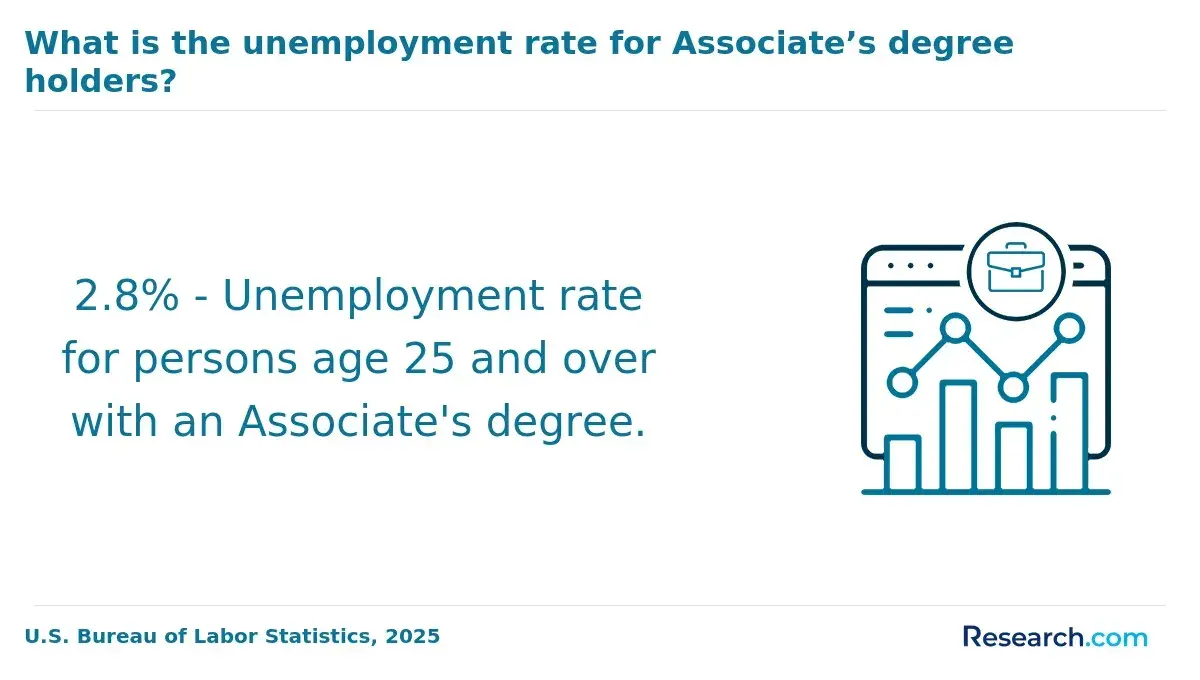
- Associate Degree: Often leads to entry-level positions such as nutrition assistants or dietary aides, primarily in support roles within clinical or community environments. Employability is more limited due to fewer advancement opportunities and narrower job scopes.
- Bachelor's Degree: Serves as the most common credential for registered dietitians and nutritionists, providing access to clinical, public health, and corporate nutrition jobs. Employment growth for these roles is projected to rise by 11% from 2020 to 2030, reflecting strong demand. This degree enhances eligibility for certification and is key for competitiveness in nutrition jobs in the US.
- Master's Degree: Opens doors to specialized careers like clinical specialists, research coordinators, or public health nutritionists. Graduates often see better salary prospects and leadership roles, benefiting from advanced analytical and management skills.
- Doctorate: Typically required for academic, high-level research, or policy-making positions within universities and research institutions. This degree provides niche expertise and the strongest employability in research-focused nutrition careers.
For those interested in complementary online programs to boost career readiness, exploring medical billing and coding classes online can be a strategic step.
What Skills Are Employers Seeking in Nutrition Graduates?
Grasping which abilities employers prioritize in nutrition graduates is vital for standing out in a competitive job market and ensuring professional preparedness. These competencies directly impact how well graduates adapt and succeed in diverse nutrition roles. Below are key skills that significantly enhance employability in this field.
- Scientific Expertise: A solid understanding of biological and nutritional sciences allows professionals to create precise, evidence-based dietary plans. This foundation supports effective problem-solving across different populations and health conditions.
- Effective Communication: Articulating complex nutrition concepts in an understandable and compassionate manner is crucial. This skill enables strong client relationships and seamless coordination with medical and public health teams.
- Critical Analysis: The capacity to evaluate research data and translate findings into actionable advice ensures that recommendations are current and reliable. This analytical ability is essential in both clinical and community nutrition settings.
- Technological Competence: Proficiency with nutrition-related software and data tools streamlines documentation and dietary assessments, improving efficiency and accuracy in professional practice.
- Cultural Awareness: Recognizing and respecting diverse dietary traditions and needs promotes culturally sensitive guidance, enhancing client trust and program effectiveness.
When asked about the skills employers look for, a graduate of a Nutrition degree program shared how initial job interviews challenged him to demonstrate adaptability and interpersonal skills beyond academic knowledge. "I quickly realized that understanding cultural nuances wasn't just a bonus but a necessity," he explained. Navigating real-world scenarios required balancing scientific rigor with empathy and flexibility, especially when addressing clients' unique backgrounds and preferences. This experience deepened his appreciation for teamwork and open communication, qualities that ultimately helped him secure a position and thrive professionally.
Breakdown of All Fully Online Title IV Institutions

How Does Job Demand Affect Nutrition Graduate Salaries?
Shifts in job demand strongly impact starting salaries, wage growth, and long-term earning potential for nutrition graduates. For example, employment for dietitians and nutritionists is projected to grow 11% from 2022 to 2032, faster than the average for all occupations. This demand dynamic influences how competitive the job market is for graduates. The following points explore these effects in detail:
- Starting Salaries: When demand for nutrition professionals exceeds supply, employers compete for candidates, leading to higher initial salary offers. This competition can benefit new graduates entering the job market.
- Career Wage Growth: Ongoing industry needs affect wage increases over time. Positions in specialized fields such as clinical nutrition or public health often command better pay as expertise becomes more valuable.
- Long-Term Potential: Expansion in nutrition-related sectors creates more opportunities for advancement and higher earnings. Specialization and experience allow professionals to capitalize on workforce shortages and emerging trends.
- Labor Market Balance: Conversely, when the market is saturated with nutrition graduates or hiring slows, salary growth may plateau or decline. Reduced demand limits bargaining power, impacting overall compensation prospects.
How Is AI Changing Demand for Nutrition Professionals?
Advancements in artificial intelligence are transforming workforce demands within nutrition fields, with 40% of healthcare organizations already incorporating AI tools to enhance dietary planning and patient care. This evolution is driving significant shifts in job roles and skill requirements.
Key impacts of AI on demand for nutrition professionals include:
- Automation of Routine Tasks: AI streamlines data collection and nutrient tracking, reducing manual workload and allowing nutritionists to dedicate more time to personalized care and complex case management.
- Emergence of Specialized Roles: New positions that blend nutrition knowledge with AI expertise, such as digital health coordinators and data analysts, are becoming increasingly vital for advancing patient outcomes.
- Changing Skill Sets: Proficiency in AI-driven software and interpreting complex data is now crucial, prompting a shift in hiring toward candidates who can leverage technology effectively.
- Hiring Trends Shift: Employers favor professionals who integrate AI tools to boost operational efficiency and deliver improved client results, influencing recruitment priorities.
When asked how AI is changing demand for nutrition professionals, a graduate of a nutrition degree program reflected on her own experience adapting to these changes. She described initially feeling overwhelmed by the technical skills required, but over time she embraced AI tools that simplified data analysis and enhanced client interaction. "Learning to use these technologies wasn't easy," she noted, "but it opened doors to roles I hadn't considered before and ultimately made me more competitive in the job market." Her insights highlight the growing importance of blending traditional nutrition expertise with technological fluency for sustained career growth.
Is Nutrition Considered a Stable Long-Term Career?
Long-term career stability is a crucial consideration for students and professionals evaluating nutrition degree career stability in the United States because it impacts financial security and ongoing job satisfaction. Several key factors influence whether a nutrition career remains steady and rewarding over time.
- Long-Term Employment Trends: Consistent demand for nutrition experts is driven by healthcare and wellness industries. These sectors continually require nutrition professionals in hospitals, community health, and food services, supporting a positive long-term job outlook for nutrition graduates.
- Industry Reliance: As rates of chronic diseases linked to diet increase, organizations increasingly rely on qualified nutritionists to develop preventive health programs. This growing need helps maintain a stable career environment.
- Adaptability to Change: Careers in nutrition are evolving with the integration of digital health tools and telehealth services. Professionals with strong technology skills and flexibility are better positioned to sustain success amid economic and technological shifts.
- Career Advancement Opportunities: Many nutritionists enhance their competitiveness by pursuing certifications or specializing in areas such as sports or clinical nutrition. These pathways enable ongoing professional growth and adaptability to new sectors.
For those considering how to build a lasting career, exploring educational options like a nursing degree online can provide complementary pathways in healthcare that intersect with nutrition and wellness fields.
Is a Nutrition Degree Worth It Given the Current Job Demand?
The demand for nutrition degree graduates in the United States remains stable with moderate growth projected in the coming decade. According to data from the U.S. Bureau of Labor Statistics, employment of dietitians and nutritionists is expected to increase by about 8%, which is faster than the average for all occupations. This growth is largely driven by increased attention to preventive healthcare, rising chronic diseases related to diet, and expanding nutrition programs across clinical and community settings. Given these trends, the question, is nutrition degree job market growing holds true but with industry-specific nuances.
Job prospects improve significantly for those holding at least a bachelor's degree in nutrition, especially if combined with credentials like Registered Dietitian Nutritionist (RDN) certification. Advanced degrees and skill sets that align with evolving industry demands-such as nutritional science expertise, counseling, and data analysis-tend to lead to better career outcomes. Nutrition graduates often find opportunities in healthcare facilities, public health, government, and wellness companies, but competition remains for entry-level roles. Investing in relevant experience through internships, certifications, or even exploring options like the cheapest DNP programs online can enhance employment potential and demonstrate the broader benefits of a nutrition degree in US job market realities.
What Graduates Say About the Demand for Their Nutrition Degree
- Robert: "Choosing to pursue a nutrition degree was a pivotal moment for me; it combined my passion for health with real-world skills. The investment paid off quickly, opening doors to diverse career opportunities and significantly boosting my earning potential. This degree has truly transformed my professional path and personal outlook. "
- Case: "Reflecting on my journey, the decision to study nutrition was both challenging and rewarding. The return on investment has been steady, not just in salary but in the meaningful impact I make on clients' lives daily. It's a career that requires continuous learning, and I find that deeply fulfilling. "
- Sebastian: "From a professional standpoint, my nutrition degree provided a strong foundation in science and communication, essential for my role as a health consultant. The practical skills I gained translated directly into career advancement, proving the degree's value beyond expectations. I approach my work with confidence, knowing I made the right choice. "
Other Things You Should Know About Nutrition Degrees
In 2027, industries like healthcare, wellness, food service, and public health are actively hiring nutrition degree graduates. Employers such as hospitals, fitness centers, schools, and governmental agencies seek these professionals to address rising health and wellness needs.
Continuing education is crucial for nutrition graduates in 2027 as it ensures they stay updated with evolving dietary guidelines and scientific findings. Such ongoing learning can enhance employability and career advancement in this dynamic field.
References
- 6 High-Paying Jobs with a MS in Nutrition| University of Bridgeport https://www.bridgeport.edu/news/high-paying-jobs-with-a-masters-in-nutrition/
- The Nutrition Institute https://www.thenutritioninstitute.com/uk/en/career-outcomes
- Considering a Career in Clinical Nutrition? | RUSH University https://www.rushu.rush.edu/news/reasons-why-you-should-consider-career-clinical-nutrition
- Career Pathways in Nutrition - American Society for Nutrition https://nutrition.org/careers/career-pathways-in-nutrition/
- Are Nutritionists in High Demand in The Current Job Market? https://www.origym.co.uk/blog/are-nutritionists-in-demand/
- 6 Interesting Nutrition Career Paths You Should Consider https://online.federation.edu.au/interesting-nutrition-career-paths/
- Future-proof: Why nutritionists are in such high demand - MSU Denver RED https://red.msudenver.edu/2025/future-proof-why-nutritionists-are-in-such-high-demand/
- Resume Skills for Nutritionist (+ Templates) - Updated for 2026 https://resumeworded.com/skills-and-keywords/nutritionist-skills
- Top 10 High-Demand Nutrition Business Careers Australia | Start Your Nutrition Business https://www.mylearningonline.com.au/blog/10-high-demand-nutrition-business-careers/
- Studying nutrition as a career change - Association for Nutrition https://www.associationfornutrition.org/careers-nutrition/becoming-nutritionist/studying-nutrition-as-a-career-change


