
2027 Nutrition Degree Programs for Career Changers

Co-Founder and Chief Data Scientist
Changing careers into nutrition can be a smart move for adults who want work connected to health, food, wellness, community programs, or patient care. The challenge is choosing a program that recognizes your previous education, fits around work and family obligations, and leads to the type of role you actually want. According to the National Center for Education Statistics, 38% of nutrition science students are aged 25 or older, so career changers are not an exception in this field; they are a major part of the student population.
This guide explains which nutrition programs are most accessible for career changers, how admissions and prerequisites typically work, what you can expect to study, and which formats are most realistic for working adults. It also covers specializations, skills, costs, career paths, and salary expectations so you can compare options before committing time and money to a degree.
Key Things to Know About Nutrition Degree Programs for Career Changers
- Flexible scheduling and online or hybrid program formats enable working adults to balance employment and studies, with 65% of career changers reporting increased accessibility through such options.
- Accelerated pacing in many nutrition degree programs allows students to complete credentials faster, often within 18 to 24 months, facilitating quicker career transitions.
- Support services like career counseling and tutoring tailored for adult learners increase retention and ensure alignment between coursework and employer needs.
What Nutrition Programs Accept Career Changers?
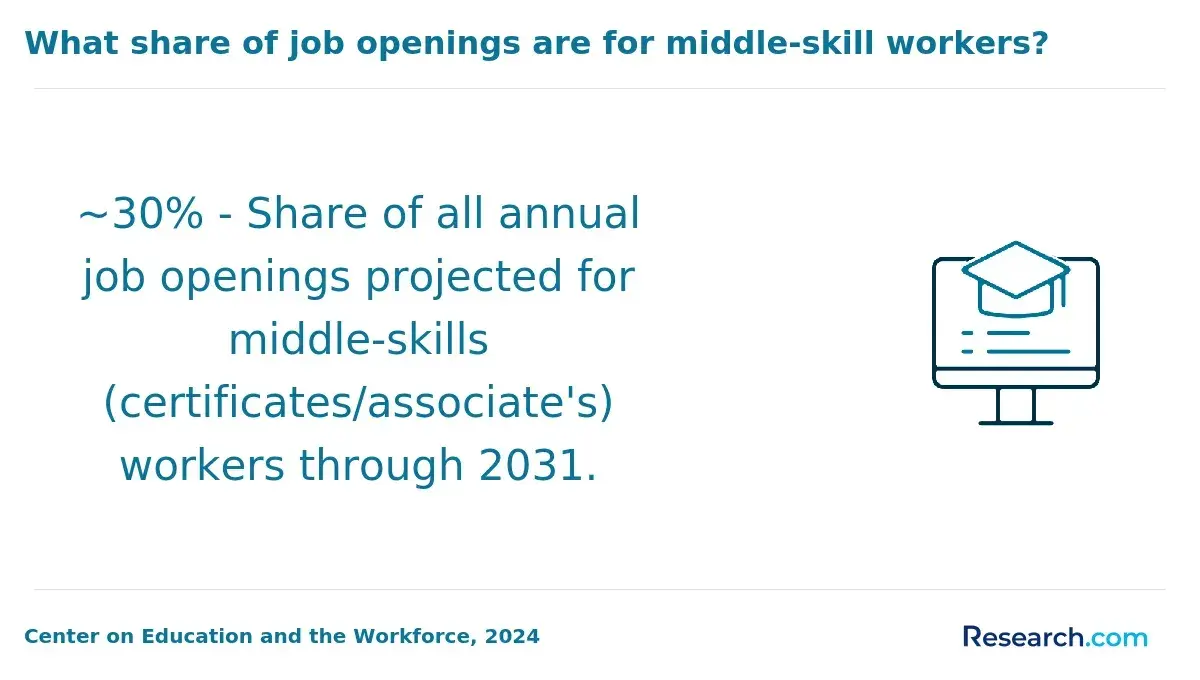
Nutrition programs that accept career changers usually look for academic readiness, motivation, and the ability to complete science-based coursework rather than a nutrition background alone. Nearly 40% of graduate students in the U.S. are over the age of 30, and many colleges now design pathways for adults who already have degrees, work experience, or family responsibilities.
The best program type depends on your prior education, timeline, budget, and career goal. Some roles require a full degree and supervised training, while others can be reached through shorter academic pathways or certificates.
- Accelerated Bachelor's Degrees: These programs may work well for students who already hold a degree in another field. General education requirements may be reduced or waived, allowing students to focus on nutrition, biology, chemistry, food science, and applied practice. This option is useful when an employer or graduate program requires a bachelor's-level nutrition foundation.
- Master's Degrees: A master's program can be appropriate for career changers who already have a bachelor's degree and want advanced preparation in nutrition, dietetics, research, public health, or clinical practice. Applicants from non-nutrition fields may need prerequisite courses before starting core graduate work.
- Post-Baccalaureate Certificates: These certificates provide focused nutrition coursework for people who already have a degree but need academic preparation before applying to graduate school, supervised practice, or entry-level wellness roles. They are often shorter than a full degree, but students should confirm whether credits transfer into a future program.
- Associate Degrees: Associate programs can help career changers enter the field gradually through foundational nutrition, food service, health education, and science coursework. They may be more affordable and flexible, but they may not be enough for licensed or credentialed dietetics roles without further education.
Before applying, ask each school how it evaluates transfer credit, whether prerequisites can be completed online, and whether the curriculum supports your intended career path. Programs at nutrition schools accepting nontraditional students may offer online coursework, evening classes, part-time enrollment, or advising designed for adults returning to school. If you are comparing how healthcare programs accommodate working professionals, reviewing models such as accelerated DNP programs can also help you understand how flexible healthcare education pathways are structured.
What Nutrition Specializations Are Best for Career Changers?
The best nutrition specialization for a career changer is the one that connects your previous experience with a realistic employment path. The U.S. Bureau of Labor Statistics projects an 11% growth in dietitians and nutritionists from 2022 to 2032, but opportunities vary by setting, credential requirements, and specialization.
Career changers should choose a concentration by asking three questions: What skills do I already have? What type of population or industry do I want to serve? What credentials are required in my state or target job market?
- Clinical Nutrition: This path is often a strong fit for people with healthcare, caregiving, nursing, rehabilitation, or patient-service experience. Clinical nutrition focuses on medical nutrition therapy, disease management, patient assessment, and collaboration with healthcare teams. Students interested in hospital or clinical roles should verify credentialing and supervised practice requirements early.
- Public Health Nutrition: This specialization suits career changers interested in community wellness, food access, health education, policy, or nonprofit work. It can be a good match for professionals coming from education, social services, government, communications, or public administration.
- Sports Nutrition: Sports nutrition may appeal to fitness trainers, coaches, athletes, physical education professionals, and wellness entrepreneurs. The work often involves performance fueling, recovery strategies, body composition goals, and client education. Because the field can be competitive, practical experience and credible credentials matter.
- Food Science and Technology: This option fits students with backgrounds in science, engineering, manufacturing, quality assurance, or product development. It focuses on food safety, formulation, processing, quality control, and regulatory standards, making it especially relevant for careers in the food industry.
A common mistake is choosing a specialization only because it sounds interesting. Instead, review job postings in your area, note required credentials, and compare them with the curriculum. Adult learners who want broader healthcare flexibility may also explore adjacent options such as medical billing and coding online schools, especially if they are weighing direct patient care, administrative healthcare, and wellness-focused roles.
What Are the Admission Requirements for Career Changers Applying to a Nutrition Program?
Admission requirements for nutrition programs vary by degree level, school, and intended credential. For career changers, the most important issue is not whether you already majored in nutrition, but whether you can show academic preparation for science-based coursework. Nearly 40% of postsecondary enrollments are adult learners, so many schools have processes for applicants with prior college credits, work experience, or long gaps since graduation.
Common requirements include the following:
- Completed Application: The application usually asks for academic history, professional background, and program goals. A strong personal statement should explain why you are changing careers, what experiences led you to nutrition, and how the program aligns with your intended role.
- Official Transcripts: Schools review transcripts to confirm prior degrees, calculate GPA, and identify transferable courses. Career changers should request a formal transfer evaluation before enrolling so they understand which requirements remain.
- Standardized Tests: Some programs require test scores, but many waive this requirement for applicants with relevant professional experience, prior graduate study, or strong undergraduate records. Do not assume a waiver is automatic; ask the admissions office directly.
- Letters of Recommendation: Recommendations may come from supervisors, professors, healthcare professionals, or others who can speak to your discipline, communication skills, science readiness, and ability to work with clients or patients.
- Prerequisite Courses: Many nutrition programs require or strongly recommend biology, chemistry, anatomy, physiology, or related science courses. Applicants who lack these courses may complete them through bridge programs, community colleges, online courses, or post-baccalaureate study.
Career changers should also ask whether professional certifications, military training, healthcare experience, food service experience, or prior coursework can reduce the number of required credits. Some programs may offer portfolio assessments or competency-based credits, but policies differ widely.
If admissions flexibility is a major concern, compare several schools instead of applying to only one. Looking at resources such as the easiest nursing schools to get into can also provide context on how health-related programs structure alternative admissions pathways for adult learners.
What Is the Coursework for a Nutrition Degree for Career Changers?
A nutrition degree combines science, food systems, counseling, research, and applied practice. For career changers, the science sequence is often the biggest adjustment, especially for students who have been away from school or came from non-STEM fields. Reviewing the curriculum before enrolling helps you estimate workload and identify prerequisite gaps.
- Basic Sciences: Students typically study biology, chemistry, anatomy, and related subjects to understand digestion, metabolism, physiology, and how nutrients affect body systems. These courses create the foundation for more advanced nutrition work.
- Nutrition Principles: Core nutrition classes cover macro- and micronutrients, dietary guidelines, energy balance, nutritional assessment, and the relationship between food intake and health outcomes.
- Food Science: Food science coursework addresses food composition, preparation, processing, storage, safety standards, and how production methods can affect nutritional quality.
- Applied Nutrition: Applied courses may include meal planning, nutrition counseling, community nutrition, lifecycle nutrition, cultural food practices, and client education. These classes help students translate scientific knowledge into practical recommendations.
- Research and Ethics: Students learn how to evaluate scientific literature, understand study design, interpret nutrition claims, and apply ethical standards when working with individuals, communities, or organizations.
Career changers should pay close attention to lab requirements, synchronous class meetings, group projects, and field experiences. An online course may still require scheduled exams, virtual labs, or local placements. If you work full time, ask for a sample course plan before enrolling.
A professional who completed an online nutrition degree described the coursework as demanding but manageable with the right structure: "Balancing evening classes with my job was challenging, especially navigating the detailed science modules after years away from academics," he explained. "The real breakthrough came through case studies and interactive sessions, which made complex topics manageable and relevant." He added, "The program's flexibility was crucial; without it, juggling work, family, and study would have been overwhelming." Reflecting on the transition, he noted the value of academic support: "Access to instructors and peers helped me stay focused and motivated throughout."
What Nutrition Program Formats Are Available for Career Changers?
Program format can determine whether a career changer finishes the degree or drops out. Nearly 40% of postsecondary students are part-time or working adults, and many nutrition schools now offer formats designed for students who cannot attend weekday daytime classes.
- Online Programs: Online nutrition programs allow students to complete lectures, assignments, and discussions remotely. They are often the most flexible choice for working adults, but students should confirm whether labs, exams, practicums, or supervised experiences require in-person attendance.
- Hybrid Programs: Hybrid formats combine online coursework with scheduled campus sessions, labs, intensives, or field experiences. This can be a good compromise for students who want flexibility but also need hands-on learning or face-to-face faculty interaction.
- Evening and Weekend Classes: These programs are built for students who work during standard business hours. They can provide stronger campus access than fully online programs but may require commuting and a predictable weekly schedule.
- Part-Time Enrollment: Part-time study reduces the number of courses taken each term. It usually extends the time to completion, but it can make the degree more realistic for students managing full-time work, caregiving, or financial constraints.
When comparing formats, do not focus only on convenience. Ask whether the format provides academic advising, tutoring, career support, access to faculty, and help arranging any required practical experiences. A flexible program is only useful if it still meets academic, credentialing, and career requirements.
What Skills Do Career Changers Gain in a Nutrition Program?
A nutrition program helps career changers build technical knowledge and client-facing skills that can be used in healthcare, wellness, public health, food service, education, and industry roles. For workers trying to stay competitive, this matters: nearly 87% of global workers need reskilling or upskilling to remain competitive in changing job markets.
- Biochemical Insight: Students learn how nutrients interact with metabolism, body systems, disease processes, and overall health. This skill is essential for making recommendations that are grounded in science rather than trends.
- Research Literacy: Nutrition students learn to read studies, question claims, interpret evidence, and distinguish reliable guidance from unsupported advice. This is especially important in a field where misinformation is common.
- Communication Proficiency: Programs develop the ability to explain complex nutrition information clearly to clients, patients, families, teams, or community groups. Strong communication is also important for motivational interviewing, health education, and interdisciplinary collaboration.
- Analytical Problem-Solving: Students practice assessing dietary patterns, identifying barriers, tailoring plans, and adjusting recommendations based on health conditions, budgets, food access, preferences, and goals.
- Ethical and Cultural Awareness: Nutrition work requires respect for cultural food traditions, religious practices, socioeconomic realities, medical needs, and personal autonomy. Ethical training helps students avoid one-size-fits-all advice.
These skills are valuable because many career changers bring useful experience from previous fields. Teachers may already understand learning styles. Sales or marketing professionals may know how to communicate with audiences. Healthcare workers may understand patient systems. Managers may bring project planning and team leadership. A good nutrition program helps convert those existing strengths into a health-focused career path.
When I spoke with a career changer who completed a nutrition degree, she described the transition as intense at first because the scientific coursework felt unfamiliar after years in a non-healthcare field. Over time, mastering biochemical concepts helped her connect theory to real client scenarios. Research assignments improved her critical thinking, while communication-focused projects strengthened her ability to work with clients and healthcare professionals. She also emphasized that cultural competence changed how she approached nutrition counseling, helping her support clients with different backgrounds more respectfully and effectively.
How Much Does a Nutrition Degree Cost for Career Changers?
The cost of a nutrition degree depends on school type, degree level, enrollment status, transfer credits, program length, and whether you can keep working while enrolled. Recent data indicates that graduate education can leave students with average loan debts exceeding $70,000, so career changers should calculate total cost before applying, not after admission.
- Tuition: Tuition varies significantly by institution. Public schools generally charge between $15,000 and $40,000 annually, while private schools may exceed that range. Career changers should compare tuition per credit, total required credits, and whether transferred courses reduce the final cost.
- Fees: Registration, technology, lab, clinical, student service, and graduation fees can add several hundred to a few thousand dollars each year. These charges are often mandatory and may not be obvious from the advertised tuition rate.
- Books and Supplies: Textbooks, lab materials, software, and other course resources commonly total from $1,000 to $2,500 over the life of the program. Students may be able to reduce costs through used books, rentals, open educational resources, or library access.
- Income Impact: The largest hidden cost may be reduced income if you cut work hours, leave a job, or take unpaid time for classes, labs, or fieldwork. Employer tuition assistance or reimbursement can help, but students should confirm eligibility rules before enrolling.
- Flexible Options and Pathways: Payment plans, online courses, part-time schedules, certificates, associate degrees, and transfer-friendly programs can reduce upfront financial pressure. However, a cheaper program is not a good value if it does not support your intended career or credentialing needs.
Before committing, request a full cost-of-attendance estimate and ask whether financial aid applies to the exact program you plan to enter. Career changers comparing healthcare-related academic routes may also review affordable accredited healthcare administration degrees if they are considering nutrition alongside broader healthcare management options.
How Does a Nutrition Curriculum Support Career Transitions?
A strong nutrition curriculum supports career changers by filling science gaps, building applied skills, and helping students connect prior professional experience to new roles. The best programs do more than deliver lectures; they provide structured pathways from coursework to practice.
- Applied Learning: Case studies, counseling simulations, meal-planning projects, lab assignments, and community activities help students practice using nutrition concepts in realistic settings.
- Flexible Pacing: Part-time, evening, online, or hybrid options allow working professionals to progress without leaving the workforce immediately. This can reduce financial risk and make the transition more sustainable.
- Transferable Skills: Nutrition coursework strengthens communication, data interpretation, research evaluation, problem-solving, and ethical decision-making. These skills can carry into clinical, corporate, nonprofit, public health, or food industry roles.
- Real-World Projects: Internships, case studies, service learning, and community-based assignments help career changers build experience they can discuss in interviews. These projects are especially useful for students entering nutrition without prior health or food-sector work.
- Interdisciplinary Content: Nutrition programs often connect biology, psychology, public health, food systems, counseling, and policy. This helps students from different backgrounds find a pathway that fits their existing strengths.
When evaluating curriculum quality, look for more than a course list. Ask how the program helps students prepare for employment, whether faculty have relevant professional experience, and how advising supports career changers. Comparing flexible health education options such as the cheapest online RN to BSN programs can also show how adult-focused programs organize coursework for learners balancing school with work.
What Careers Can Career Changers Pursue With a Nutrition?
A nutrition degree can lead to roles in healthcare, education, wellness, public health, food safety, corporate programs, and community organizations. The U.S. Bureau of Labor Statistics projects an 11% growth for dietitians and nutritionists between 2022 and 2032, but job options depend heavily on credentials, state rules, supervised experience, and degree level.
- Clinical Dietitian: Clinical dietitians develop and monitor nutrition plans for patients in medical settings. This path is best suited for students prepared to meet the education, supervised practice, and credentialing expectations associated with clinical work.
- Nutrition Educator: Nutrition educators design and deliver programs that help individuals or groups make informed food and health decisions. Former teachers, trainers, counselors, and communication professionals may find this role especially aligned with their prior experience.
- Corporate Wellness Coordinator: Corporate wellness coordinators support employee health initiatives, wellness campaigns, nutrition education, and program evaluation. Career changers with human resources, project management, coaching, or business experience may be strong candidates.
- Food Safety Specialist: Food safety specialists help organizations follow safety standards, monitor processes, and reduce contamination risks. This path can fit professionals with backgrounds in quality assurance, compliance, manufacturing, food service, or regulatory work.
- Public Health Nutritionist: Public health nutritionists work on community programs, policy initiatives, education campaigns, and nutrition access efforts. This role may appeal to students with experience in nonprofits, public agencies, schools, social services, or research.
Before choosing a degree, review job postings for the titles you want. Pay attention to required credentials, years of experience, state licensure language, and whether employers prefer a specific degree level. This step can prevent you from completing a program that does not match your intended career outcome.
What Is the Average Salary After Earning a Nutrition Degree as a Career Changer?
Salary after a nutrition degree varies by role, location, credential, employer, experience, and whether you work in a clinical, public health, corporate, private practice, or food industry setting. Research shows that reskilled professionals typically experience an average salary increase of around 18% within two years of entering their new industries, but individual outcomes are not guaranteed.
- Registered Dietitian: Annual earnings generally fall between $55,000 and $75,000, depending on experience level and geographic location. Prior healthcare, counseling, management, or specialized industry experience may strengthen a candidate's profile.
- Nutritionist in Private Practice: Salaries often range from $50,000 to $70,000. Income depends on client volume, pricing, referral sources, marketing, business expenses, and whether the practice is full time or part time.
- Public Health Nutrition: Roles usually offer between $45,000 and $65,000 yearly. Compensation may be shaped by government budgets, nonprofit funding, grant cycles, and regional cost of living.
- Corporate Nutritionist: In larger companies, pay typically spans $60,000 to $85,000 annually. These roles may reward candidates who combine nutrition knowledge with business, communications, program management, or employee wellness experience.
- Advanced Certifications and Experience: Specialized nutrition professionals with higher credentials can earn above $90,000. Higher pay is more likely when advanced training aligns with employer demand, specialized populations, leadership duties, or revenue-generating services.
Career changers should estimate return on investment conservatively. Compare the cost of the program, time to completion, likely starting salary, licensing or credentialing requirements, and the possibility of reduced income while studying. A degree can be worthwhile, but the strongest choice is one tied to a clear career plan.
What Graduates Say About Their Nutrition Degrees for Career Changers
- Robert: "Switching careers to Nutrition felt daunting at first, especially because I worried about the cost, which averages around $20,000 for many programs. However, investing in this degree transformed my professional path, allowing me to open my own consulting practice with confidence. The fulfillment in helping others improve their health was worth every penny."
- Anna: "After years in finance, I took a reflective pause and realized that pursuing a Nutrition degree was essential for my career change, despite the substantial investment, often near $25,000. Completing the program gave me the credibility and skills I needed to transition smoothly into wellness coaching, making the financial commitment a valuable stepping stone."
- Sebastian: "As a former teacher, I approached my Nutrition degree with a practical mindset, aware that the typical cost can approach $22,000, but considering this a long-term career investment. Finishing the program equipped me with evidence-based knowledge that significantly boosted my career opportunities in clinical dietetics. I am grateful for how this education doubled my professional impact."
Other Things You Should Know About Nutrition Degrees
Career changers can often apply prior degrees or relevant work experience toward a nutrition degree, potentially reducing the required coursework and time to complete the program. Transfer policies vary by institution, so checking with specific schools for their credit recognition policies is advisable.
Career changers must generally complete courses in biology, chemistry, and human anatomy before enrolling in a 2027 nutrition degree program. Some programs may have specific GPA requirements, and applicants should verify these conditions with their chosen institution.
In 2027, career changers can find a variety of online nutrition degree options, including Bachelor’s, Master’s, and Certificate programs. Top universities offer flexible and accredited online pathways designed to accommodate adult learners transitioning from different professions into the field of nutrition.
References
- Career Pathways in Nutrition - American Society for Nutrition https://nutrition.org/careers/career-pathways-in-nutrition/
- Degrees and Programs https://nutrition.tufts.edu/academics/degrees-programs
- Nutrition courses & training - Association for Nutrition https://www.associationfornutrition.org/careers-nutrition/becoming-nutritionist/nutrition-courses-training
- How to Become a Dietitian as a Second Career - Plant Based with Amy https://plantbasedwithamy.com/how-to-make-a-career-change-become-a-dietitian/
- Commonly Asked Questions: Nutrition, a Career Change, and Graduate School https://www.accordingtoelle.com/faqs-nutrion-a-career-change-grad-school/
- Nutrition Diploma | Level 5 Course | 100% Online Options https://www.mac-nutritionuni.com/online-nutrition-course-level-5-diploma-qualification
- Bachelor's Degree in Nutrition 2025 - Programs & Careers https://www.nutritioned.org/bachelors-degree-in-nutrition/
- 15 Alternative Career Paths for Registered Dietitians | NutritionJobs https://www.nutritionjobs.com/dietitian-career-alternatives
- Nutrition Careers Field Guide https://educate.bastyr.edu/nutrition-careers-field-guide
- How to Transition to a Career as a Nutritionist from Another Field | AFPA https://www.afpafitness.com/blog/transition-to-nutrition-career/


