
2027 Does a Sociology Degree Require Internships or Clinical Hours?

Co-Founder and Chief Data Scientist
Many students pursuing a sociology degree wonder if they must complete internships or clinical hours to graduate. This uncertainty can delay academic planning, as 45% of U. S. sociology graduates report enrolling in programs emphasizing field experience to improve job prospects. The growing demand for practical skills in social research and community work intensifies this concern. Students need clarity on whether their program requires hands-on hours, which affect overall time and cost.
This article clarifies internship and clinical hour requirements in sociology degrees, helping readers understand how such experiences influence program choices, time commitment, and career readiness.
Key Things to Know About Sociology Degree Internships or Clinical Hours
- Most sociology degrees do not mandate internships or clinical hours for graduation, but hands-on experience is encouraged to enhance practical understanding and improve employment prospects.
- Campus programs often provide structured internship opportunities, whereas online learners must coordinate independent placements, impacting flexibility and supervision quality.
- Completing practical hours increases time commitment but boosts career readiness; graduates with internships report 30% higher employment rates within six months post-graduation.
Does a Sociology Degree Require Internships or Clinical Hours?
A sociology degree typically does not require internships or clinical hours, though requirements vary by program. Most sociology degree internship requirements are optional or recommended rather than mandatory, unlike clinical hours, which are generally not part of sociology curricula. These experiences aim to provide practical skills and exposure to real-world social research and community settings. Clinical hours for sociology students are uncommon since the degree focuses on broad societal analysis rather than direct client treatment, which is more relevant to fields like social work or counseling.
Internships in sociology programs usually occur during the junior or senior years and may be credit-bearing depending on the institution. They offer valuable opportunities to develop research, analytical, and interpersonal skills while gaining insight into career paths in nonprofits, government, or research organizations. Approximately 40% of sociology bachelor's programs encourage internships, but fewer than 15% require them formally. Prospective students should consider these requirements carefully, as internships enhance employability by providing essential practical experience.
Those interested in clinical social work often pursue specialized graduate training, such as msw programs, where clinical hours become a formal part of the curriculum.
Are Internships Paid or Unpaid in Sociology Programs?
Internships in sociology programs vary between paid and unpaid positions, which is an important consideration for students managing program costs and planning their careers. About 40% of sociology internships tend to be unpaid, reflecting broader trends in social sciences fields and affecting students' financial and professional decisions.
Here are key points to understand about paid vs unpaid sociology internships explained:
- Payment structures: Paid internships often offer hourly wages or stipends that help offset living and transportation expenses. These compensations can be critical for students who need financial support while gaining experience.
- Factors influencing payment: Whether an internship is paid depends on the hosting organization's budget, the specific tasks involved, and the program's ability to offer academic credit. Nonprofits and research centers may have limited funding, affecting payment availability.
- Value of unpaid internships: Despite not offering direct financial benefits, unpaid internships provide essential hands-on experience, valuable networking opportunities, and sometimes academic credit, enhancing career preparation in sociology.
- Considerations for participation: Students should assess how compensation impacts their ability to engage in internships. Financial planning is especially important for unpaid roles to ensure students can commit fully without undue hardship.
- Academic credit and growth: Some sociology internships offer course credit, which can accelerate degree completion or satisfy program requirements. This aspect is a vital factor alongside compensation when choosing placements.
Students exploring sociology degrees might also look into accelerated psychology programs for related educational pathways and internship structures.
What Is the Difference Between Internships or Clinical Hours in Sociology Degree Levels?
Recognizing the differences in internship requirements for sociology degree levels is crucial for students planning their academic and career pathways. These distinctions affect program structure, time commitment, and the development of professional skills. Below is an overview of how internships and clinical hours vary by degree level.
In sociology programs, clinical hours versus internships differ significantly based on the academic stage and career goals.
- Associate degree: Practical experience is usually minimal, often optional, and focused on basic workplace exposure. Internships tend to be brief and supervised informally to introduce students to community or administrative roles.
- Bachelor's degree: Internships are typically the primary form of practical learning. These last from a few weeks up to a semester, emphasizing foundational skills within social service agencies or research settings. Supervision is moderate, aiming to expose students to professional environments without requiring advanced skills.
- Master's degree: More rigorous internships or clinical hours are expected, often lasting longer and involving complex tasks. These experiences include direct client interaction or intervention under close supervision, preparing students for licensure or advanced roles. This stage demands applied knowledge in specialized sociology practices.
- Doctoral degree: Internships or clinical hours are generally research-focused or optional, centered on teaching assistantships or specialized fieldwork. The emphasis is on contributing original knowledge rather than direct client service, with high autonomy and professional oversight.
Students exploring these requirements may also consider related fields; for example, those interested in library sciences can explore mlis programs. Understanding clinical hours versus internships in sociology programs helps students select paths aligned with their career ambitions and certification needs.
How Do Accelerated Sociology Programs Handle Internships or Clinical Hours?
Accelerated sociology programs require students to complete internships or clinical hours within a shortened timeframe, often leading to condensed, highly coordinated scheduling. These programs typically integrate hands-on experience alongside coursework rather than as a separate component, which demands strong time management and organizational skills from students. Internship placements are usually designed to fit around academic calendars, with many students participating part-time during summer or semester breaks to avoid overlapping with intensive classes. The program's structure aims to ensure all academic and practical requirements are met without extending the length of study.
To uphold licensure and career readiness standards despite fewer clinical hours, many programs employ flexible strategies like close mentorship, clearly outlined learning goals, and adaptable placement options. Some also supplement internships with simulation labs or project-based work to provide equivalent practical experience. Recent trends show nearly 30% of students in accelerated sociology tracks engage in internships, underscoring the essential role these experiences play in skill development and professional preparation.
A graduate of an accelerated sociology degree shared his perspective on managing these demands. He described the challenge of juggling simultaneous coursework and fieldwork, saying, "It felt like I was constantly switching gears between lectures and real-world tasks." He emphasized the importance of proactive communication with supervisors and professors to navigate scheduling conflicts. Reflecting on the intensity, he noted, "While stressful, the real-time application of what I learned in class made the experience rewarding and helped me stay motivated throughout the program."
Are Internship Requirements the Same for Online and On-Campus Sociology Degrees?
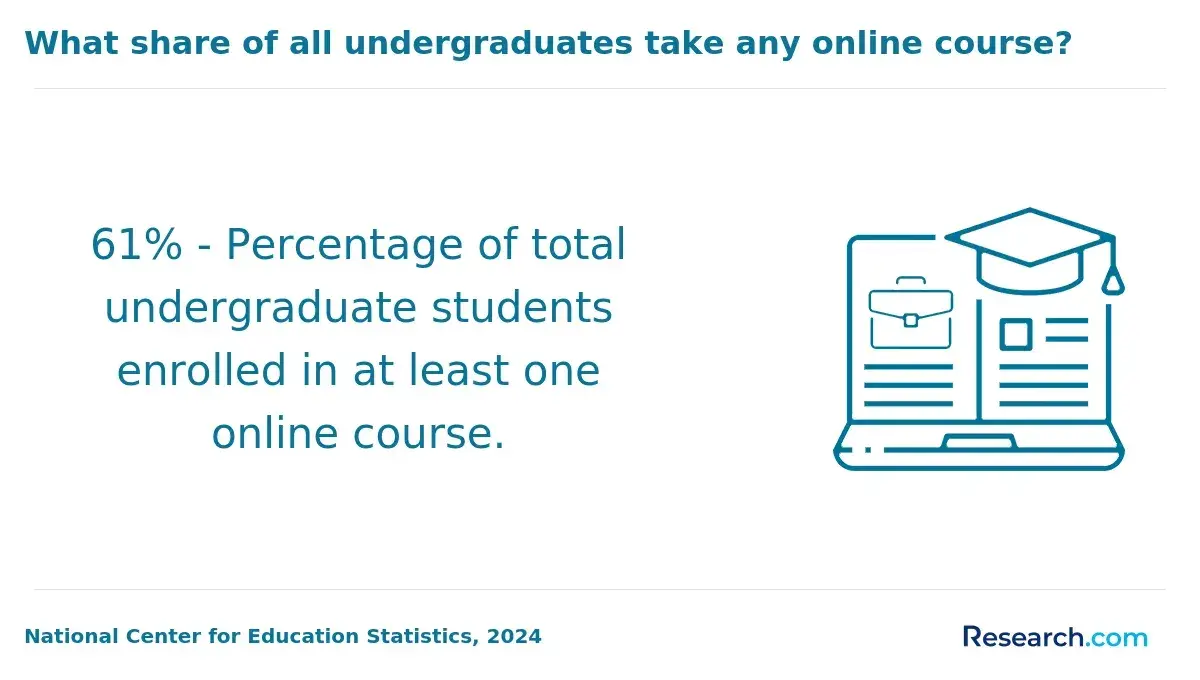
Internship or clinical hour requirements for sociology degrees generally remain consistent between online and on-campus programs. Both formats expect students to complete practical experiences that meet comparable learning outcomes and professional benchmarks, usually ranging from 100 to 300 hours. This hands-on training ensures students develop applicable skills and gain exposure relevant to social research or community work. Notably, enrollment in online higher education has risen by over 30% in the past decade, highlighting growing demand for adaptable internship options within sociology programs.
While requirements are similar, the ways internships are completed differ practically between delivery modes. Online students often benefit from the ability to select placements closer to their own locations, including remote opportunities, offering greater schedule flexibility. In contrast, on-campus learners typically have easier access to university-linked organizations with direct in-person supervision. Scheduling for online internships may incorporate virtual check-ins or remote oversight, but both groups are held to equivalent standards regarding performance and reporting.
How Do Sociology Degree Specialization Choices Affect Internship Requirements?
Choosing a specialization within a sociology degree directly impacts internship requirements because various focus areas demand distinct types and intensities of practical experience. Approximately 60% of students in applied sociology specializations participate in internships as part of their graduation requirements, reflecting the growing workforce need for hands-on skills in social service sectors. For instance, students concentrating on social work or clinical sociology are often required to complete supervised clinical hours in environments such as healthcare facilities or nonprofit organizations, which emphasize counseling and community outreach.
In contrast, those focusing on research methods, criminology, or urban studies generally engage in internships centered on data collection or policy analysis in government, academic, or think tank settings, prioritizing analytical skills over clinical practice. This variation illustrates how sociology degree specialization internship requirements shape experiential learning pathways.
These differences in internship types influence scheduling flexibility, workload, and career preparation for students. Specialized clinical internships tend to involve more demanding, time-intensive placements with structured supervision, posing challenges for balancing course loads. Conversely, internships aligned with research or policy-oriented specializations may offer greater flexibility through part-time or remote arrangements. Such practical experiences significantly enhance students' readiness for their professional fields by providing relevant training tailored to their specialization.
Prospective students exploring programs might also consider options offered by the most affordable online colleges, which can offer varied specializations that align with individual internship needs and career goals within sociology degree specialization internship requirements.
Can Work Experience Replace Internship Requirements in a Sociology Degree?
Work experience can sometimes substitute for internship requirements in a sociology degree, especially for working students managing multiple responsibilities. Many programs recognize this need and may allow prior professional roles to fulfill internship credits if they meet defined standards. Typically, the experience must be closely related to sociological methods or research, last for a considerable period-often several months to a year-and include official employer verification of job tasks. Additionally, the program must remain compliant with accreditation rules that allow such substitutions.
This flexibility is more common for mid-career students or those pursuing applied sociology tracks, where practical, hands-on work aligns with academic goals. Conversely, programs emphasizing foundational academic research or entry-level training generally insist on completing formal internships to ensure students gain essential field exposure. Since policies vary widely between schools and degree levels, prospective students should proactively consult advisors to clarify eligibility and documentation needed for internship waivers.
When I spoke with a sociology degree graduate about her experience, she shared that juggling full-time work while completing her degree was challenging. She recalled, "It felt overwhelming balancing job duties and academic demands, but being able to apply my professional experience towards my internship requirement made a huge difference." She explained that gaining formal approval required detailed documentation and regular communication with her program's internship coordinator. Ultimately, this recognition of her work not only relieved stress but also deepened her learning by integrating real-world sociology practice with academic study.
How Long Do Internships or Clinical Rotations Last in a Sociology Degree?
Internship and clinical rotation lengths in sociology programs significantly impact how students manage their academic and practical commitments, with most requiring between 100 to 200 hours of hands-on experience. Approximately 75% of sociology programs now include experiential learning components, reflecting an increasing emphasis on real-world readiness. Below is an overview of typical internship duration formats found across sociology degrees.
- Short-Term Internships: These usually last 4 to 6 weeks and are common during summer sessions. They offer a concentrated experience ideal for students seeking immersive, intensive training without interrupting their regular semester schedules.
- Semester-Long Rotations: Spanning 8 to 16 weeks, these internships align with a single academic semester and require students to complete roughly 100 to 200 hours. This length allows a balanced integration of classroom theory and practical application within standard term timelines.
- Extended Year-Long Programs: Some specialized tracks, such as social work or criminology, mandate longer internships lasting an entire academic year. These extensive rotations meet specific accreditation requirements and provide deeper, ongoing hands-on experience in professional settings.
- Flexible and Part-Time Arrangements: To accommodate diverse student needs, many programs offer part-time or remote internship options. These models promote accessibility while still fulfilling experiential learning requirements essential for career preparation.
Does Completing Internships Improve Job Placement After a Sociology Degree?
Job placement outcomes are a key concern for prospective students pursuing a sociology degree because they want assurance their education will lead to viable career opportunities. Research indicates that 60% of employers prefer candidates with relevant internship experience, highlighting the impact of internships on employability.
Internships influence post-graduation employment in multiple ways:
- Employer preference: Employers often see internships as evidence of a candidate's readiness and commitment to the profession, making those with experience more competitive in the job market.
- Professional networking: Internships provide valuable connections that can lead to job referrals or full-time employment, crucial for improving job prospects after sociology degree internships.
- Skill development: Students build interpersonal, analytical, and organizational skills that coursework alone may not fully develop, enhancing their ability to perform in real-world roles.
- Direct job conversion: Some internships serve as pipelines to permanent jobs, giving students important advantages when transitioning into the workforce.
While internships and clinical hours are not always mandatory in sociology programs, completing them significantly enhances job placement rates. Students looking to strengthen their career readiness can also consider supplementing their credentials with online certifications, which may further boost employment opportunities in competitive fields linked to sociology.
Do Employers Pay More for Sociology Graduates With Hands-On Experience?
Practical experience such as internships or clinical hours can significantly boost starting salaries for sociology graduates, with research showing a 10-15% pay increase for those who complete such experiences compared to peers without them. This wage advantage stems from employers' preference for candidates who demonstrate workplace readiness through hands-on learning. Several key factors explain this trend:
- Employer valuation: Many organizations, especially in human services, nonprofit, and public sectors, favor candidates who have tangible field experience, as it signals readiness to contribute immediately.
- Negotiation leverage: Graduates with internships often have stronger grounds to request higher salaries, since their practical skills reduce onboarding and training time.
- Industry standards: Certain sociology subfields like social work or community-based research routinely expect experiential learning and financially reward those who possess it.
- Program-specific differences: Students from programs integrating clinical or experiential hours typically enjoy a salary edge over those whose education is mostly theoretical, with distinctions also seen between accelerated, hybrid, and traditional formats.
The extent of salary improvement varies by the nature of the experience; for example, internships focused on data analysis or policy research often lead to higher starting pay than clinical counseling placements. Additionally, how deeply a program merges practical training with academic study can influence compensation outcomes, making it important for prospective students to consider both hands-on opportunities and program structure when evaluating their investment in a sociology degree.
What Graduates Say About Their Sociology Degree Internships or Clinical Hours
- Pam: "The internship component of my online sociology degree was surprisingly affordable, especially compared to traditional programs-averaging just a few hundred dollars for placement fees. It gave me hands-on experience in community outreach, which boosted my confidence and job prospects immediately. I truly believe this real-world exposure was key to launching my career. "
- Uriel: "Reflecting on my sociology program's internship, I appreciated how the cost was reasonable considering the value it added-around $500, which covered all necessary resources and supervision. The virtual format meant I could balance work and study without geographic constraints. This experience opened doors to policy research roles I hadn't considered before. "
- Natalia: "Completing the mandatory internship for my sociology degree online was a practical investment, with fees that were modest relative to the overall cost of tuition. The structured placement helped me develop critical analytical skills directly applicable to my consulting career. It's clear to me now that this internship was a decisive step in my professional development. "
Other Things You Should Know About Sociology Degrees
In 2027, sociology degree programs typically do not require clinical hours. Instead, they might focus on internships or practical fieldwork to provide hands-on experience. Clinical hours are more relevant to fields such as nursing or psychology, not sociology.
Yes, sociology internship programs generally require students to complete paperwork such as time logs, learning contracts, and evaluation forms. Many programs also include reflective journals or reports to encourage critical thinking about internship experiences. These assignments support academic credit and help students articulate their learning outcomes.
References
- Jobs, Internships, & Practicums https://www.brockport.edu/academics/sociology/engaged-learning/
- Which careers will a Sociology degree lead to? | University of Essex https://www.essex.ac.uk/departments/sociology/career-prospects
- The Sociology Internship Program https://www.ccsu.edu/sociology/sociology-internship-program
- 19 tips for sociology majors who are mapping their careers - College Recruiter https://www.collegerecruiter.com/blog/2025/03/13/19-tips-for-sociology-majors-who-are-mapping-their-careers
- Internships in Sociology https://www.albany.edu/sociology/internships-sociology
- Benefits of an Internship https://sociologyatwork.org/2013/12/10/benefits-of-an-internship/
- Sociology Internships | Department of Sociology https://www.unr.edu/sociology/internships
- Internship Program (SOC 494R) https://sociology.emory.edu/undergraduate/internship-program.html
- Getting an Internship as a Sociology Major: Your Path to Professional Success https://sociologycoach.com/getting-an-internship-as-a-sociology-major/
- Undergraduate Programs - Sociology https://sociology.ecu.edu/programs/undergraduates/


