
2027 Economics Degree Coursework Explained: What Classes Can You Expect to Take?

Co-Founder and Chief Data Scientist
Choosing an economics degree often raises questions about the actual coursework and its relevance to career goals. Nearly 65% of economics graduates report using quantitative and analytical skills gained during their studies in the workplace. This reflects the importance of understanding core subjects like microeconomics, macroeconomics, and econometrics. However, unclear expectations about classes can hinder student preparation and decision-making.
This article, prepared by career planning experts, will clarify the typical economics degree curriculum, detailing key classes and how they build the skills demanded by employers, helping prospective students make informed academic and professional choices.
Key Benefits of Economics Degree Coursework
- Economics coursework sharpens quantitative analysis skills, vital for interpreting complex data and making informed decisions in finance and policy sectors.
- Students gain a solid understanding of market dynamics, enhancing their strategic thinking abilities and adaptability in diverse industries.
- Completing economics studies correlates with higher salary potentials; recent data shows economics graduates earn 10-15% above average early-career wages.
What Types of Class Do You Take in a Economics Degree?
Economics degree programs are designed around a structured curriculum that builds both theoretical knowledge and practical skills. A recent trend shows that over 70% of economics undergraduates enroll in research or advanced methods courses by their third year, reflecting an increased focus on analytical expertise. Students typically navigate several categories of coursework that enhance different aspects of their learning.
Below are the main types of classes commonly included in an economics degree core classes overview.
- Core Foundational Classes: These courses establish the essential economic principles and theories underlying market behavior, consumer choices, and macroeconomic dynamics. They emphasize critical thinking, economic reasoning, and understanding supply and demand fundamentals.
- Specialization or Elective Courses: After completing foundational coursework, students select electives aligned with their interests, such as international economics or financial economics. These classes allow students to deepen their knowledge in specific economic sectors or policy areas.
- Research or Methods Coursework: Including statistics, econometrics, and data analysis, these classes equip students with tools to interpret economic data and conduct empirical research, essential for evidence-based conclusions.
- Practicum, Internship, or Capstone Experiences: Many programs integrate hands-on projects or internships to apply theoretical learning in real-world settings, fostering communication, problem-solving, and project management skills critical for career success.
Prospective students interested in graduate-level social work may also consider MSW programs online as an alternative career path. Overall, the typical economics coursework and electives prepare students comprehensively for diverse professional opportunities.
What Are the Core Courses in a Economics Degree Program?
Core classes in economics degree programs build foundational knowledge and essential skills necessary for academic and professional success. These courses focus on economic theory, quantitative methods, and practical applications, helping students develop critical thinking and data interpretation abilities.
In undergraduate economics curriculum, students gain a thorough understanding of how markets function, economic policies shape environments, and statistical tools apply to real-world challenges. These essential classes also train students in research methods and professional practices important for ethical decision-making and teamwork. A solid grasp of these topics equips graduates for diverse career paths or further academic study.
Below is an outline of key core economics courses for degree programs and what students typically learn in each:
- Microeconomics: Focuses on individual market behavior and decision-making by consumers and firms. Students learn to analyze supply and demand, pricing, and resource allocation.
- Macroeconomics: Covers aggregate economic indicators like GDP, inflation, and unemployment. It emphasizes understanding economic cycles, fiscal policy, and monetary policy impacts.
- Econometrics: Teaches statistical methods tailored to economic data, enabling students to test hypotheses and forecast economic trends.
- Mathematical Economics: Introduces mathematical tools and models to express economic theories precisely, sharpening analytical problem-solving skills.
- Statistics for Economics: Develops data analysis techniques, focusing on probability, regression, and inference for interpreting economic information effectively.
- Public Economics: Examines government roles in the economy, including taxation, public spending, and welfare policies, with attention to efficiency and equity.
For those exploring degree options, similar to considering accelerated psychology programs, understanding core course structure is crucial for making informed academic and career decisions. To learn more about related fields and degree choices, review insights on accelerated psychology programs.
What Elective Classes Can You Take in a Economics Degree?
Elective courses in an economics degree offer students the flexibility to concentrate on areas that align with their personal interests and future career plans. Studies indicate that roughly 65% of economics majors choose at least one elective in fields like data analysis or finance, underlining the demand for adaptable skill sets in today's workforce.
Below are some common electives students may encounter.
- Behavioral Economics: This course explores the psychological influences behind economic decisions, enhancing abilities in experimental methods and interpreting complex data sets.
- Financial Economics: Focuses on investment principles, portfolio strategy, and assessing financial risk, equipping students for roles in banking, asset management, or consulting.
- Environmental Economics: Examines the economic effects on ecosystems and sustainability policies, preparing students for positions in policy-making or environmental advisory.
- Health Economics: Studies the dynamics of healthcare markets, insurance frameworks, and policy impacts, valuable for careers in healthcare administration or public agencies.
- International Economics: Covers trade models, global market operations, and exchange rate systems, beneficial for those pursuing international business or diplomatic services.
Are Internships or Practicums Required in Economics Programs?
Hands-on experiences in economics programs serve to connect theoretical learning with practical application, allowing students to apply concepts in real-world settings. These opportunities foster essential skills and insights beyond the classroom environment. About 60% of economics students engage in internships or practicums before completing their degrees, highlighting their growing popularity.
Below are key features commonly associated with these programs:
- Program Requirements: While not universally mandated, many economics programs strongly encourage or offer internships and practicums as integral parts of the curriculum to enhance experiential learning.
- Duration and Timing: Internships typically span 8 to 12 weeks and occur during summer breaks or academic terms, providing focused periods for practical engagement.
- Types of Experiences: Students often work with government agencies, financial firms, research organizations, or nonprofits, gaining exposure to varied economic sectors.
- Skills Development: Participants cultivate abilities in data interpretation, economic modeling, and policy assessment, alongside communication and problem-solving through collaborative projects.
- Supervision and Support: These programs include guided assignments that reinforce academic theories through monitored real-world tasks, enhancing comprehension and analytical skills.
Is a Capstone or Thesis Required in a Economics Degree?
Culminating projects such as capstones and theses are designed to showcase a student's comprehensive understanding and practical application of economics principles. A 2022 survey found that around 65% of undergraduate economics programs require one of these final projects to complete the degree. These requirements differ widely and serve distinct academic and career purposes.
Here's a closer look at key elements of capstones and theses in economics programs:
- Purpose and Nature: A thesis is a research-heavy document where students develop and test hypotheses, often involving extensive data analysis. Capstone projects focus on applying economic theories to real-world issues, typically resulting in practical deliverables like reports or presentations.
- Time and Scope: Completing a thesis usually spans a full semester or longer due to its depth and complexity. Capstones generally require less time and are structured to integrate multiple course concepts into a practical format.
- Skills Gained: Thesis work hones skills in research methodology, critical analysis, and academic writing. Capstones emphasize problem-solving, teamwork, and communication abilities relevant to professional settings.
- Career and Academic Impact: Students aiming for graduate studies or research careers often prefer theses to strengthen their academic portfolios. Those targeting immediate workforce entry may choose capstones to demonstrate applied knowledge and collaboration experience.
- Program Variability: Some economics degrees let students choose between a capstone or thesis, while others mandate one. The decision depends on program focus and student career goals.
Is Economics Coursework Different Online vs On Campus?
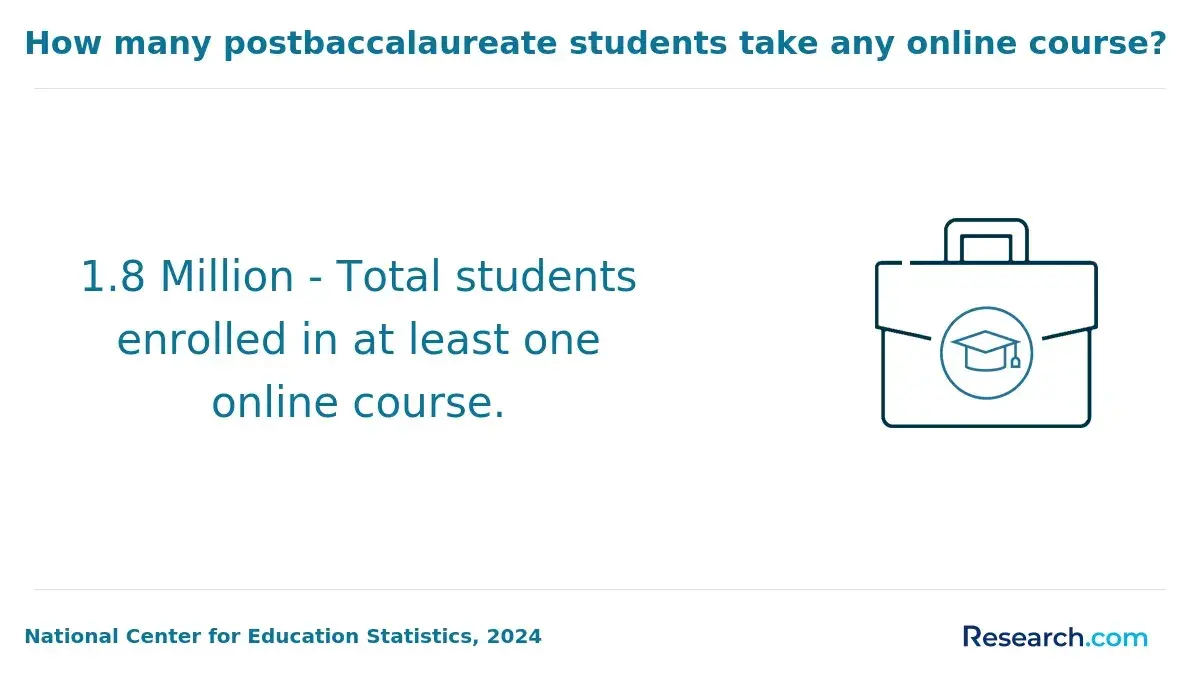
Economics coursework generally maintains consistent curriculum, academic standards, and learning outcomes regardless of delivery format. Whether studying online or on campus, students engage with core subjects like microeconomics, macroeconomics, econometrics, and economic theory. The primary goal of preparing students for academic progress and career opportunities remains the same across both modalities. Differences rarely arise in content or required competencies but rather in how courses are experienced.
Key distinctions between online and on-campus economics courses involve instructional methods and student engagement. Online classes rely heavily on digital tools such as video lectures, forums, and virtual labs, offering flexibility but less immediate interaction. Conversely, on-campus courses provide real-time discussions and direct access to faculty and campus resources like libraries and study groups.
Assessment approaches differ, with online formats favoring timed quizzes and remote exams, while in-person settings may include hands-on evaluations. Collaborative projects and practical components are adapted for virtual participation online, though they might not fully replicate face-to-face experiences.
How Many Hours Per Week Do Economics Classes Require?
Most students pursuing an economics degree can expect to commit approximately 10 to 15 hours per week to their coursework. This average weekly study hours for economics degree generally includes 3 to 5 hours attending lectures, 4 to 6 hours on readings and independent study, and 2 to 4 hours for assignments and group work, which may increase in courses emphasizing applied learning or project components.
The economics coursework time commitment per week can vary widely based on several key factors. Below is a breakdown of the main influences on how much time students typically spend on their studies:
- Enrollment status: Full-time students usually dedicate more hours weekly compared to part-time students balancing their studies with work or other responsibilities.
- Course level: Introductory courses tend to require less time, while advanced seminars often demand intensive analysis, research, and preparation.
- Course format: Online economics courses often provide flexible schedules but require strong self-discipline and effective time management to meet deadlines.
- Credit load: The total number of credits taken per term naturally impacts weekly study hours, with heavier loads requiring more time investment.
- Special requirements: Practicums, internships, or comprehensive projects can create peaks in workload during certain weeks, significantly increasing time demands.
For students considering graduate education options with flexibility, exploring the best online masters in psychology available may provide insights into balancing work and study effectively.
How Many Credit Hours Are Required to Complete a Economics Degree?
Total credit hour requirements for an economics degree significantly influence the length of study, semester workload, and graduation timeline. These requirements vary based on the degree level and specific program structure, affecting how students plan their academic journey. Recognizing how credit hours are allocated helps students balance their course loads and meet progression standards effectively.
Typical components of economics degree credit hour requirements include the following:
- Core coursework: Undergraduate economics degree credit hour requirements usually range from 120 to 130 credits, with a large portion devoted to core courses. These foundational classes cover topics such as microeconomics, macroeconomics, econometrics, and statistics, forming the essential knowledge base for the discipline.
- Electives: Elective credits offer students the opportunity to specialize or explore areas like environmental economics, international trade, or behavioral economics. These courses vary by program but generally comprise a moderate share of the total credit hours, allowing customization within the curriculum.
- Experiential requirements: Many programs integrate practical components such as internships, practicums, capstone projects, or senior theses. These hands-on experiences enhance learning and prepare students for real-world application. Graduate programs tend to emphasize research projects or comprehensive exams as part of these requirements.
- Graduate-level programs: Master's degrees in economics typically require fewer total credits-often between 30 and 36-focusing intensively on advanced economic theory, quantitative methods, and original research. Completion usually involves a thesis or comprehensive examination.
Students interested in an economics degree credit hour requirements should also consider the academic pathways offered by different institutions. For those exploring further education opportunities, some might compare options, including affordable EdD programs that balance workload, tuition costs, and program length in related fields.
How Does Economics Coursework Prepare Students for Careers?
Economics coursework equips students with a broad set of skills, knowledge, and applied experiences that enhance career readiness. These academic experiences translate directly into workplace competencies, preparing students to analyze complex problems and make data-driven decisions.
According to the U.S. Bureau of Labor Statistics, employment in economics-related fields is expected to grow about 14% from 2022 to 2032, signaling strong job prospects with an economics degree.
- Quantitative and Analytical Skills: Students develop proficiency in data analysis, economic modeling, and statistical methods. These skills are crucial for making informed business decisions and evaluating market trends.
- Applied Projects and Real-World Simulations: Many courses incorporate case studies and applied projects that mimic real-world economic challenges, helping students build practical problem-solving abilities.
- Critical Thinking and Strategic Insight: Economics coursework fosters critical evaluation of market dynamics and policies, enabling graduates to contribute strategically within organizations.
- Industry Tools and Technologies: Exposure to software for data analysis and economic forecasting familiarizes students with technologies frequently used in finance, business, and public policy sectors.
- Professional Networking and Collaboration: Group projects and internships integrated within programs cultivate teamwork and communication skills that are essential in professional environments.
When requesting employer support for an economics degree, it is important to present a well-structured proposal that highlights the direct benefits for both your role and the organization. Emphasize how acquiring advanced skills, such as data analysis and critical thinking, will improve your job performance and productivity.
Preparing a written plan including coursework timelines, costs, and a commitment to balancing work and study reflects professionalism and serious intent. Offering to sign an agreement to remain with the company after completing your degree can further strengthen your case.
For prospective students exploring pathways to career readiness, economics degrees offer essential skills valued across industries. Understanding how coursework nurtures these competencies helps clarify the tangible benefits of earning such a degree. For those interested in broader options, a review of online college degrees can provide insights into flexible learning routes tailored to various career goals.
How Does Economics Coursework Affect Salary Potential After Graduation?
Completing targeted economics coursework can significantly boost salary prospects by providing in-demand skills that employers prioritize. Data from the National Association of Colleges and Employers (NACE) reveals that graduates proficient in data analysis and economic modeling earn starting salaries that are roughly 10-15% higher compared to peers with less technical expertise. This wage premium reflects the value placed on the ability to analyze and interpret complex economic data.
Key coursework elements that impact earnings include:
- Development of Quantitative Skills: Advanced microeconomics and econometrics classes enhance students' capability to conduct rigorous data analysis, a skill highly sought after in sectors like finance and policy.
- Specialized Finance and Market Courses: Classes in financial economics and market analysis prepare graduates for competitive roles in consulting, financial services, and economic research, often linked with better compensation packages.
- Applied Learning Experiences: Practical opportunities such as capstone projects, internships, and practicums allow students to demonstrate applied knowledge and workplace effectiveness, making them more attractive to employers.
- Leadership and Management Training: Coursework that integrates leadership skills helps students develop competencies crucial for supervisory or project management positions, fostering career advancement and higher salaries.
- Certification Preparation: Courses geared towards professional credentials like the CFA or economic policy analysis credentials increase graduate marketability and employer confidence, potentially leading to elevated pay.
These focused academic experiences often translate into quicker career growth and access to a wider spectrum of lucrative job opportunities. Graduates equipped with strong analytical and applied economics skills tend to secure roles in diverse industries, including finance, government, technology, and consulting, all of which offer higher earning potential.
What Graduates Say About Their Economics Degree Coursework
- Erman: "Completing my economics degree online was an enriching experience despite the costs, which were higher than I initially expected. The flexibility allowed me to balance work and study effectively, and today, the analytical skills I gained have been indispensable in advancing my career in financial consulting. The investment truly paid off in career growth and confidence."
- Allen: "Reflecting on my time taking economics courses on-campus, I found the cost to be substantial but justified by the immersive learning environment and direct interaction with professors. Those in-person discussions deepened my understanding and prepared me well for the challenges I face as an economic policy analyst. The program was demanding but transformed my professional outlook."
- Jeryll: "The cost of the economics degree was a critical consideration for me, so pursuing it online made it more manageable while still delivering a rigorous curriculum. The coursework sharpened my data interpretation and economic modeling skills, which have become cornerstones of my role in market research. Overall, the degree was a strategic investment that elevated my expertise."
Other Things You Should Know About Economics Degrees
In 2027, economics degree programs typically include foundational classes such as Microeconomics, Macroeconomics, Econometrics, and Economic Theory. These courses provide a solid base in understanding economic principles, policy analysis, and quantitative methods essential for advanced study and career pursuits in economics.
Many economics programs incorporate training in software such as Stata, R, or Excel to teach data analysis and econometrics. These tools help students manipulate large datasets, run statistical tests, and visualize economic trends. Exposure to such programs prepares students for real-world economic research and analytics roles.
In a 2027 economics degree program, students can expect interdisciplinary courses such as behavioral economics, which combines psychology and economics, or econometrics, blending statistical methods with economic theories. Courses on sustainability incorporate environmental studies with economic policy, broadening the educational scope beyond traditional economics.
References
- Why study economics? Unlocking opportunities and shaping the future | University of East London https://www.uel.ac.uk/blog/why-study-economics-unlocking-opportunities-shaping-future
- If you are an economics student at university, how much free time do you have? https://www.thestudentroom.co.uk/showthread.php
- Economics Placements/Internships | Gradcracker - Careers for STEM Students https://www.gradcracker.com/search/maths-business/economics-work-placements-internships
- Econ UG Honors Thesis | HKUST Department of Economics https://econ.hkust.edu.hk/programs-n-courses/ug-programs/econ3800
- Success Rate Disparities Between Online and On-campus Economics Courses: The Roles of Campus Affiliation, Student Characteristics, and Course Level https://olj.onlinelearningconsortium.org/index.php/olj/article/view/3447
- Bachelor of Economics - Wikipedia https://en.wikipedia.org/wiki/Bachelor_of_Economics
- Student internship | SGH | Szkoła Główna Handlowa w Warszawie https://www.sgh.waw.pl/en/student-internship
- Is a BA in Economics Worth It? Career Prospects & Benefits | BSBI https://www.berlinsbi.com/blog/is-a-ba-in-economics-worth-it
- Study Economics, why & how to study https://www.thecompleteuniversityguide.co.uk/subject-guide/economics


