2027 Entry-Level Jobs With an English Degree

Co-Founder and Chief Data Scientist
What job opportunities are available for graduates with an English degree entering the workforce? With nearly 20% of English majors reporting underemployment within their first year post-graduation, the challenge of securing relevant beginner roles is significant. Many students worry about how to leverage their skills in writing, critical thinking, and communication to find suitable entry-level careers.
Common starting points include roles in content creation, editorial assistance, and communications coordination across various industries. This article explores the range of entry-level jobs accessible to English degree holders and offers guidance on navigating the early stages of career development in the field.
Key Benefits of Entry-Level Jobs With an English Degree
- Entry-level jobs in English help graduates gain practical experience and develop vital industry-specific skills like editing, content creation, and communication.
- These roles offer clear pathways for career advancement and long-term professional growth in fields such as publishing, marketing, and education.
- Early career positions enable graduates to build professional networks and strengthen resumes, improving job prospects in a competitive market where 65% value relevant experience.
What Entry-Level Jobs Can You Get With an English Degree?
Graduates with an english degree often find themselves well-prepared for a range of entry-level roles that capitalize on their communication and critical thinking skills. Data from the National Association of Colleges and Employers shows that 62% of liberal arts graduates secure positions in communication-focused jobs within their first year. Here are some common entry-level jobs for english degree graduates that offer strong foundations for professional growth.
- Content Writer: Content writers craft articles, blogs, and web content that engage audiences and support marketing strategies. This job sharpens research skills, clarity in writing, and adherence to deadlines, serving as a valuable stepping stone toward careers in communications or publishing.
- Editorial Assistant: Editorial assistants support the publishing process by reviewing manuscripts, fact-checking, and assisting with workflow coordination. This role builds attention to detail and understanding of content production, preparing graduates for advanced editing or publishing roles.
- Communications Coordinator: This role involves creating press releases, managing social media accounts, and assisting internal communications efforts. It enhances messaging abilities and audience engagement, laying a strong groundwork for careers in public relations or corporate communications.
- Public Relations Assistant: PR assistants help manage media contacts and support campaign initiatives to influence public perception. The position develops interpersonal communication and strategic writing skills useful for long-term work in brand management and public relations.
- Technical Writing Assistant: Working alongside engineers or developers, technical writing assistants translate complex information into clear user manuals and guides. This career path merges writing expertise with specialized knowledge, making it a distinct option within technical communication fields.
These entry-level opportunities not only provide valuable professional experience but also align with common english degree career opportunities for beginners interested in developing strong communication and writing skills. For those considering further education to advance faster, exploring 1 year master's programs can also be a strategic option.
Which Industries Hire the Most English Graduates?
Graduates with English degrees find opportunities across diverse industries that value their communication, analytical, and critical thinking abilities. Data from the National Association of Colleges and Employers indicates that about 35% of English graduates begin their careers in media, publishing, or education sectors, reflecting a strong concentration in these fields. Below are some primary industries where English graduates commonly find employment.
- Publishing: This sector hires English graduates for roles such as editorial assistants, content creators, and proofreaders. Their expertise in language and writing supports the production of high-quality print and digital materials.
- Education: Many English graduates pursue teaching positions at K-12 and higher education levels. Their deep understanding of literature and composition equips them for instructing diverse student populations.
- Marketing and Advertising: These industries seek professionals who can craft persuasive messages and manage brand storytelling. Entry-level roles often include copywriting, social media management, and content marketing.
- Media and Communications: English graduates work in journalism, reporting, and public relations, using their skills to research, write clearly, and engage audiences effectively.
- Nonprofit and Public Sector: Clear communication is essential here, with English graduates supporting missions through grant writing, communications, and program coordination.
A recent English degree graduate shared insights on their job search experience. They described feeling "both excited and overwhelmed" navigating industries that often value experience that new graduates lack. After facing rejections, they found opportunities in nonprofit communications, noting that persistence and tailoring applications made a big difference. Reflecting on the process, they emphasized how important it was to "adapt my skills to fit the unique needs of each sector," which eventually opened doors beyond the most obvious career paths.
Which Entry-Level English Jobs Pay the Highest Salaries?
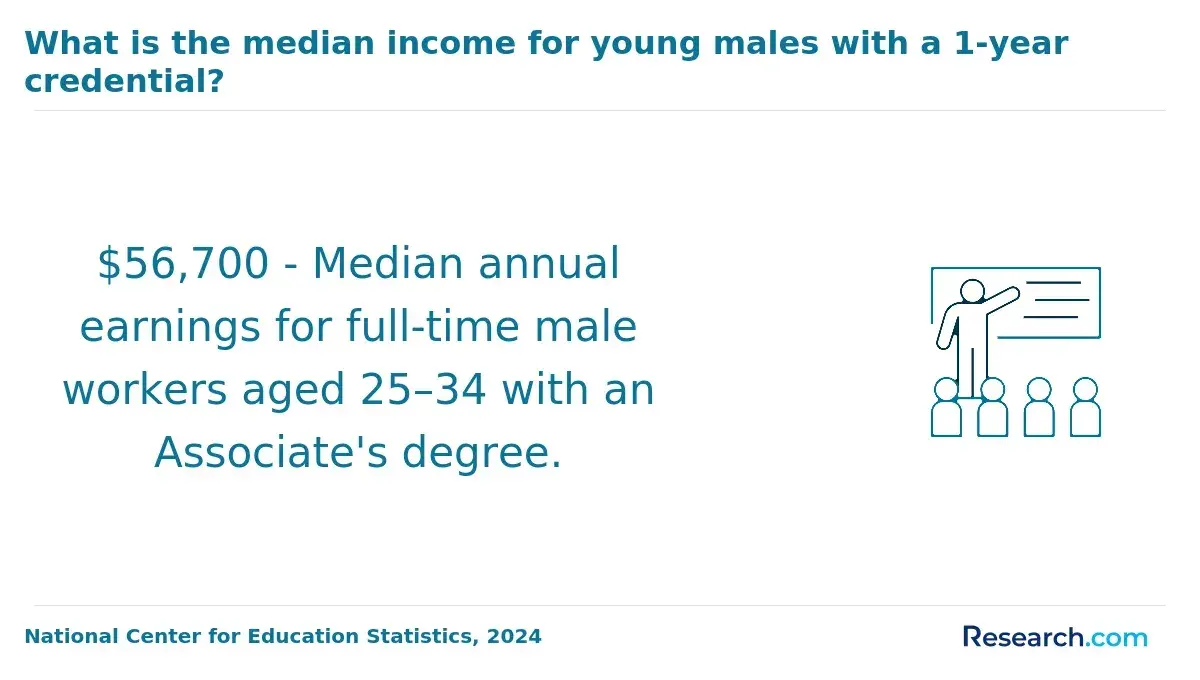
Starting salaries for entry-level positions in the English field can vary widely depending on the job role and industry demands. Some careers command higher pay due to specialized writing skills or the direct impact those roles have on business outcomes. The following list highlights some of the top-paying entry-level jobs for English graduates.
- Technical Writer: These professionals convert complex technical data into accessible manuals and documentation, commonly in technology or engineering sectors. Entry-level salaries typically range from $50,000 to $65,000, reflecting the specialized communication skills required.
- Copywriter: Focused on creating persuasive content for marketing and advertising, copywriters earn between $40,000 and $55,000 initially. Their influence on brand messaging and consumer engagement often justifies this higher pay.
- Public Relations Assistant: Responsible for managing communications and press materials that shape a company's image, these assistants can expect salaries from $42,000 to $58,000. The strategic nature of their work supports a stronger starting salary.
- Editorial Assistant: Handling proofreading, fact-checking, and scheduling within publishing or media, entry-level editorial assistants earn roughly $35,000 to $48,000. Although this role typically offers lower pay, it provides valuable industry experience.
- Grants Writer: Tasks include researching funding opportunities and drafting proposals for nonprofits, typically starting around $40,000 to $55,000. The careful crafting of proposals to secure funding explains the relatively competitive salary.
What Skills Do Employers Look for in Entry-Level English Graduates?
Employers evaluating entry-level English graduates prioritize practical skills over pure academic credentials, as many recent graduates lack certain essential abilities. For example, 75% of employers cite effective communication skills for entry-level English graduates as a top requirement. These competencies enable graduates to contribute effectively from day one. Below are the key qualifications employers seek in English degree holders.
- Effective Communication: Employers expect clear writing and verbal skills to produce reports, presentations, and correspondence that engage diverse audiences. Strong communication bridges the gap between ideas and their practical application in workplace tasks.
- Critical Thinking: The ability to analyze texts, assess information critically, and formulate reasoned conclusions is vital. This skill supports problem-solving and decision-making, which are frequently required in entry-level roles.
- Research Proficiency: Graduates must efficiently gather, evaluate, and synthesize information. This skill ensures accuracy and reliability in work outputs, an indispensable quality for credible professional contributions.
- Attention to Detail: Employers value precision that guarantees error-free documents and high-quality results, reinforcing professionalism and trustworthiness in all deliverables.
- Collaboration and Adaptability: Entry-level English graduates often work in teams and need to adjust to varying perspectives and evolving tasks. Flexibility and teamwork enhance productivity and workplace harmony.
Employers often assess these skills through writing samples and interviews, rather than relying only on grades. For students interested in expanding their qualifications, programs such as the LMFT online program offer additional career pathways.
Do Employers Hire English Graduates With No Internships?
Employers assessing recent English graduates for entry-level roles often weigh internship experience as a significant advantage, as it allows candidates to demonstrate practical skills and familiarity with workplace expectations. According to data from the National Association of Colleges and Employers, around 60% of job offers to new graduates go to those with internship or cooperative education experience. However, this still means a notable percentage of hires come from candidates lacking formal internships. Understanding this helps clarify how hiring decisions unfold for English graduates in competitive markets.
Graduates without internships can remain competitive by emphasizing strong academic achievements, transferable skills, and relevant projects that showcase their capabilities. Employers may value writing samples, research work, or leadership roles in academic and extracurricular settings when considering applicants without direct work experience. Hiring priorities differ depending on the employer and specific job function, with some placing more weight on potential and adaptability rather than internship history. This variability underscores the importance of articulating personal strengths and accomplishments effectively to stand out during the recruitment process.
What Certifications Help Entry-Level English Graduates Get Hired?
Certifications can greatly enhance an English graduate's job prospects by confirming practical skills that employers find valuable. Research shows that over 60% of employers favor candidates with relevant certifications, as these prove expertise beyond academic achievements. Below are several certifications that notably boost employability for those starting their careers in English-related fields.
- Certified Proofreader: This certification verifies an advanced ability to catch errors and refine text, which is critical for roles demanding precision in editing and review. Employers appreciate this credential as it signals meticulousness and a professional approach to content accuracy.
- TEFL/TESOL Certification: Demonstrates proficiency in teaching English to speakers of other languages. It opens doors to entry-level positions in education and international communication by showing readiness to engage diverse learners.
- HubSpot Content Marketing Certification: Validates expertise in content strategy, creation, and digital marketing fundamentals. It supports roles focused on crafting effective messaging and managing online communications.
- Adobe Certified Associate in Visual Communication: Confirms skills in Adobe tools like Photoshop or InDesign, combining writing with graphic design abilities. This adds value in publishing and media environments where visual and textual content intersect.
- Society for Editors and Proofreaders Membership: Offers recognized industry validation for editing and proofreading competence, enhancing credibility and trust for editorial positions.
A professional with an English degree I consulted recalled how earning a TEFL certification was transformative. She shared, "Initially, I felt uncertain about how to apply my degree practically, but obtaining TEFL gave me a concrete skill set that employers respected." She described the process as challenging yet rewarding, requiring dedication to master lesson planning and language teaching techniques. "It opened unexpected doors," she explained, "especially because it made my resume stand out beyond the typical candidate." Her experience highlights how targeted certifications can provide confidence and clear career direction early on.
How Can Students Prepare for Entry-Level English Jobs While in College?
Starting career preparation early significantly boosts employability for English graduates, with research indicating that 78% of employers value candidates who combine academic knowledge with practical skills. Gaining relevant experience and honing key abilities during college can set students apart in entry-level job searches. Here are effective strategies students can use to enhance their readiness before graduation.
- Building Practical Experience: Writing for campus publications or community newsletters helps create a strong portfolio demonstrating clear communication and adaptability to varied audiences, essential for many English roles.
- Developing Technical and Soft Skills: Proficiency with digital tools for editing and content management complements soft skills like critical thinking, teamwork, and time management, all highly sought by employers.
- Engaging in Academic Projects: Participation in research papers, presentations, and collaborative assignments builds discipline and showcases the ability to handle complex, analytical tasks.
- Utilizing Campus Resources: Career centers offer resume workshops, mock interviews, and job fairs that familiarize students with employer expectations and networking opportunities, enhancing job readiness.
- Seeking Constructive Feedback: Regular input from professors and peers on writing and projects refines skills and builds confidence, making candidates more competitive for entry-level positions.
How Competitive Is the Entry-Level Job Market for English Graduates?
The entry-level job market for English graduates in the United States is moderately to highly competitive. About 56% of humanities and English graduates secure employment within six months of graduation, reflecting a reasonable rate of entry-level hiring. However, demand fluctuates by role, making it essential for graduates to understand the challenges ahead. This competitive environment influences how new graduates pursue opportunities in fields such as publishing, communications, and education support.
Several key factors affect competitiveness in securing entry-level English degree jobs in 2024. The volume of applicants for each position is often high, as English degrees attract a broad pool of qualified candidates. Employers tend to expect not only academic success but practical experience with digital content tools, social media management, or editorial standards.
Additionally, competition varies by sector; for example, publishing roles may have more applicants per opening compared to administrative positions. For those interested in unique interdisciplinary careers, exploring options like a video game designer could offer alternative pathways beyond traditional entry-level English roles.
What Remote Entry-Level Jobs Can You Get With an English Degree?
Remote work has created more opportunities for entry-level professionals with an English degree, especially since remote roles in the U.S. have grown from 33% in 2019 to nearly 45% in 2023. This shift expands early-career access beyond local job markets and suits those looking for remote content writing jobs for English graduates. Below are common remote-friendly entry-level positions well-suited to English degree holders.
- Content Writer: Content writers produce blog posts, articles, and website copy tailored to specific industries. Their remote duties include researching topics, drafting clear text, and revising content, which enhances writing versatility and digital communication skills.
- Copy Editor: Copy editors ensure grammatical accuracy and clarity in written materials. They collaborate remotely with writers, sharpening attention to detail and familiarity with editorial standards in entry-level remote editorial positions with an English degree.
- Social Media Coordinator: These coordinators manage content calendars and create posts to engage audiences on social platforms. Working remotely, they develop skills in digital marketing and targeted messaging, often requiring knowledge gained from an online social media marketing degree.
- Technical Writer: Technical writers create manuals and guides that clarify complex information. Remote technical writing improves the ability to organize and simplify content for diverse readers, fitting well with an English background.
These roles highlight how English graduates can leverage communication and analytical skills to launch remote careers that offer continuous learning and professional growth early in their journeys.
How Quickly Can English Graduates Get Promoted?
Promotion speed for entry-level English graduates generally depends on factors such as individual performance, accumulated experience, and the structure of the employing organization. Industry data shows the average time to a first promotion in communication and writing roles is about three years, though this varies widely. Employees who demonstrate initiative and adapt quickly often see faster advancement. Organizational size also matters, with larger companies typically having more formal promotion paths, which can extend the timeline.
Advancement is influenced by continuous skill development and strong workplace performance, both crucial for early promotions in entry-level English jobs. The complexity of a role and the hierarchy within a company play key roles in determining how quickly one moves up. Those who successfully enhance leadership potential and teamwork capabilities usually progress more swiftly. For students exploring career options, pursuing relevant qualifications like associates degrees online can provide foundational skills that support growth in these fields.
What Graduates Say About Entry-Level Jobs With an English Degree
- Callen: "Applying for an entry-level role as a recent English graduate taught me the value of flexibility, especially when considering remote versus onsite options. I chose a hybrid position because it allowed me to balance collaboration with independent work, which suited my style perfectly. This first role has been crucial in shaping my communication skills and giving me practical experience that feels directly relevant to my career goals."
- Koen: "When I was selecting an entry-level job, I focused heavily on the company culture and opportunities for mentorship rather than salary alone. Starting onsite in a smaller firm gave me a firsthand look at how effective writing and critical thinking can impact overall business success. These early experiences have inspired me to pursue a career where I can continuously grow and eventually lead projects of my own."
- Owen: "Landing an entry-level position in the English field was a mix of strategic applications and trial-and-error. I realized that gaining experience in various work environments-remote, hybrid, and onsite-helped me better understand my strengths and preferences. This role not only boosted my confidence but also opened doors to advanced opportunities I hadn't anticipated when I first graduated."
Other Things You Should Know About English Degrees
In 2027, most entry-level positions with an English degree do not require advanced degrees. Employers often look for strong communication skills, critical thinking, and creativity. Graduates can find opportunities in publishing, content creation, and marketing without needing further academic qualifications.
While entry-level positions are designed for recent graduates, relevant work experience such as internships, volunteer roles, or freelance projects significantly improves employability. Practical experience demonstrates the application of skills in writing, editing, or communication, which employers value highly.
Technical skills like proficiency in Microsoft Office, content management systems, and basic design or editing software are often beneficial for entry-level English roles. Although not always mandatory, familiarity with digital tools enhances a candidate's competitiveness in areas such as marketing, publishing, and media.
References
- Graduate Skills Employers Want: Equipping Students for Success in the UK Workforce — HE Professional https://heprofessional.co.uk/edition/graduate-skills-employers-want-equipping-students-for-success-in-the-uk-workforce-release
- English Learner Checklist: 8 Steps for Interview Prep | Tina Teaches ENG https://tinateachesenglish.com/8-steps-for-interview-prep-checklist/
- Verifying that you are not a robot... https://www.developingastudent.com/best-entry-level-graduate-jobs/
- 10 Entry-Level Jobs for English Majors (No, English Teacher Isn’t One of Them) | The Muse https://www.themuse.com/advice/english-major-jobs-careers
- Language Certifications That Boost Careers https://fluentcap.live/blog/language-certifications-international-career/
- The eight graduate skills employers want https://www.unitemps.com/career-advice/the-eight-graduate-skills-employers-want/
- 14 High Paying Jobs with No Experience or Degree Needed In The UK - NCC Blog https://www.ncchomelearning.co.uk/blog/high-paying-jobs-with-no-experience/
- What to Do With an English Degree? Five Entry Level Career Ideas | BestCompaniesAZ https://bestcompaniesaz.com/blog/what-can-i-do-with-an-english-degree/
- 10 Tips from Non-native English Students to Get You Your First Job https://talktocanada.com/blog/10-tips-from-non-native-english-students-to-get-you-your-first-job/
- Top Skills UK Employers Demand from Graduates in 2025 https://uniresearchers.co.uk/assignments/top-skills-employers-look-for-in-graduates/