
2027 Financial Technology Degree Coursework Explained: What Classes Can You Expect to Take?

Co-Founder and Chief Data Scientist
Many prospective students struggle to understand which classes build the practical skills demanded in the rapidly evolving fintech industry. Recent data shows that over 75% of financial technology degree programs now emphasize hands-on learning in areas like blockchain, data analytics, and cybersecurity, reflecting industry needs.
Without clear insight into course content, students may underestimate the technical knowledge required to enter this field. This article clarifies the typical financial technology degree coursework, highlighting core subjects and how they equip students for success in both academic and professional settings.
Key Benefits of Financial Technology Degree Coursework
- Financial technology coursework develops analytical and coding skills crucial for creating innovative payment systems, with 72% of fintech roles requiring programming knowledge.
- Courses enhance understanding of blockchain and cybersecurity, addressing growing demands as fintech security breaches increased by 38% in recent years.
- Curriculums emphasize data analysis and machine learning, boosting employment potential and contributing to an average 15% higher salary than traditional finance roles.
What Types of Class Do You Take in a Financial Technology Degree?
A financial technology degree curriculum integrates finance, technology, and data analysis to equip students for roles in a fast-growing industry with an annual growth rate exceeding 20%. The coursework is structured to build both foundational knowledge and specialized expertise in fintech areas. This balanced approach ensures students gain the technical and financial skills needed to succeed. Below are the typical types of classes found in core and elective classes in financial technology degrees programs.
- Core Foundational Classes: These courses cover fundamental concepts in finance, accounting, and programming, establishing a base understanding of financial systems alongside essential coding and software skills.
- Specialization or Elective Courses: Students delve into advanced topics such as blockchain, cybersecurity, digital payments, or data analytics, allowing customization of their learning toward innovative fintech areas.
- Research and Methods Coursework: Emphasizing statistical analysis, quantitative techniques, and financial modeling, this coursework sharpens students' capability to analyze data and apply quantitative tools to solve real-world challenges.
- Practicum, Internship, or Capstone Experiences: Hands-on projects and internships provide practical experience, enabling students to apply theoretical knowledge to industry problems and develop valuable professional skills.
Prospective students interested in expanding their credentials might also consider related options such as bcba certification online to enhance their career prospects. Comprehensive financial technology degree curriculum and coursework prepare graduates to meet the evolving demands at the convergence of finance and technology.
What Are the Core Courses in a Financial Technology Degree Program?
Core classes in a financial technology degree serve to build essential knowledge in finance, computer science, and data analytics. These courses equip students with the skills needed to analyze complex financial data, develop innovative solutions, and understand how technology integrates with financial systems.
Students pursuing a financial technology degree gain expertise in research methods and quantitative techniques, which are vital for effective data analysis and problem-solving. Coursework in professional practices emphasizes ethical considerations and regulatory frameworks, preparing students to work responsibly within financial markets. Applied skills courses focus on programming and system design tailored for fintech applications, ensuring graduates are well-prepared for industry demands. Below is a list of typical core courses highlighting important topics for fintech degree students.
- Introduction to Financial Technology: Provides an overview of the fintech landscape, exploring how technology transforms traditional finance and the emerging trends driving innovation.
- Programming for Finance: Teaches coding languages and development tools essential for creating financial software solutions and automating financial processes.
- Data Structures and Algorithms: Focuses on foundational computer science concepts that support efficient data management and computation critical to fintech applications.
- Financial Markets and Instruments: Covers the structure and functioning of financial markets, helping students understand various investment products and their roles.
- Data Analytics and Visualization: Develops skills in analyzing complex financial datasets and visually communicating insights for strategic decision-making.
- Risk Management and Compliance: Examines how to identify, assess, and mitigate financial risks within legal and regulatory constraints.
- Blockchain and Cryptocurrencies: Introduces distributed ledger technology and digital currencies, highlighting their disruptive impact on finance.
- Financial Modeling and Quantitative Methods: Focuses on building mathematical models to forecast financial performance and support investment decisions.
For students exploring options, understanding these essential classes for fintech degree students can help clarify program expectations and outcomes. Those interested in related fields may also consider online engineering programs as part of a broader technology education.

What Elective Classes Can You Take in a Financial Technology Degree?
Elective courses in a financial technology degree enable students to customize their studies according to personal interests and long-term career goals. Industry data shows that more than 60% of fintech professionals credit electives with enhancing their specialized skills, underscoring their rising significance. Below are some commonly available elective options that allow students to deepen expertise in key fintech domains.
- Blockchain and Cryptocurrencies: This course delves into distributed ledger systems, the mechanics of digital currencies, and their role in secure financial processes, preparing students for roles such as blockchain developers or cryptocurrency analysts.
- Data Analytics for Finance: Focused on big data techniques, statistical methods, and predictive modeling, this course equips learners to analyze market behaviors and customer trends, valuable for careers in data analysis and financial strategy.
- Cybersecurity in Financial Services: Emphasizing protection of financial infrastructures, students study threat prevention, risk mitigation, and incident response techniques, critical for cybersecurity specialists in fintech.
- Regulatory Technology (RegTech): This elective examines digital compliance tools and regulatory frameworks, helping students guide organizations in managing legal risks and ensuring transparency.
- Artificial Intelligence and Machine Learning: Exploring AI-driven solutions, this course enables students to develop automated systems for credit scoring, fraud detection, and investment optimization, opening paths toward AI engineering roles in finance.
A professional who completed a financial technology degree shared that choosing electives was "both exciting and overwhelming," as he wanted to balance practical skills with emerging trends. He described spending weeks researching which classes aligned best with his goal of entering fintech product management. "I remember feeling uncertain whether to prioritize technical electives like AI or regulatory-focused courses," he said. Ultimately, his chosen electives helped him build a versatile skill set, and he advises prospective students to reflect on their desired career trajectory before finalizing their options. This careful approach, he noted, made the elective selection process intellectually rewarding despite its challenges.
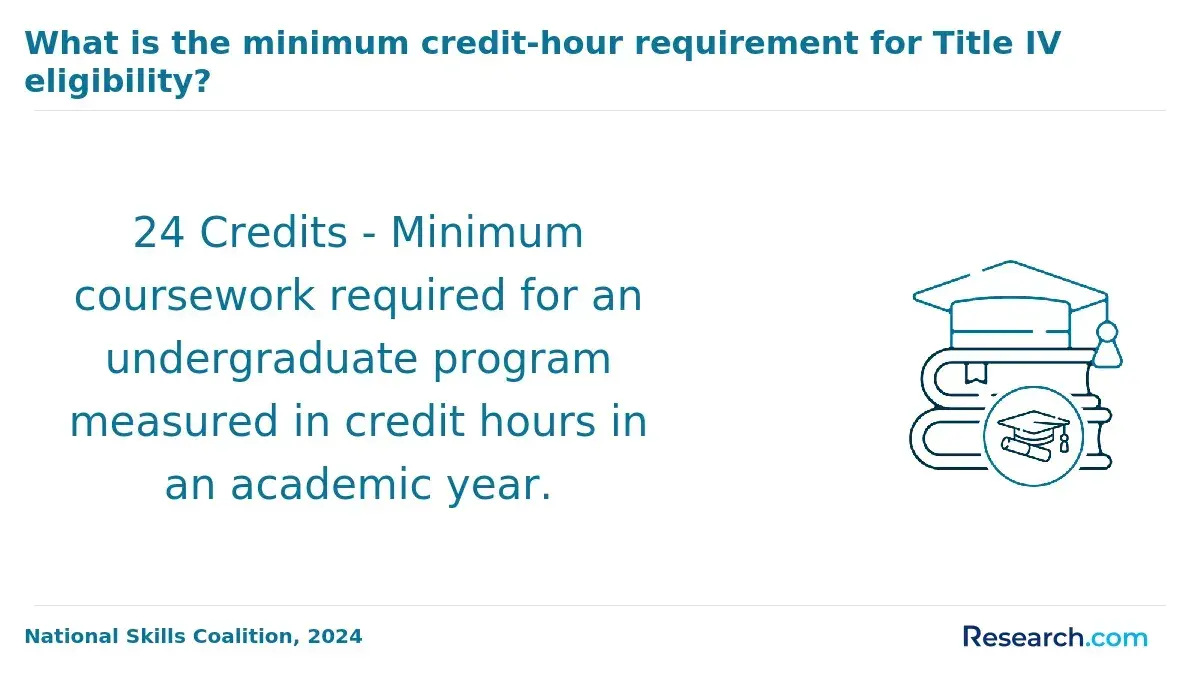
Breakdown of All Fully Online Title IV Institutions

Are Internships or Practicums Required in Financial Technology Programs?
Practical, hands-on experiences in financial technology programs are designed to connect classroom learning with real-world industry demands. Over 70% of these programs now incorporate an internship or practicum, underscoring their role in developing applied skills.
Key points about internships or practicums in financial technology studies include:
- Program Requirements: Many institutions either require or highly encourage completing an internship or practicum to fulfill program criteria and enhance learning outcomes.
- Duration and Hours: These experiences typically last one semester, involving anywhere from 120 to 300 hours in a professional environment related to finance or technology.
- Types of Work: Students engage in diverse projects such as data analysis, blockchain programming, cybersecurity tasks, and financial modeling, gaining direct exposure to fintech challenges and tools.
- Skills Development: Internships foster problem-solving abilities, proficiency in programming languages like Python and SQL, comprehension of regulatory frameworks, and teamwork across various disciplines.
- Communication and Networking: Beyond technical skills, practical placements also enhance communication skills and facilitate valuable connections within the fintech community.
Is a Capstone or Thesis Required in a Financial Technology Degree?
Capstone projects and theses serve as key milestones in demonstrating both practical and academic mastery within financial technology degrees. Around 60% of these programs include capstone projects, highlighting a shift toward hands-on, applied learning experiences.
Here is a clear breakdown of how these culminating projects differ and what they typically involve:
- Purpose and Focus: Capstones emphasize practical application by solving real fintech challenges, while theses concentrate on original research that advances scholarly knowledge in the field.
- Typical Structure: Capstones often involve teamwork, case studies, or developing fintech tools, whereas theses require comprehensive research, data analysis, and formal academic writing.
- Skills Developed: Capstone projects build problem-solving, collaboration, and technical implementation skills; theses enhance research capabilities, critical thinking, and professional writing.
- Time Commitment: Capstones usually span a single semester and demand less time overall; theses may extend over multiple semesters due to their depth and rigor.
- Career and Academic Impact: Capstones prepare students for immediate fintech roles with practical experience, while theses are ideal for those considering doctoral studies or research-intensive positions.
Reflecting on this, I spoke with a professional who completed a Financial Technology degree involving a capstone project. She recalled the initial pressure of coordinating with team members remotely and juggling deadlines while developing a prototype for a payment application. Despite early setbacks, the collaborative environment helped her refine both technical and communication skills crucial for her fintech career. "The capstone pushed me to apply what I'd learned in a tangible way," she said, highlighting how the process made complex concepts feel accessible and relevant. Her experience underscored the value of capstone projects in bridging academic theory and real-world fintech challenges, confirming their growing importance in modern degree programs.
Is Financial Technology Coursework Different Online vs On Campus?
The coursework for financial technology degrees remains largely consistent whether pursued online or on campus. Both formats follow the same curriculum, uphold comparable academic standards, and target identical learning outcomes. Students in either setting develop core skills in areas like blockchain, financial regulations, and data analytics. Thus, the fundamental knowledge and competencies gained do not differ significantly based on delivery mode.
Differences emerge mainly in how instruction and interaction occur. Online programs use video lectures, virtual group work, and discussion boards, providing more flexibility in scheduling. On-campus students benefit from face-to-face engagement with faculty and peers, often enhancing immediate feedback and networking. Campus learners also access physical labs and libraries, whereas online students rely on digital resources and virtual office hours. Assessments online may include open-book tests and projects, while in-person formats tend to favor proctored exams. Practical elements like coding labs are adapted for virtual platforms but often feel more immersive when conducted on campus.
How Many Hours Per Week Do Financial Technology Classes Require?
Financial technology classes typically require students to dedicate between 10 and 20 hours per week. This time is generally divided among attending lectures, completing readings, working on assignments or projects, collaborating with peers, and engaging in practical exercises or labs. Lecture time often ranges from 3 to 6 hours per week, with additional 3 to 5 hours spent on research and reading to build a strong foundation. Assignments, such as coding or financial modeling, usually demand 3 to 6 hours, while group work and applied learning add variable hours depending on the course.
Several factors influence the average time commitment for fintech classes. Below is a breakdown of key elements that shape weekly study hours:
- Enrollment Status: Full-time students tend to spend more hours weekly than part-time learners, balancing more courses and credits.
- Course Level: Advanced or graduate-level fintech courses require greater effort and time due to increased complexity and depth.
- Course Format: Online classes offer scheduling flexibility but necessitate strong self-discipline and time management compared to on-campus formats.
- Credit Load: The number of credits taken each term affects overall weekly hours, with heavier loads demanding more study time.
- Practicum or Capstone Projects: Required hands-on components or final projects can significantly increase the weekly commitment beyond regular coursework.
The financial technology degree weekly study hours vary markedly but understanding these influences can help prospective students plan effectively. For those exploring program options, comparing time expectations alongside tuition is key. Prospective students seeking additional guidance on program affordability may find useful information on affordable online mft programs.
How Many Credit Hours Are Required to Complete a Financial Technology Degree?
Total credit hour requirements for a financial technology degree significantly impact program length, course workload, and the timeline for graduation. These requirements differ by degree level and program format, influencing how students plan their academic paths. Knowing how credits are allocated helps prospective students align their studies with career objectives and personal circumstances.
The typical credit hour distribution for financial technology programs generally falls into several key categories:
- Core coursework: Undergraduate programs usually require 120 to 130 credit hours, with a substantial portion dedicated to core subjects like financial data analysis, blockchain technology, cybersecurity, and programming. Graduate programs are more focused, often requiring 30 to 45 credit hours of advanced coursework tailored to fintech specialization.
- Electives: Elective credits allow students to deepen expertise in niche areas within financial technology. Undergraduates have flexibility for broader electives, while graduate students typically choose advanced electives aligned with applied research or industry trends.
- Experiential components: Many programs include practicums, internships, capstone projects, or theses to provide practical, real-world experience. These requirements vary but are integral to bridging classroom learning with professional application in both bachelor's and master's fintech degrees.
While undergraduate financial technology degree credit hour requirements incorporate general education alongside specialized classes, graduate programs emphasize advanced topics and research. Some institutions offer accelerated options or combined degrees, which can alter the total credit hours and completion time. Prospective students should review program details closely to understand how credit hours translate into their specific academic and career plans.
For students considering a fintech degree, it's useful to compare these requirements alongside other high paying degrees to evaluate long-term benefits and workload expectations. This practical perspective aids in making informed decisions about pursuing a degree in financial technology.
How Does Financial Technology Coursework Prepare Students for Careers?
Financial technology coursework equips students with a combination of technical skills, industry knowledge, and practical experience that directly translates to professional readiness. As the demand for expertise in finance and technology grows, mastering these competencies is essential for early-career professionals. According to the U.S. Bureau of Labor Statistics, employment in financial and technology-related fields is projected to grow 13% over the next decade, reflecting strong job prospects for graduates.
- Skill Development: Financial technology programs build crucial skills such as data analysis, programming, and understanding of financial systems. These competencies enable students to navigate complex datasets and design innovative solutions, making them valuable assets to employers focused on digital transformation.
- Applied Projects: Coursework often includes hands-on projects that simulate real-world scenarios, allowing students to apply theories and tools in practical settings. These experiences demonstrate the ability to solve problems and implement technologies that enhance business operations.
- Critical Thinking: Financial technology education fosters analytical thinking and problem-solving abilities necessary for adapting to rapidly changing industries. Students learn to assess risks, develop strategies, and make informed decisions, which are vital for career advancement.
- Industry Tools and Technologies: Exposure to current financial software, blockchain platforms, and programming languages prepares students to hit the ground running in technology-driven workplaces. Familiarity with these tools increases professional readiness and confidence.
- Professional Networking Opportunities: Programs often encourage collaboration and interaction with peers and industry professionals, helping students build valuable networks. These connections can lead to internships, mentorships, and job opportunities that support career growth.
When requesting employer support to pay for a financial technology degree, preparation and clear communication are essential. Begin by researching your company's tuition reimbursement or sponsorship policies to understand eligibility and coverage limitations. Next, schedule a meeting with your manager or human resources representative to discuss your educational goals and how this degree aligns with your current role or career advancement within the company.
During the conversation, emphasize how financial technology coursework builds relevant skills such as data analysis, programming, and understanding of financial systems, which are directly applicable to your job performance and company goals. Present concrete examples of applied projects or technologies studied that could bring value to your team. It's helpful to prepare a brief proposal outlining the courses you plan to take, the associated costs, and the anticipated timeline. Offer to share your learning outcomes and insights that could benefit the organization. Demonstrating your commitment to applying what you learn can increase the likelihood of employer investment.
Financial technology programs also develop critical thinking and technical competencies through hands-on experience with industry tools, boosting professional readiness. With growing interest in convenient and accelerated learning options, many students explore 1 year masters programs online to gain these skills efficiently. This highlights the value employers place on education that prepares employees to meet evolving business challenges.
How Does Financial Technology Coursework Affect Salary Potential After Graduation?
- Development of In-Demand Technical Skills: Programs often focus on programming, cybersecurity, and data science. Mastery of these areas makes graduates highly competitive in a job market craving versatile tech-savvy financial experts.
- Completion of Specialized Courses: Advanced modules cover emerging technologies such as blockchain and AI-driven financial models. These courses prepare students to handle complex challenges, enhancing their value to employers.
- Applied Practical Experience: Capstone projects, internships, and other hands-on activities offer real-world exposure. This experience demonstrates graduates' ability to apply theory effectively, increasing employability and potential compensation.
- Leadership and Project Management Training: Coursework often includes development of soft skills that prepare students for supervisory or managerial roles. These positions typically come with higher salaries due to increased responsibility.
- Preparation for Industry Certifications: Many programs guide students toward credentials like Certified Financial Technology Professional (CFTP). Such certifications validate technical expertise and can lead to accelerated career advancement and salary growth.
By blending theoretical knowledge with practical skills, financial technology coursework creates pathways to higher-paying roles and faster professional growth in an evolving job landscape.
What Graduates Say About Their Financial Technology Degree Coursework
- Raul: "The financial technology degree program was surprisingly affordable, especially considering the depth of knowledge I gained. Taking the courses online allowed me flexibility while balancing work and study, which was essential for me. This degree has significantly boosted my confidence and opened doors to advanced roles in fintech innovation. "
- Elisha: "Reflecting on the cost of the financial technology coursework, it felt like a worthwhile investment for the comprehensive curriculum offered on campus. Engaging face-to-face with professors and peers enriched my learning experience, making complex topics more accessible. The skills I developed have directly influenced my effectiveness in managing digital financial services at my company. "
- Michael: "From a professional standpoint, the financial technology degree's price matched the quality and rigor I expected from a top-tier program. Completing it online gave me the convenience to learn at my own pace without sacrificing professional commitments. The coursework equipped me with cutting-edge tools that have been instrumental in my career advancement in financial analytics. "
Other Things You Should Know About Financial Technology Degrees
In 2027, a financial technology degree program may include classes such as Introduction to Fintech, Blockchain and Cryptocurrencies, Data Analytics and Machine Learning in Finance, Regulatory Compliance in Financial Services, and Financial Systems Design. These courses aim to prepare students for the evolving fintech landscape.
In 2027, financial technology degree programs often integrate data analytics throughout the curriculum. Courses might include Introduction to Data Analytics, Advanced Data Mining, and Predictive Modeling. These classes focus on equipping students with skills to analyze and leverage data for financial decision-making.
Yes, courses on regulatory compliance are essential in a fintech degree. These classes cover the evolving legal frameworks guiding the financial technology industry, teaching students how to navigate compliance issues critical for both startups and established companies in 2027.
In 2027, financial technology programs typically integrate blockchain technology through courses that focus on blockchain fundamentals, smart contracts, and digital currencies. These classes equip students with the necessary skills to understand and apply blockchain in various financial sectors.
References
- Why Students Should Learn Finance Tech Early - UWireToday College News https://www.uwiretoday.com/why-students-should-learn-finance-tech-early/
- The Ultimate Guide to Fintech Skills: What Employers Want in 2025 https://imarticus.org/blog/the-ultimate-guide-to-fintech-skills-what-employers-want/
- Bringing Tech Into Education is the Key to Fintech’s Future https://www.fintechscotland.com/bringing-tech-into-education-is-the-key-to-fintechs-future/
- F96C BSc Finance and Financial Technology with Placement Year 8895 (4 years) | University of Southampton https://www.southampton.ac.uk/courses/finance-financial-technology-with-placement-year-degree-bsc
- What is fintech? A guide to graduate careers in financial technology https://targetjobs.co.uk/careers-advice/accountancy-banking-and-finance/what-fintech-guide-graduate-careers-financial-technology
- Financial Technology MSc https://www.ucl.ac.uk/prospective-students/graduate/taught-degrees/financial-technology-msc
- Financial Technology | VIZJA University https://vizja.pl/en/specjalizacja/financial-technology-fintech/
- MSc Financial Technology https://www.imperial.ac.uk/business-school/masters/financial-technology/
- BS(FinTech) - Program Details https://nu.edu.pk/Program/BS(FinTech)
- Associate of Science in Financial Technology https://www.ega.edu/academics/programs/financial-technology.html


