
2027 Game Development Degree Coursework Explained: What Classes Can You Expect to Take?

Co-Founder and Chief Data Scientist
Many prospective students find it challenging to understand what specific courses a game development degree entails and how these classes prepare them for a competitive industry. According to the Entertainment Software Association, 70% of game developers emphasize technical skills gained through formal education as crucial for employment. This growing reliance on specialized training highlights the importance of informed academic choices.
This article clarifies the typical game development curriculum, explaining the core subjects and elective options students can expect, helping individuals make strategic decisions about their education and career paths in this dynamic field.
Key Benefits of Game Development Degree Coursework
- Game development coursework cultivates strong programming skills in languages like C++ and Python, essential for creating efficient, high-quality game mechanics and systems.
- The curriculum includes design principles and storytelling, enhancing creativity and the ability to deliver engaging player experiences, which employers highly value.
- Hands-on projects develop teamwork and problem-solving abilities, directly increasing employability and contributing to an average game developer salary rise of 15% over general IT roles.
What Types of Class Do You Take in a Game Development Degree?
Curriculum structures in game development degree programs typically combine a range of coursework that builds both technical and creative skills. Recent studies show that over 70% of programs include a balanced mix of classes that prepare students for versatile roles in the industry. This balance is key to understanding typical courses in game development programs and how they contribute to student readiness.
Students can usually expect the following types of classes:
- Core Foundational Classes: These courses focus on essential programming skills, fundamentals of game design, mathematics, and computer graphics, forming a solid technical foundation necessary for game creation.
- Specialization or Elective Courses: Allowing students to deepen knowledge in chosen areas such as animation, sound design, artificial intelligence, or user experience, these classes tailor expertise to specific game development fields.
- Research or Methods Coursework: Emphasizing critical thinking and innovation, these classes train students to analyze industry trends, test theories, and apply scientific approaches to overcome development challenges.
- Practicum, Internship, or Capstone Experiences: Offering hands-on learning, these practical courses provide opportunities to work on actual projects, collaborate with peers and professionals, and build a portfolio showcasing real-world skills.
For students interested in related fields, exploring an online ai degree can complement game development coursework by expanding computer science and AI knowledge.
In summary, a game development degree classes overview highlights a curriculum designed to equip students with a comprehensive skill set, combining technical proficiency and creative problem-solving essential for success.
What Are the Core Courses in a Game Development Degree Program?
Core classes in a game development degree program are designed to build foundational knowledge and practical skills essential for success in the industry. These courses provide a balance of theoretical concepts and hands-on experience to prepare students for diverse roles in game creation. For those seeking an affordable path to related fields, exploring options like an online counseling degree can be an alternative educational route.
Essential classes for game development students cover a wide spectrum of subjects, ensuring a well-rounded education. Below is a list of common core courses emphasizing key competencies in foundational theory, research, professional practice, and applied skills.
- Introduction to Game Design: Focuses on the fundamentals of designing interactive experiences, encouraging creativity and problem-solving to craft engaging gameplay.
- Game Programming: Develops coding skills using languages like C++ or C#, preparing students to implement game mechanics and functionality effectively.
- Computer Graphics: Covers the creation and manipulation of visual content, teaching students techniques for rendering and animation.
- Game Engine Development: Offers hands-on experience with engines such as Unity or Unreal, enabling students to build and optimize game environments.
- Level Design: Teaches the structuring of gameplay environments and challenges, balancing difficulty and player engagement.
- Animation and 3D Modeling: Focuses on creating characters and assets, combining artistic skills with technical processes.
- Game Testing and Quality Assurance: Emphasizes ensuring gameplay functionality, identifying bugs, and maintaining high-quality player experiences.
- Project Management and Collaboration: Prepares students to manage development cycles and work efficiently in team settings, reflecting professional practices.

What Elective Classes Can You Take in a Game Development Degree?
Elective courses enable students pursuing a game development degree to tailor their learning experience according to personal interests or targeted career paths. Industry research shows that more than 60% of students opt for electives concentrating on artistic or programming skills, highlighting the demand for specialized expertise. The following list outlines popular elective choices commonly available:
- 3D Modeling and Animation: This course emphasizes creating digital characters and environments using industry-standard tools like Blender or Maya. Students build critical skills for visual asset production, crucial for careers in game art and animation.
- Game Audio Design: Focuses on sound creation techniques such as composing music and designing effects. It prepares learners for roles in integrating audio to enhance gaming experiences through sound engineering.
- Artificial Intelligence in Games: Covers programming AI behaviors including pathfinding algorithms and decision-making systems. This elective suits those aiming for technical positions that develop intelligent game mechanics.
- Virtual and Augmented Reality: Introduces immersive technology concepts alongside practical development tools, aligning with the growing VR/AR market. Students gain experience creating interactive environments for next-generation gameplay.
- Game Writing and Narrative Design: Explores storytelling methods, script development, and character creation to support compelling narratives. This path is ideal for students interested in shaping game storylines and player engagement.
A professional who completed a game development degree shared that selecting electives was both exciting and challenging. He described balancing between broadening his technical skills and pursuing creative interests, noting how some courses demanded more collaboration and iterative feedback than he expected. "I actually found myself revising my projects multiple times before feeling confident," he recalled, emphasizing how these classes fostered practical problem-solving and refined his design approach. This hands-on experience, he said, was invaluable for preparing him to enter the industry with a versatile skill set tailored to his strengths.
Breakdown of Private Fully Online Nonprofit Schools

Are Internships or Practicums Required in Game Development Programs?
Hands-on experience is a vital component in many game development programs, bridging academic knowledge with industry skills. Around 60% of accredited programs include internships or practicums as either a formal requirement or highly recommended option for students. The following points outline key details about these practical placements.
- Program Requirements: While not universal, most programs expect or encourage students to participate in internships or practicums to gain real-world exposure and build technical proficiency in relevant environments.
- Duration and Hours: These experiences typically span from several weeks to a semester and require between 100 and 300 hours of supervised work, offering meaningful engagement without overwhelming academic schedules.
- Types of Experiences: Students commonly contribute to active game projects by assisting in design, coding, or quality assurance, often working alongside experienced developers and teams to understand workflow and project dynamics.
- Skills Developed: Internships cultivate familiarity with industry-standard tools, enhance teamwork and communication, and help build a portfolio of practical projects-all crucial for professional growth.
Is a Capstone or Thesis Required in a Game Development Degree?
Capstone projects and theses both serve to demonstrate a student's mastery of game development concepts, blending practical skills with academic understanding. Currently, around 70% of U.S. game development programs favor capstone projects due to their strong industry focus. Below is a breakdown of key distinctions and requirements for these culminating experiences.
- Nature and Focus: A capstone is a collaborative, hands-on project aimed at producing a playable game or prototype, emphasizing teamwork and practical application. A thesis is an individual research endeavor, often resulting in a formal paper exploring specialized topics like design theory or emerging technologies.
- Duration and Commitment: Capstones generally take place over one semester, involving intensive development work. Theses require extended time, sometimes spanning multiple semesters due to research and writing demands.
- Skill Development: Capstones hone project management, collaboration, and technical execution, preparing students for immediate industry roles. Theses cultivate research skills, critical thinking, and academic writing suited for scholarly or research-based careers.
- Program Preferences: Industry-oriented degrees typically mandate a capstone to align with workforce expectations, while research-focused programs often require a thesis to advance theoretical knowledge.
- Career and Academic Outcomes: The capstone's practical focus readies students for game studios and related fields, whereas the thesis supports those pursuing graduate studies or academic roles.
When I spoke with a professional who completed a game development degree, she shared how her program required a capstone project. She described the process as challenging yet rewarding, especially coordinating with a diverse team to merge different creative ideas and technical skills. "Balancing project deadlines with quality was stressful at times," she noted, "but seeing our prototype come alive was incredibly fulfilling." Her experience underscored how the capstone helped build real-world collaboration skills and confidence for entering the gaming industry, answering the question of whether such projects are essential in shaping capable graduates.
Is Game Development Coursework Different Online vs On Campus?
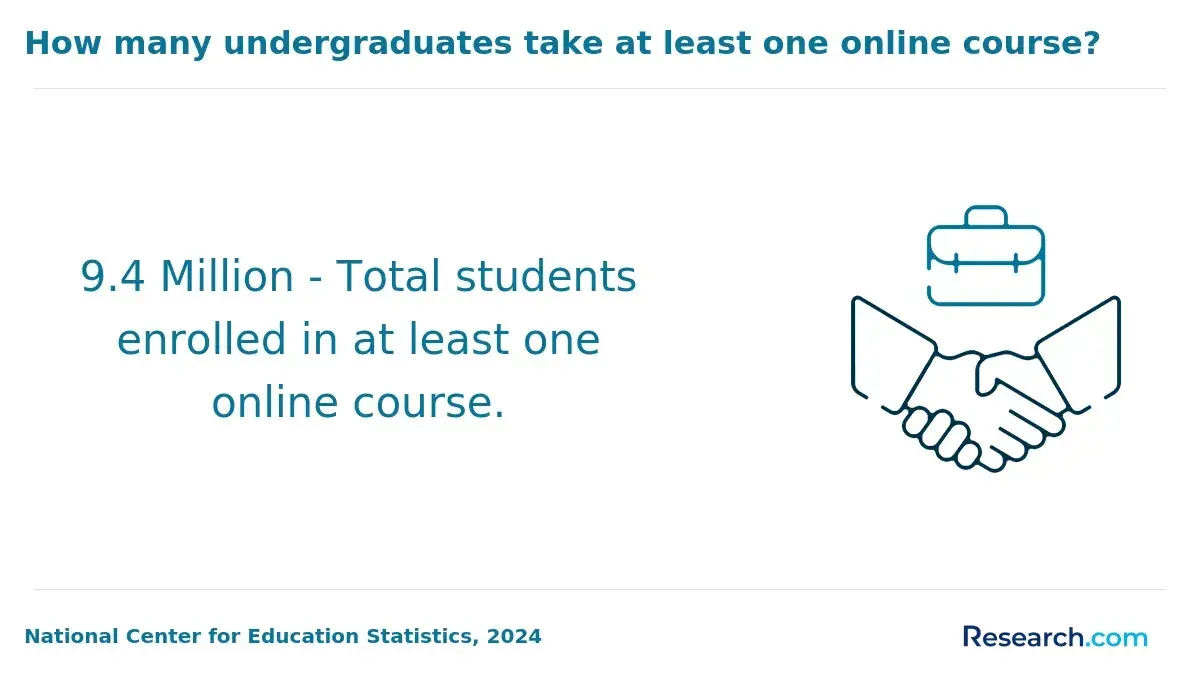
Game development coursework generally maintains consistent curriculum, learning outcomes, and academic standards across both online and on-campus formats. Core subjects like programming, design, and storytelling remain integral regardless of delivery method, ensuring students acquire essential skills. While the structure and goals align closely, differences mainly arise in how instruction and interaction are managed. Both pathways uphold rigorous expectations, preparing students equally for academic and career success. Overall, the fundamental content and educational objectives do not vary significantly between online and in-person settings.
The main distinctions involve instructional delivery and student experience. On-campus learners engage directly with instructors and classmates, benefitting from immediate feedback and access to specialized facilities like studios and hardware. Online students typically enjoy flexible schedules and asynchronous lectures but rely more on their own equipment. Practical work adapts through virtual collaboration tools, though it may lack the immediacy of in-person labs. Assessments in online courses often emphasize digital submissions, timed tests, and video presentations, whereas face-to-face formats allow for hands-on evaluations and group projects in physical spaces.
How Many Hours Per Week Do Game Development Classes Require?
Most students in game development degree programs typically dedicate between 12 and 20 hours per week to their coursework. This time is generally divided among attending lectures or watching online sessions (3 to 5 hours), completing readings and studying concepts (5 to 8 hours), working on assignments that may include coding or design documentation (3 to 6 hours), participating in group projects (1 to 3 hours), and engaging in applied learning like creating game prototypes (2 to 4 hours). Understanding how these hours break down can help students plan their schedules effectively.
Several key factors influence the total weekly time commitment. These include:
- Number of Credits Taken: More credits mean more coursework and study hours, resulting in higher weekly demands.
- Full-time vs. Part-time Enrollment: Full-time students generally spend more time overall, while part-time students balance coursework with other responsibilities.
- Course Level: Advanced or upper-level classes often require greater effort, more complex assignments, and longer study times.
- Format: Online courses offer flexible scheduling but typically require additional self-discipline to manage time effectively.
- Project and Practicum Requirements: Intensive projects, internships, or practicums can significantly increase weekly hours beyond typical coursework.
For students also exploring other options, it can be helpful to compare with online degrees in psychology, which may have different pacing and scheduling demands.
The average hours spent on game development coursework reflect the wide range of activities and efforts required, ensuring students gain the knowledge and hands-on experience necessary for success in the field.
How Many Credit Hours Are Required to Complete a Game Development Degree?
Total credit hour requirements play a crucial role in determining the length of a game development program, the student workload each term, and the overall timeline for graduation. These requirements vary depending on the degree level and the specific program structure, which can influence how students plan their academic journey. Knowing how many credit hours are required to complete a game development degree helps students set realistic expectations for their studies and career preparation.
Credit hour components in game development programs typically include the following:
- Core Coursework: For undergraduate programs, between 60 and 90 credit hours are usually dedicated to fundamental subjects such as programming, game design, 3D modeling, and animation. Graduate programs may require fewer core credits but focus more on advanced technical skills and specialized topics.
- Electives: Students often complete 15 to 30 credit hours in elective courses, allowing exploration of areas like virtual reality, interactive storytelling, or emerging technologies within game development. Electives provide flexibility to tailor the degree to individual interests.
- Experiential Learning: Practicums, internships, capstone projects, and in graduate programs, theses, typically contribute 10 to 15 credit hours. These hands-on components are essential for gaining industry experience and applying theoretical knowledge in real-world settings.
In total, undergraduate game development degrees generally require between 120 and 130 credit hours across these categories, reflecting a four-year full-time study plan. Graduate programs, such as master's degrees, may require approximately 30 to 45 credit hours that emphasize concentrated study and significant research or project work.
Students interested in balancing practical application with academic preparation can find well-structured options across different institutions. Those seeking advanced leadership or educational credentials might also consider related fields like a doctorate in organizational leadership online, which can complement a game development career path with strategic skills.
How Does Game Development Coursework Prepare Students for Careers?
Game development coursework builds a foundation of skills and knowledge directly applicable to the professional world, combining theory with hands-on experience. This applied learning approach ensures students are prepared for the demands of game design and production careers. Employment in software and game development is projected to grow by 22% from 2020 to 2030, reflecting the increasing demand for trained professionals in the field.
- Skill Development: Courses cover critical competencies such as coding, design, and teamwork, essential for success in game development roles. These skills enhance problem-solving abilities and technical understanding needed in the industry.
- Applied Projects: Students complete real-world assignments that mimic workplace challenges, often using industry-standard tools. This project-based learning helps them translate classroom knowledge into practical outputs.
- Use of Industry Tools: Familiarity with software like Unity and Unreal Engine prepares students to work efficiently with technologies widely used in the game development sector. Mastery of these tools boosts employability upon graduation.
- Critical Thinking and Problem Solving: The curriculum encourages analyzing complex issues and developing innovative solutions, which are vital for roles in game design and production.
- Professional Networking Opportunities: Many programs embed chances to connect with industry professionals, aiding career preparation by establishing valuable relationships before entering the workforce.
These elements collectively exemplify how game development degree coursework career preparation equips students to meet evolving industry demands. Alongside technical skills, students gain soft skills that enhance teamwork and adaptability in professional settings. For prospective students seeking further education options, exploring best online certificate programs can complement a game development degree by broadening expertise and increasing marketability.
How Does Game Development Coursework Affect Salary Potential After Graduation?
Earning potential after graduation is closely linked to the specific skills and experiences gained through game development coursework. Data from the Bureau of Labor Statistics shows that professionals with relevant technical training in this field can earn salaries up to 20% higher than peers lacking such qualifications. This makes targeted education a key factor for those aiming to increase their market value.
The following points highlight how different aspects of game development courses contribute to higher wages and career growth:
- Development of In-Demand Technical Skills: Coursework focusing on programming languages like C++ and C#, familiarity with popular game engines such as Unity and Unreal, and proficiency in 3D modeling provide students with abilities that employers actively seek, enhancing job prospects and salary offers.
- Advanced Specialized Courses: Taking classes in emerging areas such as artificial intelligence or virtual reality can position graduates for niche roles that command premium compensation due to their specialized knowledge.
- Leadership and Management Training: Programs including project management and team leadership prepare students to take on supervisory positions, which are typically associated with higher pay and greater responsibilities.
- Applied Learning Experiences: Participation in capstone projects, internships, or practicums allows students to build practical skills and professional portfolios, making them more competitive and attractive to employers willing to pay more for proven hands-on experience.
- Certification Preparation: Coursework that readies students for industry-recognized certifications, like Unity Certified Developer, serves as formal proof of expertise, strengthening candidates' credentials and justifying salary increases.
What Graduates Say About Their Game Development Degree Coursework
- Jason: "The cost of the game development coursework was a significant investment, but attending on-campus made all the difference. Being surrounded by peers and instructors in person helped me deeply understand complex concepts, which accelerated my learning curve. This degree truly opened doors to exciting career opportunities in the gaming industry, and I couldn't be happier with the return on investment. "
- Camilo: "Completing the game development coursework online was convenient and affordable, especially given the average tuition rates. While I missed some hands-on experiences, the flexible schedule allowed me to balance work and studies effectively. The skills I gained have been instrumental in advancing my career and tackling real-world projects confidently. "
- Alexander: "Although the cost of the degree program was on the higher side, the professional rigor of the game development coursework justified it completely. I appreciated the structured curriculum and the blend of theory with practical assignments. This foundation has been critical in establishing myself as a competent developer in a competitive market. "
Other Things You Should Know About Game Development Degrees
In 2027, game development degree programs often include courses like Game Business and Management, Marketing for Games, and Monetization Strategies. These classes teach students how to navigate the financial and managerial aspects of game development, preparing them to succeed in the competitive gaming industry.
Some programs offer courses on the business aspects of gaming, such as marketing, project budgeting, and intellectual property rights. Understanding these areas helps students grasp how games are monetized and distributed, preparing them for entrepreneurial or managerial roles in the industry.
In a 2027 game development course, students typically learn industry-standard software skills, including proficiency in Unity and Unreal Engine for game creation, Adobe Creative Suite for graphics, and programming languages like C++ and C#. These tools are foundational for designing and executing engaging and interactive gaming experiences.
References
- which courses in Computer Science are really needed for game development? https://gamedev.stackexchange.com/questions/49979/which-courses-in-computer-science-are-really-needed-for-game-development
- Bachelor of Arts (BA) in Interactive Design & Game Development | SCAD.edu https://www.scad.edu/academics/programs/interactive-design-and-game-development/degrees/ba
- 20 Hours of Game Dev Per Week with Fulltime Job? https://forum.gamemaker.io/index.php
- Is Game Development a Good Career? https://www.albany.edu/cehc/communications/is-game-development-a-good-career
- Career Path and Salary for Video Game Designers | ComputerScience.org https://www.computerscience.org/careers/video-game-designer/career-outlook-and-salary/
- How Gaming Connects to SEL and Career Readiness https://www.edutopia.org/blog/how-gaming-connects-sel-and-career-readiness-maurice-elias
- Why BA in Game Design, Perfect for Aspiring Game Developers | BSBI https://www.berlinsbi.com/blog/why-a-ba-in-game-design-is-the-perfect-course-for-aspiring-game-developers
- Game Developer Salary: How Much Can You Make? https://www.coursera.org/articles/game-developer-salary
- Game Design and Game Development in K-12 Education https://gameplan.com/news/game-design-and-game-development-in-k-12-education-a-pathway-to-stem-success-and-career-opportunities
- Game Developer Salary: Explore Earning Potential https://www.theknowledgeacademy.com/blog/game-developer-salary/


