2027 Gerontology Degree vs. Certificate: Which Should You Choose?

Co-Founder and Chief Data Scientist
Choosing between a gerontology degree and a gerontology certificate is mainly a question of career direction, time, cost, and how much academic depth you need. A degree is usually the better fit if you want broad preparation for leadership, care coordination, research, administration, graduate study, or roles that require a stronger academic credential. A certificate is usually more practical if you already work in healthcare, social services, community programs, or aging services and want focused training without committing to a full degree.
The difference matters because gerontology is not one single career path. It supports work in elder care, senior services, public health, social work, long-term care administration, nonprofit programs, and policy. Some roles value short, skills-based training; others expect a degree, supervised experience, or additional licensure depending on the job and state requirements.
This guide compares gerontology degrees and certificates by completion time, online availability, admissions requirements, credits, tuition, transfer options, accreditation, job outcomes, and starting salary. Use it to decide whether you need a faster credential now, a more comprehensive academic path, or a staged approach that starts with a certificate and later builds toward a degree.
Key Points About Gerontology Degree vs. Certificate Programs
- A gerontology degree offers comprehensive knowledge and broader career opportunities, often leading to higher salaries compared to certificate holders who focus on specific skill sets.
- Certificate programs emphasize practical skills and shorter completion times, ideal for professionals seeking immediate upskilling or career shifts without extensive commitment.
- Degree holders typically experience greater professional growth potential, while certificate earners benefit from flexible learning formats, aligning with diverse personal and work-life balance needs.
What are the differences between gerontology degree and certificate programs?
A gerontology degree and a gerontology certificate both focus on aging, but they serve different purposes. A degree provides broader academic preparation and is usually designed for long-term career growth. A certificate is narrower, faster, and often used to add gerontology knowledge to an existing role.
| Factor | Gerontology degree | Gerontology certificate |
| Best for | Students seeking deeper preparation, broader career options, or advancement into professional and leadership roles | Working adults, career changers, or students who want focused training in aging-related issues |
| Depth of study | Covers aging theory, research, policy, healthcare systems, social services, ethics, and applied practice | Focuses on selected topics such as aging services, elder care, program support, or professional skill development |
| Time commitment | Usually longer and more structured, often requiring multiple semesters or years of study | Usually shorter and more flexible, with fewer courses and a narrower curriculum |
| Career use | Can support eligibility for roles with greater responsibility, graduate study, or specialized positions | Can strengthen a resume, support current job duties, or help test interest in gerontology before pursuing a degree |
| Admissions expectations | Often requires prior college credentials, transcripts, GPA review, recommendations, and a statement of intent | Requirements vary widely; some are open access, while graduate certificates may require a bachelor's degree |
The practical decision is simple: choose a degree if gerontology will be your main professional field and you want a credential with broader academic weight. Choose a certificate if you need targeted knowledge quickly, want to improve your current practice, or are exploring the field before making a larger investment.
- Choose a degree if you want more comprehensive training, plan to pursue leadership or advanced roles, or may later continue into graduate or doctoral study.
- Choose a certificate if you need a shorter credential, want to build aging-related expertise around an existing career, or have limited time and budget.
- Consider both if you want to start small, confirm your interest, and potentially transfer certificate coursework into a degree later.
How long does it take to complete a gerontology degree vs. a certificate program?
A gerontology degree generally takes longer because it includes more credits, broader coursework, and often a practicum, capstone, thesis, or research component. A certificate is usually much shorter because it focuses on a smaller set of applied or specialized courses.
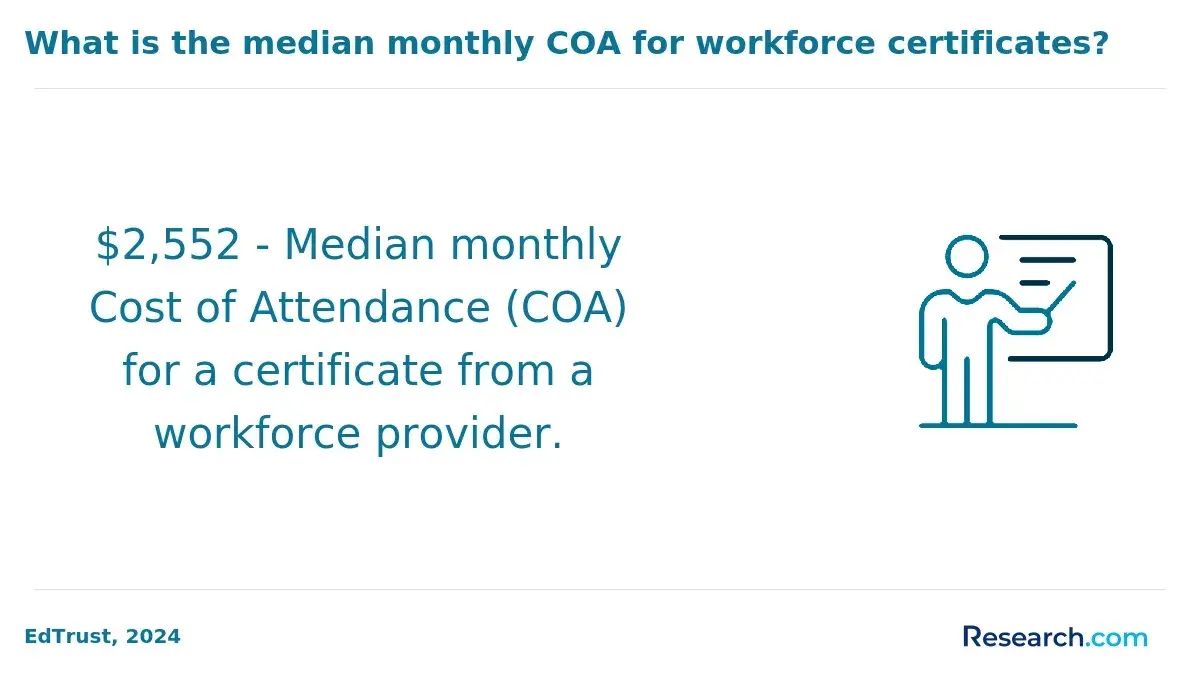
A gerontology degree, such as an online master's, generally requires about 24 months of full-time study. These programs commonly include 30-36 credits and may require a practicum or thesis. By comparison, gerontology certificate programs typically range from 4 to 14 months depending on pacing, with credit requirements between 9 and 21 semester hours.
| Credential | Typical completion time | Common credit range | What can extend the timeline |
| Gerontology degree | About 24 months of full-time study for an online master's | 30-36 credits | Part-time enrollment, practicum scheduling, thesis work, capstone projects, or course sequencing |
| Gerontology certificate | Typically 4 to 14 months depending on pacing | 9 to 21 semester hours | Part-time enrollment, limited course availability, fieldwork, or waiting for the next start date |
How flexibility affects completion time
Both degree and certificate programs may offer full-time, part-time, and online options. Asynchronous online coursework can make either path easier to fit around work, caregiving, or other responsibilities. However, flexibility can also lengthen the program if students take fewer courses per term.
Program structure matters as much as the advertised length. A degree may require core courses in a specific order, while a certificate may allow students to finish faster if courses are offered frequently. Prior experience, transfer credits, rolling admissions, or multiple annual start dates can also shorten the path. Some programs, such as the University of Wisconsin-Stout's nine-credit certificate, may allow quicker entry because of their smaller credit load.
If your priority is speed, a certificate is usually the more efficient choice. If your priority is broader preparation and long-term advancement, the additional time required for a degree may be worthwhile. Students comparing shorter credentials can also review the best 6-month certificate programs that pay well online.
Can you complete a gerontology degree or certificate entirely online?
Yes, many gerontology degrees and certificates can be completed online, but students should verify whether the program is fully online, hybrid, or online with required field experiences. The difference matters because a program may advertise online coursework while still requiring an internship, practicum, fieldwork, campus visit, or local placement.
Online gerontology programs are often designed for working professionals and may use asynchronous coursework so students can complete assignments around work and family responsibilities. IDEA offers master's degrees and graduate certificates that are 100% online. Institutions such as UMass Boston, Rutgers, and Iowa State also provide fully online gerontology certificate options.
However, not every gerontology program is entirely remote. Some bachelor's and master's degree programs may include hybrid or on-campus elements. Some certificate programs may also include practical requirements. Clarkson College's certificate, for example, mandates fieldwork or practical courses that may involve local placements even if much of the coursework is online.
What to check before enrolling in an online program
- Delivery format: Confirm whether the program is 100% online, hybrid, or mostly online with in-person requirements.
- Course timing: Ask whether courses are asynchronous, synchronous, or a mix of both.
- Fieldwork requirements: Determine whether internships, practicums, or service-learning placements are required and whether they can be completed near your location.
- Licensure relevance: Gerontology itself generally does not function like a licensed profession, but related careers such as social work, counseling, nursing, occupational therapy, or administration may have separate state requirements.
- Student support: Look for online advising, library access, career services, and placement assistance for field experiences.
Online study can be a strong fit if you need flexibility, but do not rely only on the phrase “online program.” Read the curriculum, ask about practical requirements, and confirm whether the credential aligns with your career goals. Students comparing broader online credential options can review easy certifications to get online that pay well.
What are the admission requirements for a gerontology degree vs. a certificate program?
Gerontology degree programs usually have more formal admissions requirements than certificate programs. This is especially true at the master's level, where schools typically evaluate academic preparation, professional goals, and readiness for graduate-level work. Certificate admissions are more variable: some graduate certificates resemble degree admissions, while undergraduate or continuing education certificates may be much easier to enter.
| Requirement | Gerontology degree programs | Gerontology certificate programs |
| Prior education | Most master's degree programs require a bachelor's degree from an accredited college or university | Graduate certificates may require a bachelor's degree; some undergraduate or noncredit certificates have no formal prerequisites |
| Minimum GPA | Often between 2.5 and 3.0 | Sometimes required, usually 2.5-3.0, but not always |
| Transcripts | Official transcripts from previous institutions are typically required | Often required for credit-bearing certificates; may not be required for open-access continuing education options |
| Recommendations | Generally two to three letters of recommendation | Less common, though some graduate certificates require them |
| Statement or essay | Usually required to explain interest in gerontology and career objectives | Often requested, especially for graduate-level certificates |
| Resume | Often requested, especially for graduate and professional programs | Sometimes requested, mostly at the graduate certificate level |
| Interview | Required by some programs | Less common, but possible for selective programs |
Admission Requirements for Gerontology Degree Programs
- Educational Background: Most master's degree programs in gerontology require a bachelor's degree from an accredited college or university.
- Minimum GPA: A minimum undergraduate GPA, typically between 2.5 and 3.0, is standard. Some institutions may consider relevant work experience to offset a lower GPA.
- Letters of Recommendation: Generally, two to three letters of recommendation are needed to evaluate professional or academic readiness.
- Statement of Intent: Applicants must submit a personal statement outlining their interest in gerontology and future career objectives.
- Resume: A current resume highlighting relevant experience is often requested.
- Interview: Some programs require a formal interview as part of the admissions process.
- Official Transcripts: Submission of official academic transcripts from all previous institutions is typically mandatory.
Admission Requirements for Gerontology Certificate Programs
- Educational Background: Prerequisites vary widely; many graduate-level certificates require a bachelor's degree, while some undergraduate or noncredit certificates have no formal prerequisites.
- Minimum GPA: Some certificate programs set a minimum GPA (usually 2.5-3.0), but not all require this.
- Application Materials: A statement of purpose or brief essay explaining the applicant's interest and experience is often requested.
- Letters of Recommendation: Fewer certificate programs require recommendations, although some graduate certificates do.
- Resume: A resume is sometimes requested, mostly at the graduate certificate level.
- Open Access: Certain continuing education certificate programs have no formal admission requirements and are open to anyone interested in the field.
If you are new to college-level study or unsure whether gerontology is the right long-term path, a certificate may offer a more accessible entry point. If you already know you want a deeper academic credential, review degree admission requirements early so you have time to gather transcripts, recommendations, and a strong statement of intent.
Students comparing gerontology degree admission requirements in the US with longer academic pathways may also want to explore options for a cheap PhD in related fields.
How many credits do you need to complete a gerontology degree vs. a certificate?
Credit requirements show the biggest academic difference between a gerontology degree and a certificate. A degree includes general education, major requirements, electives, and sometimes practicum work. A certificate concentrates on a smaller set of aging-related courses.
- Bachelor's degree in gerontology: Usually requires about 120 to 123 credit hours, including general education, core gerontology courses, and related practicum work, typically spread over four years.
- Gerontology certificate programs: Range from 12 to 31 credits, focusing primarily on specialized coursework and sometimes including internships, designed to be completed within one to two years.
| Program type | Typical credit requirement | What the credits usually include |
| Bachelor's degree in gerontology | About 120 to 123 credit hours | General education, gerontology core courses, electives, and related practicum work |
| Gerontology certificate | 12 to 31 credits | Specialized gerontology coursework and sometimes internships |
The higher credit load in a degree can be worthwhile if you need broad preparation and a recognized academic credential. The smaller credit load in a certificate can be useful if you need practical knowledge without delaying your current career or taking on a full degree plan.
When I spoke with a student pursuing a gerontology certificate, he said the focused credit load made it easier to continue working while studying. “Balancing just a few core courses and an internship made it possible to gain practical skills without the pressure of a full degree,” he reflected.
He found the shorter timeline more manageable and appreciated that the courses felt immediately applicable. His main caution was to choose courses carefully, especially when a certificate offers electives, so the program covers the skills most relevant to your career goals.
What is the average tuition for a gerontology degree vs. a certificate?
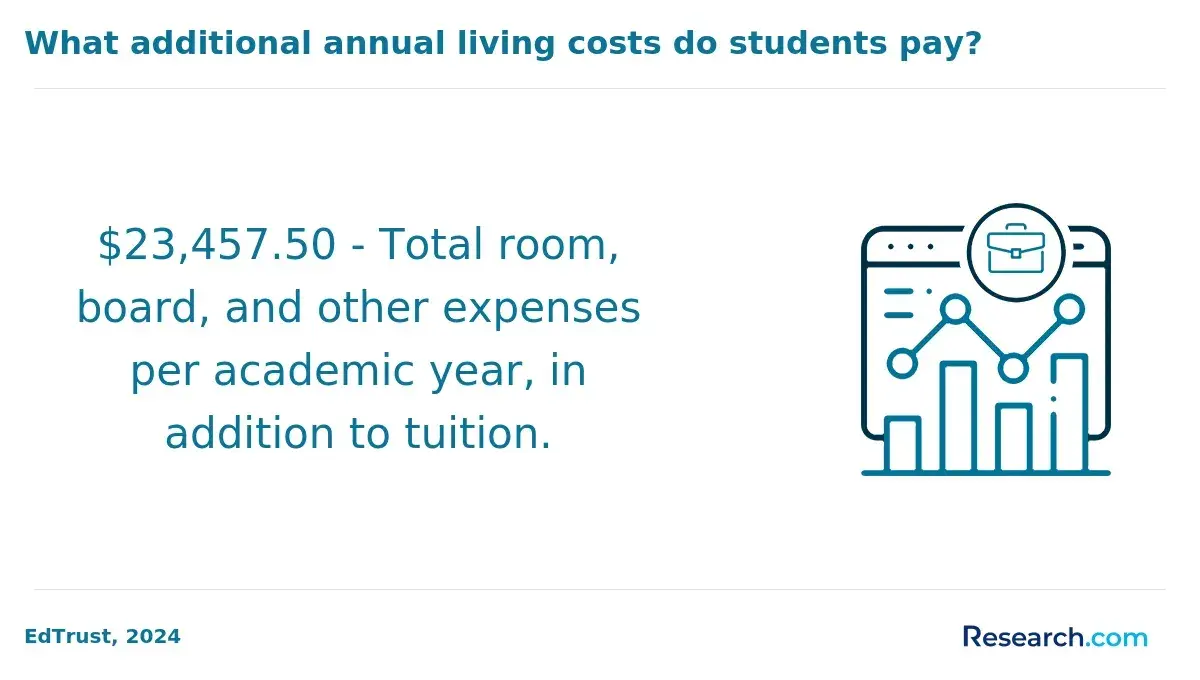
A gerontology certificate usually costs less overall because it requires fewer credits. A gerontology degree usually costs more because it is longer, broader, and may include additional fees, practicum costs, or campus-based expenses. The best value depends on whether you need a short skill-building credential or a more comprehensive academic qualification.
Average Tuition for Gerontology Degree Programs
- Tuition Range: The average cost of a gerontology degree program at private institutions typically falls between $18,000 and $28,000 per year, with public universities offering reduced rates especially for in-state students.
- Graduate Degree Costs: Master's level programs in gerontology generally average about $19,749 annually, though some programs charge per credit, which can significantly increase total tuition depending on credit load.
- Credit-Based Pricing: Tuition often varies from $260 to $600 per credit hour for bachelor's degrees and $500 to $2,500 per credit for master's, influenced by the institution and delivery format.
- Online vs. On-Campus: Online programs may reduce tuition or waive out-of-state fees but sometimes include extra technology or proctoring fees, potentially affecting overall costs.
- Public vs. Private Institutions: Public universities usually offer lower tuition for in-state students, while private schools maintain higher tuition rates regardless of residence.
Average Tuition for Gerontology Certificate Programs
- Tuition Range: Gerontology certificate tuition and fees commonly range from $1,000 to $7,000 total, depending on factors such as undergraduate versus post-baccalaureate level and the type of institution.
- Program Length: Certificates generally require 12 to 18 credit hours, allowing for shorter study duration and lower total tuition compared to degree programs.
- Online Options: Many certificate programs are available online, often at reduced rates with flexible payment plans, making them suitable for working professionals.
- Additional Fees: While certificate students may face application, technology, or material fees, these are typically less than those for degree candidates.
- Financial Aid: Certificate programs may have limited eligibility for federal financial aid compared to degrees, which can impact affordability and payment strategies.
| Cost factor | Degree | Certificate |
| Overall cost | Usually higher because of longer duration and more credits | Usually lower because of fewer credits and a shorter curriculum |
| Financial aid | More likely to qualify for federal financial aid when offered by an eligible institution and program | May have limited federal financial aid eligibility, especially for nondegree or continuing education programs |
| Best cost strategy | Compare total program cost, not only per-credit tuition | Confirm fees, credit status, and whether credits can apply to a future degree |
Before enrolling, calculate the full cost: tuition, required fees, books or materials, technology fees, transportation if fieldwork is required, and any lost income from reducing work hours. Students should also confirm whether the institution is accredited and whether the credential is credit-bearing. To compare school options, review resources such as top non profit accredited universities.
Can you transfer certificate credits toward a gerontology degree later on?
Yes, certificate credits can often transfer toward a gerontology degree, but transfer is never automatic. It depends on the school, the program level, accreditation status, course content, grades earned, and whether the credits fit the degree plan.
Many accredited institutions design gerontology certificates so the coursework can apply to a related associate, bachelor's, or master's pathway. However, schools set their own transfer rules. A course that counts at one institution may transfer only as an elective at another, or may not transfer at all if it does not match the receiving program's curriculum.
What determines whether certificate credits transfer?
- Institutional policy: Each school decides how many outside credits it will accept and how they apply.
- Accreditation: Credits from accredited institutions are generally more likely to be reviewed favorably.
- Course match: The certificate course must align with a requirement or approved elective in the degree program.
- Grade requirements: Many schools require a minimum grade, usually a B or higher.
- Credit limits: Some programs cap the number of credits that can be transferred into a degree.
- Advisor approval: Departments may require approval before certificate courses are applied to a degree plan.
The safest approach is to ask about transfer before you begin the certificate, not after you finish it. Request written guidance from both the certificate program and the degree program. If possible, ask whether the exact course numbers will apply to specific degree requirements.
When I spoke with a student who completed a gerontology certificate before pursuing a degree, she described the transfer process as useful but not seamless. “It was initially confusing because not all my credits transferred,” she explained, “but once I connected with an academic advisor, things got clearer.”
Some of her credits “rolled right into” her degree plan, which reduced her course load and saved time. Her main advice was to communicate early with academic advisors so you understand which credits will count, which may transfer only as electives, and which may not transfer at all.
Are certificate programs accredited the same way as gerontology degrees?
Gerontology certificates are usually covered by the accreditation of the college or university that offers them, just as gerontology degrees are. In most cases, the institution is accredited rather than the individual gerontology certificate or degree program.
Most U.S. schools offering these credentials, including institutions such as the University of Georgia or Texas Tech University, hold regional accreditation from agencies such as SACSCOC, NECHE, or HLC. Programmatic accreditation that evaluates only the gerontology program is uncommon.
This differs from fields where program-specific accreditation is tied to licensure or professional eligibility. Gerontology generally relies on institutional accreditation rather than separate program accreditation. However, students interested in related licensed fields, such as social work, nursing, counseling, occupational therapy, or healthcare administration, should separately verify the accreditation and licensure requirements for those professions.
Why accreditation still matters
- Financial aid: Institutional accreditation can affect eligibility for federal financial aid.
- Credit transfer: Accredited coursework is generally more likely to be considered for transfer.
- Employer recognition: Employers are more likely to recognize credentials from accredited institutions.
- Graduate study: Accredited credits and degrees are more likely to support admission into later academic programs.
Before enrolling in either a certificate or degree, verify the school's accreditation through a recognized accrediting body. Also review faculty qualifications, curriculum relevance, fieldwork opportunities, graduation outcomes, and job placement information when available. Accreditation is important, but it should be one part of a broader quality check.
What jobs can you get with a gerontology degree vs. a certificate?
A gerontology degree usually supports a wider range of roles and may be more useful for positions involving assessment, care planning, administration, research, policy, or supervision. A certificate is more often used for entry-level, assistant, support, or skill-enhancement roles, especially when paired with prior experience or another credential.
Job eligibility depends on the employer, setting, prior work experience, and any additional licenses required for related professions. For example, a gerontology degree alone does not automatically qualify someone for licensed social work, nursing, counseling, or occupational therapy roles if those jobs require separate credentials.
Jobs You Can Get with a Gerontology Degree
- Gerontologist: Conducts research and develops programs to improve the well-being of aging populations across various settings.
- Geriatric care manager: Oversees care plans and coordinates services for elderly individuals, often working with families and healthcare providers.
- Healthcare administrator: Manages operations in healthcare facilities specializing in elder care, ensuring quality services and compliance.
- Gerontological social worker: Provides counseling and support to older adults, helping them navigate social and health challenges.
- Occupational therapist: Assists seniors in improving daily living skills and maintaining independence through therapeutic interventions.
- Researcher in aging services: Investigates aging-related issues to inform policy and improve community programs for older adults.
Jobs You Can Get with a Gerontology Certificate
- Activity coordinator in elder care settings: Plans and leads recreational and social activities to enhance seniors' quality of life.
- Personal care or home health aide: Provides hands-on support with daily living tasks in private homes or care facilities.
- Case manager assistant: Supports case managers by handling administrative tasks and client follow-ups in social service agencies.
- Senior center program assistant: Helps organize programs and services that engage older adults in community centers.
- Support staff in social service agencies: Assists with client intake, resource coordination, and outreach efforts focused on elder populations.
| Career goal | Credential that usually fits better | Why |
| Move into leadership or administration | Degree | Employers often prefer broader academic preparation for roles with higher responsibility |
| Add aging expertise to a current healthcare or social service role | Certificate | Focused coursework can improve practice without requiring a full degree |
| Prepare for research or policy work | Degree | Research methods, theory, and advanced coursework are more commonly included |
| Enter support roles in senior services | Certificate | A shorter credential may be enough when paired with relevant experience or employer training |
What is the average starting salary for a certificate vs. gerontology degree graduates?
Starting salary is generally higher for gerontology degree graduates than for certificate holders because degree programs typically qualify graduates for roles with broader responsibility. Certificate holders often begin in support or assistant roles, where pay is usually lower but entry may be faster.
- Typical Salary Range for Certificate Holders: The average starting salary for gerontology certificate holders in the United States is approximately $34,426 per year, with most entry-level roles ranging between $29,000 and $38,000. These jobs are often support or assistant positions in elder care facilities, social service agencies, or community programs.
- Starting Salary with a Gerontology Degree: Graduates with a bachelor's or higher degree typically earn more, with entry-level salaries ranging from $45,000 to $65,000. Roles such as geriatric care managers, social workers, and research assistants can command these higher starting wages, with median salaries growing to $60,000-$69,000 as experience increases.
- Influencing Factors: Salary depends heavily on level of education and specialization, geographic location, industry sector (healthcare, research, social services), and prior experience or additional certifications. Urban areas usually offer higher pay due to demand and cost of living.
- Career Outlook: The career outlook for degree holders is generally stronger, offering better advancement opportunities and higher salary ceilings. Certificate holders may face limited upward mobility, especially in competitive markets.
- Additional Consideration: For those exploring credential options, there are also easy certificates that pay well, and detailed information can be found at certification that pay well.
| Credential | Average starting salary or range | Common early-career roles |
| Gerontology certificate | Approximately $34,426 per year; most entry-level roles range between $29,000 and $38,000 | Support, assistant, activity coordination, home health, senior center, or social service support roles |
| Gerontology degree | Entry-level salaries ranging from $45,000 to $65,000; median salaries growing to $60,000-$69,000 as experience increases | Geriatric care management, social work-related roles, research assistance, administration, or program coordination |
Salary should not be the only deciding factor. A certificate may produce a faster, lower-cost return if you only need targeted skills. A degree may offer better long-term mobility if your goal is advancement, graduate study, or higher-responsibility positions. Before enrolling, compare the credential against real job postings in your area to see what employers actually require.
Here's What Graduates of Gerontology Programs Say About Their Degree or Certificate
- Romeo: "Pursuing the gerontology certificate was a perfect fit for my busy schedule. I could learn essential concepts quickly without the commitment of a full degree. The cost was much more manageable, and I still gained valuable skills that made a difference in my role working with older adults. For anyone needing flexible and focused training, the certificate program is a smart choice."
- Aidan: "Choosing the gerontology degree program provided me with a comprehensive learning experience at a steady, immersive pace, which really deepened my understanding of aging and care systems. While the degree involved a higher financial investment compared to certificates, it opened doors to advanced career opportunities and leadership roles in the field. Reflecting back, the degree was an investment in my long-term professional growth that I'm grateful I made."
- Luke: "I completed both the gerontology certificate and degree programs, and that combination gave me perspective on the importance of pacing and cost. The certificate offered a quick and affordable introduction, perfect for testing the waters, while the degree provided an in-depth education that truly elevated my career. The layered approach allowed me to balance finances and learning goals effectively, enriching both my knowledge and job prospects."
Other Things You Should Know About Gerontology Degrees
Opting for a 2027 gerontology degree typically offers more robust networking opportunities compared to a certificate. Degree programs often include internships and collaborative projects, which facilitate connections with industry professionals, potentially enhancing career prospects in the field of gerontology.
In 2027, a gerontology degree typically offers higher income potential compared to a certificate. Degrees often lead to advanced roles requiring comprehensive expertise, whereas certificates may suffice for entry-level positions focusing on specific skills. However, individual career goals and job market dynamics should also be considered.
When deciding between a gerontology degree and a certificate in 2027, consider factors such as career goals, time commitment, cost, and the level of expertise required. Degrees offer comprehensive knowledge and are suited for long-term advancement, while certificates provide specialized skills for immediate application.
References
- Online Gerontology Master's Degree & Graduate Certificate https://www.idea.edu/program/gerontology
- Gerontology - Post-Baccalaureate Certificate https://www.ncat.edu/academics/graduate-programs/caes/gerontology-cert.php
- Gerontology Certificate https://socialwork.wayne.edu/certificate/gerontology
- Gerontology https://scc.losrios.edu/academics/programs-and-majors/gerontology
- Gerontology https://business.fau.edu/undergraduate/minors-certificates/certificates/gerontology-certificate/
- Gerontology, Graduate Certificate https://academics.charlotte.edu/program/gerontology-graduate-certificate-on-campus/
- Graduate Certificate in Gerontology - School of Social Work https://ssw.uga.edu/degrees-programs/certificates/gerontology/
- Gerontology Graduate Certificate and Graduate Degree Pathways - Gerontology Program https://gerontology.charlotte.edu/graduate-programs/graduate-certificate-program/
- What Is Gerontology and Why Should You Pursue a Degree in This Growing Field? » Online Graduate Programs in Innovative Aging Studies » College of Medicine » University of Florida https://online.aging.ufl.edu/about/articles/what-is-gerontology-and-why-should-you-pursue-a-degree-in-this-growing-field/
- The Accreditation of Gerontology https://nursing.utah.edu/blog/2025/10/accreditation-of-gerontology