2027 How Long Does It Take to Earn an Online Business Law Degree?

Co-Founder and Chief Data Scientist
Choosing an online business law program means deciding how much legal training you need, how quickly you need it, and whether the credential matches your career goal. A certificate may be enough for a manager who wants to understand contracts or compliance. A bachelor’s or master’s program may fit professionals moving into legal operations, risk management, human resources, or corporate compliance. A JD is a different path entirely because it is tied to attorney licensure and state bar rules.
According to the National Center for Education Statistics, enrollment in distance education programs grew by over 30% in the past decade, reflecting stronger demand for flexible, career-focused education. For business law students, online study can make it easier to keep working while earning a credential, but the timeline is not the same across programs. Completion time depends on degree level, credit requirements, transfer policy, course pacing, start dates, and whether the program is designed for full-time, part-time, or accelerated study.
This guide explains how long online business law programs usually take, what can speed up or slow down graduation, how credit hours affect workload, what courses are commonly included, and how program length can influence cost and career entry. It also separates business law education for non-attorney careers from law degrees intended for students who plan to become licensed attorneys.
Key Benefits of Online Business Law Degree
- Most online business law degrees can be completed in 2 to 4 years depending on whether students enroll full-time or part-time, offering flexibility for working professionals.
- Self-paced programs allow students to accelerate their studies, with some finishing in as little as 18 months by taking extra courses each term.
- The ability to access coursework 24/7 enables learners to fit classes around busy schedules, making it easier to balance education with personal and professional commitments.
What is the average completion time for online business law programs?
The average completion time for an online business law program ranges from about one year to five years. The main variable is the type of credential. Short professional certificates can take months, bachelor’s degrees usually require about four years of full-time study, and JD programs for future attorneys often take three to five years depending on enrollment format and bar-eligibility requirements.
| Program type | Typical completion time | Best fit |
| Bachelor's in business law | About four years of full-time study | Students seeking broad preparation for business, compliance, HR, legal assistant, or management-related roles |
| Master of Legal Studies (MLS) or Master's in business law | Approximately two years for many part-time online programs | Working professionals who need legal knowledge but do not plan to become attorneys |
| Online Juris Doctor (JD) with business law focus | Usually three to five years, depending on full-time or part-time enrollment | Students pursuing attorney licensure, subject to bar eligibility rules |
| Master of Laws (LLM) in business law | One year full-time or up to two years part-time after earning a JD degree | Lawyers seeking advanced specialization in business law |
A dedicated online bachelor’s degree specifically titled business law is not common in the United States. Students more often find business law as a concentration within business administration, legal studies, pre-law, or organizational leadership programs. This matters because the program title may be less important than the actual coursework in contracts, compliance, employment law, legal research, corporate governance, and business ethics.
Students who already have college credit may finish faster through transfer-friendly bachelor’s completion programs. Students who enroll part time, pause between terms, or need sequential prerequisites may need longer than the advertised timeline. For graduate students, the difference between one year and two years often comes down to course load, summer enrollment, and whether the program includes a capstone or practicum.
Students considering attorney licensure should be especially careful. An online JD with a business law concentration may take three to five years; some ABA-accredited programs allow completion in as little as three years and a semester, while others may extend up to five years. Before enrolling, confirm that the program’s accreditation, delivery format, and residency requirements align with the bar admission rules in the state where you plan to practice.
If you need a faster credential before committing to a full degree, compare business law certificates with other short career credentials, including certificates that make the most money.
What factors can affect how long it takes to earn an online business law degree?
The biggest factors affecting completion time are credential level, enrollment status, transfer credit, course format, and your realistic weekly availability. Online programs can be flexible, but flexibility does not guarantee speed. A program that looks short on paper can become longer if required courses are not offered every term, if you cannot sustain the workload, or if transfer credits are evaluated later than expected.
- Enrollment status: Full-time students usually finish sooner because they take more credits each term. Part-time students have more flexibility but may take substantially longer. In many programs, full-time students generally finish within four years, while part-time students may take six years or more.
- Program structure: Semester-based programs follow a traditional academic calendar and may feel more predictable. Self-paced or accelerated formats can reduce time to graduation, but they require strong organization and comfort with independent study.
- Accelerated tracks: Some institutions provide accelerated tracks that let students finish in two to three years by taking heavier or more compressed schedules. These tracks work best for students with stable work hours, strong writing skills, and limited outside disruptions.
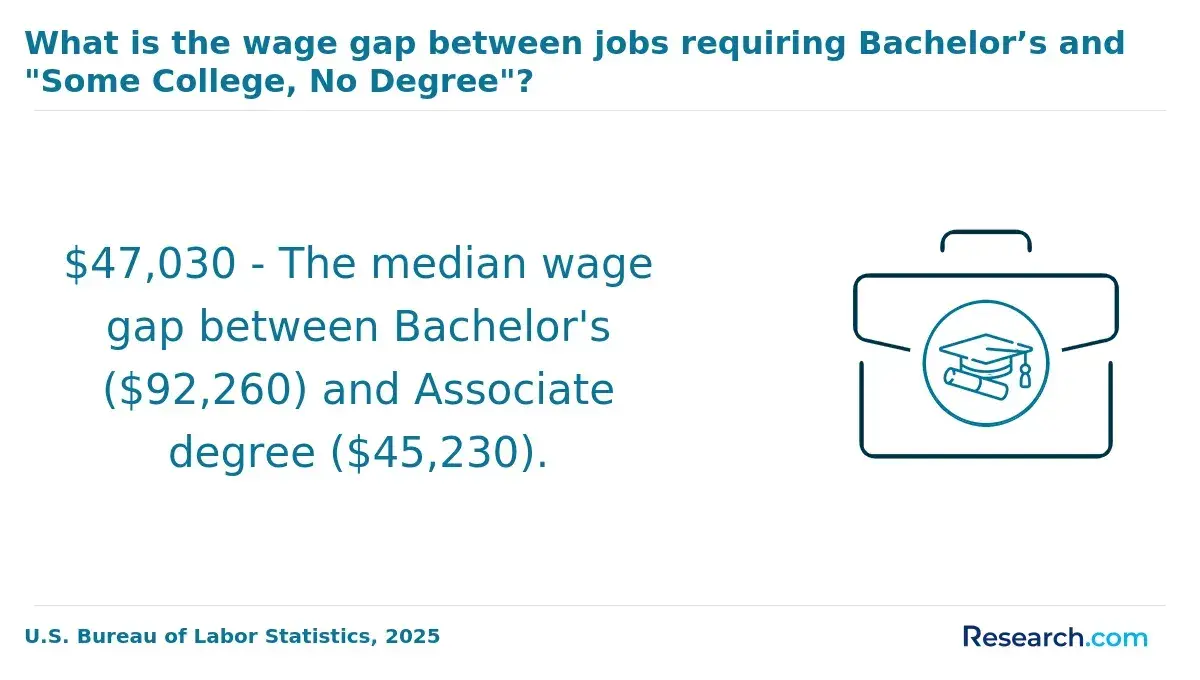
- Transfer credits: Prior college coursework can reduce the number of credits you still need. This is often the most important timeline factor for bachelor’s completion students and applicants who already hold an associate degree.
- Prior learning or professional experience: Some schools may award credit for relevant work, military, or professional training. Policies vary widely, so request a written evaluation before assuming that experience will shorten your program.
- Residency, internship, or experiential requirements: Online does not always mean fully remote. Some programs include in-person sessions, simulations, internships, clinical work, capstones, or proctored assessments that may affect scheduling.
- Course availability: Required courses may not run every term. Missing a prerequisite or waiting for a specialized elective can delay graduation even if you are otherwise on track.
- Personal consistency: The fastest timeline is only useful if you can maintain it. For many working adults, a steady part-time load is more successful than overloading, withdrawing, and repeating courses.
Before enrolling, ask for a term-by-term degree plan that shows transfer credits, remaining requirements, course sequence, prerequisites, expected graduation date, and whether summer study is necessary. Students who are still deciding where to begin may also want to compare entry-level pathways such as what is the easiest associate's degree to get?.
What are the different types of online business law programs available?
Online business law programs serve different audiences. Some are built for professionals who need legal literacy in business settings. Others are designed for lawyers seeking specialization or for students pursuing attorney licensure. The safest way to choose is to start with the job you want, then match the credential to that outcome.
- Professional legal courses: These short courses focus on specific topics such as regulation, compliance, startup law, legal technology, contracts, or risk management. They typically last around eight weeks and are useful when you need targeted knowledge rather than a full degree.
- Professional certificate programs: Certificate programs usually combine several related courses. By completing a series of four courses over about eight months, students may build skills in areas such as business operations, entrepreneurship, or emerging law. These credentials can strengthen a resume, but they are not equivalent to a degree.
- Online bachelor's degrees in business law: These programs usually combine general education, business fundamentals, and legal studies. They commonly require around 120 credits and may prepare graduates for roles in compliance, human resources, legal support, contract administration, operations, or management.
- Online master's degrees in business law: Master's programs often serve professionals who need deeper legal knowledge for business decisions but do not necessarily want to practice law. Common focus areas include business operations, entrepreneurship, technology, compliance, and regulatory issues. These programs commonly require 24-36 credits.
- LLM and joint degree programs: An online LLM in business law is generally intended for students who already have legal education and want advanced specialization. Joint JD/MBA programs combine legal and business training and may be useful for careers involving corporate transactions, financial regulation, healthcare compliance, or executive leadership.
- Standalone business law certificates: These shorter credentials are designed for non-lawyers, managers, entrepreneurs, and professionals who need practical knowledge of U.S. business law. They can be a smart choice when a full degree would be unnecessary, too expensive, or too time-intensive.
The most important distinction is whether the program is for legal knowledge or legal practice. An MLS, business law master’s, certificate, or bachelor’s concentration may support business, compliance, and legal-adjacent roles, but it does not by itself qualify a graduate to practice law. Students who want to become attorneys typically need a JD and must satisfy state bar requirements.
How many credit hours are required for an online business law degree?
Credit hours give you a practical way to estimate workload, tuition exposure, and time to completion. More credits generally mean a longer program, but transfer credits, accelerated terms, summer enrollment, and prior learning credit can change the actual timeline.
| Degree level | Typical credit requirement | Common completion pattern |
| Associate Degree in business law | Between 60 and 65 credit hours | About two years full-time; three or more years part-time |
| Bachelor's Degree in business law | Around 120 credit hours | Approximately four years full-time |
| Master's Degree (MLS or LL.M.) in business law | 24 to 30 credit hours | Often one year full-time; part-time options can provide up to three years |
| Doctoral or Juris Doctor (J.D.) in law with business law focus | About 90 credit hours | Often three or four years depending on enrollment format and requirements |
An associate degree in business law usually requires between 60 and 65 credit hours. It can serve as an entry point for students seeking legal support roles, business administration positions, or transfer into a bachelor’s program. A bachelor's degree typically requires around 120 credit hours, and some institutions structure the curriculum as forty courses of three credit hours each.
Master's programs, including MLS or LL.M. options, generally require 24 to 30 credit hours. Review whether the program includes a capstone, thesis, practicum, required residency, or lockstep course sequence because those requirements can affect when you can take classes. JD programs with a business law focus usually involve about 90 credit hours and may include experiential learning, writing requirements, and occasional in-person requirements.
Credit totals also affect how you should evaluate transfer policy. A school that accepts more of your prior coursework may be faster and less expensive than a school with a lower tuition rate but fewer accepted credits. Ask for an official or preliminary transfer review before you compare graduation dates.
One graduate of an online business law degree described the credit load as manageable only after learning to plan each term carefully. Their biggest challenge was balancing coursework with a full-time job, especially in classes requiring extensive independent research and writing. Transferring earlier college credits helped shorten the path and made the remaining requirements feel more achievable.
What courses are included in a standard online business law curriculum?
A standard online business law curriculum shows how legal rules shape business decisions. Undergraduate programs usually emphasize foundations and broad exposure. Graduate and JD-level programs typically require deeper legal analysis, writing, specialization, and applied problem-solving.
- Foundations of business law: Introduces legal systems, sources of law, court structures, liability, and the role of law in business strategy. This course helps students understand how legal risk affects routine and strategic decisions.
- Contract law and strategies: Covers contract formation, interpretation, performance, breach, remedies, negotiation, and drafting concerns. It is one of the most useful subjects for managers, entrepreneurs, procurement teams, and legal support professionals.
- Legal analysis and writing: Builds the ability to research legal issues, interpret authority, organize arguments, and communicate clearly. Strong legal writing is valuable in compliance, consulting, policy, risk management, and legal research roles.
- Dispute resolution: Examines litigation, arbitration, mediation, negotiation, and settlement strategy. Students learn how businesses manage conflict while considering cost, risk, timing, and reputation.
- Employment law: Focuses on workplace regulations, hiring, termination, discrimination, wage and hour issues, labor relations, and employer responsibilities. This course is especially relevant for human resources and compliance careers.
- Principles of regulatory law: Covers government oversight, administrative agencies, antitrust, consumer protection, and regulated industries. Students learn how organizations identify and respond to compliance obligations.
- Intellectual property law: Introduces patents, trademarks, copyrights, trade secrets, licensing, and protection of intangible assets. It is especially useful for students interested in technology, media, innovation, startups, or product development.
- Ethical decision making: Connects business ethics, corporate social responsibility, governance, and professional judgment. Students examine how legal compliance and ethical leadership differ but often overlap.
- Business organizations: Explores partnerships, corporations, LLCs, agency relationships, fiduciary duties, management rights, and liability. This course is valuable for anyone involved in business formation, corporate governance, or operations.
- Legal research for clients: Teaches students to use legal databases, statutes, regulations, cases, and secondary sources. Practical research skills matter in advisory, compliance, legal operations, and consulting work.
- Specialized topics: Electives may include white collar crime, insurance law, technology law, government transactions, financial regulation, healthcare compliance, startup law, or international business law.
When comparing curricula, do not rely only on course titles. Look for syllabi, sample assignments, faculty experience, writing expectations, and applied projects. Programs that include contract review, compliance plans, negotiation exercises, legal memos, or business-risk analyses often provide stronger evidence of job-ready skills than programs built mainly around exams and discussion posts.
How often do online business law programs start during the year?
Online business law programs may start once a year, twice a year, three times a year, or on a rolling schedule. Start-date flexibility affects how quickly you can begin, how long you may wait if you miss an application deadline, and how easily you can return after a pause.
- Traditional academic calendar: Some programs admit new students only in the fall. This model is common in more structured degree pathways, including some part-time online J.D. programs. It is predictable, but missing the deadline may mean waiting until the next year.
- Biannual or semester-based starts: Many master's and certificate programs admit students in fall and spring. This gives students a second entry point without requiring year-round admissions.
- Three starts per year: Some programs offer fall, spring, and summer starts. This format may help students begin sooner and can support faster completion if required courses are available in summer.
- Monthly or rolling admissions: A few institutions offer rolling admissions or multiple start dates throughout the year, sometimes up to eight per year. These programs often use accelerated terms and may be useful for students who want to begin quickly.
Start frequency should be evaluated alongside course availability. A program may advertise several start dates but still offer required courses only in certain terms. Before applying, ask when core courses, electives, capstones, prerequisites, and any required residencies are offered. Also confirm whether starting in spring or summer changes the projected graduation date.
How much faster can you complete an accelerated online business law degree?
An accelerated online business law degree can shorten the traditional timeline, sometimes significantly, but the amount of time saved depends on the credential, the course format, and how many credits you already have. Acceleration usually comes from shorter terms, year-round study, transfer credits, competency-based progress, or credit for prior learning.
- Shorter course terms: Accelerated courses typically last 5-10 weeks instead of the usual 15 weeks. This lets students complete more courses during the year, but the weekly workload is usually heavier.
- Year-round enrollment: Programs that offer summer courses and shorter sessions reduce downtime between terms. Students who can study continuously may finish sooner.
- Transfer credits: Many programs accept up to 90 transfer credits from prior college work or associate degrees. This can make the biggest difference for bachelor’s completion students.
- Competency-based learning: Some programs allow students to advance by demonstrating mastery rather than spending a fixed amount of time in each course. This format may benefit students with strong prior knowledge or relevant professional experience.
- Credit for prior learning and experience: Work, military, or life experience may translate into college credits at some institutions, reducing the number of required courses.
Accelerated study is efficient for the right student. It tends to work best for people who can protect weekly study time, write well under deadline pressure, and handle overlapping assignments. It can be risky for students who are already overextended because condensed courses leave less room for illness, work travel, family responsibilities, or difficult research projects.
Before choosing an accelerated track, ask the school for a sample weekly workload, maximum course load, withdrawal policy, repeat policy, and expected graduation date with your transfer credits included. The fastest path is not necessarily the best path if it increases the chance of dropped courses or lower grades.
One graduate of an online accelerated business law degree described the experience as both motivating and demanding. Balancing a full-time job with fast-paced courses required strict weekly planning, especially when back-to-back condensed classes created overlapping deadlines. The student said that applying real-world work experience to assignments made the material more practical and helped them finish the degree in under two years.
Does finishing an online business law degree faster save you money?
Finishing an online business law degree faster can save money, but only under the right tuition model. Acceleration is most likely to reduce total cost when tuition is charged by term, when transfer credits reduce the number of courses you must take, or when graduating sooner helps you qualify earlier for a promotion, new role, or higher-paying position.
- Lower tuition costs: Accelerated programs may reduce the number of terms or years a student pays for. For example, some programs that typically take two years to finish can be done in one, effectively reducing tuition expenses by up to 50%, depending on the school's pricing model.
- Reduced living and attendance-related expenses: Online students may avoid relocation, but they can still face costs for technology, books, fees, travel, or occasional in-person sessions. A shorter enrollment period can reduce some of these expenses.
- Earlier entry into the workforce: Graduating sooner may allow students to apply for new roles, promotions, or higher-paying positions earlier. This can reduce the opportunity cost of spending additional time in school.
- Less time away from work: Many online business law students continue working while enrolled. If an accelerated format allows them to maintain employment, the financial benefit can be meaningful.
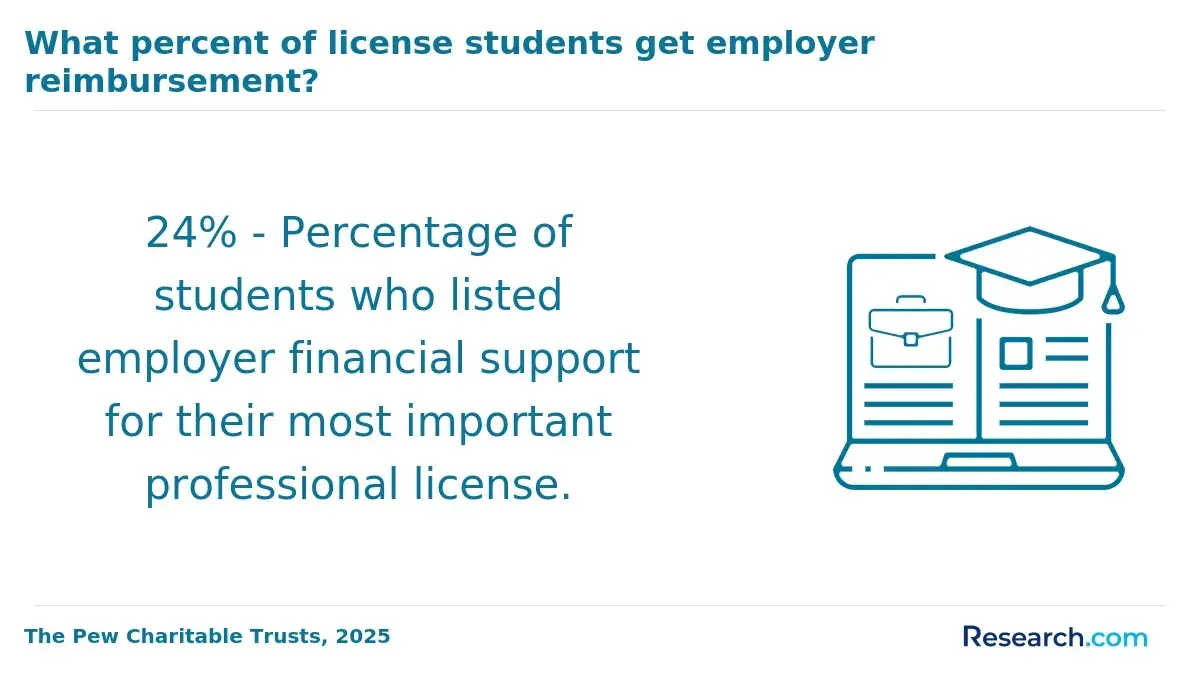
Faster is not always cheaper. Some schools charge flat-rate tuition by program rather than by term, which may limit savings. Accelerated courses can also become more expensive if students withdraw, repeat classes, reduce work hours, or lose employer tuition support because the pace is unsustainable.
Compare total program cost, mandatory fees, transfer-credit awards, payment schedules, refund rules, employer tuition benefits, and financial aid eligibility before deciding. If affordability is your main constraint and you are still comparing business-related pathways, it may also help to look at an online business degree with financial aid before committing to a specialized business law option.
Students researching lower-cost graduate options can also review this cheap online doctorate resource for broader cost-saving considerations.
How soon can graduates start working after earning their online business law degree?
Graduates can often begin applying for non-attorney business law roles immediately after finishing their degree. Some secure positions within weeks to several months, especially if they already have business, legal support, human resources, compliance, or operations experience. Common pathways include compliance, contract administration, legal operations, business analysis, consulting support, human resources, risk management, and legal assistant roles.
The timeline is different for attorney roles. Graduates who earn a JD and intend to practice law generally must satisfy bar admission requirements, which may include passing the bar exam and meeting state-specific character, fitness, education, and examination rules. That process can delay full attorney employment by several months.
Online students can reduce the gap between graduation and employment by building career evidence while enrolled. Useful examples include writing samples, contract analyses, compliance projects, legal research memos, policy reviews, internship work, and capstone projects tied to real business problems. These materials can help employers see how the degree translates into workplace skills.
Career timing also depends on school support. When comparing programs, look for internship guidance, employer partnerships, alumni networks, career coaching, resume review, mock interviews, and faculty connections in business law fields. Students comparing online institutions can review the top online schools to identify programs designed to balance work, study, and career preparation.
How much do online business law graduates earn on average?
Online business law graduates in the United States typically earn between $69,000 and $116,500 annually on average, but the degree can lead to very different careers. Salary depends on role, degree level, location, employer size, industry, licensure, and experience. A graduate working as a legal assistant should not expect the same salary range as a licensed corporate attorney or general counsel.
| Career category | Common roles | Salary information |
| Entry-level roles | Corporate paralegals, legal assistants, legal support staff | Between $56,230 and $64,030 per year |
| Mid-career professionals | Compliance specialists, legal consultants, contract managers | Between $83,946 and $97,785 annually |
| Specialized positions | Corporate attorneys, business lawyers | Typically ranging from $122,878 to $349,745 |
| Leadership roles | Law firm partners, general counsel | Can exceed $200,000, with top earners reaching $450,000 annually |
| Industry variations | Finance, technology, large metropolitan employers, remote and hybrid roles | May earn 30-50% more than those in smaller markets |
Education level matters, but it does not replace experience or licensure. An associate’s or bachelor’s degree may support entry-level legal support or business roles. A master’s degree may help professionals move into compliance, contracts, or management. Attorney roles usually require a Juris Doctor (J.D.), bar credentials, and relevant legal experience.
Students should compare salary potential with total program cost and time to completion. A faster degree may reduce education expenses, but long-term earnings usually depend more on specialization, work history, professional network, location, and whether the target role requires licensure. For broader comparisons with career-focused education, see this guide to highest paying trade school jobs.
Here's What Graduates of Online Business Law Programs Have to Say About Their Degree
- Pearline: "Completing my online business law degree was a transformative experience that fit perfectly with my busy schedule as a single mother. The flexibility allowed me to balance work and family while gaining critical legal knowledge that helped me land a role as a compliance analyst right after graduation. I especially appreciated how the coursework focused on real-world applications, making the transition into the workforce seamless and confidence-boosting."
- Bobby: "Pursuing a business law degree online challenged me in ways I didn't expect, especially navigating complex legal concepts independently without a traditional classroom setting. However, those challenges fostered immense personal growth and self-discipline. I feel proud not just of earning my degree but of the perseverance it required. Now, I actively contribute to my local community by providing free legal workshops that empower small business owners."
- Alex: "As an aspiring corporate attorney, this online business law program exceeded my expectations by offering specialized modules that helped me develop expertise in contract negotiation and intellectual property. The ability to connect with professors and peers from diverse industries enriched my learning and expanded my professional network, opening doors to internships and job opportunities. Completing this degree online gave me the competitive edge I needed to advance my career strategically and confidently."
Other Things You Should Know About Online Business Law Degree Programs
In 2027, earning an online business law degree typically takes about 2 to 3 years. This timeframe can vary based on the student's prior credits, the program's structure, full-time or part-time enrollment, and specific degree requirements. Some programs may offer accelerated options for faster completion.
Accredited online degrees from reputable institutions are generally regarded as equivalent to on-campus degrees. Employers prioritize the program's accreditation and the graduate's skills rather than the delivery method.
References
- How Long Is Law School: What to Expect as a Law Student https://www.coursera.org/articles/how-long-is-law-school
- Best Online Business Law Courses and Programs | edX https://www.edx.org/learn/business-law
- How long does it typically take to complete an online MBA in law? https://www.lsib.co.uk/2022/answers.aspx
- LLB Law (Accelerated) https://www.law.ac.uk/study/undergraduate/law/accelerated-llb-hons-law/
- Taking Classes Across the Midway | University of Chicago Law School https://www.law.uchicago.edu/students/acrossthemidway
- LLB Bachelor of Laws | University of London https://www.london.ac.uk/study/courses/undergraduate/llb-bachelor-laws
- Business Law Concentration Page https://onlinelaw.pacific.edu/business-law-concentration-page/
- Business Law | Enroll Anytime Online Course https://und.edu/academics/online/enroll-anytime/acct315.html
- How a Law Degree Impacts Your Career | Master’s Degree in Law https://www.collegesoflaw.edu/blog/2021/02/22/how-master-business-law-technology-degree-helps-your-career/
- Business Law & Compliance - Online MLS | Texas A&M Law | Fort Worth, TX https://www.law.tamu.edu/degrees-programs/mls-degree/business-law-and-compliance.html