
2027 How Long Does It Take to Earn an Online Criminal Justice Degree?

Co-Founder and Chief Data Scientist
Choosing an online criminal justice degree is largely a time-management decision: how quickly can you finish, what pace can you realistically sustain, and which credential matches the job you want? Online programs can make the path more flexible for working adults, parents, military-affiliated students, and career changers, but the timeline still depends on degree level, transfer credits, course load, program format, and any required field experience.
The stakes are practical. According to the U.S. Bureau of Labor Statistics, employment in criminal justice-related fields is projected to grow 8% through 2032, which makes program planning important for students who want to enter or advance in law enforcement, corrections, homeland security, legal support, investigations, or related public service roles.
This guide explains how long online criminal justice programs usually take, what can speed up or slow down completion, how credits and start dates work, and how timeline choices may affect cost, employment, and earning potential.
Key Benefits of Online Criminal Justice Degree
- Most online criminal justice degrees can be completed in 2 to 4 years depending on whether you pursue an associate's or bachelor's level program, offering flexibility for working adults.
- The asynchronous format allows students to study at their own pace, often enabling accelerated completion through year-round courses which can shorten the timeline by up to a year.
- Programs typically offer a mix of core curriculum and electives that prepare graduates for timely entry into the workforce, with many students graduating within 3 years when balancing work and study.
What is the average completion time for online criminal justice programs?
Most online criminal justice programs take less than one year to four years to complete, depending on the credential. Online study does not automatically make a degree shorter; it mainly gives students more control over when and how they complete coursework. The fastest paths usually combine full-time enrollment, transfer credits, accelerated terms, and year-round study.
- Associate degree: An online associate degree usually takes about 2 years of full-time study. It is often the quickest degree option for students seeking foundational knowledge in policing, courts, corrections, ethics, and criminal law. Part-time students may need longer, while students with transferable credits may finish sooner.
- Bachelor's degree: A standard online bachelor's degree usually takes around 4 years for full-time students. Some accelerated pathways allow highly motivated students to finish in as little as 15-22 months, especially when they transfer prior credits or take heavier course loads. Students comparing faster formats may also want to evaluate the best online accelerated bachelor's degree online options carefully, including workload, tuition structure, and transfer policy.
- Master's degree: Online master's programs generally require about 1 year of full-time study. Many are designed for working professionals and use asynchronous coursework, which can make scheduling easier. Part-time enrollment or capstone requirements may extend the timeline.
- Certificate programs: Short-term certificates, including options related to crime scene technician training, can often be completed in less than 1 year with full-time enrollment. These credentials are typically narrower than a degree and are best for targeted skill development or career enhancement.
The best estimate for your own timeline comes from comparing total required credits, accepted transfer credits, term length, and the number of courses you can complete each term without risking burnout or weak academic performance.
What factors can affect how long it takes to earn an online criminal justice degree?
The length of an online criminal justice degree is shaped less by the online format itself and more by how the program is built and how the student enrolls. Two students in the same program can finish at very different times if one studies full time with transfer credits and the other enrolls part time while working full time.
- Enrollment status: Full-time students generally finish faster because they complete more credits each term. Part-time students have more breathing room for work and family responsibilities, but they usually extend the overall timeline.
- Program structure and flexibility: Asynchronous courses let students complete weekly work around their schedules, while synchronous courses require attendance at set times. Flexible formats can help students stay enrolled consistently, but they also require strong self-discipline.
- Term length: Programs using shorter academic terms may allow students to complete more courses in a year. This can accelerate graduation, but condensed courses often move quickly and require steady weekly commitment.
- Transfer credits and prior learning: Transfer credits for online criminal justice programs can reduce the number of courses a student must complete. Some schools may also evaluate prior college coursework, military training, police academy training, corrections experience, or other documented learning, depending on institutional policy.
- General education requirements: Students often focus on criminal justice courses, but bachelor's programs also include general education and elective requirements. These credits can affect timeline, especially for students starting with no previous college coursework.
- Fieldwork, internship, or capstone requirements: Some programs include applied projects, internships, or capstones. These experiences can strengthen career readiness, but they may require advance planning, site approval, or additional scheduling flexibility.
- Financial aid and affordability: Students who can maintain steady enrollment may finish sooner. Students facing financial constraints may need to reduce their course load, pause enrollment, or work more hours, which can lengthen completion time.
Students comparing education timelines across fields should be careful not to assume that “online” always means “fast.” Program format, academic level, and degree requirements matter. For broader context on how program design can affect duration, readers may also compare these timelines with easy PhD degrees, while remembering that doctoral study is a different academic pathway from criminal justice undergraduate or master's education.
What are the different types of online criminal justice programs available?
Online criminal justice programs are available at multiple academic levels, from short certificates to graduate degrees. The right choice depends on your current education, career target, timeline, budget, and whether the role you want requires additional training, certification, academy completion, or licensure outside the degree.
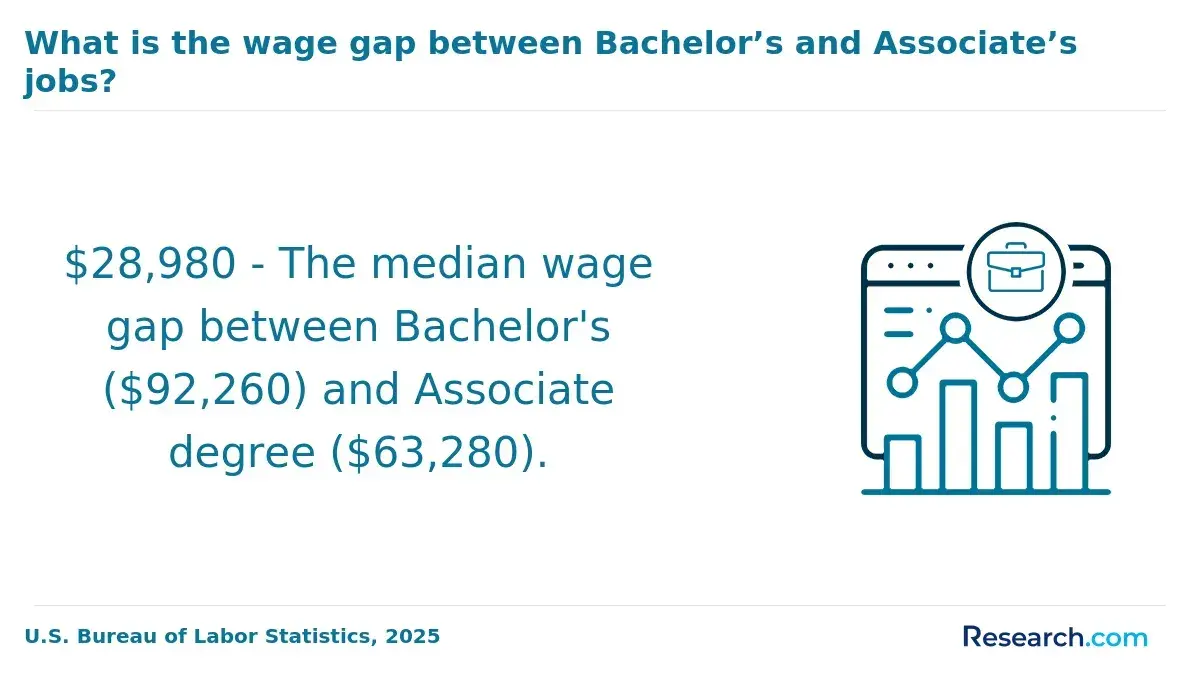
- Associate Degree in Criminal Justice: This two-year, entry-level program introduces students to law enforcement, corrections, courts, criminal law, ethics, and public safety systems. It can support entry-level employment goals or serve as a transfer pathway into a bachelor's program.
- Bachelor's Degree in Criminal Justice: This four-year program provides broader preparation in criminology, research methods, legal systems, public policy, ethics, and justice administration. It is often the preferred option for students seeking a wider range of career paths or future graduate study.
- Degree Completion Programs: These programs are designed for students who already have prior college credits or an associate degree. Some can be completed in approximately 15 months, depending on transfer credit approval and course load. They are often a strong fit for working adults who need to finish a bachelor's degree efficiently.
- Concentrations and Specializations: Many programs let students focus on areas such as cybercrime, corrections, legal studies, homeland security, human services, or forensic-related topics. A concentration can make coursework more relevant to a target career, but students should check whether employers in their area value that specialization.
- Master's Degree in Criminal Justice or Homeland Security: Graduate programs usually emphasize leadership, administration, policy, emergency management, research, and advanced justice issues. They are generally best for professionals seeking supervisory, analytical, administrative, or specialized roles.
- Certificates and Short-Term Credentials: Certificates in areas such as crime scene investigation or forensic science can help students build focused skills without committing to a full degree. They may be useful for professional development, but students should confirm whether a certificate alone qualifies them for their intended role.
- Flexible Learning Formats: Online programs may use asynchronous courses, live online meetings, cohort-based models, self-paced formats, or accelerated terms. Students should choose a format based on their schedule, learning style, and ability to manage deadlines independently.
Before enrolling, students should verify accreditation, transfer policies, total program cost, faculty experience, student support services, and whether the curriculum aligns with their career goals. For roles in policing, corrections, probation, federal service, or forensic work, degree completion may be only one part of the hiring process.
How many credit hours are required for an online criminal justice degree?
Online criminal justice degrees usually follow the same credit-hour expectations as campus-based programs. Credit requirements matter because they determine both time and cost: the more credits you need to complete, the longer and more expensive the program may be unless you qualify for transfer credit or other approved credit reductions.
- Associate Degree: Most online associate degrees require around 60 semester credit hours or their equivalent, such as 90 quarter credits. Full-time students often complete these programs in two years. Part-time students may take longer, while approved transfer credits can reduce the remaining workload.
- Bachelor's Degree: A bachelor's degree generally requires about 120 semester credit hours. This usually includes criminal justice major courses, general education courses, electives, and sometimes a capstone or internship. Full-time students usually finish in around four years, but accelerated study, transfer credits, and prior learning policies can affect the timeline.
- Master's Degree: Master's programs typically require between 30 and 36 semester credit hours. The exact requirement may depend on whether the program includes a thesis, capstone, comprehensive exam, internship, or specialized track. Full-time students may finish in one to two years, while part-time learners may take up to three years.
- Doctoral Degree: Doctoral programs often require 60 or more semester credit hours beyond a master's degree. These programs include advanced coursework, research, and dissertation phases. Completion time can vary widely, from three to seven years, depending on course load, research progress, and dissertation completion.
A graduate of an online criminal justice degree I spoke with said the hardest part was not a single course, but the steady coordination of work, family, deadlines, group projects, and comprehensive exams. They found that earning credits consistently, even part time, helped maintain momentum and made the degree feel manageable.
They also noted that transfer credits from previous education helped shorten the path. The most meaningful milestone, however, was completing the capstone portfolio because it pulled together years of coursework and showed how much progress they had made.
What courses are included in a standard online criminal justice curriculum?
A standard online criminal justice curriculum combines legal foundations, social science, ethics, policy, investigation, corrections, and applied problem-solving. Associate programs usually emphasize introductory knowledge. Bachelor's programs add research, theory, writing, analysis, and specialized electives. Master's programs focus more on leadership, policy, administration, and advanced practice.
- Introduction to criminal justice: This course surveys law enforcement, courts, corrections, and the overall structure of the justice system. It helps students understand how agencies interact and where different careers fit.
- Criminology: Students examine theories about crime, criminal behavior, victimization, and social conditions. The course supports analytical thinking for students interested in policy, prevention, research, or law enforcement.
- Criminal law and procedure: This course covers legal concepts, statutes, constitutional protections, arrest, search and seizure, due process, and sentencing procedures. It is especially important for students considering policing, legal support, investigations, or court-related roles.
- Ethics in criminal justice: Students analyze ethical dilemmas involving discretion, force, confidentiality, bias, accountability, and public trust. Strong ethics preparation is essential because criminal justice professionals often make decisions with serious consequences.
- Criminal investigation: This course introduces investigative methods, evidence collection, interviewing, documentation, and case preparation. It can be useful for students interested in detective work, fraud investigation, crime scene roles, or security investigations.
- Corrections and rehabilitation: Students study correctional institutions, probation, parole, reentry, rehabilitation programs, and community supervision. The course is relevant for careers in prisons, jails, juvenile justice, and offender services.
- Victimology: This course examines the effects of crime on victims, victim rights, trauma-informed approaches, and support systems. It is valuable for students interested in advocacy, social services, policy, and community-based work.
- Diversity and social justice in criminal justice: Students explore how race, gender, socioeconomic status, community conditions, and institutional practices affect justice outcomes. The course helps prepare graduates to work more effectively with diverse communities.
- Homeland security and emergency management: This course focuses on threat assessment, emergency preparedness, infrastructure protection, disaster response, and interagency coordination. It is suited for students interested in homeland security, public safety, or emergency management roles.
- Capstone or internship experience: Many programs require a final project, portfolio, research paper, or supervised internship. These experiences help students connect classroom learning to real workplace problems and can strengthen job applications.
When comparing curricula, students should look beyond course titles. Review descriptions, assignments, faculty qualifications, internship options, and whether courses build practical skills such as report writing, data interpretation, legal reasoning, communication, and ethical decision-making.
How often do online criminal justice programs start during the year?
Many online criminal justice programs offer more start dates than traditional campus programs. This can reduce the waiting time between application and enrollment, but start-date flexibility varies by school, degree level, and program format.
- Traditional academic calendar: Some universities use a semester calendar with fall, spring, and summer starts, usually three times a year. This works well for students who prefer a predictable schedule, longer terms, and regular academic breaks.
- Multiple term or accelerated starts: Some online programs offer six or more entry points annually, with new terms beginning every 6 to 8 weeks. This format can help students begin sooner and progress year-round, but courses may move faster.
- Monthly or rolling admissions: Certain institutions use monthly start dates or continuous enrollment. This can be helpful for adult learners, military-affiliated students, and working professionals who do not want to wait for a traditional semester start.
- Quarterly or bi-monthly starts: Other schools offer four to six start dates per year. This provides more flexibility than a traditional calendar while still preserving a structured academic rhythm.
Start date should not be the only deciding factor. Students should also confirm application deadlines, transcript evaluation timelines, financial aid processing, course availability, and whether starting in a particular term affects sequencing for required courses.
How much faster can you complete an accelerated online criminal justice degree?
An accelerated online criminal justice degree can shorten the path substantially, but the actual time saved depends on how many credits you bring in, how many courses you take at once, and whether the program runs year-round. Accelerated does not mean easier; it usually means the same academic expectations are delivered in a more compressed format.
- Shorter Course Terms: Accelerated programs often use 6-8 week terms instead of the usual 16-week semester. This allows students to complete more courses during the year, but assignments, readings, discussions, and exams arrive quickly.
- Year-Round Enrollment: Programs with multiple start dates and summer sessions reduce long breaks between terms. Students who can study continuously may finish faster than those following a traditional fall-and-spring calendar.
- Transfer Credits: Many accelerated programs accept a high volume of transfer credits from prior college coursework, police academy training, or corrections experience. Approved transfer credit can reduce the number of courses required for graduation.
- Degree Completion Options: Degree completion tracks are built for students who already have substantial credits or professional experience. These programs focus on remaining requirements rather than starting from the beginning.
- Asynchronous and Flexible Learning: Fully online asynchronous courses allow students to complete work outside standard class hours. This can make it possible to take more courses at once, but students need reliable time-management habits.
- Competency-Based Learning: Some programs let students progress by demonstrating mastery instead of waiting for a term to end. This may help students with existing knowledge move faster, though it requires self-direction and consistent progress.
One graduate of an online accelerated criminal justice program said the 8-week courses were demanding while working full time, but the asynchronous format made the pace possible. Late-night study sessions, quick instructor feedback, and a supportive online community helped them keep going during the busiest weeks.
Looking back, the graduate said the compressed schedule improved their focus and time management. Earning the degree in under two years felt practical because it aligned with their work, family, and career goals.
Does finishing an online criminal justice degree faster save you money?
Finishing faster can save money, but it is not automatic. The financial benefit depends on how the school charges tuition, whether credits transfer, how many fees repeat each term, and whether a faster pace affects your ability to keep working. Students should compare total program cost, not just advertised tuition.
- Lower Tuition Costs: Many programs charge tuition per credit, so the total tuition may not change if the credit requirement stays the same. However, graduating faster can reduce semester-based fees. In programs with flat-rate tuition per term, taking more credits during the same term may lower the effective cost of each course.
- Reduced Living Expenses: A shorter program can reduce the amount of time students spend paying education-related expenses. Even online students may face recurring technology, resource, transcript, or course fees that add up over additional terms.
- Earlier Entry Into the Workforce: Graduating sooner may allow students to begin full-time employment or pursue advancement earlier. Criminal justice graduates can find roles with median salaries ranging from $57,950 to $77,270, with some specialized positions offering even higher pay, as noted in the highest paying 4 year degree data.
- Less Time Off Work: Many online students work while enrolled. A faster degree may reduce the period in which they need to limit work hours, delay promotions, or balance competing responsibilities. However, an overly heavy course load can also interfere with employment, so students should be realistic.
- Fewer Fees and Incidental Expenses: Additional semesters can mean extra technology, graduation, activity, or administrative fees. Completing the program in a compressed timeframe may reduce some of these recurring costs.
The smartest approach is to ask each school for a full cost estimate based on your transfer credits, expected pace, fees, books or digital materials, and financial aid eligibility. A slightly longer program may be the better value if it offers stronger support, better transfer credit recognition, or a pace you can complete without stopping out.
How soon can graduates start working after earning their online criminal justice degree?
Many graduates can start applying for criminal justice roles immediately after earning an online degree, especially for entry-level positions in security, corrections, victim services, legal support, public safety administration, or related agencies. The degree can help meet education requirements, but hiring timelines vary by employer and role.
Some criminal justice careers require additional steps after graduation. Law enforcement and probation roles may involve civil service exams, academy training, physical fitness testing, psychological screening, medical review, background checks, drug screening, interviews, or agency-specific training. These steps can extend the hiring process by several months.
Graduates often move faster into employment when they build experience before graduation. Internships, volunteer work, military service, dispatch experience, security work, corrections experience, campus public safety roles, or part-time agency work can make an application more competitive.
Online programs can support this strategy because students may continue working while studying. Students should use the degree period to network with local agencies, request informational interviews, attend career events, prepare for background checks, and understand the hiring requirements for their target jobs.
For students trying to balance flexibility and cost, affordable online universities can help identify lower-cost options, but affordability should be evaluated alongside accreditation, student support, transfer policies, and career relevance.
How much do online criminal justice graduates earn on average?
Online criminal justice graduates typically earn salaries ranging from about $38,000 to over $120,000 annually, depending on job title, location, employer, experience, education level, and specialized training. The delivery format of the degree is usually less important than accreditation, relevant experience, skills, and whether the graduate meets employer requirements.
- Entry-Level Roles: Jobs such as security guards and correctional officers generally offer starting salaries between $38,000 and $58,000 per year. Pay varies by region, agency, shift, union status, and prior experience.
- Law Enforcement Officers: Police officers and sheriff's deputies typically earn median salaries around $76,000 annually. Urban assignments, overtime, specialized units, and seniority may increase compensation, while smaller jurisdictions may pay less.
- Specialized Positions: Forensic science technicians and probation officers usually earn between $64,000 and $67,000, while forensic psychologists earn closer to $72,000 because these roles often require advanced education or specialized preparation.
- Mid- to Senior-Level Professionals: Detectives, criminal investigators, and first-line supervisors often earn between $93,000 and $106,000. These roles usually require experience, strong performance, and sometimes promotion exams or additional training.
- Leadership and Advanced Degrees: Criminal justice administrators and lawyers often earn $100,000 or more annually, with some lawyers making upwards of $120,000. These paths generally require graduate education, professional credentials, or significant experience.
Students should treat salary figures as planning estimates, not guarantees. Before choosing a program, compare job postings in your region, review minimum qualifications, and determine whether your target role requires academy training, certification, graduate education, or a specific professional license.
Graduates who prefer analytical, investigative, research-oriented, or lower-public-facing roles may also want to explore top high paying introvert professions that may align with skills developed in a criminal justice program.
Here's What Graduates of Online Criminal Justice Programs Have to Say About Their Degree
- Jasmine: "Completing my online criminal justice degree was a game-changer. The flexibility allowed me to balance work, family, and school without missing a beat. Through engaging courses and real-world case studies, I gained valuable skills that helped me secure a position in law enforcement soon after graduating. It feels incredible to serve my community knowing I was prepared both academically and practically."
- Luis: "My experience with an online criminal justice program was deeply transformative. Beyond the career prospects, it pushed me to reflect on social justice and equity issues, motivating me to get involved in local initiatives for youth outreach. The diverse perspectives of classmates from across the country broadened my understanding and inspired me to be a thoughtful, compassionate advocate for change."
- Mei: "As a mid-career professional, returning to school for an online criminal justice degree enhanced my credentials and opened new doors for advancement. The coursework challenged me to apply critical thinking to current legal and ethical dilemmas in the field. My professors were seasoned practitioners whose insights prepared me to lead with confidence and integrity in a complex and evolving criminal justice landscape."
Other Things You Should Know About Online Criminal Justice Degree Programs
In 2027, completing an online criminal justice degree typically takes about four years for a full-time student pursuing a bachelor's program. However, accelerated programs and part-time enrollment can affect this timeframe, potentially shortening it to around three years or extending it to five or more.
In 2027, the duration to complete an online criminal justice degree typically ranges from 2 to 4 years. Full-time students might finish faster, around 2 years, while part-time students could take up to 4 years, depending on the program's structure and student commitments.
Employers in 2027 recognize online criminal justice degrees based on factors like accreditation of the institution, curriculum quality, and perceived rigor. Graduates of accredited programs generally enjoy equal recognition to those from traditional institutions, especially if the program demonstrates well-established standards in criminal justice education.
References
- Online Criminal Justice Degree & Career Information https://www.criminaljustice.com/online-degrees/
- Criminal Justice, B.A. Online https://uwf.edu/programs/online/criminal-justice-ba/
- Bachelor of Arts in Criminal Justice Online https://www.csusb.edu/pace/degrees/bachelor-arts-criminal-justice-online
- Fastest Criminal Justice Degree: Accelerate Your Career https://www.smarterdegree.com/fastest-criminal-justice-degree-accelerate/
- How Long Does It Take to Get a Bachelor's Degree in Criminal Justice? | Maryville Online https://online.maryville.edu/online-bachelors-degrees/criminal-justice/resources/how-long-does-it-take-bachelors-criminal-justice/
- Earning a Criminal Justice Degree Online | University of Bridgeport https://www.bridgeport.edu/news/earning-a-criminal-justice-degree-online/
- Online Bachelor’s Degree in Criminal Justice | Warner Pacific https://www.warnerpacific.edu/programs/criminal-justice/
- Executive Master of Science in Criminal Justice http://www.subr.edu/page/EMCJ-online
- Criminal Justice Salary Guide | All Criminal Justice Schools https://www.allcriminaljusticeschools.com/criminal-justice/criminal-justice-salaries/
- Do College Credits Ever Expire? | National University https://www.nu.edu/blog/do-college-credits-ever-expire-what-you-need-to-know-before-transferring/


