
2027 How Long Does It Take to Earn an Online Educational Psychology Degree?

Co-Founder and Chief Data Scientist
Online education offers unparalleled flexibility, making it an ideal choice for professionals seeking advanced degrees without disrupting their careers. According to the U.S. Bureau of Labor Statistics, employment in psychology-related fields is projected to grow 8% from 2021 to 2031, underscoring the rising demand for expertise in educational psychology. Understanding how long does it take to earn an online Educational Psychology degree is crucial for effective planning. This article explores the average completion time for such programs, key factors influencing duration, and tips for selecting a program that fits individual goals and schedules. It aims to equip readers with the knowledge to make informed, confident decisions about their education.
Key Benefits of Online Educational Psychology Degree
- Online educational psychology degrees often take 2 to 4 years to complete, depending on whether students enroll part-time or full-time, offering flexibility for working professionals.
- The self-paced nature of many online programs allows students to accelerate their studies and potentially finish sooner than traditional on-campus degrees, sometimes within 18 months.
- Balancing coursework with personal and work commitments is easier due to asynchronous classes, which helps maintain steady progress without extending the overall degree timeline significantly.
What is the Average Completion Time for Online Educational Psychology Programs?
Online educational psychology programs typically take between 18 and 24 months to complete, though the exact timeframe varies based on degree level, program structure, and enrollment status. Understanding the average time to complete online educational psychology degree programs by type can help students plan their studies effectively.
Below is an overview of how long does an online educational psychology master's take compared to other degree options:
- Online master's degree: Most online master's programs in educational psychology are designed for completion within 18 to 24 months of continuous enrollment. Accelerated options exist, such as self-paced tracks, allowing some students to finish in about 15 months, but many balance work and study, making closer to two years typical.
- Doctoral programs (Ph.D. or Ed.D.): These online doctorates usually require three to seven years, reflecting the rigorous combination of coursework, comprehensive exams, and dissertation research. They cater to those pursuing advanced professional or research roles in educational psychology.
- Graduate certificates: Focused graduate certificates related to educational psychology generally take six months to one year. These programs provide targeted knowledge and professional development and may also count toward a master's degree.
Completion times are influenced by factors such as part-time versus full-time study and prior credits. Most universities now offer asynchronous, fully online formats to maximize flexibility for working professionals. For students looking to speed up their education, the fastest online associates degree programs illustrate how accelerated learning paths can reduce overall completion time.
What Factors Can Affect How Long It Takes to Earn an Online Educational Psychology Degree?
The time required to earn an online educational psychology degree depends on several interconnected factors that influence pacing and overall completion. Understanding these elements can help prospective students set realistic goals and choose paths that align with their circumstances and ambitions. The following list highlights key considerations affecting how long it typically takes to finish an online educational psychology degree:
- Degree Level Pursued: Bachelor's, master's, and doctoral degrees each have distinct expected timelines. For instance, full-time bachelor's programs generally take around four years, whereas master's degrees are often completed in two years full-time. These timelines can lengthen considerably for part-time learners.
- Enrollment Status (Full-Time vs. Part-Time): Students studying full-time tend to finish faster, while part-time study is common among those balancing jobs or family, often doubling or even tripling degree duration.
- Program Structure and Flexibility: Some online educational psychology program pacing options include accelerated tracks or self-paced courses that enable motivated students to graduate more quickly. Traditional formats may require sequential course completion, extending the timeframe.
- Prior Education and Transfer Credits: Students who bring previously earned credits can reduce the number of required courses, shortening their path. Degree completion programs specifically cater to this learner group.
- Academic Performance and Course Load: Successfully passing courses on schedule is essential. Any interruptions like course failures or leaves of absence can delay graduation significantly.
- Personal and Professional Responsibilities: Work commitments, family duties, and other life events affect study pace. Those with significant outside responsibilities often take longer to complete their degrees.
- Engagement and Motivation: Maintaining high engagement and steady progress increases the likelihood of timely graduation and reduces setbacks.
For older students or professionals exploring options, there are specialized degree programs for older adults online designed with flexibility in mind to accommodate diverse schedules and responsibilities.
What Are the Different Types of Online Educational Psychology Programs Available?
Prospective students interested in online educational psychology programs can choose from a variety of types and specializations tailored to different career goals and learning preferences. Below are the main options typically available, highlighting their focus areas, structure, and ideal candidates.
These programs offer diverse pathways, allowing flexibility in format and specialization to best suit individual ambitions.
- Master of Education (M.Ed.) in Educational Psychology: This program emphasizes foundational theories of learning, motivation, cognition, and development. It is designed for educators and professionals aiming to apply psychological principles to improve teaching and learning in PreK-12 and higher education.
- Master of Science (MS) in Educational Psychology: Focused on research, this degree highlights learning science, statistics, and research methodologies. It prepares students for roles in educational research, assessment, and serves as a gateway to doctoral studies.
- Applied Educational Psychology Concentrations: These concentrations integrate theory and practice in diverse settings such as education, non-profits, and government. Flexible hybrid models often accommodate working professionals with asynchronous and synchronous learning options.
- Learning and Assessment Specializations: Programs with this emphasis concentrate on educational testing, measurement, and evaluation. They are suited for those interested in curriculum development and data-driven decision-making.
- Flexible Learning Formats: Many online programs provide various delivery methods including fully asynchronous, synchronous, or hybrid formats. This flexibility helps students balance study with work or personal commitments, with some completing a degree in as little as 15 to 18 months.
How Many Credit Hours Are Required for an Online Educational Psychology Degree?
Completing an online educational psychology degree typically requires students to earn a specific number of credit hours, which vary widely depending on the degree level and program design. To help you better understand the typical requirements, here is a breakdown of credit hours needed for each online educational psychology degree type.
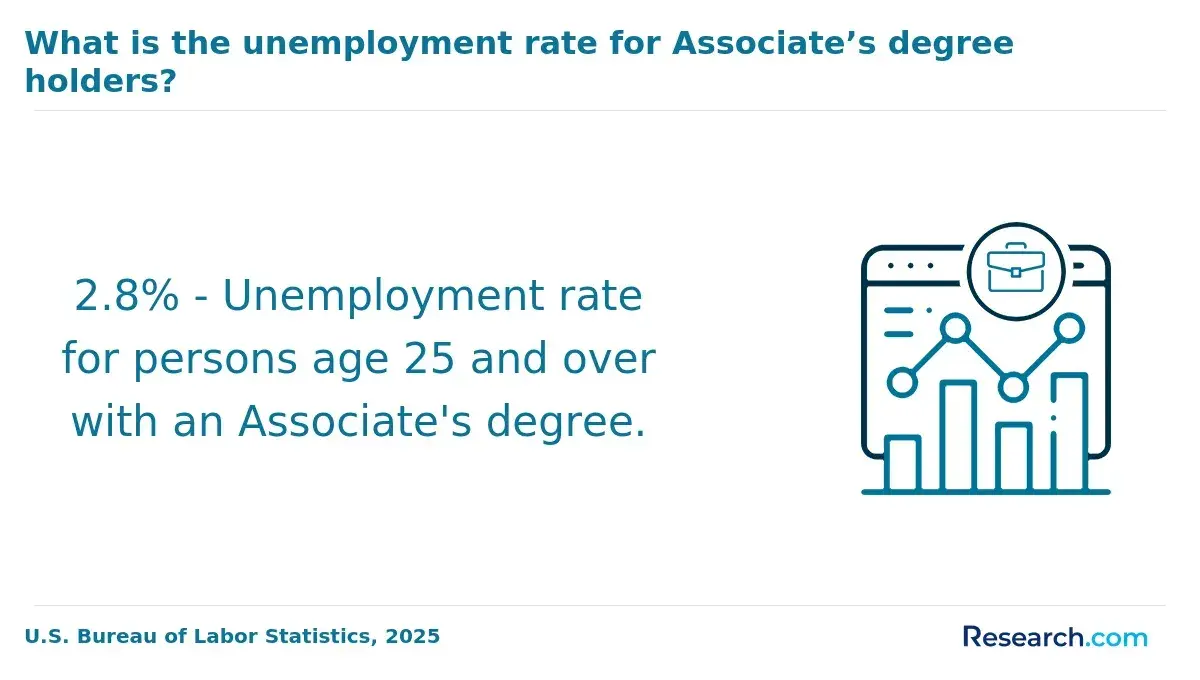
- Associate Degree: These programs are rare for educational psychology specifically; related associate degrees generally require about 60-65 credit hours. Full-time students might finish in around two years, while part-time study can extend this timeframe depending on course load and program flexibility.
- Bachelor's Degree: Most online bachelor's degrees in educational psychology demand 120-124 credit hours, encompassing general education and specialized coursework. Full-time students usually complete this in four years, but transferring up to 62 credits from community college can shorten the time; part-time students will take longer based on their pace.
- Master's Degree: Online master's programs often require 33-36 credit hours. Full-time completion is typically about two years, though transfer credits (up to around six) may reduce this. Part-time learners might take three years or more depending on scheduling and program policies.
- Doctoral Degree (PhD or EdD): These advanced degrees usually require 60-72 credit hours beyond the master's level. Time to finish varies notably due to research and dissertation demands, with full-time students generally finishing in three to five years, and part-time students potentially needing longer.
I recently spoke with a graduate of an online educational psychology degree who shared how they often juggled work, family, and coursework over several semesters. They recalled the challenge of staying motivated while meeting the credit hour requirements, especially when balancing part-time study with a full-time job. Despite occasional overwhelm, the flexibility of the online program allowed them to carefully plan their courses around life's demands. They emphasized how the structured credit hour milestones provided clear goals, which ultimately kept their progress steady and their confidence growing throughout the journey.
What Courses Are Included in a Standard Online Educational Psychology Curriculum?
A standard online educational psychology curriculum includes a range of courses designed to provide students with foundational knowledge and applied skills related to learning, development, and assessment within educational settings. Below are examples of core and specialized courses commonly offered in these programs, each aimed at preparing students for careers in educational psychology, research, teaching, or leadership.
- Foundations of Educational Psychology: This introductory course covers essential psychological theories, learning principles, and developmental milestones that impact education. Students gain a broad understanding necessary for roles in consulting, teaching, or research.
- Learning Theories: Students study major theories like behaviorism, cognitivism, and constructivism to understand how learning occurs. This knowledge supports designing effective instructional strategies and interventions.
- Human Development Across the Lifespan: This course explores cognitive, social, and emotional development from childhood through adulthood to help students address learners' diverse developmental needs.
- Motivation and Learning: Focused on psychological models of motivation, this class equips students to enhance student engagement and achievement in various educational environments.
- Educational Measurement and Assessment: Students learn to design and interpret assessments critical for evaluation and program improvement in educational settings.
- Research Methods in Education: Covering both qualitative and quantitative research techniques, this course prepares students to conduct rigorous educational research and data analysis.
- Applied Educational Psychology: This practical course applies psychological theories to solve challenges such as supporting learners with difficulties and optimizing classroom environments.
- Perspectives on Diversity and Multicultural Education: Students explore issues of cultural, linguistic, and socioeconomic diversity to promote inclusive and equitable learning opportunities.
- Advanced Topics in Educational Psychology: Specialized topics may include neuropsychology, group dynamics, and organizational behavior, allowing focus on specific career interests.
How Often Do Online Educational Psychology Programs Start During the Year?
Online educational psychology programs typically offer multiple start dates throughout the year, providing significant flexibility that helps students balance their professional and personal commitments. This adaptability allows learners to begin their studies at a time that best fits their schedules, rather than being restricted to traditional academic cycles. Below is a summary of the most common enrollment start options available to prospective students.
- Traditional Academic Calendar: Many programs follow a conventional schedule with start dates in the fall (August/September), spring (January), and summer (May/June). This structure suits students who prefer a predictable timeline and want to coordinate their studies with other responsibilities.
- Quarterly or Monthly Starts: Some universities operate on a quarter system, offering four start dates per year approximately every 10 weeks. Others provide monthly start dates, enabling students to begin coursework nearly year-round. These options are ideal for working professionals and adult learners seeking quicker access to programs.
- Rolling Admissions: Certain programs offer rolling admissions, accepting applications continuously or multiple times annually. This method reduces delays, allowing students to start soon after acceptance and is well-suited for busy individuals looking to avoid long waiting periods.
- Flexible Self-Paced Programs: Competency-based models allow enrollment and progress on the student's own timeline, often with open start windows. This format is best for motivated learners who want to accelerate completion or adjust their pace around work and life demands.
How Much Faster Can You Complete an Accelerated Online Educational Psychology Degree?
Accelerated online educational psychology programs significantly shorten the time required to earn a degree compared to traditional on-campus formats by employing streamlined course structures and flexible learning options. These features enable students to complete their studies faster without sacrificing educational quality. Below are the most common ways these programs help students graduate sooner.
- Shorter Course Terms: These programs often utilize compressed academic terms lasting five to eight weeks instead of the traditional fifteen-week semesters, allowing students to complete more courses annually and accelerate degree progress.
- Year-Round Enrollment: Offering fall, spring, and summer sessions without long breaks lets students enroll continuously, enabling some to finish a master's or bachelor's degree within 12 to 18 months or about two to three years, respectively.
- Generous Transfer Credit Policies: Many accelerated programs accept substantial transfer credits from previous college work, military service, or professional certifications, potentially cutting down the time to graduate by bypassing foundational courses.
- Competency-Based Learning: Self-paced models allow students to move quickly through material they have already mastered, demonstrating skills to advance without waiting for set course schedules.
- Flexible, Self-Paced Study: Asynchronous course formats accommodate busy schedules by allowing students to study when it suits them, which is especially helpful for working adults and parents balancing multiple responsibilities.
One graduate of an online accelerated educational psychology degree shared their experience, describing the intense balancing act between work, family, and study obligations. They recalled late nights spent reviewing course videos and completing assignments after their children went to bed. Initially overwhelmed by the fast pace, they grew more confident as they mastered the material at their own rhythm, appreciating how the program's flexibility allowed for both professional advancement and caregiving duties. The personal discipline required was challenging but rewarding, ultimately making the shorter timeframe feel achievable and worthwhile.
Does Finishing an Online Educational Psychology Degree Faster Save You Money?
Finishing an online Educational Psychology program faster can significantly reduce overall education costs for many students. Accelerated completion can provide meaningful financial advantages, especially when considering several key factors that impact the total expense of earning the degree. Below are the main ways the cost savings of accelerated online educational psychology degree programs can benefit students:
- Lower Tuition Costs: Many online educational psychology programs charge tuition on a per-semester basis rather than per credit. By taking heavier course loads and completing the program in fewer semesters, students may reduce the total number of semesters paid for, thus lowering the overall tuition bill. For instance, institutions like SUNY Empire State University charge a fixed semester rate, so finishing earlier directly cuts tuition expenses.
- Reduced Living Expenses: The shorter the length of study, the less time students need to cover living expenses such as housing, food, and transportation. Accelerated programs that allow completion in one year instead of two help reduce these ongoing costs, especially for those who need to cut back on working hours to manage their studies.
- Earlier Entry Into the Workforce: Graduating sooner means students can begin their career or advance to higher-paying roles more quickly, which improves lifetime earnings. For example, school psychologists earned a median salary near $87,000 in 2024, so entering the workforce a year earlier can provide a substantial financial advantage.
- Less Time Off Work: Many students reduce work hours or take time off to pursue their degree. Finishing faster shortens the period of reduced earnings, enabling a quicker return to full employment and greater income stability.
- Avoidance of Tuition Increases: Tuition rates often rise annually. By completing the program more quickly, students can avoid future tuition hikes, thereby lowering the total cost of their degree.
If you want to explore more options, consider researching accelerated online master's degree programs that emphasize flexibility and self-paced learning to maximize these financial benefits.
How Soon Can Graduates Start Working After Earning Their Online Educational Psychology Degree?
Graduates can typically start working within weeks to a few months after earning their online educational psychology degree. The time to find a job after online educational psychology degree depends heavily on factors such as the specific field of study, current job demand, and any prior work experience in education or psychology. Entry-level roles like educational researcher, instructional designer, or learning specialist are often available immediately for those holding a master's degree. However, specialized positions such as school psychologists may require additional state certification and supervised internship hours, which can extend the timeline. Geographic location also influences how quickly opportunities arise, with urban areas generally offering faster hiring than rural regions.
Online programs often help students transition more smoothly into the workforce because they allow the chance to gain relevant experience while studying. Many students complete practicum hours or internships, sometimes between 200 and 300 hours, during their degree, which builds professional networks and practical skills. This means how quickly can you start a career in educational psychology is often accelerated compared to traditional students who wait until graduation to enter the job market. Additionally, the flexible scheduling of online education permits part-time work or research roles, providing income and experience concurrently. For those interested in affordable options, some low tuition schools online that accept financial aid offer programs that facilitate this valuable blend of study and work experience.
How Much Do Online Educational Psychology Graduates Earn on Average?
Graduates with an online educational psychology degree typically earn between $70,520 and $84,940 per year, depending on their career path, experience, and location.
The average salary for educational psychology graduates varies widely across job roles and levels of education, with several common career tracks illustrating this diversity:
- Entry-Level Roles: Many recent graduates start as educational psychologists or behavior analysts, earning between $70,520 and $74,070 annually. These positions generally require a master's degree and involve working directly with students or supporting K-12 teachers. Pay can be lower in rural locations or states with less demand.
- School Psychologists: This popular career path offers a median salary of $84,940, with salary ranges from $59,250 at the 10th percentile to $131,470 at the 90th percentile. Factors affecting pay include experience, geographical region, and whether employment is in public schools, private practice, or government agencies. The educational psychologist salary by state reveals higher pay in areas like Connecticut and the District of Columbia compared to states such as Oklahoma.
- Educational Consultants: These professionals earn a median of $80,419 and typically require several years of experience. Specializing in areas like curriculum design or assessment increases earning potential, especially in high-demand urban markets.
- Leadership Roles: Individuals with advanced degrees (Ph.D. or Ed.D.) who assume supervisory or director roles can expect salaries of $97,910 or more. These positions come with greater responsibilities, job security, and potential bonuses.
- Industry Variations: Salaries also depend on the sector, with those working in educational support services or private practice often making over $100,000 annually, while college or university roles tend to offer closer to $80,560.
For those considering how to best pursue their education, finding a top school for trade skills online could be a useful step in evaluating educational options within this field.
Here's What Graduates of Online Educational Psychology Programs Have to Say About Their Degree
- Monique: "Completing my online educational psychology degree opened doors I never thought possible. The flexibility of the program allowed me to balance work and study while gaining practical knowledge that I now apply daily as a school counselor. I'm passionate about supporting students' emotional and cognitive development and feel empowered to make a real difference in their lives. This degree truly transformed my career trajectory and personal confidence. "
- Finn: "My experience pursuing an educational psychology degree online was both challenging and deeply rewarding. It pushed me to grow professionally while accommodating my busy schedule as a single parent. The coursework broadened my understanding of diverse learning needs and the psychology behind student behaviors, which has been invaluable in my role as an educational consultant. I'm proud to contribute to more inclusive and effective learning environments thanks to this program. "
- Ginny: "Enrolling in an online educational psychology degree was a pivotal step toward advancing my career in academia. The program's strong emphasis on research methods and evidence-based practices refined my skills and enhanced my qualifications. It offered a unique opportunity to collaborate with peers nationwide, enriching my perspective on educational challenges. This journey has deepened my commitment to fostering student success through informed interventions."
Other Things You Should Know About Online Educational Psychology Degree Programs
Many online programs allow the transfer of relevant graduate or undergraduate credits, subject to evaluation by the admissions office. Transfer policies vary by institution, and approval depends on the coursework's alignment with program requirements. It is advisable to confirm credit transfer eligibility before enrollment.
The structure of online Educational Psychology programs significantly impacts completion time. Accelerated courses allow students to finish faster, while part-time options accommodate working professionals, possibly extending the duration. Coursework flexibility, start dates, and credit requirements, typically between 30-45 credits, also play crucial roles.
References
- Going Back To School For Psychology | Psychology.org https://www.psychology.org/resources/returning-to-school/
- Educational Psychology Funded Training (EPFT) scheme https://www.aep.org.uk/EPFT
- MS in Educational Psychology | Online Master's Degree | Capella University https://www.capella.edu/online-psychology-degrees/ms-psychology-program/masters-educational-psychology/
- Is a Distance Education in Psychology worthwhile? https://www.stonebridge.uk.com/blog/psychology/is-a-distance-education-in-psychology-worthwhile/
- Master of Arts in Educational Psychology | Ball State Online https://www.bsu.edu/academics/collegesanddepartments/online/academic-programs/masters/mainedpsych
- EdS in Educational Psychology – School Psychology - Online and Distance Degrees - UA Online | The University of Alabama https://online.ua.edu/degrees/eds-in-educational-psychology-school-psychology/
- B.Ed. in Psychology | Educational Psychology Degree https://www.ebu.ac/bachelor-of-education-in-psychology.php
- 5 Fastest Accelerated Online Masterâs in Educational Psychology 2025 | Academic Influence https://academicinfluence.com/rankings/online-degree/fastest-accelerated-masters-educational-psychology
- Online Masters in Educational Psychology at EMU - Online Programs https://www.emich.edu/online-programs/education/educational-psychology-ma/index.php
- How Long Does it Take To Become a School Psychologist? https://bouve.northeastern.edu/news/how-long-does-it-take-to-become-a-school-psychologist/


