
2027 How Long Does It Take to Earn an Online Elementary Education Degree?

Co-Founder and Chief Data Scientist
Online education offers unmatched convenience and flexibility, making it a popular choice for aspiring teachers. According to the U.S. Bureau of Labor Statistics, employment of kindergarten and elementary school teachers is projected to grow 7% from 2022 to 2032, indicating steady demand for qualified educators. Understanding how long does it take to earn an online elementary education degree is essential for planning a successful career path. This article explores the average time needed to complete such a degree, examines factors influencing program length, and guides readers in selecting the most suitable program based on their personal goals and schedules. It aims to equip readers with informed confidence when pursuing their degree.
Key Benefits of Online Elementary Education Degree
- Most online elementary education degrees can be completed in about 3 to 4 years for full-time students, aligning with traditional on-campus programs.
- Part-time enrollment allows flexibility, extending the timeline up to 6 years but making it easier to balance work, family, and studies.
- Accelerated programs offer options to finish in as little as 18 to 24 months, ideal for motivated students seeking quick entry into teaching careers.
What is the Average Completion Time for Online Elementary Education Programs?
Online elementary education programs typically take between 1 and 4 years to complete, depending on the degree level and the student's prior academic experience. Understanding the average time to complete online elementary education degree programs can help prospective students plan their education paths effectively. Below is a breakdown of typical durations by degree level and program format.
- Bachelor's Degree (Standard Track): These programs generally require around 4 years of full-time study for those starting without prior college credit. Students complete essential coursework, field experiences, and student teaching to satisfy state licensure requirements. Part-time enrollment or balancing other responsibilities may extend this timeline.
- Bachelor's Degree (Accelerated/Transfer Track): Designed for students with previous college credits such as an associate's degree, these pathways reduce completion time to about 2 years. Competency-based or self-paced models offered by some schools enable motivated learners to finish in as little as 12 to 24 months, providing flexibility and often lowering overall costs.
- Post-Baccalaureate Teacher Certification: For those who already hold a bachelor's degree in another field, online post-baccalaureate certification programs usually take 1 to 2 years. These focus on pedagogy, classroom management, and preparing candidates for state-specific licensure exams and student teaching requirements.
- Master's Degree: Although not generally required for initial licensure, online master's programs in elementary education are often pursued for career advancement. These programs typically require 1 to 2 years of full-time study.
The duration varies widely based on enrollment choices and prior credits, so students considering how long does an online elementary education degree take should evaluate their own circumstances carefully. For those exploring degrees in related fields, it's helpful to review what are good college majors to pursue and how each aligns with career goals.
What Factors Can Affect How Long It Takes to Earn an Online Elementary Education Degree?
Several factors influence how long it takes to earn an online elementary education degree, with variations depending on personal circumstances, program design, and institutional support. Understanding these key variables can help students better plan their academic journey. Below are the main factors that affect completion time:
- Enrollment status: Full-time students generally finish their degree faster, often in about four years, while part-time students may take five to six years or more due to lighter course loads and extended schedules.
- Employment and work commitments: Many online learners juggle jobs alongside coursework. With 96% of distance learners employed, work responsibilities frequently delay graduation or cause breaks in study, extending the overall timeline.
- Family responsibilities: Childcare and eldercare duties may force students to reduce course loads or pause their studies, lengthening the time required to graduate.
- Financial situation: Budget constraints often lead students to enroll part-time or take breaks to work, which prolongs program completion. In some cases, transfer credits for online elementary education degree programs can help reduce both costs and time by crediting prior coursework.
- Program structure and flexibility: Some institutions offer accelerated online elementary education programs or flexible start dates, enabling motivated students to complete their degrees more quickly, while others require mandatory internships or specific course sequencing that adds to program length.
- Institutional support and technology: Access to advising, tutoring, and reliable technology enhances students' ability to progress steadily. Lack of these resources can cause delays or increase dropout rates.
For those interested in comparing various options and understanding the degree difficulty, easiest masters resources can provide valuable insights into programs that balance pace and rigor effectively.
What Are the Different Types of Online Elementary Education Programs Available?
Online elementary education programs offer a variety of specializations and formats, allowing prospective teachers to select pathways that best fit their career goals and learning preferences. Below are some of the primary types of online elementary education programs available to students seeking teaching credentials or professional development opportunities.
- General Elementary Education Degree: These programs prepare future teachers to instruct students in grades K-6 or K-8 across core subjects like reading, math, science, and social studies. They combine online coursework in educational theory and classroom management with required in-person field experiences or student teaching, making them ideal for those seeking broad teaching certification.
- Early Childhood Education Specialization: Focused on teaching younger children typically from preschool to grade 3, these programs emphasize developmental psychology and early literacy. They often prepare graduates for specialized state credentials, such as the California Preliminary Multiple Subject Teaching Credential.
- Special Education Concentration: Integrating elementary education with special education, these tracks train teachers to support students with diverse learning needs in inclusive classrooms. Coursework covers adaptive teaching strategies and methods for assisting students with disabilities.
- Self-Paced Online Programs: Designed for working adults or those with flexible schedules, these competency-based formats let students progress through digital modules at their own speed. While largely online, they still require in-person practicum experiences to meet licensure standards.
- Live Online Instruction Programs: Combining scheduled live classes with self-paced learning, these programs simulate real classroom environments via virtual instruction led by certified teachers. Students engage in real-time discussions and activities, offering a balance of synchronous and asynchronous learning.
- Subject-Specific and Elective Course Options: Many online platforms offer individual courses or electives in areas such as STEM, arts, or technology integration. These can supplement a broader elementary education degree or serve as professional development for current teachers.
How Many Credit Hours Are Required for an Online Elementary Education Degree?
Completing an online elementary education degree typically involves a commitment to a set number of credit hours, which varies depending on the degree level and specific program requirements. To help prospective students understand what to expect, here is an overview of typical credit hour requirements by degree type and how study pace or transfer credits may influence completion times.
Below is a breakdown of average credit hour expectations for online elementary education programs at different degree levels:
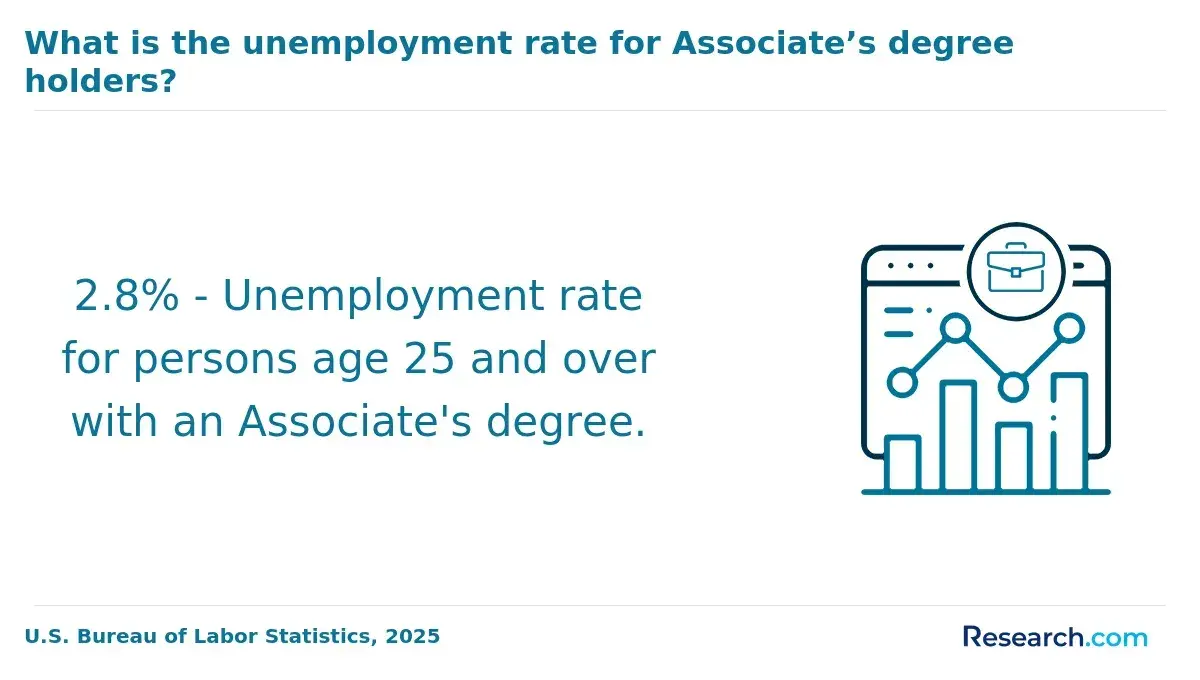
- Associate Degree in Elementary Education: This entry-level credential generally requires about 60 to 65 semester credit hours. Full-time students often finish in approximately two years, though part-time learners may take longer. Requirements can vary depending on whether general education and electives are included, and students with prior credits might reduce the total needed through transfer.
- Bachelor's Degree in Elementary Education: Most online bachelor's programs demand 120 to 124 semester credit hours for graduation. Typical full-time students complete the degree in four years, including student teaching components. Part-time study extends the timeline, while incoming transfer credits allow some students to shorten their program. Note that some universities may use quarter credit systems equivalent to semester hours.
- Master's Degree in Elementary Education: Graduate-level programs usually require 30 to 36 semester credit hours. Full-time students may finish within 1.5 to 2 years, although part-time or accelerated options affect pacing. Transfer credits from previous graduate work sometimes reduce credit needs.
- Doctoral Degree in Elementary Education: Online doctoral programs, including PhD or EdD, commonly involve 60 to 90 semester credit hours beyond the bachelor's degree. Completion often takes 3 to 5 years full-time, with variations due to dissertation demands, research, and existing graduate credits.
A graduate of an online elementary education degree I spoke with reflected on balancing coursework with family and work obligations. They described moments of frustration when juggling synchronous class sessions with childcare but found that flexible assignments and supportive instructors made completing the required credit hours manageable. They highlighted how breaking down large credit requirements into smaller, focused terms helped maintain motivation and confidence, turning a potentially overwhelming process into an achievable goal.
What Courses Are Included in a Standard Online Elementary Education Curriculum?
A standard online elementary education curriculum encompasses a variety of core and specialized courses designed to equip future teachers with the essential knowledge and skills needed for effective classroom leadership. The following list highlights key courses typically included in such programs, illustrating the broad areas of study that prepare students for teacher certification and professional success.
These courses focus on foundational teaching methods, subject-specific pedagogy, and practical skills necessary for managing diverse elementary classrooms:
- Foundations of Education: This course covers the history, philosophy, and social context of American education, providing students with a critical understanding of educational systems and policies to advocate for quality teaching.
- Child Development and Learning: Students explore cognitive, social, and emotional growth from birth through adolescence, which supports designing age-appropriate instruction tailored to young learners' needs.
- Classroom Management: Emphasizing strategies to create positive, organized, and inclusive learning environments, this course teaches techniques for behavior management and student engagement.
- Curriculum Planning and Assessment: Focused on lesson design and evaluation, students learn to develop effective instructional units and assess student progress through formative and summative methods.
- Teaching Reading and Literacy: This course introduces evidence-based approaches to teaching reading, writing, and language arts, covering phonics, comprehension, vocabulary, and literacy assessments.
- Mathematics for Elementary Teachers: Students gain content knowledge and pedagogical skills to teach fundamental math concepts such as number sense and problem-solving confidently.
- Science and Social Studies Methods: This course trains students to deliver inquiry-based, hands-on lessons connecting scientific and social concepts to real-world contexts.
- Inclusive and Diverse Classrooms: Future educators learn strategies to support learners with disabilities, English language learners, and culturally diverse students, promoting equity and adaptability in instruction.
- Educational Technology Integration: Focusing on digital tools and resources, this course prepares teachers to enhance learning and engagement through appropriate technology use.
- Student Teaching/Field Experience: A practical, in-person component where students gain supervised classroom experience, essential for certification and real-world teaching readiness.
How Often Do Online Elementary Education Programs Start During the Year?
Online elementary education programs frequently offer multiple start dates throughout the year, providing valuable flexibility for students seeking to balance their studies with personal and professional commitments. This variety in scheduling helps accommodate different learning paces and life situations, making it easier for students to begin their education when it suits them best. The following list summarizes the most common enrollment schedules available for these programs.
- Traditional Academic Calendar: Many programs adhere to a semester system with start dates in the spring, summer, and fall. This schedule benefits students who prefer a familiar academic rhythm and predictable breaks between terms.
- Multiple Term Starts: Some universities offer up to six start dates annually, allowing students to begin coursework at various times during the year. This option reduces waiting periods and suits those eager to start as soon as possible.
- Monthly or Rolling Admissions: Certain institutions provide monthly or rolling start dates, enabling new cohorts to begin nearly any month. This format is ideal for motivated, self-directed learners or career changers needing immediate program entry.
- Quarterly Starts: Programs running on a quarterly basis offer four enrollment periods per year. This strikes a balance between frequent opportunities to start and maintaining a structured academic schedule.
How Much Faster Can You Complete an Accelerated Online Elementary Education Degree?
Accelerated online elementary education programs significantly reduce the time needed to earn a degree compared to traditional four-year formats by offering innovative structures and flexible learning options. These programs are thoughtfully designed to help students complete their studies more quickly without sacrificing quality. Below are the primary features that enable faster graduation timelines in these accelerated pathways:
- Shorter Course Terms: Instead of conventional 16-week semesters, courses are broken into intensive 5 to 8-week sessions. This setup lets students complete multiple courses within a year, rapidly accumulating the credits needed for degree completion.
- Year-Round Enrollment: Rolling admissions and several start dates allow students to begin immediately without waiting for traditional semester start times. This continuous enrollment keeps momentum steady and shortens overall program length.
- Transfer Credits: Accepting up to 75% transfer credits enables students with prior college experience or associate degrees to bypass substantial coursework. As a result, the path to a bachelor's degree can be dramatically shortened, sometimes to 18 months or less.
- Competency-Based Learning: Some programs let students progress by demonstrating mastery of subjects rather than fixed class hours. This self-paced model benefits motivated learners, enabling them to finish requirements much faster.
- Asynchronous Learning Formats: Flexible course schedules permit students to study whenever convenient, balancing education with work or family obligations. This adaptability often allows taking multiple courses at once, speeding degree completion.
I spoke with a graduate of an online accelerated elementary education degree who shared their journey. They described the initial anxiety of managing a fast-paced curriculum while balancing a full-time job and parenting responsibilities. Early on, time management was a major challenge, especially during the shorter terms where every week brought new assignments and quizzes.
However, the flexible asynchronous format allowed them to study late at night or early mornings, turning pockets of free time into productive learning sessions. Transfer credits from previous coursework relieved some pressure, allowing them to focus on key subjects. Reflecting on the experience, they felt a deep sense of accomplishment finishing far sooner than they expected, empowered by the program's structure and their own perseverance.
Does Finishing an Online Elementary Education Degree Faster Save You Money?
Completing an online elementary education degree faster can indeed reduce your overall education costs, making it a financially smart choice for many students. Understanding the cost savings of accelerated online elementary education degree programs can help you see how finishing early affects your budget. Below are several important ways in which finishing your elementary education degree early reduces tuition and other related expenses:
- Lower Tuition Costs: Many programs charge tuition by term or credit rather than annually. By completing your degree in fewer terms, you pay for less tuition overall. For instance, some universities charge several thousand dollars per term, so fewer terms directly mean fewer tuition payments.
- Reduced Living Expenses: Finishing faster means you spend less time managing living expenses tied to being a student, such as rent, utilities, and food. Even though online programs offer flexibility to study from home, everyday costs persist, and shortening your study period reduces these cumulative expenses.
- Earlier Entry Into the Workforce: Graduates who complete their degree early can start their teaching careers sooner, leading to earlier salary earnings. With median starting salaries reaching nearly $48,000 in some affordable programs, entering the workforce even a semester earlier can significantly boost your financial standing.
- Less Time Off Work: Accelerated programs help working adults maintain employment while studying by reducing the total study duration. This shortens the period when working hours may be scaled back, limiting income loss and financial disruption commonly experienced during longer degree spans.
- Reduced Ancillary Costs: Shorter enrollment means fewer semesters paying for textbooks, technology fees, and other course-related materials. Though these expenses are smaller than tuition, they add up over time and are minimized by finishing your degree sooner.
For students seeking a low cost online master's degree or similar savings in elementary education, understanding these financial benefits is key to making an informed choice.
How Soon Can Graduates Start Working After Earning Their Online Elementary Education Degree?
Graduates can typically start working within a few months after earning their online elementary education degree, provided they have completed all state licensure requirements. The time to start teaching after online elementary education program completion often depends on factors such as local demand for teachers, the specific endorsements held by the candidate, and prior classroom experience.
In many cases, high demand in the U.S. for elementary educators results in quicker job placement. Those with relevant teaching experience or strong professional networks may secure positions even faster. Understanding how quickly can you get a teaching job after online elementary education degree helps set realistic expectations for job seekers in this field.
Online elementary education programs often incorporate practical experiences like internships or student teaching, which allow students to gain classroom exposure while still studying. These opportunities to work, volunteer, or network significantly smooth the transition from education to employment.
Many students take advantage of flexible schedules to pursue substitute teaching or aideship roles, enhancing their resumes before graduation. This hands-on involvement not only fulfills licensure requirements but can lead to job offers or strong references. For students exploring options, resources such as online colleges that accept fafsa can also support financing their education journey.
How Much Do Online Elementary Education Graduates Earn on Average?
Online elementary education degree graduates typically earn between $52,000 and $62,000 annually, depending on their role, experience, and location. To understand the average salary for online elementary education degree graduates, it's helpful to review common career paths and their corresponding pay ranges.
Here is a breakdown highlighting how earnings vary by job type and career stage for those entering the field of elementary education teacher salary in the United States:
- Entry-Level Teacher Roles: Graduates usually start as classroom teachers, with salaries averaging around $52,000 per year. Pay can range from approximately $44,500 to $60,000, influenced by state certification, geographic location, and school district funding.
- Experienced Classroom Teachers: With several years of experience, elementary educators can reach salaries from $62,340 to $63,680. Higher wages often correlate with additional qualifications like master's degrees and professional development.
- Specialized Positions: Roles such as reading specialists, curriculum coordinators, or interventionists usually require extra certifications but may offer pay above general teaching averages, especially in underserved or high-need districts.
- Leadership and Administrative Roles: Pursuing advanced degrees in educational leadership can lead to positions like assistant principal or principal, with salaries ranging from $75,000 to over $100,000. These roles demand years of teaching experience and advanced credentials.
- Industry and Regional Variations: Salaries vary widely by state and district, with urban areas or districts offering higher pay or stipends. Additionally, online teaching roles present flexible options and competitive wages, especially for those open to working across state lines. For insights on related career earnings, reviewing high paying jobs with trade school can provide useful context.
Here's What Graduates of Online Elementary Education Programs Have to Say About Their Degree
- Jamal: "Completing my online elementary education degree was a game-changer for me. Balancing work, family, and school was tough, but the flexible schedule helped me succeed without sacrificing my responsibilities. The program's hands-on virtual classroom simulations gave me confidence stepping into my first teaching role. Now, I'm proud to say I'm making a real difference in my students' lives every day, inspiring a love of learning just like my instructors inspired me."
- Ayesha: "My journey through the online elementary education program was deeply reflective and rewarding. It allowed me to grow personally and professionally while staying connected to my local community through virtual projects. The coursework challenged my perspectives on teaching diverse learners and reinforced my commitment to equity in education. Graduating opened doors to leadership opportunities in my school district where I continue to advocate for inclusive early childhood curricula."
- Marco: "Earning an elementary education degree online provided unique opportunities for career advancement that I hadn't anticipated. The professional development resources embedded in the program helped me develop specialized skills in technology integration and classroom management. I began as a substitute teacher and quickly moved into a full-time position with great job stability. This path has truly empowered me to build a long-term career centered on passion and purpose."
Other Things You Should Know About Online Elementary Education Degree Programs
Many online elementary education degree programs include preparation for state certification or licensure exams. These programs typically cover the core subjects and teaching methods assessed in these exams. However, students should verify that the program aligns with their state's specific certification requirements before enrolling.
Online programs often offer flexible scheduling, allowing students to balance coursework with work and personal commitments. Many courses are asynchronous, letting students complete lessons at their convenience. However, some components, like live discussions or student teaching, may have fixed schedules.
In 2027, most online elementary education programs require internships or student teaching as part of their curriculum. These practical experiences are crucial for gaining hands-on skills and fulfilling state certification requirements. Online students typically complete these components in schools in their local area, coordinated by their educational institution.
References
- Exploring the factors influencing the effectiveness of online learning: A study on college students https://pmc.ncbi.nlm.nih.gov/articles/PMC10199747/
- What are the Best Online Schools for Transferring Credits | UoPeople https://www.uopeople.edu/blog/what-are-the-best-online-schools-for-transferring-credits/
- Can I Work Full-Time While Earning an Online Degree? https://www.athens.edu/online-degree-completion-programs-working-adults/can-i-work-full-time-while-earning-an-online-degree/
- The Importance of Transfer Credits in an Education Plan https://www.waldenu.edu/financial-aid/resource/the-importance-of-transfer-credits-in-an-education-plan
- Online B.S. in Elementary Education | Asbury University https://www.asbury.edu/online/academics/program/online-elementary-education/
- Fastest Online Elementary Education Degree Programs in 2025 https://www.early-childhood-education-degrees.com/accelerated/top-online-programs/
- Online BS in Elementary Education Degree – Brenau University https://online.brenau.edu/programs/bs-elementary-education/
- Strengths and Weaknesses of Online Learning https://www.uis.edu/ion/resources/tutorials/overview/strengths-weaknesses
- Inclusive Elementary Education, BA | 100% Online https://online.uccs.edu/program/online-bachelors/inclusive-elementary-education-ba
- Accelerated Elementary Education Degree https://www.clarke.edu/academics/education/accelerated-elementary-education-degree/


